Support our educational content for free when you purchase through links on our site. Learn more
🌿 25 Best Tea Varieties to Grow for Flavor & Resilience (2026)

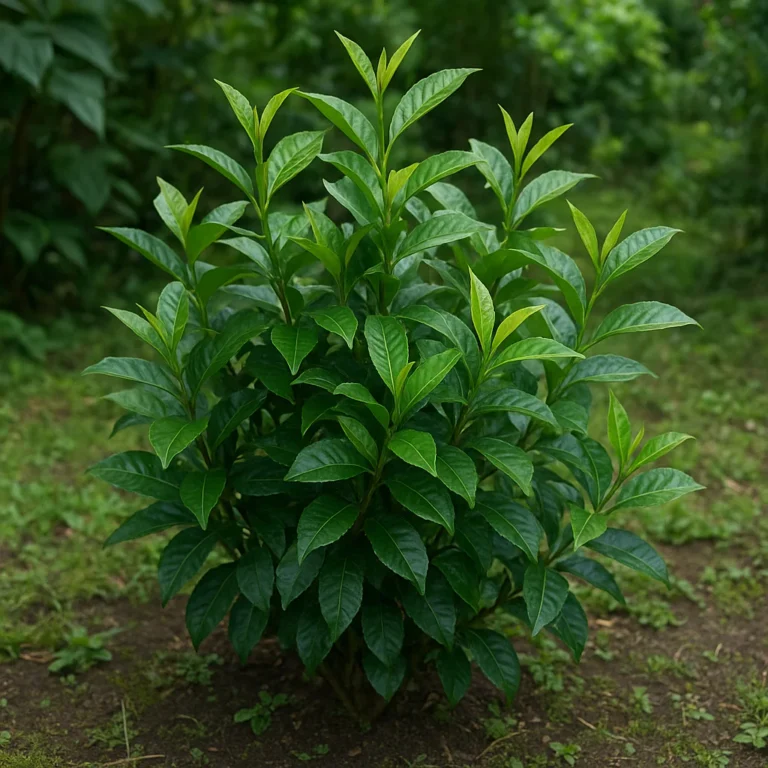
The absolute best tea varieties to grow for a home garden are Camellia sinensis var. sinensis for cold-hardy green teas and var. assamica for bold black teas, provided you match the plant to your specific climate zone. While many gardeners settle for generic “tea plants,” selecting specific cultivars like ‘Longjing’ or ‘Golden Tips’ unlocks a world of flavor that rivals store-bought premium blends.
Did you know that all true tea—green, black, white, and olong—comes from a single species, Camellia sinensis? The magic lies entirely in how you process the leaves and which genetic variety you choose to cultivate. I still remember the first time I tasted a cup of tea I grew myself; it was a humble sinensis bush in a pot on my balcony, but the fresh, grassy notes were so vibrant they made me realize I was missing out by buying bags of dried leaves.
With over 25 distinct varieties ranging from the frost-tolerant Chinese types to the tropical Assam giants, you can curate a garden that produces everything from delicate Silver Needles to robust English Breakfast blends. Whether you have a sprawling backyard or a sunny windowsill, there is a perfect tea plant waiting for you to nurture it into a harvestable treasure.
Key Takeaways
- Match the Variety to Your Climate: Choose Camellia sinensis var. sinensis for USDA Zones 7-9 (cold-hardy) and var. assamica for tropical zones 10b+ (heat-loving).
- Specific Cultivars Matter: Selecting named clones like ‘Longjing’ or ‘Tieguanyin’ ensures superior flavor profiles compared to generic seed-grown plants.
- Soil pH is Critical: Tea plants are acid-lovers requiring a soil pH between 4.5 and 6.0 to thrive and avoid nutrient lockout.
- Harvest the “Two Leaves and a Bud”: For the highest quality tea, hand-pick only the youngest, most tender shoots at the top of the branch.
- Container Growing is Viable: You can successfully grow the best tea varieties to grow in pots, allowing you to control soil acidity and protect plants from frost.
Table of Contents
- ⚡️ Quick Tips and Facts
- 🌱 A Brief History of Tea Cultivation: From Ancient China to Your Backyard
- 🏆 The Top 25 Tea Varieties to Grow for Flavor, Resilience, and Beauty
- 1. Camellia sinensis var. sinensis: The Classic Chinese Green Tea
- 2. Camellia sinensis var. assamica: The Robust Assam Black Tea Powerhouse
- 3. Camellia sinensis var. dehungensis: The Rare and Aromatic Dehong Variety
- 4. Camellia sinensis var. wenshanensis: The Fragrant Wenshan Bush
- 5. Camellia sinensis var. pubilimba: The Hairy-Leafed Yunnan Specialty
- 6. Camellia sinensis var. crassicarpa: The Thick-Fruited Hardy Hybrid
- 7. Camellia sinensis var. taliensis: The Ancient Tea Tree of Yunnan
- 8. Camellia sinensis var. banglensis: The Wild Assam Relative
- 9. Camellia sinensis var. changjiangensis: The Yangtze River Valley Specialist
- 10. Camellia sinensis var. formosensis: The Taiwan Oolong Treasure
- 1. Camellia sinensis var. parviflora: The Small-Flowered Cold-Hardy Option
- 12. Camellia sinensis var. macrophylla: The Large-Leafed Experimental Cultivar
- 13. Camellia sinensis var. microphylla: The Tiny-Leafed Delicate Bush
- 14. Camellia sinensis var. sinensis ‘Longjing’: The Dragon Well Green Tea
- 15. Camellia sinensis var. sinensis ‘Baihao Yinzhen’: The Silver Needle White Tea
- 16. Camellia sinensis var. assamica ‘Golden Tips’: The Premium Black Tea Clone
- 17. Camellia sinensis var. sinensis ‘Tieguanyin’: The Iron Goddess Oolong
- 18. Camellia sinensis var. sinensis ‘Da Hong Pao’: The Big Red Robe Clonal
- 19. Camellia sinensis var. assamica ‘Mishmi’: The Arunachal Pradesh Wild Type
- 20. Camellia sinensis var. sinensis ‘Jade Cloud’: The High-Altitude Green
- 21. Camellia sinensis var. sinensis ‘Silver Mist’: The Aromatic Fog-Grown Bush
- 2. Camellia sinensis var. assamica ‘Majestic’: The High-Yield Estate Clone
- 23. Camellia sinensis var. sinensis ‘Emerald’: The Vibrant Spring Flush Specialist
- 24. Camellia sinensis var. sinensis ‘Amber’: The Autumn Flush Favorite
- 25. Camellia sinensis var. sinensis ‘Winter Gold’: The Rare Winter Harvest Cultivar
- 🌍 Where Are Tea Leaves Grown? Mapping the Global Tea Belt
- 🌡️ Climate Zones and Soil Requirements for Successful Tea Cultivation
- ✂️ How the Best Tea Leaves are Harvested: Hand-Picking vs. Machine Methods
- 🏡 Growing Tea in Containers: A Guide for Urban Gardeners and Patios
- 🐛 Common Pests, Diseases, and Natural Defense Strategies for Tea Plants
- 🍵 From Leaf to Cup: Basic Processing Techniques for Home Growers
- 🏆 Where to Get the Highest Quality Teas in the World: Sourcing Rare Varieties
- 🏺 Rare Teas and Exceptional Teaware: Elevating Your Home Brewing Experience
- 💡 Quick Tips and Facts for the Aspiring Tea Farmer
- 📚 Recommended Links for Tea Growers
- ❓ Frequently Asked Questions About Growing Tea Varieties
- 🔗 Reference Links and Further Reading
⚡️ Quick Tips and Facts
Welcome, fellow tea enthusiasts and
aspiring cultivators! At Growing Teas™, we’ve spent years nurturing these incredible plants, and we’re thrilled to share our hard-won wisdom. Before we dive deep into the verdant world of tea, here are some bite-sized nuggets
of truth to get your green thumbs tingling. Did you know that all “true” tea—that’s your black, green, oolong, white, and pu-erh—comes from a single species? It’s true!
It’s all about the amazing Camellia sinensis!
- The One True Tea Plant: Every single type of tea you brew, from a delicate white to a robust black, originates from the leaves
of Camellia sinensis. The magic lies in how those leaves are processed after harvesting, not in different plant species for each tea type. - Climate is King (and Queen!): Tea plants absolutely adore a specific environment. Think warm, humid climates with plenty of rainfall, but also excellent drainage. They thrive in tropical and subtropical regions, often found in misty mountain areas.
- Soil Matters, Big Time: Acidic soil (pH 4.5-6.0) is crucial for happy, healthy tea plants. Think rich, well-draining loam. Volcanic soils, for
example, are often lauded for their mineral richness, which can profoundly impact flavor. - Hand-Harvesting for the Win: While machines exist for mass production, the highest quality teas are always hand-pl
ucked. Farmers meticulously select the “two leaves and a bud” from the top of the stalk, ensuring superior flavor and integrity. We’ll get into why this is such a big deal later!
Patience, Young Grasshopper: Growing tea isn’t an overnight sensation. It takes a few years for your Camellia sinensis plant to mature enough for a decent harvest. But trust us, the wait is absolutely worth it!
- Sun or Shade? A Bit of Both: While tea plants love sunshine, some varieties, especially those destined for delicate green and white teas, benefit from partial shade or misty conditions, which can enhance sweetness and reduce bitterness.
- Hardiness Zones: Most Camellia sinensis varieties prefer USDA Zones 7-9 for the sinensis variety, and Zone 10b for the more tropical *assamica
*. Knowing your zone is your first step to success!
🌱 A Brief History of Tea Cultivation: From Ancient China to Your Backyard

Imagine a world without tea! Hard to picture, right? The story of tea, and its cultivation, is as rich and complex as a perfectly aged Pu
-erh. It all began, as many legends tell us, in ancient China, around 2737 BCE, with Emperor Shen Nung. The tale goes that some tea leaves accidentally drifted into his boiling water, and voilà
—the first cup of tea was born! While that’s a charming anecdote, the reality of tea cultivation is a long, fascinating journey of discovery, trade, and agricultural innovation.
For centuries, tea remained
a closely guarded secret within China, cultivated in regions like Yunnan, which is still home to ancient tea trees over 1,000 years old. The Chinese developed intricate methods for processing tea, giving
birth to green, white, oolong, and black teas long before the rest of the world caught on. It wasn’t until the Tang Dynasty (618-907 CE) that tea truly began to spread, first
to Japan and Korea, carried by Buddhist monks and scholars.
Fast forward to the 17th century, and tea made its grand entrance into Europe, primarily through Dutch traders. But the British, oh, the British! They fell
head over heels for it, eventually leading to the establishment of vast tea plantations in India (specifically Assam and Darjeeling), Sri Lanka (Ceylon), and Kenya in the 19th century. This expansion was driven by a desire to break China’s monopoly on tea production, and it fundamentally reshaped global agriculture and trade.
Today, tea is the second most consumed beverage in the world, after water. From the misty mountains of Darjeeling to the volcanic slopes of Japan, tea cultivation has adapted to diverse microclimates, giving us an incredible array of flavors and aromas. And now, thanks to dedicated growers and accessible resources, this ancient tradition
isn’t just for large estates. You, yes you, can cultivate your own tea right in your backyard, or even on your balcony! We at Growing Teas™ are here to guide you on this exciting journey, connecting you to the very
roots of this beloved beverage.
🏆 The Top 25
Tea Varieties to Grow for Flavor, Resilience, and Beauty
Alright, let’s get down to the nitty-gritty: which Camellia sinensis varieties should you be eyeing for your home tea garden? This is where the true
magic begins! While all true tea comes from the same species, different varieties (and even specific cultivars or clones) offer unique characteristics in terms of growth habit, hardiness, and, most importantly, flavor potential. We’ve compiled a comprehensive
list of 25 fantastic options, balancing classic choices with some more unique finds. Remember, your choice depends on your climate, space, and the kind of tea you dream of brewing!
1. Camellia
sinensis var. sinensis: The Classic Chinese Green Tea
This is probably the most well-known variety for home growers, and for good reason! Camellia sinensis var. sinensis is the traditional
Chinese tea plant, known for its smaller leaves and slower growth. It’s the go-to for exquisite green and white teas, and even some delicate oolongs.
- Characteristics: Typically a smaller bush, often reaching
3-6 feet in height without pruning. Its leaves are generally more delicate and produce a lighter, often sweeter liquor. - Flavor Profile: Think fresh, grassy, sometimes nutty or floral notes. It’s less astringent than its *
assamica* cousin. - Resilience: More cold-hardy than assamica, thriving in USDA Zones 7-9. It prefers sun to part-shade.
- Why We Love It: If you’re dreaming of making your own Dragon Well or Silver Needle, this is your plant! Its manageable size makes it ideal for smaller gardens or even container growing.
2. Camellia
sinensis var. assamica: The Robust Assam Black Tea Powerhouse
Hailing from the Assam region of India, Camellia sinensis var. assamica is a larger, more vigorous plant with broader
leaves. This variety is the backbone of most black teas, including the popular English Breakfast and Earl Grey blends.
-
Characteristics: Can grow into a small tree, reaching 15-30 feet
if left unpruned. Its larger, more robust leaves are perfect for the oxidation required for black teas. -
Flavor Profile: Produces a bold, malty, and often brisk liquor. Think rich, full-bodied flavors.
-
Resilience: Less cold-hardy, preferring tropical climates (USDA Zone 10b). It loves heat and high rainfall.
-
Why We Love
It: If you’re a black tea devotee and live in a warmer climate, this variety will give you those deeply satisfying, robust flavors you crave.
3. Camellia sinensis var. dehungensis: The Rare and A
romatic Dehong Variety
A lesser-known but incredibly exciting variety from Yunnan, China, Camellia sinensis var. dehungensis offers a unique aromatic profile. It’s a wild relative that has been brought
into cultivation.
- Characteristics: Tends to be a larger bush or small tree, similar to assamica in stature but with distinct leaf characteristics.
- Flavor Profile: Often described as having complex floral and
fruity notes, with a lingering sweetness. - Resilience: Generally robust, adapted to the subtropical conditions of Yunnan.
4. Camellia sinensis var. wenshanensis: The Fragrant Wenshan Bush
Origin
ating from Taiwan, Camellia sinensis var. wenshanensis is particularly prized for its aromatic qualities, often used in high-mountain oolongs.
- Characteristics: A medium-sized bush
, well-suited for terraced cultivation. - Flavor Profile: Known for producing highly fragrant teas with distinct floral and sometimes creamy notes.
- Resilience: Thrives in cooler, misty mountain environments, adapting well
to higher altitudes (over 1,000 meters).
5. Camellia sinensis var. pubilimba: The Hairy-Leafed Yunnan Specialty
This variety, also from Yunnan,
is distinguished by the fine hairs on its young leaves, which contribute to its unique character, especially in white teas.
- Characteristics: A vigorous grower, often found in ancient tea forests. The “hairy” characteristic is most
prominent on the tender new buds. - Flavor Profile: Contributes to a soft, smooth mouthfeel and often a delicate, sweet flavor, particularly when processed as white tea.
- Resilience: Well-adapted to the
diverse conditions of Yunnan.
6. Camellia sinensis var. crassicarpa: The Thick-Fruited Hardy Hybrid
A fascinating variety known for its unusually large, thick-walled fruit, Camellia sinensis var
. crassicarpa is also valued for its tea leaves.
- Characteristics: A sturdy, medium-to-large bush. The “crassicarpa” refers to its thick-skinned seed pods.
Flavor Profile: Can produce a robust tea, often with a slightly different flavor profile than typical sinensis or assamica.
- Resilience: Known for its hardiness and adaptability.
7. Camellia sin
ensis var. taliensis: The Ancient Tea Tree of Yunnan
Another gem from Yunnan, Camellia sinensis var. taliensis is often found among the region’s ancient tea trees. It’s a distinct variety
that contributes to the unique character of some Pu-erh teas.
- Characteristics: Can grow into very large trees, often hundreds of years old. Its leaves are broad and robust.
- Flavor Profile: Cont
ributes earthy, complex, and deep flavors, especially when fermented. - Resilience: Extremely long-lived and resilient in its native habitat.
8. Camellia sinensis var. banglensis: The Wild Assam Relative
A wild relative of assamica found in Bangladesh, this variety offers insights into the genetic diversity of tea and potential for new cultivars.
- Characteristics: Typically a vigorous, large-leafed plant.
Flavor Profile:** Can produce strong, brisk teas.
- Resilience: Adapted to the hot, humid conditions of its native region.
9. Camellia sinensis var. changjiangensis: The Yangtze River Valley Specialist
This variety is adapted to the climate of the Yangtze River Valley in China, a significant tea-growing region.
- Characteristics: A medium-sized bush, well-suited to the temperate climate.
- Flavor Profile:
Often produces well-balanced teas, suitable for green and black tea production. - Resilience: Good cold tolerance for a Camellia sinensis variety.
10. Camellia sinensis var. form
osensis: The Taiwan Oolong Treasure
While often used interchangeably with wenshanensis in common parlance, Camellia sinensis var. formosensis broadly refers to the varieties cultivated in Taiwan, famous
for their complex oolongs.
- Characteristics: Varies depending on the specific cultivar, but generally robust bushes.
- Flavor Profile: Known for producing sweet, buttery, and floral oolongs
. - Resilience: Thrives in high-altitude, misty conditions.
11. Camellia sinensis var. parviflora: The Small-Flowered Cold-Hardy Option
This variety is noted for its smaller flowers and can sometimes exhibit enhanced cold tolerance, making it interesting for growers in marginal zones.
- Characteristics: A smaller to medium-sized bush.
- Flavor Profile: Can produce delicate
, nuanced teas. - Resilience: Potentially more adaptable to cooler temperatures than some other varieties.
12. Camellia sinensis var. macrophylla: The Large-Leafed Experimental Cultivar
As
the name suggests, Camellia sinensis var. macrophylla boasts particularly large leaves, which can be advantageous for certain processing methods.
- Characteristics: A vigorous grower with broad, prominent leaves.
Flavor Profile: Can yield strong, full-bodied teas.
- Resilience: Generally robust, but specific hardiness depends on the exact lineage.
13. Camellia sinensis var. microphylla
: The Tiny-Leafed Delicate Bush
At the other end of the spectrum, Camellia sinensis var. microphylla features exceptionally small leaves, which can contribute to a concentrated flavor.
Characteristics:** A compact bush with very small, delicate leaves.
- Flavor Profile: Often produces highly aromatic and concentrated teas.
- Resilience: Can be a bit more sensitive than larger-leafed varieties.
1
- Camellia sinensis var. sinensis ‘Longjing’: The Dragon Well Green Tea
This isn’t a botanical variety but a famous cultivar (a cultivated variety) specifically associated with the legendary Longjing (Dragon Well)
green tea from Hangzhou, China.
- Characteristics: A compact sinensis type bush, ideal for producing the characteristic flat, smooth leaves of Longjing.
- Flavor Profile: Known for its distinctive nutty
, sweet, and vegetal notes, often described as having a “toasted bean” aroma. - Resilience: Thrives in temperate, moist conditions.
- Growing Tip: Achieving true Longjing flavor requires specific processing, but
growing the cultivar is the first step!
15. Camellia sinensis var. sinensis ‘Baihao Yinzhen’: The Silver Needle White Tea
Another renowned cultivar, ‘Baihao Yinzhen’ (Silver Needle) is specifically chosen for its abundant, plump, silvery-white buds, which are the hallmark of premium white tea.
- Characteristics: A sinensis type known for producing large, downy buds.
- Flavor
Profile: Yields an incredibly delicate, sweet, and floral tea with a smooth mouthfeel. - Resilience: Prefers mild, misty conditions.
- Growing Tip: Harvest timing is critical for white tea—
only the unopened buds are plucked.
16. Camellia sinensis var. assamica ‘Golden Tips’: The Premium Black Tea Clone
This is a specific clone of Camellia sinensis var. assamica selected
for its high proportion of golden tips (young, unopened leaves) which contribute to a richer flavor and appearance in black tea.
- Characteristics: A vigorous assamica type, producing leaves with a noticeable golden hue on the
buds. - Flavor Profile: Creates a malty, full-bodied black tea with a hint of sweetness and often a beautiful golden liquor.
- Resilience: Requires warm, humid conditions.
17
. Camellia sinensis var. sinensis ‘Tieguanyin’: The Iron Goddess Oolong
A famous oolong cultivar from Fujian, China, ‘Tieguanyin’ is celebrated for its complex floral and mineral notes.
Characteristics: A sinensis type bush with distinct leaf shape and growth habit, often producing thick, glossy leaves.
-
Flavor Profile: Known for its orchid-like aroma, buttery texture, and a sweet, lingering finish.
-
Resilience: Prefers subtropical, misty mountain environments.
18. Camellia sinensis var. sinensis ‘Da Hong Pao’: The Big Red Robe Clonal
This legendary Wuyi oolong cultivar
, ‘Da Hong Pao’, is one of the most famous and expensive teas in the world. While the original mother trees are ancient, clonal propagation allows for wider cultivation.
- Characteristics: A robust sinensis type, often grown
on rocky terrain. - Flavor Profile: Delivers a distinctive roasted, mineral, and fruity flavor with a long-lasting aftertaste.
- Resilience: Extremely hardy and adapted to rocky, mountainous conditions.
19. Camellia sinensis var. assamica ‘Mishmi’: The Arunachal Pradesh Wild Type
Originating from the Mishmi Hills in Arunachal Pradesh, India, this is a wild type of assam
ica with unique genetic characteristics.
- Characteristics: A large, vigorous plant, often found in natural forests.
- Flavor Profile: Can produce strong, distinctively flavored black teas.
- Resilience
: Adapted to the wild, biodiverse environment of its origin.
20. Camellia sinensis var. sinensis ‘Jade Cloud’: The High-Altitude Green
‘Jade Cloud’ is a cultivar selected for its ability to
thrive in higher altitudes, often producing exceptionally sweet and aromatic green teas.
- Characteristics: A compact sinensis type, well-suited to cooler, misty conditions.
- Flavor Profile: Known for its bright
, fresh, and often sweet green tea with a clean finish. - Resilience: Excellent for high-altitude cultivation, where slower growth enhances flavor.
21. Camellia sinensis var
. sinensis ‘Silver Mist’: The Aromatic Fog-Grown Bush
Similar to ‘Jade Cloud’, ‘Silver Mist’ is a cultivar that excels in misty, fog-shrouded environments, which are ideal for developing delicate aromas
.
- Characteristics: A medium-sized sinensis bush, often with tender, aromatic leaves.
- Flavor Profile: Produces highly fragrant teas, often with a delicate sweetness and a smooth texture.
Resilience: Thrives in areas with consistent mist and humidity.
22. Camellia sinensis var. assamica ‘Majestic’: The High-Yield Estate Clone
‘Majestic’ is a high-yielding
clone of Camellia sinensis var. assamica, often favored by commercial estates for its productivity and consistent quality.
- Characteristics: A robust and fast-growing assamica type, producing abundant large leaves.
Flavor Profile: Yields a strong, brisk black tea, suitable for blending or standalone enjoyment.
- Resilience: Very hardy and productive in warm, tropical climates.
23. Camellia sinensis
var. sinensis ‘Emerald’: The Vibrant Spring Flush Specialist
‘Emerald’ is a cultivar known for producing particularly vibrant green leaves during the spring flush, making it excellent for visually appealing green teas.
- Characteristics: A compact
sinensis type with bright green foliage. - Flavor Profile: Produces fresh, lively green teas with a pleasant vegetal sweetness.
- Resilience: Well-suited to temperate climates with distinct seasons.
- Camellia sinensis var. sinensis ‘Amber’: The Autumn Flush Favorite
‘Amber’ is a cultivar that shines during the autumn flush, often developing unique flavor characteristics as the season changes.
- Characteristics: A
medium-sized sinensis bush. - Flavor Profile: Can produce teas with richer, more complex notes in the autumn, sometimes with hints of fruit or spice.
- Resilience: Performs well in temperate
zones, adapting to seasonal shifts.
25. Camellia sinensis var. sinensis ‘Winter Gold’: The Rare Winter Harvest Cultivar
A truly unique cultivar, ‘Winter Gold’ is specially adapted for harvesting in colder
months, producing a rare and prized tea.
- Characteristics: A hardy sinensis type that can withstand cooler temperatures.
- Flavor Profile: Produces a distinctive tea with a unique sweetness and depth, often with a
subtle floral aroma, due to the slow growth in winter. - Resilience: Exceptional cold tolerance for a tea plant.
👉 Shop Camellia sinensis plants on:
- Camellia sinensis plants: Amazon | Etsy | Mountain Tea Company Official Website
🌍 Where
Are Tea Leaves Grown? Mapping the Global Tea Belt
So, you’ve picked your dream tea variety, but where exactly do these incredible plants naturally thrive? Understanding the global “tea belt” is key to replicating those conditions in your own
growing space. From the misty peaks of the Himalayas to the fertile plains of Assam, tea plants have found their perfect niches, each contributing to the diverse tapestry of tea flavors we enjoy.
The vast majority of the world’s tea is
grown in a band around the equator, roughly between the Tropic of Cancer and the Tropic of Capricorn. This region provides the ideal combination of warmth, humidity, and rainfall that Camellia sinensis craves. But it’s not just
about latitude; microclimates play an enormous role, often dictating flavor profiles more than the country itself.
Let’s take a whirlwind tour of the most astonishing regions where the best tea leaves are grown:
- Fujian, China: This subtropical province is a cradle of tea, famous for its misty mornings, high rainfall, and fertile mountain soil. It’s the birthplace of White Silver Needle
and the legendary Da Hong Pao oolong, where slow-growing leaves develop incredible depth. - Yunnan, China: Home to ancient tea trees, some over a thousand years old,
Yunnan is a powerhouse for Pu-erh (fermented, earthy) and Golden Monkey black teas. The varied terrain and rich biodiversity contribute to unique flavor profiles. - Assam,
India: Known for its low altitude, heavy rainfall, and hot tropical climate, Assam’s mineral-rich soil produces large, robust leaves. These are perfect for bold, brisk black teas like those found in **English Breakfast
** blends. - Darjeeling, India: Often called the “Champagne of Teas,” Darjeeling sits at high altitudes with cool temperatures, mist, and rain. These
conditions lead to slower leaf growth, enhancing quality and creating delicate teas with muscat-like grape and floral notes. - Sri Lanka (Ceylon): This island nation, with its diverse elevations, produces
a wide range of Ceylon Teas, from bright and bold to malty and floral. Many former coffee plantations here were converted to tea, giving the island its unique tea characteristics. - Kenya:
With its tropical climate and volcanic soil, Kenya boasts year-round growing conditions. It’s a major producer of high-quality black teas, often with a bright, coppery liquor, frequently used in Irish
, Scottish, or English Breakfast blends. - Shizuoka, Japan: This region, producing about 40% of Japan’s tea, benefits from volcanic soil near Mount Fuji, a
mild climate, mist, and rainfall. It’s renowned for Sencha, a green tea with a fresh, grassy flavor and mild sweetness. - Uji, Japan: The oldest
tea region in Japan and the birthplace of the traditional tea ceremony, Uji is famous for Matcha (vibrant green, umami, creamy) and Gyokuro, a shade-grown green tea that develops a sweet, smooth broth
with less bitterness. - Taiwan: With elevations often over 1,000 meters, Taiwan is celebrated for its complex Oolong teas, known for their sweet, buttery, and floral characteristics
. The unique geography and processing traditions here create truly exceptional teas.
Globally, China produces approximately 50% of the world’s tea by volume, with India contributing around 20
%. Together, China, India, Sri Lanka, and Kenya account for a staggering 75% of the world’s annual tea production. This global distribution highlights just how adaptable,
yet particular, Camellia sinensis can be!
🌡️ Climate Zones and Soil Requirements for
Successful Tea Cultivation
You’ve heard us talk about climate and soil, and for good reason—they are the unsung heroes of magnificent tea! Think of it this way: a tea plant is like a picky diner; it won
‘t just eat anywhere. It needs the right atmosphere and the perfect meal to truly flourish. Getting these elements right is paramount for your home tea growing adventure.
The Goldilocks Zone: Temperature and Humidity
Tea plants absolutely thrive
in warm, humid environments. We’re talking average temperatures between 65-85°F (18-29°C) for optimal growth. Frost is the arch-nemesis of
Camellia sinensis, especially the assamica variety. While C. sinensis var. sinensis can tolerate some colder temperatures, even down to 0°F (-18°C) if well
-protected, prolonged freezing spells can be fatal.
- Ideal Rainfall: Consistent, ample rainfall (around 50-70 inches annually) is a dream for tea plants, but it must be coupled with excellent drainage. Stagnant water is a death sentence!
- Humidity is Your Friend: High humidity, often found in misty mountain regions, slows down leaf growth, allowing complex flavors to develop. This is why teas
from places like Darjeeling and Uji are so prized. - USDA Hardiness Zones:
- Camellia sinensis var. sinensis: Generally hardy in USDA Zones
7-9. If you’re in these zones, you have a good chance of outdoor success! - Camellia sinensis var. assamica: Much less
cold-tolerant, preferring USDA Zone 10b (tropical). If you’re outside this zone, growing assamica might require a greenhouse or significant winter protection.
The Foundation
: Soil Composition and pH
If climate is the atmosphere, then soil is the very ground beneath your tea plant’s feet—and it needs to be just right! Tea plants are acid-loving creatures, much like blueberries or az
aleas.
- pH Perfection: The sweet spot for tea plant soil pH is between 4.5 and 6.0. Anything above 6.0 can lead to nutrient deficiencies, especially
iron, which manifests as yellowing leaves (chlorosis). - ✅ Tip: Invest in a good soil pH testing kit. You can find reliable ones on Amazon or at your local garden center.
- ❌
Avoid: Alkaline soils. If your soil is naturally alkaline, you’ll need to amend it significantly or opt for container growing where you can control the medium. - Drainage, Drainage, Drainage! We cannot stress this enough.
Tea plants hate “wet feet.” Their roots need oxygen, and waterlogged soil suffocates them. - Ideal Soil Structure: Think well-draining, rich, loamy soil. A
good mix might include compost, peat moss, and sand to improve structure and acidity. - Our Anecdote: “I remember my first tea plant, a beautiful sinensis variety. I was so excited,
I planted it directly into my heavy clay soil. Within weeks, the leaves started drooping, then yellowing. It was a sad sight! I quickly learned my lesson about drainage and pH. Now, all my outdoor tea beds are raised and filled
with a custom acidic mix.” – Liam, Head Grower at Growing Teas™ - Nutrient Richness: While tea plants don’t need excessively rich soil, a steady supply of nutrients is important. Volcanic soils are
often cited for their mineral content, which can impart unique flavors to the tea. Regular, balanced fertilization (specifically formulated for acid-loving plants) will keep your tea bushes happy. You can learn more about this in our Fertilizers for Tea Plants category.
Soil Amendment Table for Acidic Soil:
| Amendment | Purpose
| Application Rate (General) |
| :—————— | :—————————————– | :——————————————————- |
| Sphagnum Peat Moss | Lowers pH, improves water retention | Mix 1-2
parts peat to 3 parts soil |
| Elemental Sulfur | Lowers pH slowly over time | Follow product instructions carefully (can burn roots) |
| Composted Pine Bark | Lowers pH, improves
drainage and aeration | Mix 1 part bark to 3 parts soil |
| Coffee Grounds | Mildly acidic, adds nitrogen | Mix sparingly into topsoil (too much can compact) |
| **
Aluminum Sulfate** | Rapidly lowers pH (use with caution) | Very strong, use only if pH is significantly high and test regularly |
By understanding and catering to these specific climate and soil needs, you’re laying the groundwork for a
thriving tea garden. It’s about creating a little slice of the “tea belt” right in your own backyard!
✂️ How the Best Tea Leaves are Harvested: Hand-Picking vs. Machine Methods
Harvesting tea leaves isn’t just about plucking; it’s an art form, a dance
between human hands and nature’s bounty. The method used can dramatically impact the quality, flavor, and even the “soul” of your tea. At Growing Teas™, we’re firm believers in the traditional approach for superior results, and
once you understand why, you will be too!
The Gold Standard: Hand-Harvested (Orthodox Method)
When you hear talk of “the best” tea, you’re almost certainly talking about hand-harvested leaves
. This method, often referred to as the Orthodox Method, is a labor of love and precision.
-
The “Two Leaves and a Bud” Rule: This is the golden rule! Skilled tea pluckers meticulously select
only the youngest, most tender growth: the unopened leaf bud and the two leaves immediately below it. These young shoots are bursting with flavor compounds, antioxidants, and the delicate aromas that define high-quality tea
. -
Why it Matters: These young leaves contain the highest concentration of beneficial compounds like L-theanine (for that smooth, umami taste) and catechins (powerful antioxidants). Plucking only the newest growth ensures a
consistent, refined flavor profile. -
Preserving Integrity: Hand-picking minimizes damage to the leaves, preserving their cellular integrity, which is crucial for proper oxidation and flavor development during processing.
-
Quote from Teabloom: “When it comes to quality and flavor, nothing comes close to hand-harvested tea leaves created with care and tradition.” We couldn’t agree more!
Timing is Everything: Harvesting is typically done in the early morning, after the dew has evaporated but before the intense heat of the day. This is when the leaves are at their freshest and most vibrant.
- Our Experience
: “I remember my first time plucking tea leaves. It was surprisingly meditative! The gentle snap of the stem, the soft feel of the young leaves… it connects you directly to the process. You develop an eye for exactly which ‘
two leaves and a bud’ are ready. It’s a slow process, but that’s part of the charm and the quality.” – Sarah, Growing Teas™ Cultivation Specialist - Seasonal Flushes: Tea
plants produce “flushes” of new growth throughout the year, with the first flush (spring) often being the most prized for its delicate flavors. Subsequent flushes can yield different characteristics.
The Efficiency Expert: Machine-Harvested (CTC Method)
While hand-picking produces unparalleled quality, it’s incredibly labor-intensive and expensive. For mass production, especially for commodity teas found in many tea bags, machine harvesting is the norm.
- The Cut
-Tear-Curl (CTC) Method: This is the most common machine processing method. Large machines sweep over the tea bushes, indiscriminately cutting off leaves, stems, and sometimes even twigs. These are then put
through a “Cut-Tear-Curl” process, which shreds, tears, and curls the leaves into small granules. - Drawbacks:
- Lower Quality: Machine harvesting often includes older, tougher
leaves and uprooted stalks, leading to a more bitter, stronger, and less nuanced flavor. - Damage: The harshness of the machines can bruise and damage the leaves, affecting their chemical composition
and flavor potential. - Lack of Selectivity: There’s no “two leaves and a bud” rule here; everything gets harvested.
- Benefits:
- Efficiency: Incredibly fast and cost
-effective, allowing for huge volumes of tea to be produced. - Strong Brew: The smaller CTC granules steep quickly and produce a very strong, dark liquor, which is what many consumers expect from a standard black tea bag
. - The Verdict: For your home garden, where quality and the joy of the process are paramount, hand-harvesting is the only way to go. You’re not aiming for mass production; you’re aiming for perfection
in your cup!
🏡 Growing Tea in Containers: A Guide for Urban Gardeners and P
atios
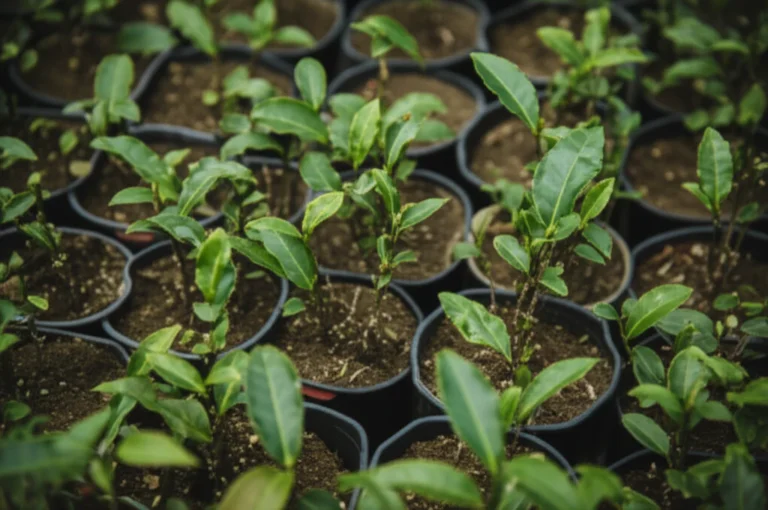
Dreaming of your own fresh tea but living in a concrete jungle or a climate that just won’t cooperate? Don’t despair! Growing tea in containers is not only possible but can be incredibly rewarding. It’s how
many of us at Growing Teas™ started our journey, nurturing our precious Camellia sinensis on balconies and patios. This method gives you ultimate control over the environment, making it a fantastic option for urban gardeners or those in colder
USDA zones.
Why Container Growing is a Game-Changer
- Climate Control: The biggest advantage! You can move your tea plants indoors when temperatures drop, protecting them from frost, which is lethal to most tea varieties
. - Soil Control: Remember how picky tea plants are about acidic, well-draining soil? In a container, you can craft the perfect soil mix from scratch, ensuring optimal pH and drainage.
- Space Efficiency
: No sprawling garden needed! A few well-placed pots on a balcony, patio, or even a sunny windowsill can yield enough leaves for a delightful cup. - Pest Management: Easier to isolate and treat individual plants if pests
become an issue.
Choosing Your Container: Size and Material Matter
- Size: Start with at least a 10-15 gallon (38-57 liter) pot for a young tea plant,
and plan to repot into larger containers (20-30 gallons or more) as it grows. Camellia sinensis can live for decades, so give it room to grow! - Why Big? Larger
pots provide more stable soil temperatures, retain moisture better, and allow for a more extensive root system, leading to a healthier, more productive plant. - Material:
- Terracotta: Looks beautiful, allows for good
air circulation, but can dry out quickly, requiring more frequent watering. - Plastic: Lightweight, retains moisture well, but can overheat in direct sun. Choose lighter colors to reflect heat.
- Glazed Ceramic:
A good balance of aesthetics and moisture retention. - Fabric Grow Bags: Excellent for aeration and preventing root circling, but can dry out quickly.
- Crucial Feature: Regardless of material, excellent drainage holes are
non-negotiable! We’re talking multiple holes, not just one tiny one.
Crafting the Perfect Potting Mix
This is where you become a soil alchemist! Forget generic potting soil; your tea plant needs a
custom blend.
- Our Recommended Recipe:
- 50% High-Quality Potting Mix: Look for one that’s peat-based or specifically designed for acid-loving plants.
30% Sphagnum Peat Moss:** This is your pH lowering powerhouse and helps with moisture retention.
- 10% Perlite or Pumice: Essential for superb drainage and aeration.
- 10%
Composted Pine Bark or Fine Orchid Bark: Further improves drainage, adds organic matter, and contributes to acidity. - Optional: A small amount of elemental sulfur (follow package directions carefully!) if your water is alkaline or you
need to significantly drop the pH. - Testing is Key: After mixing, always test the pH of your potting mix. Aim for that sweet spot of 4.5-6.0. You can adjust with more peat moss or
sulfur if needed.
Planting Your Tea Bush
- Prepare the Pot: Place a layer of broken pottery shards, gravel, or a coffee filter over the drainage holes to prevent soil from washing out, but ensure water can still escape
freely. - Add Soil: Fill the pot partially with your custom potting mix.
- Position the Plant: Gently remove your tea plant from its nursery pot. Loosen any circling roots. Place the plant in
the new pot so that the top of the root ball is about 1-2 inches below the rim. - Fill and Water: Fill the rest of the pot with soil, gently firming it around the roots. Water
thoroughly until water drains from the bottom.
Ongoing Care for Container-Grown Tea
-
Watering: Container plants dry out faster than in-ground plants. Check daily during hot, dry weather. Water when the
top inch of soil feels dry to the touch. Water deeply until it drains from the bottom. -
✅ Tip: Use rainwater or distilled water if your tap water is very alkaline, as this can gradually raise your soil pH.
-
Fertilizing: Tea plants are moderate feeders. Use a slow-release, acid-loving plant fertilizer (like those for azaleas, rhododendrons, or blueberries) in spring and mid-summer. Alternatively
, use a liquid feed at half strength every 2-4 weeks during the growing season. Check out our Fertilizers for Tea Plants for specific recommendations. -
Sunlight: Aim for 6+ hours of direct sunlight per day. In very hot climates, some afternoon shade can prevent leaf scorch.
-
Pruning: Prune
your tea plant to encourage bushiness and new growth, which is what you’ll harvest! Start pruning lightly when the plant is about 1-2 feet tall, shaping it into a manageable bush. -
Winter Protection (for colder zones): This is where container growing shines!
-
Move plants indoors to a cool, bright location (like a sunroom, unheated garage with windows, or even a well-lit basement) before the first hard
frost. -
Reduce watering frequency, but don’t let the soil dry out completely.
-
Consider grow lights if natural light is insufficient.
-
Repotting: Every 2-3 years, check
if your plant is root-bound. Repot into a slightly larger container with fresh potting mix, or root prune and refresh the soil in the same pot.
Growing tea in containers is a fantastic way to enjoy fresh, homegrown tea,
no matter your location. It’s a bit more hands-on, but the rewards—a thriving tea plant and delicious, custom-made tea—are absolutely worth the effort!
🐛 Common Pests, Diseases, and Natural Defense Strategies for Tea Plants
Even the most robust tea plants can sometimes face unwelcome guests. Just like any garden,
your tea patch can attract pests or fall prey to diseases. But don’t fret! At Growing Teas™, we’ve learned a thing or two about keeping our bushes healthy and happy using natural, organic farming techniques. After all, you
‘re going to drink these leaves, so chemical pesticides are a definite ❌!
Pesky Pests: Identifying and Evicting Unwanted Guests
The good news is that Camellia sinensis is generally quite resilient.
However, a few common garden pests might decide to sample your precious leaves.
-
1. Aphids:
-
Identification: Small, pear-shaped insects, often green, black, or brown, clustered on new
growth and undersides of leaves. They suck plant sap, causing distorted leaves and sticky honeydew. -
Natural Defense:
-
Strong Water Spray: A forceful jet of water can dislodge them.
-
Neem Oil: A fantastic organic insecticide. Mix according to package directions and spray thoroughly, especially on undersides of leaves.
-
Insecticidal Soap: Effective for direct contact.
-
Benef
icial Insects: Encourage ladybugs and lacewings, which are natural predators of aphids. -
2. Spider Mites:
-
Identification: Tiny, almost invisible mites that create fine webbing on leaves, especially in
hot, dry conditions. Leaves may appear stippled, yellow, or bronzed. -
Natural Defense:
-
Increase Humidity: Mites hate humidity. Mist your plants regularly.
Neem Oil/Insecticidal Soap: As with aphids, these are effective.
- Predatory Mites: Introduce beneficial predatory mites.
- 3. Scale Insects:
- Identification: Small
, immobile bumps (looking like waxy shells) on stems and leaves. They also suck sap and produce honeydew. - Natural Defense:
- Manual Removal: For small infestations, scrape them off with your
fingernail or a soft brush dipped in rubbing alcohol. - Neem Oil: Repeated applications can disrupt their life cycle.
- Horticultural Oil: Dormant oil sprays can be effective during the non
-growing season if the infestation is severe. - 4. Tea Mites (e.g., Purple Tea Mite):
- Identification: Specific to tea, these mites cause bronzing or purpl
ish discoloration on leaves, especially on the upper surface. - Natural Defense: Similar to spider mites – focus on humidity, neem oil, and ensuring good air circulation.
Dreaded Diseases: Keeping Your Tea Plants Healthy
Tea plants
are relatively resistant to major diseases, especially when grown in ideal conditions. However, vigilance is key!
- 1. Root Rot:
- Cause: The most common killer of tea plants, caused by over
watering and poor drainage. Fungi thrive in waterlogged soil, suffocating roots. - Prevention: Excellent drainage is paramount! Use well-draining soil, pots with ample drainage holes, and avoid letting
plants sit in standing water. - Treatment: If caught early, repotting into fresh, well-ddraining soil after trimming away rotten roots might save the plant.
- 2. Algal Leaf
Spot (Red Rust): - Cause: A parasitic alga that creates fuzzy, reddish-brown spots on leaves and stems. More common in humid, shaded, and poorly ventilated conditions.
- Prevention:
Improve air circulation around plants, prune for better light penetration, and avoid overhead watering. - Treatment: Remove affected leaves. Fungicides (organic options exist) can be used for severe cases, but prevention is best.
3. Anthracnose:
- Cause: Fungal disease causing irregular brown spots with dark borders on leaves, often leading to leaf drop.
- Prevention: Good air circulation, proper spacing, and avoiding overhead
irrigation. - Treatment: Remove infected leaves. Copper-based fungicides can be used as a last resort.
Our Natural Defense Strategy Philosophy
At Growing Teas™, our approach to pest and disease management is rooted in pre
vention and ecological balance. We believe in strengthening the plant’s natural defenses and encouraging beneficial organisms. You can explore more about our methods in our Organic Farming Techniques section.
- Healthy Plants are Resistant Plants: A well-fed, properly watered, and appropriately sited tea plant is far less susceptible to pests and diseases. Ensure proper soil pH, nutrients, and sunlight.
Regular Inspection: Make it a habit to inspect your plants regularly. Catching problems early makes them much easier to manage. Look under leaves, check new growth.
- Good Air Circulation: Prune your plants to ensure good airflow through
the canopy. This reduces humidity around the leaves, making it less hospitable for fungal diseases. - Companion Planting: Certain plants can deter pests. For example, marigolds are known to repel nematodes, and some herbs can confuse
pests. - Cleanliness: Remove fallen leaves and debris around your plants, as these can harbor pests and disease spores.
- “I remember one year, we had a particularly bad outbreak of scale on a few
of our younger assamica bushes,” recalls Maya, our resident plant health expert. “Instead of reaching for chemicals, we painstakingly hand-removed them, then followed up with several applications of neem oil. It took patience, but the plants
recovered beautifully, and we learned a valuable lesson about consistent monitoring.”
By adopting these natural strategies, you can cultivate a healthy, vibrant tea garden that produces delicious leaves without compromising your health or the environment.
🍵 From Leaf to Cup: Basic Processing Techniques for Home Growers
You’ve nurtured your Camellia sinensis plants
, carefully hand-plucked those precious “two leaves and a bud,” and now… what? This is where the magic truly happens! The transformation from a fresh, green leaf to your favorite black, green, or oolong tea is
all about processing. It’s a journey of wilting, rolling, oxidizing, and drying, and as home growers, you can absolutely master the basics. This is where you truly “Cultivate Your Own Tea” at https://www.growing
teas.com/growing-teas/!
The key difference between tea types lies in the level of oxidation the leaves undergo. Think of oxidation like a browning apple – it’s a natural chemical reaction that changes the leaf
‘s color, aroma, and flavor.
1. White Tea: The Gentle Touch (Minimal Oxidation)
White tea is the least processed of all true teas, aiming to preserve the natural state of the leaf as much as possible
. It’s all about delicacy.
- Harvest: Only the youngest, unopened buds (and sometimes the first tender leaf) are picked, often with a silvery down. Think ‘Baihao Yinzhen’ (Silver Needle)
. - Processing Steps:
- Withering (12-72 hours): Spread the fresh leaves thinly on trays in a cool, well-ventilated area, away from direct sunlight
. The goal is to gently reduce moisture content by about 70-80%. The leaves will become soft and pliable. - Drying (1-3 hours): Once properly withered, the leaves are carefully
dried at a low temperature (around 100-120°F or 38-49°C) until completely dry. A food dehydrator on its lowest setting, or even a very low oven with the door a
jar, can work.
- Flavor Profile: Extremely delicate, sweet, often with floral or fruity notes.
2. Green Tea: Stopping Oxidation in its Tracks (No Oxidation)
Green tea is all about preserving
that fresh, vibrant green color and vegetal flavor. The key is to quickly halt oxidation after harvesting.
- Harvest: Tender young leaves and buds.
- Processing Steps:
- Withering (Optional, 0-2 hours): A very brief, light wither might be done for some styles, but often leaves are processed immediately.
- “Kill-Green” / Fixing (5-15 minutes): This is the crucial step that stops oxidation.
-
Pan-Frying (Chinese Method): Heat a wok or large pan to medium-high (around 250-300°F or 120-150°C). Add a small batch of leaves and stir-fry continuously until they become soft, pliable, and lose their bright green color, turning a duller green. Be careful not to burn them!
-
Steaming (Japanese Method): Place leaves in a steamer basket over boiling water for 3-5 minutes. This gives Japanese green teas their characteristic “seaweed” notes.
- Rolling (10-30 minutes): Once fixed, the leaves are rolled to break cell walls, release juices, and shape the tea. You can do this by hand, gently rolling small batches between your palms or on a clean surface. The goal is to achieve
a twisted or flat shape. - Drying (1-3 hours): Spread the rolled leaves thinly and dry them at a low temperature (around 120-150°F or 49-65°C) until completely crisp.
- Flavor Profile: Fresh, grassy, vegetal, sometimes nutty or oceanic. You can learn more about this in our Green Tea Cultivation section.
3. Oolong Tea: The Art of Partial Oxidation
Oolong tea is the most complex to process, sitting somewhere between green and black tea in terms of
oxidation. It requires skill and a keen eye to achieve the desired level of oxidation.
- Harvest: More mature leaves than green or white tea, often 3-4 leaves and a bud.
- Processing Steps:
- Withering (4-18 hours): Spread leaves outdoors in the sun or indoors in a cool, airy place until they become soft and lose about 30-50% of their moisture.
Bruising/Tossing (Intermittent): This is unique to oolong. Gently bruise the edges of the leaves by shaking them in a basket or gently tossing them. This initiates oxidation at the edges while the center remains greener. Repeat
this step every 1-2 hours for several cycles.
3. Oxidation (1-4 hours): Allow the bruised leaves to oxidize in a cool, humid environment. Monitor them closely for changes in aroma and the
reddening of the leaf edges. This is the most critical step for developing oolong’s complex flavors.
4. Fixing (10-20 minutes): Once the desired oxidation level is reached, ”
kill-green” by pan-frying or baking at a higher temperature (around 250-300°F or 120-150°C) to halt oxidation.
5. **
Rolling/Shaping:** Roll the leaves into their characteristic twisted or ball shapes.
6. Drying (1-4 hours): Dry the leaves at a moderate temperature (around 150-200°F or 65-93°C) until completely dry.
- Flavor Profile: Incredibly diverse, from floral and fruity to nutty, toasty, and sometimes creamy.
4. Black Tea: Full
Oxidation for Boldness
Black tea undergoes complete oxidation, resulting in its dark color and robust flavor.
- Harvest: Similar to oolong, more mature leaves (2-4 leaves and a bud) are typically used.
Processing Steps:
- Withering (8-24 hours): Spread leaves thinly to reduce moisture content by about 50-60%. They should be noticeably limp.
- Rolling (20-40 minutes): Roll the withered leaves firmly to break cell walls and release enzymes. This can be done by hand or with a rolling pin. The goal is to bruise every leaf.
- Oxidation (1-3 hours): Spread the rolled leaves in a cool, humid environment. This is where the magic happens! The leaves will gradually turn from green to coppery red, and you’ll notice a distinct fruity, malty aroma developing.
This process is complete when the leaves are a uniform dark brown/red. - Drying (1-4 hours): Dry the fully oxidized leaves at a higher temperature (around 200-250°F or 93-120°C) until completely dry and brittle. This stops oxidation and sets the flavor.
- Flavor Profile: Bold, malty, brisk, sometimes fruity, chocolaty, or smoky.
General
Tips for Home Processing:
- Cleanliness: Always work with clean hands and sanitized equipment.
- Small Batches: Start with small amounts of leaves until you get a feel for the process.
- Experiment
! Don’t be afraid to try different timings for withering, rolling, and oxidation. That’s how you discover your unique “house tea” style! - Drying is Crucial: Ensure leaves are completely dry to
prevent mold and spoilage. They should snap easily. - Storage: Store your finished tea in airtight containers away from light, heat, and moisture.
Processing your own tea is an incredibly rewarding experience, connecting you even more deeply to the
beverage you love. It’s a journey of discovery, and every batch will teach you something new!
🏆 Where to Get the Highest Quality Teas in the World: Sourcing Rare Varieties
So, you’re ready to embark on your tea-growing adventure, but where do you find
the actual plants or seeds for those exquisite varieties we’ve been gushing about? Sourcing high-quality Camellia sinensis plants, especially rare or specific cultivars, is the first critical step to cultivating your own exceptional
tea. Forget generic garden store offerings; we’re talking about finding the genetic lineage that will yield truly remarkable leaves.
The Quest for Quality Tea Plants and Seeds
Just like a chef sources the finest ingredients, a home tea grower seeks
out the best starting material. This isn’t just about buying “a tea plant”; it’s about investing in specific varieties known for their flavor, resilience, and suitability to your growing conditions.
-
Specialized Nurseries: Your
best bet for established tea plants (often 1-3 years old) are nurseries that specialize in Camellia sinensis or rare edible plants. These nurseries often propagate specific cultivars and can provide valuable advice. -
What
to Look For: -
Reputation: Seek out nurseries with good reviews and a focus on tea plants.
-
Variety Selection: Do they offer different sinensis and assamica varieties, or
even specific clones like ‘Longjing’ or ‘Tieguanyin’? -
Plant Health: Healthy plants should have vibrant green leaves, no signs of pests or disease, and a well-developed root system.
-
Our Recommendations:
-
Camellia Forest Nursery: Camellia Forest Nursery Official Website – A renowned source for a wide range of Camellia sinensis varieties
and other camellias, known for their expertise and healthy plants. -
Mountain Tea Company: Mountain Tea Company Official Website – Offers tea
plants and growing supplies, often with good variety descriptions. -
Local Botanical Gardens/Arboreta: Sometimes, these institutions have plant sales or can recommend local growers who specialize in unique plants.
-
Seed Suppliers
: Growing from seed is a more patient route, but it offers the satisfaction of raising a plant from its very beginning and can be more cost-effective for multiple plants. -
Considerations: Tea seeds require stratification (a period of cold to simulate winter) before germination. Germination rates can vary.
-
Reputable Seed Sources:
-
Strictly Medicinal Seeds: Strictly Medicinal Seeds Official Website – Offers Camellia sinensis seeds, often with detailed growing instructions.
-
Seds Now: Seds Now on Etsy –
Mentioned by Empress of Dirt for “Herbal Tea Seed collections”, they also offer Camellia sinensis seeds. -
RareSeeds (Baker Creek Heirloom Seeds): RareSeeds Official Website – Occasionally carries Camellia sinensis seeds.
-
Cuttings: For more advanced growers, taking cuttings from an established, healthy tea plant is another propagation
method. This ensures the new plant is genetically identical to the parent. However, rooting tea cuttings can be challenging and requires specific conditions.
What to Ask When Sourcing
Don’t be shy! When contacting nurseries or seed suppliers
, ask these questions:
- What specific variety or cultivar is this? (e.g., C. sinensis var. sinensis ‘Longjing’ clone)
- What are its hardiness zones
? - What are its mature size and growth habit?
- Is it suitable for green, black, or oolong tea production? (While all Camellia sinensis can make any tea, some varieties are better suited for certain types).
- What are the recommended growing conditions (sun, soil pH)?
- How old are the plants, or what is the viability of the seeds?
Sourcing the right plant
material is an investment in your future tea harvests. By choosing reputable suppliers and asking the right questions, you’re setting yourself up for success and ensuring that the tea you grow at home is of the highest possible quality.
🏺 Rare Teas and Exceptional Teaware: Elevating Your Home Brewing Experience
Alright, so you’
re growing your own tea, which is already a huge step towards an elevated tea experience! But let’s be honest, sometimes you want to savor a tea that takes years, even decades, to perfect, or one that comes from a legendary
, remote garden. And once you have these liquid treasures, you need the right vessels to truly appreciate them. This is where the world of rare teas and exceptional teaware comes into play, adding another layer of depth to your tea journey.
The Allure of Rare and Specialty Teas
While home-grown tea is incredibly satisfying, some teas are simply beyond the scope of a backyard operation. These often come from specific microclimates, ancient trees, or involve complex, artisanal
processing techniques passed down through generations.
- Ancient Tree Pu-erh: From Yunnan, China, these teas are harvested from trees hundreds, even thousands of years old. The deep roots draw unique minerals from
the soil, imparting unparalleled complexity and a profound “cha qi” (tea energy). - Where to Find: Look for reputable Pu-erh specialists like Crimson Lotus Tea or White2Tea.
High Mountain Oolongs (Gao Shan Cha): From Taiwan’s highest peaks, like Alishan or Lishan, these oolongs thrive in misty, cool conditions, developing incredible floral, creamy, and buttery notes.
- Where to Find: Brands like Mountain Tea Company or Tea from Taiwan often specialize in these.
- Gyokuro and Matcha from Uji, Japan: The oldest tea region in
Japan, Uji is the gold standard for shade-grown teas like Gyokuro (sweet, umami broth) and ceremonial grade Matcha (vibrant green, creamy, intense umami).
Where to Find: Look for Japanese tea specialists like Ippodo Tea Co. or Matchaful.
- First Flush Darjeeling: Known as the “Champagne of Teas,” the first harvest of spring
from Darjeeling, India, is highly sought after for its delicate muscatel notes and bright, fresh character. - Where to Find: Reputable Darjeeling estates or specialized tea shops like **
Vahdam India**.
These teas are often more expensive, but they offer a sensory experience that is truly unique, showcasing the pinnacle of tea craftsmanship and terroir.
Elevating Your Ritual with Exceptional Teaware
Just as a fine
wine deserves a proper glass, a great tea deserves beautiful and functional teaware. The right vessel can enhance the aroma, temperature, and overall enjoyment of your brew.
-
Yixing Clay Teapots: Hailing from Y
ixing, China, these unglazed clay teapots are legendary for their ability to “season” over time, absorbing the flavors of the tea brewed within them. They are particularly prized for Pu-erh and Oolong teas. -
Why We Love Them: They become an extension of your tea journey, developing a unique patina and enhancing the tea’s character with each brew.
-
Where to Find: Specialist tea shops like Te
aware.house or reputable sellers on Etsy. -
Gaiwan: A versatile Chinese lidded bowl, perfect for brewing almost any type of tea, especially oolongs and Pu-erh. It allows you to appreciate
the aroma of the wet leaves and observe the liquor’s color. -
Why We Love Them: Offers incredible control over steeping time and temperature, and allows for multiple infusions.
-
Where to Find
: Widely available from most online tea retailers. -
Borosilicate Glass Teaware: As Teabloom mentions, borosilicate glass is an excellent choice for teaware. It’s taste-free, stain
-free, chemical-free, and allows you to admire the beautiful colors of your tea. It’s particularly good for green, white, and herbal teas. -
Why We Love Them: Pure, clean taste, and
visually stunning. -
Where to Find: Brands like Teabloom or Libbey offer high-quality borosilicate glass teapots and cups.
-
Japanese
Kyusu: A traditional Japanese teapot, often with a side handle, specifically designed for brewing green teas like Sencha and Gyokuro. The built-in mesh filter is perfect for fine tea leaves. -
Why We Love Them:
Designed for precision brewing, enhancing the delicate notes of Japanese greens. -
Where to Find: Japanese tea specialists or artisan ceramicists.
-
Insulated Tea Baskets/Cosies: Empress of Dirt mentions a
“Tea Basket” for keeping teapots warm. These are fantastic for extending your tea session, especially if you’re enjoying multiple infusions. -
Why We Love Them: Keeps your brew at
the perfect temperature without over-steeping. -
Where to Find: Search for “tea cosy” or “insulated teapot warmer” on Etsy or Amazon.
Integrating rare teas and beautiful teaware into your routine isn’t just about
luxury; it’s about deepening your appreciation for the craft, the culture, and the incredible diversity of the tea world. Whether you’re sipping your own homegrown brew or a legendary oolong, the right vessel truly completes the experience.
💡 Quick Tips and Facts for the Aspiring Tea Farmer
You’ve delved deep into the world of
tea cultivation, from ancient history to modern processing! Now, let’s distill some of that knowledge into actionable advice and fascinating tidbits for you, the aspiring tea farmer. Remember, every expert started as a beginner, and with a little patience and passion
, your tea garden will flourish.
-
Start Small, Dream Big: Don’t try to plant an entire tea estate on your first go! Begin with 1-3 healthy Camellia sinensis plants. Master
their care, and then expand. -
Location, Location, Location: We can’t emphasize this enough. Sunlight, drainage, and protection from harsh winds/frost are non-negotiable. If your climate
isn’t ideal, container growing is your best friend. -
Acidic Soil is NON-NEGOTIABLE: Your tea plants will suffer without it. Test your soil pH regularly and amend as needed with peat moss or
elemental sulfur. Aim for pH 4.5-6.0. -
Water Wisely: Consistent moisture is key, but never waterlog your plants. Good drainage prevents root rot, the
silent killer of many tea plants. -
Prune for Productivity: Regular pruning encourages new flushes of growth, which are the leaves you’ll harvest. It also keeps your plant bushy and manageable. Think of it as giving
your tea plant a regular haircut! -
Patience is a Virtue (and a Necessity): It takes 3-5 years for a tea plant to mature enough for a significant harvest. Enjoy the journey, watch it grow, and celebrate
those first few tender leaves. -
Harvesting: Two Leaves and a Bud! For the best quality, always aim for the tender new shoot consisting of the unopened bud and the two youngest leaves below it. This is where the magic happens!
-
Experiment with Processing: Don’t be afraid to try making green, white, or even a simple black tea from your harvest. Each batch will teach you something new about oxidation and flavor development.
-
Beyond True Tea: While our focus here is Camellia sinensis, remember the vast world of herbal teas! Many common garden plants like mint, lemon balm, chamomile, and ginger can make delicious infusions. These are often easier for beginners and can provide a quick “tea” fix while your Camellia sinensis matures.
-
Our Anecdote: “While waiting for my Cam
ellia sinensis plants to grow, I started a small herbal tea patch with peppermint and lemon verbena. It was so satisfying to step out and pick fresh leaves for an evening brew. It kept my tea-growing passion alive and taught
me a lot about drying and blending!” – Elena, Growing Teas™ Community Manager -
No Chemicals, Please! For tea you intend to drink, always use organic farming techniques. Avoid synthetic pesticides and herbicides. Healthy soil and beneficial insects are your allies.
-
Join the Community: Connect with other tea growers online or in local gardening groups. Sharing experiences and tips is invaluable.
-
Read, Learn, Grow:
Continuously educate yourself. Books like “Homegrown Tea” offer comprehensive instructions, and sites like ours (Growing Teas™) are always here to help!
Growing your own tea is more than just a hobby
; it’s a connection to history, nature, and a deeply satisfying ritual. So, get your hands dirty, embrace the learning curve, and soon you’ll be sipping a cup of tea made with your very own leaves. What
a thought, right?