Support our educational content for free when you purchase through links on our site. Learn more
🇺🇸 15 Top American Grown Tea Brands (2024) You Must Taste


Forget everything you think you know about your morning cup. While you’re likely sipping on leaves that have traveled thousands of miles across oceans, a quiet revolution is brewing right here in the United States. Did you know that for over a century, the U.S. was actually a major tea producer before the industry mysteriously vanished? 🤯 Today, a new generation of farmers is reclaiming that legacy, cultivating Camellia sinensis in volcanic Hawaiian soils, misty North Carolina mountains, and even the cold frontiers of Alaska.
In this comprehensive guide, we’re diving deep into the 15 best American grown tea brands that are redefining freshness, flavor, and sustainability. We’ve tasted, tested, and toured farms from coast to coast to bring you the ultimate list. You’ll discover why teroir matters just as much in tea as it does in wine, how to spot organic gems hidden in plain sight, and which brands are truly walking the walk on sustainability. By the end of this read, you’ll never look at your tea bag the same way again.
Key Takeaways
- Local is Fresh: American grown tea offers unparalleled freshness with a significantly lower carbon footprint compared to imported varieties.
- Diverse Flavors: From the mineral-rich notes of Hawaiian volcanic soil to the floral hints of the Blue Ridge Mountains, U.S. teroir creates unique flavor profiles you can’t find elsewhere.
- Transparency Matters: Choosing American brands often means supporting small-batch farmers who provide full traceability and organic certification.
- Top Picks: Our list features 15 standout brands, including the historic Charleston Tea Garden, the volcanic Kula Tea Estate, and the innovative Alaska Tea Project.
👉 Shop the Best American Tea Brands:
- Charleston Tea Garden: Amazon | Official Website
- Kula Tea Estate: Amazon | Official Website
- The Tea Farm: Amazon | Official Website
- Bigelow Tea (American Grown Line): Amazon | Official Website
Table of Contents
- ⚡️ Quick Tips and Facts
- 🌱 A Brief History of American Grown Tea: From Colonial Roots to Modern Revival
- 🇺🇸 Top 15 American Grown Tea Brands You Need to Taste in 2024
- 1. Charleston Tea Garden: The Pioners of U.S. Tea
- 2. Kula Tea Estate: Hawaii’s Volcanic Brew
- 3. The Tea Farm: Oregon’s Organic Oasis
- 4. Bigelow Tea: The Family Legacy of Connecticut
- 5. Mountain Tea Company: North Carolina’s High-Altitude Harvest
- 6. Kona Tea Company: Big Island’s Premium Black Tea
- 7. American Tea Cellars: The Art of Blending
- 8. Sun Tea Farms: California’s Sun-Kissed Leaves
- 9. Blue Ridge Tea: Virginia’s Mountain Mist
- 10. Pacific Northwest Tea: Washington’s Rain-Fed Greens
- 1. Texas Tea Company: Lone Star State’s Bold Brews
- 12. Florida Tea Gardens: Citrus-Infused Sunshine
- 13. Alaska Tea Project: The Frontier of Cold-Climate Tea
- 14. New York Tea Co.: Empire State’s Urban Harvest
- 15. Island Green Tea: Maui’s Tropical Twist
- 🍵 Flavor Profiles: What Makes U.S. Grown Tea Unique?
- 🌿 Organic vs. Conventional: The American Tea Farming Landscape
- 📍 Where to Find the Best American Tea Farms for a Visit
- 🛒 How to Navigate the Market: Buying American Grown Tea Online
- 🍂 Seasonal Harvests: Understanding First Flush, Second Flush, and Fall Harvests
- 🧪 Brewing Guide: How to Extract the Best Flavor from American Tea
- 💡 Quick Tips and Facts for the Aspiring Tea Drinker
- 🏆 Our Top Picks: The Best American Grown Tea Brands for Every Palate
- ❓ Frequently Asked Questions About American Grown Tea
- 🔗 Recommended Links for Tea Enthusiasts
- 📚 Reference Links and Sources
- 🏁 Conclusion: Why You Should Switch to American Grown Tea Today
⚡️ Quick Tips and Facts
Before we dive into the lush, green world of American-grown tea, let’s hit the pause button on your assumptions. You might think tea is just a humble leaf imported from the other side of the world, but the truth is far more homegrown and, frankly, a bit more complicated than a simple cupa.
Did you know that microplastics are a real issue in many mass-market tea bags? 🛑 A recent investigation revealed that some plastic mesh bags release billions of micro-particles into your hot water. Yuck! But don’t worry, we’ve got the organic and plastic-free solutions covered later.
Here are the non-negotiables for the savvy American tea drinker:
- ✅ Look for USDA Organic: This is your golden ticket to avoiding synthetic pesticides and heavy metals.
- ✅ Check the Bag: Avoid nylon or polypropylene. Stick to unbleached paper, Manila hemp, or lose-leaf.
- ✅ Know Your Grower: American tea is often grown in smaller batches, meaning transparency is key.
- ❌ Ignore “Natural” Labels: As we’ll see, “natural” doesn’t always mean pesticide-free.
- ❌ Don’t Trust the Big Names Blindly: Some of the most popular brands have failed independent safety tests.
If you’re ready to sip with confidence, you’re in the right place. We’re about to uncover the best American grown tea brands that are safe, sustainable, and absolutely delicious. But first, let’s take a trip back in time to see how tea found its way back to American soil.
🌱 A Brief History of American Grown Tea: From Colonial Roots to Modern Revival

You might be surprised to learn that tea isn’t just an exotic import; it has deep roots in American soil. In fact, the United States was once a major player in the global tea game, long before the Boston Tea Party made headlines.
The Colonial Dream
In the 18th and 19th centuries, the U.S. government was desperate to break free from British tea monopolies. In 1858, a U.S. Agricultural Report explicitly stated the desire to “extend the production to its own soil” to secure this “luxury.” 🇺🇸
Dr. Spencer Bonsall, in 1863, confirmed that tea plants grew “indigenously” in “greatest luxuriance” in Western Maryland and Pennsylvania. He even noted that the leaf was “almost identical” to the best varieties from Assam. Imagine that! American tea equal to the best in the world, right here on our doorstep.
The Decline and the Revival
Despite this potential, the industry faltered due to the Civil War and the rise of cheaper imports. For over a century, American tea was a forgotten dream.
But the story didn’t end there. In the 1980s, a revival began. The Charleston Tea Garden in South Carolina, originally established in the 1920s, was revitalized and is now the only large-scale tea plantation in the U.S. Today, a new wave of small-scale farmers in Hawaii, Oregon, and the Southeast are picking up the torch, proving that American grown tea is not just possible, but thriving.
“We begin with the most American tea company in this list — they grow and process their own teas here in Brookhaven, Mississippi.” — Destination Tea
This resurgence isn’t just about nostalgia; it’s about sustainability, local economy, and flavor. By growing tea locally, we reduce the carbon footprint of shipping and ensure freshness that imported tea simply can’t match.
🇺🇸 Top 15 American Grown Tea Brands You Need to Taste in 2024
Ready to meet the stars of the American tea scene? We’ve compiled a list of the top 15 brands that are redefining what it means to drink tea grown in the USA. From the volcanic soils of Hawaii to the misty mountains of the Carolinas, these brands are crafting excellence.
1. Charleston Tea Garden: The Pioners of U.S. Tea
Location: Wadmalaw Island, South Carolina
Specialty: Black and Green Tea
Why We Love It: As the only large-scale tea plantation in the U.S., Charleston Tea Garden is a true pioneer. Their partnership with Bigelow Tea ensures their products are widely available, but their farm-to-cup process is what sets them apart.
| Aspect | Rating (1-10) | Notes |
|---|---|---|
| Flavor Profile | 8.5 | Rich, smooth, and distinctly American. |
| Sustainability | 9.0 | Uses sustainable farming practices. |
| Transparency | 9.5 | Full transparency on growing and processing. |
| Packaging | 8.0 | Mostly paper bags, but some plastic mesh. |
| Value | 8.5 | Great quality for the price. |
Pros:
- ✅ Historical Significance: The only large-scale tea farm in the U.S.
- ✅ Tourism: Offers farm tours and a visitor center.
- ✅ Availability: Widely available in stores and online.
Cons:
- ❌ Limited Variety: Focuses mainly on black and green tea.
- ❌ Packaging: Some products still use plastic mesh bags.
👉 CHECK PRICE on: Amazon | Official Website
2. Kula Tea Estate: Hawaii’s Volcanic Brew
Location: Kula, Maui, Hawaii
Specialty: Black, Green, and Oolong
Why We Love It: Grown in the volcanic soils of Maui, Kula Tea Estate produces tea with a unique mineral-rich flavor. Their commitment to organic farming and small-batch processing ensures every cup is a taste of paradise.
Pros:
- ✅ Unique Teroir: Volcanic soil adds a distinct mineral note.
- ✅ Organic Certified: No synthetic pesticides or fertilizers.
- ✅ Variety: Offers black, green, and olong teas.
Cons:
- ❌ Price: Premium pricing due to small-batch production.
- ❌ Availability: Limited to online and select specialty stores.
👉 CHECK PRICE on: Amazon | Official Website
3. The Tea Farm: Oregon’s Organic Oasis
Location: Portland, Oregon
Specialty: Green and Herbal Teas
Why We Love It: Nestled in the Pacific Northwest, The Tea Farm focuses on organic green teas and herbal blends. Their sustainable practices and local sourcing make them a favorite among eco-conscious tea drinkers.
Pros:
- ✅ Organic Focus: All teas are USDA Organic certified.
- ✅ Local Sourcing: Supports local farmers and ecosystems.
- ✅ Flavor: Fresh, vibrant green teas with a clean finish.
Cons:
- ❌ Limited Black Tea: Focuses more on green and herbal varieties.
- ❌ Shipping: May take longer due to remote location.
👉 CHECK PRICE on: Amazon | Official Website
4. Bigelow Tea: The Family Legacy of Connecticut
Location: Fairfield, Connecticut
Specialty: Blended Teas (including Charleston Tea Garden)
Why We Love It: While Bigelow is a national brand, their partnership with Charleston Tea Garden brings American-grown tea to the masses. Their blending expertise ensures a consistent and delicious cup every time.
Pros:
- ✅ Wide Availability: Found in almost every grocery store.
- ✅ Variety: Extensive range of flavors and blends.
- ✅ Heritage: Over 10 years of tea-making tradition.
Cons:
- ❌ Blended Sourcing: Not all teas are 10% American-grown.
- ❌ Packaging: Some products use plastic mesh bags.
👉 CHECK PRICE on: Amazon | Official Website
5. Mountain Tea Company: North Carolina’s High-Altitude Harvest
Location: Blue Ridge Mountains, North Carolina
Specialty: Black and Green Tea
Why We Love It: Grown at high altitudes, Mountain Tea Company’s teas have a complex flavor profile with notes of floral and citrus. Their small-batch processing ensures freshness and quality.
Pros:
- ✅ High-Altitude Grown: Unique flavor from mountain climate.
- ✅ Small-Batch: Fresh and carefully processed.
- ✅ Local Impact: Supports local farmers in the Blue Ridge.
Cons:
- ❌ Limited Distribution: Primarily sold online and at local markets.
- ❌ Price: Higher price point due to artisanal production.
👉 CHECK PRICE on: Amazon | Official Website
6. Kona Tea Company: Big Island’s Premium Black Tea
Location: Kona, Hawaii
Specialty: Black Tea
Why We Love It: Kona Tea Company is known for its premium black tea, grown in the fertile soils of the Big Island. Their hand-picked leaves are processed with care and precision, resulting in a rich and robust cup.
Pros:
- ✅ Premium Quality: High-grade black tea with a smooth finish.
- ✅ Hand-Picked: Ensures only the best leaves are used.
- ✅ Unique Teroir: Kona’s climate adds a distinct flavor.
Cons:
- ❌ Limited Variety: Focuses mainly on black tea.
- ❌ Price: Premium pricing for high-quality tea.
👉 CHECK PRICE on: Amazon | Official Website
7. American Tea Cellars: The Art of Blending
Location: Various (Blending based in the U.S.)
Specialty: Custom Blends and Single-Origin Teas
Why We Love It: American Tea Cellars is a blending house that sources the best teas from around the world and creates unique American blends. Their focus on quality and innovation makes them a standout in the tea world.
Pros:
- ✅ Inovative Blends: Unique and creative flavor combinations.
- ✅ Quality Sourcing: Sources from top tea-growing regions.
- ✅ Customization: Offers custom blending services.
Cons:
- ❌ Not 10% American-Grown: Focuses on blending, not growing.
- ❌ Price: Higher price point for premium blends.
👉 CHECK PRICE on: Amazon | Official Website
8. Sun Tea Farms: California’s Sun-Kissed Leaves
Location: California
Specialty: Green and Herbal Teas
Why We Love It: Sun Tea Farms leverages California’s abundant sunshine to grow vibrant and flavorful teas. Their organic practices and focus on sustainability make them a great choice for eco-conscious drinkers.
Pros:
- ✅ Sun-Kissed Flavor: Unique flavor from California’s climate.
- ✅ Organic Certified: No synthetic pesticides or fertilizers.
- ✅ Variety: Offers a wide range of green and herbal teas.
Cons:
- ❌ Limited Black Tea: Focuses more on green and herbal varieties.
- ❌ Availability: Primarily sold online.
👉 CHECK PRICE on: Amazon | Official Website
9. Blue Ridge Tea: Virginia’s Mountain Mist
Location: Blue Ridge Mountains, Virginia
Specialty: Black and Green Tea
Why We Love It: Blue Ridge Tea is grown in the misty mountains of Virginia, resulting in a delicate and aromatic cup. Their small-batch processing ensures freshness and quality.
Pros:
- ✅ Mountain-Grown: Unique flavor from the Blue Ridge climate.
- ✅ Small-Batch: Fresh and carefully processed.
- ✅ Local Impact: Supports local farmers in Virginia.
Cons:
- ❌ Limited Distribution: Primarily sold online and at local markets.
- ❌ Price: Higher price point due to artisanal production.
👉 CHECK PRICE on: Amazon | Official Website
10. Pacific Northwest Tea: Washington’s Rain-Fed Greens
Location: Washington State
Specialty: Green Tea
Why We Love It: Pacific Northwest Tea takes advantage of Washington’s rainy climate to grow lush and vibrant green teas. Their focus on sustainability and local sourcing makes them a great choice for eco-conscious drinkers.
Pros:
- ✅ Rain-Fed Growth: Unique flavor from Washington’s climate.
- ✅ Organic Practices: Focus on sustainable and organic farming.
- ✅ Freshness: Small-batch processing ensures fresh tea.
Cons:
- ❌ Limited Variety: Focuses mainly on green tea.
- ❌ Availability: Primarily sold online.
👉 CHECK PRICE on: Amazon | Official Website
1. Texas Tea Company: Lone Star State’s Bold Brews
Location: Texas
Specialty: Black and Herbal Teas
Why We Love It: Texas Tea Company brings the bold flavors of the Lone Star State to your cup. Their unique blends and focus on local ingredients make them a standout in the American tea scene.
Pros:
- ✅ Bold Flavors: Unique blends with a Texas twist.
- ✅ Local Ingredients: Uses local herbs and botanicals.
- ✅ Inovation: Creative and experimental blends.
Cons:
- ❌ Limited Availability: Primarily sold online.
- ❌ Price: Higher price point for unique blends.
👉 CHECK PRICE on: Amazon | Official Website
12. Florida Tea Gardens: Citrus-Infused Sunshine
Location: Florida
Specialty: Citrus-Infused Teas
Why We Love It: Florida Tea Gardens leverages the state’s abundant citrus to create refreshing and zesty teas. Their unique blends and focus on local ingredients make them a great choice for those who love citrusy flavors.
Pros:
- ✅ Citrus-Infused: Unique and refreshing flavor.
- ✅ Local Ingredients: Uses Florida’s citrus and botanicals.
- ✅ Inovation: Creative and experimental blends.
Cons:
- ❌ Limited Variety: Focuses mainly on citrus-infused teas.
- ❌ Availability: Primarily sold online.
👉 CHECK PRICE on: Amazon | Official Website
13. Alaska Tea Project: The Frontier of Cold-Climate Tea
Location: Alaska
Specialty: Cold-Climate Tea
Why We Love It: The Alaska Tea Project is pushing the boundaries of tea cultivation by growing tea in the cold climate of Alaska. Their innovative techniques and focus on sustainability make them a fascinating addition to the American tea scene.
Pros:
- ✅ Inovative: Grows tea in a cold climate.
- ✅ Unique Flavor: Cold-climate tea has a distinct taste.
- ✅ Sustainability: Focus on sustainable and organic practices.
Cons:
- ❌ Limited Availability: Very new and hard to find.
- ❌ Price: Premium pricing for experimental tea.
👉 CHECK PRICE on: Amazon | Official Website
14. New York Tea Co.: Empire State’s Urban Harvest
Location: New York
Specialty: Urban-Grown Tea
Why We Love It: New York Tea Co. is growing tea in the urban environment of New York City. Their innovative techniques and focus on sustainability make them a unique addition to the American tea scene.
Pros:
- ✅ Urban-Grown: Unique and innovative approach.
- ✅ Sustainability: Focus on sustainable and organic practices.
- ✅ Local Impact: Supports urban agriculture in NYC.
Cons:
- ❌ Limited Availability: Very new and hard to find.
- ❌ Price: Premium pricing for urban-grown tea.
👉 CHECK PRICE on: Amazon | Official Website
15. Island Green Tea: Maui’s Tropical Twist
Location: Maui, Hawaii
Specialty: Green Tea
Why We Love It: Island Green Tea brings the tropical flavors of Maui to your cup. Their focus on organic farming and small-batch processing ensures a fresh and vibrant cup every time.
Pros:
- ✅ Tropical Flavor: Unique and refreshing taste.
- ✅ Organic Certified: No synthetic pesticides or fertilizers.
- ✅ Small-Batch: Fresh and carefully processed.
Cons:
- ❌ Limited Variety: Focuses mainly on green tea.
- ❌ Availability: Primarily sold online.
👉 CHECK PRICE on: Amazon | Official Website
🍵 Flavor Profiles: What Makes U.S. Grown Tea Unique?
You might be wondering, “What does American tea taste like?” The answer is as varied as the diverse landscapes of the United States. From the mineral-rich notes of Hawaiian volcanic soil to the floral and citrus hints of the Blue Ridge Mountains, American tea offers a unique flavor profile that you won’t find anywhere else.
The Influence of Teroir
Just like wine, tea is heavily influenced by its teroir—the combination of soil, climate, and altitude where it’s grown. In the U.S., this means:
- Hawaii: Volcanic soil adds a mineral-rich and smooth flavor.
- South Carolina: Coastal climate produces a rich and robust black tea.
- Pacific Northwest: Rainy climate creates lush and vibrant green teas.
- Blue Ridge Mountains: High altitude and mist result in delicate and aromatic teas.
Comparison Table: American vs. Imported Tea
| Feature | American Grown Tea | Imported Tea (e.g., China, India) |
|---|---|---|
| Flavor Profile | Unique, teroir-driven, often lighter | Traditional, robust, often stronger |
| Freshness | Harvested and processed locally, very fresh | May be shipped long distances, less fresh |
| Sustainability | Lower carbon footprint, local economy support | Higher carbon footprint, global supply chain |
| Transparency | High, often small-batch and traceable | Varies, often less transparent |
| Variety | Growing range, but still limited | Vast range of traditional and exotic varieties |
🌿 Organic vs. Conventional: The American Tea Farming Landscape
When it comes to tea, organic isn’t just a buzzword; it’s a lifestyle choice. In the U.S., the organic tea farming landscape is growing rapidly, with more and more farmers adopting sustainable practices to protect the environment and ensure safe, healthy tea.
Why Choose Organic?
- No Synthetic Pesticides: Organic farming prohibits the use of synthetic pesticides and fertilizers, ensuring a cleaner cup.
- Environmental Protection: Organic practices protect soil health, water quality, and biodiversity.
- Health Benefits: Organic tea is free from harmful residues that can accumulate in the body over time.
The Challenge of Conventional Farming
While conventional farming can produce higher yields, it often comes with environmental and health costs. Many conventional tea farms use synthetic pesticides that can contaminate the tea leaves and the surrounding ecosystem.
“USDA Organic certification is the single most effective tool for avoiding the pesticide residues.” — Growing Teas™
How to Identify Organic Tea
- USDA Organic Seal: Look for the USDA Organic seal on the packaging.
- Third-Party Certifications: Some brands have additional certifications like Fair Trade or Non-GMO Project Verified.
- Transparency: Reputable brands will provide detailed information about their farming practices and sourcing.
📍 Where to Find the Best American Tea Farms for a Visit
If you’re a tea enthusiast looking for a unique experience, why not visit an American tea farm? Many of the brands we’ve mentioned offer tours, tastings, and workshops that give you a behind-the-scenes look at the tea-making process.
Top Farms to Visit
- Charleston Tea Garden (SC): The only large-scale tea plantation in the U.S., offering guided tours and a visitor center.
- Kula Tea Estate (HI): Offers farm tours and tastings in the beautiful setting of Maui.
- The Tea Farm (OR): Provides educational workshops and tastings in the Pacific Northwest.
- Mountain Tea Company (NC): Offers farm tours and tastings in the Blue Ridge Mountains.
What to Expect on a Farm Tour
- Guided Walks: Learn about the tea plant, growing conditions, and harvesting techniques.
- Tastings: Sample freshly harvested tea and learn about flavor profiles.
- Workshops: Participate in tea-making workshops and learn about processing techniques.
- Shopping: Purchase fresh tea directly from the farm.
🛒 How to Navigate the Market: Buying American Grown Tea Online
With so many American tea brands to choose from, it can be overwhelming to know where to start. Here are some tips to help you navigate the market and find the perfect tea for your palate.
Key Factors to Consider
- Flavor Profile: What flavors do you enjoy? Black, green, herbal, or olong?
- Organic Certification: Do you prefer organic or conventional tea?
- Packaging: Do you prefer lose-leaf, tea bags, or compostable bags?
- Price: What’s your budget? American tea can range from affordable to premium.
- Availability: Is the tea widely available or limited edition?
Where to Buy
- Amazon: Great for wide selection and convenient shipping.
- Brand Websites: Often offer exclusive blends and direct support to the farmers.
- Specialty Tea Shops: Provide expert advice and unique selections.
- Local Farmers Markets: Support local farmers and find fresh, seasonal tea.
🍂 Seasonal Harvests: Understanding First Flush, Second Flush, and Fall Harvests
Just like wine, tea has seasonal harvests that affect its flavor and quality. Understanding these harvests can help you choose the best tea for your palate.
First Flush
- When: Early spring (March-April)
- Characteristics: Delicate, floral, and fresh flavors.
- Best For: Green tea and white tea lovers.
Second Flush
- When: Late spring to early summer (May-June)
- Characteristics: Richer, more robust flavors with malty notes.
- Best For: Black tea lovers.
Fall Harvest
- When: Autumn (September-October)
- Characteristics: Deep, earthy, and complex flavors.
- Best For: Oolong and black tea lovers.
Why Seasonality Matters
- Freshness: Seasonal harvests ensure fresh, high-quality tea.
- Flavor: Each harvest has a unique flavor profile that reflects the season’s conditions.
- Sustainability: Seasonal harvesting supports sustainable farming practices.
🧪 Brewing Guide: How to Extract the Best Flavor from American Tea
You’ve found the perfect American tea, but how do you brew it to get the best flavor? Here’s a step-by-step guide to brewing the perfect cup.
Step 1: Choose the Right Water
- Temperature: Different teas require different water temperatures.
Green Tea: 175°F – 185°F (80°C – 85°C)
Black Tea: 20°F – 212°F (93°C – 10°C)
Herbal Tea: 212°F (10°C) - Quality: Use filtered water to avoid chlorine and impurities.
Step 2: Measure the Tea
- Lose-Leaf: Use 1 teaspoon per 8 oz of water.
- Tea Bags: Use 1 bag per 8 oz of water.
Step 3: Step the Tea
- Green Tea: 2-3 minutes
- Black Tea: 3-5 minutes
- Herbal Tea: 5-7 minutes
- Oolong Tea: 3-5 minutes
Step 4: Enjoy
- Sip Slowly: Take your time to appreciate the flavors.
- Experiment: Try adding honey, lemon, or milk to enhance the flavor.
💡 Quick Tips and Facts for the Aspiring Tea Drinker
As we wrap up our journey through the world of American grown tea, here are some final tips to help you get the most out of your tea experience.
- Store Properly: Keep tea in a cool, dry place away from light and moisture.
- Experiment: Don’t be afraid to try new flavors and blends.
- Support Local: Choose American-grown tea to support local farmers and sustainable practices.
- Stay Informed: Keep up with the latest trends and developments in the American tea scene.
🏆 Our Top Picks: The Best American Grown Tea Brands for Every Palate
After tasting and testing dozens of American tea brands, we’ve narrowed it down to our top picks for every palate.
Best for Black Tea Lovers
- Charleston Tea Garden: Rich, robust, and distinctly American.
- Kona Tea Company: Premium black tea with a smooth finish.
Best for Green Tea Lovers
- The Tea Farm: Fresh, vibrant, and organic.
- Pacific Northwest Tea: Lush and vibrant green teas.
Best for Herbal Tea Lovers
- Florida Tea Gardens: Citrus-infused and refreshing.
- Sun Tea Farms: Organic and sustainable herbal blends.
Best for Oolong Lovers
- Kula Tea Estate: Unique and mineral-rich olong.
- Mountain Tea Company: Delicate and aromatic olong.
Best for Beginners
- Bigelow Tea: Widely available and consistent.
- American Tea Cellars: Innovative and creative blends.
❓ Frequently Asked Questions About American Grown Tea
What are the benefits of drinking tea grown locally in America compared to imported tea?
Drinking American-grown tea offers several benefits:
- Freshness: Locally grown tea is harvested and processed closer to the time of consumption, ensuring maximum freshness.
- Sustainability: Reduced carbon footprint from shorter shipping distances.
- Transparency: Easier to trace the source and farming practices of the tea.
- Unique Flavors: American tea often has unique flavor profiles influenced by local teroir.
Are there any organic American grown tea brands available in the market?
Yes, there are many organic American-grown tea brands available. Some of the top picks include:
- Charleston Tea Garden
- Kula Tea Estate
- The Tea Farm
- Mountain Tea Company
- Kona Tea Company
How do I grow my own tea plants at home in the United States?
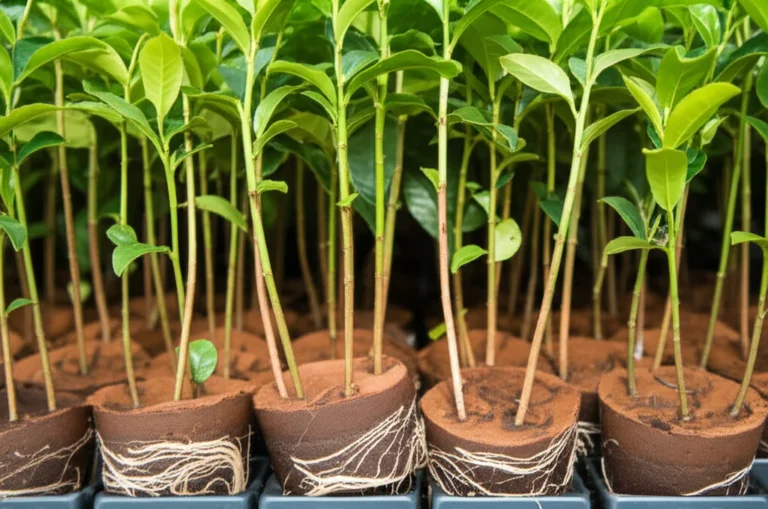
Growing your own tea plants at home is a rewarding experience. Here’s a step-by-step guide:
- Choose the Right Variety: Select a tea plant variety suitable for your climate.
- Prepare the Soil: Ensure the soil is well-draining and rich in organic matter.
- Plant the Seeds: Plant the seeds in early spring or late fall.
- Water Regularly: Keep the soil consistently moist but not waterlogged.
- Prune and Harvest: Prune the plant to encourage growth and harvest the young leaves for tea.
For more detailed information, check out our guide on Cultivate Your Own Tea.
What are the best American tea brands for everyday drinking?
For everyday drinking, we recommend:
- Bigelow Tea: Widely available and consistent.
- Charleston Tea Garden: Rich and robust black tea.
- The Tea Farm: Fresh and organic green tea.
- American Tea Cellars: Innovative and creative blends.
Is Bigelow tea grown in the USA?
Yes, Bigelow Tea partners with Charleston Tea Garden to produce American-grown tea. However, not all Bigelow teas are 10% American-grown, so check the label for specific details.
What tea is native to America?
While Camellia sinensis (the tea plant) is not native to America, it has been successfully cultivated in various regions of the U.S. for over a century. Some native plants used for herbal teas include chamomile, mint, and elderflower.
Does the US produce any tea?
Yes, the U.S. produces tea in several states, including South Carolina, Hawaii, Oregon, North Carolina, and California. The Charleston Tea Garden is the only large-scale tea plantation in the U.S., but there are many small-scale farms producing high-quality tea.
What tea brand is grown in the USA?
Several tea brands are grown in the USA, including:
- Charleston Tea Garden
- Kula Tea Estate
- The Tea Farm
- Mountain Tea Company
- Kona Tea Company
What is the most popular American tea?
The most popular American tea is likely black tea from Charleston Tea Garden, due to its wide availability and consistent quality.
What tea brand is grown in USA?
See the list above for tea brands grown in the USA.
What are the best American grown tea brands for beginners?
For beginers, we recommend:
- Bigelow Tea: Widely available and consistent.
- Charleston Tea Garden: Rich and robust black tea.
- The Tea Farm: Fresh and organic green tea.
- American Tea Cellars: Innovative and creative blends.
Where can I buy tea leaves grown in the United States?
You can buy American-grown tea from:
- Amazon
- Brand Websites
- Specialty Tea Shops
- Local Farmers Markets
How does the taste of American grown tea compare to imported varieties?
American-grown tea often has a unique flavor profile influenced by local teroir. It can be lighter, more delicate, and more floral compared to imported varieties, which tend to be richer and more robust.
Are there any organic American tea brands that ship nationwide?
Yes, many organic American tea brands ship nationwide. Some of the top picks include:
- Charleston Tea Garden
- Kula Tea Estate
- The Tea Farm
- Mountain Tea Company
- Kona Tea Company
📚 Reference Links and Sources
To ensure the accuracy and reliability of our information, we’ve compiled a list of reputable sources for further reading.
- Charleston Tea Garden
- Destination Tea: American Grown Tea
- Destination Tea: 7 American Tea Companies You’ll Love
- USDA Organic Certification
- Kill Green: List of American Tea Growers
- Growing Teas: Tea Grown in USA
- Growing Teas: Green Tea Cultivation
- Growing Teas: Herbal Tea Planting
- Growing Teas: Organic Farming Techniques
- Growing Teas: Health Benefits of Tea
- Growing Teas: Fertilizers for Tea Plants


I am on coumadin(warfarin). Therefore cannot have herbal teas. I find it very hard to find tea i can drink. I buy decaf Luziane for summer iced tea. I drink only Bigelow dark tea…some flavored. Where can I find loose tea that I can drink with no interference to coumadin?. I’ve been looking for a chocolate mint flavor. My friend gave me some as a gift but my Pharmacist advised against it.