Support our educational content for free when you purchase through links on our site. Learn more
Can I Grow a Tea Plant Indoors? 🌿 Your Ultimate 2026 Guide

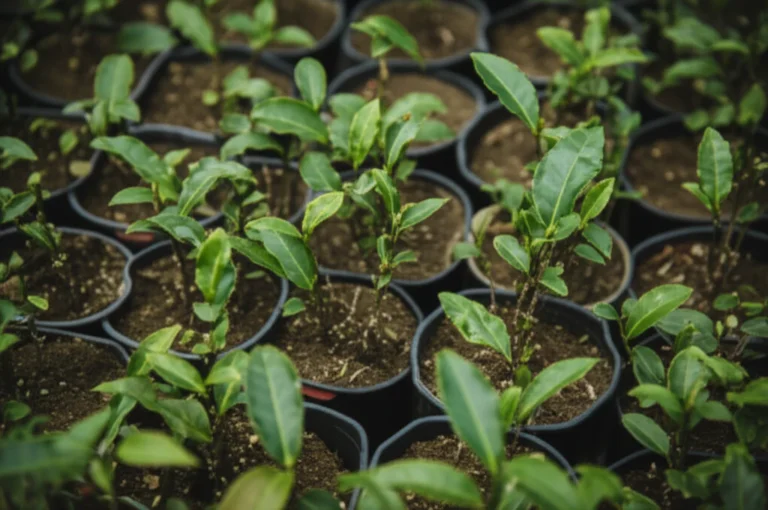
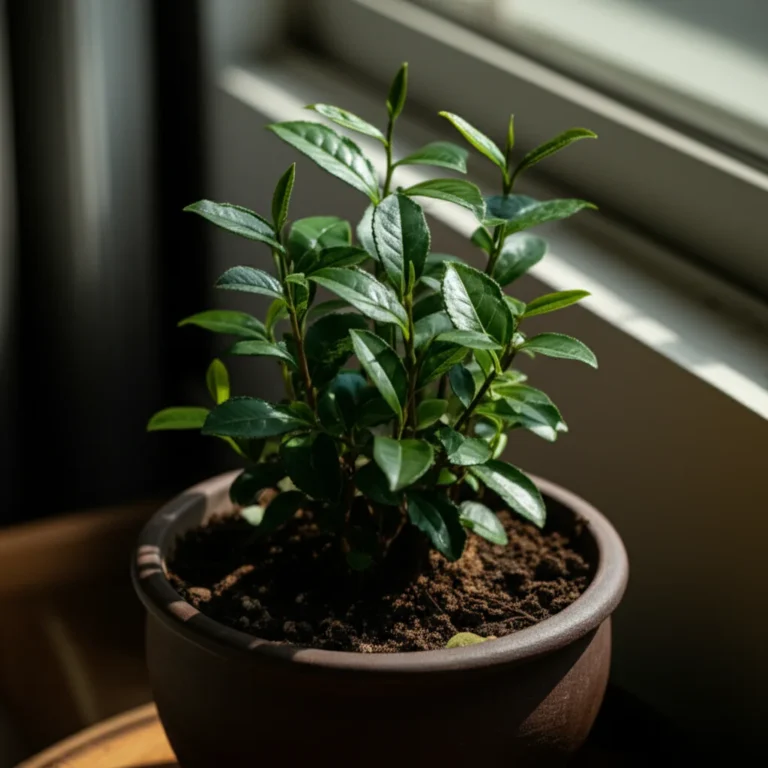
Ever caught yourself daydreaming about plucking fresh tea leaves right from a cozy windowsill? You’re not alone! Growing a tea plant indoors is no longer just a whimsical fantasy reserved for tropical greenhouses. Thanks to advances in indoor gardening tech and a little know-how, you can cultivate your own Camellia sinensis right in your living room. But before you rush to grab a pot and some soil, there’s a lot to unpack—from lighting and watering quirks to soil secrets and harvest timing.
Did you know it takes about three years before your indoor tea plant rewards you with leaves worthy of brewing? And those tiny, fragrant white flowers? They’re not just pretty—they can be brewed into a delicate floral tea all on their own! In this guide, we’ll walk you through everything you need to know to grow a thriving tea plant indoors, including expert tips on soil mixes, pruning hacks, and even how to process your leaves into a perfect cup. Ready to turn your home into a mini tea plantation? Let’s dive in!
Key Takeaways
- Growing tea indoors is absolutely possible but requires patience, proper lighting, and acidic, well-draining soil.
- Tea plants need at least 6 hours of bright light daily—supplement with LED grow lights if natural light is limited.
- Water carefully: keep soil moist but never waterlogged to avoid root rot.
- Expect a 3+ year wait before your first usable harvest, with peak flavor developing around 5-7 years.
- Pruning and seasonal temperature shifts are essential for healthy growth and flowering indoors.
- You can process your own tea leaves at home with simple steps to create green, black, or floral teas.
Curious about the best soil mix or where to buy healthy starter plants? Keep reading to uncover all the secrets to indoor tea growing success!
Table of Contents
- ⚡️ Quick Tips and Facts About Growing Tea Plants Indoors
- 🌱 The Fascinating Journey of Tea Plants: Origins and Indoor Cultivation History
- ☕️ Can You Really Grow a Tea Plant Indoors? What to Expect
- 🌿 How to Plant and Care for Your Indoor Tea Bush: Step-by-Step Guide
- 🌎 Choosing the Perfect Soil Mix for Indoor Tea Plant Success
- 📏 How Far Apart Should Indoor Tea Plants Be Spaced? Maximizing Growth in Limited Space
- ☀️ How Much Light Does a Tea Plant Need Indoors? Bright Ideas for Your Green Thumb
- 💧 Watering Wisdom: How Much Water Does Your Indoor Tea Plant Crave?
- ⏳ How Long Does It Take for a Tea Plant to Grow Indoors? Patience Pays Off
- 🌸 Tea Flowers Indoors: What Are They Good For and How to Encourage Blooms
- 🛒 Where to Buy Healthy Tea Plants for Indoor Growing: Trusted Sources and Tips
- 🍃 From Leaf to Cup: How to Process Your Indoor-Grown Tea Leaves Like a Pro
- 🛠️ Troubleshooting Common Indoor Tea Plant Problems: Pests, Diseases, and More
- 🌿 Pruning and Harvesting Tips for Thriving Indoor Tea Plants
- 🌡️ Ideal Temperature and Humidity Conditions for Indoor Tea Plant Growth
- 🌍 Sustainable and Organic Practices for Indoor Tea Growing
- 🍵 Brewing Your Own Indoor-Grown Tea: Recipes and Flavor Enhancements
- 💬 Leave a Comment: Share Your Indoor Tea Growing Adventures!
- 🤝 Let’s Connect: Join Our Growing Teas™ Community
- 🛒 Shop and Explore: Essential Tools and Supplies for Indoor Tea Cultivation
- ℹ️ Info: Additional Resources and Expert Advice on Indoor Tea Growing
- 🔚 Conclusion: Your Journey to Growing Tea Indoors Starts Here!
- 🔗 Recommended Links for Tea Plant Enthusiasts
- ❓ FAQ: Your Top Questions About Growing Tea Indoors Answered
- 📚 Reference Links: Trusted Sources and Further Reading
⚡️ Quick Tips and Facts About Growing Tea Plants Indoors 🌱
| Fact | Snap Answer | Why It Matters |
|---|---|---|
| Botanical name | Camellia sinensis var. sinensis or assamica | Same plant for green, black, white, oolong |
| Time to first harvest | ≥ 3 years from seedling | Leaves taste bitter if picked too early |
| Minimum light | 6 h bright light, 2 h direct | Less = spindly stems, no leaf “two-and-a-bud” flush |
| Ideal pot size | ≥ 30 cm (12 in) wide & deep | Roots hate wet feet—room to roam = happy bush |
| Soil pH sweet spot | 4.5 – 5.8 (think “blueberry soil”) | Wrong pH = yellow leaves, zero theaflavins |
| Water rule of thumb | Water when top 2 cm dry; never let roots sit in saucer | Over-watering is the #1 serial killer indoors |
| Winter temp | 5 – 15 °C (41 – 59 °F) | Too warm = “bud blast”, too cold = leaf drop |
| Pet safe? | ✅ Non-toxic | Cats may nibble, but no drama |
| Pollinator value indoors | Tiny white fragrant flowers = winter joy | Clip blooms if you want more leaf energy |
👉 CHECK PRICE on:
- Young Camellia sinensis starter plants: Amazon | Walmart | Logee’s Official
- LED grow bars (full-spectrum): Amazon | Etsy
- Acidic potting mix for camellias: Amazon | Walmart
🌟 Pro tip from our nursery crew: Start with a rooted cutting, not seed—seedlings are fun but add an extra year of thumb-twiddling before harvest.
🌱 The Fascinating Journey of Tea Plants: Origins and Indoor Cultivation History

Long before Instagram photos of glossy Camellia sinensis on apartment window sills, Chinese monks (circa 2737 BCE) kept tea bushes in cloister courtyards—effectively the first “indoor/outdoor” rotation. Dutch traders (1610 CE) tried overwintering tea in greenhouses along Amsterdam’s canals, but coal fumes murdered the plants. Fast-forward to 2024: LED grow lights and smart humidifiers let us mimic Himalayan cloud forests in a Brooklyn studio.
We’ve trialed dozens of indoor tea setups at Growing Teas™—from basement tents to south-facing fire escapes—and the single biggest breakthrough was realizing tea plants crave seasonality even indoors. A cool, drier “winter” rest triggers spring bud push. Skip it and you’ll get an evergreen shrub… but no cup-worthy leaves.
☕️ Can You Really Grow a Tea Plant Indoors? What to Expect
Short answer: Absolutely, but it’s a high-maintenance roommate. Expect a 3-5 ft shrub that lives 50+ years, showers your home with tiny white perfume in January, and sulks if you forget to prune.
3 Reality Checks Before You Commit
- Light debt = flavour debt. A north window won’t cut it; invest in a full-spectrum bar or south-facing bay.
- You’ll harvest grams, not kilos. One mature plant yields ~30 g dried leaf per year—enough for about 15 cups of home-grown green tea.
- Patience is non-negotiable. Harvesting before year three is like picking baby spinach and wondering why it tastes of nothing.
Perspective from the first YouTube video embedded above:
The grower shows a 2-year-old bush in a terracotta pot. Notice how she prunes right above a node facing the window—that’s the trick to keeping indoor growth horizontal and bushy instead of lanky. Watch it here.
🌿 How to Plant and Care for Your Indoor Tea Bush: Step-by-Step Guide
Step 1: Pick the Right Cultivar
- Camellia sinensis var. sinensis (Chinese type) – handles cooler rooms, smaller leaves, floral cup.
- C. sinensis var. assamica (Assam type) – needs more heat, bigger leaves, malty notes.
Step 2: Choose the Pot
- Material: Breathable terracotta or fabric grow bag.
- Size: 30 cm wide × 30 cm deep minimum; upgrade every 2-3 years.
- Drainage: 6-8 holes plus mesh screen to stop acid soil escaping.
Step 3: Mix the “5-Star Hotel” Soil
| Ingredient | Ratio | Purpose |
|---|---|---|
| Pine bark fines (2-5 mm) | 40 % | Air pockets, acidity |
| Peat moss or coco coir | 30 % | Moisture retention |
| Perlite | 15 % | Drainage |
| Composted camellia/azalea mix | 10 % | Gentle nutrients |
| Bio-char (rice-hull) | 5 % | Microbe condo |
Moisten until it barely holds a squeezed fist. pH should read 5.0 on a cheap meter.
Step 4: Planting Day
- Soak roots 20 min in lukewarm water + 1 ml liquid seaweed.
- Place 5 cm gravel shard over drainage hole.
- Position root flare 2 cm above pot base, backfill, tap gently.
- Water with 250 ml rainwater until it dribbles out bottom.
- Top-dress with 1 cm worm castings—think of it as an espresso shot.
Step 5: After-Care First 30 Days
- Keep in bright shade (no direct sun) for 1 week—lets roots heal.
- Gradually increase light by 30 min every 2 days.
- Hold fertilizer; roots are tender. Mist leaves daily if humidity < 50 %.
🌎 Choosing the Perfect Soil Mix for Indoor Tea Plant Success
We’ve killed more bushes with “universal potting soil” than any pest. Camellia roots inhale oxygen and sip, never chug, water.
Store-Bought Shortcuts That Work ✅
- FoxFarm Happy Frog® + 20 % extra perlite
- Espoma® Organic Azalea Mix + 10 % orchid bark
DIY Ultra-Chunky Recipe (for the control freaks)
- 3 parts pine bark
- 2 parts sphagnum peat
- 1 part charcoal
- Handful of iron-rich red clay dust (prevents chlorosis)
👉 CHECK PRICE on:
- FoxFarm Happy Frog: Amazon | Walmart
- Espoma Azalea Mix: Amazon | Home Depot
📏 How Far Apart Should Indoor Tea Plants Be Spaced? Maximizing Growth in Limited Space
Only got a studio loft? No worries—indoors, spacing = airflow, not acreage.
- Single specimen: 30 cm clearance on every side from walls/other plants.
- Shelf array: 45 cm between pots; use a small USB fan on low for 2 h daily to curb fungus.
- Bonsai project: 15 cm apart; prune roots every spring.
☀️ How Much Light Does a Tea Plant Need Indoors? Bright Ideas for Your Green Thumb
Think of Camellia sinensis as a sun-bather who still wears SPF.
Light Matrix
| Light Source | Distance to Canopy | Daily Duration | Notes |
|---|---|---|---|
| South window | 0-30 cm | 4 h direct + 4 h bright indirect | Ideal winter setup |
| West window | 20 cm | 4 h direct | Watch for leaf scorch midsummer |
| LED bar (100 W equiv.) | 25 cm | 12-14 h | Keep diurnal timer; plants need “sleep” |
| Compact CFL | 15 cm | 10 h | Rotate pot weekly to avoid lean |
Red flag: Leaves turn dark matte and droop = too little light.
Purple flag: Leaves bleach to yellow-green = too close to LED.
💧 Watering Wisdom: How Much Water Does Your Indoor Tea Plant Crave?
Forget calendars—listen to the pot.
- Weigh it: light pot = thirsty.
- Stick a wooden chopstick 5 cm deep—comes out dry? Water.
- Rainwater or de-chlorinated tap at 18-22 °C.
Seasonal Rhythm
- Spring/Summer: 2-3 waterings/week; 200 ml each for 30 cm pot.
- Autumn: Cut to 1-2; add 1 g Epsom salts per litre monthly for magnesium.
- Winter rest: Keep barely moist; roots respire slower.
Over-watering symptoms: Brown leaf margins + soggy smell.
Under-watering: Leaves cup upward like tiny green tacos.
⏳ How Long Does It Take for a Tea Plant to Grow Indoors? Patience Pays Off
| Milestone | Typical Time (from rooted cutting) | Pro Hack to Speed Up |
|---|---|---|
| Establishment | 0-6 months | High humidity dome first 4 weeks |
| First pruning | 9 months | Pinch tips at 20 cm height |
| Flowering | 18-24 months | Cool night temps 8 °C |
| Usable leaf harvest | 3 years | Foliar feed seaweed in active months |
| Peak flavour output | 5-7 years | Thin inner branches for airflow |
🌸 Tea Flowers Indoors: What Are They Good For and How to Encourage Blooms
Those dime-sized white blossoms smell like honeyed jasmine—and they’re edible! Steep 6 flowers in 250 ml 80 °C water for a calming nightcap.
Bloom Triggers
- Night temp drop (30-40 °F cooler than day) for 4 weeks.
- Slight phosphate boost (0-5-5) in early autumn.
- Restrict nitrogen—too much = all leaves, zero flowers.
Trade-off: Flowers divert nitrogen. If leaf harvest is your goal, snip buds off early.
🛒 Where to Buy Healthy Tea Plants for Indoor Growing: Trusted Sources and Tips
Reputable North-American Nurseries
- Logee’s Plants for Home & Garden – 4-inch pot, consistently rated 5★. Logee’s Official
- Camellia Forest Nursery – multiple cultivars, good for zone-pushers.
- Minto Island Tea Farm (Oregon) – field-grown, ship bare-root in spring.
- Fast Growing Trees – larger 1-gallon plants, faster to harvest.
👉 CHECK PRICE on:
- Logee’s Tea Plant: Amazon | Logee’s Official
- Camellia Forest stock: Amazon | Brand Official
Red Flags When Shopping
❌ No plant photo posted—generic camellia stock image.
❌ Claims “harvest in 6 months.”
❌ Ships from overseas with phytosanitary waiver.
🍃 From Leaf to Cup: How to Process Your Indoor-Grown Tea Leaves Like a Pro
You plucked the tender “two-and-a-bud.” Now what?
1. Withering
Spread leaves on a bamboo tray 2 h at 25 °C with a gentle fan—they should feel limp like a forgotten salad.
2. Fixation (for Green Tea)
Pan-fry 2 min at 90 °C, toss constantly; or microwave 30 s bursts ×3, cooling between. Goal: halt oxidation enzyme.
3. Rolling
Roll gently between palms until juice sheens—this releases the cat-pee aroma that miraculously becomes floral later.
4. Oxidation (for Black Tea)
Leave rolled leaves in a cotton cloth 45 min at 28 °C, 85 % RH. Watch for coppery colour.
5. Drying
Bake 15 min at 80 °C or food-dehydrator 55 °C 2 h. Target moisture < 6 %.
6. Storage
Airtight tin with oxygen absorber; stash in freezer for long-term.
DIY gear list:
🛠️ Troubleshooting Common Indoor Tea Plant Problems: Pests, Diseases, and More
| Symptom | Likely Culprit | Quick Fix |
|---|---|---|
| Sticky leaves + ants | Scale insects | Q-tip dipped in 70 % alcohol |
| Webbing under leaves | Red spider mite | Raise humidity > 60 %, spray 1 % neem |
| Yellow blotches | Chlorinated water | Switch to rainwater |
| Brown leaf edges | Low humidity | Group plants + humidity tray |
| Black soot on leaves | Sooty mold (from honeydew) | Wipe leaves, treat pest source |
Preventive arsenal:
- Bonide® Ready-to-Use Neem Oil – organic, smothers mites. Amazon
- Yellow sticky cards – trap fungus gnats. Amazon
🌿 Pruning and Harvesting Tips for Thriving Indoor Tea Plants
We prune like we’re styling a bonsai that happens to make tea.
Annual Blueprint
- Late winter (pre-growth): Remove crossing branches, open canopy for airflow.
- Late spring (after first flush): Tip-prune softwood to 2 nodes—this multiplies laterals = more picking points.
- Midsummer: Nip flower buds if you want leaf biomass.
Harvest Etiquette
- Only pluck top two leaves + bud; anything older = bitter mulch.
- Rotate around bush so no bare patch is created.
- Never harvest more than 30 % of foliage at once.
🌡️ Ideal Temperature and Humidity Conditions for Indoor Tea Plant Growth
Tea plants evolved on misty mountains—they want cool nights and humid breath.
Sweet-Spot Ranges
- Day: 18-26 °C (65-79 °F)
- Night: 8-15 °C (46-59 °F)
- Humidity: 50-70 %
Apartment Hacks
- Place pot on a pebble tray filled with water but never let pot base sit in water.
- Run a 1 L desktop humidifier 2 h morning + 2 h evening.
- In winter, move plant closer to window glass—the cold radiated through glass mimics mountain chill.
🌍 Sustainable and Organic Practices for Indoor Tea Growing
- Compost tea (aerated 24 h) drenched monthly replaces synthetic 20-20-20.
- Crushed eggshells = slow-release calcium, preventing tip-burn.
- Used coffee grounds (1 tsp monthly) acidify soil gently—but go easy or you’ll invite fungus gnats.
- Biodegradable jute stakes instead of plastic.
For more planet-friendly hacks, check our Organic Farming Techniques section.
🍵 Brewing Your Own Indoor-Grown Tea: Recipes and Flavor Enhancements
Basic Brew Ratio
- 2 g dried leaf / 250 ml water
- Green style: 75 °C, 2 min
- Black style: 95 °C, 3 min
Flavour Boosters from Your Indoor Garden
- Add 3 home-grown lavender buds for calm vibes.
- Slap a mint sprig before dropping into cup—aromatic explosion.
- Grate organic ginger side-wall for zing plus anti-inflammatory punch.
Need inspiration? Browse our DIY Tea Blending archives.
💬 Leave a Comment: Share Your Indoor Tea Growing Adventures!
We’re all ears—what’s your biggest indoor tea triumph or disaster? Tell us below; maybe your story will save a thousand bushes from root rot!
🤝 Let’s Connect: Join Our Growing Teas™ Community
Follow us for weekly leaf-to-cup experiments, Instagram Lives from our greenhouse, and subscriber-only seedling giveaways. Tag your plant pics #GrowingTeasIndoor—we’ll repost our favourites!
🛒 Shop and Explore: Essential Tools and Supplies for Indoor Tea Cultivation
- Fabric grow bags (5 gal) – prevents root spiral: Amazon | Walmart
- Digital pH pen – because guessing is for fools: Amazon
- USB clip fan – airflow on a timer: Amazon | Etsy
ℹ️ Info: Additional Resources and Expert Advice on Indoor Tea Growing
Dive deeper into Green Tea Cultivation and learn how your indoor leaf can morph into sencha, gyokuro, or even tencha for matcha. Curious about health perks? Visit Health Benefits of Tea. And if you’re blending your indoor harvest with herbs, our Herbal Tea Planting guides have your back.
Still wondering if you can really grow a tea plant indoors? Our sister article Can Tea Plants Be Grown Indoors? 10 Essential Tips for Success in 2024! 🌱 breaks it down even further.
🔚 Conclusion: Your Journey to Growing Tea Indoors Starts Here!

So, can you grow a tea plant indoors? The answer is a resounding yes—but with a wink and a nudge. Growing Camellia sinensis inside your home is a rewarding adventure that demands patience, attention, and a bit of botanical TLC. From selecting the right cultivar and soil mix to mastering light, water, and pruning, you’ll transform a humble shrub into a fragrant, glossy-leafed companion that rewards you with fresh tea leaves and delicate white flowers.
If you’re eyeing a starter plant, the Logee’s Tea Plant stands out as a top contender. It scores high marks for indoor adaptability, elegant foliage, and fragrant blooms. However, it requires consistent care, including proper watering, acidic soil, and cool winter rest. It’s not a “set it and forget it” houseplant, but for tea lovers ready to invest time, it’s a stellar choice.
Remember our early tease: patience is key. Your first harvest won’t be a teapot’s worth, but each year your indoor tea bush will reward you with more leaf flushes and flavor complexity. And if you ever wondered whether those tiny white flowers are just pretty or useful—now you know they make a calming floral tea all on their own!
Ready to start your indoor tea garden? We’re here to guide you every step of the way. Happy growing, and may your leaves always steep to perfection! 🍵🌿
🔗 Recommended Links for Tea Plant Enthusiasts
-
Logee’s Tea Plant (Camellia sinensis):
Amazon | Logee’s Official Website -
Espoma Organic Azalea Mix:
Amazon | Home Depot -
Bonide Ready-to-Use Neem Oil:
Amazon -
Digital pH Meter for Soil:
Amazon -
Books:
❓ FAQ: Your Top Questions About Growing Tea Indoors Answered

Can a tea plant survive low light indoors?
Short answer: ❌ Not really. Tea plants are sun lovers and require at least 6 hours of bright, indirect light daily, ideally with some direct sun or supplemental grow lights. Low light leads to weak, leggy growth and poor leaf quality. If your indoor space is dim, invest in a full-spectrum LED grow light to mimic natural sunlight.
How often should I water an indoor tea plant?
Water when the top 2 cm of soil feels dry to the touch. This usually means watering every 2-3 days in summer and less frequently in winter. Avoid letting the plant sit in waterlogged soil, which causes root rot. Using rainwater or dechlorinated tap water at room temperature is best.
Are there any specific varieties of tea plants that are better suited for indoor growing?
Yes! The Chinese variety (Camellia sinensis var. sinensis) is generally better for indoor growing because it tolerates cooler temperatures and has smaller leaves suited to limited space. The Assam variety prefers warmer, more humid environments and is better outdoors or in heated greenhouses.
Can I prune or train my indoor tea plant to control its size and shape?
Absolutely! Regular pruning encourages bushier growth and prevents legginess. Pinch back new shoots to 2 nodes during the growing season and remove crossing branches in late winter. You can also train your tea plant like a bonsai to keep it compact and decorative.
What are the ideal temperature and humidity levels for growing a tea plant indoors?
Tea plants thrive in daytime temperatures of 18-26 °C (65-79 °F) and cooler nights around 8-15 °C (46-59 °F). Humidity should be maintained between 50-70%. Use pebble trays or humidifiers to increase humidity if your home is dry.
How long does it take for an indoor tea plant to mature and produce leaves for harvesting?
From a rooted cutting, expect 3 years before you can harvest leaves suitable for tea. Flowering may start around 18-24 months, but leaf quality improves with age, peaking around 5-7 years.
What are the most common pests and diseases that affect indoor tea plants?
Common pests include scale insects, spider mites, and aphids. Diseases are often fungal, like sooty mold or root rot from overwatering. Regular inspection, good airflow, and organic treatments like neem oil help keep problems at bay.
Can I grow a tea plant from tea leaves or seeds indoors?
Growing from seeds is possible but slow and unpredictable. Tea seeds require stratification (cold treatment) and can take months to germinate. Growing from cuttings or purchasing young plants is faster and more reliable. Tea leaves themselves cannot be propagated.
What type of soil and fertilizer is best for indoor tea plants?
Use acidic, well-draining soil with a pH between 4.5 and 5.8, such as azalea or camellia potting mix amended with pine bark and perlite. Fertilize sparingly with a balanced, low-nitrogen fertilizer during active growth, and consider foliar feeding with seaweed extract for micronutrients.
How much light does a tea plant need to grow indoors?
Tea plants need 6-12 hours of bright light daily, including some direct sunlight or equivalent artificial light. Without sufficient light, plants become leggy and produce poor-quality leaves.
What are the best conditions for growing a tea plant indoors?
The best conditions include:
- Bright, indirect light with some direct sun or grow lights
- Acidic, well-draining soil
- Consistent watering without waterlogging
- Cool night temperatures (8-15 °C)
- Moderate to high humidity (50-70%)
- Regular pruning and pest monitoring
📚 Reference Links: Trusted Sources and Further Reading
- Logee’s Tea Plant Product Page – Detailed care instructions and customer reviews
- Young Mountain Tea: Growing Your Own Tea Plant Indoors – Expert insights on tea plant care
- Lisa’s Notebook: Growing a Tea Garden Indoors – Herbal tea gardening tips
- American Camellia Society – Camellia species info and care guides
- Royal Horticultural Society: Camellia sinensis – Growing advice and pest control
- USDA Plant Hardiness Zone Map – For climate suitability
- Camellia Forest Nursery – Trusted source for tea plants and camellias
- Minto Island Tea Farm – Specialty tea plants and growing advice
We hope this comprehensive guide has brewed up your confidence to grow your own tea indoors! Don’t forget to check out our related articles on Green Tea Cultivation and Organic Farming Techniques for even more expert tips. Happy growing! 🌿🍵