Support our educational content for free when you purchase through links on our site. Learn more
Can I Grow My Own Herbs for Tea? 10 Easy Herbs to Try in 2025 🌿

Have you ever wondered if you could just step outside your door, snip a few fresh leaves, and brew a cup of tea that’s bursting with flavor and health benefits? Well, the answer is a resounding yes! Growing your own herbs for tea isn’t just a dream for green thumbs—it’s an accessible, rewarding adventure for anyone with a sunny windowsill or a patch of garden. Imagine the satisfaction of sipping a calming chamomile or a zesty lemon balm blend you nurtured from seed to cup.
But here’s the twist: not all herbs are created equal when it comes to tea-making, and growing them requires some insider know-how. In this article, we’ll walk you through 10 of the best herbs to grow for tea, how to cultivate them successfully, harvest and dry them for peak flavor, and even blend your own signature teas. Plus, we’ll share some troubleshooting tips and safety advice so your herbal tea garden thrives year-round. Ready to turn your garden into a personal tea sanctuary? Let’s dive in!
Key Takeaways
- Growing your own tea herbs is easy and rewarding, even in small spaces like balconies or windowsills.
- Top 10 herbs for tea include mint, chamomile, lemon balm, lavender, and holy basil, each offering unique flavors and health benefits.
- Proper care—sunlight, watering, soil, and pruning—is essential for healthy, flavorful plants.
- Harvesting at the right time and drying herbs correctly preserves potency and taste.
- Blending herbs allows you to customize flavors and effects, from calming to immune-boosting.
- Safety first: always identify herbs correctly and consult experts if using medicinally.
- Tools like pruning shears, soil testers, and grow lights make gardening easier and more successful.
Ready to start your herbal tea garden? Check out these essentials to get growing:
- Seeds & Plants: Traditional Medicinals Herbal Tea Seeds on Amazon
- Gardening Tools: Fiskars Pruning Shears on Amazon | Roleadro LED Grow Light on Amazon
- Drying Racks: Grower’s Edge Herb Drying Rack on Amazon
Dive into the full guide to cultivate your own tea garden and savor every sip!
Table of Contents
- ⚡️ Quick Tips and Facts: Your Herbal Tea Garden Starter Pack
- 🌿 From Ancient Brews to Your Backyard: The Rich History of Growing Herbs for Tea
- 💚 Why Grow Your Own Herbal Tea? Unearthing the Benefits
- 🌱 Choosing Your Tea Tribe: The Best Herbs for Homegrown Infusions
- 1. Minty Fresh: Peppermint & Spearmint
- 2. Calming Chamomile: Your Bedtime Buddy
- 3. Zesty Lemon Balm: Sunshine in a Cup
- 4. Lavender Love: Aromatic Bliss
- 5. Holy Basil (Tulsi): The Adaptogenic Powerhouse
- 6. Rose Hips: Vitamin C Superstars
- 7. Echinacea: Immune Boosting Hero
- 8. Lemon Verbena: Citrusy Delight
- 9. Thyme & Rosemary: Savory Sips
- 10. Stevia: Natural Sweetener
- 🏡 Designing Your Dream Tea Patch: Planning Your Herbal Tea Garden
- 🚀 From Seed to Sip: Getting Your Herbal Tea Garden Started
- 💧 Nurturing Your Tea Treasures: Essential Care and Maintenance
- ✂️ The Art of the Harvest: When and How to Pick Your Tea Herbs
- ☀️ Drying, Storing, and Preserving Your Homegrown Tea Harvest
- 🎨 The Alchemist’s Kitchen: Blending Your Own Signature Herbal Teas
- ☕️ Brewing Perfection: Crafting the Ultimate Cup of Homegrown Herbal Tea
- 🚧 Oops! Troubleshooting Common Herbal Tea Garden Challenges
- ✨ Beyond the Brew: Other Wonderful Uses for Your Homegrown Herbs
- ⚠️ Safety First! Important Considerations for Growing and Consuming Medicinal Herbs
- 🛠️ Essential Tools and Supplies for the Aspiring Tea Gardener
- 💚 Our Growing Teas™ Journey: Personal Stories from the Team
- Conclusion: Sip, Savor, and Grow!
- Recommended Links: Dive Deeper into the World of Herbal Teas
- FAQ: Your Burning Questions Answered
- Reference Links: Trusted Resources for Your Herbal Journey
⚡️ Quick Tips and Facts: Your Herbal Tea Garden Starter Pack
Welcome to the wonderful world of growing your own herbs for tea! At Growing Teas™, we’ve been cultivating, blending, and sipping homegrown herbal teas for years, and we’re here to spill the tea 🍵 on what you really need to know to get started.
- Start small but think big: You don’t need acres—windowsills, balconies, or a sunny corner in your garden will do.
- Sunlight is your best friend: Most tea herbs love 6+ hours of sun daily.
- Water wisely: Overwatering is a common rookie mistake. Herbs like well-drained soil.
- Harvest with care: Pick leaves and flowers in the morning after dew dries for peak flavor.
- Drying is key: Proper drying preserves flavor and medicinal properties.
- Blend boldly: Experiment with flavors and effects—mint for zing, chamomile for calm, lemon balm for sunshine in a cup.
- Safety first: Know your herbs and any contraindications before brewing medicinal blends.
For a deep dive on starting your herbal tea garden, check out our related article How to Make Tea from Plants: 12 Easy Herbs to Grow & Brew (2025) 🍃.
🌿 From Ancient Brews to Your Backyard: The Rich History of Growing Herbs for Tea
Herbal teas have been steeped in human culture for thousands of years. Ancient civilizations—from the Egyptians to the Chinese—used herbs not just for flavor but for healing and spiritual rituals. The Egyptians brewed chamomile for relaxation, while the Chinese revered green tea and medicinal herbs. Fast forward to today, and the tradition continues in your own backyard!
Herbal teas were often the first “medicines” before modern pharmaceuticals, and growing your own connects you to this rich heritage. Plus, knowing exactly how your herbs are grown means you’re sipping on purity and potency.
For more on tea’s fascinating past, explore our History of Tea section.
💚 Why Grow Your Own Herbal Tea? Unearthing the Benefits
Why bother growing herbs for tea when you can buy bags at the store? Great question! Here’s why we think homegrown wins hands down:
- Flavor explosion: Freshly picked herbs have a vibrancy that packaged teas can’t match.
- Control over quality: No pesticides, no mystery additives.
- Cost-effective: Once established, your garden keeps giving.
- Therapeutic gardening: Growing herbs reduces stress and connects you with nature.
- Customization: Tailor blends to your taste and health needs.
- Sustainability: Less packaging waste and carbon footprint.
We’ve found that brewing a cup from our own garden feels like a warm hug from Mother Earth herself. Curious about which herbs to grow? Let’s dive in next!
🌱 Choosing Your Tea Tribe: The Best Herbs for Homegrown Infusions
Picking your herbal tea cast is like assembling a dream team. Each herb brings unique flavors and benefits. Here’s our top 10 favorites, tried and true from our Growing Teas™ gardens.
1. Minty Fresh: Peppermint & Spearmint
- Flavor: Cool, refreshing, slightly sweet.
- Benefits: Digestive aid, headache relief, natural breath freshener.
- Growing tips: Mint is a vigorous spreader—plant in containers or confined beds.
- Harvest: Snip leaves all season long.
2. Calming Chamomile: Your Bedtime Buddy
- Flavor: Apple-like, floral, soothing.
- Benefits: Sleep aid, anti-inflammatory.
- Growing tips: Prefers full sun, well-drained soil.
- Harvest: Pick flower heads just before full bloom.
3. Zesty Lemon Balm: Sunshine in a Cup
- Flavor: Bright lemony notes.
- Benefits: Stress relief, antiviral.
- Growing tips: Thrives in sun or partial shade.
- Harvest: Leaves can be harvested repeatedly.
4. Lavender Love: Aromatic Bliss
- Flavor: Floral, slightly sweet, herbaceous.
- Benefits: Calming, headache relief.
- Growing tips: Needs well-drained soil, full sun.
- Harvest: Cut flower spikes before full bloom.
5. Holy Basil (Tulsi): The Adaptogenic Powerhouse
- Flavor: Spicy, clove-like.
- Benefits: Stress reduction, immune support.
- Growing tips: Warm climate lover, bring indoors in cold.
- Harvest: Leaves harvested throughout growing season.
6. Rose Hips: Vitamin C Superstars
- Flavor: Tart, fruity.
- Benefits: Immune booster, antioxidant-rich.
- Growing tips: Plant rose bushes with edible hips.
- Harvest: Pick hips after first frost for sweetness.
7. Echinacea: Immune Boosting Hero
- Flavor: Earthy, slightly bitter.
- Benefits: Immune stimulant.
- Growing tips: Full sun, well-drained soil.
- Harvest: Flowers and roots can be harvested.
8. Lemon Verbena: Citrusy Delight
- Flavor: Intense lemon aroma.
- Benefits: Digestive aid, calming.
- Growing tips: Tender perennial; overwinter indoors.
- Harvest: Leaves harvested before flowering.
9. Thyme & Rosemary: Savory Sips
- Flavor: Earthy, piney, savory.
- Benefits: Antimicrobial, digestive.
- Growing tips: Full sun, drought tolerant.
- Harvest: Snip sprigs regularly.
10. Stevia: Natural Sweetener
- Flavor: Sweet without calories.
- Benefits: Sugar substitute.
- Growing tips: Warm climate, well-drained soil.
- Harvest: Leaves harvested before flowering.
🏡 Designing Your Dream Tea Patch: Planning Your Herbal Tea Garden
Creating your herbal tea garden is like composing a symphony—each element must harmonize for a thriving, flavorful harvest.
Sunlight Savvy: Finding the Perfect Spot
- Aim for 6+ hours of direct sunlight daily.
- South-facing windowsills or balconies are ideal.
- Avoid overly shady or windy spots.
Soil Secrets: Building a Healthy Foundation
- Use well-draining soil rich in organic matter.
- Amend heavy clay with compost and sand.
- Test pH; most herbs prefer slightly acidic to neutral (6.0–7.0).
Container vs. Ground: What’s Your Style?
| Aspect | Container Gardening ✅ | Ground Planting ✅ |
|---|---|---|
| Space | Great for small spaces, patios, balconies | Requires garden space |
| Soil Control | Easy to customize soil mix | Depends on native soil |
| Mobility | Move plants for sun or frost protection | Fixed location |
| Watering | Dries out faster, needs frequent watering | More stable moisture |
| Pest Control | Easier to monitor and manage | May attract more pests |
🚀 From Seed to Sip: Getting Your Herbal Tea Garden Started
Ready to get your hands dirty? Here’s how to start your herbal tea garden from scratch.
Seeds, Starts, or Cuttings? Your Propagation Journey
- Seeds: Economical and rewarding; some herbs like chamomile and echinacea grow well from seed.
- Starts: Nursery-bought plants give a head start, especially for slow growers like lavender.
- Cuttings: Mint and lemon balm root easily from cuttings—perfect for beginners.
Planting Prowess: Best Practices for Success
- Plant after the last frost date for your zone.
- Space plants according to their mature size (usually 12–18 inches apart).
- Water well after planting.
- Mulch to retain moisture and suppress weeds.
💧 Nurturing Your Tea Treasures: Essential Care and Maintenance
Your herbs need TLC to thrive and produce flavorful leaves.
Watering Wisdom: Just Right, Not Too Much!
- Most herbs prefer moderate watering; soil should be moist but not soggy.
- Mint and lemon balm are thirstier; rosemary and thyme like it drier.
- Water early in the day to reduce fungal risk.
Feeding Your Friends: Organic Nutrients for Robust Growth
- Use compost or organic fertilizers like fish emulsion or seaweed extract.
- Feed monthly during growing season.
- Avoid excessive nitrogen, which encourages leaf growth but reduces flavor.
Pest Patrol: Keeping Unwanted Guests Away Naturally
- Encourage beneficial insects like ladybugs.
- Use neem oil or insecticidal soap for aphids and mites.
- Companion planting with garlic or marigolds deters pests.
Pruning for Potency: Shaping Your Herbs for Better Yields
- Regularly pinch back tips to encourage bushier growth.
- Remove flowers from herbs grown for leaves to prolong harvest.
- Prune woody herbs like rosemary after flowering.
✂️ The Art of the Harvest: When and How to Pick Your Tea Herbs
Harvesting is both science and art. Timing and technique affect flavor and potency.
Timing is Everything: Peak Flavor and Potency
- Harvest in the morning after dew dries but before midday heat.
- Pick leaves just before flowering for most herbs.
- Harvest flowers at bud stage for best aroma.
Harvesting Techniques: Gentle Hands for Delicate Leaves
- Use sharp scissors or pruning shears.
- Avoid tearing leaves to prevent damage.
- Harvest no more than one-third of the plant at a time to allow regrowth.
☀️ Drying, Storing, and Preserving Your Homegrown Tea Harvest
Preserving your harvest is crucial to enjoy your tea year-round.
Air Drying: The Classic Method
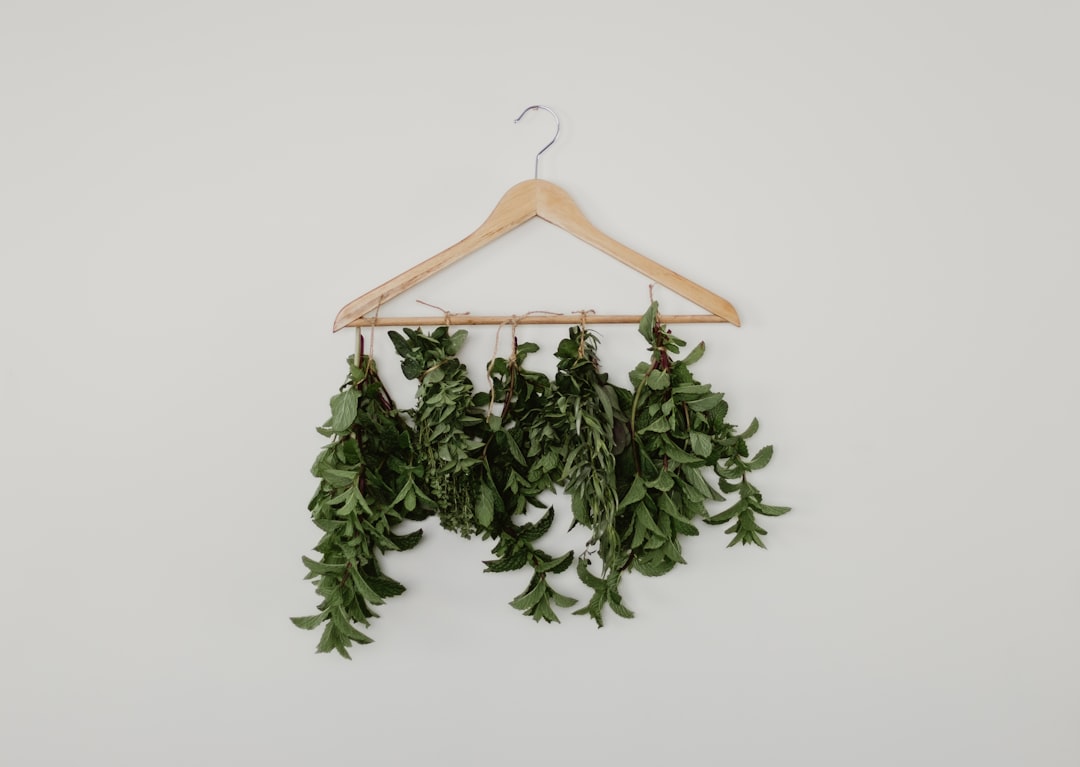
- Bundle herbs in small bunches.
- Hang upside down in a warm, dry, dark, and well-ventilated area.
- Drying takes 4–10 days depending on humidity.
Dehydrator Drying: Speed and Efficiency
- Use a food dehydrator set to 95°F (35°C).
- Spread herbs in a single layer.
- Dry for 1–4 hours until crumbly.
Freezing Fresh Herbs: A Quick Alternative
- Chop fresh leaves and freeze in ice cube trays with water or olive oil.
- Great for quick infusion but less shelf-stable.
Storage Savvy: Keeping Your Herbs Fresh and Potent
- Store dried herbs in airtight glass jars away from light and heat.
- Label with date and herb name.
- Use within 6–12 months for best flavor.
🎨 The Alchemist’s Kitchen: Blending Your Own Signature Herbal Teas
Blending herbs is where your creativity shines! Here’s how to craft your own magic.
Flavor Profiles: Sweet, Spicy, Floral, Earthy
- Sweet: Chamomile, licorice root, rose petals.
- Spicy: Ginger, cinnamon, holy basil.
- Floral: Lavender, hibiscus, rose.
- Earthy: Echinacea, rooibos, dandelion root.
Balancing Act: Creating Harmonious Blends
- Combine a base herb (like lemon balm) with a flavor enhancer (mint) and a functional herb (echinacea).
- Start with ratios like 3:2:1 and adjust to taste.
- Keep notes of your blends for future tweaks.
Our Favorite Blends: Recipes to Get You Started
| Blend Name | Ingredients | Benefits |
|---|---|---|
| Calm & Cozy | 3 parts chamomile, 2 parts lavender, 1 part lemon balm | Relaxation, sleep aid |
| Immune Booster | 3 parts echinacea, 2 parts rose hips, 1 part ginger | Immune support, antioxidant |
| Citrus Zing | 3 parts lemon verbena, 2 parts peppermint, 1 part hibiscus | Refreshing, digestion aid |
☕️ Brewing Perfection: Crafting the Ultimate Cup of Homegrown Herbal Tea
Your hard work deserves the perfect brew. Let’s get that cup just right.
Water Wisdom: The Foundation of a Great Brew
- Use filtered or spring water for clean taste.
- Avoid distilled or heavily chlorinated water.
Steeping Secrets: Temperature and Time for Optimal Flavor
| Herb Type | Water Temp (°F) | Steeping Time |
|---|---|---|
| Delicate leaves/flowers | 190–195 | 3–5 minutes |
| Roots/barks/berries | 212 (boiling) | 7–10 minutes |
- Cover your cup or teapot to trap essential oils.
- Adjust steeping time to taste.
Tools of the Trade: Infusers, Teapots, and More
- Stainless steel or silicone infusers for loose leaf.
- Glass teapots to watch your brew bloom.
- Electric kettles with temperature control (e.g., Breville Smart Kettle) for precision.
🚧 Oops! Troubleshooting Common Herbal Tea Garden Challenges
Even the best gardeners hit snags. Here’s how to troubleshoot common issues.
Wilting Woes: Too Much or Too Little Water?
- Wilting can signal underwatering or root rot from overwatering.
- Check soil moisture and adjust watering schedule.
- Improve drainage if soggy.
Pest Predicaments: Natural Solutions for Unwanted Visitors
- Aphids and spider mites are common.
- Spray with neem oil or insecticidal soap.
- Introduce beneficial insects like ladybugs.
Slow Growth Syndrome: When Your Herbs Aren’t Thriving
- Check soil fertility and pH.
- Ensure adequate sunlight.
- Avoid overcrowding.
✨ Beyond the Brew: Other Wonderful Uses for Your Homegrown Herbs
Your herbs are versatile! Here’s how to get more mileage out of your garden.
Culinary Creations: Cooking with Tea Herbs
- Use rosemary and thyme in roasts.
- Add lemon balm to salads.
- Infuse oils with lavender.
Aromatherapy & DIY Body Care: Scented Delights
- Make sachets with dried lavender.
- Create herbal bath salts with chamomile.
- Blend essential oils for calming sprays.
Natural Cleaning & Pest Repellents: Eco-Friendly Solutions
- Use lemon verbena and mint as natural air fresheners.
- Make herbal sprays to deter mosquitoes.
⚠️ Safety First! Important Considerations for Growing and Consuming Medicinal Herbs
Herbs are powerful allies but require respect.
Know Your Herbs: Identification and Contraindications
- Always positively identify plants before use.
- Research potential allergies or interactions.
- Avoid herbs contraindicated during pregnancy or with medications.
Consulting the Experts: When to Seek Professional Advice
- Consult herbalists or healthcare providers before using herbs medicinally.
- Use moderation and monitor for adverse reactions.
🛠️ Essential Tools and Supplies for the Aspiring Tea Gardener
Here’s our Growing Teas™ toolkit to keep your garden flourishing:
| Tool | Purpose | Recommended Brands/Products |
|---|---|---|
| Pruning Shears | Precise harvesting and shaping | Fiskars Softouch Pruning Shears |
| Soil Tester Kit | Check pH and moisture | Luster Leaf Rapitest Soil Test Kit |
| Watering Can | Gentle watering | Haws Traditional Watering Can |
| Grow Lights | Supplemental light for indoor starts | Roleadro LED Grow Light |
| Plant Markers | Label your herbs | GardenMate Plant Labels |
| Herb Drying Rack | Efficient drying | Grower’s Edge Herb Drying Rack |
👉 CHECK PRICE on:
- Fiskars Pruning Shears on Amazon
- Luster Leaf Soil Test Kit on Amazon
- Roleadro LED Grow Light on Amazon
💚 Our Growing Teas™ Journey: Personal Stories from the Team
We’ve all had our “aha!” moments in the garden. For example, Sarah, our lead grower, recalls the first time she brewed tea from her own lemon balm and chamomile harvest: “The aroma filled my kitchen, and the taste was like sunshine in a cup. It was a magical moment that hooked me on homegrown teas forever.”
John, our blending specialist, swears by the immune-boosting power of echinacea and rose hip blends, especially during cold season. “Knowing exactly what’s in my cup gives me peace of mind and a health boost.”
Our team’s passion is rooted in experience, trial, and a love for sharing the joy of tea gardening with you.
Conclusion: Sip, Savor, and Grow!
So, can you grow your own herbs for tea? Absolutely, yes! From choosing the right herbs to nurturing them with care, harvesting at the perfect moment, and blending your own signature brews, growing your own herbal tea garden is a deeply rewarding journey. Whether you’re after the refreshing zing of peppermint, the calming embrace of chamomile, or the immune-boosting power of echinacea, your garden can provide it all—fresh, flavorful, and free from mystery additives.
Remember, patience and attention are your best gardening companions. Mistakes like overwatering or harvesting too aggressively are part of the learning curve, but with each cup you brew, you’ll taste the fruits (or leaves!) of your labor. And if you ever feel stuck, our detailed troubleshooting tips and safety guidelines will keep you on track.
We hope our Growing Teas™ insights have inspired you to start your own tea garden adventure. Your perfect cup of tea is just a seed away—so get growing, and happy sipping! 🍃☕️
Recommended Links: Dive Deeper into the World of Herbal Teas
Ready to gear up and dive deeper? Here are some of our favorite tools, seeds, and books to help you cultivate your own tea paradise:
-
Seeds and Plants:
-
Books to Brew Your Knowledge:
- The Herbal Tea Garden: How to Grow, Harvest and Blend Herbs for Perfect Teas by Marietta Marshall — Amazon Link
- The Tea Lover’s Herbal: 100 Easy-to-Grow Herbs for Brewing, Healing, and Enjoying by Mary Lou Heiss — Amazon Link
- Medicinal Herbs: A Beginner’s Guide by Rosemary Gladstar — Amazon Link
-
Essential Tools:
FAQ: Your Burning Questions Answered
What are the easiest herbs to grow for tea at home?
The easiest herbs to grow for tea include mint (peppermint and spearmint), lemon balm, and chamomile. These herbs are hardy, fast-growing, and forgiving for beginners. Mint thrives even in containers and can tolerate partial shade, but watch out—it spreads aggressively! Lemon balm is a perennial that grows well in sun or partial shade and offers a delightful lemony flavor. Chamomile prefers full sun and well-drained soil and is often grown from seed or nursery starts. These herbs require minimal fuss and provide abundant harvests for fresh or dried tea.
How do I dry and store my homegrown herbs for tea?
Drying herbs properly preserves their flavor and medicinal properties. The classic method is air drying: bundle small bunches and hang them upside down in a warm, dark, and well-ventilated area for 4–10 days. Alternatively, use a food dehydrator set to about 95°F (35°C) for faster results. Once dried, store herbs in airtight glass jars away from light, heat, and moisture. Label jars with the herb name and date. Use dried herbs within 6–12 months for peak freshness. Avoid plastic bags or containers that can trap moisture and degrade quality.
What are the most popular herbal tea blends to grow in my garden?
Popular blends often combine herbs for flavor and function. For example:
- Calm & Cozy: Chamomile, lavender, and lemon balm create a soothing, sleep-promoting blend.
- Immune Booster: Echinacea, rose hips, and ginger support immune health and add a pleasant tart-spicy flavor.
- Citrus Zing: Lemon verbena, peppermint, and hibiscus offer a refreshing, bright cup perfect for digestion.
Growing these herbs together lets you harvest fresh ingredients for your blends. Experiment with ratios and keep notes to perfect your signature teas!
Can I grow herbs for tea indoors, and if so, what conditions do they require?
Yes! Many tea herbs can thrive indoors if you provide the right conditions:
- Light: Most herbs require at least 6 hours of bright, direct sunlight. South-facing windows are ideal. If natural light is limited, supplement with LED grow lights like the Roleadro LED Grow Light.
- Temperature: Maintain a steady temperature between 65–75°F (18–24°C).
- Humidity: Indoor air can be dry, so occasional misting or a humidity tray helps.
- Soil and Drainage: Use well-draining potting mix and containers with drainage holes to prevent root rot.
- Watering: Water when the top inch of soil feels dry, but avoid waterlogging.
Herbs like mint, lemon balm, and holy basil (tulsi) adapt well to indoor growing, making year-round tea harvests possible.
How do I ensure my homegrown herbs are safe to consume?
Safety is paramount. Always positively identify your herbs before consumption. Avoid harvesting from areas exposed to pesticides or pollution. Research any potential allergies or drug interactions related to your chosen herbs. Pregnant or nursing individuals should consult healthcare providers before using medicinal herbs. When in doubt, seek advice from certified herbalists or medical professionals.
Reference Links: Trusted Resources for Your Herbal Journey
- Traditional Medicinals Official Website
- Strictly Medicinals Official Website
- Fiskars Official Website
- Grower’s Edge Official Website
- Roleadro Official Website
- Luster Leaf Official Website
- Fifth Season Gardening: Growing, Blending and Brewing Herbal Teas
- Almanac: How to Grow an Herb Tea Garden
- Chestnut Herbs: How to Grow an Herbal Tea Garden
We hope this comprehensive guide has brewed up your enthusiasm for growing your own herbs for tea. Now, it’s your turn to cultivate, blend, and savor the freshest cups imaginable. Happy gardening and happy sipping! 🌿☕️