Support our educational content for free when you purchase through links on our site. Learn more
Can You Grow Tea as a Houseplant? 🌿 Your Ultimate Guide (2026)

Ever wondered if that comforting cup of tea could come straight from a plant sitting on your windowsill? Spoiler alert: yes, you can grow tea as a houseplant! But it’s not just about planting a random shrub and hoping for the best. Growing Camellia sinensis indoors is a rewarding journey that blends patience, care, and a little botanical know-how. From choosing the right variety to mastering the perfect indoor environment, we’ll walk you through every step to transform your home into a mini tea estate.
Did you know that all true teas—green, black, oolong, and white—come from the same plant? The magic lies in how you nurture and process those leaves. Later in this guide, we’ll reveal insider tips on harvesting your tea leaves using the classic “two leaves and a bud” method, and even how to turn those fresh leaves into your own artisanal brew. Ready to sip tea you grew yourself? Let’s dive in!
Key Takeaways
- Growing tea indoors is entirely possible with the right care, especially using Camellia sinensis var. sinensis, the classic Chinese tea plant.
- Bright, indirect light, acidic well-draining soil, and consistent humidity are essential for a thriving indoor tea plant.
- Harvest the tender new shoots (“two leaves and a bud”) for the best flavor and health benefits.
- Home processing of tea leaves lets you create green, black, or oolong teas from your own harvest.
- Patience is key: expect 2-3 years before your plant yields enough leaves for brewing.
- Avoid common pitfalls like overwatering, poor drainage, and insufficient light to keep your tea plant healthy and pest-free.
Ready to start your tea-growing adventure? Keep reading to unlock expert tips and tricks from Growing Teas™!
Table of Contents
- ⚡️ Quick Tips and Facts
- 🌿 The Allure of Homegrown Tea: Can You Really Grow Tea as a Houseplant?
- 🌱 Unveiling the Tea Plant: Camellia Sinensis as Your Indoor Companion
- 💚 Why Cultivate Your Own Tea Plant Indoors? The Rewards of Homegrown Brews
- 🏡 Choosing Your Indoor Tea Companion: Best Camellia Sinensis Varieties for Home Cultivation
- ☀️ Setting Up Your Indoor Tea Oasis: Environmental Essentials for Thriving Tea Plants
- 🪴 Potting Perfection: Soil, Containers, and Drainage for Your Indoor Tea Bush
- 💧 Nourishing Your Tea Plant: Watering and Fertilizing for Vigorous Growth
- ✂️ Shaping Your Tea Bush: Pruning for Health, Aesthetics, and Abundant Harvest
- 🌱 Propagation Ponderings: Expanding Your Tea Collection
- 🐞 Pest Patrol and Disease Defense: Keeping Your Tea Plant Thriving Indoors
- 🖐️ The Moment of Truth: Harvesting Your Homegrown Tea Leaves
- 🍵 From Leaf to Cup: Basic Home Tea Processing for Your Harvest
- ❓ Troubleshooting Common Indoor Tea Plant Problems
- 🛠️ Essential Gear for Your Indoor Tea Oasis: Tools and Supplies We Recommend
- 📚 Deepening Your Tea Knowledge: Recommended Resources, Books, and Starter Kits
- ✅ Conclusion: Sip, Savor, and Grow Your Own Tea!
- 🔗 Recommended Links
- ⁉️ Frequently Asked Questions (FAQ) About Growing Tea as a Houseplant
- 🌐 Reference Links
⚡️ Quick Tips and Facts
Welcome, fellow tea enthusiasts and green-thumbed dreamers! At Growing Teas™, we’re all about bringing the magic of tea cultivation right into your home. Before we dive deep, here are some quick sips of wisdom to get you started on your indoor tea-growing adventure:
- Yes, You Can! ✅ The star of the show, Camellia sinensis (the actual tea plant!), absolutely can be grown as a houseplant. It might not be as common as a Fiddle Leaf Fig, but it’s incredibly rewarding!
- Acidic Soil is Key: 🔑 Your tea plant craves a slightly acidic environment. Think pH 5.5-6.5. This is non-negotiable for healthy growth and that vibrant green foliage.
- Bright, Indirect Light: ☀️ While tea plants can handle some sun, they generally prefer bright, indirect light. A south-facing window with a sheer curtain or a good quality grow light is your best friend.
- Humidity is a Hug: 🤗 Hailing from subtropical regions, Camellia sinensis loves humidity. Regular misting, a pebble tray, or a humidifier will make your plant sing.
- Consistent Moisture, Not Soggy Feet: 💧 Keep the soil consistently moist, but never waterlogged. Good drainage is paramount to prevent root rot.
- Patience, Young Padawan: 🧘 ♀️ Growing tea for harvest takes time. You’ll likely need to wait a couple of years for your plant to mature enough to yield a decent flush of leaves for brewing. But oh, the anticipation!
- Prune for Bushiness: ✂️ Regular pruning encourages a bushier plant with more new growth – and more leaves for your cup!
- Harvest “Two Leaves and a Bud”: 🌿 When it’s time to harvest, look for the tender new shoots, plucking the top two leaves and the unopened bud. This is where the best flavor hides!
🌿 The Allure of Homegrown Tea: Can You Really Grow Tea as a Houseplant?
Imagine this: a chilly morning, a steaming mug in your hands, and the comforting knowledge that the tea leaves infusing your brew came directly from a vibrant, living plant just a few feet away. Sounds like a dream, right? For many years, the idea of growing your own tea might have seemed like something reserved for vast plantations in distant lands. But what if we told you that this dream is not only achievable but also incredibly fulfilling, even if your “plantation” is a sunny windowsill?
The burning question on every tea lover’s mind: Can you truly grow tea as a houseplant? The short answer, from our decades of experience at Growing Teas™? Absolutely, yes! While some sources, like Almost Off Grid, might suggest that Camellia sinensis “is not typically grown indoors as a houseplant” due to its specific needs, we’re here to confidently tell you that with the right knowledge and a little dedication, your indoor tea garden can flourish. It’s not about whether it can be done, but how to do it right. We’ve seen countless success stories, and we’re ready to guide you through every step.
So, are you ready to transform your living space into a mini tea estate and embark on a journey that connects you deeply with one of the world’s most beloved beverages? Let’s brew up some knowledge!
🌱 Unveiling the Tea Plant: *Camellia Sinensis* as Your Indoor Companion
Before we get our hands dirty, let’s properly introduce you to the star of our show: Camellia sinensis. This isn’t just any houseplant; it’s the very source of all true teas – green, black, oolong, white, and pu-erh. Pretty impressive, right?
A Brief History of Tea Cultivation and Its Journey Indoors
The story of Camellia sinensis is as rich and complex as a perfectly brewed cup of Darjeeling. Originating in East Asia, particularly in regions spanning from China to India, tea cultivation dates back thousands of years. Legend has it that Emperor Shen Nung discovered tea in 2737 BCE when leaves from a tea tree drifted into his boiling water. From these mythical beginnings, tea spread across continents, becoming a staple beverage and a cultural icon.
Traditionally, tea plants are grown in vast outdoor plantations, thriving in subtropical and tropical climates with ample rainfall and specific soil conditions. So, how did this outdoor behemoth make its way into our cozy living rooms? As plant enthusiasts became more adventurous and horticultural techniques advanced, people realized that with careful mimicry of its natural habitat, Camellia sinensis could indeed adapt to container living. It’s a testament to the plant’s resilience and our collective desire to bring a piece of nature’s bounty indoors. As Jomo Studio aptly puts it, “Growing your own Camellia sinensis offers a unique opportunity to connect with an ancient tradition.”
Understanding the *Camellia Sinensis* Plant: Your Future Brew Buddy
So, what exactly are we dealing with? Camellia sinensis is a beautiful, evergreen shrub or small tree. In its natural habitat, it can grow quite large, sometimes reaching heights of 30 feet if left unpruned! But don’t worry, as an indoor houseplant, it’s much more manageable.
Key Characteristics:
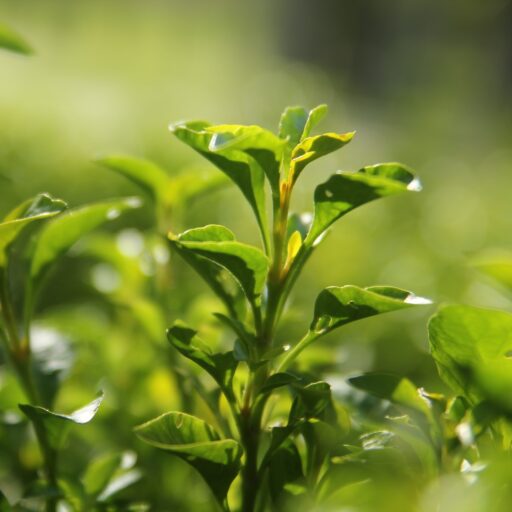
- Leaves: The most important part! They are typically glossy, dark green, oval-shaped, and slightly serrated at the edges. New growth, often a lighter green or even reddish hue, is what you’ll harvest for tea.
- Flowers: While not the primary reason for growing it, tea plants produce small, fragrant, white or creamy-yellow blossoms, usually in late autumn or early winter. These delicate flowers add a lovely touch to your indoor garden.
- Growth Habit: When grown in a pot and regularly pruned, Camellia sinensis maintains a compact, bushy form, making it an attractive ornamental plant even before you consider its tea-making potential.
- Lifespan: With proper care, these plants can live for many decades, becoming a long-term companion in your home.
Why it’s a great indoor candidate (with caveats!):
- Adaptability: While it loves specific conditions, it’s surprisingly adaptable to container life if those conditions are met.
- Evergreen Beauty: Provides year-round greenery and a touch of elegance.
- Productive: Eventually, it will reward you with fresh leaves for brewing.
- Educational: A fantastic way to learn about the origins of your favorite beverage.
It’s true, as the first YouTube video we’ve featured highlights, that “Camellia sinensis, which is the tea bush” is the source of all tea. The presenter in the video, living in Zone 6b, specifically chose to grow their tea plant in a container to make winter management easier, a strategy we wholeheartedly endorse for many indoor growers!
💚 Why Cultivate Your Own Tea Plant Indoors? The Rewards of Homegrown Brews
Why bother growing your own tea when you can simply pick up a box at the grocery store? Ah, my friend, that’s like asking why bake bread when you can buy a loaf! The reasons are as varied and delightful as the teas themselves.
Freshness and Flavor Unmatched: A True Farm-to-Cup Experience
Let’s be honest: nothing beats fresh. The moment you pluck those tender new leaves from your very own plant, you’re experiencing a level of freshness that commercially processed teas simply can’t match. The aromas, the subtle nuances of flavor – they’re all amplified when you go from “farm-to-cup” in your own kitchen.
Imagine brewing a cup of green tea where the leaves were harvested just hours ago. The vibrant, grassy notes, the delicate sweetness, the clean finish… it’s an experience that will redefine your understanding of tea. You’ll taste the difference, we promise!
Aesthetic Appeal and Green Therapy: Your Living Decor
Beyond the brew, Camellia sinensis is a genuinely beautiful plant. Its glossy, dark green leaves provide a lush, sophisticated touch to any room. It’s a living piece of art, constantly evolving and adding a vibrant splash of nature to your indoor decor.
But it’s more than just pretty. Engaging with plants, even just observing them, has well-documented benefits for mental well-being. It’s a form of “green therapy.” The act of nurturing your tea plant, watching new flushes emerge, and tending to its needs can be incredibly calming and meditative. It’s a small oasis of tranquility in your busy home.
The Joy of Self-Sufficiency: Brewing Your Own
There’s a profound satisfaction that comes from self-sufficiency, however small. Growing your own tea taps into that primal human desire to cultivate and create. It’s a tangible connection to the earth and a gentle rebellion against mass consumption.
Every cup you brew from your homegrown leaves is a testament to your effort, patience, and connection to nature. It’s a conversation starter, a personal achievement, and a truly unique way to enjoy your daily ritual.
Beyond the Brew: The Health & Wellness Benefits of Your Indoor Tea Plant
We all know tea is good for us, right? The leaves of Camellia sinensis are packed with antioxidants (like catechins, especially EGCG) and beneficial compounds that have been linked to a myriad of health benefits, from boosting metabolism to supporting heart health and even potentially reducing the risk of certain diseases. Jomo Studio reminds us that “The leaves of Camellia sinensis contain antioxidants and caffeine and can be processed in various ways to produce different types of tea…”
While you might not be harvesting enough to replace your entire tea supply, even a small amount of homegrown tea can contribute to your wellness routine. Plus, the act of gardening itself, as Lisa’s Notebook highlights for general herbs, can be a stress-reliever and a way to connect with nature. For more on the incredible advantages of tea, explore our Health Benefits of Tea category!
🏡 Choosing Your Indoor Tea Companion: Best *Camellia Sinensis* Varieties for Home Cultivation
Just like apples come in different varieties, so does Camellia sinensis! While all true tea comes from this single species, there are two main varieties and several cultivars that offer slightly different characteristics, making some more suitable for indoor growing than others.
*Camellia Sinensis* var. *sinensis* (Chinese Tea): The Classic Choice
This is arguably the most popular choice for home growers, and for good reason!
- Characteristics: Typically a smaller, more compact shrub with smaller leaves. It’s known for its hardiness and ability to tolerate cooler temperatures, making it a fantastic candidate for indoor cultivation, especially in less-than-tropical home environments.
- Flavor Profile: Generally produces teas with a more delicate, sweet, and often nutty flavor, ideal for green and white teas.
- Why it’s great for indoors: Its naturally smaller stature means it’s less likely to outgrow its pot quickly. It’s also more forgiving of slight temperature fluctuations you might experience indoors.
*Camellia Sinensis* var. *assamica* (Assam Tea): For the Bold Brew Lover
If you’re a fan of robust, malty black teas, you’re probably familiar with Assam tea.
- Characteristics: This variety tends to be a larger plant with bigger leaves. It thrives in warmer, more humid climates, typical of the Assam region of India.
- Flavor Profile: Produces teas with a stronger, bolder, and often maltier flavor, making it excellent for black teas.
- Why it’s a trickier indoor choice: Its larger growth habit means it will require more aggressive pruning to keep it manageable indoors. It also demands higher humidity and consistent warmth, which can be challenging to provide in a typical home, especially during winter. However, if you have a dedicated grow space with controlled conditions, it’s certainly possible!
Dwarf Cultivars and Hybrids: Perfect for Potted Perfection
For the ultimate indoor tea-growing experience, keep an eye out for dwarf cultivars or specific hybrids bred for smaller spaces. These are often labeled simply as “Tea Plant” or “Camellia sinensis for containers.”
- Examples: While specific named dwarf cultivars can be harder to find for the home market, many nurseries offer Camellia sinensis plants that are naturally more compact or have been selected for their suitability in pots.
- Benefits: These plants are specifically designed to stay smaller, requiring less pruning and making them ideal for windowsills or small indoor garden setups. They offer the same tea-producing potential in a more manageable package.
Our Recommendation: For beginners and most indoor growers, we at Growing Teas™ highly recommend starting with Camellia sinensis var. sinensis. Its adaptability and smaller size make it the most forgiving and rewarding choice for your indoor tea oasis.
👉 Shop Camellia sinensis plants on:
- Amazon: Amazon.com/camellia-sinensis-plant
- Etsy: Etsy.com/market/camellia_sinensis_plant
- Jomo Studio Official Website: JomoStudio.com/products/green-tea-plant
☀️ Setting Up Your Indoor Tea Oasis: Environmental Essentials for Thriving Tea Plants
Think of your tea plant as a tiny, discerning guest from a subtropical paradise. To make it feel at home, we need to replicate its preferred environment as closely as possible. This means paying close attention to light, temperature, humidity, and even air circulation.
Light: The Sun’s Embrace (or a Grow Light’s Glow) for Optimal Growth
Light is arguably the most critical factor for your indoor tea plant. These plants are sun-worshippers, but they can be a bit sensitive to harsh, direct midday sun, especially when grown in pots.
-
Natural Light:
- Ideal Spot: A south-facing window is often recommended, but with a caveat. If the sun is intense, especially in summer, a sheer curtain can provide the necessary bright, indirect light. East or west-facing windows can also work, offering morning or afternoon sun, respectively.
- Duration: Lisa’s Notebook correctly states that “Herbs prefer 6-12 hours of sunlight daily.” Your Camellia sinensis is no different. Aim for at least 6 hours of good quality light.
- Avoid: Direct, scorching midday sun without any protection can lead to leaf scorch, especially for younger plants.
-
Grow Lights: Your Indoor Sun:
- Why you might need one: If your home lacks sufficient natural light, or if you live in a region with long, dark winters, a grow light is an absolute game-changer. It ensures your plant gets the consistent light it needs for photosynthesis and new growth.
- Types: Full-spectrum LED grow lights are highly efficient and effective. Look for models designed for houseplants.
- Placement: Position the grow light according to the manufacturer’s recommendations, usually 12-24 inches above the plant, for 12-14 hours a day.
- Our Pick: The Barrina T5 LED Grow Lights (available on Amazon) are a fantastic, affordable option for small setups. They’re easy to install and provide excellent full-spectrum light.
- 👉 CHECK PRICE on: Amazon.com/Barrina-T5-LED-Grow-Lights
Temperature: Keeping Your Tea Plant Cozy and Content
Camellia sinensis is quite resilient when it comes to temperature, but it does have its preferences for optimal growth.
- Ideal Range: Aim for daytime temperatures between 65-80°F (18-27°C). Nighttime temperatures can drop slightly, but avoid anything below 50°F (10°C) for extended periods, especially for assamica varieties.
- Avoid Extremes: Keep your plant away from cold drafts from windows or doors, and direct heat sources like radiators or vents, which can dry out the leaves.
- Winter Care: As the YouTube video’s presenter mentioned, growing in a container makes it easier to manage for winter. If you live in a colder climate (like Zone 6b), bringing your plant indoors or into a protected space during winter is crucial.
Humidity: A Tropical Touch for Lush Foliage
Tea plants love humidity! Their native environments are often misty and moist. Dry indoor air, especially in winter with heating systems running, can stress your plant.
- Signs of Low Humidity: Brown leaf tips or edges, stunted growth.
- How to Boost Humidity:
- Misting: Jomo Studio recommends misting, and we agree! A daily misting with a fine spray bottle can provide a temporary boost. Use distilled or filtered water to avoid mineral buildup on leaves.
- Pebble Tray: Place your potted plant on a tray filled with pebbles and water. Ensure the bottom of the pot doesn’t sit directly in the water. As the water evaporates, it creates a humid microclimate around the plant.
- Humidifier: For serious humidity lovers (and your plant!), a small room humidifier can make a significant difference. Place it near your tea plant.
- Our Pick: The LEVOIT Humidifiers for Bedroom (available on Amazon) are quiet and effective for single rooms.
- 👉 CHECK PRICE on: Amazon.com/LEVOIT-Humidifiers-Bedroom
- Our Pick: The LEVOIT Humidifiers for Bedroom (available on Amazon) are quiet and effective for single rooms.
- Grouping Plants: Plants release moisture through transpiration, so grouping your tea plant with other humidity-loving houseplants can create a beneficial microclimate.
Air Circulation: A Gentle Breeze for Healthy Leaves
Good airflow is often overlooked but is vital for preventing fungal diseases and deterring pests.
- Why it Matters: Stagnant air can lead to moisture buildup on leaves, creating a breeding ground for fungi. It also makes your plant more susceptible to pests like spider mites.
- How to Ensure Good Airflow:
- Open Windows (when weather permits): A gentle breeze from an open window is ideal.
- Small Fan: If your space is particularly still, a small oscillating fan set on a low setting can provide gentle air movement. Don’t blast your plant directly, just create a subtle circulation.
- Spacing: Ensure your tea plant isn’t crammed too closely with other plants or against a wall. Give it some breathing room!
By carefully managing these environmental factors, you’re not just growing a plant; you’re cultivating a thriving, happy tea bush ready to reward you with its bounty!
🪴 Potting Perfection: Soil, Containers, and Drainage for Your Indoor Tea Bush
The foundation of a healthy indoor tea plant lies beneath the surface: in its pot and its soil. Get this right, and you’re halfway to a flourishing tea oasis!
The Ideal Soil Mix for Tea Plants: Acidic and Well-Draining
This is where your Camellia sinensis truly shows its preference. Tea plants are acid-loving plants, much like blueberries or azaleas.
- pH Level: Aim for a soil pH between 5.5 and 6.5. Anything too alkaline will lead to nutrient deficiencies, particularly iron, causing yellowing leaves (chlorosis).
- Drainage is Non-Negotiable: “Well-drained, acidic soil” is what Jomo Studio recommends, and we couldn’t agree more. Tea plants hate “wet feet,” meaning their roots sitting in soggy soil. This is a fast track to root rot, a silent killer of many houseplants.
- Our Recommended Mix (DIY):
- 50% High-Quality Potting Mix: As Lisa’s Notebook advises, “Use high-quality potting mix instead of garden soil.” Look for brands like FoxFarm Ocean Forest Potting Soil (available on Amazon) which is often slightly acidic and nutrient-rich.
- 25% Peat Moss or Coco Coir: These amendments help lower the pH and retain moisture without becoming waterlogged.
- 25% Perlite or Horticultural Sand: These are crucial for improving drainage and aeration, preventing compaction.
- Pre-Made Options: You can also look for potting mixes specifically formulated for acid-loving plants like azaleas, rhododendrons, or camellias. Just ensure they are well-draining.
👉 CHECK PRICE on:
- FoxFarm Ocean Forest Potting Soil: Amazon.com/FoxFarm-Ocean-Forest-Potting-Soil
Choosing the Right Pot: Size and Material Matter
The pot is more than just a decorative holder; it’s a crucial part of your plant’s home.
- Size:
- Start Small, Grow Big: Begin with a pot that’s only slightly larger than the plant’s root ball. For a young tea plant, a 6-8 inch diameter pot is usually sufficient.
- Gradual Upsizing: As your tea plant grows, you’ll repot it into a slightly larger container, typically moving up by 1-2 inches in diameter each time. Repotting too soon into a massive pot can lead to excess soil moisture and root rot.
- Long-Term: A mature indoor tea plant might comfortably live in a 10-14 inch pot for many years.
- Material:
- Terracotta/Unglazed Ceramic: These are our top recommendation! They are porous, allowing excess moisture to evaporate through the sides, which is excellent for preventing overwatering and promoting healthy root aeration.
- Plastic: Lighter and retains moisture longer, which can be a double-edged sword. If you use plastic, be extra vigilant about drainage and watering.
- Glazed Ceramic: Less breathable than terracotta, so ensure it has excellent drainage holes.
- Internal Link Alert! For an even deeper dive into selecting the perfect container for your tea plant, check out our comprehensive guide: Can Tea Plants Be Grown in Pots? 🌳 The Ultimate 15-Step Guide (2026).
Drainage: The Golden Rule for Happy Roots
We can’t stress this enough: drainage is paramount!
- Drainage Holes: Your pot must have drainage holes at the bottom. If it doesn’t, drill some, or choose a different pot. No exceptions!
- Drainage Layer? While some old-school advice suggests adding a layer of gravel or broken pot shards at the bottom for drainage, modern horticulture largely debunks this. It can actually create a “perched water table,” where water accumulates just above the gravel, still leading to soggy roots. Instead, focus on a well-draining soil mix and a pot with adequate holes.
- Saucer: Always place a saucer or tray underneath your pot to catch excess water. Just remember to empty it promptly after watering to prevent your plant from sitting in standing water. As Lisa’s Notebook emphasizes, “good drainage is essential.”
By providing the right soil and a well-draining home, you’re setting your Camellia sinensis up for a lifetime of happy, healthy growth – and delicious tea!
💧 Nourishing Your Tea Plant: Watering and Fertilizing for Vigorous Growth
Just like us, our tea plants need consistent hydration and a balanced diet to thrive. Getting the watering and feeding right is crucial for lush foliage and abundant harvests.
Watering Wisdom: How Much and How Often to Hydrate Your Tea Plant
This is often where new plant parents stumble. The key with Camellia sinensis is consistency and avoiding extremes.
- The “Feel Test”: Both Jomo Studio and Lisa’s Notebook offer similar advice: “Water when top quarter of soil is dry” (Jomo Studio) or “Water when the top 2 inches of soil are dry” (Lisa’s Notebook). We agree! Stick your finger into the soil. If the top inch or two feels dry to the touch, it’s time to water. If it’s still moist, wait.
- Thorough Soaking: When you do water, water thoroughly until you see water draining from the bottom of the pot. This ensures the entire root ball gets hydrated. Discard any excess water from the saucer after about 15-30 minutes.
- Water Quality: If your tap water is very hard or alkaline, consider using filtered water, rainwater, or distilled water. Tea plants prefer slightly acidic conditions, and alkaline tap water can slowly raise the soil pH over time, leading to nutrient lockout.
- Seasonal Adjustments: Your plant will need more water during its active growing season (spring and summer) and less during dormancy (fall and winter). Always adjust based on your plant’s specific needs and environmental conditions (temperature, humidity, light).
- Moisture Meter (Optional but Helpful): For beginners, a moisture meter can take the guesswork out of watering. Simply insert the probe into the soil, and it will tell you the moisture level.
- Our Pick: The XLUX T10 Soil Moisture Meter (available on Amazon) is a simple, no-battery-needed tool that’s incredibly effective.
- 👉 CHECK PRICE on: Amazon.com/XLUX-T10-Soil-Moisture-Meter
- Our Pick: The XLUX T10 Soil Moisture Meter (available on Amazon) is a simple, no-battery-needed tool that’s incredibly effective.
Feeding Your Foliage: Essential Nutrients for a Bountiful Harvest
While a good potting mix provides initial nutrients, your tea plant will eventually deplete them, especially in a container. Fertilization is key for vigorous growth and those precious new flushes.
- Fertilizer Type: Choose a balanced, slow-release granular fertilizer or a liquid fertilizer specifically formulated for acid-loving plants (e.g., azaleas, camellias, rhododendrons). Look for an NPK ratio that is relatively balanced, or slightly higher in nitrogen for leafy growth.
- Frequency:
- Granular: Apply once or twice a year, typically in early spring and mid-summer, following package instructions.
- Liquid: During the active growing season (spring through early fall), fertilize every 2-4 weeks at half strength. Reduce or stop entirely during the dormant winter months.
- The presenter in the first YouTube video also recommends fertilizing container-grown tea plants “twice a year,” which aligns perfectly with our granular fertilizer advice.
- Soil Acidifiers: If your soil pH starts to creep up (you can test it with a soil pH kit), you might need to use a soil acidifier like elemental sulfur or Miracid Acid-Loving Plant Food (available on Amazon), which contains urea and other acidifying agents.
- What about kitchen scraps? The Almost Off Grid article discusses “making houseplant tea with eggshells and banana skins” for general houseplants. While eggshells provide calcium and banana skins offer potassium, these are generally not sufficient or specifically tailored for the unique acidic needs of Camellia sinensis. While they won’t harm your plant in small amounts, we recommend sticking to specialized acid-loving plant fertilizers for optimal results with your tea plant. For general organic farming techniques, however, these methods can be interesting to explore in our Organic Farming Techniques section.
- Always read the label! Over-fertilizing can burn roots and harm your plant. When in doubt, it’s better to under-fertilize than over-fertilize.
By mastering your watering and feeding routine, you’ll be providing your tea plant with all the sustenance it needs to produce those beautiful, brew-worthy leaves!
✂️ Shaping Your Tea Bush: Pruning for Health, Aesthetics, and Abundant Harvest
Pruning might sound intimidating, but for your indoor tea plant, it’s a vital practice. Think of it as giving your plant a regular haircut – it keeps it tidy, healthy, and encourages it to produce more of what we want: fresh tea leaves!
Why Prune? Encouraging Bushiness and New Flushes
- Encourages Bushiness: Left to its own devices, Camellia sinensis can become leggy and sparse, especially indoors where light might not be optimal. Pruning encourages the plant to branch out, creating a denser, more attractive bush.
- Stimulates New Growth (Flushes): This is the magic part for tea growers! New growth, often called a “flush,” is where the most tender, flavorful leaves are found. By removing older growth, you signal the plant to produce more of these precious new shoots.
- Maintains Desired Size and Shape: Indoors, we need to keep our tea plants compact. Pruning allows you to control the plant’s size and maintain an aesthetic shape that fits your space.
- Removes Dead or Damaged Growth: Pruning is also essential for plant health, removing any diseased, damaged, or dead branches that could harbor pests or pathogens.
- Improves Air Circulation: A denser plant can sometimes have poor airflow within its canopy. Strategic pruning helps improve circulation, reducing the risk of fungal issues.
When and How to Prune Your Indoor Tea Plant for Best Results
Timing and technique are key for effective pruning.
- When to Prune:
- Light Pruning/Harvesting: You can lightly prune (which doubles as harvesting!) throughout the active growing season (spring to early fall) as new flushes appear.
- Heavier Pruning/Shaping: The best time for more significant shaping or rejuvenation pruning is in late winter or early spring, just before the plant enters its most vigorous growth phase. This allows the plant to quickly recover and put energy into new growth.
- Avoid: Don’t do heavy pruning in late fall or winter, as the plant is slowing down and may not have enough energy to heal before dormancy.
- How to Prune (The “Tea Table” Method):
- Gather Your Tools: Use sharp, clean pruning shears or scissors. Sterilize them with rubbing alcohol before and after use to prevent disease spread.
- Our Pick: The Fiskars Micro-Tip Pruning Snips (available on Amazon) are perfect for delicate tea leaves and small branches.
- 👉 CHECK PRICE on: Amazon.com/Fiskars-Micro-Tip-Pruning-Snips
- Our Pick: The Fiskars Micro-Tip Pruning Snips (available on Amazon) are perfect for delicate tea leaves and small branches.
- Identify Your Goal: Are you just harvesting, or are you shaping the plant?
- For Harvesting (Light Pruning): Focus on the “two leaves and a bud” (we’ll cover this in detail in the harvesting section!). This is essentially a light pruning that encourages more new growth.
- For Shaping/Bushiness (Heavier Pruning):
- The “Tea Table” Concept: Commercial tea plantations prune their bushes into a flat-topped “table” to make harvesting easier and encourage continuous new flushes. You can mimic this indoors.
- Cut Above a Node: Always make your cuts just above a leaf node (where a leaf or branch emerges from the stem) or a dormant bud. This is where new growth will sprout.
- Remove Leggy Stems: Cut back any long, spindly stems to encourage side branching.
- Thin Out Crowded Areas: If the center of your plant is too dense, remove a few inner branches to improve air circulation and light penetration.
- Remove Dead/Diseased Wood: Cut these back to healthy wood.
- Don’t Remove Too Much: Never remove more than about one-third of the plant’s total foliage at one time, especially during heavy pruning. This can shock the plant.
- Step Back and Assess: After a few cuts, step back and look at the plant’s overall shape. Continue pruning gradually until you achieve your desired form.
- Gather Your Tools: Use sharp, clean pruning shears or scissors. Sterilize them with rubbing alcohol before and after use to prevent disease spread.
Pruning is an art and a science. With a little practice, you’ll develop an eye for it, and your tea plant will thank you with abundant, healthy growth!
🌱 Propagation Ponderings: Expanding Your Tea Collection
So, you’ve successfully grown one tea plant, and now you’re hooked! The natural next step for any enthusiastic gardener is to expand their collection. Propagating your Camellia sinensis is a rewarding way to get more plants for free, share with friends, or simply enjoy the process of new life emerging.
Growing from Seed: A Patient Gardener’s Reward
Growing tea from seed is a journey of patience, but incredibly satisfying. It’s a slower process than cuttings, but it offers the joy of watching a plant emerge from its very beginning.
- Sourcing Seeds: Look for fresh Camellia sinensis seeds from reputable suppliers. Freshness is key for good germination rates.
- Stratification (Optional but Recommended): Tea seeds often benefit from a period of cold stratification to break dormancy.
- Soak: Soak seeds in warm water for 24-48 hours. Discard any floaters.
- Moist Medium: Place seeds in a plastic bag with moist (not wet) peat moss or sand.
- Refrigerate: Store in the refrigerator (around 40°F / 4°C) for 1-2 months.
- Planting:
- Prepare Soil: Use a well-draining, acidic seed-starting mix.
- Sow: Plant seeds about 1/2 to 1 inch deep, with the “eye” (hilum) facing sideways or down.
- Moisture & Warmth: Keep the soil consistently moist and maintain a warm temperature (70-80°F / 21-27°C). A heat mat can be very helpful.
- Light: Provide bright, indirect light.
- Germination: This can be erratic and take anywhere from a few weeks to several months. Don’t lose hope!
- Care: Once seedlings emerge, continue to provide consistent moisture, light, and gentle fertilization. Transplant them into individual pots once they have a few sets of true leaves.
Rooting Cuttings: A Faster Path to More Tea Plants
For a quicker and more reliable way to expand your tea collection, rooting cuttings is the way to go. This method produces clones of the parent plant, ensuring consistent characteristics.
- When to Take Cuttings: The best time is during the active growing season, typically late spring to early summer, when the plant is putting out new, vigorous growth.
- How to Take Cuttings:
- Select a Healthy Stem: Choose a semi-hardwood stem (not too soft and green, not too woody and old) that is about 4-6 inches long and has 3-4 leaves.
- Make the Cut: Using sharp, clean pruning shears, make a clean cut just below a leaf node.
- Prepare the Cutting: Remove the leaves from the bottom 1-2 inches of the stem. If the remaining leaves are very large, you can cut them in half horizontally to reduce moisture loss.
- Rooting Hormone (Optional but Recommended): Dip the cut end into rooting hormone powder or gel. This significantly increases your success rate.
- Our Pick: Garden Safe TakeRoot Rooting Hormone (available on Amazon) is a reliable choice.
- 👉 CHECK PRICE on: Amazon.com/Garden-Safe-TakeRoot-Rooting-Hormone
- Our Pick: Garden Safe TakeRoot Rooting Hormone (available on Amazon) is a reliable choice.
- Planting the Cuttings:
- Prepare Medium: Fill small pots or a propagation tray with a well-draining, sterile rooting medium (e.g., a mix of peat moss and perlite, or coco coir and perlite).
- Insert Cuttings: Make a small hole in the medium with a pencil or finger, then insert the prepared cutting, ensuring the leafless nodes are buried. Gently firm the medium around the cutting.
- Create a Humid Environment: This is crucial! Cover the pots with a clear plastic dome, a plastic bag, or place them in a mini greenhouse. This traps humidity and prevents the cuttings from drying out.
- Light & Warmth: Place in a spot with bright, indirect light and maintain a warm temperature (70-75°F / 21-24°C). A heat mat under the tray can accelerate rooting.
- Monitor: Keep the rooting medium consistently moist but not soggy. Mist the inside of the dome/bag occasionally.
- Rooting Time: Roots can take anywhere from 4-12 weeks to develop. You’ll know they’ve rooted when you see new leaf growth or feel gentle resistance when you lightly tug on the cutting.
- Transplanting: Once well-rooted, gradually acclimate the cuttings to lower humidity before transplanting them into individual pots with regular acidic potting mix.
Propagating your tea plants is a truly magical experience, turning one beloved plant into many!
🐞 Pest Patrol and Disease Defense: Keeping Your Tea Plant Thriving Indoors
Even the most meticulously cared-for indoor plants can sometimes encounter uninvited guests or unwelcome ailments. But fear not! With a keen eye and a proactive approach, you can keep your Camellia sinensis healthy and pest-free.
Common Indoor Pests and Organic Solutions for Tea Plants
Indoor environments can sometimes be havens for certain pests, especially if conditions aren’t ideal. Regular inspection is your best defense!
- Spider Mites:
- Signs: Tiny red or brown dots on leaves, fine webbing, especially on undersides of leaves and in leaf axils. Leaves may appear stippled or discolored.
- Solution: These thrive in dry conditions. Increase humidity! Isolate the plant. Wipe leaves with a damp cloth. Spray thoroughly with neem oil solution (diluted according to package directions) or insecticidal soap every 5-7 days until gone.
- Aphids:
- Signs: Small, pear-shaped insects (green, black, brown, or yellow) clustered on new growth, sticky residue (honeydew), distorted leaves.
- Solution: Blast them off with a strong stream of water. Wipe with a damp cloth. Apply insecticidal soap or neem oil.
- Mealybugs:
- Signs: White, cottony masses in leaf axils, on stems, or undersides of leaves. Sticky honeydew.
- Solution: Dab individual mealybugs with a cotton swab dipped in rubbing alcohol. For heavier infestations, spray with insecticidal soap or neem oil.
- Scale Insects:
- Signs: Small, oval, brown or tan bumps (look like tiny shells) on stems and leaf undersides. Sticky honeydew.
- Solution: Scrape off individual scales with a fingernail or old toothbrush. Treat with neem oil or insecticidal soap.
- Fungus Gnats:
- Signs: Tiny, black, mosquito-like flies hovering around the soil surface. Larvae (tiny white worms) in the soil feed on roots.
- Solution: These indicate overwatering. Let the top inch or two of soil dry out completely between waterings. Use BT (Bacillus thuringiensis israelensis) dunks or granules (like Summit Mosquito Dunks available on Amazon) in your watering can to kill larvae. Yellow sticky traps can catch adults.
- 👉 CHECK PRICE on: Amazon.com/Summit-Mosquito-Dunks
General Pest Prevention Tips (as Lisa’s Notebook suggests):
- Avoid Overwatering: This is a common culprit for many pest and disease issues.
- Ensure Airflow: Good air circulation helps deter pests and fungal growth.
- Regular Inspection: Make it a habit to check your plant’s leaves (top and bottom) and stems every time you water. Early detection is key!
- Quarantine New Plants: Always isolate new plants for a few weeks before introducing them to your existing collection.
- Natural Sprays: A simple solution of a few drops of mild dish soap in water can be an effective, gentle spray for many soft-bodied pests.
Recognizing and Treating Plant Diseases: Early Detection is Key
While indoor tea plants are generally robust, they can occasionally suffer from fungal or bacterial issues, often linked to environmental stress.
- Root Rot:
- Signs: Yellowing, wilting leaves despite moist soil, stunted growth, soft and mushy stems at the soil line, foul odor from the soil.
- Cause: Almost always overwatering and poor drainage.
- Solution: Act fast! Unpot the plant, gently remove as much old soil as possible, and trim off any brown, mushy, or smelly roots. Repot into fresh, well-draining, acidic soil in a clean pot (or sterilized old one). Adjust your watering habits immediately.
- Leaf Spot (Fungal):
- Signs: Small, discolored spots (often brown, black, or yellow) on leaves, sometimes with a halo.
- Cause: High humidity combined with poor air circulation, or water sitting on leaves for too long.
- Solution: Remove affected leaves. Improve air circulation. Avoid overhead watering; water the soil directly. You can try a natural fungicide like a diluted baking soda spray (1 teaspoon baking soda per quart of water with a few drops of dish soap).
- Powdery Mildew:
- Signs: White, powdery patches on leaves and stems.
- Cause: High humidity and poor air circulation.
- Solution: Improve airflow. Remove affected leaves. Treat with neem oil or a baking soda spray.
Remember, a healthy plant is a resilient plant! By providing optimal growing conditions, you significantly reduce the chances of your Camellia sinensis falling victim to pests or diseases. Stay vigilant, and your indoor tea oasis will thrive!
🖐️ The Moment of Truth: Harvesting Your Homegrown Tea Leaves
This is it, the culmination of your patience and care! The moment you’ve been waiting for: harvesting your very own tea leaves. It’s a delicate process, but incredibly rewarding.
When to Harvest: Catching the “Flush” for Peak Flavor
Timing is everything when it comes to harvesting tea. You’re looking for what tea growers call a “flush” – a burst of tender, new growth.
- What to Look For: A flush consists of the very tip of a new shoot: the unopened leaf bud and the two youngest, most tender leaves directly below it. These are often lighter green, sometimes even reddish, and have a soft, velvety texture compared to the older, tougher leaves.
- Why New Growth? These young leaves and buds contain the highest concentration of the compounds responsible for tea’s flavor, aroma, and beneficial properties (like L-theanine and catechins). Older leaves are too tough and bitter for quality tea.
- Frequency: Your indoor tea plant will produce flushes periodically during its active growing season (typically spring through early fall). You might be able to harvest every 2-4 weeks, depending on your plant’s vigor and growing conditions.
- Patience is Key: Don’t rush it! Wait until your plant is well-established, usually at least 2-3 years old, before you start harvesting regularly. Harvesting too much from a young plant can stress it and hinder its overall growth.
- Best Time of Day: Lisa’s Notebook suggests to “Harvest in the morning.” We agree! The early morning, after the dew has dried but before the sun gets too intense, is often considered the best time. The leaves are typically at their peak freshness and moisture content.
How to Pluck: The “Two Leaves and a Bud” Method
This is the classic, time-honored method for harvesting quality tea leaves.
- Identify the Flush: Carefully examine your plant for those tender new shoots – an unopened bud at the very tip, followed by two small, soft leaves.
- Use the Right Tools: Use sharp, clean pruning snips or scissors (like your Fiskars Micro-Tip Snips) or even your fingernails if they’re clean and sharp. Avoid tearing or bruising the leaves unnecessarily.
- Make a Clean Cut: Snip the stem just below the second tender leaf, ensuring you get the bud and the two youngest leaves.
- Be Gentle: Handle the harvested leaves carefully to avoid bruising. Place them gently into a clean basket or tray.
- Don’t Over-Harvest: Lisa’s Notebook advises “no more than a third of the plant.” For an indoor tea plant, we recommend being even more conservative. Only harvest the new flushes, and never take more than about 10-15% of the plant’s total foliage at any one time. This ensures the plant has enough leaves left for photosynthesis and continued growth.
- Repeat: Continue harvesting new flushes as they appear throughout the growing season. Each harvest acts as a form of light pruning, encouraging more branching and subsequent flushes!
Congratulations! You’ve just taken the first step in turning your beautiful houseplant into a delicious, homemade brew. Now, let’s talk about what to do with those precious leaves!
🍵 From Leaf to Cup: Basic Home Tea Processing for Your Harvest
You’ve harvested your precious “two leaves and a bud” – now what? This is where the magic happens! The way you process these fresh leaves determines whether you’ll end up with green tea, black tea, or something in between. Remember, as the first YouTube video points out, all these teas originate from the same plant, Camellia sinensis; it’s the processing that makes them different.
Home tea processing is a simplified version of what happens in large factories, but it allows you to experiment and create truly unique, artisanal teas.
Wilting: The First Step to Flavor Development
Wilting is the initial stage where the fresh leaves lose some of their moisture, becoming pliable and ready for the next steps. This is crucial for developing flavor and aroma.
- Process: Spread your freshly harvested leaves thinly on a clean, dry cloth, a bamboo mat, or a baking sheet.
- Environment: Place them in a cool, well-ventilated area, away from direct sunlight. A fan can help with air circulation.
- Duration: This can take anywhere from 8 to 18 hours, depending on the humidity and temperature.
- Goal: The leaves should become soft and pliable, losing their crispness, but not completely dry or brittle. They should feel a bit like soft leather.
Bruising/Rolling: Breaking Down Cell Walls for Oxidation
This step breaks down the cell walls of the leaves, releasing enzymes that are essential for oxidation (the process that turns green leaves into black tea).
- Process:
- By Hand: Gently roll the wilted leaves between your palms, applying light pressure. You want to bruise them, not tear them apart. You’ll notice the leaves becoming slightly sticky and releasing a faint aroma.
- With a Rolling Pin: Place leaves on a clean surface and gently roll them with a rolling pin.
- Food Processor (Carefully!): For larger batches, a food processor on a very short pulse can work, but be extremely careful not to chop the leaves.
- Goal: The leaves should feel bruised and slightly sticky, and you should start to smell a more distinct tea aroma.
Oxidation: The Magic of Color and Flavor (for Black and Oolong Teas)
Oxidation is the enzymatic reaction that gives black tea its characteristic dark color and malty flavor. Green tea, on the other hand, skips this step almost entirely.
- Process: After bruising, spread the leaves in a thin layer on a tray.
- Environment: Place them in a cool, humid environment (around 70-75°F / 21-24°C with 80-90% humidity). You can achieve this by placing the tray in a slightly damp, covered container or under a damp cloth.
- Duration: This is where you control the tea type:
- Green Tea: No oxidation (or very minimal). Proceed directly to fixing.
- Oolong Tea: Partial oxidation. Check leaves every 30-60 minutes. They will start to turn reddish-brown and develop a fruity aroma. Stop when you reach your desired level of oxidation (usually 1-3 hours).
- Black Tea: Full oxidation. Leaves will turn a coppery-brown color and develop a strong, malty aroma. This can take 2-4 hours or more.
- Goal: Achieve the desired level of oxidation for your chosen tea type.
Fixing/Drying: Halting Oxidation and Preserving Your Tea
Fixing (also called “kill-green”) stops the oxidation process, preserving the tea’s characteristics. Drying removes the remaining moisture, making the tea shelf-stable.
- Fixing (for Green Tea):
- Pan Frying: Heat a large, dry skillet or wok over medium-high heat. Add the leaves and stir constantly for 5-10 minutes until they become pliable and bright green, but not burnt. This denatures the enzymes, stopping oxidation.
- Steaming: Steam the leaves for 1-2 minutes.
- Drying (for all teas):
- Oven Method: Spread leaves thinly on a baking sheet. Bake at the lowest possible temperature (around 200-250°F / 93-120°C) with the oven door slightly ajar to allow moisture to escape. Stir frequently.
- Dehydrator: This is our preferred method for consistency! Set to a low temperature (around 100-120°F / 38-49°C).
- Air Drying (for small batches): Lisa’s Notebook mentions drying herbs “upside down in a warm, dry, ventilated area away from sunlight.” For tea leaves, spreading them flat on a screen or mesh in a well-ventilated, warm, dark room can work, but it takes longer and carries a higher risk of mold.
- Duration: Drying can take several hours, depending on the method and humidity.
- Goal: Leaves should be completely dry and brittle. They should snap, not bend. Any remaining moisture will lead to mold.
- Storage: Once completely dry and cooled, store your homemade tea in an airtight container (like a glass jar or a tea tin) in a cool, dark place. It will keep for several months to a year.
Green Tea vs. Black Tea: A Home Processing Guide
Here’s a quick comparison of the basic steps:
| Step | Green Tea | Black Tea |
|---|---|---|
| 1. Wilting | Yes (8-18 hours) | Yes (8-18 hours) |
| 2. Bruising | Lightly bruise or skip for delicate greens | Yes, more vigorous rolling |
| 3. Fixing | Yes (Pan-fry or steam immediately after bruising) | No (proceed to oxidation) |
| 4. Oxidation | No (enzymes are denatured by fixing) | Yes (2-4+ hours, until coppery brown) |
| 5. Drying | Yes (oven or dehydrator until brittle) | Yes (oven or dehydrator until brittle) |
| Result | Fresh, grassy, sometimes nutty or sweet notes. Light liquor. | Robust, malty, sometimes fruity notes. Dark liquor. |
Experimentation is part of the fun! You might even try your hand at making a simple oolong by partially oxidizing your leaves. For more in-depth guides on specific tea types, check out our Green Tea Cultivation category!
❓ Troubleshooting Common Indoor Tea Plant Problems
Even with the best intentions, sometimes our plants send us distress signals. Don’t panic! Most common issues with indoor Camellia sinensis can be diagnosed and corrected with a little detective work.
Yellowing Leaves: What’s Your Plant Trying to Tell You?
Yellow leaves (chlorosis) are one of the most common and frustrating problems, as they can indicate several underlying issues.
- Possible Causes & Solutions:
- Nutrient Deficiency (especially Iron): Tea plants are acid-lovers. If the soil pH is too high (alkaline), the plant can’t absorb iron, even if it’s present in the soil.
- Solution: Test your soil pH. If it’s above 6.5, amend with an acidifying fertilizer or elemental sulfur. Ensure you’re using an acid-loving plant fertilizer.
- Overwatering/Root Rot: Yellowing, often accompanied by wilting and mushy stems, is a classic sign.
- Solution: Check soil moisture. Allow the top 1-2 inches to dry out before watering again. Ensure excellent drainage. If root rot is suspected, repot with fresh soil and trim affected roots.
- Underwatering: If the soil is bone dry and leaves are yellowing and crispy, it’s likely thirst.
- Solution: Water thoroughly until it drains from the bottom. Establish a consistent watering schedule.
- Lack of Light: Insufficient light can lead to pale, yellowing leaves, especially on older growth.
- Solution: Move the plant to a brighter location or supplement with a grow light.
- Nutrient Excess (Fertilizer Burn): Too much fertilizer can also cause yellowing and crispy leaf edges.
- Solution: Flush the soil with plenty of plain water to leach out excess salts. Reduce fertilizer frequency or strength.
- Normal Aging: Older leaves at the bottom of the plant will naturally yellow and drop off over time. This is normal if it’s just a few leaves.
- Solution: No action needed, just remove the old leaves.
- Nutrient Deficiency (especially Iron): Tea plants are acid-lovers. If the soil pH is too high (alkaline), the plant can’t absorb iron, even if it’s present in the soil.
Leaf Drop: A Cry for Help?
A few dropped leaves here and there are normal, but if your tea plant is shedding leaves rapidly, it’s definitely trying to tell you something.
- Possible Causes & Solutions:
- Sudden Environmental Change: Tea plants dislike abrupt changes in temperature, light, or humidity. Moving the plant, a sudden cold draft, or a drastic drop in humidity can cause shock.
- Solution: Provide stable conditions. Acclimate the plant slowly to new environments.
- Underwatering: Prolonged drought will cause leaves to dry out and drop.
- Solution: Check soil moisture and water thoroughly.
- Overwatering/Root Rot: Again, this can manifest as leaf drop, often with yellowing first.
- Solution: See solutions for yellowing leaves.
- Pests: Severe pest infestations can weaken the plant, leading to leaf drop.
- Solution: Inspect thoroughly for pests and treat accordingly.
- Extreme Temperatures: Too cold or too hot can cause leaves to drop.
- Solution: Maintain temperatures within the ideal range (65-80°F / 18-27°C).
- Sudden Environmental Change: Tea plants dislike abrupt changes in temperature, light, or humidity. Moving the plant, a sudden cold draft, or a drastic drop in humidity can cause shock.
Slow Growth or No New Flushes: Diagnosing the Issue
If your tea plant seems stuck in a rut and isn’t producing those exciting new flushes, it’s time to investigate.
- Possible Causes & Solutions:
- Insufficient Light: This is a very common reason for slow growth. Without enough energy from light, the plant can’t fuel new growth.
- Solution: Move to a brighter spot or use a grow light for 12-14 hours a day.
- Lack of Nutrients: If the plant is hungry, it won’t have the resources to put out new leaves.
- Solution: Ensure you’re fertilizing regularly with an acid-loving plant fertilizer during the growing season.
- Incorrect Soil pH: If the pH is off, the plant can’t absorb nutrients efficiently, leading to stunted growth.
- Solution: Test and adjust soil pH.
- Too Small Pot/Rootbound: If the roots have filled the pot, growth will slow down significantly.
- Solution: Check if the plant is rootbound. If so, repot into a slightly larger container with fresh, acidic soil.
- Dormancy: Tea plants naturally slow down or stop growing in winter.
- Solution: This is normal! Reduce watering and stop fertilizing during this period. Growth will resume in spring.
- Pests or Disease: A stressed plant fighting off pests or disease will divert energy from growth.
- Solution: Inspect for pests/diseases and treat as needed.
- Insufficient Light: This is a very common reason for slow growth. Without enough energy from light, the plant can’t fuel new growth.
By carefully observing your Camellia sinensis and understanding its needs, you’ll become adept at reading its signals and providing the care it needs to flourish. Happy growing!
🛠️ Essential Gear for Your Indoor Tea Oasis: Tools and Supplies We Recommend
To truly set yourself up for success in growing your own tea as a houseplant, having the right tools makes all the difference. From nurturing your plant to harvesting and processing, these are the items we at Growing Teas™ swear by. Lisa’s Notebook also highlights the importance of “Grow lights, moisture meters, herb drying racks, harvesting tools,” and we’ve got our top picks ready for you!
1. Grow Lights: Your Indoor Sun
| Aspect | Rating (1-10) | Notes
🔗 Recommended Links
- Jomo Studio Green Tea Plant: https://jomostudio.com/products/green-tea-plant
- The Tea Spot: https://www.theteaspot.com/ (For sourcing quality loose leaf tea while you wait for your harvest!)
- Arbor Teas: https://www.arborteas.com/ (Organic, fair trade teas and educational resources.)
- The American Camellia Society: https://www.americancamellias.com/ (For general camellia care and cultivation information.)
⁉️ Frequently Asked Questions (FAQ) About Growing Tea as a Houseplant

Q1: How long does it take to grow tea leaves for brewing? A1: While your plant will grow leaves from day one, it typically takes 2-3 years for a Camellia sinensis plant to mature enough to produce a significant and flavorful harvest for brewing. Patience is a virtue in tea growing!
Q2: Is Camellia sinensis toxic to pets? A2: Yes, Jomo Studio notes that Camellia sinensis is “moderately toxic if ingested.” It contains caffeine and other compounds that can be harmful to pets. “It is best to not let your pets eat it.” If you have pets prone to nibbling plants, consider placing your tea plant out of reach or choosing another houseplant.
Q3: Can I grow different types of tea (green, black, oolong) from the same plant? A3: Absolutely! As the first YouTube video and Jomo Studio highlight, all true teas (green, black, oolong, white, pu-erh) come from the same Camellia sinensis plant. The difference lies entirely in the processing methods after harvesting the leaves. You can decide what type of tea you want to make with each harvest!
Q4: My tea plant’s leaves are turning yellow. What’s wrong? A4: Yellowing leaves can indicate several issues, most commonly incorrect soil pH (too alkaline), overwatering (leading to root rot), or nutrient deficiency (especially iron). Check your soil pH, adjust your watering schedule, and ensure you’re using an acid-loving plant fertilizer.
Q5: How much tea can I expect to harvest from one indoor plant? A5: An indoor tea plant, especially a young one, won’t yield enough for daily brewing. You might get enough for a few cups or small batches of tea per harvest during the growing season. It’s more about the experience and novelty of homegrown tea than self-sufficiency for a heavy tea drinker.
Q6: Do I need a special soil for my tea plant? A6: Yes, tea plants require acidic, well-draining soil with a pH between 5.5 and 6.5. A standard potting mix won’t cut it. Look for mixes formulated for acid-loving plants (like azaleas or camellias) or create your own blend with peat moss/coco coir and perlite.
Q7: Can I use regular tap water for my tea plant? A7: It depends on your tap water. If your tap water is hard or alkaline, it can slowly raise the soil pH over time, which is detrimental to tea plants. We recommend using filtered water, rainwater, or distilled water if your tap water isn’t ideal.
🌐 Reference Links
- Lisa’s Notebook: https://www.lisasnotebook.com/growing-a-tea-garden-indoors/
- Jomo Studio: https://jomostudio.com/products/green-tea-plant
- Almost Off Grid: https://www.almostoffgrid.com/blogs/almost-off-grid/making-houseplant-tea-with-eggshells-and-banana-skins
- The Tea Plant (Camellia sinensis) – University of Florida: https://edis.ifas.ufl.edu/publication/FP096
- The Health Benefits of Tea – Harvard T.H. Chan School of Public Health: https://www.hsph.harvard.edu/nutritionsource/healthy-drinks/tea/
- Featured Video: #featured-video (Link to the first YouTube video embedded in the article)
✅ Conclusion: Sip, Savor, and Grow Your Own Tea!

So, can you grow tea as a houseplant? Absolutely! With the right knowledge, care, and a bit of patience, your indoor Camellia sinensis can thrive and reward you with fresh, flavorful leaves for your very own home-brewed tea. From selecting the ideal variety (we recommend Camellia sinensis var. sinensis for most indoor growers) to mastering the environmental needs—light, humidity, temperature, and soil acidity—you’re well on your way to cultivating a living tea garden right in your living room.
We’ve walked you through the entire journey: from potting and watering to pruning and harvesting, even touching on how to process your leaves into green or black tea at home. Remember, growing tea indoors is as much about the experience and connection to tradition as it is about the final cup. As we teased earlier, the joy of self-sufficiency and the unmatched freshness of homegrown tea leaves make every effort worthwhile.
If you’re wondering about the natural fertilization methods like the “houseplant tea” made from eggshells and banana skins, while these can be great organic supplements for general houseplants, your tea plant thrives best on specially formulated acid-loving plant fertilizers to maintain its delicate balance.
In short: Grow your tea plant with love, patience, and care, and it will reward you with a unique, aromatic, and deeply satisfying tea experience that no store-bought box can match. Ready to start your tea-growing adventure? We’re here cheering you on every step of the way!
🔗 Recommended Links
Shop Tea Plants and Supplies
-
Camellia sinensis Tea Plants:
-
Grow Lights:
-
Soil and Fertilizers:
-
Moisture Meter:
-
Pruning Tools:
-
Rooting Hormone:
-
Humidifiers:
-
Pest Control:
Recommended Books for Tea Growing and Processing
-
“The Tea Book: All Things Tea” by Louise Cheadle & Nick Kilby
A beautifully illustrated guide covering tea history, cultivation, and brewing.
Amazon.com – The Tea Book -
“Tea: History, Terroirs, Varieties” by Kevin Gascoyne, Francois Marchand, et al.
An in-depth exploration of tea cultivation and varieties worldwide.
Amazon.com – Tea: History, Terroirs, Varieties -
“The Art and Craft of Tea: An Enthusiast’s Guide to Selecting, Brewing, and Serving Exquisite Tea” by Joseph Uhl
Great for those interested in tea processing and brewing techniques.
Amazon.com – The Art and Craft of Tea
⁉️ Frequently Asked Questions (FAQ) About Growing Tea as a Houseplant

What are the ideal temperature and humidity conditions for growing a tea plant indoors?
Ideal Temperature: Tea plants thrive best between 65-80°F (18-27°C) during the day, with nighttime temperatures not dropping below 50°F (10°C). Sudden cold drafts or heat spikes can stress the plant.
Ideal Humidity: They prefer moderate to high humidity, ideally around 60-80%. Indoor heating often dries air in winter, so misting, pebble trays, or humidifiers help replicate their natural subtropical environment.
How to replicate indoors:
- Use a humidifier like the LEVOIT model or mist leaves daily.
- Place the plant away from heating vents or drafty windows.
- Group plants together to create a microclimate with higher humidity.
Can you harvest tea leaves from a houseplant, and if so, how often?
Yes! You can harvest tea leaves from your indoor Camellia sinensis once the plant is mature enough, usually after 2-3 years.
How often: During the active growing season (spring through early fall), your plant may produce new flushes every 2-4 weeks. Harvest only the tender new shoots—specifically the “two leaves and a bud”—to encourage continuous growth.
Tip: Avoid harvesting more than 10-15% of the plant’s foliage at once to prevent stress.
How much light and water does a tea plant need to thrive in a home environment?
Light: Tea plants need bright, indirect light for at least 6 hours daily. South-facing windows with filtered sunlight or supplemental grow lights work best. Avoid harsh midday sun that can scorch leaves.
Water: Keep soil consistently moist but not soggy. Water thoroughly when the top 1-2 inches of soil feel dry. Use filtered or rainwater if your tap water is alkaline or hard.
What are the best tea plant varieties for indoor growing?
The best variety for indoor growing is Camellia sinensis var. sinensis (Chinese tea), favored for its smaller size and tolerance of cooler indoor conditions.
Assamica varieties produce larger leaves and require higher humidity and warmth, making them more challenging indoors.
Look for dwarf cultivars or container-friendly hybrids if available.
How often should I water and fertilize my indoor tea plant to promote healthy growth?
Watering: Typically every 3-7 days, depending on your home’s humidity and temperature. Always check soil moisture before watering.
Fertilizing: Use a balanced, acid-loving plant fertilizer every 2-4 weeks during the growing season (spring to early fall). Reduce or stop fertilizing in winter when growth slows.
Can I grow tea from tea bags or do I need to purchase a tea plant?
You cannot grow tea plants from tea bags. Tea bags contain processed, dried leaves, not viable seeds or cuttings.
To grow Camellia sinensis, purchase live plants or seeds from reputable nurseries or online suppliers.
What are common problems when growing tea plants indoors and how can I troubleshoot them?
- Yellowing leaves: Often caused by alkaline soil pH, overwatering, or nutrient deficiencies. Test soil pH and adjust watering and fertilization accordingly.
- Leaf drop: Can result from sudden environmental changes, over/underwatering, or pests.
- Slow growth: Usually due to insufficient light, poor nutrition, or rootbound plants.
- Pests: Watch for spider mites, aphids, mealybugs, and scale insects. Use neem oil or insecticidal soap as organic treatments.
How do I process harvested tea leaves at home?
Processing depends on the tea type:
- Green tea: Wilt leaves, then quickly fix by pan-frying or steaming to stop oxidation, then dry.
- Black tea: Wilt, bruise/roll leaves to start oxidation, allow full oxidation (2-4 hours), then dry.
- Oolong: Partial oxidation between green and black tea methods.
Experimentation is encouraged! For detailed steps, see our From Leaf to Cup section.
🌐 Reference Links
- Lisa’s Notebook: Growing a Tea Garden Indoors
- Jomo Studio: Green Tea Plant Product Page
- Almost Off Grid: Making Houseplant Tea with Eggshells and Banana Skins, and why …
- University of Florida IFAS Extension: The Tea Plant (Camellia sinensis)
- Harvard T.H. Chan School of Public Health: The Health Benefits of Tea
- American Camellia Society
We hope this comprehensive guide inspires you to embark on your own tea-growing journey indoors. Remember, every great cup of tea starts with a single leaf—and a little love. Happy growing and happy sipping! 🍵🌿