Support our educational content for free when you purchase through links on our site. Learn more
Is It Difficult to Grow Your Own Tea? 12 Expert Tips for Success (2025) 🍃


Have you ever wondered if you could grow your own tea right in your backyard—or even on your windowsill? We did too! At Growing Teas™, we’ve spent years nurturing Camellia sinensis plants, and let us tell you: growing tea is both an art and a science. It’s not as simple as planting a seed and waiting for a brew, but with the right know-how, patience, and a little TLC, you can cultivate your very own tea garden.
Did you know that tea plants prefer acidic soil similar to blueberries and can take up to three years before you can harvest your first leaves? Intrigued? Stick with us as we unravel the secrets—from soil prep to harvesting and processing—that make growing tea a delightful challenge worth every moment.
Key Takeaways
- Growing tea requires patience: Expect 3+ years before your first harvest, but the long-term rewards are worth it.
- Soil and climate matter: Acidic, well-drained soil and mild temperatures are essential for healthy tea plants.
- Indoor or outdoor? Both are possible with proper lighting, watering, and care.
- Pruning and spacing: Regular trimming and giving plants room to breathe optimize leaf production.
- DIY processing: You can turn fresh leaves into green, black, or oolong tea with simple home techniques.
- Organic pest control: Neem oil and beneficial insects keep your tea plants happy and healthy.
Ready to start your tea-growing adventure? Check out quality tea plants and supplies from trusted sources like Camellia Forest Nursery and Fast Growing Trees.
👉 Shop Tea Plants & Supplies:
- Camellia Forest Nursery Tea Plants | Fast Growing Trees Tea Plants
- Bonide Neem Oil for Organic Pest Control
- Spider Farmer Grow Lights for Indoor Tea Growing
Table of Contents
- ⚡️ Quick Tips and Facts
- 🌿 The Ancient Roots of Tea: A Brief History of Camellia Sinensis Cultivation
- 🌍 Where in the World Can You Grow Tea? Ideal Climates & Regions
- 🏡 Can You Really Grow Tea Plants at Home? Indoor vs. Outdoor Cultivation
- 🌱 Choosing Your Tea Plant: Varieties of Camellia Sinensis for Home Growers
- 1. Getting Started: Sourcing Your Tea Plants & Seeds
- 2. The Perfect Brew Bed: Understanding Soil Needs for Thriving Tea Plants
- 3. Sun’s Embrace: How Much Light Does a Tea Plant Crave?
- 4. Quenching Their Thirst: Watering Wisdom for Your Tea Garden
- 5. Spacing Out: The Art of Plant Arrangement for Optimal Growth
- 6. Potting Up: Container Growing for Compact Spaces
- ✂️ Pruning for Perfection: Shaping Your Tea Bush for Better Yields
- 🐛 Battling the Blight: Common Pests & Diseases and How to Combat Them Organically
- ❄️ Winter Woes: Protecting Your Tea Plants from Frost and Cold
- ⏳ The Waiting Game: How Long Until Your First Harvest?
- 🍃 The Golden Flush: When and How to Harvest Your Tea Leaves
- 🍵 From Leaf to Cup: Processing Your Homegrown Tea – A Step-by-Step Guide
- 🌸 Beyond the Brew: What Are Tea Flowers Used For?
- ❓ Troubleshooting Your Tea Garden: Common Problems & Solutions
- 💰 Is It Worth It? The Cost vs. Reward of Growing Your Own Tea
- 🎁 Gifting Your Green Thumb: Sharing Your Homegrown Tea
- ✅ Our Verdict: So, Is Growing Your Own Tea Difficult?
- 🔗 Recommended Resources & Further Reading
- ❓ Frequently Asked Questions (FAQ) About Home Tea Cultivation
- 📚 Reference Links & Citations
⚡️ Quick Tips and Facts
Welcome to the wonderful, sometimes mystifying world of growing your own tea! At Growing Teas™, we’ve spent years cultivating Camellia sinensis, and we’re here to spill the tea ☕️ on what it really takes to grow your own brew-worthy leaves.
- Tea plants prefer acidic soil with a pH between 4.5 and 6.0 — think blueberry garden vibes.
- Full sun or partial shade? Tea loves bright light but can tolerate some shade, especially in hotter climates.
- Water needs: About 60 inches annually, with well-drained soil to avoid root rot.
- Patience is key: Your first harvest usually comes after 3 years.
- Spacing: Give each plant at least 3-5 feet room to stretch.
- Pruning: Regular trimming encourages bushier growth and better leaf production.
- Pests & diseases: Tea is surprisingly hardy but watch out for aphids and root rot.
- Processing: You can make green, black, or oolong tea from the same leaves — it’s all about how you process them.
For a deep dive into how to make tea from plants (including herbs!), check out our related article How to Make Tea from Plants: 12 Easy Herbs to Grow & Brew 🍃.
Ready to get your hands dirty? Let’s brew up some knowledge!
🌿 The Ancient Roots of Tea: A Brief History of Camellia Sinensis Cultivation
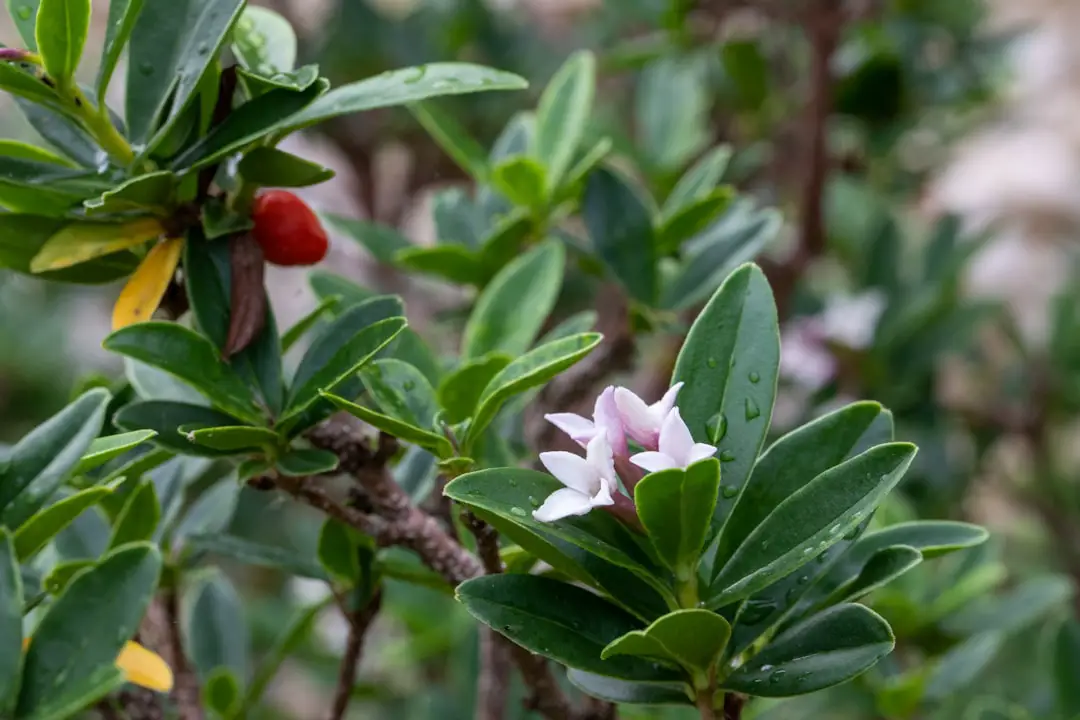
Tea’s story is as rich as a perfectly steeped cup. Originating over 2,000 years ago in China, Camellia sinensis has journeyed from wild forest shrub to the world’s most beloved beverage plant. Ancient legends credit Emperor Shen Nong with discovering tea when leaves accidentally fell into boiling water — talk about a happy accident! Source: National Geographic
Over centuries, tea cultivation spread across Asia, reaching India, Sri Lanka, and eventually Europe and the Americas. Today, tea plantations thrive in diverse climates, from the misty hills of Darjeeling to the Scottish Highlands, proving the plant’s adaptability.
Our team at Growing Teas™ loves this history because it reminds us that growing tea is a blend of tradition and science — and you’re joining a global legacy when you plant your first bush.
For more on tea’s fascinating past, visit our History of Tea category.
🌍 Where in the World Can You Grow Tea? Ideal Climates & Regions
Wondering if your backyard can host a tea party? Good news: tea plants are surprisingly versatile but do have preferences.
Ideal Conditions for Camellia sinensis:
| Factor | Optimal Range | Notes |
|---|---|---|
| Temperature | 60°F to 85°F (15°C to 29°C) | Sensitive to frost; protect young plants |
| Rainfall | 40-60 inches (1000-1500 mm) annually | Consistent moisture but well-drained soil |
| Altitude | 600 to 2000 meters (2000-6500 ft) | Higher altitudes often yield better flavor |
| Soil pH | 4.5 to 6.0 (acidic) | Mimics blueberry soil conditions |
Regions like the Pacific Northwest (USA), parts of the UK (Cornwall, Scotland), and even some areas in Australia and New Zealand have successfully grown tea. The key is mimicking the plant’s native subtropical environment.
If you’re in a colder zone, container growing indoors or in a greenhouse is a fantastic option — more on that later!
🏡 Can You Really Grow Tea Plants at Home? Indoor vs. Outdoor Cultivation
Yes, you can! Growing tea at home is no longer just a dream for tea lovers. Whether you have a sprawling garden or a sunny windowsill, tea plants can adapt.
Outdoor Growing
✅ Pros:
- Natural sunlight and airflow
- Larger plants and higher yields over time
❌ Cons:
- Vulnerable to frost and pests
- Requires suitable climate and soil
Indoor Growing
✅ Pros:
- Controlled environment (temperature, humidity)
- Protection from pests and frost
❌ Cons:
- Limited plant size (usually 2-3 feet max)
- Requires supplemental lighting in low-light homes
Our tea growers often start seedlings indoors, then harden them off outside during warmer months. This hybrid approach balances protection and growth.
For detailed indoor growing tips, check out our Green Tea Cultivation section.
🌱 Choosing Your Tea Plant: Varieties of Camellia Sinensis for Home Growers
Not all tea plants are created equal! The two main varieties are:
| Variety | Origin | Flavor Profile | Growth Habit |
|---|---|---|---|
| Camellia sinensis var. sinensis | China, Japan | Delicate, floral, light | Smaller leaves, cold-hardy |
| Camellia sinensis var. assamica | India, Assam | Bold, malty, robust | Larger leaves, tropical climate |
For home growers in temperate zones, the sinensis variety is usually better because it tolerates cooler temperatures. If you’re in a warmer climate, assamica might thrive.
We recommend sourcing plants from reputable nurseries like Camellia Forest Nursery or Fast Growing Trees to ensure quality and authenticity.
1. Getting Started: Sourcing Your Tea Plants and Seeds
Starting with healthy plants or viable seeds is half the battle won.
Seeds
- Germination can take 6-8 weeks.
- Soak seeds for 24-48 hours; discard floating seeds.
- Sow in ericaceous compost, keep moist and warm.
- Patience is a must; not all seeds will sprout.
Seedlings and Saplings
- Easier for beginners.
- Look for 1-2 year-old plants for transplanting.
- Harden off seedlings by gradually exposing them to outdoor conditions.
Where to Buy
- Camellia Forest Nursery: Specializes in tea plants and growing guides.
- Minto Island Tea Company: Offers plants and expert advice.
- Fast Growing Trees: Wide selection with shipping options.
👉 CHECK PRICE on:
- Camellia Forest Nursery on Amazon
- Fast Growing Trees Tea Plants
- Minto Island Tea Company Official Website
2. The Perfect Brew Bed: Understanding Soil Needs for Thriving Tea Plants
Tea plants are picky about their soil — but in a good way!
Soil Requirements:
- Acidic pH: 4.5 to 6.0 (similar to blueberry or azalea soil)
- Well-drained: Avoid waterlogged roots; raised beds or mounds help.
- Rich in organic matter: Compost or leaf mold boosts fertility.
- Loamy texture: Balances moisture retention and drainage.
Soil Preparation Tips:
- Test your soil pH with a kit or local extension service.
- Amend with elemental sulfur or pine needles to acidify alkaline soils.
- Mix in aged compost or well-rotted manure.
- Avoid heavy clay soils or improve drainage with sand and organic matter.
Our growers swear by mulching with pine needles or shredded leaves — it keeps moisture steady and soil acidic.
3. Sun’s Embrace: How Much Light Does a Tea Plant Crave?
Tea plants are sun lovers but not sunburn victims.
- Ideal: 4-6 hours of direct sunlight daily.
- Partial shade: Especially in hot climates, afternoon shade prevents leaf scorch.
- Indoor growers: Use grow lights with a full spectrum for 12-16 hours daily.
Too little light = leggy, weak plants. Too much = burnt edges and stress.
Our greenhouse tea plants thrive under adjustable LED grow lights like the Spider Farmer SF-1000 — check it out if you’re serious about indoor tea cultivation.
4. Quenching Their Thirst: Watering Wisdom for Your Tea Garden
Tea plants love consistent moisture but hate soggy feet.
- Young plants: Water 2-3 times per week during summer.
- Established plants: Deep watering once a week is usually enough.
- Avoid: Standing water or heavy clay soils that trap moisture.
- Mulch: Helps retain soil moisture and keeps roots cool.
Rainfall of 40-60 inches annually is ideal, but supplemental irrigation is often necessary in dry spells.
Pro tip: Use drip irrigation or soaker hoses to deliver water directly to roots, minimizing fungal risk.
5. Spacing Out: The Art of Plant Arrangement for Optimal Growth
Crowding your tea plants is a recipe for disaster.
- Home gardens: Space plants 3-5 feet apart to allow airflow and growth.
- Hedge or commercial planting: 1.5 to 3 feet spacing with regular pruning.
- Container plants: Use pots at least 12 inches wide; repot as they grow.
Proper spacing reduces disease risk and encourages bushier growth — which means more leaves for your cup!
6. Potting Up: Container Growing for Compact Spaces
No garden? No problem! Tea plants can thrive in containers with the right care.
Container Growing Tips:
- Use acidic potting mix (ericaceous compost).
- Choose pots with excellent drainage holes.
- Repot every 2-3 years to refresh soil and accommodate roots.
- Place pots in bright, warm spots; supplement with grow lights if indoors.
- Water more frequently than garden plants, as pots dry out faster.
We love using Lechuza self-watering planters for tea — they maintain consistent moisture without overwatering.
✂️ Pruning for Perfection: Shaping Your Tea Bush for Better Yields
Pruning is like giving your tea plant a haircut — but with purpose!
- Start pruning after the first year to encourage branching.
- Remove dead or weak stems.
- Pinch back new growth to promote bushiness.
- Annual pruning in early spring keeps plants manageable and productive.
Our growers swear by pruning to keep tea bushes at about 3-4 feet tall — perfect for harvesting those tender leaves.
🐛 Battling the Blight: Common Pests and Diseases and How to Combat Them Organically
Tea plants are hardy but not invincible.
Common Pests:
- Aphids
- Spider mites
- Scale insects
Common Diseases:
- Root rot (from poor drainage)
- Leaf spot fungi
Organic Control Tips:
- Introduce beneficial insects like ladybugs.
- Use neem oil or insecticidal soap sprays.
- Ensure good airflow and avoid overhead watering.
- Remove infected leaves promptly.
We recommend the organic brand Bonide Neem Oil — safe and effective for tea plants.
❄️ Winter Woes: Protecting Your Tea Plants from Frost and Cold
Tea plants hate frost as much as we hate cold mornings!
- Young plants are especially vulnerable.
- Use frost cloths or move container plants indoors.
- Mulch heavily around roots to insulate.
- In colder zones, grow tea in pots and bring inside during winter.
Our growers in the Pacific Northwest swear by a greenhouse or cold frame for winter survival.
⏳ The Waiting Game: How Long Until Your First Harvest?
Patience, dear tea lover! Your first real harvest usually comes after 3 years of nurturing.
- Year 1-2: Focus on growth and root development.
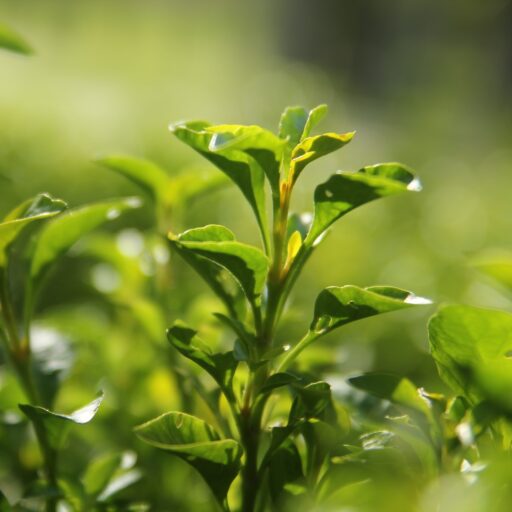
- Year 3: Start plucking the top two leaves and a bud.
- Full production can take 5-7 years.
Remember, tea plants can live and produce for decades — some even 50+ years with proper care!
🍃 The Golden Flush: When and How to Harvest Your Tea Leaves
Harvesting is an art form.
- Pluck the top two leaves and the bud — this is the “golden flush.”
- Harvest in the morning after dew dries for best flavor.
- Avoid harvesting during extreme heat or drought stress.
- Frequent harvesting encourages new growth.
Our team loves the ritual of harvesting — it’s like picking liquid sunshine!
🍵 From Leaf to Cup: Processing Your Homegrown Tea – A Step-by-Step Guide
Processing transforms fresh leaves into your favorite tea type.
| Tea Type | Processing Steps Summary |
|---|---|
| Green Tea | Wither → Steam or pan-fry → Roll → Dry |
| Black Tea | Wither → Roll → Oxidize (ferment) → Dry |
| Oolong Tea | Wither → Partial oxidation → Roll → Dry |
Step-by-Step for Green Tea (Simplified):
- Pluck fresh leaves (top two leaves + bud).
- Wither leaves for 1-2 hours in shade.
- Heat-treat by pan-frying in a dry skillet or steaming to stop oxidation.
- Roll leaves gently to bruise and shape.
- Dry leaves in a low oven or dehydrator until crisp.
For detailed tutorials and recipes, see our DIY Tea Blending guides.
🌸 Beyond the Brew: What Are Tea Flowers Used For?
Tea flowers are more than just pretty faces!
- They can be brewed into a delicate, sweet floral tea.
- Used in traditional medicine for relaxation.
- Some growers remove flowers to focus plant energy on leaf production.
We personally enjoy brewing tea flower infusions for a calming evening sip.
❓ Troubleshooting Your Tea Garden: Common Problems & Solutions
Problem: Yellowing Leaves
Cause: Overwatering or nutrient deficiency
Solution: Check drainage, reduce watering, add acidic fertilizer
Problem: Slow Growth
Cause: Insufficient light or poor soil
Solution: Move to brighter spot, amend soil with organic matter
Problem: Leaf Spots or Mold
Cause: Fungal infection from excess moisture
Solution: Improve airflow, prune affected leaves, apply organic fungicide
💰 Is It Worth It? The Cost vs. Reward of Growing Your Own Tea
Growing your own tea isn’t a get-rich-quick scheme — it’s a labor of love.
Costs:
- Plants or seeds
- Soil amendments and pots
- Water and fertilizers
- Time and patience
Rewards:
- Fresh, organic tea tailored to your taste
- Satisfaction of nurturing a living tradition
- Potential cost savings over premium loose-leaf teas
- Educational and therapeutic gardening experience
Our verdict? If you love tea and gardening, it’s absolutely worth it. Plus, nothing beats sipping your own homegrown brew!
🎁 Gifting Your Green Thumb: Sharing Your Homegrown Tea
Once you’ve mastered growing and processing, why not share the joy?
- Package your tea in airtight tins or glass jars.
- Create personalized labels with harvest date and variety.
- Gift tea plants or starter kits to fellow enthusiasts.
- Host tea tastings or workshops in your community.
Sharing your homegrown tea spreads the love and keeps the tradition alive!
✅ Our Verdict: So, Is Growing Your Own Tea Difficult?
Is it difficult? Well, growing tea is definitely a commitment, but not an impossible one.
- Requires patience, proper soil, and care.
- Demands learning about pruning, watering, and processing.
- Benefits greatly from good resources and community support.
As our friends at Young Mountain Tea say, “With the right tips and a bit of TLC, you’ll have your own Camellia sinensis sprouting in no time.”
If you’re ready to embrace the challenge, Growing Teas™ is here to guide you every step of the way.
🔗 Recommended Resources & Further Reading
- Camellia Forest Nursery: Grow Your Own Tea Guide
- Young Mountain Tea: Growing Tea at Home
- Love The Garden: How to Grow Tea in the UK
- National Geographic: The History of Tea
- Growing Teas™ Categories:
❓ Frequently Asked Questions (FAQ) About Home Tea Cultivation

Q: Can I grow tea indoors year-round?
A: Yes! With sufficient light (natural or grow lights) and humidity control, tea plants can thrive indoors.
Q: How long before I can drink tea from my plant?
A: Typically 3 years until the plant is mature enough for harvesting.
Q: Do I need special equipment to process tea leaves?
A: Basic kitchen tools like a skillet, baking sheet, and rolling pin work well for small batches.
Q: Can I grow tea from seeds?
A: Absolutely, but germination can be slow and unpredictable. Seedlings or saplings are easier for beginners.
Q: What’s the best fertilizer for tea plants?
A: Acidic fertilizers like those for azaleas or blueberries work best. Organic compost is also great.
📚 Reference Links and Citations
- National Geographic: Tea History
- Young Mountain Tea: Grow Your Own Tea Plant
- Love The Garden: How to Grow Tea
- Camellia Forest Nursery: Grow Your Own Tea
- USDA Soil pH Guidelines
- Bonide Neem Oil Product Page
- Spider Farmer Grow Lights
Ready to start your tea-growing adventure? We’re here to help you every step of the way! 🌱🍵
Conclusion

Growing your own tea is a rewarding journey that blends patience, care, and a dash of botanical know-how. While it’s not a “plant and forget” kind of crop, the process is far from impossible. From selecting the right variety of Camellia sinensis to mastering soil acidity and perfecting your harvest timing, each step brings you closer to sipping a truly personal cup of tea.
If you’re looking for a comprehensive companion, the Grow Your Own Tea guide by Parks & Walcott (available from Camellia Forest Nursery) is a stellar resource. It covers everything from history and botany to harvesting and processing. Positives include its thoroughness, clear instructions, and practical tips for both beginners and seasoned growers. On the downside, it requires dedication to absorb and apply all the information, but that’s true for any serious gardening endeavor.
In closing the loop on patience: yes, it takes a few years before your tea plants reward you with leaves ready for brewing, but the satisfaction of harvesting and processing your own tea is unmatched. Plus, with the right care, your tea bushes can thrive for decades, becoming a living legacy in your garden.
So, is it difficult to grow your own tea? It’s a delightful challenge — one that any tea lover with a green thumb can embrace. Ready to start? We’re cheering you on!
Recommended Links
👉 Shop Tea Plants & Growing Supplies:
-
Camellia Forest Nursery Tea Plants & Guide:
Amazon | Camellia Forest Official -
Fast Growing Trees Tea Plants:
Amazon | Fast Growing Trees Official -
Minto Island Tea Company:
Minto Island Tea Official -
Bonide Neem Oil (Organic Pest Control):
Amazon -
Spider Farmer SF-1000 LED Grow Light (Indoor Tea Growing):
Amazon
Books & Guides:
-
Grow Your Own Tea: The Complete Guide – Camellia Forest Nursery:
Camellia Forest Official | Amazon -
The Tea Book: All Things Tea by Louise Cheadle & Nick Kilby:
Amazon
❓ Frequently Asked Questions (FAQ) About Growing Tea at Home
What are the easiest types of tea to grow at home?
The easiest tea variety for home growers is Camellia sinensis var. sinensis, native to China and Japan. It is more cold-hardy and adaptable to temperate climates compared to the assamica variety, which prefers tropical conditions. If you live in a cooler region or plan to grow tea indoors, sinensis is your best bet. It also produces delicate, floral teas that many home growers enjoy.
Read more about “Starting a Backyard Tea Farm: 15 Expert Tips for Your Own Brew 🍃”
How long does it take for a tea plant to mature and be ready for harvesting?
Tea plants typically take 3 years before they can be harvested for the first time. The initial years focus on root and branch development. After 3 years, you can start plucking the top two leaves and a bud — the “golden flush” — which yields the best flavor. Full production and optimal yields usually come around 5 to 7 years. With proper care, tea bushes can remain productive for decades.
Read more about “15 Expert Tips for Tea Cultivation Beginners 🌱 (2025)”
What are the basic requirements for growing tea, such as climate and soil conditions?
Tea plants thrive in:
- Climate: Mild subtropical to temperate zones with temperatures between 60°F and 85°F (15°C to 29°C). They dislike frost and extreme heat.
- Rainfall: Around 40-60 inches (1000-1500 mm) annually, with consistent moisture but excellent drainage.
- Soil: Acidic (pH 4.5 to 6.0), rich in organic matter, well-drained, and loamy in texture.
- Light: Prefer 4-6 hours of direct sunlight or bright indirect light; partial shade can help in hot climates.
Amending your soil with compost and monitoring pH are crucial steps to create a happy home for your tea plants.
Read more about “Ultimate Guide to Tea Plant Care: 10 Essential Tips! 🌱”
Can I grow tea indoors, or does it require a specific outdoor environment to thrive?
Yes, tea can be grown indoors successfully, especially if you mimic its natural environment:
- Light: Use full-spectrum grow lights for 12-16 hours daily if natural light is insufficient.
- Humidity: Maintain moderate humidity; misting or a humidifier helps.
- Temperature: Keep between 60°F and 75°F (15°C to 24°C).
- Container: Use acidic potting mix and pots with good drainage.
- Care: Regular watering, pruning, and pest monitoring.
Indoor growing is ideal for colder climates or small spaces, though plants will generally be smaller and produce less than outdoor-grown tea.
How do I process tea leaves at home to make different types of tea?
Processing depends on the tea type:
- Green Tea: Quickly heat-treat leaves after plucking to stop oxidation, then dry.
- Black Tea: Allow leaves to fully oxidize before drying.
- Oolong Tea: Partial oxidation between green and black tea levels.
You don’t need fancy equipment — a skillet, baking sheet, and some patience will do. Our DIY Tea Blending section has step-by-step guides to get you started.
Read more about “10 Best Tea Plants for Sale in 2025: Grow Your Own Brew! 🍃”
What pests and diseases should I watch out for when growing tea?
Common pests include aphids, spider mites, and scale insects. Diseases like root rot and leaf spot fungi can occur, especially if drainage or airflow is poor. Organic controls such as neem oil, insecticidal soaps, and beneficial insects like ladybugs are effective and safe for home growers.
Read more about “Can I Grow My Own Tea Plants? 🌱 10 Essential Tips for 2025”
📚 Reference Links and Citations
- National Geographic: The History of Tea
- Young Mountain Tea: Grow Your Own Tea Plant
- Love The Garden: How to Grow Tea
- Camellia Forest Nursery: Grow Your Own Tea Guide
- USDA Soil pH Guidelines
- Bonide Neem Oil Product Page
- Spider Farmer Grow Lights
- Camellia Forest Nursery Official Website
Ready to start your tea-growing adventure? Dive into our guides, grab your plants, and let’s cultivate some delicious tea together! 🌱🍵