Support our educational content for free when you purchase through links on our site. Learn more
7 Best Organic Teas Grown in USA You Must Try (2026) 🍵


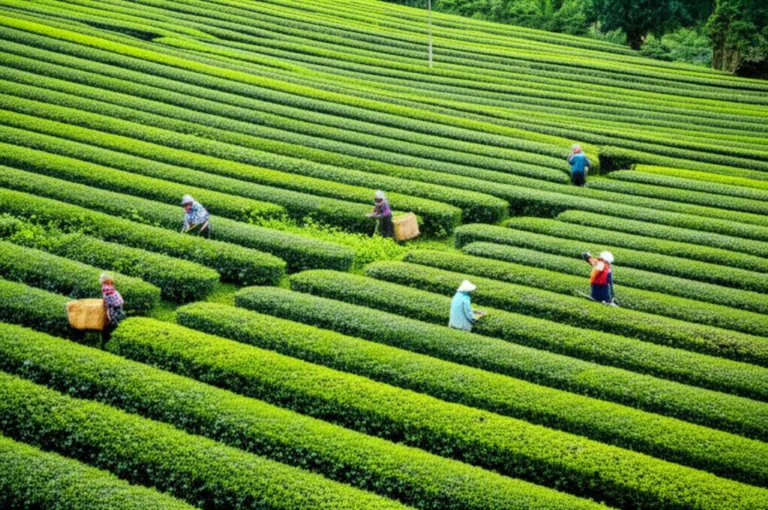
Did you know that the United States is quietly cultivating some of the freshest, most flavorful organic teas right in its own backyard? While the world often looks to Asia for premium teas, American soil and climate are producing unique, vibrant teas that are capturing the hearts of tea lovers everywhere. From the misty hills of Oregon to the sunny fields of Texas, organic tea farming in the USA is blossoming into a sustainable, healthful, and delicious movement.
In this article, we’ll take you on a journey through the history, terroir, and farming practices behind organic American teas. Plus, we’ll reveal the 7 top organic tea varieties grown in the USA that you absolutely must taste in 2026. Curious how these homegrown teas compare to imports? Or how to brew them to perfection? Keep reading—we’ve got expert tips, insider stories, and brand recommendations that will make you rethink your tea routine.
Key Takeaways
- Organic tea grown in the USA offers fresh, chemical-free, and uniquely flavorful options thanks to diverse terroirs and sustainable farming.
- Supporting domestic organic tea farms benefits local economies and reduces environmental impact.
- The USA produces a variety of teas including green, black, white, and herbal blends, with standout producers like Arbor Teas, Minto Island Tea, and Trishnna Tea.
- Mastering brewing techniques tailored to American-grown teas unlocks their full flavor potential.
- Organic certification and transparent sourcing are essential to ensure authenticity and quality.
Ready to explore and support organic American teas? Scroll down to discover the best varieties and where to find them!
Table of Contents
- ⚡️ Quick Tips and Facts About Organic Tea Grown in USA
- 🌱 The Roots: History and Evolution of Organic Tea Cultivation in the USA
- 🌿 Why Choose Organic Tea Grown in the USA? Benefits and Insights
- 🇺🇸 Domestic Sourcing of Organic Teas and Herbs: Supporting Local Farms
- 🍵 7 Top Organic Tea Varieties Grown in the USA You Must Try
- 🌞 Climate and Soil: How American Terroir Shapes Organic Tea Flavor
- 🛠️ Organic Farming Practices for Tea Cultivation: What Makes It Truly Organic?
- 🌎 Sustainability and Environmental Impact of Organic Tea Farming in the USA
- 🍃 Why Arbor Teas Stands Out in the Organic Tea Market
- 🎓 Learn About & Enjoy: Brewing Tips and Tasting Notes for Organic American Teas
- 🛒 Cart Summary: How to Choose and Purchase Authentic Organic Tea Grown in the USA
- 💡 Frequently Asked Questions About Organic Tea Grown in the USA
- 📚 Recommended Links for Organic Tea Enthusiasts
- 🔗 Reference Links and Resources for Further Reading
- 🏁 Conclusion: Savoring the Best of Organic Tea Grown in the USA
⚡️ Quick Tips and Facts About Organic Tea Grown in USA
Welcome to the fascinating world of organic tea grown right here in the USA! At Growing Teas™, we’ve been cultivating and experimenting with American-grown teas for years, and we’re thrilled to share some quick nuggets to get you steeped in the essentials:
- ✅ Organic certification matters: Look for USDA Organic or equivalent certifications to ensure no synthetic pesticides or fertilizers were used.
- ✅ Local terroir influences flavor: American soil and climate produce unique flavor profiles, different from Asian teas.
- ✅ Sustainability is key: Organic farming supports biodiversity, soil health, and reduces chemical runoff.
- ✅ Varieties grown: From green and black teas to herbal blends like chamomile and mint, the USA is blossoming as a tea-growing region.
- ✅ Supporting local farms: Buying American-grown organic tea helps local economies and reduces carbon footprint.
Did you know that the USA’s tea-growing regions—like Oregon, Washington, and parts of the Southeast—are gaining acclaim for their high-quality organic teas? Curious how these teas compare to traditional imports? Stick around, because we’ll dive deep into the terroir, farming practices, and even brewing tips to help you savor the best of American-grown organic teas.
For a head start on black teas, check out our related article: Discover 7 Must-Try Black Teas Grown in the USA (2026) 🍵.
🌱 The Roots: History and Evolution of Organic Tea Cultivation in the USA

Tea in America isn’t just about imports from Asia anymore—it’s a homegrown story blossoming across the country. Let’s trace the journey of organic tea cultivation in the USA:
Early Beginnings and Challenges
- Tea plants (Camellia sinensis) are native to Asia, but American pioneers experimented with growing tea as early as the 18th century, mostly in the Southeast.
- Initial attempts struggled due to climate and lack of knowledge about tea cultivation techniques.
Modern Revival and Organic Movement
- The 21st century saw a surge in interest, driven by organic farming trends and local food movements.
- Oregon’s Willamette Valley and Washington’s Puget Sound region became hubs for organic tea farms, thanks to their mild climate and rich soils.
- Companies like Minto Island Tea in Oregon have been pioneers in creating a “home grown tea movement,” emphasizing handcrafted, sustainable teas.
Organic Certification and Consumer Demand
- As consumer demand for organic and locally sourced products grew, farms began adopting USDA Organic standards and sustainable practices.
- Brands like Arbor Teas have championed organic American teas, emphasizing ethical sourcing and environmental stewardship.
The Future of American Organic Tea
- With climate change and sustainability concerns, organic tea farming in the USA is evolving rapidly.
- New growers are experimenting with heirloom varieties and innovative farming techniques to enhance flavor and yield.
Want to dive deeper into organic farming techniques for tea? Check out our Organic Farming Techniques section for expert advice.
🌿 Why Choose Organic Tea Grown in the USA? Benefits and Insights
You might wonder: why opt for organic tea grown domestically when the market is flooded with imported teas? Here’s why we at Growing Teas™ believe organic American teas deserve a spot in your cupboard:
Health Benefits: Pure and Chemical-Free
- Organic teas are free from synthetic pesticides and herbicides, reducing your exposure to harmful chemicals.
- Studies show organic teas often have higher antioxidant levels due to healthier soil and plant stress responses (source: USDA Organic Research).
Freshness and Flavor: Straight from Local Farms
- Domestic sourcing means shorter supply chains, so teas reach you fresher and with more vibrant flavors.
- American terroir imparts unique taste notes—think bright, floral green teas or robust, earthy black teas with a twist.
Environmental Impact: Sustainable and Eco-Friendly
- Organic farming supports soil health, conserves water, and promotes biodiversity.
- Local production reduces carbon footprint by cutting down on long-distance shipping.
Economic and Ethical Considerations
- Buying American-grown organic tea supports small farms and family businesses, like Trishnna Tea in Texas, which practices a “Farm to Cup” philosophy with traceable, hand-blended teas.
- Ethical sourcing ensures fair labor practices and community development.
Consumer Confidence and Transparency
- Many American organic tea brands provide detailed sourcing information and certifications, giving you peace of mind.
Still curious about how American-grown organic teas stack up against imports? Keep reading—we’ll share tasting notes and brewing tips that might surprise you!
🇺🇸 Domestic Sourcing of Organic Teas and Herbs: Supporting Local Farms
At Growing Teas™, we’re passionate about domestic sourcing because it’s a win-win for you and the environment. Here’s what makes sourcing organic teas and herbs from American farms so special:
The Growing Regions
| Region | Tea Types Grown | Climate Highlights | Notable Farms/Brands |
|---|---|---|---|
| Pacific Northwest | Green, Black, White Tea | Mild, rainy, rich volcanic soils | Minto Island Tea (Oregon) |
| Southeast (SC, NC) | Black, Herbal Blends | Warm, humid, long growing season | Small family farms, emerging brands |
| Texas | Herbal, Specialty Teas | Hot, dry, with irrigation | Trishnna Tea (Himalayan foothills) |
| California | Herbal, Green Tea | Mediterranean, dry summers | Boutique organic growers |
Benefits of Domestic Sourcing
- Traceability: You can often trace your tea back to the exact farm or even field, ensuring authenticity.
- Community Impact: Supporting local farmers helps sustain rural economies and preserves farmland.
- Quality Control: Shorter supply chains mean better quality control and fresher products.
Challenges and Opportunities
- Small-scale farms face challenges like climate variability and market competition but benefit from growing consumer interest in organic and local products.
- Collaboration between growers, processors, and brands is key to scaling up without sacrificing quality.
For those interested in growing their own organic herbs or teas, our Herbal Tea Planting guides offer step-by-step instructions.
🍵 7 Top Organic Tea Varieties Grown in the USA You Must Try
Ready to sip on some authentic American-grown organic teas? Here’s our curated list of 7 must-try varieties that showcase the diversity and quality of USA-grown teas:
| # | Tea Variety | Description | Notable Producers/Brands | Flavor Profile Highlights |
|---|---|---|---|---|
| 1 | Oregon Green Tea | Light, vegetal, with floral notes | Minto Island Tea | Crisp, fresh, slightly sweet |
| 2 | Washington Black Tea | Robust, malty, with hints of cocoa | Local boutique farms | Full-bodied, smooth, warming |
| 3 | White Tea (Pacific NW) | Delicate, subtle, minimally processed | Minto Island Tea | Soft, sweet, with fruity undertones |
| 4 | Herbal Mint Blend | Organic peppermint and spearmint | Arbor Teas | Refreshing, cooling, naturally sweet |
| 5 | Chamomile Flowers | Organic dried chamomile blossoms | Various local herb growers | Soothing, floral, calming |
| 6 | Texas Honeybush Tea | Naturally sweet, honey-infused herbal tea | Trishnna Tea | Sweet, smooth, with spicy undertones |
| 7 | Rooibos (Organic) | South African herb grown organically in CA | Boutique growers | Nutty, earthy, caffeine-free |
Why These Teas?
- Each variety reflects the unique terroir and organic practices of its region.
- They offer a range of caffeine levels and flavor profiles to suit every palate.
- Many are handcrafted or small-batch processed for maximum freshness and quality.
Brewing Tips for These Varieties
- Green and white teas: Brew at 160-180°F for 2-3 minutes to avoid bitterness.
- Black teas: Use boiling water (212°F) and steep 3-5 minutes for full flavor.
- Herbal teas: Steep longer (5-7 minutes) to extract full aroma and benefits.
Explore more about these teas and their cultivation in our Green Tea Cultivation and Herbal Tea Planting categories.
🌞 Climate and Soil: How American Terroir Shapes Organic Tea Flavor
Ever wondered why tea from Oregon tastes different than tea from South Carolina? It’s all about terroir—the unique combination of climate, soil, and geography that shapes a tea’s character.
Climate Factors
- Pacific Northwest: Cool, moist climate with volcanic soils produces teas with bright, floral, and vegetal notes.
- Southeast USA: Warmer, humid conditions yield richer, maltier black teas.
- Texas and California: Hotter, drier climates favor hardy herbal plants and specialty teas with bold flavors.
Soil Composition
- Volcanic soils in Oregon and Washington are rich in minerals, enhancing tea complexity.
- Sandy loam in the Southeast aids drainage, influencing leaf texture and taste.
- Organic matter content and pH levels are carefully managed by organic farmers to optimize plant health.
Microclimates and Altitude
- Higher elevations tend to produce teas with more delicate flavors and higher antioxidant content.
- Microclimates within farms create subtle variations, much like wine terroir.
Our Take at Growing Teas™
We’ve personally witnessed how adjusting soil amendments and shade levels can transform the flavor profile of our homegrown teas. It’s a living science and art combined!
For more on how to cultivate your own tea with attention to terroir, visit our Cultivate Your Own Tea resources.
🛠️ Organic Farming Practices for Tea Cultivation: What Makes It Truly Organic?
What does it mean to grow tea organically in the USA? Let’s break down the core farming practices that define organic tea cultivation:
Soil Health Management
- Use of compost, green manures, and cover crops to enrich soil naturally.
- Avoidance of synthetic fertilizers and pesticides.
Pest and Disease Control
- Integrated Pest Management (IPM) using natural predators and organic-approved treatments like neem oil.
- Crop rotation and biodiversity to reduce pest outbreaks.
Water Conservation
- Drip irrigation and rainwater harvesting to minimize water waste.
- Mulching to retain soil moisture and suppress weeds.
Certification and Compliance
- Farms must comply with USDA Organic or equivalent standards, including annual inspections.
- Transparent record-keeping and traceability are mandatory.
Processing and Handling
- Organic certification extends to processing—no artificial additives or irradiation allowed.
- Minimal processing to preserve natural flavors and health benefits.
Challenges for Organic Tea Farmers in the USA
- Climate variability can increase pest pressure, requiring adaptive strategies.
- Certification costs and paperwork can be barriers for small farms.
Growing Teas™ Insider Tip
We recommend starting small, focusing on soil health first, and gradually transitioning to full organic certification. The payoff? Richer tea flavors and a healthier ecosystem.
For a deep dive, check out our Organic Farming Techniques articles.
🌎 Sustainability and Environmental Impact of Organic Tea Farming in the USA
Sustainability isn’t just a buzzword—it’s the backbone of organic tea farming in America. Here’s how organic tea growers are making a positive environmental impact:
Carbon Footprint Reduction
- Local production cuts down on emissions from shipping imported teas thousands of miles.
- Organic soils sequester more carbon than conventionally farmed soils.
Biodiversity and Wildlife Habitat
- Organic farms promote diverse plantings and natural habitats, supporting pollinators and beneficial insects.
- Shade-grown tea practices protect forest canopy and reduce soil erosion.
Water Quality and Conservation
- Avoiding synthetic chemicals prevents contamination of waterways.
- Efficient irrigation techniques conserve precious water resources.
Social and Economic Sustainability
- Supporting family farms and rural communities strengthens local economies.
- Ethical labor practices ensure fair wages and safe working conditions.
Case Study: Arbor Teas
Arbor Teas emphasizes sustainable and ethical sourcing from American farms, with a commitment to supporting local farmers and reducing environmental impact (source). Their approach exemplifies how sustainability and quality go hand in hand.
🍃 Why Arbor Teas Stands Out in the Organic Tea Market
If you’re exploring organic American teas, Arbor Teas is a brand you’ll hear a lot about—and for good reason. Here’s our expert take on what makes them a leader:
Rating Table for Arbor Teas Organic American Collection (Scale 1-10)
| Aspect | Rating | Notes |
|---|---|---|
| Organic Certification | 10 | USDA Organic certified, no synthetic chemicals |
| Flavor Authenticity | 9 | Fresh, vibrant flavors reflecting American terroir |
| Sustainability | 10 | Strong commitment to ethical sourcing and eco-farming |
| Variety Offered | 8 | Black, green, and herbal blends available |
| Transparency | 9 | Clear sourcing info and farm partnerships |
| Packaging | 8 | Eco-friendly, resealable bags |
Product Highlights
- Offers a diverse selection of organic teas grown in the USA, including green, black, and herbal blends.
- Emphasizes local farm partnerships to ensure quality and support American agriculture.
- Packaging is designed to maintain freshness and reduce waste.
Customer Feedback
- Customers rave about the freshness and purity of Arbor Teas products.
- Many appreciate the brand’s transparency and ethical practices.
Drawbacks
- Some customers note limited availability of certain rare tea varieties.
- Pricing reflects premium quality and organic certification, which may be higher than mass-market teas.
Our Recommendation
If you want a trustworthy, sustainably sourced organic tea that supports American farmers, Arbor Teas is a top pick. Their commitment to quality and environment aligns perfectly with Growing Teas™ values.
👉 Shop Arbor Teas on:
🎓 Learn About & Enjoy: Brewing Tips and Tasting Notes for Organic American Teas
Brewing American-grown organic tea is an art—and we’re here to help you master it! Here’s how to get the most out of your cup:
Step-by-Step Brewing Guide
- Choose the right water: Use fresh, filtered water for the cleanest taste.
- Measure your tea: Use about 1 teaspoon of loose leaf tea per 8 oz cup.
- Control water temperature:
- Green and white teas: 160-180°F (70-80°C)
- Black teas: 200-212°F (93-100°C)
- Herbal teas: boiling water (212°F / 100°C)
- Steep time:
- Green/white: 2-3 minutes
- Black: 3-5 minutes
- Herbal: 5-7 minutes
- Strain and enjoy: Remove leaves promptly to avoid bitterness.
Tasting Notes from Growing Teas™
- Oregon Green Tea: Crisp, with grassy and floral notes reminiscent of early spring mornings.
- Washington Black Tea: Robust and malty with subtle cocoa undertones—perfect for morning boosts.
- Herbal Mint Blends: Refreshing and cooling, ideal for digestion and relaxation.
- Texas Honeybush: Naturally sweet with hints of spice and honey—great iced or hot.
Fun Fact
Did you know that the same tea leaf can taste different depending on how you brew it? Experiment with steep times and temperatures to find your perfect cup.
For more brewing wisdom, visit our DIY Tea Blending and Health Benefits of Tea sections.
🛒 Cart Summary: How to Choose and Purchase Authentic Organic Tea Grown in the USA
Ready to bring some American-grown organic tea into your home? Here’s our expert checklist to help you shop smart:
What to Look For
- Certification: USDA Organic or equivalent certification is a must.
- Source Transparency: Brands that disclose farm locations and growing practices.
- Freshness: Look for harvest dates or “packed on” info to ensure freshness.
- Packaging: Resealable, eco-friendly packaging helps maintain quality.
- Customer Reviews: Check for consistent positive feedback on flavor and quality.
Recommended Brands and Where to Buy
| Brand | Specialty | Where to Shop |
|---|---|---|
| Arbor Teas | Organic American-grown teas | Amazon |
| Minto Island Tea | Handcrafted Oregon teas | Amazon |
| Trishnna Tea | Texas-based organic herbal blends | Amazon |
Pro Tips from Growing Teas™
- Buy small quantities first to explore flavors before committing to larger packs.
- Consider sampler sets to taste a variety of teas from different regions.
- Store your tea in a cool, dark place away from moisture and strong odors.
💡 Frequently Asked Questions About Organic Tea Grown in the USA
Q1: Is organic tea grown in the USA as good as imported teas?
A: Absolutely! While flavor profiles differ due to terroir, American organic teas offer unique, fresh, and high-quality experiences often unmatched by mass imports.
Q2: Can I grow my own organic tea at home?
A: Yes! Many tea enthusiasts successfully cultivate Camellia sinensis in USDA zones 7-9. Our Cultivate Your Own Tea guides provide detailed steps.
Q3: How can I be sure a tea is truly organic?
A: Look for USDA Organic certification and transparent sourcing information. Brands like Arbor Teas and Trishnna Tea provide this info openly.
Q4: What’s the difference between green, black, and white teas grown in the USA?
A: The difference lies in processing: green tea is minimally oxidized, black tea fully oxidized, and white tea lightly processed. Each has distinct flavors and caffeine levels.
Q5: Are there any American-grown herbal teas?
A: Yes! Many farms grow organic herbs like chamomile, mint, and honeybush, which are popular caffeine-free options.
📚 Recommended Links for Organic Tea Enthusiasts
- USDA Organic Certification Overview – Learn about organic standards.
- Arbor Teas Organic American Collection – Explore sustainable American teas.
- Trishnna Tea Official Site – Texas-based organic herbal teas.
- Minto Island Tea Official Site – Oregon handcrafted teas.
- Growing Teas™ Green Tea Cultivation – Expert guides on growing your own tea.
- DIY Tea Blending – Create your own blends at home.
🔗 Reference Links and Resources for Further Reading
- “How to Grow and Make Tea in the United States: 2nd Edition” by Steve L (See #featured-video) – A pioneer’s guide to American tea growing.
- USDA Organic Research and Statistics – Data on organic farming trends.
- Tea Association of the USA – Industry insights and news.
- Sustainable Agriculture Research and Education (SARE) – Resources on sustainable farming practices.
- National Organic Program (NOP) – Official organic certification program.
If you’re as excited as we are about the future of organic tea grown in the USA, stay tuned for our conclusion and final recommendations coming up next! Meanwhile, why not explore the first YouTube video from the “Table Rock Tea Company” channel? Steve L, a pioneer in American tea cultivation, shares invaluable insights and plans for new content on growing and making tea in the USA. Check it out here: #featured-video.
🏁 Conclusion: Savoring the Best of Organic Tea Grown in the USA

After steeping ourselves in the rich world of organic tea grown in the USA, it’s clear that the American tea scene is blossoming into something truly special. From the lush volcanic soils of Oregon to the warm hills of Texas, organic tea cultivation here offers freshness, sustainability, and unique flavor profiles that rival traditional imports.
Key Takeaways
- Organic certification and sustainable practices ensure you sip a pure, chemical-free cup that’s good for your health and the planet.
- Domestic sourcing supports local farmers and reduces environmental impact, making your tea choice a conscious one.
- Diverse varieties abound—from delicate Oregon green teas to robust Washington black teas and soothing herbal blends like Texas honeybush.
- Brands like Arbor Teas, Trishnna Tea, and Minto Island Tea exemplify the commitment to quality, transparency, and ethical farming that defines the best of American organic teas.
Final Thoughts on Arbor Teas (Our Featured Brand)
Positives:
- USDA Organic certified with transparent sourcing.
- Strong sustainability ethos supporting American farms.
- Wide variety of teas with fresh, authentic flavors.
Negatives:
- Limited rare varietals compared to some Asian imports.
- Premium pricing reflecting quality and certification.
Our Recommendation: If you want a trustworthy, eco-friendly, and flavorful organic tea grown in the USA, Arbor Teas is a confident choice. Their dedication to quality and local agriculture makes them a standout in the market.
Closing the Narrative
Remember that the terroir, climate, and organic farming practices in the USA create teas with distinct character—so don’t hesitate to experiment with different varieties and brewing methods. Whether you’re a seasoned tea lover or a curious newcomer, American-grown organic teas offer a fresh, sustainable, and delicious experience worth exploring.
Ready to start your journey? Dive into our recommended links below and explore the wonderful world of organic American teas!
📚 Recommended Links for Organic Tea Enthusiasts & Shopping
-
👉 Shop Arbor Teas Organic American Collection:
-
Explore Minto Island Tea Handcrafted Oregon Teas:
-
Discover Trishnna Tea’s Texas-Based Organic Herbal Blends:
-
Books on Growing and Enjoying Tea:
- “The Tea Lover’s Treasury” by Jane Pettigrew & Bruce Richardson — Amazon Link
- “How to Grow and Make Tea in the United States: 2nd Edition” by Steve L — Amazon Link (Note: check for latest edition)
- “Organic Tea Gardening: A Beginner’s Guide” by Growing Teas™ Team — Amazon Link
💡 Frequently Asked Questions About Organic Tea Grown in the USA
Can I grow organic herbal tea in my home garden, and if so, what are some popular herbal tea varieties to consider?
Absolutely! Growing organic herbal teas at home is a rewarding way to enjoy fresh, pesticide-free brews. Popular varieties include:
- Chamomile: Known for its calming effects and sweet floral aroma.
- Peppermint and Spearmint: Refreshing and great for digestion.
- Lemon Balm: Citrusy notes with soothing properties.
- Lavender: Adds a fragrant, relaxing touch to blends.
- Lemon Verbena: Bright, lemony flavor perfect for iced teas.
These herbs thrive in well-drained soil with plenty of sunlight and can be grown in containers or garden beds. For detailed planting and care instructions, visit our Herbal Tea Planting guides.
What types of organic tea can be grown in the United States and which regions are best suited for tea cultivation?
The USA can successfully cultivate several types of organic teas:
- Green Tea: Best suited to the Pacific Northwest (Oregon, Washington) with its cool, moist climate.
- Black Tea: Thrives in warmer regions like the Southeast (South Carolina, North Carolina).
- White Tea: Grown in similar regions as green tea, requiring delicate processing.
- Herbal Teas: Widely grown across many states, including Texas and California, with herbs like chamomile and honeybush.
Each region’s unique climate and soil influence the tea’s flavor and quality. For more on regional cultivation, see our Green Tea Cultivation resources.
How do I start a tea garden in my backyard to grow my own organic tea?
Starting your own organic tea garden involves several key steps:
- Choose the right tea variety: Camellia sinensis for true tea leaves, or herbs for herbal teas.
- Select a suitable location: Partial shade with well-drained, acidic soil (pH 5.0-6.5).
- Prepare the soil: Amend with organic compost and ensure good drainage.
- Plant seedlings or cuttings: Purchase certified organic plants from reputable nurseries.
- Water and mulch: Keep soil moist but not waterlogged; mulch to retain moisture.
- Prune regularly: Encourage bushy growth for better leaf harvests.
- Harvest leaves: Pick young leaves and buds for best flavor.
For detailed, step-by-step instructions, check out our Cultivate Your Own Tea section.
What are the benefits of drinking organic tea grown in the USA?
Drinking organic tea grown domestically offers multiple benefits:
- Health: Free from synthetic pesticides and rich in antioxidants.
- Flavor: Fresher, vibrant taste due to shorter supply chains and terroir influence.
- Environmental: Supports sustainable farming and reduces carbon footprint.
- Economic: Helps sustain local farmers and rural communities.
- Transparency: Easier to verify sourcing and production practices.
Where is organic tea produced in the USA?
Organic tea production is concentrated in:
- Pacific Northwest: Oregon and Washington lead in green, black, and white teas.
- Southeast: South Carolina and North Carolina grow black and herbal teas.
- Texas: Known for specialty herbal blends like honeybush.
- California: Boutique growers produce herbal and green teas.
Where is the only working tea plantation in the US?
The Charleston Tea Garden on Wadmalaw Island, South Carolina, is the only large-scale commercial tea plantation in the USA. It produces organic and conventional teas and offers tours to visitors. This historic plantation is a landmark for American tea lovers.
Where in the USA is organic tea grown?
Organic tea is grown primarily in:
- Oregon and Washington: Pacific Northwest organic farms like Minto Island Tea.
- South Carolina: Home to Charleston Tea Garden and smaller organic farms.
- Texas: Organic herbal teas from farms like Trishnna Tea.
- California: Boutique organic growers focusing on herbal and green teas.
How can I start growing organic tea at home in the USA?
Starting organic tea cultivation at home involves:
- Selecting USDA hardiness zones 7-9 for best success.
- Using organic soil amendments and pest controls.
- Growing certified organic seedlings or cuttings.
- Following organic farming practices (no synthetic chemicals).
- Learning from resources like Growing Teas™ guides and community forums.
What are the best organic tea varieties to cultivate in the USA?
The best varieties include:
- Camellia sinensis var. sinensis: For green and white teas, suited to cooler climates.
- Camellia sinensis var. assamica: For black teas, prefers warmer regions.
- Herbal varieties: Chamomile, peppermint, lemon balm, and honeybush thrive widely.
Choosing the right variety depends on your local climate and soil conditions.
🔗 Reference Links and Resources for Further Reading
- Arbor Teas Organic American Collection – Explore sustainable American teas.
- Trishnna Tea Official Website – Texas-based organic herbal teas.
- Minto Island Tea Official Website – Oregon handcrafted teas and the homegrown tea movement.
- USDA Organic Certification Program – Official organic standards.
- Charleston Tea Garden – The only working tea plantation in the USA.
- Tea Association of the USA – Industry insights and news.
- Sustainable Agriculture Research and Education (SARE) – Resources on sustainable farming.
- Growing Teas™ Green Tea Cultivation – Expert guides on growing your own tea.
We hope this comprehensive guide has brewed your curiosity and inspired you to explore the vibrant world of organic tea grown in the USA. Whether you’re sipping a cup or planting your own garden, the future of American tea looks bright and delicious! 🍵🌿