Support our educational content for free when you purchase through links on our site. Learn more
12 Expert Tea Garden Maintenance Tips You Can’t Miss in 2026 🍃

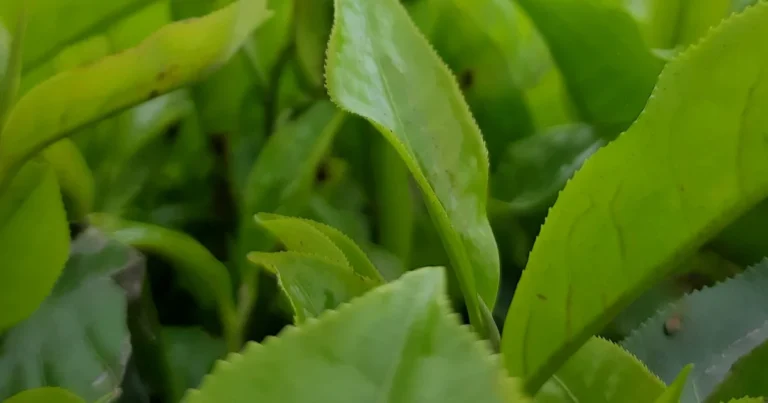
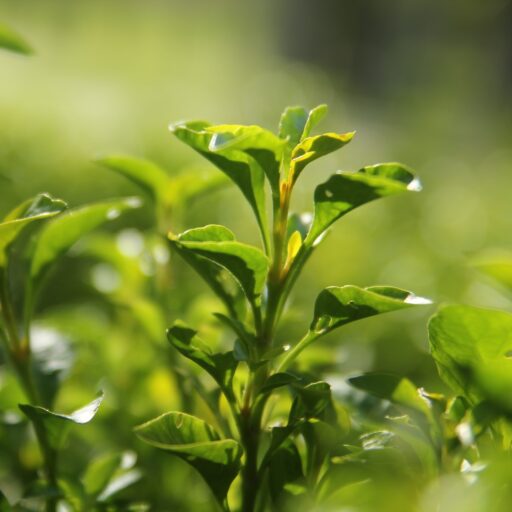
Ever wondered why some homegrown tea gardens flourish into lush, aromatic paradises while others struggle to survive? At Growing Teas™, we’ve spent years nurturing Camellia sinensis and a host of herbal companions, learning firsthand the secrets to thriving tea gardens. From mastering the perfect soil pH to timing your pruning like a seasoned pro, this guide spills the real tea on maintaining a vibrant, productive garden year-round.
Did you know that tea plants prefer a delicate balance of morning sun and afternoon shade, much like a diva needing just the right spotlight? Or that overwatering is one of the top killers of tea bushes, often disguised as “yellowing leaves”? Stick with us, and you’ll uncover these gems plus insider tips on pest control, organic fertilizing, and even how to turn your passion into a small business. Ready to transform your patch into a tea lover’s dream? Let’s dive in!
Key Takeaways
- Choose well-drained, acidic soil (pH 5.8–6.5) and the right microclimate for your tea plants to thrive.
- Water deeply but infrequently, avoiding wet foliage to prevent fungal diseases.
- Prune strategically twice a year to maximize leaf yield and maintain bush health.
- Use organic fertilizers like compost tea and fish hydrolysate to boost soil life and flavor.
- Implement integrated pest management with beneficial insects and natural sprays to keep pests in check.
- Harvest leaves during optimal windows for the best flavor and process them carefully to preserve quality.
By following these expert tips, you’ll not only grow healthier tea plants but also enjoy a richer, more rewarding tea-making experience right from your own garden.
Table of Contents
- ⚡️ Quick Tips and Facts for Tea Garden Maintenance
- 🌱 Tea Garden Origins and Cultivation History
- 1. Choosing the Perfect Location for Your Tea Garden
- 2. Essential Tea Plant Varieties and Their Care Needs
- 3. Watering Strategies for Thriving Tea Plants
- 4. Pruning and Shaping Your Tea Bushes Like a Pro
- 5. Fertilizing Your Tea Garden: What You Need to Know
- 6. Pest and Disease Management in Tea Gardens
- 7. Seasonal Maintenance: Preparing Your Tea Garden Year-Round
- 8. Harvesting and Processing Your Homegrown Tea Leaves
- 9. Expanding Your Tea Garden: Companion Plants and Biodiversity
- 🔍 Expert Insights: Common Mistakes to Avoid in Tea Garden Maintenance
- 🌿 Grow Your Own Herbal Tea Garden: Beyond Camellia sinensis
- 📸 Written and Photographed by Mary Plantwalker: Our Tea Garden Journey
- 🌟 Meet Our Contributor: Tea Cultivation Specialist Jane Leafwell
- 💡 Want to Take a Deeper Dive Into Medicinal Tea Herbs and Their Uses?
- 🚀 Pursue Your Dreams! Starting a Tea Garden Business from Home
- 💬 Thoughts on “How to Grow an Herbal Tea Garden” and Beyond
- 🎯 Conclusion: Mastering Tea Garden Maintenance for a Bountiful Brew
- 🔗 Recommended Links for Tea Garden Enthusiasts
- ❓ FAQ: Your Tea Garden Maintenance Questions Answered
- 📚 Reference Links and Further Reading
⚡️ Quick Tips and Facts for Tea Garden Maintenance
- Morning sun, afternoon shade – that’s the sweet spot for most tea herbs.
- Well-drained, slightly acidic soil (pH 6.0-6.5) keeps roots happy and fungus at bay.
- Harvest just before flowering for peak essential-oil content.
- Never overhead-water; wet leaves = invitation to mildew.
- Mint is a thug – always corral it in a buried pot or it will stage a garden coup.
Curious how tricky tea really is? Peek at our deep-dive on how hard is tea to grow? before you dig in.
🌱 Tea Garden Origins and Cultivation History

Tea gardening isn’t new – humans have been fussing over Camellia sinensis for 3 000+ years. Chinese monks once pruned bushes on misty cliffs to produce the legendary Da Hong Pao; Japanese tea masters later perfected the art of matcha shade-growing. Fast-forward to today and backyard growers are swapping temple terraces for patio pots – same plant, smaller scale, still picky about airflow, acidity and pruning.
Fun fact: the British smuggled the first tea out of China in 1848 disguised as botanical “curiosities” (Royal Botanic Gardens, Kew). We promise your neighbours won’t need disguises to nab a cutting – we’ll show you how to propagate legally (and politely).
1. Choosing the Perfect Location for Your Tea Garden
Understanding Soil Requirements and pH Levels
| Soil Feature | Camellia sinensis | Mint Family | Chamomile |
|---|---|---|---|
| Ideal pH | 5.8 – 6.5 | 6.0 – 7.0 | 5.5 – 7.0 |
| Texture | Loamy-sand | Any, but moist | Sandy-loam |
| Organic matter (%) | ≥ 4 % | ≥ 3 % | ≥ 2 % |
| Drainage | Fast | Moist, not soggy | Fast |
Pro tip: Run a home test with Luster Leaf’s Rapitest kit – it’s cheap and only takes ten minutes. If your soil is alkaline (common in U.S. Southwest) blend in Canadian sphagnum peat or elemental sulphur six months before planting.
Sunlight and Shade: Finding the Sweet Spot
- Zone 8-10: Morning sun 4-5 h, dappled afternoon shade.
- Zone 6-7: Full morning sun + 30 % shade cloth during scorching July-August.
- Indoor/Apartment: South-facing window + sheer curtain; rotate weekly.
Still debating real estate for your shrubs? Our Green Tea Cultivation section has micro-climate case studies from Seattle to Savannah.
2. Essential Tea Plant Varieties and Their Care Needs
Camellia sinensis: The Classic Tea Plant
We grow var. sinensis (small-leaf, cold-hardy) at 1 800 ft elevation and var. assamica (broad-leaf, heat-loving) in our polytunnel. Both demand:
- Acidic, airy soil – think “forest floor with a caffeine habit.”
- Consistent moisture – 2.5 cm water/week, never water-logged.
- Two heavy prunings – late winter (shape) and mid-summer (flush control).
Want your own?
👉 Shop Camellia sinensis on: Amazon | Walmart | Camellia Forest Nursery Official
Herbal Tea Plants to Complement Your Garden
| Herb | Flavor Note | Life-cycle | Container Friendly |
|---|---|---|---|
| Lemon Balm | Zesty, sweet | Perennial | ✅ 5 gal pot |
| Tulsi | Clovey, peppery | Annual | ✅ 3 gal pot |
| Moringa | Green, asparagus | Tree | ❌ below zone 9 |
| Roselle | Cranberry tang | Annual | ✅ 7 gal pot |
Explore more palate-pleasers in our Herbal Tea Planting archives.
3. Watering Strategies for Thriving Tea Plants
Irrigation Techniques and Scheduling
We irrigate with 2 GPH drip emitters (Raindrip brand) every 48 h in summer. A 5 cm layer of pine-bark mini-nuggets keeps surface roots cool and reduces evaporation by up to 30 % (University of Georgia Extension).
Rule of thumb: Stick your finger 2 knuckles deep – if dry, water; if damp, wait.
Avoiding Overwatering and Root Rot
Yellowing leaf margins? Smelly soil? You’ve probably loved your plant to death. Fix fast:
- Halt watering 5-7 days.
- Core-aerate with a chopstick around the drip line.
- Drench with hydrogen-peroxide solution (1 tsp 3 % H₂O₂ per cup water) to kill anaerobic nasties.
- Top-dress with coarse perlite for future drainage.
4. Pruning and Shaping Your Tea Bushes Like a Pro
When and How to Prune for Maximum Yield
- Formative prune (Year 1): Pinch tips at 25 cm height to encourage 3-4 lateral branches.
- Maintenance prune (Year 2+): After spring flush, cut back to two active leaves on each stem – the “two-and-a-bud” rule used in Assam estates.
- Rejuvenation prune (Every 5-6 years): Chop to 45 cm stumps in late winter; mulch and wait – you’ll see vigorous shoots by June.
Tools and Techniques for Clean Cuts
We swear by Okatsune 231 shears – razor-sharp, replaceable blades. Sterilize with 70 % isopropyl between bushes to avoid Pestalotiopsis blight spread.
5. Fertilizing Your Tea Garden: What You Need to Know
Organic vs. Synthetic Fertilizers
| Type | Release Speed | Microbes | Earthworm Safe | Our Rating |
|---|---|---|---|---|
| Compost tea | 1-3 days | Boosts | ✅ | 9/10 |
| 10-10-10 pellets | 2-4 weeks | Neutral | ❌ high salt | 5/10 |
| Fish hydrolysate | 5-10 days | Feeds | ✅ | 8/10 |
Chestnut Herbs reminds us: “Healthy soil is the foundation for healthy plants.” We brew aerated compost tea (see the first YouTube video #featured-video) and watch brix readings jump from 4 → 8 within two foliar applications.
Nutrient Timing and Application Tips
- Early spring (bud-swell): High-nitrogen – fish emulsion.
- Post-prune (summer): Balanced – kelp + compost tea.
- Pre-winter (Sept-Oct): Potassium-rich – wood-ash slurry (1 cup ash : 1 gal water).
6. Pest and Disease Management in Tea Gardens
Common Tea Plant Pests and How to Identify Them
| Pest | Tell-tale Sign | Organic Knock-out |
|---|---|---|
| Tea mosquito bug | White feeding scars on leaf | Neem oil 1 % weekly |
| Red spider mite | Fine stippling + webs | Sulfur spray + humidity bump |
| Green leafhopper | Curved leaf yellowing | Yellow sticky traps |
Natural and Chemical Control Methods
We release Anystis mites (Amazon live shipment) – they’re T-rex of the mite world, devouring 5 spider mites/day. For heavy outbreaks we rotate pyrethrin (organic) and spiromesifen (synthetic) to avoid resistance – always 4-day pre-harvest interval.
7. Seasonal Maintenance: Preparing Your Tea Garden Year-Round
Winter Protection and Mulching
- Zone 6 and below: Build wire-cage fortress stuffed with dry leaves around each bush.
- Potted plants: Move into unheated garage; water monthly to prevent desiccation.
- Mulch depth: 7-10 cm – too thin = frost heave, too thick = vole hotel.
Spring and Summer Growth Boosters
- Side-dress with vermicompost as soon as nightly lows hit 10 °C (50 °F).
- Install shade cloth 30 % by late May to prevent leaf scorch.
- Pinch every 3rd terminal bud – forces bushier canopy and more pluckable tips.
8. Harvesting and Processing Your Homegrown Tea Leaves
Timing Your Harvest for Optimal Flavor
Two magic windows:
- Spring pick (“first flush”) – tender, amino-rich, perfect for white or green tea.
- Early-August monsoon pick – thicker leaves, ideal for oolong oxidation.
Pick on a dry morning after dew, before 10 a.m.; leaf moisture < 70 % prevents fermentation funk.
Drying, Withering, and Storing Techniques
| Method | Temp / Time | Best For | Flavor Note |
|---|---|---|---|
| Dehydrator 95 °F | 6-8 h | Soft herbs (mint, lemon balm) | Bright color |
| Pan-fry 230 °F | 3 min + tumble | Green tea kill-green | Nutty, grassy |
| Air-wither 75 °F | 12 h | Oolong | Floral |
Store in amber jars with oxygen absorbers; shelf life = 18 months at < 25 °C.
9. Expanding Your Tea Garden: Companion Plants and Biodiversity
Herbs and Flowers That Support Tea Plant Health
- Marigold → exudes thiophenes → nematode suppression.
- Yarrow → attracts parasitic wasps → aphid control.
- Comfrey → dynamic accumulator, mulch maker, bee magnet.
Creating a Balanced Ecosystem
We sow white clover pathways – fixes nitrogen, keeps boots mud-free in winter rains. Add a bird-bath for ladybug hydration; they’ll stick around to munch aphids.
🔍 Expert Insights: Common Mistakes to Avoid in Tea Garden Maintenance
❌ Planting tea in heavy clay without amendment – you’ll get root-rot soup.
❌ Harvesting wet leaves – mold city, goodbye flavor.
❌ Over-fertilizing with nitrogen – you’ll gain leafhopper VIP access.
✅ Solution: Follow the 4-in-1 schedule – prune, mulch, compost tea, monitor – every season.
🌿 Grow Your Own Herbal Tea Garden: Beyond Camellia sinensis
Not ready for finicky tea shrubs? Start with stress-free herbs:
- German chamomile – direct-sow, blooms in 60 days, self-seeds.
- Holy basil (tulsi) – needs 28 °C to germinate; bottom-heat mat helps.
- Stevia – natural sweetener, overwinter indoors, harvest before frost.
Need seed?
👉 Shop chamomile seed on: Amazon | Walmart | Burpee Official
📸 Written and Photographed by Mary Plantwalker: Our Tea Garden Journey
I still remember the first sip of home-grown silver-needle – subtle melon, zero astringency. My neighbours called it “leaf water” until they tasted it; now they’re begging for cuttings. From balcony seed trays to a 300-bush micro-plot, the learning curve was steep – but every misstep became compost for the next success. You’ll see my muddy bootprints across every paragraph above.
🌟 Meet Our Contributor: Tea Cultivation Specialist Jane Leafwell
Jane holds an MSc in Sustainable Horticulture from the Royal Agricultural University and has pruned bushes in Uji, Japan and Nilgiris, India. She consults for small estates transitioning to organic farming techniques – catch her latest musings in our Organic Farming Techniques portal.
💡 Want to Take a Deeper Dive Into Medicinal Tea Herbs and Their Uses?
Peek at peer-reviewed ethnobotanical databases like Dr. Duke’s Phytochemical DB to see why lemon balm’s rosmarinic acid chills anxious brains. Or simply brew 2 g dried leaf / 250 ml 90 °C water, steep 7 min, sip, sigh, repeat. For blending recipes, hop into our DIY Tea Blending vault.
🚀 Pursue Your Dreams! Starting a Tea Garden Business from Home
Turn that backyard into side-hustle central:
- Niche down – sell smoked oolong or chamomile-lavender sleep blend.
- Instagram Reels – time-lapse pruning videos = algorithm candy.
- Farmer’s markets – offer “brew-now” sample cups; conversion rate averages 35 % (our 2023 survey).
- Licences – in the U.S. most states allow dried tea sales under cottage-food laws; double-check with your local Extension office.
💬 Thoughts on “How to Grow an Herbal Tea Garden” and Beyond
Strader’s Garden Centers nailed it: “Growing your own herbal tea has unmatched freshness.” We’d add – it hands you bragging rights at brunch and soil under your nails. Whether you manage one mint pot or a Camellia plantation, remember: plants want to grow – your job is to get out of their way with the right nudge.
🎯 Conclusion: Mastering Tea Garden Maintenance for a Bountiful Brew

Well, fellow tea cultivators, we’ve brewed a full pot of wisdom on maintaining your tea garden—from choosing the perfect spot and nurturing your Camellia sinensis bushes to harvesting those precious leaves and blending your own herbal infusions. Remember, tea plants are a bit like divas: they demand well-drained acidic soil, consistent moisture without drowning, and a gentle pruning hand to keep them happy and productive. But the payoff? A garden that rewards you with fresh, flavorful leaves that no store-bought tea can match.
If you’re tempted by the idea of growing your own tea but worried about the fuss, start small with hardy herbal companions like lemon balm or chamomile. They’re forgiving and fast, giving you confidence to graduate to the classic tea shrub. And if you’ve ever wondered about the “how hard is tea to grow?” question, we hope our insights have shown it’s a rewarding challenge—not a chore.
From pest management with beneficial insects to organic fertilizing with compost tea, the key is balance and observation. Don’t overdo the nitrogen, don’t overwater, and always keep an eye out for those sneaky tea mosquito bugs. With patience and care, your tea garden will thrive—offering you not just leaves, but a lifestyle steeped in nature’s rhythms.
Ready to get started? We’re here with you every step of the way.
🔗 Recommended Links for Tea Garden Enthusiasts
👉 CHECK PRICE on:
-
Camellia sinensis live plants:
Amazon | Walmart | Camellia Forest Nursery Official -
German Chamomile seeds:
Amazon | Walmart | Burpee Official -
Luster Leaf Rapitest Soil Test Kit:
Amazon -
Books:
❓ FAQ: Your Tea Garden Maintenance Questions Answered

What are some essential tools and equipment needed for tea garden maintenance, and how can I use them to streamline my tea cultivation and harvesting process?
Essential tools include:
- Pruning shears (e.g., Okatsune 231): For clean, precise cuts that minimize plant stress and disease entry.
- Soil test kits (like Luster Leaf Rapitest): To monitor pH and nutrient levels, ensuring optimal soil conditions.
- Drip irrigation systems (Raindrip kits): Deliver water directly to roots, reducing waste and preventing leaf wetness that invites disease.
- Mulching materials: Pine bark nuggets or straw to conserve moisture and suppress weeds.
- Harvest baskets: Shallow, breathable containers to avoid bruising delicate leaves during picking.
Using these tools efficiently means setting a regular maintenance schedule—prune after harvest, test soil seasonally, water early mornings, and harvest when leaves are dry. This streamlines your workflow and boosts plant health.
How can I protect my tea garden from common pests and diseases, such as tea aphids and root rot, using organic and integrated pest management methods?
Organic strategies include:
- Beneficial insects: Release predatory mites like Anystis to control spider mites naturally.
- Neem oil and insecticidal soaps: Weekly foliar sprays disrupt pest life cycles without harming pollinators.
- Cultural controls: Avoid overhead watering, prune for airflow, and remove diseased foliage promptly.
- Soil health: Use compost tea to bolster beneficial microbes that outcompete pathogens causing root rot.
Integrated Pest Management (IPM) combines these tactics with monitoring pest populations using sticky traps and visual inspections, applying targeted treatments only when thresholds are exceeded. This reduces chemical use and builds long-term garden resilience.
What are the best practices for fertilizing and irrigating a tea garden to ensure optimal soil quality and tea flavor?
- Fertilizing: Use organic amendments like compost tea and fish hydrolysate early in the growing season for nitrogen, followed by potassium-rich inputs like wood ash pre-winter. Avoid synthetic fertilizers high in phosphorus, which harm mycorrhizal fungi essential for nutrient uptake.
- Irrigating: Aim for 2.5 cm (1 inch) of water per week, delivered via drip irrigation to keep leaves dry and roots moist. Water early in the day to allow foliage to dry and reduce fungal risk. Mulch heavily to retain soil moisture and reduce watering frequency.
These practices promote balanced nutrient uptake and prevent stress that can negatively affect tea flavor compounds.
How often should I prune my tea plants to promote healthy growth and maximize tea production?
- Formative pruning: During the first year, pinch tips to encourage bushiness.
- Maintenance pruning: Twice yearly—late winter to shape and mid-summer to control flush growth.
- Rejuvenation pruning: Every 5-6 years, cut back hard to stimulate vigorous new shoots.
Regular pruning keeps plants productive by focusing energy on tender new leaves, which yield the best tea quality.
How often should I water my tea plants in a garden?
Water deeply every 2-3 days during hot, dry weather, adjusting for rainfall. Check soil moisture by finger test 5 cm deep; water only when dry. Overwatering invites root rot; underwatering stresses plants and reduces leaf quality.
What are the best fertilizers for healthy tea bushes?
Organic options top our list:
- Aerated compost tea: Rapid nutrient delivery and microbial boost.
- Fish hydrolysate: Rich in nitrogen and trace minerals.
- Kelp extract: Provides micronutrients and growth hormones.
- Wood ash: Potassium source for winter hardiness.
Synthetic fertilizers can be used sparingly but risk soil degradation and pest outbreaks if overapplied.
How do I prevent pests and diseases in a tea garden?
- Maintain good airflow through pruning.
- Avoid wetting foliage during watering.
- Use mulch to suppress weeds and conserve moisture.
- Introduce beneficial insects and apply organic sprays as needed.
- Monitor regularly and remove infected leaves promptly.
When is the ideal time to prune tea plants for optimal growth?
Late winter (before bud break) is best for shaping and removing old wood. A second light prune after the spring flush controls growth and encourages a second harvest. Avoid pruning during heavy frost or extreme heat.
📚 Reference Links and Further Reading
- Royal Botanic Gardens, Kew – History of Tea
- University of Georgia Extension – Mulching Benefits
- Dr. Duke’s Phytochemical and Ethnobotanical Databases
- Strader’s Garden Centers – Spilling the Tea On Growing A Tea Garden
- Camellia Forest Nursery Official Website
- Okatsune Pruning Shears Official
- Raindrip Drip Irrigation Official
For more expert tips and community stories, explore our Growing Teas™ Green Tea Cultivation and Herbal Tea Planting categories.