Support our educational content for free when you purchase through links on our site. Learn more
Tea Plant Care and Maintenance in the US: 12 Expert Tips for Success 🌿 (2026)


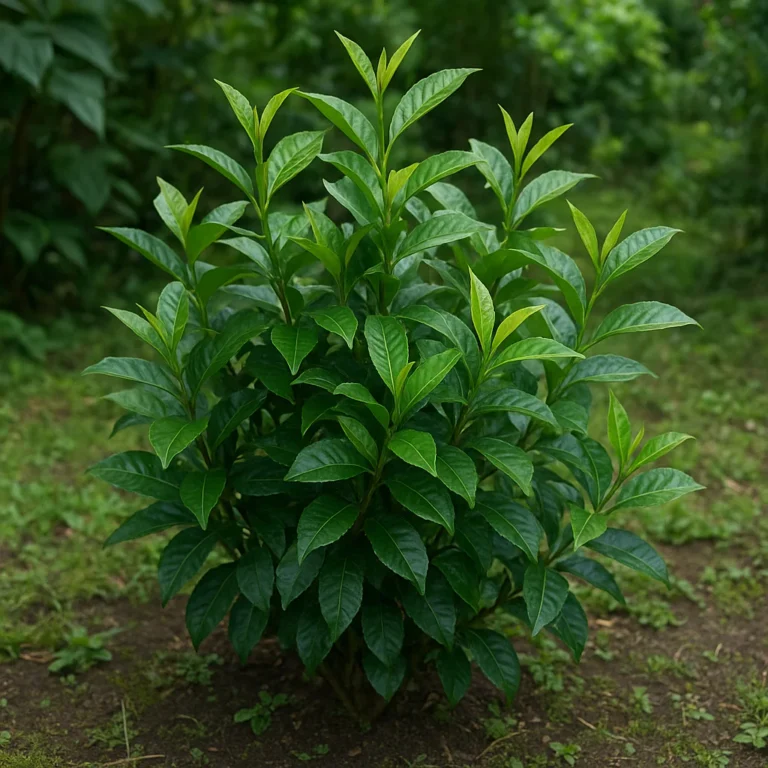
Did you know that Camellia sinensis—the very plant that gifts us our beloved cup of tea—can thrive right here in the US? Whether you’re nestled in the misty hills of Oregon or the sunny stretches of Florida, growing your own tea plant is not only possible but incredibly rewarding. At Growing Teas™, we’ve spent years cultivating, pruning, and perfecting tea plant care tailored specifically for American climates.
In this comprehensive guide, we’ll unravel everything from choosing the right tea variety for your USDA zone to mastering overwintering techniques that keep your plants alive through frosty winters. Plus, we’ll share insider secrets on harvesting and processing your leaves into a brew that rivals any commercial tea. Curious about why so many tea plants fail their first winter or how to propagate your own tea hedge? Stick around—we’ve got you covered with 12 expert tips that will turn you into a tea-growing pro in no time!
Key Takeaways
- Tea plants thrive best in USDA Zones 7-9, with some cold-hardy varieties suitable for Zone 6.
- Maintaining acidic soil (pH 4.0–5.5) and proper drainage is crucial for healthy growth.
- Consistent moisture and partial shade help prevent leaf scorch and root rot.
- Pruning and propagation techniques directly impact yield and plant longevity.
- Overwintering requires wind protection and mulching to survive colder climates.
- Organic fertilizers like cottonseed meal and tools such as Felco pruners enhance plant health and ease of care.
- Harvesting the “two leaves and a bud” ensures the best flavor and quality for your homemade tea.
Ready to turn your garden into a personal tea sanctuary? Let’s dive in!
Table of Contents
- ⚡️ Quick Tips and Facts for Tea Plant Care in the US
- 🌱 The Origins and Growing Popularity of Tea Plants in America
- 🌿 Understanding Camellia Sinensis: Types and Varieties for US Gardens
- 🌞 Ideal Climate and Soil Conditions for Growing Tea Plants in the US
- 💧 Mastering Watering Techniques: How to Hydrate Your Tea Plant Perfectly
- ✂️ Expert Pruning Strategies to Boost Tea Plant Health and Yield
- 🌱 7 Proven Methods for Propagating Camellia Sinensis Successfully
- 🪴 Potting and Repotting Tips: Keeping Your Tea Plant Happy in Containers
- ❄️ Overwintering Tea Plants in the US: Protecting Your Crop from Frost
- 🐛 Common Pests and Diseases That Threaten Tea Plants and How to Fight Them
- 🌸 How to Encourage Your Tea Plant to Bloom and Produce Quality Leaves
- 🍃 Harvesting and Processing Tea Leaves: From Garden to Cup
- 🌿 Organic Fertilizers and Soil Amendments for Thriving Tea Plants
- 🛠️ Tools and Equipment Every US Tea Grower Needs
- 🌎 Sustainable and Eco-Friendly Practices in Tea Plant Care
- 📚 More from Growing Teas™: Expert Resources and Guides
- ✅ Conclusion: Your Path to Thriving Tea Plants in the US
- 🔗 Recommended Links for Tea Plant Enthusiasts
- ❓ FAQ: Your Tea Plant Care Questions Answered
- 📖 Reference Links and Further Reading
⚡️ Quick Tips and Facts for Tea Plant Care in the US
Before we dive into the nitty-gritty of turning your backyard into a mini-Darjeeling, let’s look at the “cheat sheet” for success. Many people ask, can you grow tea plants in the US? and the answer is a resounding “Yes!”—provided you treat them like the royalty they are.
| Feature | Requirement | Expert Tip |
|---|---|---|
| Botanical Name | Camellia sinensis | It’s actually a cousin to the ornamental Camellia! |
| USDA Zones | 7-9 (some varieties handle Zone 6) | Use heavy mulch in Zone 7 for winter protection. |
| Soil pH | 4.0 – 5.5 (Acidic) | Use elemental sulfur if your soil is too alkaline. |
| Sunlight | Full sun to partial shade | Afternoon shade is a lifesaver in the scorching South. |
| Watering | Consistent moisture | Never let the roots sit in “wet feet” (standing water). |
| Growth Rate | Slow to Moderate | Expect 3 years before your first real harvest. |
| Best Fertilizer | High Nitrogen / Acid-loving | Look for “Azalea or Camellia” specific blends. |
🌱 The Origins and Growing Popularity of Tea Plants in America
We at Growing Teas™ have watched the “grow your own” movement explode, but tea is the final frontier for many US gardeners. While tea has been grown in the US since the 1700s (shoutout to South Carolina’s Charleston Tea Garden), it’s only recently that home growers from Oregon to Florida have realized they don’t need a misty mountain in China to get a decent brew.
The history of Camellia sinensis is steeped in legend, but its American journey is one of resilience. Unlike Herbal Tea Planting, which often involves hardy weeds like mint, true tea requires a bit more finesse. But why the sudden surge in popularity? It’s the Health Benefits of Tea! Knowing exactly what went into your cup—no pesticides, no weird additives—is the ultimate luxury.
But here’s a question to simmer on: If tea plants can live for 1,000 years, why do so many die in their first American winter? We’ll resolve that mystery when we talk about overwintering!
🌿 Understanding Camellia Sinensis: Types and Varieties for US Gardens
Not all tea plants are created equal. If you pick the wrong variety for your climate, you’re basically inviting heartbreak to dinner.
1. Camellia sinensis var. sinensis
This is the “small leaf” variety native to China. It’s the hardy hero of the tea world.
- Best for: USDA Zones 6-8.
- Flavor Profile: Ideal for Green Tea Cultivation and delicate white teas.
- Hardiness: Can tolerate colder snaps better than its cousins.
2. Camellia sinensis var. assamica
The “large leaf” variety from India. Think of it as the tropical diva.
- Best for: USDA Zones 9-10 (Florida, Southern California, Hawaii).
- Flavor Profile: Bold, malty, and perfect for robust black teas.
- Hardiness: It hates frost. If it sees a snowflake, it might just faint.
3. Cold-Hardy Cultivars
Brands like Camellia Forest Nursery have developed specific cultivars like ‘Sochi’ or ‘Korean Tea’ that are specifically bred to handle the erratic “Polar Vortex” swings we see in the US.
🌞 Ideal Climate and Soil Conditions for Growing Tea Plants in the US
If your soil isn’t right, your tea plant will let you know by turning a sickly yellow (chlorosis). According to The Spruce, most US soils are naturally too alkaline for tea.
The pH Factor
Tea plants crave acidity. We recommend a pH between 4.0 and 5.5.
- Testing: Don’t guess; test! Use a reliable tool like the Luster Leaf Rapitest Soil Test Kit.
👉 CHECK PRICE on:
Sunlight: The Great Debate
There’s a conflict in the tea world! The Spruce suggests full sun to part shade, but the experts at Table Rock Tea Company note that in the intense US climate, partial shade is often better to prevent leaf scorch. Our Recommendation: If you’re in the North (Zones 6-7), give them 6+ hours of sun. If you’re in the South (Zones 8-9), give them morning sun and dappled afternoon shade.
💧 Mastering Watering Techniques: How to Hydrate Your Tea Plant Perfectly
Tea plants are like Goldilocks: they don’t want to be bone dry, and they don’t want to be swimming.
- The Finger Test: Stick your finger two inches into the soil. If it feels dry, water it.
- Water Quality: If your tap water is very “hard” (high lime content), it will eventually raise the soil pH and kill your plant. Use rainwater or distilled water if possible.
- Drainage: Borrowing a tip from the care of Kunzea ericoides, you must ensure the plant is “planted high.” Never let soil accumulate around the base of the trunk, as this can lead to crown rot.
✂️ Expert Pruning Strategies to Boost Tea Plant Health and Yield
Pruning isn’t just about looks; it’s about “plucking tables.” You want a flat top of new growth that’s easy to harvest.
When to Prune
Wait until late winter or early spring, just before the first flush of growth.
The “Sterile” Rule
We can’t stress this enough: Sterilize your tools! As mentioned by Architectural Plants, using a 5% bleach solution or isopropyl alcohol between plants prevents the spread of fungal cankers.
Pruning Steps:
- Remove the 3 D’s: Dead, Damaged, or Diseased branches.
- Thinning: Remove internal branches to improve airflow (this prevents the dreaded powdery mildew mentioned in Bee Balm care).
- Heading Back: Cut the main stems to encourage lateral branching. This creates more “tips” for you to harvest!
🌱 7 Proven Methods for Propagating Camellia Sinensis Successfully
Want a whole hedge of tea for free? Here’s how we do it at Growing Teas™.
- Softwood Cuttings: The gold standard. Take 4-6 inch snips in late spring.
- Semi-Hardwood Cuttings: Done in late summer; slightly slower to root but more resilient.
- Air Layering: Great for larger “instant” plants. Wrap a wounded branch in sphagnum moss and plastic.
- Seed Propagation: Fun, but seeds must be fresh (they lose viability fast!). Soak for 24 hours before planting.
- Ground Layering: Bend a low branch to the ground, nick it, and pin it under the soil.
- Division: Only possible on very old, multi-stemmed shrubs.
- Tissue Culture: Mostly for commercial labs, but interesting for those into high-tech Organic Farming Techniques.
🪴 Potting and Repotting Tips: Keeping Your Tea Plant Happy in Containers
If you live in Zone 5 or 6, containers are your best friend. You can wheel your tea “babies” inside when the blizzard hits.
The “Perfect Pot” Rating Table
| Feature | Rating (1-10) | Why? |
|---|---|---|
| Terra Cotta | 6 | Great breathability, but dries out very fast. |
| Glazed Ceramic | 8 | Holds moisture well and looks beautiful. |
| Fabric Grow Bags | 9 | Best for root health (air pruning), but not “pretty.” |
| Plastic | 5 | Cheap, but can overheat roots in the sun. |
Repotting Tip: Move up only one pot size at a time. A tiny plant in a massive pot leads to “sour soil” because the roots can’t drink all that water, leading to rot.
❄️ Overwintering Tea Plants in the US: Protecting Your Crop from Frost
Remember that question about why tea plants die in winter? It’s usually not the cold—it’s the desiccating wind.
- The Burlap Wrap: For in-ground plants, create a windbreak using stakes and burlap.
- Mulching: Apply 4-6 inches of pine needles or wood chips around the base (but not touching the trunk!).
- The Indoor Transition: If bringing pots inside, don’t put them next to a heater! They need a cool, bright room (around 50°F) to maintain dormancy.
🐛 Common Pests and Diseases That Threaten Tea Plants and How to Fight Them
Tea plants are generally tough, but they aren’t invincible.
- Scale Insects: Look like little bumps on the stems. Use Bonide All Seasons Horticultural Spray Oil.
- Aphids: The “ants’ cows.” They cluster on new growth. A sharp blast of water usually does the trick.
- Root Rot: The #1 killer. If the leaves turn brown and drop suddenly, check your drainage.
👉 CHECK PRICE on:
🌸 How to Encourage Your Tea Plant to Bloom and Produce Quality Leaves
While we usually want leaves, the flowers are stunning! They look like small, white wild roses with bright yellow centers.
- Phosphorus Boost: Use a fertilizer with a higher middle number (like NPK 5-15-5) in late summer to encourage buds.
- Consistency: Stress (drought or extreme heat) will cause the plant to drop its buds.
- Wait for it: Most tea plants won’t bloom until they are at least 3-5 years old.
🍃 Harvesting and Processing Tea Leaves: From Garden to Cup
This is where the magic happens! As seen in the featured video from Table Rock Tea Company, the secret is in the “Two Leaves and a Bud.”
The Harvest Process
- The Pluck: Only take the very tip (the unopened bud) and the next two youngest leaves. This is where the L-theanine and caffeine are most concentrated.
- The Wilt: Spread leaves out on a tray for several hours. They should become limp and smell slightly floral.
- The Roll: Roll the leaves between your palms to break the cell walls. This releases the juices that create the flavor.
- The Heat:
- For Green Tea, steam or pan-fry immediately to stop oxidation.
- For Black Tea, let them sit (oxidize) for a few hours until they turn brown, then bake.
Pro Tip: Table Rock Tea Company even uses hickory and applewood chips in a smoker to create their signature “Bear Claw” black tea. Talk about DIY Tea Blending!
🌿 Organic Fertilizers and Soil Amendments for Thriving Tea Plants
We are big fans of Organic Farming Techniques. Chemical fertilizers can sometimes be too “salty” for delicate tea roots.
- Cottonseed Meal: Naturally acidic and slow-release. It’s the “holy grail” for tea growers.
- Pine Bark Fines: Mix these into your soil to keep it loose and acidic.
- Compost Tea: (Yes, tea for your tea!) Provides beneficial microbes.
🛠️ Tools and Equipment Every US Tea Grower Needs
You don’t need a tractor, but a few high-quality tools make life much easier.
- Pruners: We swear by Felco F-2 Classic Manual Hand Pruners. They last a lifetime and can be sharpened easily.
- Moisture Meter: To prevent the “Goldilocks” watering issues.
- Harvesting Basket: A traditional bamboo basket (or a simple wicker one) allows the leaves to breathe while you work.
👉 Shop Pruners on:
- Felco F-2: Amazon | Walmart | Felco Official
🌎 Sustainable and Eco-Friendly Practices in Tea Plant Care
Growing your own tea is inherently eco-friendly (zero “food miles”!), but you can go further:
- Rain Barrels: Collect acidic rainwater for your plants.
- Beneficial Insects: Plant Bee Balm nearby to attract pollinators and predatory insects that eat aphids.
- Mulch Recycling: Use your own fallen oak leaves or pine needles as mulch to maintain acidity naturally.
But wait… once you’ve mastered the care, how do you actually turn those leaves into a cup of tea that doesn’t taste like lawn clippings? We’ll wrap that up in our final thoughts!
✅ Conclusion: Your Path to Thriving Tea Plants in the US

Growing your own tea plant in the US is a rewarding journey that blends patience, precision, and a touch of botanical magic. From selecting the right Camellia sinensis variety suited to your USDA zone, to mastering watering, pruning, and overwintering techniques, you’re well on your way to sipping homegrown brews that rival any commercial cup.
Remember our early question: Why do so many tea plants perish in their first winter? The answer lies in the subtle art of protection—shielding roots from soggy soil and trunks from biting winds with mulch and burlap wraps. With these strategies, your tea plant can thrive for decades, even centuries, becoming a living heirloom.
While no single product guarantees success, investing in quality tools like Felco F-2 pruners and reliable soil testing kits will make your tea-growing adventure smoother and more enjoyable. Embrace organic fertilizers like cottonseed meal and compost teas to nourish your plants naturally and sustainably.
In short, tea cultivation in the US is not just possible—it’s a delightful challenge that rewards dedication with fresh, aromatic leaves and a deep connection to one of the world’s most beloved beverages. So, are you ready to start your own tea garden and become a true tea artisan? We say, absolutely yes! 🍵🌿
🔗 Recommended Links for Tea Plant Enthusiasts
-
Felco F-2 Classic Manual Hand Pruners:
Amazon | Walmart | Felco Official Website -
Books on Tea Cultivation and Care:
-
Additional Resource:
- Guide to Planting and Growing Bee Balm • Gardenary — great companion for attracting pollinators and natural pest control.
❓ FAQ: Your Tea Plant Care Questions Answered

What are some common pests and diseases that can affect tea plants in the US, and how can I prevent them?
Tea plants in the US are susceptible to pests like scale insects, aphids, and spider mites, as well as diseases such as root rot and powdery mildew. Prevention starts with regular inspection and maintaining good airflow through proper pruning. Use organic insecticides like Bonide All Seasons Horticultural Spray Oil to control pests without harming beneficial insects. Avoid overwatering to prevent root rot, and sterilize pruning tools between cuts to reduce disease spread.
Can I grow tea plants indoors, and if so, what kind of lighting and soil do they require?
Yes! Growing tea plants indoors is possible, especially in colder zones. They require bright, indirect sunlight—a south or southwest-facing window is ideal. Supplemental grow lights can help during shorter winter days. Use a well-draining, acidic potting mix (pH 4.5–5.5) rich in organic matter. Maintain humidity with pebble trays or humidifiers, and keep temperatures between 65°F and 75°F for optimal growth.
What are the ideal temperature and humidity levels for growing tea plants in the US?
Tea plants thrive in temperatures between 70°F and 85°F during active growth and prefer cooler temperatures around 45°F to 61°F during dormancy. Humidity should be moderate to high; dry air can cause leaf drop and stress. In drier climates or indoors, increase humidity with misting or humidifiers.
How often should I water and fertilize my tea plant to ensure optimal growth and flavor?
Water your tea plant when the top 2 inches of soil feel dry, ensuring consistent moisture but never waterlogged conditions. During the growing season, fertilize every 6-8 weeks with an acid-loving fertilizer such as cottonseed meal or a balanced NPK (10-10-10). For encouraging blooms, switch to a phosphorus-rich fertilizer (like 5-15-5) in late summer.
What are the ideal climate and soil conditions for growing tea plants in the US?
Tea plants prefer acidic, well-draining soils with a pH between 4.0 and 5.5. They flourish in USDA Zones 7-9, with some cold-hardy varieties tolerating Zone 6. Full sun to partial shade works best, with afternoon shade recommended in hotter climates to prevent leaf scorch. Amend soil with organic matter like pine bark fines or compost to maintain acidity and moisture retention.
What are the best practices for overwintering tea plants in colder US zones?
For in-ground plants, apply 4-6 inches of mulch around the base (avoiding direct contact with the trunk) and wrap the plant with burlap to protect against wind desiccation. For potted plants, bring them indoors to a cool, bright location (around 50°F) and reduce watering to maintain dormancy. Avoid placing near heaters or drafts.
How do I encourage my tea plant to bloom and produce quality leaves?
Encourage blooming by maintaining consistent moisture and feeding with a phosphorus-rich fertilizer during late summer. Avoid stress from drought or temperature extremes. Remember, tea plants typically bloom after 3-5 years of growth, so patience is key. Prune after flowering to promote healthy new growth and future harvests.
What tools and equipment are essential for tea plant care?
Invest in high-quality pruning shears like Felco F-2 pruners for clean cuts, a reliable soil moisture meter to avoid over or underwatering, and breathable containers if growing in pots. A harvesting basket that allows airflow helps keep leaves fresh during picking.
📖 Reference Links and Further Reading
- The Spruce: Camellia Sinensis Tea Plant Care Guide
- Charleston Tea Garden Official Site
- Camellia Forest Nursery — cold-hardy tea cultivars
- Felco Official Website — pruning tools
- Gardenary: Guide to Planting and Growing Bee Balm — companion planting and pest control
- Table Rock Tea Company — expert tea growers and processors
- USDA Plant Hardiness Zone Map
For more expert insights and tips, visit our Green Tea Cultivation and Organic Farming Techniques categories at Growing Teas™.