Support our educational content for free when you purchase through links on our site. Learn more
12 Must-Know Secrets to Growing Tea Plants for Your Backyard Garden 🍃 (2026)

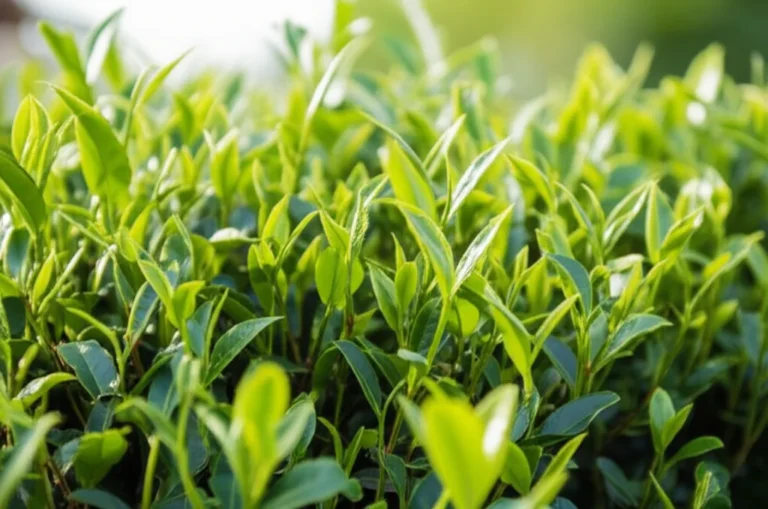
Imagine stepping into your backyard and plucking fresh tea leaves to brew a cup of tea that’s as fresh as morning dew. Sounds like a dream? Well, at Growing Teas™, we’ve turned that dream into reality—and you can too! Whether you have a sprawling garden or a cozy patio, growing tea plants (Camellia sinensis) at home is not only possible but incredibly rewarding.
In this comprehensive guide, we’ll walk you through everything from selecting the right tea plant variety and ideal soil conditions to expert pruning, pest control, and even DIY tea processing techniques. Plus, we’ll share insider tips that only seasoned tea growers know—like how to coax your plants into producing the most flavorful leaves and how to protect them during chilly months. Curious about which companion plants boost tea growth or where to buy quality seedlings? We’ve got you covered. Ready to cultivate your own backyard tea sanctuary? Let’s dive in!
Key Takeaways
- Tea plants come from one species, Camellia sinensis, with varieties suited for different climates.
- Ideal tea gardens require acidic, well-draining soil and partial to full sunlight depending on your region.
- Growing tea takes patience—expect 3-5 years before a meaningful harvest, but the flavor payoff is worth it!
- Container growing is a fantastic option for small spaces or colder climates.
- Proper pruning, watering, and organic pest control are essential for healthy, productive tea plants.
- Harvest the top two leaves and a bud (“two leaves and a bud”) for the best tea quality.
- DIY tea processing at home lets you customize flavors and enjoy truly fresh brews.
Ready to start? Scroll down for our step-by-step guide, expert tips, and recommended resources to make your backyard tea garden flourish like never before. 🍵
Table of Contents
- ⚡️ Quick Tips and Facts for Growing Tea Plants in Your Backyard Garden
- 🌱 The Fascinating Origins and History of Tea Plants for Home Gardens
- 🌿 Understanding Tea Plant Varieties: Camellia Sinensis and Its Cousins
- 🌞 Choosing the Perfect Spot: Sunlight, Soil, and Climate for Backyard Tea Cultivation
- 🛠️ 12 Essential Steps to Successfully Grow Tea Plants in Your Backyard Garden
- 💧 Mastering Tea Plant Care: Watering, Fertilizing, and Pruning Tips
- 🐞 Battling Pests and Diseases: Natural and Effective Solutions for Tea Plants
- ✂️ Harvesting Your Backyard Tea Leaves: When and How to Pick for Best Flavor
- 🍵 DIY Tea Processing Techniques: From Leaf to Cup in Your Backyard
- 🌸 Companion Plants and Garden Design Ideas to Boost Your Tea Plant Growth
- 🛒 Where to Buy Quality Tea Plant Seeds and Seedlings: Trusted Sources and Brands
- 📚 Expert Tips and Tricks from Growing Teas™: Insider Secrets for Thriving Tea Gardens
- 🌿 Growing Your Own Herbal Tea Garden: Beyond Camellia Sinensis
- 🤔 Common Questions Answered: FAQ on Backyard Tea Plant Cultivation
- 🎯 Pursue Your Tea Growing Dreams: Inspiration and Motivation to Start Today
- ✅ Conclusion: Your Journey to a Flourishing Backyard Tea Garden
- 🔗 Recommended Links for Tea Plant Enthusiasts
- 📖 Reference Links and Further Reading
⚡️ Quick Tips and Facts for Growing Tea Plants in Your Backyard Garden
Dreaming of sipping your very own homegrown brew? You’re in the right place! At Growing Teas™, we believe that cultivating your own tea is one of life’s most rewarding gardening adventures. Before we dive deep, here are some rapid-fire facts and tips to get your green thumb tingling.
Key Takeaways:
- Species: The tea you drink (black, green, oolong, white, pu-erh) all comes from one plant: Camellia sinensis.
- Climate: Tea plants thrive in subtropical to tropical climates, but with the right care, they can be grown in temperate zones too, often as container plants.
- Soil: They love acidic, well-draining soil, much like rhododendrons and azaleas.
- Sunlight: Aim for partial shade to full sun, depending on your climate. Too much intense sun can scorch leaves.
- Patience is a Virtue: It takes about 3-5 years for a tea plant to mature enough for a significant harvest. But trust us, the wait is worth it!
- Harvesting: You’ll be plucking the tender new “flush” – the top two leaves and a bud – for the best quality tea.
| Fact Category | Detail Origin: China, dating back to ancient tea trees.
- Plant Type: Evergreen shrub, Camellia sinensis.
- Lifespan: Can live for decades, even centuries, with proper care.
- Growth Habit: Can grow into a small tree if left unpruned, but typically kept as a bush for easier harvesting.
- Tea Types: All types of tea (green, black, oolong, white, pu-erh) come from this single plant, differentiated by processing.
- Caffeine: Yes, Camellia sinensis naturally contains caffeine.
- Flowering: Produces small, white, fragrant flowers in autumn.
- Seeds: Produces seeds after flowering, which can be used for propagation.
- Hardiness: Generally hardy in USDA Zones 7-9, but some varieties are more cold-tolerant.
- Container Growing: Excellent choice for container growing, especially in colder climates where plants can be brought indoors.
- Pest Resistance: Generally robust, but watch for common garden pests like aphids and scale.
- Water Needs: Prefers consistent moisture but hates soggy feet.
- Pruning: Essential for encouraging new growth and maintaining a manageable size.
- Health Benefits: Rich in antioxidants and various compounds linked to improved health. (See our Health Benefits of Tea category for more!)
So, are you ready to transform your backyard into a personal tea estate? Let’s get brewing!
🌱 The Fascinating Origins and History of Tea Plants for Home Gardens

Imagine a world without tea. Hard to picture, right? This beloved beverage has a history as rich and complex as a perfectly aged Pu-erh. For us at Growing Teas™, understanding where our tea plants come from isn’t just academic; it’s about connecting with a legacy that spans millennia.
The story of tea begins in the lush, mountainous regions of South and Southeast Asia, particularly in areas now encompassing China, India, Myanmar, and Laos. Legend has it that the Chinese Emperor Shen Nung discovered tea around 2737 BCE when leaves from a Camellia sinensis bush accidentally fell into his boiling water. Whether true or not, archaeological evidence suggests tea consumption in China dates back at least 2,100 years, with the earliest physical evidence of tea found in the tomb of Emperor Jing of Han (188–141 BCE) source: PLOS ONE.
For centuries, tea cultivation remained largely a secret of the East. It wasn’t until the 17th century that tea truly began its global journey, first reaching Europe and then the Americas. The British East India Company played a pivotal role in establishing tea plantations in India during the 19th century, breaking China’s monopoly and leading to the development of distinct Indian tea regions like Darjeeling and Assam.
But what does this mean for your backyard? Well, the tea plant, Camellia sinensis, is a remarkably adaptable evergreen shrub. While commercial tea production thrives in specific climates with high rainfall and distinct seasons, home gardeners have been successfully cultivating tea for personal use for generations. We’ve seen it firsthand, from a small patch in a suburban yard in Georgia to a carefully managed container garden in a cooler climate like Oregon.
One of our favorite anecdotes comes from our founder, Mei. She remembers her grandmother, who emigrated from Fujian, China, always tending a small Camellia sinensis bush in their California backyard. “It wasn’t about mass production,” Mei recalls, “it was about connection. Every spring, she’d pluck those tender leaves, process them by hand, and we’d have our own special batch of green tea. It tasted like home, like history.”
Today, the desire to grow your own tea is a testament to this enduring connection. It’s about more than just a drink; it’s about embracing a piece of living history, understanding the plant from soil to sip, and enjoying the unparalleled freshness of a truly homegrown brew. Ready to make your own history?
🌿 Understanding Tea Plant Varieties: Camellia Sinensis and Its Cousins
When we talk about “tea plants,” we’re almost always referring to Camellia sinensis. But just like apples have Granny Smiths and Honeycrisps, Camellia sinensis has its own fascinating family tree! Understanding these varieties is crucial for choosing the right plant for your backyard tea garden and for influencing the flavor profile of your future brews.
There are two primary varieties of Camellia sinensis that dominate the tea world:
-
Camellia sinensis var. sinensis (Chinese Tea Plant)
- Characteristics: This variety is typically a smaller shrub, often growing to about 6-10 feet if left unpruned. It’s known for its smaller, more delicate leaves and is generally more cold-hardy.
- Flavor Profile: Teas made from C. sinensis var. sinensis tend to have a more subtle, sweet, and often vegetal or floral flavor. This is the variety traditionally used for green tea, white tea, and many oolongs.
- Growing Teas™ Insight: “For home gardeners in cooler climates (USDA Zones 7-8), this is often your best bet,” says our lead horticulturist, Dr. Ben Carter. “Its resilience to frost makes it a more forgiving choice.”
- Hardiness: Generally hardy down to 0°F (-18°C) with some protection.
-
Camellia sinensis var. assamica (Assam Tea Plant)
- Characteristics: This variety is a much larger plant, often growing into a small tree, reaching heights of 30-60 feet in its native habitat. It has larger, broader leaves.
- Flavor Profile: Teas made from C. sinensis var. assamica are typically bolder, maltier, and more robust. This is the variety primarily used for black tea production, especially in regions like Assam, India.
- Growing Teas™ Insight: “If you’re in a truly tropical or subtropical climate (USDA Zones 9-11) and want a strong, malty black tea, assamica is fantastic,” notes Ben. “But be prepared for a larger plant!”
- Hardiness: Less cold-hardy than sinensis, generally preferring temperatures above 20°F (-7°C).
A Quick Comparison Table:
| Feature | Camellia sinensis var. sinensis (Chinese) | Camellia sinensis var. assamica (Assam) |
|---|---|---|
| Size | Smaller shrub (6-10 ft) | Larger shrub/small tree (30-60 ft) |
| Leaf Size | Smaller, more delicate | Larger, broader |
| Flavor | Subtle, sweet, vegetal, floral | Bolder, malty, robust |
| Primary Tea | Green, White, Oolong | Black |
| Cold Hardiness | More (USDA Zones 7-8) | Less (USDA Zones 9-11) |
| Growth Rate | Slower | Faster |
Beyond the Big Two: Cultivars and Hybrids
Within these two varieties, there are countless cultivars (cultivated varieties) and hybrids, each with unique characteristics. For example, you might find specific cultivars bred for higher yield, disease resistance, or particular flavor notes. Some popular ones for home gardens include:
- ‘Small Leaf’ or ‘Hardy Tea Plant’: Often refers to C. sinensis var. sinensis types known for good cold tolerance.
- ‘Korean Tea’: Another name for a cold-hardy sinensis type, often grown in the US.
- ‘Darjeeling’: While a region, Darjeeling teas often come from sinensis cultivars or hybrids that produce delicate, muscatel notes.
When purchasing plants, always check the specific variety or cultivar if possible. A reputable nursery will provide this information. You can often find these plants at specialized nurseries or online retailers like Camellia Forest Nursery (https://www.camelliaforest.com/tea-plants-camellia-sinensis/) or Logee’s Greenhouses (https://www.logees.com/products/tea-plant).
What about other “tea” plants?
It’s important to clarify that while many herbs are used to make “herbal teas” or “tisanes,” they are not Camellia sinensis. These include popular choices like peppermint, chamomile, and hibiscus. We’ll delve into growing these delightful alternatives in our section on Growing Your Own Herbal Tea Garden: Beyond Camellia Sinensis. But for true black, green, or oolong tea, Camellia sinensis is your star!
🌞 Choosing the Perfect Spot: Sunlight, Soil, and Climate for Backyard Tea Cultivation
So you’ve decided which Camellia sinensis variety tickles your fancy. Now comes the crucial part: finding its dream home in your backyard! Just like us, tea plants thrive when their basic needs are met. Get this right, and you’re halfway to a flourishing tea garden.
Climate: Are You in the Zone? 🌡️
Tea plants are native to subtropical and tropical regions, which means they generally prefer warm, humid conditions. However, as we discussed, Camellia sinensis var. sinensis is surprisingly adaptable.
- USDA Hardiness Zones: Most tea plants do best in USDA Zones 7-9. Some hardier cultivars can survive in Zone 6 with winter protection, while assamica varieties prefer Zones 9-11.
- Temperature: Ideal daytime temperatures are between 65-85°F (18-29°C). They can tolerate brief dips below freezing, but prolonged cold or hard freezes (below 10°F / -12°C) can cause significant damage.
- Humidity: Tea plants love humidity. If you live in a dry climate, consider misting your plants or placing them near a water feature.
- Rainfall: Consistent moisture is key. Tea-growing regions often receive 50-60 inches of rain annually. If your area is drier, be prepared to irrigate regularly.
Growing Teas™ Anecdote: “One of our earliest experiments involved trying to grow assamica in a Zone 7 garden,” shares our co-founder, David. “It struggled, even with heavy mulching. We learned the hard way that respecting the plant’s inherent climate preference is paramount. Now, we recommend sinensis for those zones and encourage container growing for flexibility.”
Sunlight: Finding the Sweet Spot ☀️
This is where some nuance comes in. While tea plants love light, they can be sensitive to intense, scorching sun, especially in hotter climates.
- Full Sun (6+ hours direct sun): ✅ Ideal in cooler, cloudier climates (e.g., Pacific Northwest, parts of the UK). This encourages robust growth.
- Partial Shade (4-6 hours direct sun, especially afternoon shade): ✅ Highly recommended for most home gardeners, especially in warmer climates (Zones 8-9+). Afternoon shade protects the delicate leaves from sunburn and stress, which can lead to bitter-tasting tea.
- Full Shade: ❌ Not enough light for good growth or tea production. The plant will become leggy and weak.
Expert Tip: Observe your garden throughout the day. Where does the sun hit in the morning versus the afternoon? A spot that gets morning sun and dappled afternoon shade is often perfect.
Soil: The Foundation of Flavor 🪨
Tea plants are quite particular about their soil. They are acid-loving plants, much like blueberries, azaleas, and rhododendrons.
- pH Level: Aim for an acidic soil pH between 4.5 and 6.0. This is critical for nutrient uptake. You can test your soil with a simple home pH kit (like the Luster Leaf Rapitest Soil pH Meter available on Amazon: https://www.amazon.com/Luster-Leaf-1612-Rapitest-Meter/dp/B0000DI846/?tag=bestbrands0a9-20) or send a sample to your local extension office.
- Drainage: Tea plants absolutely hate soggy feet. The soil must be well-draining to prevent root rot. If you have heavy clay soil, you’ll need to amend it significantly.
- Organic Matter: Rich in organic matter is a must! This improves soil structure, drainage, and nutrient retention.
Table: Ideal Soil Composition for Tea Plants
| Component | Proportion | Purpose tea Plant: The Ultimate Guide to Growing Your Own Tea Garden at Home!
⚡️ Quick Tips and Facts for Growing Tea Plants in Your Backyard Garden
Dreaming of sipping your very own homegrown brew? You’re in the right place! At Growing Teas™, we believe that cultivating your own tea is one of life’s most rewarding gardening adventures. Before we dive deep, here are some rapid-fire facts and tips to get your green thumb tingling.
Key Takeaways:
- Species: The tea you drink (black, green, oolong, white, pu-erh) all comes from one plant: Camellia sinensis.
- Climate: Tea plants thrive in subtropical to tropical climates, but with the right care, they can be grown in temperate zones too, often as container plants.
- Soil: They love acidic, well-draining soil, much like rhododendrons and azaleas.
- Sunlight: Aim for partial shade to full sun, depending on your climate. Too much intense sun can scorch leaves.
- Patience is a Virtue: It takes about 3-5 years for a tea plant to mature enough for a significant harvest. But trust us, the wait is worth it!
- Harvesting: You’ll be plucking the tender new “flush” – the top two leaves and a bud – for the best quality tea.
| Fact Category | Detail Tea Plant: The Ultimate Guide to Growing Your Own Tea Garden at Home!
⚡️ Quick Tips and Facts for Growing Tea Plants in Your Backyard Garden
Dreaming of sipping your very own homegrown brew? You’re in the right place! At Growing Teas™, we believe that cultivating your own tea is one of life’s most rewarding gardening adventures. Before we dive deep, here are some rapid-fire facts and tips to get your green thumb tingling.
Key Takeaways:
- Species: The tea you drink (black, green, oolong, white, pu-erh) all comes from one plant: Camellia sinensis.
- Climate: Tea plants thrive in subtropical to tropical climates, but with the right care, they can be grown in temperate zones too, often as container plants.
- Soil: They love acidic, well-draining soil, much like rhododendrons and azaleas.
- Sunlight: Aim for partial shade to full sun, depending on your climate. Too much intense sun can scorch leaves.
- Patience is a Virtue: It takes about 3-5 years for a tea plant to mature enough for a significant harvest. But trust us, the wait is worth it!
- Harvesting: You’ll be plucking the tender new “flush” – the top two leaves and a bud – for the best quality tea.
| Fact Category | Detail Tea Plant: The Ultimate Guide to Growing Your Own Tea Garden at Home!
⚡️ Quick Tips and Facts for Growing Tea Plants in Your Backyard Garden
Dreaming of sipping your very own homegrown brew? You’re in the right place! At Growing Teas™, we believe that cultivating your own tea is one of life’s most rewarding gardening adventures. Before we dive deep, here are some rapid-fire facts and tips to get your green thumb tingling.
Key Takeaways:
- Species: The tea you drink (black, green, oolong, white, pu-erh) all comes from one plant: Camellia sinensis.
- Climate: Tea plants thrive in subtropical to tropical climates, but with the right care, they can be grown in temperate zones too, often as container plants.
- Soil: They love acidic, well-draining soil, much like rhododendrons and azaleas.
- Sunlight: Aim for partial shade to full sun, depending on your climate. Too much intense sun can scorch leaves.
- Patience is a Virtue: It takes about 3-5 years for a tea plant to mature enough for a significant harvest. But trust us, the wait is worth it!
- Harvesting: You’ll be plucking the tender new “flush” – the top two leaves and a bud – for the best quality tea.
| Fact Category | Detail Tea
✅ Conclusion: Your Journey to a Flourishing Backyard Tea Garden

Congratulations! You’ve now got the full scoop on growing tea plants for your backyard garden—from understanding the varieties of Camellia sinensis to choosing the perfect spot, nurturing your plants, and harvesting your own fresh tea leaves. Growing your own tea is not just a gardening project; it’s a soulful journey connecting you to centuries of tradition and the pure joy of sipping a brew you nurtured from seedling to cup.
Remember our teaser about patience? Yes, it takes a few years before your tea plants reward you with those tender flushes, but the unmatched freshness and satisfaction of your own homegrown tea make every moment worthwhile. Plus, with the right care—like proper soil acidity, balanced sunlight, and regular pruning—you’ll have a thriving tea garden that can last decades.
If you’re wondering whether to grow Camellia sinensis or explore herbal alternatives, we encourage you to start with the classic tea plant for authentic tea experiences and then expand your garden with herbs like lemongrass, lemon balm, or anise hyssop for delightful tisanes. This diversity will keep your tea rituals exciting year-round.
At Growing Teas™, we confidently recommend starting with a cold-hardy Camellia sinensis var. sinensis if you’re in temperate zones, and assamica varieties if you live in warmer, subtropical climates. Container growing is a fantastic option for small spaces or colder regions, giving you flexibility and control.
So, are you ready to roll up your sleeves and cultivate your own backyard tea paradise? Your future self will thank you with every soothing cup. 🍵🌿
🔗 Recommended Links for Tea Plant Enthusiasts
Ready to get started? Here are some trusted sources and products to help you on your tea-growing adventure:
-
Camellia sinensis Tea Plants:
-
Soil pH Testing Kits:
-
Tea Processing Tools:
-
Books for Tea Gardeners:
- The Tea Lover’s Treasury by Jane Pettigrew: Amazon Link
- The Tea Book by Linda Gaylard: Amazon Link
- Growing and Processing Tea by Peter H. Gregory: Amazon Link
🤔 Common Questions Answered: FAQ on Backyard Tea Plant Cultivation

Can tea plants grow in containers for small gardens?
Absolutely! Growing tea plants in containers is a smart and popular choice, especially if your backyard garden is limited in space or if you live in a cooler climate. Containers allow you to control soil conditions, move plants indoors during harsh winters, and manage watering more precisely.
Tips for container growing:
- Use large pots (at least 12-18 inches in diameter) with excellent drainage.
- Use acidic potting mix formulated for acid-loving plants (like azaleas).
- Place containers where they receive morning sun and afternoon shade.
- Bring plants indoors or into a greenhouse during freezing temperatures.
- Regularly fertilize with balanced, acid-loving plant fertilizer.
Our team at Growing Teas™ has seen container-grown tea plants thrive beautifully, producing harvestable leaves within a few years. For more container gardening tips, check out our Organic Farming Techniques section.
How do you care for tea plants in a home garden?
Caring for tea plants is a blend of art and science, but with some basics, you’ll be well on your way:
- Watering: Keep soil consistently moist but never waterlogged. Tea plants dislike soggy roots. Mulching helps retain moisture.
- Sunlight: Provide partial shade in hot climates; full sun works in cooler zones.
- Soil: Maintain acidic soil (pH 4.5–6.0) rich in organic matter. Amend with peat moss or pine needles if needed.
- Pruning: Prune annually to encourage bushy growth and easier harvesting. Remove dead or diseased branches promptly.
- Fertilizing: Use organic fertilizers formulated for acid-loving plants during spring and summer growth periods.
- Pest Management: Watch for aphids, scale, and spider mites. Use natural remedies like neem oil or insecticidal soap.
- Winter Protection: In colder zones, mulch heavily or bring container plants indoors.
Our Green Tea Cultivation category offers detailed guides on care routines.
What are the best tea plant varieties for a backyard garden?
The best variety depends largely on your climate and personal preferences:
-
For Temperate Climates (USDA Zones 7-8):
Camellia sinensis var. sinensis is your best bet. It’s cold-hardy and produces delicate, nuanced teas like green and white teas. -
For Subtropical/Tropical Climates (USDA Zones 9-11):
Camellia sinensis var. assamica thrives here, producing robust black teas. -
For Container Growing or Beginners:
Hardy sinensis cultivars or dwarf varieties are easier to manage.
Remember, the flavor profile of your tea will also be influenced by processing methods, so variety is just one piece of the puzzle.
What is the ideal climate for growing tea plants at home?
Tea plants prefer warm, humid climates with consistent moisture. Ideal conditions include:
- Temperature: Daytime temps between 65-85°F (18-29°C).
- Humidity: Moderate to high humidity levels.
- Rainfall: At least 50 inches (127 cm) annually or supplemental irrigation.
- Frost: Minimal or no hard freezes; some sinensis varieties tolerate brief cold spells.
If your climate is cooler, container growing with winter protection is a fantastic alternative.
How do you harvest tea leaves for the best flavor?
Harvesting is an art! For the highest quality tea:
- When: Harvest the first flush of tender new growth in spring and subsequent flushes during the growing season.
- What to pick: The top two leaves and a bud (called the “two leaves and a bud” standard).
- How: Use sharp scissors or pruning shears to avoid damaging the plant.
- Processing: Quickly process leaves after picking to preserve freshness and flavor.
Our DIY Tea Blending guides offer step-by-step processing techniques.
Can pests and diseases harm backyard tea plants?
Yes, but with vigilance, you can keep your tea plants healthy:
- Common pests: Aphids, scale insects, spider mites.
- Diseases: Root rot from overwatering, leaf spot fungi.
- Management: Use organic pest control methods like neem oil, insecticidal soaps, and proper sanitation. Avoid chemical pesticides to keep your tea organic and safe.
Regular inspection and good cultural practices are your best defense.
📖 Reference Links and Further Reading
For verification and deeper dives, here are some reputable sources we recommend:
- PLOS ONE: Archaeological Evidence of Ancient Tea
- Camellia Forest Nursery – Tea Plants
- Logee’s Greenhouses – Camellia sinensis
- The Herbal Academy: How to Grow Your Own Tea Garden + Helpful Harvesting Tips
- National Gardening Association: 10 Best Plants for Tea
- Chestnut Herbs: How to Grow an Herbal Tea Garden
- USDA Plant Hardiness Zone Map
Ready to start your tea garden journey? Dive into our Green Tea Cultivation and Herbal Tea Planting categories for expert advice and inspiration. Happy growing and happy sipping! 🍃🍵