Support our educational content for free when you purchase through links on our site. Learn more
What Plants Go in a Tea Garden? 16 Must-Haves for Your Brew 🍃 (2025)

Imagine stepping into your backyard and plucking fresh, fragrant leaves and flowers to brew a perfect cup of tea — no store-bought bags needed. Sounds dreamy, right? At Growing Teas™, we’ve spent years cultivating and experimenting with a variety of plants to create tea gardens bursting with flavor, health benefits, and beauty. But what exactly should you plant to build your own tea oasis?
In this guide, we’ll reveal 16 essential plants that belong in every tea garden, from the classic Camellia sinensis to vibrant herbs like lemon balm and holy basil. Plus, we’ll share insider tips on planting, harvesting, and blending your homegrown teas for year-round enjoyment. Ready to unlock the secrets of a thriving tea garden? Let’s dive in!
Key Takeaways
- The true tea plant is Camellia sinensis, but a tea garden thrives with a diverse mix of herbs, flowers, and fruits.
- Top 16 plants include chamomile, mint, lemon balm, lavender, holy basil, and more — each offering unique flavors and health benefits.
- Sunlight, soil, and water are the foundational elements for a successful tea garden.
- Harvesting herbs in the morning and drying them properly preserves flavor and potency.
- Blending your own teas from fresh and dried herbs opens a world of delicious possibilities.
- Sustainable gardening practices help your tea garden flourish while protecting the environment.
Ready to start growing your own tea garden? Check out these starter essentials:
- 👉 Shop Chamomile Seeds: Amazon | Strictly Medicinals
- 👉 Shop Mint Plants: Amazon | Etsy
- 👉 Shop Holy Basil Seeds: Amazon | Strictly Medicinals
Dive into the full guide to craft your perfect tea garden and sip your way to bliss!
Table of Contents
- ⚡️ Quick Tips and Facts for Your Tea Garden
- 🌱 The Heart of the Brew: Understanding Tea Garden Essentials
- 👑 The Star of the Show: Camellia sinensis – The True Tea Plant
- 💚 Beyond the Brew: Why Cultivate Your Own Tea Garden?
- 🏡 Cultivating Your Cuppa: Essential Considerations for a Thriving Tea Garden
- 🌿 Herbal Harmony: 15+ Delightful Plants for Your Herbal Tea Garden
- Chamomile (Matricaria chamomilla) – The Calming Classic
- Mint (Mentha spp.) – The Refreshing Powerhouse
- Lemon Balm (Melissa officinalis) – The Sunny Soother
- Lavender (Lavandula angustifolia) – The Aromatic Dreamer
- Echinacea (Echinacea purpurea) – The Immune Booster
- Lemon Verbena (Aloysia citrodora) – The Zesty Elixir
- Holy Basil (Ocimum tenuiflorum / Tulsi) – The Sacred Herb
- Ginger (Zingiber officinale) – The Warming Wonder
- Lemongrass (Cymbopogon citratus) – The Tropical Twist
- Rose Hips (Rosa canina) – The Vitamin C Champion
- Hibiscus (Hibiscus sabdariffa) – The Tart & Tangy Beauty
- Stevia (Stevia rebaudiana) – The Natural Sweetener
- Anise Hyssop (Agastache foeniculum) – The Licorice Kiss
- Catnip (Nepeta cataria) – Not Just for Felines!
- Calendula (Calendula officinalis) – The Golden Healer
- Bonus Brews: More Tea Garden Delights!
- 🍓 Fruity Infusions & Floral Fusions: Adding Zest and Beauty to Your Tea Garden
- 🎨 Designing Your Dream Tea Oasis: Layout and Companion Planting Strategies
- ✂️ Harvesting Your Homegrown Brews: From Garden to Cup – When and How
- ☀️ Drying, Storing, and Blending Your Tea Garden Bounty for Year-Round Enjoyment
- 🐛 Troubleshooting Your Tea Garden: Common Pests, Diseases, and Solutions
- 🌍 Sustainable Sips: Eco-Friendly Practices for Your Thriving Tea Garden
- 🍽️ Beyond the Mug: Other Wonderful Uses for Your Tea Garden Plants
- Conclusion: Sip, Savor, and Grow!
- Recommended Links: Dive Deeper into the World of Tea Gardening
- FAQ: Your Burning Tea Garden Questions Answered
- Reference Links: Our Trusted Sources
Alright, let’s dive into the wonderful world of tea gardens! 🍵✨ Get ready to transform your backyard into a haven of flavor and fragrance. We at Growing Teas™ are thrilled to share our expertise and help you cultivate your own delightful cuppa. Let’s get started!
⚡️ Quick Tips and Facts for Your Tea Garden
Before we get our hands dirty, here are some quick nuggets of wisdom to set you on the right path:
- Sunlight is Key: Most tea garden plants thrive in at least 6 hours of sunlight daily. ✅
- Soil Matters: Well-draining soil is crucial to prevent root rot. Amend heavy clay soils with compost. ✅
- Water Wisely: Water deeply but infrequently, allowing the soil to dry slightly between waterings. ✅
- Prune Regularly: Encourage bushier growth and more abundant harvests by pruning your plants. ✅
- Start Small: Don’t overwhelm yourself! Begin with a few favorite herbs and expand as you gain confidence. ✅
- Pest Patrol: Keep an eye out for common pests like aphids and spider mites. Treat infestations promptly with organic solutions. ✅
- Harvest Time: Harvest herbs in the morning after the dew has dried for the best flavor. ✅
- Drying Herbs: Hang herbs upside down in a cool, dark, and dry place to dry them for long-term storage. ✅
- Blending is Bliss: Experiment with blending different herbs to create your own unique tea blends. ✅
- Enjoy the Process: Gardening should be a relaxing and rewarding experience. Don’t be afraid to make mistakes and learn along the way! ✅
🌱 The Heart of the Brew: Understanding Tea Garden Essentials
So, what exactly is a tea garden? Is it just for growing Camellia sinensis, the “true tea” plant? Not at all! While that’s certainly an option, a tea garden can be a vibrant collection of herbs, flowers, and even some fruits that can be used to create delicious and healthful infusions. Think of it as your personal apothecary and flavor lab, all rolled into one beautiful space. 🌿🌸🍓
At Growing Teas™, we believe that the best tea gardens are those that reflect your personal tastes and preferences. Do you love the calming aroma of lavender? Plant it! Are you a fan of zesty citrus flavors? Lemon balm and lemongrass are your new best friends! The possibilities are endless.
👑 The Star of the Show: Camellia sinensis – The True Tea Plant
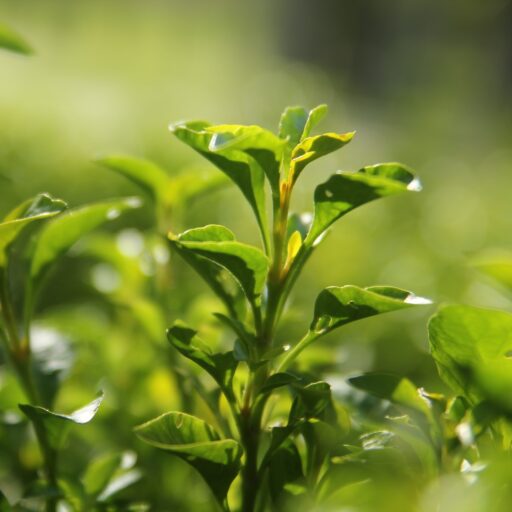
While we encourage you to explore a wide range of plants for your tea garden, we can’t forget the OG: Camellia sinensis. This is the plant that gives us black tea, green tea, white tea, and oolong tea. 🤯
Growing your own Camellia sinensis can be a rewarding experience, but it’s important to understand its needs. These plants prefer acidic soil, partial shade, and consistent moisture. They’re also not very cold-hardy, so if you live in a colder climate, you’ll need to grow them in containers that can be brought indoors during the winter.
Want to learn more about cultivating your own tea? Check out our article about Starting a Backyard Tea Farm: 15 Expert Tips for Your Own Brew 🍃!
💚 Beyond the Brew: Why Cultivate Your Own Tea Garden?
Why bother growing your own tea garden when you can just buy tea at the store? Well, for starters, the flavor of fresh, homegrown herbs is simply unmatched. As Chestnut Herbs so eloquently puts it, “The difference between boxed tea bag herbs and the ones you harvest fresh from your garden is astounding!” ref
But the benefits go far beyond just flavor. Here are a few more reasons to cultivate your own tea garden:
- Control: You know exactly what’s going into your tea, from the soil it’s grown in to the harvesting and drying methods.
- Health: Many tea garden plants have medicinal properties that can boost your immune system, reduce stress, and improve overall well-being. Health Benefits of Tea
- Sustainability: Growing your own tea reduces your reliance on commercially produced tea, which can have a significant environmental impact.
- Beauty: A tea garden is a beautiful and fragrant addition to any landscape.
- Relaxation: Gardening is a therapeutic activity that can help you de-stress and connect with nature.
🏡 Cultivating Your Cuppa: Essential Considerations for a Thriving Tea Garden
Before you start planting, here are a few key considerations to ensure your tea garden thrives:
- Climate: Consider your local climate and choose plants that are well-suited to your growing conditions.
- Sunlight: As we mentioned earlier, most tea garden plants need at least 6 hours of sunlight per day.
- Soil: Test your soil and amend it as needed to ensure it’s well-draining and rich in organic matter.
- Space: Consider the mature size of your plants and space them accordingly.
- Water: Provide consistent moisture, especially during dry spells.
- Pest and Disease Control: Implement organic pest and disease control measures to protect your plants.
🌿 Herbal Harmony: 15+ Delightful Plants for Your Herbal Tea Garden
Alright, let’s get to the fun part! Here are 15+ of our favorite plants for creating a diverse and flavorful tea garden:
1. Chamomile (Matricaria chamomilla) – The Calming Classic
- Flavor: Mild, floral, and slightly sweet.
- Benefits: Known for its calming and relaxing properties. Perfect for a bedtime tea.
- Growing Tips: Start seeds indoors a month before the last frost or buy plant starts from a local nursery. Transplant in full sun about 1-foot (30 cm) apart. ref
- Growing Teas™ Tip: Harvest the flowers when they are fully open and dry them in a cool, dark place.
- Pairs well with: Lavender, lemon balm, and honey.
2. Mint (Mentha spp.) – The Refreshing Powerhouse
- Flavor: Cool, refreshing, and invigorating.
- Benefits: Aids digestion, relieves headaches, and freshens breath.
- Growing Tips: Plant mint in a pot or in a spot where you truly don’t mind it spreading, because it will! ref Prefers a lot of water and sun.
- Growing Teas™ Tip: Mint is a vigorous grower, so it’s best to contain it in a pot to prevent it from taking over your garden.
- Pairs well with: Black tea, green tea, lemon, and ginger.
3. Lemon Balm (Melissa officinalis) – The Sunny Soother
- Flavor: Bright, citrusy, and slightly sweet.
- Benefits: Calming, antiviral, and may improve mood.
- Growing Tips: Can start lemon balm from seed, but it’s so easy to divide and grows quickly into more plants. ref Grows in full sun, part shade, and full shade; seems to like full morning sun the best with some shady rest in the afternoon.
- Growing Teas™ Tip: Lemon balm is a prolific grower, so prune it regularly to keep it from getting too leggy.
- Pairs well with: Chamomile, mint, and green tea.
4. Lavender (Lavandula angustifolia) – The Aromatic Dreamer
- Flavor: Floral, sweet, and slightly herbaceous.
- Benefits: Calming, relaxing, and may improve sleep.
- Growing Tips: Prefers well-drained soil and full sun.
- Growing Teas™ Tip: Harvest the flowers when they are just starting to open for the best fragrance.
- Pairs well with: Chamomile, lemon balm, and black tea.
5. Echinacea (Echinacea purpurea) – The Immune Booster
- Flavor: Earthy and slightly bitter.
- Benefits: Boosts the immune system and may help fight off colds and flu.
- Growing Tips: Steep flowers, leaves, and roots for 15 minutes. ref Harvest flower heads when they first start to open. Use roots and leaves as well.
- Growing Teas™ Tip: Echinacea is a beautiful addition to any garden, with its vibrant purple flowers.
- Pairs well with: Ginger, lemon, and honey.
6. Lemon Verbena (Aloysia citrodora) – The Zesty Elixir
- Flavor: Intense lemon flavor with a hint of sweetness.
- Benefits: Digestive aid, antioxidant, and may help reduce anxiety.
- Growing Tips: Prefers full sun and well-drained soil.
- Growing Teas™ Tip: Lemon verbena is a tender perennial, so it needs to be protected from frost.
- Pairs well with: Green tea, black tea, and mint.
7. Holy Basil (Ocimum tenuiflorum / Tulsi) – The Sacred Herb
- Flavor: Spicy, slightly sweet, and aromatic.
- Benefits: Adaptogen, helps reduce stress, and may boost immunity.
- Growing Tips: Needs a steady warm, sunny spot. ref
- Growing Teas™ Tip: Holy basil is considered a sacred herb in many cultures and is often used in Ayurvedic medicine.
- Pairs well with: Ginger, lemon, and honey.
8. Ginger (Zingiber officinale) – The Warming Wonder
- Flavor: Spicy, pungent, and warming.
- Benefits: Anti-inflammatory, aids digestion, and may relieve nausea.
- Growing Tips: Plant ginger rhizomes in a warm, shady spot with well-drained soil.
- Growing Teas™ Tip: Ginger needs a long growing season, so start it indoors in early spring.
- Pairs well with: Lemon, honey, and green tea.
9. Lemongrass (Cymbopogon citratus) – The Tropical Twist
- Flavor: Lemony, grassy, and slightly sweet.
- Benefits: Digestive aid, antioxidant, and may help lower blood pressure.
- Growing Tips: Plant it in a container that can be brought inside when it gets cold. ref
- Growing Teas™ Tip: Lemongrass is a tropical plant, so it needs warm temperatures and plenty of sunlight.
- Pairs well with: Ginger, lemon, and green tea.
10. Rose Hips (Rosa canina) – The Vitamin C Champion
- Flavor: Tart, fruity, and slightly floral.
- Benefits: High in vitamin C, boosts immunity, and may improve skin health.
- Growing Tips: Plant rose bushes in a sunny spot with well-drained soil.
- Growing Teas™ Tip: Harvest the rose hips after the first frost for the best flavor.
- Pairs well with: Hibiscus, honey, and black tea.
11. Hibiscus (Hibiscus sabdariffa) – The Tart & Tangy Beauty
- Flavor: Tart, tangy, and slightly fruity.
- Benefits: Antioxidant, may lower blood pressure, and may improve cholesterol levels.
- Growing Tips: Prefers full sun and well-drained soil.
- Growing Teas™ Tip: Hibiscus flowers are beautiful and make a vibrant red tea.
- Pairs well with: Rose hips, lemon, and honey.
12. Stevia (Stevia rebaudiana) – The Natural Sweetener
- Flavor: Intensely sweet.
- Benefits: Natural sweetener, may help regulate blood sugar levels.
- Growing Tips: Harvest leaves before flowering. Dry by hanging in a cool, dark place. ref
- Growing Teas™ Tip: Stevia is a great alternative to sugar for sweetening your tea.
- Pairs well with: Mint, lemon balm, and rose hip.
13. Anise Hyssop (Agastache foeniculum) – The Licorice Kiss
- Flavor: Licorice, minty, and slightly sweet.
- Benefits: Digestive aid, antioxidant, and may help relieve coughs.
- Growing Tips: Easy to germinate from seed. ref
- Growing Teas™ Tip: Anise hyssop attracts pollinators to your garden.
- Pairs well with: Peppermint or spearmint, and rose hips.
14. Catnip (Nepeta cataria) – Not Just for Felines!
- Flavor: Minty, slightly bitter, and herbaceous.
- Benefits: Calming, relaxing, and may relieve anxiety.
- Growing Tips: Prefers full sun and well-drained soil.
- Growing Teas™ Tip: Catnip is a favorite of cats, so you may need to protect it from them.
- Pairs well with: Chamomile, lemon balm, and lavender.
15. Calendula (Calendula officinalis) – The Golden Healer
- Flavor: Earthy, peppery, and slightly bitter.
- Benefits: Anti-inflammatory, may promote wound healing, and is high in Vitamin C, good for the digestive system. ref
- Growing Tips: Harvest flowers regularly during the growing season. ref
- Growing Teas™ Tip: Calendula flowers are edible and can be used to add color to salads and other dishes.
- Pairs well with: Lemon grass (aids digestion)
16. Bonus Brews: More Tea Garden Delights!
Don’t stop there! Consider adding these other delightful plants to your tea garden:
- Red Clover: (Trifolium pratense) – Often wildcrafted, red clover is also easy to grow if you’d like to harvest more than you can freely find. ref
- Violet: (Viola spp.) – Makes refreshing iced tea. ref
- Dandelion: (Taraxacum officinale) – Drink Your Weeds! ref
🍓 Fruity Infusions & Floral Fusions: Adding Zest and Beauty to Your Tea Garden
While herbs are the backbone of most tea gardens, don’t be afraid to add some fruity and floral elements to the mix! Here are a few ideas:
- Berries: Strawberries, raspberries, and blueberries can add a touch of sweetness and antioxidants to your tea.
- Edible Flowers: Pansies, violets, and nasturtiums can add color and flavor to your tea.
- Citrus: Grow dwarf citrus trees in containers and use the leaves and zest to add a zesty twist to your tea.
🎨 Designing Your Dream Tea Oasis: Layout and Companion Planting Strategies
Now that you have a list of plants to choose from, it’s time to start designing your tea garden! Here are a few tips:
- Consider Sunlight: Place taller plants on the north side of your garden to avoid shading smaller plants.
- Group Plants with Similar Needs: Group plants with similar water and soil requirements together.
- Use Companion Planting: Companion planting can help deter pests, attract pollinators, and improve the overall health of your garden. For example, growing basil next to tomato plants improves yield, repels insects and disease, and improves the flavor. ref
- Create Pathways: Make sure you have easy access to all parts of your garden for harvesting and maintenance.
- Add Seating: Create a relaxing space where you can sit and enjoy your tea garden.
✂️ Harvesting Your Homegrown Brews: From Garden to Cup – When and How
Knowing when and how to harvest your herbs is crucial for maximizing flavor and potency. Here are a few general guidelines:
- Harvest in the Morning: Harvest herbs in the morning after the dew has dried for the best flavor.
- Harvest Before Flowering: Harvest leaves before the plant flowers for the most intense flavor.
- Use Sharp Scissors or Pruners: Avoid tearing the leaves, which can damage the plant.
- Harvest Regularly: Regular harvesting encourages bushier growth and more abundant yields.
☀️ Drying, Storing, and Blending Your Tea Garden Bounty for Year-Round Enjoyment
Once you’ve harvested your herbs, you’ll need to dry and store them properly to preserve their flavor and potency. Here are a few methods:
- Air Drying: Hang herbs upside down in a cool, dark, and dry place until they are completely dry.
- Oven Drying: Spread herbs on a baking sheet and dry them in a low oven (170°F) for several hours.
- Dehydrator: Use a food dehydrator to dry herbs quickly and efficiently.
- Storing: Store dried herbs in airtight containers in a cool, dark, and dry place.
Once you have a collection of dried herbs, you can start experimenting with blending your own unique tea blends! DIY Tea Blending
🐛 Troubleshooting Your Tea Garden: Common Pests, Diseases, and Solutions
Even the most experienced gardeners encounter pests and diseases from time to time. Here are a few common problems and their solutions:
- Aphids: Spray plants with a strong stream of water or use insecticidal soap.
- Spider Mites: Increase humidity and spray plants with neem oil.
- Powdery Mildew: Improve air circulation and spray plants with a fungicide.
- Root Rot: Ensure soil is well-draining and avoid overwatering.
🌍 Sustainable Sips: Eco-Friendly Practices for Your Thriving Tea Garden
At Growing Teas™, we’re committed to sustainable gardening practices. Here are a few ways to make your tea garden more eco-friendly:
- Use Organic Fertilizers: Avoid synthetic fertilizers, which can harm the environment.
- Compost: Compost your kitchen and yard waste to create a nutrient-rich soil amendment.
- Conserve Water: Use a drip irrigation system or soaker hoses to water plants efficiently.
- Attract Pollinators: Plant flowers that attract bees, butterflies, and other pollinators.
- Control Weeds Naturally: Use mulch or hand-pull weeds instead of using herbicides.
🍽️ Beyond the Mug: Other Wonderful Uses for Your Tea Garden Plants
Your tea garden plants aren’t just for making tea! Here are a few other ways to use them:
- Cooking: Use fresh herbs to flavor soups, salads, and other dishes.
- Baking: Add dried herbs to breads, muffins, and other baked goods.
- Salads: Calendula flowers are edible and can be used to add color to salads and other dishes.
- Aromatherapy: Use essential oils extracted from your herbs for aromatherapy.
- Natural Remedies: Use herbs to make tinctures, salves, and other natural remedies.
Conclusion: Sip, Savor, and Grow!
Well, there you have it — your ultimate guide to what plants go in a tea garden! From the regal Camellia sinensis to the vibrant herbal stars like chamomile, mint, and holy basil, your tea garden can be a lush, fragrant sanctuary that delights your senses and nurtures your health. 🌿🍵
Growing your own tea garden is not just about sipping a fresh cup; it’s about cultivating a lifestyle of wellness, sustainability, and joy. Remember the quick tips we shared at the start? Sunlight, soil, water, and love — these are the magic ingredients to a thriving tea garden.
If you’ve been wondering about how to blend your harvests or how to troubleshoot pesky pests, we’ve got you covered too. Your tea garden is a living, breathing project that evolves with you, rewarding your efforts with endless cups of comfort and creativity.
So, grab your gardening gloves, pick your favorite plants from our extensive list, and start your tea garden adventure today! And if you want to dive deeper into cultivating your own tea farm, don’t miss our expert guide on Starting a Backyard Tea Farm: 15 Expert Tips for Your Own Brew 🍃.
Happy growing and even happier sipping! ☕️💚
Recommended Links: Dive Deeper and Shop Your Tea Garden Essentials
Ready to get your hands on some of these fantastic tea garden plants and resources? Here’s where you can find them:
- Chamomile Seeds:
Amazon | Strictly Medicinals - Peppermint Plants:
Amazon | Etsy - Holy Basil (Tulsi) Seeds:
Amazon | Strictly Medicinals - Lemongrass Plants:
Amazon | Etsy - Echinacea Seeds:
Amazon | Strictly Medicinals - Lavender Plants:
Amazon | Etsy - Stevia Plants:
Amazon | Etsy
Books to Grow Your Knowledge:
- The Tea Lover’s Treasury by Jane Pettigrew — Amazon
- Herbal Tea Gardens: How to Grow and Harvest Your Own Tea Herbs by Lisa M. Rose — Amazon
- The Herbal Academy’s Guide to Growing Your Own Tea Garden — The Herbal Academy
FAQ: Your Burning Tea Garden Questions Answered
What are the best herbs to include in a tea garden for medicinal purposes?
Medicinal herbs are the heart and soul of a therapeutic tea garden. Some of the best include:
- Chamomile: Renowned for its calming effects and digestive aid.
- Holy Basil (Tulsi): An adaptogen that helps reduce stress and supports immunity.
- Echinacea: Boosts the immune system and helps fight colds.
- Lemon Balm: Calms nerves and aids digestion.
- Lavender: Promotes relaxation and restful sleep.
- Calendula: Anti-inflammatory and supports skin health.
These herbs have centuries of traditional use backed by modern research. Including a variety ensures you have a natural remedy for many common ailments. For detailed health benefits, visit our Health Benefits of Tea section.
How do I design a tea garden for a small space or backyard?
No sprawling estate? No problem! Small spaces can become lush tea havens with smart design:
- Container Gardening: Use pots and raised beds to maximize space and control soil quality.
- Vertical Planting: Employ trellises or hanging baskets for plants like lemon verbena or climbing herbs.
- Companion Planting: Group plants with similar water and light needs to optimize care.
- Succession Planting: Rotate crops seasonally to keep your garden productive year-round.
- Multi-Use Plants: Choose herbs that serve multiple purposes, like mint for tea and culinary uses.
Remember, a small garden means less maintenance and more intimacy with your plants — perfect for beginners!
What are some low-maintenance plants that are suitable for a tea garden?
If you’re a busy bee or new to gardening, these plants are your best friends:
- Mint: Vigorous and hardy, but contain it in pots!
- Lemon Balm: Thrives in various light conditions and spreads easily.
- Lavender: Drought-tolerant and pest-resistant.
- Chamomile: Self-sows and requires minimal care.
- Stevia: Needs little water and adds natural sweetness.
- Anise Hyssop: Attracts pollinators and is drought-tolerant once established.
These plants offer great flavor and health benefits without demanding constant attention.
How can I use flowers and edible plants from my tea garden to create unique tea blends?
Blending is where your tea garden truly shines! Here’s how to get creative:
- Balance Flavors: Combine calming herbs like chamomile with zesty lemon balm or sweet stevia.
- Add Color and Aroma: Use edible flowers like calendula or hibiscus for vibrant color and tangy notes.
- Seasonal Blends: Use fresh herbs in summer and dried blends in winter for year-round enjoyment.
- Experiment: Try mixing mint with rose hips or lavender with lemon verbena — the possibilities are endless!
For inspiration and recipes, explore our DIY Tea Blending guides.
Reference Links: Our Trusted Sources
- Chestnut Herbs: How to Grow an Herbal Tea Garden
- Native Gardening Basics: 10 Best Plants for Tea
- The Herbal Academy: How to Grow Your Own Tea Garden + Helpful Harvesting Tips
- Strictly Medicinals Seeds: Herbal Seeds Collection
- Growing Teas™ Categories:
Ready to brew your own garden-fresh cup? Your tea garden awaits! 🌿🍃☕