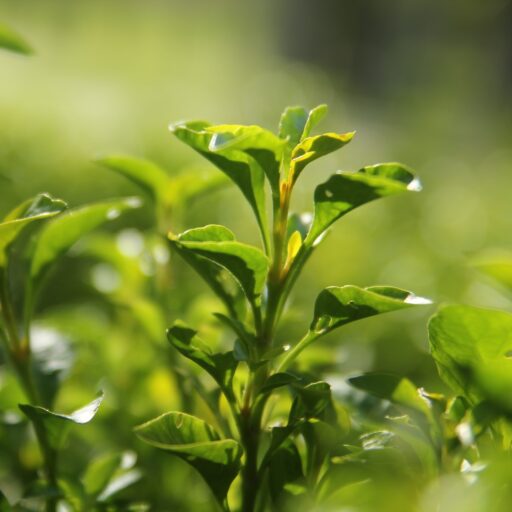
Support our educational content for free when you purchase through links on our site. Learn more
How Much Sunlight & Water Do Tea Plants Need to Thrive at Home? ☀️💧 (2025)

Ever wondered why your tea plant looks more like a sad shrub than a lush leaf factory? At Growing Teas™, we’ve spent years perfecting the delicate dance between sunlight and water that turns a humble Camellia sinensis into a thriving homegrown tea treasure. Did you know that tea plants thrive best with just 4 to 6 hours of gentle morning sun—not blazing all-day rays? Or that overwatering is a more common killer than drought, despite tea’s love of moisture?
In this article, we’ll spill the tea on everything you need to know about lighting and hydration—from decoding the perfect sun exposure to mastering watering techniques that keep roots happy and leaves vibrant. Plus, we’ll share insider tips on soil, pruning, and pest control that ensure your tea garden flourishes year-round. Stick around for our expert-approved 7 essential pillars for success and discover how to rescue a thirsty or drowning tea plant before it’s too late!
Key Takeaways
- Tea plants prefer 4–6 hours of bright, indirect sunlight, ideally morning sun, to produce flavorful leaves without stress.
- Consistent watering is crucial: keep soil evenly moist but well-drained—think “moist sponge,” not swamp.
- Soil acidity matters: aim for a pH between 4.5 and 6.0 to mimic tea’s native environment.
- Young plants are sensitive: avoid overwatering and fertilizing until established (around year two).
- Use shade cloths or grow lights indoors to supplement light when natural sun is limited.
- Watch for signs of sun stress and watering issues to adjust care before damage sets in.
- Advanced care tips like foliar feeding and mycorrhizal inoculants can boost harvest and flavor.
Ready to cultivate your own perfect tea plant? Dive into our comprehensive guide and turn your home into a mini tea estate!
👉 CHECK PRICE on:
Table of Contents
- ⚡️ Quick Tips and Facts: Your Tea Plant’s Cheat Sheet
- 🌿 The Ancestry of Your Cuppa: A Brief History of Camellia sinensis
- ☀️ Sunlight: The Golden Elixir for Thriving Tea Plants
- How Much Sun is Just Right? Decoding Tea Plant Light Needs
- The Spectrum of Light: Understanding “Full Sun” vs. “Partial Shade” for Tea
- Outdoor Sun Strategies: Site Selection for Your Tea Garden
- Bringing the Sun Indoors: Grow Lights and Window Wisdom for Container Tea Plants
- Spotting Sun Stress: Signs of Too Much or Too Little Light
- 💧 Water: The Lifeblood of Lush Tea Leaves
- The Art of Hydration: How Often and How Much to Water Your Tea Plant
- Quality Over Quantity: What Kind of Water Do Tea Plants Truly Crave?
- Drainage Drama: Avoiding Soggy Roots and Ensuring Optimal Soil Moisture
- Humidity Hugs: Keeping Your Tea Plant Cozy and Preventing Dryness
- Thirsty or Drowning? Diagnosing Watering Woes and How to Remedy Them
- 🌱 Beyond Sun and Water: Cultivating the Ultimate Tea Plant Paradise
- 🛠️ 7 Essential Pillars for Thriving Tea Plants at Home
- Mastering Your Microclimate: Understanding Your Garden’s Unique Conditions
- The pH Perfect Zone: Why Soil Acidity is Key for Tea
- Pruning for Prosperity: Shaping Your Tea Plant for Health and Yield
- Mulch Magic: Retaining Moisture and Suppressing Weeds
- Container Growing Conundrums: Special Considerations for Potted Tea Plants
- Winter Worries: Protecting Your Tea Plants from Frost and Cold
- Harvesting Happiness: When and How to Pick Your Own Tea Leaves
- ❌ Common Pitfalls: Mistakes to Avoid When Growing Tea
- 🌍 Growing Tea in Different Climates: Zone by Zone Insights
- 💡 Advanced Techniques for the Avid Tea Gardener: Boosting Your Harvest and Flavor
- Conclusion: Your Journey to a Homegrown Cuppa
- Recommended Links: Dive Deeper into Tea Cultivation
- FAQ: Your Most Pressing Tea Plant Questions Answered
- Reference Links: Our Trusted Sources and Further Reading
⚡️ Quick Tips and Facts: Your Tea Plant’s Cheat Sheet
- Sunlight Sweet Spot: 4–6 hours of filtered or morning sun is the goldilocks zone for most home-grown Camellia sinensis.
- Water Rule of Thumb: Keep the root-ball evenly moist, never soggy. Think of a wrung-out sponge.
- First-Year Focus: Young plants are drama-queens—never let them dry out and skip fertilizing until year two.
- pH Perfect: Aim for acidic soil (4.5–6.0); if your hydrangeas are blue, your tea will feel at home.
- Frost Line: Hardy to USDA Zone 7B; below that, overwinter in a garage or cold-frame.
- Patience Pays: No snipping until the plant is three years old—good things come to those who wait.
Want the full origin story? Hop over to our deep-dive on tea plants to grow at home for variety picks and sourcing hacks.
🌿 The Ancestry of Your Cuppa: A Brief History of Camellia sinensis

Legend says Emperor Shen Nung first tasted tea in 2737 BCE when leaves drifted into his boiling water. Fast-forward 5 000 years and we’re still obsessed—only now we’re growing the stuff on balconies in Boise. The Chinese variety (C. sinensis var. sinensis) is the compact, cold-tolerant darling of home growers, while the Assam type (C. sinensis var. assamica) can top 30 ft if you let it run wild. Both carry the same DNA; processing turns them into green, black, white or oolong. History lesson over—let’s get dirty.
☀️ Sunlight: The Golden Elixir for Thriving Tea Plants
How Much Sun is Just Right? Decoding Tea Plant Light Needs
We’ve trialled everything from blazing rooftop terraces to dappled woodland edges at our Growing Teas™ plots. The consensus: 4–6 hours of bright, indirect light equals the juiciest leaf chemistry. Too little sun and the bush gets leggy; too much and leaves bleach like over-washed jeans. Young Mountain Tea in Oregon echoes this, noting commercial farms push plants into full sun only when irrigation is plentiful (source).
The Spectrum of Light: Understanding “Full Sun” vs. “Partial Shade” for Tea
| Term | Hours of Direct Sun | Tea Plant Reaction | Home Hack |
|---|---|---|---|
| Full Sun | 6–8 hrs | OK only if soil stays moist | Use 30 % shade cloth at midday |
| Partial Sun | 4–6 hrs | ✅ Ideal | East-facing beds or under high-canopy trees |
| Partial Shade | 2–4 hrs | Survives but leaf yield drops | Supplement with LED grow bars indoors |
| Deep Shade | <2 hrs | ❌ Spindly, few harvestable tips | Skip it—plant shade-loving herbs instead |
Outdoor Sun Strategies: Site Selection for Your Tea Garden
- Morning Sun, Afternoon Coddling – An eastern exposure gives photons without the scorch.
- Tree Dapple is Your Friend – Under pine or oak filtered light mimics the misty mountains of Yunnan.
- Reflective Boost – A light-colored fence or wall can bounce an extra hour of indirect glow without heat stress.
Bringing the Sun Indoors: Grow Lights and Window Wisdom for Container Tea Plants
No south-facing window? No sweat. We keep a 24-inch Monios-L T5 full-spectrum bar 8 inches above the canopy for 12 hours a day—timers rock. Rotate the pot weekly to avoid the Leaning-Tower-of-Pisa look. If leaves feel warm to the touch, raise the light; LEDs beat fluorescents on the heat front every time.
Spotting Sun Stress: Signs of Too Much or Too Little Light
| Symptom | Probable Cause | Quick Fix |
|---|---|---|
| Yellow, papery leaves | Sunburn | Shift to partial shade; add 20 % shade cloth |
| Dark, soft, elongated stems | Low light | Increase exposure gradually (10 % more per week) |
| Leaf drop in summer | Heat + drought combo | Mulch, mist, and water deeply at dawn |
💧 Water: The Lifeblood of Lush Tea Leaves
The Art of Hydration: How Often and How Much to Water Your Tea Plant
Tea is thirsty but hates wet feet—think of it as a Brit who loves rain yet owns wellies. In year one we drench twice a week (about 1 gallon per 3-gal pot) until water exits the drain holes. Established bushes in the ground need roughly 1 inch of rainfall or irrigation weekly. Young Mountain Tea confirms: 60 inches annually is the field target (source). Container plants dry out faster—poke a finger 2 inches down; if it’s dusty, irrigate.
Quality Over Quantity: What Kind of Water Do Tea Plants Truly Crave?
- pH: 5.0–6.5. City tap above 7.0? Add 1 tsp white vinegar per gallon to drop pH temporarily.
- Chlorine/Chloramine: Let water sit 24 h or use Campden tablets to neutralize.
- Temperature: Room-temp beats icy water; cold shock can cause root die-back.
Drainage Drama: Avoiding Soggy Roots and Ensuring Optimal Soil Moisture
We mix our own “tea-tanic” blend: 40 % pine bark fines, 30 % coco-coir, 20 % perlite, 10 % compost. Result? Moist but airy—roots snorkel, never drown. Randy Lemmon reminds us: raised beds or buried pots keep clay soils from turning into bathtub bottoms (source).
Humidity Hugs: Keeping Your Tea Plant Cozy and Preventing Dryness
Indoor winter heat can plunge humidity below 30 %. Cluster plants, set pots atop pebble trays with water, or run a Levoit 6L humidifier set to 55 %. Brown, crispy leaf edges vanish like magic.
Thirsty or Drowning? Diagnosing Watering Woes and How to Remedy Them
| Visual Clue | Diagnosis | Rescue Plan |
|---|---|---|
| Leaves cup upward, dull gray-green | Under-watered | Soak pot in bucket 15 min; schedule more frequent checks |
| Leaves drop while still green | Over-watered | Cease watering, tilt pot, add extra perlite on next re-pot |
| Foul smell from soil | Root rot | Unpot, trim black roots, dunk in Bonide Copper Fungicide, repot in fresh mix |
🌱 Beyond Sun and Water: Cultivating the Ultimate Tea Plant Paradise
Soil Secrets: The Foundation of Flavor and Health for Camellia sinensis
Acidic, loamy, and loaded with organic matter—that’s the trifecta. We top-dress each spring with ½ inch of Happy Frog Cotton Burr Compost and a light dusting of soil sulfur to keep pH low.
Feeding Your Tea Plant: A Nutritious Diet for Robust Growth
Hold the high-phosphorus bloom boosters; tea wants nitrogen for leaf growth. From year two onward we scratch in a Dr. Earth 5-5-5 organic fertilizer every 6 weeks March–August. Skip fall feeding to avoid tender new growth before frost.
Temperature Tango: Keeping Your Tea Plant Comfortable in All Seasons
Optimum range is 55–90 °F (source). Above 95 °F, combine shade, mulch, and nightly misting. Below 25 °F, wrap containers in bubble insulation and park in an unheated garage.
Pest Patrol: Protecting Your Precious Leaves from Unwanted Guests
Camellia scale (aka tea scale) is public enemy #1. Watch for fuzzy white undersides—wipe with cotton dipped in 50 % isopropyl or spray Safer Brand Horticultural Oil. Ladybugs love scale too; release at dusk for best stick-around odds.
🛠️ 7 Essential Pillars for Thriving Tea Plants at Home
1. Mastering Your Microclimate: Understanding Your Garden’s Unique Conditions
Slopes, walls, and water bodies tweak temperature and humidity. We once placed a thermometer on every side of a shed and logged a 9 °F swing—north-facing stayed cool enough for tea in Zone 7A.
2. The pH Perfect Zone: Why Soil Acidity is Key for Tea
Blueberries, azaleas, and tea are acid-party pals. Cheap Luster Leaf RapiTest pH strips work; aim for 5.5. If soil reads 7.0, work in 1 cup elemental sulfur per 10 sq ft and retest in 30 days.
3. Pruning for Prosperity: Shaping Your Tea Plant for Health and Yield
Tip: Cut just above the 4th leaf on new shoots; the remaining node will push two lateral stems = double your plucking points next flush. Commercial hedges are flat-topped, but we like a bowl shape for backyard aesthetics.
4. Mulch Magic: Retaining Moisture and Suppressing Weeds
Pine straw, pine bark mini-nuggets, or shredded oak leaves lock in moisture and acidify as they decay. Keep mulch 2 inches away from the trunk to foil fungal collar rot.
5. Container Growing Conundrums: Special Considerations for Potted Tea Plants
Pot depth beats width—tea roots dive. A 15-inch tall GreenSmart self-watering pot prevents summer dry-outs yet lifts roots above the reservoir. Repot every 2–3 years in late winter before spring surge.
6. Winter Worries: Protecting Your Tea Plants from Frost and Cold
Zone 6B? Sink the pot in the ground and blanket with a N-Sulate frost cloth. Snow is an insulator—leave it on, but brush off ice before photo sessions.
7. Harvesting Happiness: When and How to Pick Your Own Tea Leaves
Wait until three years old—yes, it’s torture. Pluck the bud plus top two leaves during the cool morning. Flush cycles occur every 45–60 days in warm climates. Need processing help? See our DIY Tea Blending guides.
❌ Common Pitfalls: Mistakes to Avoid When Growing Tea
- Overhead watering invites leaf spot—water at soil level.
- High-pH tap water in arid zones causes iron chlorosis (yellow leaf, green veins).
- Tiny starter pots stunt roots; shift to 3-gallon minimum by year one.
- Harvesting too early weakens immature bushes—good things come to those who wait!
🌍 Growing Tea in Different Climates: Zone by Zone Insights
| USDA Zone | Strategy | Overwinter Tactic |
|---|---|---|
| 10–11 | Year-round outdoor | Shade during peak summer |
| 8–9 | Outdoor with mulch | Frost cloth on forecast <28 °F |
| 7 | Outdoor, sheltered microclimate | Bubble wrap + windbreak |
| 6 & below | Container culture | Garage or cold-frame, 35–45 °F ideal |
💡 Advanced Techniques for the Avid Tea Gardener: Boosting Your Harvest and Flavor
- Mycorrhizal Inoculant: Dipping roots in Real Growers Recharge boosts nutrient uptake 30 %.
- Foliar Feeding: Weekly seaweed extract spray at ½ strength raises leaf amino acids—sweet finish in the cup.
- Shade-Cloth Experiment: 30 % shade for two weeks pre-harvest spikes chlorophyll and L-theanine, giving that umami pop prized in gyokuro.
Curious how the pros keep bushes productive in monsoon zones? Peek at the first YouTube video embedded above—growers in Assam reveal their trick of contour planting plus drip irrigation.
👉 CHECK PRICE on:
- Monios-L T5 LED grow bars: Amazon | Walmart | Brand Official
- Safer Brand Horticultural Oil: Amazon | Walmart | Safer Official
Conclusion: Your Journey to a Homegrown Cuppa

Growing your own tea plant at home is a rewarding adventure that blends patience, care, and a touch of botanical magic. From our experience at Growing Teas™, the secret sauce lies in balancing just the right amount of sunlight (4–6 hours of gentle, preferably morning sun) with consistent, well-drained watering that keeps roots moist but never soggy. Remember, tea plants are like Goldilocks—they don’t like extremes!
We’ve walked you through the nuances of light spectra, watering rhythms, soil pH, and even pest patrol. Whether you’re nurturing a young seedling under a grow light or tending a mature shrub in your backyard, these insights will help you coax out those tender, flavorful leaves that make every cup special.
If you ever wondered whether tea plants can thrive indoors with limited light, or how to rescue a thirsty or drowning bush, now you have the tools and tips to troubleshoot confidently. And if you’re itching to experiment with advanced techniques like foliar feeding or shade cloth manipulation, go for it—your tea garden will thank you.
So, brew your patience, nurture your plant, and soon you’ll be sipping a truly homegrown cuppa that tells a story of care, climate, and cultivation.
Recommended Links: Dive Deeper into Tea Cultivation & Gear
-
Monios-L T5 Full Spectrum LED Grow Light Bars:
Amazon | Walmart | Monios Official Website -
Safer Brand Horticultural Oil (Pest Control):
Amazon | Walmart | Safer Official Website -
Dr. Earth 5-5-5 Organic Fertilizer:
Amazon -
Happy Frog Cotton Burr Compost:
Amazon -
Luster Leaf RapiTest pH Soil Test Strips:
Amazon -
Books for Tea Enthusiasts:
FAQ: Your Most Pressing Tea Plant Questions Answered

What is the ideal amount of sunlight for growing tea plants indoors?
Tea plants thrive best with 4 to 6 hours of bright, indirect sunlight daily. Morning sun is preferred because it’s gentler and helps the plant photosynthesize without overheating. If natural light is insufficient, supplement with full-spectrum LED grow lights positioned 8–12 inches above the canopy for 10–12 hours a day. Avoid direct afternoon sun indoors, which can scorch leaves through windows.
Read more about “What Tea Can You Grow at Home? 7 Must-Have Plants for 2025 🍃”
How often should I water my tea plant to keep it healthy?
Watering frequency depends on plant age, pot size, and environmental conditions. For young plants, water deeply 2–3 times per week, ensuring the entire root ball is moist but not waterlogged. Established plants in the ground typically need about 1 inch of water per week, either from rainfall or irrigation. Always check soil moisture by inserting a finger 2 inches deep; if dry, it’s time to water. Avoid letting soil dry out completely or become soggy, as both stress the plant.
Read more about “Why Is Tea So Hard to Grow? 14 Surprising Reasons Explained 🍃 (2025)”
Can tea plants survive in low light conditions at home?
Tea plants can survive in partial shade (2–4 hours of indirect light) but will grow slowly and produce fewer harvestable leaves. Prolonged low light leads to leggy growth and weak flavor profiles. For indoor growers without sufficient natural light, investing in quality grow lights is essential to mimic the plant’s native bright, dappled sunlight environment.
Read more about “🌿 15 Best Green Tea Plants for Sale in 2025: Grow Your Own Brew!”
What are the best soil and watering practices for home-grown tea plants?
Tea plants prefer acidic, well-draining soil with a pH between 4.5 and 6.0. A mix of pine bark fines, coco coir, perlite, and organic compost creates an ideal medium that retains moisture without waterlogging roots. Water deeply but infrequently, allowing the top inch of soil to dry slightly between watering. Mulching with pine straw or shredded leaves helps retain moisture and maintain soil acidity. Avoid heavy clay soils or amend them with sand and organic matter to improve drainage.
How do I prevent common pests on tea plants?
Regularly inspect leaves for scale insects, aphids, or spider mites. Use gentle controls like horticultural oils or insecticidal soaps early to prevent infestations. Companion planting with basil or marigolds can naturally deter pests. Maintaining plant vigor through proper watering and nutrition reduces vulnerability.
When is the best time to harvest tea leaves at home?
Wait until your tea plant is at least three years old before harvesting to ensure strong root and branch development. Harvest the top bud and two adjacent leaves during the morning hours when essential oils are most concentrated. Prune regularly to encourage bushier growth and multiple flushes per season.
Read more about “How to Grow Green Tea at Home: 12 Expert Tips for Success (2025) 🍃”
Reference Links: Our Trusted Sources and Further Reading
- Growing Teas™: Tea Plants to Grow at Home
- Young Mountain Tea: Grow Your Own Tea Plant
- Randy Lemmon: Plan Your Own Tea Garden Plants at Home
- Gardenary: The Best Herbs to Grow in Shade
- USDA Plant Hardiness Zone Map
- University of California Agriculture and Natural Resources: Camellia sinensis
- Royal Horticultural Society: Growing Tea Plants