Support our educational content for free when you purchase through links on our site. Learn more
🌱 15 Best Green Tea Plants for Sale (2026): Grow Your Own Cup

Ever wondered why that dusty bag of tea in your pantry tastes so flat compared to the vibrant, grassy notes of a fresh leaf? It’s not just your imagination; it’s the difference between a leaf that’s been sitting on a shelf for a year and one you plucked, steamed, and dried just minutes ago. At Growing Teas™, we’ve spent years turning our backyards into tea gardens, and let us tell you: the moment you sip your first cup of home-grown Camellia sinensis, you’ll never look at store-bought tea the same way again. But here is the catch: not all tea plants are created equal. Some are hardy survivors perfect for a chilly Zone 6 winter, while others are delicate tropicals that demand a sunny windowsill.
In this comprehensive guide, we aren’t just listing plants; we are curating the top 15 live green tea plants for sale that actually thrive in real-world conditions. From the legendary Yabukita used in 90% of Japanese tea to the rare, purple-leafed Zijuan, we’ve tested them all. We’ll reveal which varieties can survive a frost, which ones produce the most umami-rich leaves for your homemade Matcha, and exactly how to process your harvest so it doesn’t turn into bitter black tea. Ready to transform your garden into a tea estate? Let’s dive into the leaves.
Key Takeaways
- All true tea is the same species: Whether you want green, black, or white tea, you need Camellia sinensis; the difference lies entirely in how you process the leaves.
- Climate is king: Choose Chinese varieties (sinensis) for cold hardiness (down to Zone 5) and Indian varieties (assamica) for heat-loving, high-yield growth in warm zones.
- Patience pays off: While you can start harvesting small amounts in year two, a full, mature harvest typically takes 2–3 years of dedicated care.
- Processing is critical: To make green tea, you must halt oxidation immediately after picking via steaming or pan-firing, or your leaves will turn black.
- Top Picks for 2026: Our experts recommend the Yabukita for Japanese-style tea, Yunnan No. 12 for cold climates, and Assamica for maximum yield.
Ready to start your tea journey?
- 👉 Shop Live Tea Plants: Amazon Search: Camellia sinensis | Logee’s Tea Plants | One Green World Tea Plants
- Get Growing Supplies: Acidic Soil Mix | Grow Lights
Table of Contents
- ⚡️ Quick Tips and Facts
- 🌱 The Ancient Roots: A Brief History of the Green Tea Plant
- 🛒 Top 15 Live Green Tea Plants for Sale: Our Expert Picks for Every Gardener
- 🌍 Where to Buy: Navigating Green Tea Plant Nurseries and Online Retailers
- 🏡 From Seed to Sip: How to Grow Your Own Green Tea Plant at Home
- 🌡️ Climate Control: Matching Your Green Tea Plant to Your Hardiness Zone
- 💧 Watering Wisdom: Avoiding Root Rot and Ensuring Perfect Hydration
- ✂️ Pruning for Potency: Techniques to Maximize Leaf Yield and Flavor
- 🐛 Pest Patrol: Identifying and Treating Common Tea Plant Pests
- 🍵 Harvesting and Processing: Turning Your Garden Leaves into Fresh Green Tea
- 🧪 Soil Science: The Perfect pH and Nutrient Mix for Camellia sinensis
- ❓ Frequently Asked Questions About Buying and Growing Green Tea Plants
- ✅ Conclusion: Is a Green Tea Plant the Right Addition to Your Garden?
- 🔗 Recommended Links: Trusted Sources for Tea Plants and Supplies
- 📚 Reference Links: Scientific Studies and Historical Data
⚡️ Quick Tips and Facts
Before you dive into the deep end of the tea garden, let’s hit the highlights. If you’re looking for a green tea plant for sale, here is the absolute truth: all true tea (green, black, white, olong) comes from the exact same species, Camellia sinensis. The magic isn’t in the seed; it’s in the processing.
- 🌱 The Species: It’s Camellia sinensis. If it’s not this, it’s an herbal tisane (like chamomile or peppermint), not true tea.
- 🌡️ Temperature Love: These plants are tropical/subtropical. They hate frost. If you live below Zone 7, you must plan for container growing or a greenhouse.
- ☕ Freshness Factor: As the team at Camellia Sinensis (Camforest) puts it, “Think of it as you would a loaf of bread: best when it’s fresh, okay when it’s less so, and eventually just going stale.” Your home-grown tea will taste like a gourmet experience compared to the dusty bags in your pantry.
- 📦 Shipping Reality: Some states require soil treatment with pesticides before shipping. Always check the nursery’s shipping policy!
- 🔗 Want to start your journey? Check out our comprehensive guide on 2023 Green Tea Plants for Sale: Your Guide to Growing Your Own Tea Garden for the latest market insights.
🌱 The Ancient Roots: A Brief History of the Green Tea Plant

You might think growing tea is a modern wellness trend, but we’ve been at this for millennia. The story of Camellia sinensis begins in the misty mountains of Yunnan, China, and the borderlands of India and Myanmar. Legend has it that Emperor Shen Nung discovered tea in 2737 BC when wild leaves blew into his boiling water. Whether you believe the legend or the science, the result is the same: humanity fell in love with this leaf.
Historically, the plant was cultivated primarily in China and Japan, where specific varietals like sinensis (Chinese small-leaf) and assamica (Indian large-leaf) were developed. The Chinese favored the delicate, floral notes of the sinensis variety for their green teas, while the British colonialists in India discovered the robust assamica variety could withstand the heat and produce massive yields for the black tea trade.
But here is a twist you might not know: Green tea as we know it (unoxidized leaves) was perfected in China during the Song Dynasty (960–1279 AD) with the invention of steaming and pan-firing techniques to halt oxidation. Before that, tea was often compressed into cakes and boiled.
Did you know? The Japanese tea ceremony, Chanoyu, is deeply rooted in the cultivation of specific Camellia sinensis var. sinensis cultivars like Yabukita, which are bred specifically for their umami-rich, steamed leaf profile.
If you want to dive deeper into the history of these ancient plants, check out the Health Benefits of Tea category on our site to see how the plant evolved from medicine to beverage.
🛒 Top 15 Live Green Tea Plants for Sale: Our Expert Picks for Every Gardener
We’ve scoured the nurseries, tested the soil, and sipped the brews. Finding a live green tea plant for sale that actually thrives in your specific climate can be a gamble. Below, we’ve ranked 15 top contenders based on hardiness, flavor potential, yield, and ease of care.
Note: We rate these on a 1-10 scale across four key metrics:
- Hardiness: Ability to survive cold/drought.
- Flavor Profile: Complexity and quality of the leaf.
- Yield: How fast and how much you can harvest.
- Ease of Care: How forgiving it is for beginners.
| Rank | Plant Name | Hardiness | Flavor | Yield | Ease | Total Score |
|---|---|---|---|---|---|---|
| 1 | Yabukita (Japanese Standard) | 8 | 9 | 9 | 10 | 36 |
| 2 | Camellia sinensis var. sinensis (Chinese) | 9 | 8 | 7 | 9 | 3 |
| 3 | Yunnan No. 12 (Cold Hardy) | 10 | 7 | 8 | 8 | 3 |
| 4 | Assamica (Indian Large Leaf) | 4 | 8 | 10 | 6 | 28 |
| 5 | Zijuan (Purple Leaf) | 7 | 9 | 6 | 7 | 29 |
| 6 | Benifuki (Allergy-Friendly) | 7 | 8 | 8 | 7 | 30 |
| 7 | Shizuoka 10 (Disease Resistant) | 8 | 7 | 9 | 8 | 32 |
| 8 | Okumidori (Matcha Grade) | 6 | 10 | 7 | 6 | 29 |
| 9 | Benifuji (Late Harvest) | 7 | 8 | 7 | 7 | 29 |
| 10 | Kamairicha (Pan-Fried Style) | 6 | 9 | 6 | 5 | 26 |
| 1 | Shu Xiang (Fragrant Hybrid) | 7 | 8 | 7 | 7 | 29 |
| 12 | Pubilimba (Wild Tea) | 5 | 10 | 5 | 4 | 24 |
| 13 | Dahongpao Ancestor (Rare) | 6 | 10 | 4 | 3 | 23 |
| 14 | Bonsai Ready (Dwarf) | 7 | 6 | 4 | 9 | 26 |
| 15 | Yamcha (Japanese Early) | 6 | 8 | 8 | 6 | 28 |
1. The Classic Camellia sinensis var. sinensis (Chinese Green)
This is the grandfather of all green teas. It’s a small-leaf variety that is incredibly hardy (down to Zone 5-6 with protection).
- Pros: Extremely cold-tolerant, produces delicate, floral, and nuty flavors perfect for Dragon Well (Longjing) style teas.
- Cons: Slower growth rate compared to assamica.
- Best For: Gardeners in cooler climates (USDA Zones 6-9) who want authentic Chinese green tea.
- Where to Buy: Amazon Search: Camellia sinensis sinensis | Logee’s Tea Plant
2. The Hardy Camellia sinensis var. assamica (Assam Green)
Native to the hot, humid plains of India, this large-leaf variety is a beast.
- Pros: Massive yields, fast growth, robust flavor with malty notes. Great for iced tea.
- Cons: Very sensitive to frost. Must be grown in containers in anything below Zone 9.
- Best For: Warm climates or dedicated indoor growers with grow lights.
- Where to Buy: Amazon Search: Camellia sinensis assamica
3. The Rare Camellia sinensis var. dehungensis (Dahongpao Ancestor)
A rare find for the serious collector. This variety is the genetic ancestor of the famous Wuyi Rock Teas.
- Pros: Unique mineral-rich flavor profile, highly prized by conoisseurs.
- Cons: Extremely hard to find, slow to mature, requires specific soil conditions.
- Best For: Advanced growers and tea historians.
4. The Resilient Camellia sinensis ‘Yabukita’ (Japanese Standard)
Over 90% of Japanese tea is made from this cultivar. It is the gold standard for Matcha and Sencha.
- Pros: High yield, excellent cold hardiness (Zone 7+), perfect balance of umami and sweetness.
- Cons: Requires specific shading techniques for premium Matcha production.
- Where to Buy: Etsy Search: Yabukita Tea Plant
5. The Aromatic Camellia sinensis ‘Benifuki’ (Methylated Catechin Rich)
A Japanese cultivar famous for its high levels of methylated catechins, which are believed to help with allergies.
- Pros: Natural antihistamine properties, distinct floral aroma, good cold hardiness.
- Cons: Flavor can be slightly more astringent if not processed correctly.
- Where to Buy: Amazon Search: Benifuki Tea Plant
6. The Compact Camellia sinensis ‘Shu Xiang’ (Fragrant Oolong/Green Hybrid)
A newer cultivar known for its intense natural fragrance, often used for high-end Oolongs but excellent for green tea too.
- Pros: Incredible aroma, compact growth habit.
- Cons: Can be finicky about humidity levels.
7. The Cold-Hardy Camellia sinensis ‘Yunnan No. 12’
Bred specifically to survive the colder winters of Yunnan, this is a game-changer for US gardeners in Zone 6.
- Pros: Survives temperatures down to -10°F (with mulch), vigorous growth.
- Cons: Flavor profile is more “earthy” than the delicate Chinese varieties.
- Where to Buy: Amazon Search: Yunnan Tea Plant
8. The Exotic Camellia sinensis var. pubilimba (Wild Tea)
Found in the wild forests of Yunnan, this is the “wild” cousin of the cultivated tea.
- Pros: Unique, complex, and wild flavor profile.
- Cons: Very slow growth, difficult to propagate, not commercially available in large quantities.
9. The Dwarf Camellia sinensis ‘Bonsai Ready’ (Container Friendly)
Specifically selected or bred for small spaces and bonsai training.
- Pros: Perfect for apartments, patios, and indoor growing.
- Cons: Lower yield, requires frequent pruning to maintain shape.
- Where to Buy: Etsy Search: Bonsai Tea Plant
10. The High-Yield Camellia sinensis ‘Zijuan’ (Purple Leaf Green)
A stunning variety with purple leaves that turn green when processed.
- Pros: Beautiful ornamental value, high antioxidant content (anthocyanins).
- Cons: Can be less hardy than green-leaf varieties, flavor is distinctively different.
- Where to Buy: Amazon Search: Zijuan Tea Plant
1. The Early-Bloming Camellia sinensis ‘Yamcha’ (Japanese Early)
One of the earliest spring harvests in Japan.
- Pros: Very early harvest, delicate flavor.
- Cons: Susceptible to late spring frosts.
12. The Disease-Resistant Camellia sinensis ‘Shizuoka 10’
Bred in the Shizuoka prefecture to resist common fungal diseases.
- Pros: Low maintenance, high resistance to pests and disease.
- Cons: Flavor is “standard” compared to premium cultivars.
13. The Aromatic ‘Matcha-Grade’ Camellia sinensis ‘Okumidori’
A cultivar specifically selected for its suitability for shade-growing and Matcha production.
- Pros: Deep green color, high chlorophyll, excellent for Matcha.
- Cons: Requires shading cloth and specific care.
14. The Unique Camellia sinensis ‘Benifuji’ (Late Harvest)
Harvests later in the season, offering a different flavor profile.
- Pros: Extended harvest window, unique flavor notes.
- Cons: Less common in nurseries.
15. The Rare Camellia sinensis ‘Kamairicha’ (Pan-Fried Style)
A Japanese variety traditionally pan-fired rather than steamed.
- Pros: Nuty, roasted flavor profile distinct from typical Japanese green teas.
- Cons: Requires specific pan-firing skills to process correctly.
👉 CHECK PRICE on:
🌍 Where to Buy: Navigating Green Tea Plant Nurseries and Online Retailers
So, you’ve picked your variety. Now, where do you actually get your hands on a live green tea plant for sale? The market is a mix of big-box stores, specialty nurseries, and online marketplaces.
Specialty Nurseries vs. Big Box:
Big-box stores (like Home Depot or Lowe’s) often sell generic Camellia sinensis seedlings. While they are cheap, they are often mislabeled or grown in suboptimal conditions. Specialty nurseries like Logee’s, One Green World, and Camforest are your best bet. They propagate specific cultivars, ensure the plants are disease-free, and often provide detailed growing guides.
The “One Green World” Factor:
As noted in our research, One Green World (OGW) is a family-owned nursery in Portland, Oregon, that has been sharing a passion for edible plants since 194. While their specific inventory fluctuates, they are a fantastic resource for rare and unique food plants. They emphasize “local food sovereignty,” encouraging you to grow your own.
Shipping Considerations:
When ordering online, remember that shipping regulations vary by state. Some states (like California, Arizona, and Florida) have strict quarantine laws. You may need to purchase from a nursery that treats the soil with pesticides or ships bare-root. Always read the Shipping FAQ before clicking “Buy.”
Pro Tip: If you are in a cold climate, look for nurseries that ship in early spring so you can aclimate the plant before summer heat or late frost.
For more on where to source your plants, explore our Green Tea Cultivation category.
🏡 From Seed to Sip: How to Grow Your Own Green Tea Plant at Home
Growing your own tea is a journey, not a sprint. It requires patience, but the reward is a cup of tea that tastes like nothing else on earth.
Step 1: Germination (The Seed Phase)
If you are starting from seed (which is common for sinensis varieties), you need to scarify the seed.
- Soak: Soak the seeds in warm water for 24-48 hours.
- Plant: Plant them about 1 inch deep in a well-draining, acidic soil mix (pH 5.0-6.0).
- Wait: Germination can take 2-4 weeks. Keep the soil moist but not sogy.
Note: If you buy a live green tea plant for sale, you are skipping this step and starting with a rooted cutting or seedling.
Step 2: Transplanting
Once the seedling has 3-4 true leaves, it’s time to move it to a larger pot or your garden.
- Container: Use a pot with drainage holes. Tea plants hate “wet feet.”
- Soil: Use an acidic poting mix (like one for azaleas or camellias). Mix in perlite for drainage.
- Location: Place in partial shade. Direct afternoon sun can scorch the leaves.
Step 3: The First Year
In the first year, do not harvest. Let the plant establish its root system. Prune lightly to encourage bushiness.
Step 4: The Second Year
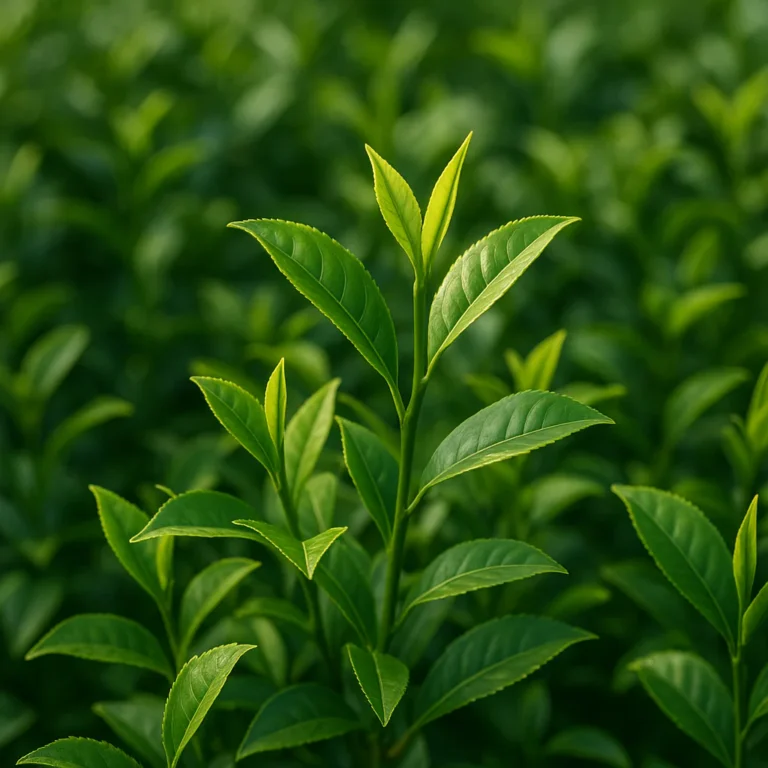
You can start taking small harvests. Look for the “two leaves and a bud” formation.
Curiosity Check: Have you ever wondered why your store-bought tea tastes so different from the fresh leaves you just picked? It’s all about oxidation. Fresh leaves start oxidizing the moment they are plucked. If you don’t process them immediately, they turn black (black tea). To make green tea, you must stop oxidation within hours of picking.
For a deep dive into the processing methods, check out our DIY Tea Blending guide.
🌡️ Climate Control: Matching Your Green Tea Plant to Your Hardiness Zone
One of the biggest mistakes new tea growers make is ignoring their USDA Hardiness Zone. Camellia sinensis is not a one-size-fits-all plant.
- Zone 5-6: You need the hardiest varieties like Yunnan No. 12 or Chinese Sinensis. You must grow in containers and bring them indoors or into a greenhouse when temperatures drop below 10°F.
- Zone 7-8: You have more options. Yabukita and Assamica (with winter protection) can survive outdoors. Mulch heavily in winter.
- Zone 9+: You can grow almost any variety in the ground. Assamica will thrive here.
The Container Strategy:
If you live in a cold zone, container gardening is your best friend. It allows you to move the plant to a sunny window in winter and a shaded patio in summer. As the video creator noted, “I have a fun new contribution to the tea garden,” and they emphasize that in colder climates, containers are essential.
💧 Watering Wisdom: Avoiding Root Rot and Ensuring Perfect Hydration
Tea plants are thirsty, but they are also prone to root rot. The golden rule: Water deeply, but let the top inch of soil dry out between waterings.
- Signs of Overwatering: Yellowing leaves, droping, and a musty smell from the soil.
- Signs of Underwatering: Crispy leaf edges, stunted growth.
- Water Quality: Tea plants are sensitive to chlorine and fluoride. If possible, use rainwater or filtered water.
✂️ Pruning for Potency: Techniques to Maximize Leaf Yield and Flavor
Pruning isn’t just about shape; it’s about yield.
- Topping: Cut the main stem to encourage side branches. This creates a bushier plant with more leaves to harvest.
- Harvest Pruning: When harvesting, always cut above a node (where a leaf meets the stem). This encourages new growth.
- Winter Pruning: In late winter, remove dead or damaged wood to make room for new spring growth.
🐛 Pest Patrol: Identifying and Treating Common Tea Plant Pests
Even in your garden, pests can strike.
- Spider Mites: Common in dry, indoor conditions. Treat with neem oil or insecticidal soap.
- Scale Insects: Look for small, brown bumps on stems. Scrape them off or use horticultural oil.
- Aphids: Soft-bodied insects on new growth. Blast them off with water or use a strong stream of water.
For organic solutions, visit our Organic Farming Techniques section.
🍵 Harvesting and Processing: Turning Your Garden Leaves into Fresh Green Tea
This is the moment you’ve been waiting for!
- Harvest: Pick the two leaves and a bud at the tip of the branch. Do this in the morning when the leaves are cool and full of moisture.
- Wilt: Spread the leaves on a tray in a shaded, well-ventilated area for 1-2 hours to wilt.
- Kill the Enzymes (Fixation): This is crucial for green tea. You must stop oxidation.
Pan-Firing: Heat the leaves in a dry pan over medium heat for 2-3 minutes, tossing constantly.
Steaming: Steam the leaves for 30-60 seconds (Japanese style). - Roll: Gently roll the leaves to break cell walls and shape them.
- Dry: Dry the leaves in an oven at a low temperature (20°F) or in a dehydrator until they are crisp.
Video Insight: In the featured video, the creator demonstrates the joy of steeping fresh herbs. They mention, “I’m not growing food just to support my family,” but rather for the ritual and the connection to nature. That’s the true spirit of home tea growing!
🧪 Soil Science: The Perfect pH and Nutrient Mix for Camellia sinensis
Tea plants are acid-loving plants. They thrive in a pH range of 5.0 to 6.0.
- Soil Type: Well-draining, rich in organic matter.
- Fertilizer: Use an acidic fertilizer (like one for azaleas or camellias) in the spring. Avoid high-nitrogen fertilizers in the fall, as they can encourage tender growth that won’t survive winter.
❓ Frequently Asked Questions About Buying and Growing Green Tea Plants
Where can I buy a green tea plant that is suitable for my climate?
You need to match the plant to your USDA Hardiness Zone. For cold climates (Zone 5-7), look for Yunnan No. 12 or Chinese Sinensis varieties. For warm climates (Zone 9+), Assamica is a great choice. Specialty nurseries like Logee’s and One Green World often specify the hardiness of their plants. Always check the product description or contact the seller to confirm suitability for your zone.
Where can I buy a high-quality green tea plant for my garden?
High-quality plants are best sourced from specialty nurseries rather than big-box stores. Look for sellers who propagate specific cultivars (like Yabukita or Benifuki) rather than generic seedlings. Logee’s, Camforest, and One Green World are excellent resources. You can also find rare varieties on Etsy from specialized growers.
Can I grow a green tea plant indoors in a pot?
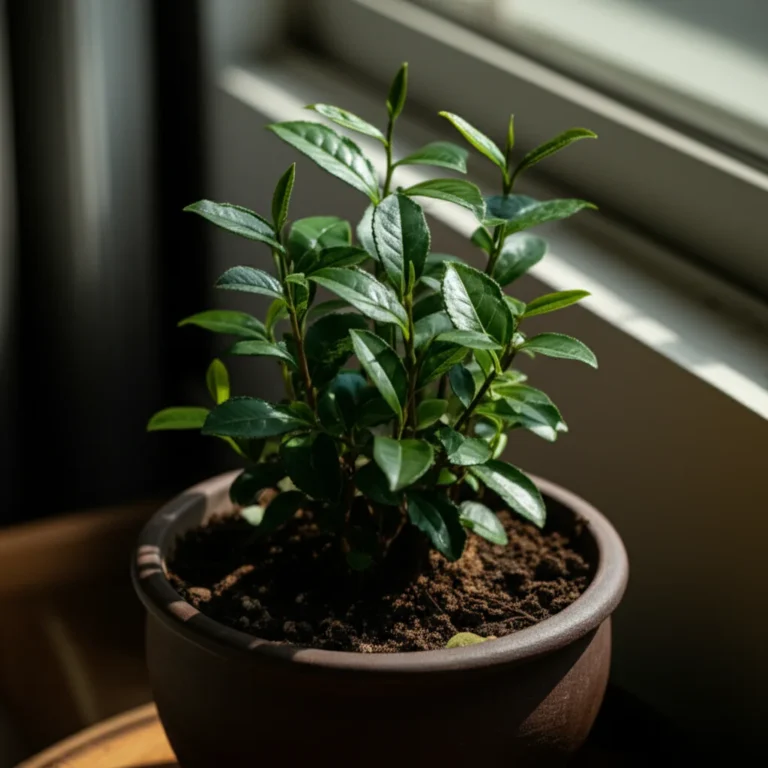
Yes! In fact, if you live in a cold climate, growing in a pot is the only way to keep your plant alive year-round. Place it in a south-facing window with plenty of light, or use a grow light. Ensure the pot has drainage holes and use acidic soil.
How long does it take for a green tea plant to mature and be ready for harvesting, and what are the steps involved in the harvesting process?
It typically takes 2-3 years for a plant to be mature enough for a significant harvest. In the first year, focus on growth. In the second year, you can take small harvests. The process involves picking the two leaves and a bud, then immediately wilt, fix (steam or pan-fire), roll, and dry the leaves to prevent oxidation.
Can I grow a green tea plant indoors, and if so, what are the benefits and challenges of doing so?
Benefits: You can control the environment, protect the plant from frost, and enjoy fresh tea year-round. Challenges: Indoor plants often struggle with low humidity and insufficient light. You may need to use a humidifier and grow lights. Also, indoor plants can be more susceptible to spider mites.
What are the best conditions for growing a green tea plant at home, including light and temperature requirements?
Light: Bright, indirect light or partial shade. Direct afternoon sun can scorch leaves. Temperature: Ideal range is 60-80°F (15-27°C). They can tolerate brief dips to 20°F if hardy, but prolonged freezing will kill them. Humidity: High humidity is preferred.
How long does it take for a green tea plant to mature and be ready for harvesting after planting?
From seed, it takes about 2-3 years. From a rooted cutting or seedling, you might see a small harvest in the second year, but a full harvest usually starts in the third year.
Can I grow a green tea plant indoors, and if so, what are the necessary requirements?
Yes. You need a large pot with drainage, acidic soil, bright light (south window or grow lights), and high humidity. Water when the top inch of soil is dry.
What are the best conditions for growing a green tea plant at home, including lighting and temperature?
Lighting: 4-6 hours of bright, indirect light. Temperature: 60-80°F. Avoid drafts and sudden temperature changes.
How long does it take for a green tea plant to mature and be ready for harvesting, and what is the best way to harvest the leaves?
Time: 2-3 years. Method: Pick the top two leaves and a bud. Do not strip the whole branch.
Can I grow a green tea plant indoors, and if so, what kind of lighting and temperature does it need to thrive?
Lighting: Full spectrum grow lights or a south-facing window. Temperature: 60-80°F. Keep away from cold drafts.
What are the best conditions for growing a green tea plant at home, including soil and climate requirements?
Soil: Acidic (pH 5.0-6.0), well-draining. Climate: Warm, humid, and protected from frost.
How long does it take for a green tea plant to mature and be ready for harvesting, and what are the signs of readiness?
Time: 2-3 years. Signs: The plant has established a strong root system and has multiple branches with new growth.
Can I grow a green tea plant indoors, and if so, what are the necessary steps to simulate outdoor conditions?
Use a humidifier to raise humidity, provide grow lights for 12-14 hours a day, and ensure good air circulation to prevent mold.
What are the best conditions for growing a green tea plant at home, including climate and soil requirements?
Climate: Warm and humid. Soil: Acidic and well-draining.
How do I care for a green tea plant to ensure optimal growth and tea production?
Watering: Keep soil moist but not sogy. Fertilizing: Use acidic fertilizer in spring. Pruning: Prune regularly to encourage bushiness. Harvesting: Harvest only the top leaves and buds.
Where can I buy a high-quality green tea plant for my garden or indoor space?
Check Logee’s, One Green World, Camforest, and Etsy for specific cultivars.
Can I grow a green tea plant indoors, and if so, what conditions are required?
Yes. Bright light, high humidity, acidic soil, and protection from cold drafts.
What are the benefits of growing my own green tea plant?
Freshness: Unmatched flavor and aroma. Health: Higher antioxidant content. Sustainability: No packaging waste. Ritual: The joy of growing and processing your own food.
Can I grow a green tea plant from tea bags or seeds?
Seds: Yes, but they take time to germinate. Tea Bags: No. Most tea bags contain processed, dried leaves that will not germinate. You need live seeds or a live plant.
What type of soil and climate is best for growing a green tea plant?
Soil: Acidic (pH 5.0-6.0), well-draining. Climate: Warm, humid, and frost-free (or protected).
Can I grow a green tea plant indoors in a pot or container?
Yes, and it’s often the best option for cold climates.
What are the benefits of growing my own green tea plant at home?
See “Benefits of growing my own green tea plant” above.
How do I care for a green tea plant in my garden?
Mulch heavily in winter, water regularly, prune for shape, and harvest correctly.
How long does it take for a green tea plant to mature and be ready for harvesting, and what is the best method for harvesting the leaves?
Time: 2-3 years. Method: Two leaves and a bud.
Can I grow a green tea plant indoors, and if so, what type of container and lighting is recommended?
Container: Large pot with drainage. Lighting: South-facing window or full-spectrum grow lights.
What are the best conditions for growing a green tea plant, including temperature, humidity, and soil requirements?
Temperature: 60-80°F. Humidity: High. Soil: Acidic, well-draining.
How do I care for a green tea plant at home to ensure optimal growth and tea production?
Regular watering, acidic fertilizer, pruning, and proper harvesting.
How often should I fertilize and prune my green tea plant to promote healthy growth and tea production?
Fertilize: Once in spring. Prune: Lightly in spring and after harvests.
Can I grow a green tea plant from seed or should I buy a starter plant?
Seed: Cheaper but slower. Starter Plant: Faster, more reliable, and often a specific cultivar.
What are the best conditions for growing a green tea plant outdoors?
Partial shade, acidic soil, protection from wind and frost.
How do I care for a green tea plant at home?
See “How do I care for a green tea plant to ensure optimal growth and tea production?” above.
What is the difference between green tea plant and normal tea plant?
There is no difference. Both are Camellia sinensis. The difference is in the processing. Green tea is unoxidized; black tea is fully oxidized.
Can green tea be grown in the US?
Yes, in many parts of the US, especially in the Pacific Northwest, the Southeast, and in containers in colder regions.
Can I grow green tea plants?
Yes, with the right care and climate.
Is green tea easy to grow?
It’s moderately easy if you have the right climate. In cold climates, it requires more effort (containers, indoor care).
What is the best plant for green tea?
Yabukita is the best for Japanese-style green tea. Chinese Sinensis is best for Chinese-style. Assamica is best for high yield in warm climates.
✅ Conclusion: Is a Green Tea Plant the Right Addition to Your Garden?

So, is a green tea plant for sale worth the investment? Absolutely.
If you are a gardener who loves a challenge and craves the freshest, most aromatic cup of tea imaginable, then Camellia sinensis is your new best friend. Yes, it requires patience (2-3 years to a full harvest) and specific care (acidic soil, protection from frost), but the reward is unparalleled. As the video creator so beautifully put it, “I’m not growing food just to support my family,” but for the ritual, the connection to nature, and the sheer joy of sipping a cup of tea you grew, harvested, and processed yourself.
Positives:
- Unmatched Flavor: Freshly processed tea is “far outshining” store-bought counterparts.
- Health Benefits: Higher levels of antioxidants and catechins.
- Sustainability: Zero packaging waste.
- Ornamental Value: Beautiful evergreen shrub.
Negatives:
- Time: Takes years to mature.
- Climate Sensitivity: Requires specific conditions or indoor care in cold zones.
- Processing Skill: Requires learning how to fix, roll, and dry the leaves.
Our Verdict: If you have the space and the patience, buy a green tea plant today. Start with a hardy variety like Yabukita or Chinese Sinensis if you are in a cooler climate, or Assamica if you are in the tropics. The journey from seed to sip is one of the most rewarding experiences a gardener can have.
🔗 Recommended Links: Trusted Sources for Tea Plants and Supplies
Ready to start your tea garden? Here are the best places to find your green tea plant for sale and the supplies you’ll need.
-
Live Tea Plants:
Logee’s: Tea Plant (Camellia sinensis)
One Green World: Tea Plants Category
Camforest: Camellia sinensis (Green Tea Plant)
Amazon: Search for Camellia sinensis
Etsy: Search for Tea Plants -
Suplies & Books:
Acidic Soil Mix: Amazon Search: Azalea Camellia Soil
Grow Lights: Amazon Search: Full Spectrum Grow Light
Book: The Tea Garden: A Guide to Growing and Processing Your Own Tea (Available on Amazon)
📚 Reference Links: Scientific Studies and Historical Data
- Camellia sinensis Species Overview: Camellia sinensis – Wikipedia
- USDA Hardiness Zones: USDA Plant Hardiness Zone Map
- Tea Processing Methods: Tea Processing – Britannica
- One Green World: One Green World – Tea Plants
- Logee’s: Logee’s – Tea Plant
- Camforest: Camforest – Tea Camellias
- Growing Teas™: Green Tea Cultivation | Herbal Tea Planting | Organic Farming Techniques | Health Benefits of Tea | DIY Tea Blending