Support our educational content for free when you purchase through links on our site. Learn more
🌿 Ultimate Indoor Tea Garden Setup Guide: 9 Expert Steps for 2026

Imagine plucking fresh tea leaves from your own indoor garden, brewing a cup that’s bursting with flavor and nurtured by your own hands. Sounds dreamy, right? At Growing Teas™, we’ve helped countless tea lovers transform their homes into verdant tea sanctuaries — and now it’s your turn! Whether you’re craving the authentic taste of Camellia sinensis or the fragrant zest of herbal allies like peppermint and holy basil, this guide covers every leaf, light, and loving care tip you need to succeed.
Did you know that indoor tea gardening not only supplies fresh brews but also boosts your home’s air quality and reduces stress? Plus, with clever design ideas and expert troubleshooting, you’ll turn any small space into a thriving green oasis. Stick around to discover how to master lighting, soil acidity, pruning, and even brewing your very own tea blends. Ready to cultivate tranquility and flavor all year round? Let’s dive in!
Key Takeaways
- Choose the right tea plants: Camellia sinensis for true tea, plus fast-growing herbs like peppermint and lemon balm for variety and quick harvests.
- Create ideal conditions: Provide 4-6 hours of direct light or supplement with full-spectrum grow lights; maintain acidic, well-draining soil with proper humidity.
- Master care routines: Regular pruning encourages bushy growth; fertilize with acid-loving formulas; use organic pest control to keep your garden healthy.
- Harvest and brew: Pick tender “two leaves and a bud” flushes for true tea; harvest herbs before flowering for best flavor; experiment with drying and oxidation techniques.
- Design your space creatively: Use vertical gardens, terrariums, or cozy tea nooks to blend beauty and function in any home.
Ready to start growing your own tea paradise indoors? Keep reading to unlock all the secrets!
Table of Contents
- ⚡️ Quick Tips and Facts for Your Indoor Tea Garden Setup
- 🌿 The Roots of Indoor Tea Gardening: History and Benefits
- 🌱 Cultivating Tranquility: The Ultimate Guide to Starting Your Indoor Tea Garden
- 1️⃣ Choosing the Perfect Tea Plants and Herbal Allies for Indoor Growth
- 2️⃣ Designing and Setting Up Your Indoor Tea Garden Space
- 3️⃣ Lighting, Soil, and Watering: Creating the Ideal Environment
- 4️⃣ Essential Tools and Containers for Thriving Indoor Tea Gardens
- 5️⃣ Step-by-Step Planting and Propagation Techniques
- 6️⃣ Mastering Indoor Tea Garden Care: Pruning, Feeding, and Pest Control
- 7️⃣ Harvesting and Brewing Your Homegrown Tea Leaves
- 8️⃣ Troubleshooting Common Indoor Tea Garden Challenges
- 9️⃣ Elevate Your Space: Creative Indoor Tea Garden Design Ideas
- 🔗 Partners & Alliances: Trusted Resources and Collaborations
- 📜 Terms & Conditions for Using Our Indoor Tea Garden Advice
- 🎯 Conclusion: Your Journey to Indoor Tea Garden Bliss
- 🔍 Recommended Links for Further Indoor Tea Gardening Exploration
- ❓ FAQ: Your Burning Questions About Indoor Tea Gardens Answered
- 📚 Reference Links: Expert Sources and Studies on Indoor Tea Gardening
⚡️ Quick Tips and Facts for Your Indoor Tea Garden Setup
Ever dreamt of sipping a cup of tea brewed from leaves you nurtured yourself, right in your living room? Well, you’re in the right place! At Growing Teas™, we’ve turned that dream into a delightful reality for countless home growers, and we’re here to share our secrets. Setting up an indoor tea garden might sound like a grand undertaking, but trust us, it’s more accessible and rewarding than you think. It’s not just about growing plants; it’s about cultivating a little slice of tranquility and a fresh supply of your favorite brew.
Here are some rapid-fire facts and tips to get your green thumb tingling:
- ✅ Start Small, Dream Big: You don’t need a greenhouse! A sunny windowsill or a corner with a good grow light is often enough for your first few plants.
- pH is Key: True tea plants (Camellia sinensis) are acid-lovers! Aim for a soil pH between 5.5 and 6.5. This is crucial for healthy indoor tea plant care.
- Light, Glorious Light: Most tea plants crave at least 4-6 hours of direct sunlight daily. If nature isn’t cooperating, a full-spectrum grow light is your best friend.
- Humidity Hugs: Tea plants adore humidity. Think tropical rainforest, not desert. Pebble trays or a small humidifier can work wonders for your home tea growing efforts.
- Patience, Young Padawan: While some herbs offer quick gratification, Camellia sinensis takes a bit longer to produce harvestable leaves – typically 1-2 years. But oh, the anticipation!
- Water Wisely: Keep the soil consistently moist, but never soggy. Drowning your plants is a common pitfall.
- Herbal Allies: Don’t forget the incredible world of herbal teas! Many popular herbs like peppermint, chamomile, and lemon balm are fantastic for container gardening for tea and grow much faster. Want to know more about what specific teas you can grow at home? Check out our comprehensive guide: What tea can you grow at home?
🌿 The Roots of Indoor Tea Gardening: History and Benefits

Tea has a storied past, originating in ancient China thousands of years ago, initially used for medicinal purposes before becoming the beloved beverage we know today. For centuries, Camellia sinensis cultivation was largely confined to specific climates and vast plantations. But as our homes became greener and our desire for self-sufficiency grew, the idea of bringing these verdant wonders indoors blossomed.
The concept of indoor tea gardening isn’t just a modern fad; it’s a natural evolution of our connection to nature and a quest for fresh, pure ingredients. Think about it: the satisfaction of brewing a cup of tea from leaves you’ve personally nurtured, free from pesticides and unknown additives. It’s a game-changer!
Why Grow Tea Indoors? The Unbeleafable Benefits!
Beyond the sheer joy of watching something grow, cultivating your own tea plants offers a bouquet of advantages:
- Freshness Unmatched: Imagine plucking fresh leaves for your morning brew. The flavor profile of freshly harvested tea is simply unparalleled.
- Health at Your Fingertips: Growing your own ensures you know exactly what goes into your cup. No mysterious chemicals, just pure, wholesome goodness. Many teas, especially green tea, are packed with antioxidants and offer numerous Health Benefits of Tea.
- Aesthetic Appeal: Let’s be honest, a lush, green tea plant or a vibrant collection of herbs adds a touch of natural elegance to any room. It’s living decor!
- Stress Reduction: There’s a profound sense of calm that comes from tending to plants. The act of watering, pruning, and observing growth can be incredibly therapeutic. As the folks at Chestnut Herbs beautifully put it, “Growing your own herbal teas gives you a chance to deepen your connection to our plant allies.” We couldn’t agree more!
- Educational Experience: It’s a fantastic way to learn about botany, sustainable living, and the intricate journey from plant to cup.
- Cost Savings (Eventually!): While there’s an initial setup, over time, harvesting your own tea can reduce your reliance on store-bought varieties.
We’ve seen firsthand how a small indoor tea garden can transform a space and a mindset. One of our founders, Elara, started her first indoor tea plant in a tiny apartment. “I loved growing teas!” she often exclaims. “It’s a beautiful plant, and the process of watching it grow brought so much peace to my busy city life.” This sentiment, echoed in the first YouTube video we often share, truly captures the essence of this endeavor.
🌱 Cultivating Tranquility: The Ultimate Guide to Starting Your Indoor Tea Garden
Alright, you’re hooked! The idea of a personal tea oasis, a green sanctuary within your home, is calling your name. But where do you even begin? Don’t fret! We’re about to embark on a comprehensive journey, breaking down every step of setting up your indoor tea garden guide. From choosing the perfect leafy companions to mastering the art of the brew, we’ll cover it all.
Our goal at Growing Teas™ is to empower you with the knowledge and confidence to succeed. We’ll share our expert advice, sprinkle in some personal anecdotes, and even help you navigate the occasional hiccup. Remember, “Creating an indoor tea garden is about replicating the plant’s natural environment as closely as possible,” as Guardian Storage wisely notes. And we’re here to help you do just that, with a dash of Growing Teas™ flair!
Ready to transform your space into a vibrant, aromatic haven? Let’s dig in!
1️⃣ Choosing the Perfect Tea Plants and Herbal Allies for Indoor Growth
This is where the fun truly begins: selecting your leafy companions! When we talk about an “indoor tea garden,” we’re not just limited to the traditional Camellia sinensis. Oh no, the world of herbal teas offers a delightful array of options that thrive indoors and provide a diverse palette of flavors for your cup.
The True Tea Plant: Camellia sinensis
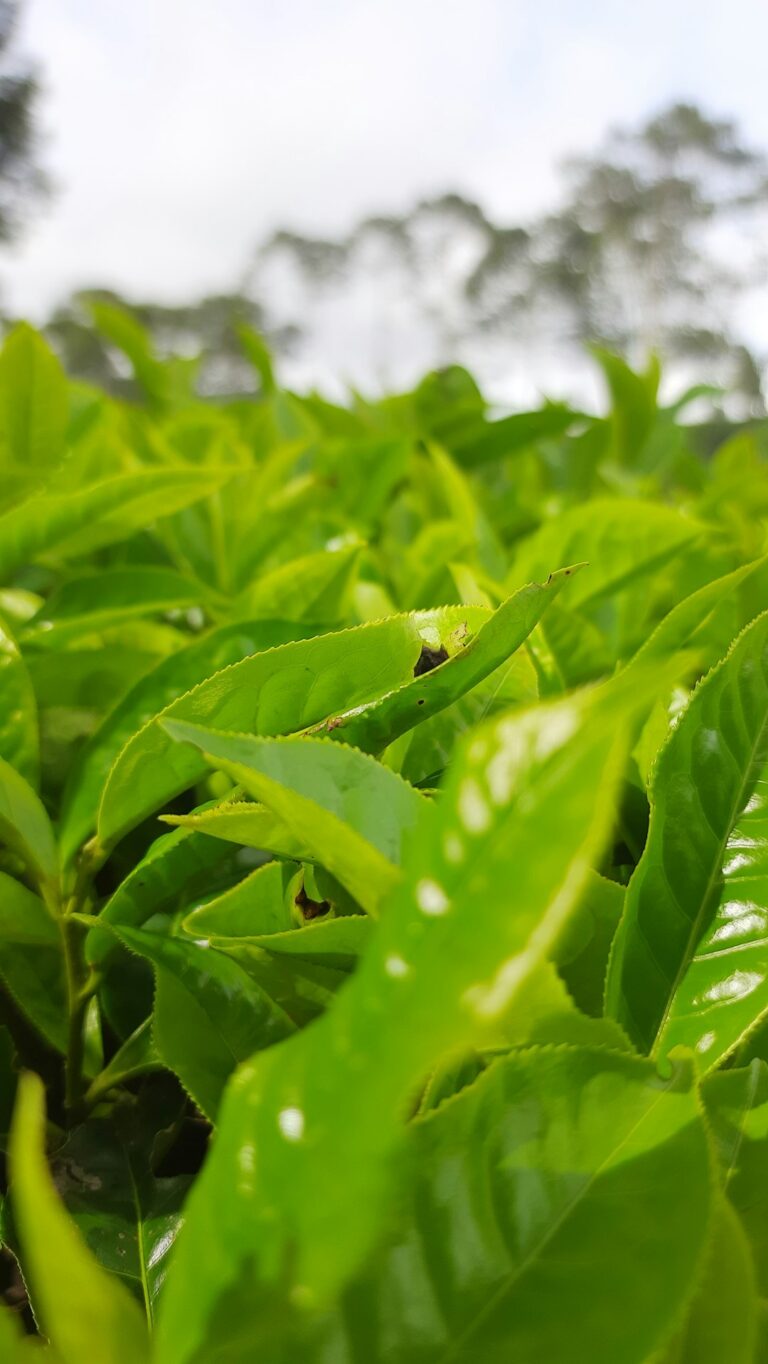
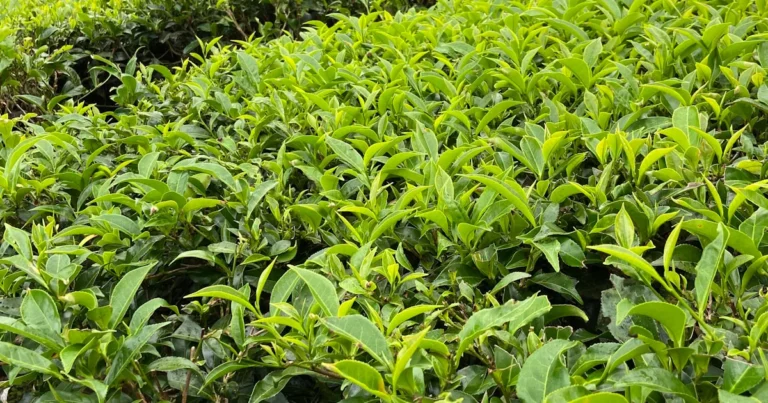
For those who dream of brewing their own green, black, oolong, or white tea, Camellia sinensis is your star. This evergreen shrub is the source of all true teas.
- Varieties: There are two main varieties:
- Camellia sinensis var. sinensis: This is the Chinese variety, known for its smaller leaves and hardiness, often used for green and white teas. It’s generally more cold-tolerant and a great choice for indoor cultivation.
- Camellia sinensis var. assamica: The Assam variety, with larger leaves, typically used for black teas. It prefers warmer, more humid climates, making it a bit more challenging but still possible indoors with the right environment.
- Growth Habits: Camellia sinensis can grow into a small tree if left unpruned, but indoors, regular pruning keeps it bushy and manageable, encouraging the tender new growth you’ll harvest. Guardian Storage also mentions Camellia japonica and Camellia sasanqua as suitable, though these are primarily ornamental camellias and don’t produce leaves for true tea. While beautiful, we at Growing Teas™ prioritize Camellia sinensis for its brewing potential.
Our Top Herbal Tea Plant Picks for Indoor Cultivation
If you’re looking for quicker gratification and a broader range of flavors, herbal tea plants are fantastic. Many are incredibly easy to grow and offer bountiful harvests. Chestnut Herbs provides an excellent list, and we’ve personally had great success with these:
| Herbal Tea Plant | Indoor Suitability | Key Growing Tips | Flavor Profile |
|---|---|---|---|
| Holy Basil (Tulsi) | ✅ Excellent | Warm, sunny spot; moist soil. | Spicy, peppery, clove-like. |
| Peppermint | ✅ Excellent (in pots!) | Lots of water & sun; aggressive spreader. | Cool, refreshing, minty. |
| Lemon Balm | ✅ Great | Full sun to part shade; spreads easily. | Citrusy, lemony, slightly sweet. |
| Chamomile | ✅ Good | Sunny spot; harvest flowers. | Apple-like, floral, calming. |
| Lemongrass | ✅ Good (container) | Full sun; bring indoors in winter. | Zesty, citrusy, grassy. |
| Anise Hyssop | ✅ Good | Sunny spot; attracts pollinators. | Licorice-like, minty, sweet. |
- Peppermint’s Power: As Chestnut Herbs points out, peppermint “spreads aggressively; best in pots.” We can’t stress this enough! We once had a rogue mint plant take over an entire raised bed in our outdoor garden. Indoors, it’s a joy, but keep it contained!
- Tulsi’s Tranquility: Holy Basil, or Tulsi, is a personal favorite. It’s incredibly resilient and its adaptogenic properties make it a powerhouse for wellness. It truly thrives in a warm, sunny indoor spot.
Where to Find Your Tea Plants and Seeds
You’ve decided on your leafy companions – fantastic! Now, where do you acquire them?
- Seeds: For Camellia sinensis, seeds can be a bit tricky to germinate and take longer, but they are a rewarding challenge. For most herbs, seeds are readily available and sprout quickly.
- Starts/Young Plants: This is often the easiest route, especially for Camellia sinensis. Look for reputable nurseries or online plant retailers.
👉 Shop Tea Seeds/Starts on:
- True Tea Seeds (Camellia sinensis): Amazon | Etsy | Rare Tea Seed Co. Official Website
- Herbal Tea Seeds/Plants: Amazon | Etsy | Burpee Official Website
2️⃣ Designing and Setting Up Your Indoor Tea Garden Space
Now that you’ve chosen your plants, it’s time to play interior designer for your green friends! The success of your indoor tea garden setup hinges significantly on selecting the right location and optimizing your space. It’s about creating a micro-climate where your plants can truly flourish.
Location, Location, Location! The Golden Rule of Indoor Gardening
Finding the perfect spot is paramount. Think about natural light, temperature, and air circulation.
- Natural Light is Your Best Friend: “Select a space with ample natural light, ideally near south-facing windows,” advises Guardian Storage. We wholeheartedly agree! South-facing windows in the Northern Hemisphere (or north-facing in the Southern Hemisphere) offer the most consistent and intense light throughout the day. East-facing windows provide gentle morning sun, which is also good, while west-facing windows offer strong afternoon light that can sometimes be too intense without proper acclimatization.
- Temperature Stability: Tea plants, especially Camellia sinensis, prefer stable temperatures. Guardian Storage recommends 65-75°F (18-24°C), while a Facebook group post suggests 68-86°F (20-30°C). For Camellia sinensis, we lean towards the slightly cooler end of that spectrum, ideally between 65-75°F (18-24°C). Many herbal teas are more forgiving, but extreme fluctuations are a no-go. “Avoid drafts and direct heat sources,” is another excellent tip from Guardian Storage, as sudden temperature changes can stress your plants.
- Air Circulation: Good airflow prevents stagnant air, which can lead to fungal issues and pest problems. A gentle fan can help, but avoid direct, strong drafts.
- Humidity Hub: As mentioned, tea plants love humidity. Consider placing your garden in a bathroom (if it has good light) or kitchen, where humidity levels tend to be higher.
Optimizing Small Spaces for Your Green Oasis
Don’t have a sprawling sunroom? No problem! Many of us at Growing Teas™ started our indoor tea gardens in surprisingly compact areas. “Windowsills, patios, or small spaces like second-story apartments” are all viable options, as Chestnut Herbs points out.
- Vertical Gardens: These are brilliant for maximizing space! Shelving units, wall-mounted planters, or even tiered plant stands can turn a small footprint into a lush vertical display. This is a fantastic solution for optimizing small spaces for plants.
- Plant Stands & Carts: Mobile plant stands allow you to move your plants to catch the best light throughout the day or even rotate them for even growth.
- Dedicated Tea Nook: Carve out a specific corner. A small table, a comfortable chair, and your burgeoning tea garden can create a truly serene spot for reflection and enjoyment.
Aesthetics and Integration: Making Your Garden a Part of Your Home
Your indoor tea garden shouldn’t just be functional; it should be beautiful!
- Choose Complementary Containers: We’ll dive deeper into containers soon, but think about pots that match your home’s decor. Terracotta, ceramic, or even sleek self-watering planters can elevate the look.
- Layering: Arrange plants of different heights and textures to create visual interest. Taller Camellia sinensis in the back, trailing mints or lemon balm in front.
- Accessorize (Sparingly): A small decorative watering can, a few smooth river stones, or a tiny garden gnome can add charm without clutter.
Remember, “Creating an indoor tea garden is a rewarding way to enjoy fresh tea leaves year-round,” as one Facebook group member shared. And a well-designed space makes that reward even sweeter!
3️⃣ Lighting, Soil, and Watering: Creating the Ideal Environment
Think of your indoor tea garden as a miniature ecosystem. To truly thrive, your plants need the right balance of light, a nourishing foundation (soil), and consistent hydration. Getting these three elements right is the bedrock of successful indoor tea plant care.
The Power of Light: Sunshine or Simulation?
Light is food for plants, and tea plants are no exception. They are sun-worshippers!
- Natural Light Requirements: Both Guardian Storage and the Facebook group post emphasize the need for “at least 4-6 hours of direct sunlight daily.” This is a good baseline. However, “direct sunlight” through a window is often less intense than outdoor sun due to glass filtering.
- Supplementing with Grow Lights: This is where we at Growing Teas™ often step in. Unless you have an exceptionally bright, unobstructed south-facing window, supplemental grow lights are almost essential for Camellia sinensis to truly flourish indoors.
- Full-Spectrum is Key: Don’t just grab any old lamp. Full-spectrum LED grow lights mimic natural sunlight, providing the red and blue wavelengths crucial for photosynthesis.
- Placement and Duration: Position your grow light 6-12 inches above your plants (check manufacturer recommendations). Aim for 12-14 hours of light per day when supplementing, especially during shorter winter days.
- Timer for Consistency: A simple timer ensures your plants get consistent light exposure, even when you’re busy.
👉 CHECK PRICE on:
- Barrina T5 Grow Lights (for shelves/smaller setups): Amazon | Walmart
- Spider Farmer SF1000 LED Grow Light (for more serious setups): Amazon | Spider Farmer Official Website
The Foundation: Perfect Potting Soil
Your soil isn’t just dirt; it’s your plant’s pantry and anchor. Getting the right mix is vital for acidic soil for tea plants.
- Acidity is a Must: Camellia sinensis absolutely demands acidic soil. Guardian Storage recommends a pH of 5.5-6.5. If your soil is too alkaline, your plant won’t be able to absorb essential nutrients, leading to yellowing leaves (chlorosis).
- Well-Draining and Organic-Rich: Both Guardian Storage and the Facebook post highlight the need for “well-draining soil rich in organic matter.” This prevents root rot while providing nutrients.
- Our Recommended Mix: We often use a blend of high-quality organic potting mix (like FoxFarm Ocean Forest or Espoma Organic Potting Mix), mixed with a good amount of peat moss or coco coir (for acidity and moisture retention), and perlite or coarse sand (for drainage). A ratio of 2 parts potting mix, 1 part peat/coco coir, and 1 part perlite works wonders.
- Drainage Holes: This cannot be stressed enough! “Containers should have drainage holes to prevent waterlogging,” as the Facebook post rightly states. Without them, you’re inviting root rot, a silent killer of indoor plants.
👉 Shop Acidic Potting Mix on:
- FoxFarm Ocean Forest Potting Soil: Amazon | Walmart
- Espoma Organic Potting Mix: Amazon | Espoma Official Website
The Art of Watering and Humidity Control
Watering seems simple, but it’s often where new growers stumble.
- Consistent Moisture, Not Soggy: “Keep soil consistently moist but not waterlogged,” is a mantra from both Guardian Storage and the Facebook post. This means the soil should feel damp, like a wrung-out sponge, but never sitting in water.
- The Finger Test: Our favorite method: stick your finger about an inch or two into the soil. If it feels dry, it’s time to water. If it’s still moist, wait a day or two.
- Water Quality: The Facebook post suggests using “filtered or distilled water if possible.” This is a great tip! Tap water often contains chlorine, chloramines, and sometimes high mineral content, which can build up in the soil and negatively impact your acid-loving tea plants. Letting tap water sit out for 24 hours can help dissipate chlorine.
- Humidity is a Hug: Tea plants thrive in high humidity, ideally around 50-70%.
- Humidifiers: A small room humidifier is the most effective way to maintain consistent indoor humidity control.
- Pebble Trays: Fill a tray with pebbles and water, then place your pots on top (ensure the pot isn’t sitting in the water). As the water evaporates, it increases local humidity.
- Misting: While misting provides a temporary boost, it’s not a long-term solution for humidity and can sometimes encourage fungal growth if not done correctly. We prefer humidifiers or pebble trays.
👉 CHECK PRICE on:
- LEVOIT Humidifiers (various models): Amazon | Walmart
- Haws Watering Can (classic, gentle pour): Amazon | Haws Official Website
“Lighting, soil, and humidity are key factors for success,” as the Facebook post concludes, and we couldn’t agree more. Master these, and you’re well on your way to a thriving indoor tea garden!
4️⃣ Essential Tools and Containers for Thriving Indoor Tea Gardens
Every great artist needs their brushes, and every successful indoor tea grower needs the right tools and, crucially, the perfect homes for their plants. Choosing the right containers and having the proper gear makes all the difference in the health and happiness of your leafy companions.
The Perfect Pot: More Than Just a Pretty Face
Containers are more than just decorative elements; they are critical for root health and overall plant vigor.
- Drainage Holes are Non-Negotiable: We’ve said it before, and we’ll say it again: drainage holes are absolutely essential! “Use well-draining pots with drainage holes,” is a consistent recommendation from Guardian Storage. Without them, water sits, roots rot, and your tea plant’s journey ends prematurely.
- Material Matters:
- Terracotta/Clay Pots: ✅ Excellent for drainage and aeration. They’re porous, allowing air to reach the roots and excess moisture to evaporate, which is great for preventing overwatering. However, they dry out faster, so you might need to water more frequently.
- Plastic Pots: ✅ Lightweight and retain moisture well, meaning less frequent watering. They’re also often more affordable. Ensure they have ample drainage holes.
- Ceramic/Glazed Pots: ✅ Beautiful and retain moisture. If they have drainage holes, they can be great. If not, they’re best used as decorative cachepots (outer pots) with a plastic nursery pot inside.
- Fabric Grow Bags: ✅ Fantastic for aeration and preventing root circling. They promote healthy root development and are lightweight.
- Size Progression: Don’t start a tiny seedling in a giant pot. Gradually increase pot size as your plant grows. This prevents the soil from staying too wet for too long, which can happen when a small root system is in a large volume of soil. For Camellia sinensis, plan to repot annually or when it outgrows its container, as Guardian Storage suggests.
Recommended Container Sizes for Tea Plants
| Plant Stage | Pot Diameter (inches) | Pot Depth (inches) | Notes |
|---|---|---|---|
| Seedling | 2-4 | 3-4 | Small starter pots or seed trays. |
| Young Plant | 6-8 | 6-8 | For plants 6-12 months old. |
| Mature Tea Plant | 10-14 | 10-14 | For established Camellia sinensis (1+ years). |
| Herbal Teas | 6-10 | 6-10 | Varies by herb; mints need containment! |
Essential Tools for Your Indoor Tea Garden
Having the right tools makes gardening a joy, not a chore.
- Small Trowel/Scoop: For transplanting, adding soil, and general digging.
- Hand Pruners/Snips: Crucial for shaping your plants, encouraging bushy growth, and harvesting. Look for sharp, clean ones to make precise cuts.
- Our Tip: Always sterilize your pruners with rubbing alcohol between plants to prevent the spread of diseases.
- Watering Can with a Fine Spout: Allows for gentle, controlled watering without disturbing delicate seedlings or washing away soil.
- Spray Bottle: For misting (if you choose this method) or applying organic pest control solutions.
- Soil pH Meter: Absolutely invaluable for Camellia sinensis! This tool helps you monitor and adjust your soil’s acidity, ensuring your plants can absorb nutrients effectively. You can find simple probe meters or more accurate digital ones.
- Moisture Meter: While the finger test is good, a moisture meter can give you a more precise reading of soil moisture levels, especially deeper in the pot.
- Gloves: Protect your hands from soil, thorns (if any), and potential irritants.
- Pest Control Supplies: Keep organic options like neem oil or insecticidal soap on hand.
👉 Shop Garden Tools on:
- General Indoor Garden Tool Kits: Amazon | Walmart
- Fiskars Pruners (reliable brand): Amazon | Fiskars Official Website
- Soil pH Meter: Amazon
👉 Shop Planters on:
Equipped with these essentials, you’re ready to provide a comfortable and nurturing home for your growing tea family!
5️⃣ Step-by-Step Planting and Propagation Techniques
You’ve got your plants, your perfect spot, and all the right gear. Now comes the exciting part: getting those roots into the soil! Whether you’re starting from scratch with seeds or nurturing young plants, we’ll guide you through the process of planting tea seeds indoors and propagating tea plants.
Starting from Seed: The Patience Game (Especially for Camellia sinensis)
Growing Camellia sinensis from seed is a journey of patience, but incredibly rewarding. Many herbal teas are much faster!
- ✅ Prepare Your Seeds:
- For Camellia sinensis: These seeds often have a hard outer shell that needs to be softened (scarification) to allow water absorption. Gently nick the seed coat with a file or sandpaper, or soak them in warm water for 24-48 hours, changing the water every 12 hours. This helps break dormancy.
- For Herbal Teas: Most herbal tea seeds (like chamomile, lemon balm) don’t require scarification. Just a good soak for a few hours can help.
- ✅ Prepare Your Potting Mix: Use the acidic, well-draining mix we discussed earlier. Pre-moisten it so it’s damp but not soggy.
- ✅ Plant the Seeds:
- Depth: Plant Camellia sinensis seeds about 1 inch deep. For smaller herbal seeds, sprinkle them on the surface and lightly cover with a thin layer of soil or vermiculite.
- Spacing: If planting multiple seeds in a tray, give them some space (1-2 inches apart).
- ✅ Create a Mini-Greenhouse: Cover your pots or trays with a clear plastic dome, plastic wrap, or a clear plastic bag. This helps maintain high humidity, crucial for germination.
- ✅ Provide Warmth and Light: Place your seeds in a warm spot (70-80°F / 21-27°C). While they don’t need intense light before sprouting, a gentle grow light or indirect bright light can be beneficial.
- ✅ Be Patient and Monitor: Keep the soil consistently moist. Germination times vary wildly: herbal teas might sprout in a week or two, while Camellia sinensis can take anywhere from a few weeks to several months! Don’t give up!
- ✅ Acclimatize Seedlings: Once sprouts appear, gradually remove the cover over a few days to acclimate them to lower humidity. Move them to a spot with bright, indirect light or under your grow light.
Planting Young Plants or Starts: A Head Start!
If you’ve purchased young tea plants or herbal starts, the process is much quicker.
- ✅ Choose the Right Pot: Select a pot that’s 1-2 inches larger in diameter than the nursery pot your plant came in. Remember those drainage holes!
- ✅ Prepare the Potting Mix: Fill the bottom of your new pot with a layer of your pre-moistened acidic, well-draining potting mix.
- ✅ Remove the Plant: Gently squeeze the sides of the nursery pot and carefully slide the plant out. Try not to pull it by the stem.
- ✅ Inspect the Roots: If the roots are tightly circling the bottom (root-bound), gently tease them apart with your fingers or a small tool. This encourages them to grow outwards into the new soil.
- ✅ Position the Plant: Place the plant in the new pot so that the top of the root ball is at the same level as it was in the nursery pot. You don’t want to bury the stem too deep or have the roots exposed.
- ✅ Fill with Soil: Backfill around the root ball with more potting mix, gently tamping it down to remove large air pockets. Leave about an inch of space from the rim of the pot for watering.
- ✅ Water Thoroughly: Water until you see drainage from the bottom. This helps settle the soil and eliminates any remaining air pockets.
- ✅ Initial Care: Place your newly potted plant in its designated spot with appropriate light and humidity. Avoid fertilizing immediately; let it settle for a few weeks.
Repotting: Giving Your Plants Room to Grow
As your tea plants mature, they’ll eventually outgrow their current homes. “Repot plants annually or when they outgrow their containers,” is sound advice from Guardian Storage.
- When to Repot:
- Roots through Drainage Holes: This is a clear sign!
- Stunted Growth: If your plant isn’t growing despite good care, it might be root-bound.
- Frequent Watering: If the soil dries out very quickly, the roots have likely taken over the pot.
- Annually: For Camellia sinensis, a yearly repotting into a slightly larger pot (1-2 inches wider) is a good practice to refresh the soil and provide more room.
- How to Repot: Follow the same steps as planting a young plant, but be extra gentle with the established root ball. Always use fresh potting mix.
By following these steps, you’ll give your tea plants the best possible start and ensure they have the space and nutrients to thrive in their indoor sanctuary!
6️⃣ Mastering Indoor Tea Garden Care: Pruning, Feeding, and Pest Control
Once your tea plants are happily settled, the real art of indoor plant care routine begins. This isn’t just about keeping them alive; it’s about helping them flourish, produce abundant leaves, and stay resilient against common challenges. Think of yourself as a plant whisperer, attuned to their needs!
The Art of Pruning: Shaping for Success
Pruning isn’t just for aesthetics; it’s vital for encouraging new growth and maintaining a manageable size for your indoor tea plants.
- Why Prune?
- Bushy Growth: For Camellia sinensis, regular pruning encourages the plant to branch out, creating more “flushes” (new growth) which are what you harvest for tea. Both Guardian Storage and the Facebook post highlight this: “Prune regularly to encourage bushy growth.”
- Health & Vigor: Removing dead, diseased, or weak branches directs the plant’s energy to healthy growth.
- Shape & Size: Keeps your indoor plant from becoming leggy or too large for its space.
- When to Prune:
- Light Pruning: Can be done anytime to remove spent flowers or leggy growth.
- Harder Pruning: Best done in late winter or early spring, just before the main growth spurt.
- Harvesting as Pruning: For herbal teas like peppermint or lemon balm, regular harvesting is your pruning! As Chestnut Herbs notes, “Regular harvesting encourages growth.”
- How to Prune:
- “Pinch Back”: For young plants and herbs, simply pinch off the top set of leaves and the growing tip. This encourages two new shoots to emerge from the leaf nodes below.
- “Heading Back”: For Camellia sinensis, cut back branches to an outward-facing bud or leaf node. Aim to maintain an open structure for good air circulation.
- Remove the Three D’s: Always remove Dead, Damaged, or Diseased parts of the plant.
Feeding Your Friends: Fertilization for Flourishing Foliage
Just like us, plants need nutrients to grow strong and healthy. Since your plants are in containers, their access to nutrients is limited to what you provide in the soil and through fertilization.
- Acid-Loving Formula: This is critical for Camellia sinensis! “Fertilize monthly with a balanced, acid-loving plant fertilizer,” recommends Guardian Storage. Look for fertilizers specifically designed for camellias, azaleas, or rhododendrons.
- Balanced NPK: The Facebook post suggests “balanced NPK fertilizers.” NPK stands for Nitrogen (for leafy growth), Phosphorus (for roots and flowers), and Potassium (for overall plant health). A balanced formula (e.g., 5-5-5 or 10-10-10) is a good general choice, but for tea, a slightly higher nitrogen content can encourage more leaf production.
- Organic Options: We at Growing Teas™ are big proponents of Organic Farming Techniques. Organic fertilizers release nutrients slowly and improve soil health over time.
- Examples: Fish emulsion, compost tea, or granular organic fertilizers specifically for acid-loving plants.
- When and How to Fertilize:
- Growing Season: Fertilize every 2-4 weeks during the active growing season (spring through early fall).
- Dormancy: Reduce or stop fertilizing during winter months when growth slows.
- Dilution: Always follow the product’s instructions for dilution. It’s better to under-fertilize than over-fertilize, which can burn roots.
- Water First: Always water your plant before fertilizing to prevent root burn.
👉 CHECK PRICE on:
- Espoma Organic Acidifier (for soil pH adjustment): Amazon | Espoma Official Website
- Jobe’s Organics Acid-Loving Plant Food: Amazon | Walmart
Battling the Bugs: Organic Pest Control for Tea Plants
Even indoors, pests can find their way to your beloved plants. The key is vigilance and prompt, organic action. “Use organic pest control methods to manage pests,” is the wise advice from Guardian Storage.
- Common Indoor Pests:
- Spider Mites: Tiny, almost invisible, they create fine webbing on the undersides of leaves. Leaves may look stippled or dusty.
- Aphids: Small, soft-bodied insects, often green or black, found on new growth. They suck sap, causing distorted leaves.
- Mealybugs: White, cottony masses found in leaf axils and stems.
- Fungus Gnats: Small, dark flies that hover around the soil surface. Their larvae feed on roots.
- Prevention is Key:
- Inspect New Plants: Always quarantine new plants for a few weeks to ensure they’re pest-free before introducing them to your garden.
- Good Air Circulation: Helps deter many pests.
- Cleanliness: Remove fallen leaves and debris from pots.
- Organic Solutions for Organic Pest Control for Tea:
- Wipe Them Off: For small infestations, a damp cloth or cotton swab dipped in rubbing alcohol can manually remove pests.
- Insecticidal Soap: A gentle, non-toxic option that smothers soft-bodied pests. Make your own with mild dish soap (avoid detergents) and water, or buy a commercial product.
- Neem Oil: A natural insecticide and fungicide. Mix according to instructions and spray thoroughly, especially on leaf undersides. It disrupts pest feeding and reproduction cycles.
- Sticky Traps: Yellow sticky traps are great for catching flying pests like fungus gnats and whiteflies.
- Beneficial Insects: For persistent problems, consider introducing beneficial insects like ladybugs (though harder to manage indoors).
👉 CHECK PRICE on:
- Neem Bliss 100% Cold Pressed Neem Oil: Amazon | Walmart
- Safer Brand Insecticidal Soap: Amazon | Safer Brand Official Website
By diligently applying these care techniques, you’ll not only keep your indoor tea garden healthy but also maximize its potential for delicious, homegrown tea!
7️⃣ Harvesting and Brewing Your Homegrown Tea Leaves
This is the moment you’ve been patiently waiting for! The culmination of your hard work, the reward for your dedication. Harvesting tea leaves at home and brewing your very own cup is an incredibly satisfying experience. Let’s dive into how to get the most out of your indoor tea garden.
When to Harvest: The “Flush” and the Herbal Bounty
The timing of your harvest depends on whether you’re growing true tea (Camellia sinensis) or herbal teas.
- For Camellia sinensis (True Tea):
- Patience is Key: Guardian Storage notes that “Consistent care can lead to harvestable leaves in 1-2 years.” This is because the plant needs to establish a strong root system and sufficient foliage before you start plucking.
- The “Flush”: The ideal time to harvest Camellia sinensis is during a “flush,” which refers to the tender new growth. This typically consists of “two leaves and a bud” at the tip of a new shoot. These young leaves are packed with flavor and desirable compounds.
- Timing: Flushes usually occur several times a year during the active growing season (spring, summer, early fall), depending on your plant’s vigor and environment.
- For Herbal Teas:
- Continuous Harvest: Most herbal teas are much more forgiving and can be harvested regularly throughout their growing season. As Chestnut Herbs mentions, you can “Harvest all summer until first frost” for Holy Basil and “Harvest throughout the season” for Peppermint.
- Before Flowering: For many herbs like mint, lemon balm, and basil, harvesting before the plant flowers will yield the most potent and flavorful leaves. Once they flower, the plant’s energy shifts, and leaf flavor can diminish.
- Chamomile: For chamomile, you’re harvesting the flowers themselves, typically when they are fully open.
How to Harvest: Gentle Hands and Sharp Snips
Whether it’s delicate tea flushes or aromatic herb leaves, a gentle touch and clean tools are essential.
- For Camellia sinensis:
- The “Two Leaves and a Bud” Method: Using sharp, clean snips or your fingernails, carefully pluck the top two tender leaves and the unopened bud from a new shoot. This is the traditional method for high-quality tea.
- Don’t Over-Harvest: Never remove more than about 20-30% of the plant’s foliage at one time, especially from young plants. This can stress the plant.
- For Herbal Teas:
- Pinch or Snip: For leafy herbs, you can simply pinch off individual leaves or snip off small sprigs.
- Pruning for Growth: For bushy herbs like basil or mint, harvesting the top few inches of a stem (just above a leaf node) will encourage the plant to branch out, leading to a fuller plant and more leaves for future harvests.
Processing Your Homegrown Tea Leaves: From Fresh to Brew-Ready
Once harvested, you have a few options for preparing your leaves.
- 1. Fresh Tea:
- Simply Brew: The simplest method! Immediately after harvesting, rinse your Camellia sinensis leaves or herbal sprigs, and brew them directly. The flavor of fresh tea is uniquely vibrant and often milder than dried tea.
- 2. Drying Tea Leaves:
- Air Drying: Spread your leaves or herbs in a single layer on a clean screen, baking sheet, or paper towel in a warm, dry, well-ventilated area away from direct sunlight. Turn them occasionally. This can take several days to a week.
- Dehydrator: A food dehydrator on a low setting (around 95-105°F / 35-40°C) can speed up the process.
- Oven (Low Heat): On the lowest setting with the door slightly ajar, you can dry leaves, but watch them very carefully to prevent scorching.
- Goal: Leaves should be completely dry and brittle to the touch, snapping easily. This prevents mold during storage.
- 3. Simple Oxidation (for Camellia sinensis):
- If you want to experiment with making black or oolong tea, you’ll need to induce oxidation.
- Withering: Spread freshly harvested leaves on a tray for 12-18 hours until they become pliable.
- Rolling: Gently roll or bruise the leaves between your hands or with a rolling pin to break cell walls, initiating oxidation.
- Oxidation: Spread the rolled leaves in a thin layer in a humid environment (70-80°F / 21-27°C, 90% humidity) for 1-3 hours. The leaves will darken and develop a distinct aroma. Stop when they reach your desired level of oxidation.
- Drying: Immediately dry the oxidized leaves thoroughly to halt the oxidation process.
- For more detailed guidance on this, check out our Green Tea Cultivation and DIY Tea Blending articles!
Brewing Your Homegrown Bliss
Now for the ultimate reward!
- Fresh Leaves: Use about 1-2 teaspoons of chopped fresh leaves per 8 oz cup. Steep in hot (not boiling for green tea) water for 2-5 minutes.
- Dried Leaves: Use about 1 teaspoon of dried leaves per 8 oz cup. Adjust steeping time and temperature based on the type of tea (e.g., green tea cooler water, black tea hotter water).
- Experiment! The beauty of homegrown tea is that you can experiment with different steeping times, leaf quantities, and even create your own blends. Try combining your homegrown Camellia sinensis with a sprig of fresh lemon balm or a few chamomile flowers!
| Tea Type | Harvest Timing | Processing | Brewing Temp | Steeping Time |
|---|---|---|---|---|
| True Tea (Camellia sinensis) | “Two leaves and a bud” from new flushes, 1-2 years after planting. | Fresh, Dried, or Oxidized | 175-205°F (80-96°C) | 2-5 minutes |
| Peppermint | Throughout season, before flowering. | Fresh or Dried | 200-212°F (93-100°C) | 5-7 minutes |
| Lemon Balm | Throughout season, before flowering. | Fresh or Dried | 200-212°F (93-100°C) | 5-7 minutes |
| Chamomile | Flowers when fully open. | Fresh or Dried | 200-212°F (93-100°C) | 5-10 minutes |
| Holy Basil (Tulsi) | Throughout season, until first frost. | Fresh or Dried | 200-212°F (93-100°C) | 5-10 minutes |
There’s nothing quite like the taste of tea you’ve grown yourself. It’s a connection to nature, a testament to your green thumb, and a truly delicious reward. Enjoy your cup of homegrown tranquility!
8️⃣ Troubleshooting Common Indoor Tea Garden Challenges
Even the most seasoned growers at Growing Teas™ encounter a hiccup or two. Plants, like people, sometimes have off days! The key to successful indoor tea plant care is knowing how to identify problems early and what steps to take. Don’t get discouraged; consider these challenges as learning opportunities to become an even better plant parent!
Common Problems and Their Solutions
| Problem | Symptoms | Possible Causes | Solutions | ✅/❌ |
|---|---|---|---|---|
| Yellowing Leaves (Chlorosis) | Leaves turn pale green or yellow, often starting from older leaves. Veins may remain green. | ❌ Nutrient Deficiency: Especially iron, due to high pH. ❌ Overwatering: Leads to root rot. ❌ Poor Drainage: Waterlogged soil. | ✅ Check soil pH (aim 5.5-6.5). ✅ Use acid-loving fertilizer. ✅ Ensure proper drainage. ✅ Adjust watering schedule. | ✅ |
| Brown Leaf Tips/Edges | Leaf tips or edges turn brown and crispy. | ❌ Low Humidity: Air is too dry. ❌ Underwatering: Soil too dry. ❌ Salt Buildup: From tap water or over-fertilization. | ✅ Increase humidity (humidifier, pebble tray). ✅ Water consistently. ✅ Use filtered water. ✅ Flush soil periodically. | ✅ |
| Stunted Growth | Plant isn’t growing or producing new leaves. | ❌ Insufficient Light: Not enough energy for growth. ❌ Nutrient Deficiency: Lack of food. ❌ Root Bound: Needs repotting. ❌ Incorrect pH: Nutrients unavailable. | ✅ Increase light (grow light). ✅ Fertilize appropriately. ✅ Repot into a larger container. ✅ Check/adjust soil pH. | ✅ |
| Drooping Leaves | Leaves look limp and sad. | ❌ Underwatering: Most common cause. ❌ Overwatering: Roots suffocated. ❌ Temperature Stress: Too hot or too cold. | ✅ Check soil moisture (finger test). ✅ Adjust watering schedule. ✅ Ensure stable room temperature. | ✅ |
| White Powdery Spots (Powdery Mildew) | White, powdery coating on leaves and stems. | ❌ Poor Air Circulation: Stagnant, humid air. | ✅ Improve airflow (fan). ✅ Remove affected leaves. ✅ Apply organic fungicide (neem oil). | ✅ |
| Small Holes or Chewed Leaves | Visible damage to foliage. | ❌ Pests: Caterpillars, slugs (less common indoors), or other chewing insects. | ✅ Inspect thoroughly. ✅ Remove pests manually. ✅ Apply organic pest control. | ✅ |
| Fungus Gnats | Tiny black flies hovering around soil. | ❌ Overwatering: They thrive in moist soil. | ✅ Let soil dry out between waterings. ✅ Use sticky traps. ✅ Apply Bacillus thuringiensis israelensis (BTI) to soil. | ✅ |
Resolving Conflicts: Why Advice Might Differ
You might notice slight variations in advice from different sources (like the temperature ranges from Guardian Storage vs. the Facebook group). Why the discrepancy?
- General vs. Specific: Some advice is generalized for a broader range of plants, while others are highly specific to Camellia sinensis. For true tea, we at Growing Teas™ always lean towards the more precise, often slightly stricter, recommendations.
- Ideal vs. Tolerable: A plant might tolerate a wider range of conditions, but it will only thrive in its ideal environment. Our recommendations prioritize thriving!
- Experience Varies: Different growers have different experiences based on their specific microclimates, water quality, and plant genetics. We aim to provide the most universally applicable and successful methods.
Our Confident Recommendation: When in doubt, always prioritize the needs of Camellia sinensis if you’re growing true tea. For herbs, they are generally more forgiving, but still benefit from optimal conditions. And remember, “Patience and attention to detail are key to cultivating healthy tea plants indoors,” as Guardian Storage reminds us. Your plants will tell you what they need if you learn to listen!
9️⃣ Elevate Your Space: Creative Indoor Tea Garden Design Ideas
Your indoor tea garden isn’t just a collection of plants; it’s an extension of your home, a living piece of art, and a source of daily joy. Why not make it as beautiful and inspiring as it is functional? At Growing Teas™, we love to get creative with indoor garden aesthetics, transforming simple plant setups into stunning focal points.
Beyond the Windowsill: Designing Your Tea Sanctuary
While a sunny windowsill is a great starting point, let’s explore ways to truly elevate your indoor tea garden design.
- 1. The Vertical Tea Wall:
- Concept: Utilize vertical space with wall-mounted planters, tiered shelving units, or even a repurposed ladder. This is fantastic for vertical tea garden setups, especially in smaller apartments.
- Execution: Install sturdy shelves near a window or under a grow light. Arrange your tea plants and herbs at varying heights. Consider a self-watering vertical planter system for ease.
- Aesthetic Touch: Add small decorative elements like fairy lights, framed botanical prints, or smooth river stones to enhance the visual appeal.
- 2. The Dedicated Tea Nook:
- Concept: Create a cozy corner specifically for your tea plants and a comfortable spot for you to enjoy them.
- Execution: Choose a quiet corner with good light. Place a small, elegant plant stand or a tiered shelf unit. Add a comfortable armchair, a small side table for your teacup, and perhaps a soft throw blanket.
- Aesthetic Touch: Use pots that complement your room’s decor. A small, battery-operated humidifier can double as a subtle design element while benefiting your plants.
- 3. Terrarium Tea Gardens (for smaller herbs):
- Concept: For humidity-loving herbs like miniature mints or small chamomile, a closed or open terrarium can create a beautiful, self-contained ecosystem.
- Execution: Choose a clear glass container (fishbowl, cloche, large jar). Layer with drainage pebbles, charcoal, and appropriate potting mix. Plant small herbs, add decorative moss or small stones.
- Aesthetic Touch: These are living art pieces! They add a touch of whimsy and are perfect for tabletops or desks.
- 4. Integrating with Existing Decor:
- Concept: Seamlessly blend your tea garden into your existing home decor, making it feel like a natural part of your living space.
- Execution: Use planters that match your furniture or color scheme. Group plants in odd numbers for a more natural look. Consider hanging planters for a touch of greenery at eye level.
- Aesthetic Touch: Think about the textures. Smooth ceramic pots next to rustic wooden shelves, or vibrant green foliage against a minimalist wall.
Personal Anecdote: The “Growing Teas™” Living Room Oasis
One of our team members, Liam, transformed a previously unused alcove in his living room into a stunning tea oasis. He installed two floating wooden shelves, each housing a few Camellia sinensis plants in elegant white ceramic pots. Below, he placed a small, antique side table with a collection of smaller herbal tea plants like lemon balm and peppermint in terracotta. A full-spectrum grow light, cleverly hidden behind a decorative panel, provided the necessary illumination. “It’s not just a garden,” Liam shared, “it’s my favorite spot in the house. I can sit there with a book, surrounded by the scent of fresh herbs, and just breathe. It truly brings the outdoors in.”
This is the magic of a well-designed indoor tea garden. It’s not just about growing plants; it’s about cultivating an experience, a mood, and a deeper connection to nature right in your own home. So, go ahead, let your creativity bloom alongside your tea plants!
🔗 Partners & Alliances: Trusted Resources and Collaborations
At Growing Teas™, we believe in fostering a community of passionate growers and providing access to the best resources available. We’re proud to collaborate with and recommend brands and organizations that share our commitment to quality, sustainability, and the joy of cultivation. These are the folks who help us, and you, grow the best teas!
Here are some of our trusted partners and alliances, offering products and services that we’ve personally vetted and used in our own indoor tea gardens:
- Seed & Plant Suppliers:
- Rare Tea Seed Co.: For those seeking authentic Camellia sinensis seeds and unique tea plant varieties, Rare Tea Seed Co. offers a fantastic selection. Their commitment to quality and genetic diversity is unparalleled.
- 👉 Shop Rare Tea Seed Co. on: Rare Tea Seed Co. Official Website
- Burpee: A household name for a reason, Burpee provides a vast array of high-quality vegetable and herb seeds, including many perfect for your herbal tea garden. Their reliability and extensive catalog make them a go-to.
- 👉 Shop Burpee on: Amazon | Walmart | Burpee Official Website
- Rare Tea Seed Co.: For those seeking authentic Camellia sinensis seeds and unique tea plant varieties, Rare Tea Seed Co. offers a fantastic selection. Their commitment to quality and genetic diversity is unparalleled.
- Grow Light Technology:
- Spider Farmer: When it comes to serious indoor cultivation, Spider Farmer LED grow lights are a game-changer. Their full-spectrum lights provide optimal conditions for vigorous plant growth, especially for Camellia sinensis.
- 👉 Shop Spider Farmer on: Amazon | Spider Farmer Official Website
- Barrina: For more compact setups or supplementary lighting, Barrina T5 LED grow lights offer excellent value and performance. They’re perfect for shelving units and smaller grow spaces.
- Spider Farmer: When it comes to serious indoor cultivation, Spider Farmer LED grow lights are a game-changer. Their full-spectrum lights provide optimal conditions for vigorous plant growth, especially for Camellia sinensis.
- Soil & Nutrients:
- Espoma Organic: We are huge fans of Espoma’s range of organic gardening products, especially their potting mixes and acid-loving plant foods. Their commitment to organic solutions aligns perfectly with our values at Growing Teas™.
- 👉 Shop Espoma Organic on: Amazon | Walmart | Espoma Official Website
- FoxFarm: Known for their nutrient-rich, high-quality potting soils like “Ocean Forest,” FoxFarm products provide an excellent foundation for healthy plant growth.
- Espoma Organic: We are huge fans of Espoma’s range of organic gardening products, especially their potting mixes and acid-loving plant foods. Their commitment to organic solutions aligns perfectly with our values at Growing Teas™.
- Gardening Tools & Accessories:
- Fiskars: For reliable and ergonomic pruning shears and gardening tools, Fiskars is a brand we trust. Sharp, clean cuts are essential for plant health.
- 👉 Shop Fiskars on: Amazon | Walmart | Fiskars Official Website
- Haws Watering Cans: A classic for a reason, Haws watering cans offer precise, gentle watering, which is crucial for delicate indoor plants and seedlings.
- 👉 Shop Haws on: Amazon | Haws Official Website
- Fiskars: For reliable and ergonomic pruning shears and gardening tools, Fiskars is a brand we trust. Sharp, clean cuts are essential for plant health.
These partners help us ensure that when you embark on your indoor tea gardening journey, you’re equipped with the best possible products and support. Happy growing!
📜 Terms & Conditions for Using Our Indoor Tea Garden Advice
Welcome to the Growing Teas™ family! We’re thrilled to share our passion and expertise for cultivating your own tea. While we strive to provide the most engaging, entertaining, helpful, and informative content based on our extensive experience and consumer insights, it’s important to understand a few things about the advice we offer.
- General Guidance Only: The information provided in this article, and across the Growing Teas™ website, is intended for general informational and educational purposes only. It is not a substitute for professional horticultural advice tailored to your specific conditions.
- Individual Results May Vary: Plant growth and success are influenced by numerous factors, including your local climate, specific plant varieties, environmental conditions (light, temperature, humidity), soil composition, water quality, and individual care practices. Therefore, results may vary significantly from one grower to another.
- Always Do Your Own Research: We encourage you to use our content as a foundation for your learning, but always cross-reference information and conduct your own research to ensure the best practices for your unique indoor tea garden setup.
- Product Recommendations: Any product recommendations, brand mentions, or links to external websites (including Amazon, Walmart, Etsy, and official brand sites) are provided for your convenience and informational purposes. Growing Teas™ may earn a small commission from qualifying purchases made through these links, at no extra cost to you. We only recommend products we genuinely believe in and have experience with. However, product availability, specifications, and pricing are subject to change by the respective retailers or manufacturers.
- Safety First: When handling plants, soil, fertilizers, or pest control products, always follow the manufacturer’s instructions and take appropriate safety precautions.
- No Guarantees: While we are confident in our advice, Growing Teas™ cannot guarantee specific outcomes or be held responsible for any issues that may arise from the application of the information provided herein.
- Intellectual Property: All content, including text, tables, and unique insights, is the property of Growing Teas™ and is protected by copyright. Reproduction or distribution without explicit permission is prohibited.
By engaging with our content, you acknowledge and agree to these terms and conditions. Our aim is to inspire and guide you on your journey to a thriving indoor tea garden, and we’re excited to be a part of your growing success!
🎯 Conclusion: Your Journey to Indoor Tea Garden Bliss
Congratulations! You’ve journeyed through the verdant world of indoor tea garden setup with Growing Teas™ as your expert guides. From understanding the rich history and benefits of cultivating tea indoors to selecting the perfect plants, designing your space, mastering care techniques, and finally harvesting your own fresh leaves — you’re now equipped to create your own tranquil tea sanctuary.
Remember, patience and attention to detail are your best friends here. Growing Camellia sinensis indoors is a rewarding challenge that pays off with the unparalleled joy of brewing tea from your very own plants. And don’t forget the herbal allies like peppermint, lemon balm, and holy basil — they’re quicker to grow and add delightful flavors to your blends.
If you ever wondered whether you could truly cultivate a thriving indoor tea garden in a small space or with limited natural light, now you know the answer is a resounding YES! With the right lighting, soil, humidity, and care, your indoor tea garden can flourish and become a centerpiece of calm and flavor in your home.
We hope our detailed guide has answered your burning questions and inspired you to start or elevate your indoor tea garden. If you’re ready to get growing, check out our recommended products and resources below — your green oasis awaits! 🌿🍵
🔍 Recommended Links for Further Indoor Tea Gardening Exploration
Ready to turn theory into practice? Here are some top-rated products and trusted brands to help you cultivate your indoor tea garden with confidence:
-
Rare Tea Seed Co. (Camellia sinensis seeds and plants):
Rare Tea Seed Co. Official Website -
Burpee Herbal Tea Seeds and Plants:
Amazon | Walmart | Burpee Official Website -
Spider Farmer Full-Spectrum LED Grow Lights:
Amazon | Spider Farmer Official Website -
Espoma Organic Acidifier and Potting Mix:
Amazon | Walmart | Espoma Official Website -
Fiskars Pruners and Gardening Tools:
Amazon | Walmart | Fiskars Official Website -
Recommended Books on Tea Cultivation and Herbal Gardening:
❓ FAQ: Your Burning Questions About Indoor Tea Gardens Answered

What are the best plants for an indoor tea garden setup?
The crown jewel of any indoor tea garden is undoubtedly Camellia sinensis, the true tea plant. It’s the source of green, black, white, and oolong teas. For indoor cultivation, the Chinese variety (var. sinensis) is preferred due to its hardiness and adaptability to cooler indoor conditions. However, it requires patience as it takes 1-2 years to produce harvestable leaves.
Complementing your tea plant with herbal allies offers quicker results and diverse flavors. Favorites include:
- Holy Basil (Tulsi): Adaptogenic and aromatic, thrives in warm, sunny spots.
- Peppermint: Vigorous and refreshing, best grown in containers to control spread.
- Lemon Balm: Easy to grow, with a bright citrus flavor.
- Chamomile: Grown for its calming flowers.
- Lemongrass: Adds zesty notes, but keep in pots to bring indoors during cold months.
These herbs are generally easier to grow and harvest more frequently, making your indoor tea garden both beautiful and bountiful.
How do I create a relaxing ambiance for my indoor tea garden?
Creating a tranquil tea garden ambiance is about more than just plants — it’s about crafting a sensory experience:
- Lighting: Use natural sunlight when possible, or soft full-spectrum grow lights to mimic daylight. Warm, indirect lighting enhances calm.
- Seating: Add a cozy chair or cushion nearby to invite moments of reflection and tea enjoyment.
- Decor: Incorporate natural materials like wooden shelves, terracotta pots, and smooth stones. Add subtle elements like fairy lights or gentle water features.
- Aroma: The scent of fresh herbs and tea leaves is naturally soothing. Consider adding a small essential oil diffuser with complementary scents like lavender or bergamot.
- Sound: Soft background music or nature sounds can enhance relaxation.
Our team member Liam’s living room tea nook is a perfect example — combining greenery, comfortable seating, and subtle lighting to create a peaceful retreat.
What lighting conditions are ideal for growing tea plants indoors?
Tea plants are sun lovers and require 4-6 hours of direct sunlight daily to thrive. Since indoor light intensity is often lower than outdoors, supplementing with full-spectrum LED grow lights is highly recommended, especially during winter or in spaces with limited natural light.
Key points:
- Position grow lights 6-12 inches above plants.
- Use timers to provide 12-14 hours of light daily when supplementing.
- Choose full-spectrum LEDs that provide red and blue wavelengths essential for photosynthesis.
- South-facing windows are ideal; east or west-facing can work with some adjustments.
Proper lighting ensures vigorous growth, healthy leaves, and a bountiful harvest.
Can I grow multiple types of tea plants together in an indoor garden?
Absolutely! Growing a mix of Camellia sinensis alongside herbal teas like peppermint, lemon balm, and holy basil is not only possible but highly recommended for variety and aesthetics.
However, keep these considerations in mind:
- Different Needs: While many herbs are forgiving, Camellia sinensis prefers acidic soil (pH 5.5-6.5), consistent moisture, and stable temperatures. Some herbs may tolerate a wider pH range.
- Container Separation: To manage differing water and nutrient needs, consider growing plants in separate pots grouped together rather than mixed in the same container. This also helps control aggressive spreaders like mint.
- Pest Management: Diverse plantings can attract a wider range of beneficial insects but also require careful monitoring for pests.
- Light Requirements: Most tea and herbal plants prefer similar light conditions, making co-location feasible.
This diversity enriches your tea blends and enhances the visual appeal of your indoor garden.
How often should I repot my indoor tea plants?
Repotting is essential for healthy root growth. For Camellia sinensis, repot annually or when roots start to crowd the pot (root-bound). Choose a pot 1-2 inches larger in diameter than the current one. Herbs generally need repotting less frequently but monitor for root crowding.
What are organic pest control options for indoor tea gardens?
Organic methods are safest indoors:
- Neem oil: Natural insecticide and fungicide.
- Insecticidal soap: Effective against soft-bodied pests like aphids and mites.
- Manual removal: Wiping leaves or using alcohol swabs.
- Sticky traps: For flying pests like fungus gnats.
- Good hygiene and airflow: Prevent infestations before they start.
📚 Reference Links: Expert Sources and Studies on Indoor Tea Gardening
-
Guardian Storage, How to Start an Indoor Tea Garden:
https://www.guardianstorage.com/how-to-start-an-indoor-tea-garden/ -
Chestnut Herbs, How to Grow an Herbal Tea Garden:
https://chestnutherbs.com/how-to-grow-an-herbal-tea-garden/ -
Facebook Group Post on Indoor Tea Garden Setup:
https://www.facebook.com/groups/zone6bgarden/posts/24221897937412661/ -
Rare Tea Seed Co., Camellia sinensis Seeds and Plants:
https://www.rareteaseed.com/ -
Spider Farmer LED Grow Lights:
https://www.spider-farmer.com/ -
Espoma Organic Gardening Products:
https://www.espoma.com/ -
FoxFarm Potting Soils:
https://foxfarm.com/ -
Fiskars Gardening Tools:
https://www.fiskars.com/en-us/gardening-and-yard-care -
Burpee Seed Catalog:
https://www.burpee.com/ -
Growing Teas™ Internal Resources:
We hope this comprehensive guide has inspired you to embark on your own indoor tea gardening adventure. Happy growing and sipping! 🍃🍵