Support our educational content for free when you purchase through links on our site. Learn more
Growing White Tea at Home: 10 Expert Secrets for Success 🍵 (2026)

Have you ever dreamed of sipping a cup of delicate, silvery-white tea grown right on your own windowsill or backyard? At Growing Teas™, we’ve unlocked the secrets to cultivating Camellia sinensis—the very plant behind the rare and prized white tea—in home gardens across the globe. Whether you’re a seasoned green thumb or a curious newbie, this guide will walk you through everything from selecting the perfect tea variety, creating the ideal acidic soil, to mastering the gentle art of harvesting and processing your own white tea leaves.
Did you know white tea is the least processed of all teas, preserving its natural antioxidants and subtle sweetness? But growing it at home isn’t just about planting a shrub—it’s a journey filled with patience, precision, and a little botanical magic. Stick around, because later we’ll reveal insider tips on protecting your tea plants from pests, the best pruning techniques to encourage lush growth, and even why a trip to Scotland might inspire your tea-growing adventure. Ready to turn your home into a mini tea estate? Let’s dive in!
Key Takeaways
- White tea comes from the same plant as black and green tea, but is the least processed, making it uniquely delicate and flavorful.
- Growing white tea requires acidic, well-draining soil, consistent moisture, and protection from harsh sun and frost.
- Expect 2–3 years before your first harvest, with patience and proper pruning essential for healthy growth.
- Harvest the youngest buds carefully and process them by gentle withering and drying to preserve flavor.
- Watch for common pests like spider mites and maintain soil pH with organic amendments for best results.
- Exploring tea gardens in places like Scotland can offer surprising insights into growing tea in cooler climates.
Ready to cultivate your own white tea and impress friends with your homegrown brew? Keep reading for the full scoop!
Table of Contents
- ⚡️ Quick Tips and Facts
- 📜 The Legend of the Pale Leaf: A History of White Tea
- 🍵 What Exactly is White Tea? (And How to Craft It in Your Kitchen)
- 🌿 Camellia Sinensis: The One Plant to Rule Them All
- 🏡 Setting the Stage: Ideal Conditions for Your Home Tea Garden
- 💡 10 Essential Tips for Growing White Tea at Home
- 🌱 Planting Your Tea Garden: From Seedlings to Shrubs
- 🏴 The Highland Steep: Why You Should Visit Scotland for Tea Inspiration
- 🛠️ Troubleshooting: When Your Tea Plant Throws a Tantrum
- ✂️ Harvesting the Silver: When and How to Pick
- 🔥 The Processing Secret: Turning Leaves into White Gold
- ✨ Conclusion
- 🔗 Recommended Links
- ❓ FAQ
- 📚 Reference Links
⚡️ Quick Tips and Facts
Before we dive into the dirt, here’s the “steep” on what you need to know right now. Growing white tea isn’t just for monks in the Fujian mountains; you can do it in your backyard or even a sunny living room!
| Feature | Requirement |
|---|---|
| Plant Species | Camellia sinensis (specifically var. sinensis) |
| USDA Hardiness Zones | 7 through 9 (can be grown in pots in colder zones) |
| Soil pH | Acidic (4.5 to 6.5) — think azaleas and blueberries! |
| Sunlight | Dappled shade to full sun (protect from harsh afternoon heat) |
| Watering | Consistent moisture, but never soggy feet ❌ |
| First Harvest | 2–3 years for a young plant to establish |
| Best Fertilizer | High nitrogen, organic (like Espoma Holly-tone) |
Fun Fact: Did you know that white, green, oolong, and black tea all come from the exact same plant? The difference is all in the “spa treatment” (processing) the leaves receive after they’re picked! 🧖 ♀️
📜 The Legend of the Pale Leaf: A History of White Tea

At Growing Teas™, we love a good origin story. White tea was once so rare it was reserved strictly for Chinese royalty. During the Song Dynasty, it was the “Emperor’s Choice,” often ground into a fine powder (a precursor to matcha, but much lighter).
The name “white tea” comes from the fine, silvery-white hairs (trichomes) that cover the unopened buds. These hairs protect the young plant from insects and UV rays, but for us, they signify the sweetest, most delicate flavor profile on the planet. Historically, the best white tea comes from the Fujian province, specifically Fuding and Zhenghe. But hey, who says your backyard in Ohio or your balcony in London can’t be the next great tea estate? 🌍
🍵 What Exactly is White Tea? (And How to Craft It in Your Kitchen)
You might be wondering, “If it’s the same plant, why is white tea so special?”
White tea is the least processed of all teas. While black tea is fully oxidized (turned brown by air) and green tea is “fixed” with heat to stay green, white tea is simply withered and dried.
To make it at home:
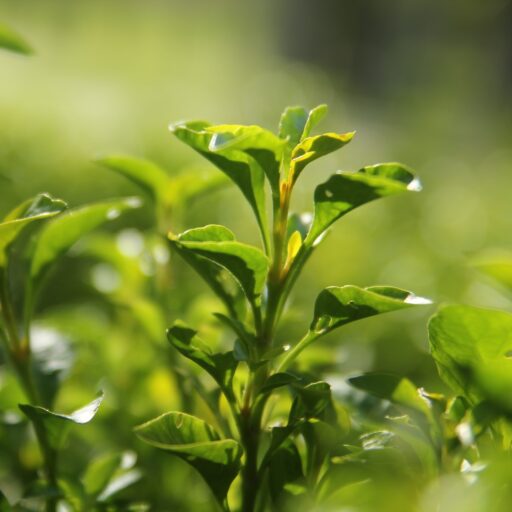
- Pluck: Pick the youngest, unopened buds (Silver Needle) or the bud and the first two leaves (White Peony).
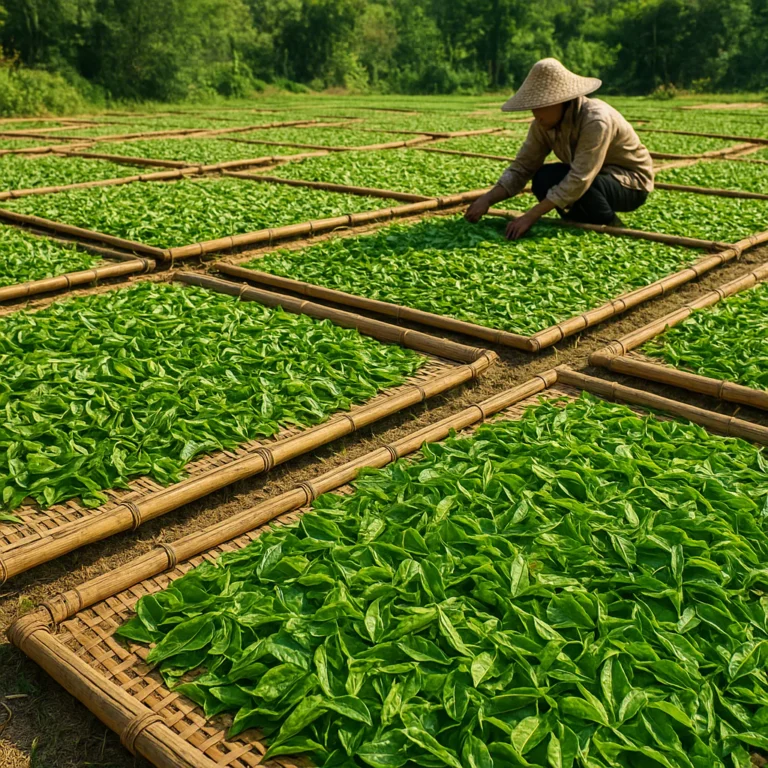
- Wither: Lay them out on a drying rack indoors for 24–72 hours until they lose about 60% of their moisture.
- Dry: Give them a very low-temperature bake (around 100°F – 110°F) or leave them in a sunny window until they are crisp.
That’s it! No rolling, no bruising, no fuss. It’s the “lazy Sunday” of tea processing. ✅
🌿 Camellia Sinensis: The One Plant to Rule Them All
If you want to grow white tea, you need to buy a Camellia sinensis plant. Don’t accidentally buy a Camellia japonica—it has beautiful flowers, but the tea tastes like lawn clippings. ❌
We recommend the Camellia sinensis var. sinensis variety for white tea. It’s more cold-hardy and produces those smaller, delicate leaves that are perfect for a light brew. You can find high-quality starters at places like Logee’s Plants for Home & Garden or even through specialized sellers on Amazon.
🏡 Setting the Stage: Ideal Conditions for Your Home Tea Garden
You can’t just stick a tea plant in the mud and hope for the best. These plants are a bit like Goldilocks—they want everything just right.
- The Soil: Tea plants hate “wet feet.” If your soil is heavy clay, your plant will stage a protest and die. Use a mix of peat moss, aged compost, and perlite.
- The Pot: If you’re growing indoors or in a cold climate, use a large terracotta or fabric pot (like Smart Pots).
- The Humidity: Tea loves a humid environment. If you’re growing indoors, mist your plant or use a pebble tray.
💡 10 Essential Tips for Growing White Tea at Home
MasterClass might give you 7 tips, but here at Growing Teas™, we go the extra mile. Here are 10 expert secrets to tea-growing glory:
- Test Your pH: Buy a Sonkir Soil pH Meter. If the soil isn’t acidic enough, the plant can’t “eat” the nutrients.
- Mulch Like You Mean It: Use pine needles or bark. It keeps the roots cool and adds acidity as it breaks down.
- Patience is a Virtue: Don’t harvest in the first two years. Let the plant build its “engine” (root system) first.
- Morning Sun, Afternoon Shade: Tea leaves can get “sunburned.” Give them that gentle morning glow.
- Prune for Plucking: Prune the top of the plant to keep it at a “plucking table” height (about 3-4 feet). This encourages more “flushes” (new growth).
- Feed the Beast: Use an organic acid-loving fertilizer in early spring and mid-summer.
- Watch for Spider Mites: If you see tiny webs, blast them off with water or use Neem oil.
- Winter Protection: If a freeze is coming, wrap your outdoor plants in burlap or bring the pots inside.
- Water with Rainwater: Tap water is often too alkaline. Your tea plant prefers the “natural vintage” of a rain barrel.
- Talk to Your Plants: Okay, maybe it doesn’t help the tea, but it makes the gardening more fun! 🗣️🌿
🌱 Planting Your Tea Garden: From Seedlings to Shrubs
When you’re ready to get your hands dirty, follow these steps:
Step 1: The Soak If you’re starting from seeds (which is a challenge!), soak them for 24 hours. Discard any that float—they’re “duds.”
Step 2: The Dig Dig a hole twice as wide as the root ball but no deeper. Tea plants have shallow roots that like to spread out.
Step 3: The Placement Gently tease the roots if they are pot-bound. Place the plant in the hole, ensuring the soil level matches the level in the nursery pot. Do not bury the stem! ❌
Step 4: The First Drink Water deeply immediately after planting to settle the air pockets.
🏴 The Highland Steep: Why You Should Visit Scotland for Tea Inspiration
Wait, Scotland? For tea? Absolutely! 🏴
While we wait for our home plants to grow, we often dream of a trip to the Scottish Highlands. Believe it or not, Scotland is becoming a hub for “cold-press” and hardy tea growing.
Why you should visit (once travel allows):
- The Wee Tea Company: Based in Dunfermline, they were pioneers in Scottish tea.
- Broich Tea Garden: Located in Crieff, they produce award-winning tea in a climate that shouldn’t allow it!
- Tea Gardens of Scotland: A collective of growers showing that Camellia sinensis can handle the mist and the cold.
Visiting these estates will give you incredible insight into how to manage tea in less-than-tropical conditions. Plus, the views aren’t bad either! 🏔️
🛠️ Troubleshooting: When Your Tea Plant Throws a Tantrum
- Yellow Leaves? Usually a sign of high pH (iron chlorosis). Add some sulfur or chelated iron.
- Brown Edges? Likely underwatering or “wind burn.” Move it to a more sheltered spot.
- No New Growth? It might be “dormant.” Tea plants need a rest period in winter. Don’t over-fertilize during this time!
✂️ Harvesting the Silver: When and How to Pick
This is the moment of truth! For white tea, timing is everything.
- The Spring Flush: The first growth of spring is the most prized. This is when you get the “Silver Needles.”
- The Technique: Use your thumb and forefinger to “snap” the bud. Don’t use scissors unless they are incredibly sharp, like Felco F-2 Hand Pruners, to avoid crushing the stem.
- The Rule of Two: Always leave enough leaves on the branch so the plant can still photosynthesize.
🔥 The Processing Secret: Turning Leaves into White Gold
Once you’ve harvested your handful of buds, don’t just throw them in hot water!
- Spread them out: Use a bamboo tray or a clean window screen.
- Airflow is King: Ensure there is a gentle breeze.
- The “Snap” Test: When the stems snap cleanly rather than bending, your tea is ready for storage.
- Store: Keep in a cool, dark place in an airtight tin. White tea actually improves with a little bit of age!
✨ Conclusion

Growing white tea at home is a journey of patience, acidity, and a little bit of magic. Whether you’re tending a single pot on a sunny windowsill or planting a hedge in your garden, the reward of sipping a cup of tea you grew yourself is unparalleled. It’s delicate, it’s sweet, and it’s 100% yours.
So, are you ready to trade your morning coffee for a home-grown Silver Needle? We think your taste buds (and your garden) will thank you!
🔗 Recommended Links
- The Tea Plant (Camellia Sinensis) – Gardening Know How
- How to Grow Your Own Tea – BBC Gardeners’ World
- Tea Gardens of Scotland Official Site
❓ FAQ

Q: Can I grow white tea indoors? A: Yes! But it needs a very bright spot (south-facing window) and plenty of humidity. It won’t grow as fast as it would outdoors, but it makes a beautiful houseplant.
Q: How long does it take to grow tea from seed? A: It can take 3–5 years before the plant is large enough for a significant harvest. Buying a 2-year-old starter plant is a much faster route to your first cup!
Q: Is white tea high in caffeine? A: It varies. Because white tea consists of young buds (which the plant loads with caffeine to deter bugs), it can actually be quite high in caffeine, despite its delicate flavor.
📚 Reference Links
- International Journal of Tea Science
- USDA Plant Guide: Camellia sinensis
- The Spruce: How to Grow and Care for Tea Plants
⚡️ Quick Tips and Facts
Before we dive into the dirt, here’s the “steep” on what you need to know right now. Growing white tea isn’t just for monks in the Fujian mountains; you can do it in your backyard or even a sunny living room!
| Feature | Requirement |
|---|---|
| Plant Species | Camellia sinensis (specifically var. sinensis) |
| USDA Hardiness Zones | 7 through 9 (can be grown in pots in colder zones) |
| Soil pH | Acidic (4.5 to 6.5) — think azaleas and blueberries! |
| Sunlight | Dappled shade to full sun (protect from harsh afternoon heat) |
| Watering | Consistent moisture, but never soggy feet ❌ |
| First Harvest | 2–3 years for a young plant to establish |
| Best Fertilizer | High nitrogen, organic (like Espoma Holly-tone) |
Fun Fact: Did you know that white, green, oolong, and black tea all come from the exact same plant? The difference is all in the “spa treatment” (processing) the leaves receive after they’re picked! 🧖 ♀️
📜 The Legend of the Pale Leaf: A History of White Tea

At Growing Teas™, we love a good origin story. White tea was once so rare it was reserved strictly for Chinese royalty. During the Song Dynasty, it was the “Emperor’s Choice,” often ground into a fine powder (a precursor to matcha, but much lighter).
The name “white tea” comes from the fine, silvery-white hairs (trichomes) that cover the unopened buds. These hairs protect the young plant from insects and UV rays, but for us, they signify the sweetest, most delicate flavor profile on the planet. Historically, the best white tea comes from the Fujian province, specifically Fuding and Zhenghe. But hey, who says your backyard in Ohio or your balcony in London can’t be the next great tea estate? 🌍
🍵 What Exactly is White Tea? (And How to Craft It in Your Kitchen)
You might be wondering, “If it’s the same plant, why is white tea so special?”
White tea is the least processed of all teas. While black tea is fully oxidized (turned brown by air) and green tea is “fixed” with heat to stay green, white tea is simply withered and dried.
To make it at home:
- Pluck: Pick the youngest, unopened buds (Silver Needle) or the bud and the first two leaves (White Peony).
- Wither: Lay them out on a drying rack indoors for 24–72 hours until they lose about 60% of their moisture.
- Dry: Give them a very low-temperature bake (around 100°F – 110°F) or leave them in a sunny window until they are crisp.
That’s it! No rolling, no bruising, no fuss. It’s the “lazy Sunday” of tea processing. ✅
🌿 Camellia Sinensis: The One Plant to Rule Them All
If you want to grow white tea, you need to buy a Camellia sinensis plant. Don’t accidentally buy a Camellia japonica—it has beautiful flowers, but the tea tastes like lawn clippings. ❌
We recommend the Camellia sinensis var. sinensis variety for white tea. It’s more cold-hardy and produces those smaller, delicate leaves that are perfect for a light brew. You can find high-quality starters at places like Logee’s Plants for Home & Garden or even through specialized sellers on Amazon.
🏡 Setting the Stage: Ideal Conditions for Your Home Tea Garden
You can’t just stick a tea plant in the mud and hope for the best. These plants are a bit like Goldilocks—they want everything just right.
- The Soil: Tea plants hate “wet feet.” If your soil is heavy clay, your plant will stage a protest and die. Use a mix of peat moss, aged compost, and perlite.
- The Pot: If you’re growing indoors or in a cold climate, use a large terracotta or fabric pot (like Smart Pots).
- The Humidity: Tea loves a humid environment. If you’re growing indoors, mist your plant or use a pebble tray.
💡 10 Essential Tips for Growing White Tea at Home
MasterClass might give you 7 tips, but here at Growing Teas™, we go the extra mile. Here are 10 expert secrets to tea-growing glory:
- Test Your pH: Buy a Sonkir Soil pH Meter. If the soil isn’t acidic enough, the plant can’t “eat” the nutrients.
- Mulch Like You Mean It: Use pine needles or bark. It keeps the roots cool and adds acidity as it breaks down.
- Patience is a Virtue: Don’t harvest in the first two years. Let the plant build its “engine” (root system) first.
- Morning Sun, Afternoon Shade: Tea leaves can get “sunburned.” Give them that gentle morning glow.
- Prune for Plucking: Prune the top of the plant to keep it at a “plucking table” height (about 3-4 feet). This encourages more “flushes” (new growth).
- Feed the Beast: Use an organic acid-loving fertilizer in early spring and mid-summer.
- Watch for Spider Mites: If you see tiny webs, blast them off with water or use Neem oil.
- Winter Protection: If a freeze is coming, wrap your outdoor plants in burlap or bring the pots inside.
- Water with Rainwater: Tap water is often too alkaline. Your tea plant prefers the “natural vintage” of a rain barrel.
- Talk to Your Plants: Okay, maybe it doesn’t help the tea, but it makes the gardening more fun! 🗣️🌿
🌱 Planting Your Tea Garden: From Seedlings to Shrubs
When you’re ready to get your hands dirty, follow these steps:
Step 1: The Soak If you’re starting from seeds (which is a challenge!), soak them for 24 hours. Discard any that float—they’re “duds.”
Step 2: The Dig Dig a hole twice as wide as the root ball but no deeper. Tea plants have shallow roots that like to spread out.
Step 3: The Placement Gently tease the roots if they are pot-bound. Place the plant in the hole, ensuring the soil level matches the level in the nursery pot. Do not bury the stem! ❌
Step 4: The First Drink Water deeply immediately after planting to settle the air pockets.
🏴 The Highland Steep: Why You Should Visit Scotland for Tea Inspiration
Wait, Scotland? For tea? Absolutely! 🏴
While we wait for our home plants to grow, we often dream of a trip to the Scottish Highlands. Believe it or not, Scotland is becoming a hub for “cold-press” and hardy tea growing.
Why you should visit (once travel allows):
- The Wee Tea Company: Based in Dunfermline, they were pioneers in Scottish tea.
- Broich Tea Garden: Located in Crieff, they produce award-winning tea in a climate that shouldn’t allow it!
- Tea Gardens of Scotland: A collective of growers showing that Camellia sinensis can handle the mist and the cold.
Visiting these estates will give you incredible insight into how to manage tea in less-than-tropical conditions. Plus, the views aren’t bad either! 🏔️
🛠️ Troubleshooting: When Your Tea Plant Throws a Tantrum
- Yellow Leaves? Usually a sign of high pH (iron chlorosis). Add some sulfur or chelated iron.
- Brown Edges? Likely underwatering or “wind burn.” Move it to a more sheltered spot.
- No New Growth? It might be “dormant.” Tea plants need a rest period in winter. Don’t over-fertilize during this time!
✂️ Harvesting the Silver: When and How to Pick
This is the moment of truth! For white tea, timing is everything.
- The Spring Flush: The first growth of spring is the most prized. This is when you get the “Silver Needles.”
- The Technique: Use your thumb and forefinger to “snap” the bud. Don’t use scissors unless they are incredibly sharp, like Felco F-2 Hand Pruners, to avoid crushing the stem.
- The Rule of Two: Always leave enough leaves on the branch so the plant can still photosynthesize.
🔥 The Processing Secret: Turning Leaves into White Gold
Once you’ve harvested your handful of buds, don’t just throw them in hot water!
- Spread them out: Use a bamboo tray or a clean window screen.
- Airflow is King: Ensure there is a gentle breeze.
- The “Snap” Test: When the stems snap cleanly rather than bending, your tea is ready for storage.
- Store: Keep in a cool, dark place in an airtight tin. White tea actually improves with a little bit of age!
✨ Conclusion

Growing white tea at home is a rewarding adventure that combines patience, precision, and a touch of botanical magic. From selecting the right Camellia sinensis var. sinensis plant to nurturing it with acidic soil, gentle sunlight, and consistent moisture, every step is a labor of love. The delicate buds you harvest and carefully air-dry will reward you with a cup of tea that’s not only delicious but also steeped in tradition and personal accomplishment.
What about the challenges? Well, patience is key—expect to wait 2 to 3 years before your first meaningful harvest. You’ll need to monitor soil pH, protect your plant from pests like spider mites, and shield it from harsh winter freezes if you’re outside USDA zones 7-9. But the payoff? A truly artisanal tea experience that few can claim.
If you’re considering products like the Espoma Holly-tone fertilizer or Felco F-2 Hand Pruners, these are trusted tools that help keep your tea plants healthy and your harvest precise.
In short: Growing white tea at home is absolutely doable, whether you have a garden plot or a sunny balcony. It’s a journey filled with learning, nurturing, and ultimately sipping the fruits of your labor. So, are you ready to trade your morning coffee for a home-grown Silver Needle? Your taste buds—and your garden—will thank you! 🍵🌿
🔗 Recommended Links
-
Espoma Holly-tone Fertilizer:
Amazon | Espoma Official Website -
Smart Pots Fabric Containers:
Amazon | Smart Pots Official Website -
Felco F-2 Hand Pruners:
Amazon | Felco Official Website -
Sonkir Soil pH Meter:
Amazon -
Books on Tea Cultivation and Processing:
❓ FAQ

What are the common pests and diseases affecting white tea plants at home?
Common pests include spider mites, aphids, and scale insects. Spider mites are particularly pesky in dry indoor environments, causing tiny webs and leaf discoloration. Neem oil or insecticidal soaps are effective organic treatments. Diseases are less common but can include root rot if overwatering occurs or fungal leaf spots in humid conditions. Maintaining good airflow and proper watering practices helps prevent these issues.
Can white tea plants thrive indoors or do they need outdoor planting?
White tea plants can thrive indoors if given the right conditions: bright, indirect sunlight (a south-facing window is ideal), consistent humidity, and well-draining acidic soil. However, outdoor planting in USDA zones 7-9 offers more natural conditions and typically faster growth. Indoor plants may grow slower and require more attentive humidity management, such as misting or pebble trays.
How long does it take to grow white tea leaves ready for harvest?
From seed, expect 3 to 5 years before your tea plant produces harvestable leaves. If you purchase a 1-2 year old starter plant, you might begin harvesting in 2 to 3 years. The first harvest should be light to allow the plant to establish itself. Regular pruning after the initial harvest encourages bushiness and more frequent flushes.
What are the ideal conditions for growing white tea plants at home?
White tea plants prefer:
- Soil: Acidic (pH 4.5–6.5), well-draining, rich in organic matter.
- Sunlight: Morning sun with afternoon shade or dappled light to prevent leaf scorch.
- Water: Consistent moisture without waterlogging. Use rainwater if possible to maintain acidity.
- Temperature: Mild climates, ideally USDA zones 7-9. Protect from frost and extreme heat.
- Humidity: Moderate to high humidity; misting indoors can help.
What care tips are essential for successfully cultivating white tea in a home garden?
- Soil Testing: Regularly check soil pH and amend with sulfur or peat moss to maintain acidity.
- Mulching: Use pine needles or bark mulch to retain moisture and add acidity.
- Pruning: Keep plants at a manageable height (~3-4 feet) to encourage new growth and ease harvesting.
- Pest Monitoring: Inspect leaves regularly for signs of pests and treat promptly.
- Winter Protection: Use burlap wraps or bring potted plants indoors during freezes.
- Fertilizing: Apply organic, nitrogen-rich fertilizers in early spring and mid-summer.
How do you process white tea leaves after harvesting?
After plucking the youngest buds and leaves, spread them out on bamboo trays or clean screens to wither and dry naturally for 1-3 days, depending on humidity. The goal is gentle dehydration without oxidation. When the stems snap cleanly, the tea is ready for storage in airtight, light-proof containers. Some growers lightly dry leaves in a low-temperature oven to ensure shelf stability, but this can affect flavor subtly.
📚 Reference Links
- Growing Tea: 7 Tips for Growing Tea Plants at Home – MasterClass
- Tea Gardens of Scotland – Make White Tea
- Backyard Boss – How to Grow White Tea
- Gardening Know How – Growing Tea Plants
- USDA Plant Guide: Camellia sinensis
- Espoma Fertilizers Official Site
- Felco Pruners Official Site
- Logee’s Plants for Home & Garden
We hope this guide from the tea growers at Growing Teas™ has brewed up your enthusiasm to cultivate your own white tea. Remember, every great cup starts with a single leaf—and a little patience! 🍃