Support our educational content for free when you purchase through links on our site. Learn more
🌱 Tea Cultivation for Beginners: 7 Expert Steps to Grow Your Own (2026)


Have you ever dreamed of brewing a cup of tea made from leaves you nurtured yourself? You’re not alone! Growing your own tea plant, Camellia sinensis, is an achievable and deeply rewarding hobby—even if you’re a total beginner. From understanding the perfect soil acidity to mastering the art of harvesting the tender top leaves, this guide from the tea growers at Growing Teas™ will walk you through every essential step.
Did you know that all true teas—black, green, oolong, and white—come from the same plant species? Yet, cultivating it requires a bit of botanical know-how and patience. Stick with us, and by the end, you’ll be ready to start your own backyard or balcony tea garden, no matter your climate. Plus, we’ll reveal insider tips on processing your leaves at home for that fresh-from-the-garden flavor!
Key Takeaways
- Tea comes from one plant: Camellia sinensis is the source of all true teas, so focus your efforts here.
- Soil matters: Acidic, well-draining soil with a pH between 5.5 and 6.5 is essential for healthy growth.
- Climate and care: Partial shade, consistent moisture, and frost protection for young plants are key to success.
- Patience pays off: Expect about 3 years before your tea plants mature enough for harvesting.
- Harvest smart: Pluck the top two leaves and a bud regularly to encourage bushier growth and better yields.
- Processing at home: Withering, rolling, and drying your leaves can be done DIY-style to craft your own unique teas.
Ready to brew your first homegrown cup? Let’s dive in!
Table of Contents
- ⚡️ Quick Tips and Essential Facts for Tea Cultivation Beginners
- 🌱 The Fascinating Origins and History of Tea Cultivation
- 🍃 Understanding the Tea Plant: Camellia sinensis Explained
- 🌞 Ideal Growing Conditions for Thriving Tea Plants
- 🌱 1. How to Grow Tea from Seeds: Step-by-Step Guide
- 🌿 2. Propagating Tea Plants Using Cuttings and Grafting Techniques
- ✂️ 3. Mastering the Art of Harvesting Tea Leaves for Quality Brews
- 🍵 4. Processing Tea Leaves at Home: From Withering to Drying
- 🧰 5. Best Tea Growing Kits for Beginners: What to Look For
- 🌿 Companion Planting: Growing Mint and Other Herbs Alongside Tea
- 🌍 Sustainable and Organic Practices in Tea Cultivation
- 📅 Seasonal Care and Maintenance Tips for Your Tea Garden
- 🏡 Creating Your Own Backyard Tea Garden: Design and Layout Ideas
- 🔍 Troubleshooting Common Tea Plant Problems and Pests
- 📈 The Tea Production Process: From Leaf to Cup
- 🛒 Where to Find Quality Tea Plants and Supplies Near You
- 🎉 Top 10 Fascinating Facts About Tea You Didn’t Know
- 🔚 Conclusion: Your Journey to Growing Perfect Tea Starts Here
- 🔗 Recommended Links for Tea Cultivation Enthusiasts
- ❓ Frequently Asked Questions About Growing Tea
- 📚 Reference Links and Further Reading
⚡️ Quick Tips and Essential Facts for Tea Cultivation Beginners
So, you’re dreaming of sipping your very own homegrown brew? Excellent! We, the tea-obsessed growers at Growing Teas™, are here to tell you that cultivating your own tea isn’t just a pipe dream—it’s a wonderfully rewarding reality waiting to blossom in your garden or even on your patio! But before we dive deep into the verdant world of Camellia sinensis, let’s get you started with some quick, potent sips of wisdom.
First off, let’s address the elephant in the tea garden: How hard is tea to grow? Well, we’ve got a whole article dedicated to that very question right here: How hard is tea to grow?. The short answer? It’s more accessible than you might think, especially with a little guidance!
Here are some rapid-fire facts and tips to get your green thumb tingling:
- True Tea Comes from One Plant: Forget what you thought you knew! All “true” teas—black, green, oolong, white, and pu-erh—come from the leaves of a single species: Camellia sinensis. Herbal infusions, while delicious, are a different botanical beast. ✅
- Acid-Loving Soil is Key: Your tea plant craves acidic, well-draining soil. Think rhododendrons and azaleas; if they thrive in your area, your tea plant likely will too! pH between 5.5 and 6.5 is ideal.
- Partial Shade is a Friend: While tea plants love light, especially in warmer climates, partial shade (especially afternoon shade) can protect them from scorching and help develop those delicate flavors. As our friends at Love the Garden wisely note, Camellia sinensis “prefers a bright, sheltered spot with partial shade.” Love the Garden
- Patience, Young Padawan: Growing tea from seed can take time. Germination alone can be 6-8 weeks, and it’ll be about 3 years before your plant is mature enough for a decent harvest. But oh, the anticipation! ⏳
- Container Friendly: Don’t have a sprawling estate? No problem! Tea plants are excellent for container growing, making them perfect for balconies, patios, or even sunny windowsills. This also helps manage soil conditions and protect young plants from frost.
- Frost Protection for Babies: Young tea plants are sensitive souls. For their first two winters, especially in colder climates, protect them from frost by bringing them indoors or providing ample insulation.
- Harvesting Encourages Growth: Don’t be shy! Regular harvesting of the “flush” (the top two leaves and a bud) actually encourages your plant to become bushier and produce more tea. It’s a win-win! ✂️
- UK Tea Dreams? Not So Crazy! As Love the Garden points out, “Growing tea in the UK may not be as crazy as you might think, as its origins are in the chilly foothills of the Himalayas.” So, wherever you are, don’t dismiss the possibility!
Ready to dig deeper? Let’s journey back to where it all began!
🌱 The Fascinating Origins and History of Tea Cultivation

Imagine a world without tea. Hard to picture, right? This beloved beverage has woven itself into the fabric of cultures worldwide, but its journey began thousands of years ago, shrouded in a delightful mist of legend and history. Here at Growing Teas™, we believe understanding tea’s past enriches every sip of its present.
The story of tea, as we know it, begins in ancient China. While precise dates are debated, the most popular legend credits Emperor Shen Nung (also known as the Divine Farmer) with its discovery around 2737 BCE. The tale goes that while boiling water under a Camellia sinensis tree, a few leaves drifted into his pot. Intrigued by the pleasant aroma and invigorating taste, he sampled the accidental brew, and thus, tea was born! Whether true or not, this charming anecdote highlights tea’s ancient roots. Farm Flavor notes that “Tea has been enjoyed for over 5,000 years; first legend dates to 2600 BC in China.” Farm Flavor
From its humble beginnings as a medicinal tonic, tea slowly transformed into a revered beverage, a cornerstone of spiritual practices, and eventually, a global commodity. Buddhist monks carried tea seeds and knowledge to Japan, leading to the development of elaborate tea ceremonies. European traders, particularly the Dutch and later the British, introduced tea to the Western world, sparking a demand that reshaped economies and even led to historical events (hello, Boston Tea Party!).
Did you know? The very first tea plants were likely wild, growing in the mountainous regions bordering China, India, and Myanmar. Over millennia, selective cultivation led to the distinct varieties we know today. This rich history is a testament to the enduring appeal and adaptability of this incredible plant.
🍃 Understanding the Tea Plant: Camellia sinensis Explained
Alright, let’s get down to brass tacks and meet the star of our show: Camellia sinensis. This isn’t just any shrub; it’s the source of all true tea, a botanical marvel that has captivated humanity for millennia. As expert tea growers, we can tell you that understanding this plant is the first step to cultivating your own delicious brew.
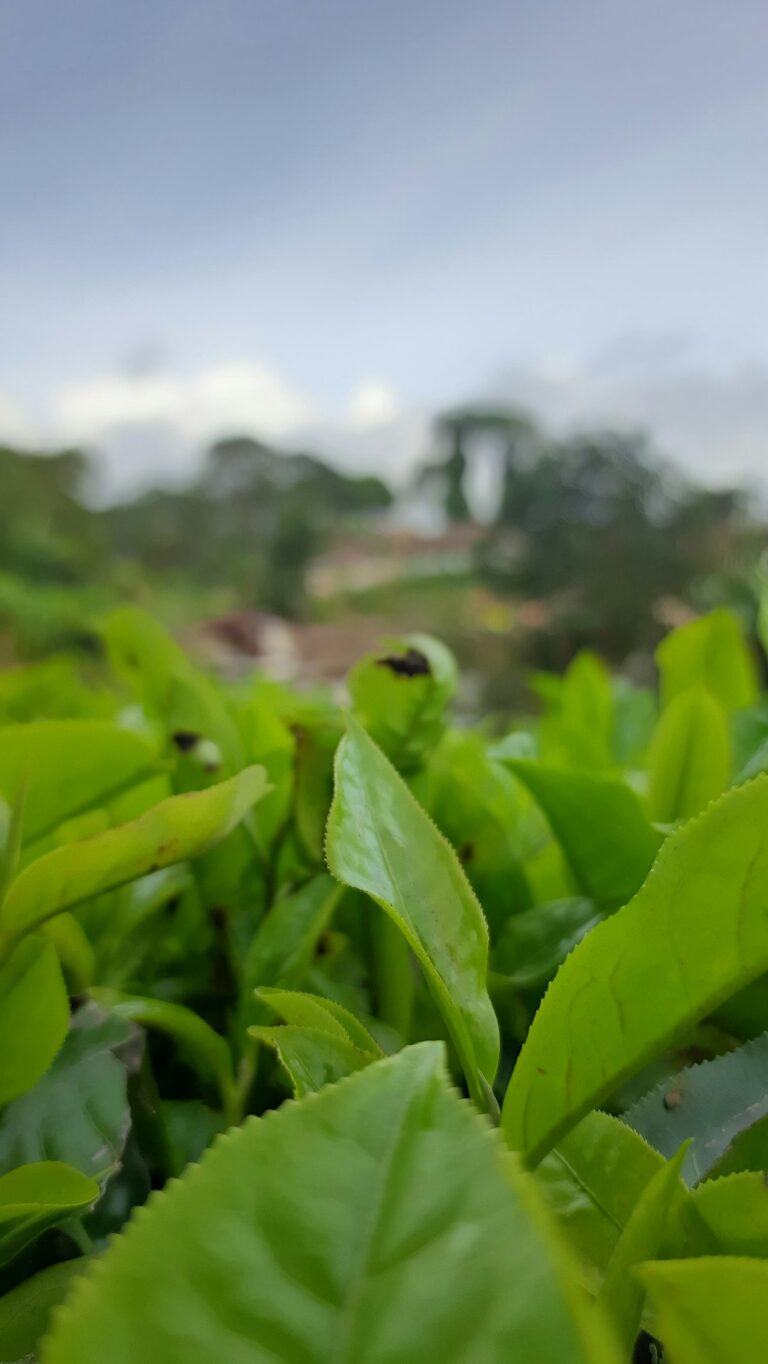
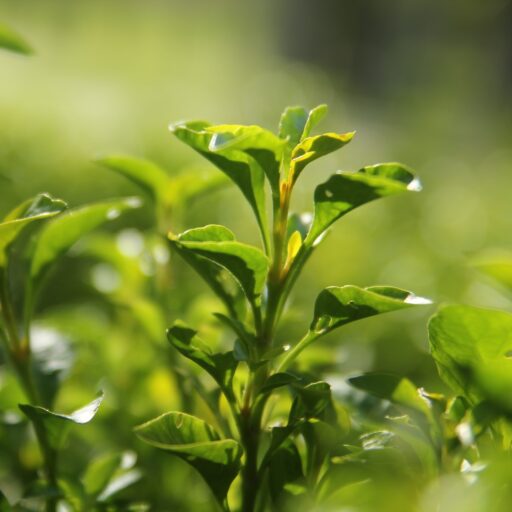
Camellia sinensis is a hardy evergreen shrub or small tree, belonging to the Theaceae family. It’s a cousin to the ornamental camellias you might see in gardens, but don’t confuse them! While beautiful, those won’t give you a cuppa. The leaves are typically glossy green, pointed, and slightly serrated, often with a delicate fragrance, especially when young. In autumn, mature plants can produce delicate white or pale yellow flowers with prominent yellow stamens, adding a touch of beauty to your tea garden.
The Two Main Varieties: Sinensis vs. Assamica
While all true tea comes from Camellia sinensis, there are two primary varieties that dominate commercial tea production, and it’s good to know the difference for your home garden:
-
Camellia sinensis var. sinensis:
- Origin: China.
- Characteristics: Smaller leaves, more cold-hardy, grows into a bushier shrub.
- Best For: Producing delicate, nuanced teas like most green teas and white teas. It’s often preferred for home cultivation in temperate climates due to its resilience.
- Our Take: This is generally the recommended variety for beginners, especially if you’re in a region with cooler winters. Its hardiness makes it more forgiving.
-
Camellia sinensis var. assamica:
- Origin: Assam region of India.
- Characteristics: Larger leaves, less cold-hardy, grows into a small tree.
- Best For: Producing robust, malty teas like most black teas.
- Our Take: While it yields a strong brew, assamica requires warmer, more tropical conditions. If you’re in a truly warm climate, go for it! Otherwise, stick with sinensis.
Why does this matter? When sourcing seeds or saplings, ensure you’re getting the variety that best suits your climate and desired tea type. Love the Garden specifically advises, “Use seeds from reputable sources; ensure Camellia sinensis Sinensis, not Assamica.” Love the Garden
Understanding these distinctions will set you on the right path to cultivating your own tea, whether you’re aiming for a delicate green or a robust black. Want to learn more about specific tea types? Check out our Green Tea Cultivation section!
🌞 Ideal Growing Conditions for Thriving Tea Plants
So, you’ve met our star, Camellia sinensis. Now, let’s talk about creating its dream home! Just like us, tea plants thrive when their environment meets their specific needs. Getting these conditions right is paramount for a healthy, productive plant and, ultimately, a delicious cup of tea.
Soil: The Foundation of Flavor
This is arguably the most critical factor. Tea plants are acid-loving (ericaceous). They absolutely detest alkaline soil!
- pH Level: Aim for a soil pH between 5.5 and 6.5. Anything higher, and your plant will struggle to absorb essential nutrients, leading to yellowing leaves (chlorosis).
- Drainage: Tea plants hate “wet feet.” The soil must be free-draining to prevent root rot. Heavy clay soils are a no-go.
- Nutrient Rich: While not heavy feeders, they appreciate organic matter.
- Our Recommendation: If your native soil isn’t acidic, container planting is your best friend! Use a high-quality ericaceous compost or potting mix. We’ve had great success with brands like Miracle-Gro Azalea, Camellia, Rhododendron Potting Mix (available on Amazon). Love the Garden also suggests “ericaceous compost (e.g., Levington peat-free).” Love the Garden
Sunlight: Finding the Sweet Spot
Tea plants are a bit like Goldilocks when it comes to sun exposure – not too much, not too little, but just right!
- Full Sun to Partial Shade: In cooler climates, full sun (6+ hours direct sunlight) is often tolerated and can encourage robust growth. However, in hotter regions, partial shade (especially during the intense afternoon sun) is crucial to prevent leaf scorch and maintain leaf quality.
- Shelter: A sheltered spot from strong winds is always beneficial, as it reduces stress on the plant and helps retain moisture.
Water: Consistent Moisture, Not Soggy
- Regular Watering: Tea plants prefer consistently moist soil, but never waterlogged. This means regular watering, especially during dry spells and for container-grown plants.
- Quality of Water: If your tap water is very alkaline, consider using rainwater or filtered water to maintain soil acidity.
- Our Tip: Stick your finger about an inch into the soil. If it feels dry, it’s time to water!
Temperature and Humidity: A Cozy Climate
- Hardiness: Camellia sinensis var. sinensis is surprisingly hardy, often tolerating temperatures down to -10°C (14°F) once mature. However, young plants are much more vulnerable.
- Frost Protection: As Love the Garden advises, “Protect young plants from frost; bring indoors during first two winters.” This is a non-negotiable for us! We often use frost cloths or bring smaller pots into a garage or unheated sunroom.
- Humidity: Tea plants appreciate moderate to high humidity, which is why they thrive in misty, mountainous regions. If you’re in a very dry climate, occasional misting can help, especially for young plants.
Spacing: Room to Grow
- Bushy Growth: If planting multiple tea plants in the ground, space them about 1.5 meters (5 feet) apart to allow for bushiness and air circulation. Remember, they can grow up to 2 meters tall!
Table: Ideal Growing Conditions for Camellia sinensis
⚡️ Quick Tips and Essential Facts for Tea Cultivation Beginners
So, you’re dreaming of sipping your very own homegrown brew? Excellent! We, the tea-obsessed growers at Growing Teas™, are here to tell you that cultivating your own tea isn’t just a pipe dream—it’s a wonderfully rewarding reality waiting to blossom in your garden or even on your patio! But before we dive deep into the verdant world of Camellia sinensis, let’s get you started with some quick, potent sips of wisdom.
First off, let’s address the elephant in the tea garden: How hard is tea to grow? Well, we’ve got a whole article dedicated to that very question right here: How hard is tea to grow?. The short answer? It’s more accessible than you might think, especially with a little guidance!
Here are some rapid-fire facts and tips to get your green thumb tingling:
- True Tea Comes from One Plant: Forget what you thought you knew! All “true” teas—black, green, oolong, white, and pu-erh—come from the leaves of a single species: Camellia sinensis. Herbal infusions, while delicious, are a different botanical beast. ✅
- Acid-Loving Soil is Key: Your tea plant craves acidic, well-draining soil. Think rhododendrons and azaleas; if they thrive in your area, your tea plant likely will too! pH between 5.5 and 6.5 is ideal.
- Partial Shade is a Friend: While tea plants love light, especially in warmer climates, partial shade (especially afternoon shade) can protect them from scorching and help develop those delicate flavors. As our friends at Love the Garden wisely note, Camellia sinensis “prefers a bright, sheltered spot with partial shade.” Love the Garden
- Patience, Young Padawan: Growing tea from seed can take time. Germination alone can be 6-8 weeks, and it’ll be about 3 years before your plant is mature enough for a decent harvest. But oh, the anticipation! ⏳
- Container Friendly: Don’t have a sprawling estate? No problem! Tea plants are excellent for container growing, making them perfect for balconies, patios, or even sunny windowsills. This also helps manage soil conditions and protect young plants from frost.
- Frost Protection for Babies: Young tea plants are sensitive souls. For their first two winters, especially in colder climates, protect them from frost by bringing them indoors or providing ample insulation.
- Harvesting Encourages Growth: Don’t be shy! Regular harvesting of the “flush” (the top two leaves and a bud) actually encourages your plant to become bushier and produce more tea. It’s a win-win! ✂️
- UK Tea Dreams? Not So Crazy! As Love the Garden points out, “Growing tea in the UK may not be as crazy as you might think, as its origins are in the chilly foothills of the Himalayas.” So, wherever you are, don’t dismiss the possibility!
Ready to dig deeper? Let’s journey back to where it all began!
🌱 The Fascinating Origins and History of Tea Cultivation

Imagine a world without tea. Hard to picture, right? This beloved beverage has woven itself into the fabric of cultures worldwide, but its journey began thousands of years ago, shrouded in a delightful mist of legend and history. Here at Growing Teas™, we believe understanding tea’s past enriches every sip of its present.
The story of tea, as we know it, begins in ancient China. While precise dates are debated, the most popular legend credits Emperor Shen Nung (also known as the Divine Farmer) with its discovery around 2737 BCE. The tale goes that while boiling water under a Camellia sinensis tree, a few leaves drifted into his pot. Intrigued by the pleasant aroma and invigorating taste, he sampled the accidental brew, and thus, tea was born! Whether true or not, this charming anecdote highlights tea’s ancient roots. Farm Flavor notes that “Tea has been enjoyed for over 5,000 years; first legend dates to 2600 BC in China.” Farm Flavor
From its humble beginnings as a medicinal tonic, tea slowly transformed into a revered beverage, a cornerstone of spiritual practices, and eventually, a global commodity. Buddhist monks carried tea seeds and knowledge to Japan, leading to the development of elaborate tea ceremonies. European traders, particularly the Dutch and later the British, introduced tea to the Western world, sparking a demand that reshaped economies and even led to historical events (hello, Boston Tea Party!).
Did you know? The very first tea plants were likely wild, growing in the mountainous regions bordering China, India, and Myanmar. Over millennia, selective cultivation led to the distinct varieties we know today. This rich history is a testament to the enduring appeal and adaptability of this incredible plant.
🍃 Understanding the Tea Plant: Camellia sinensis Explained
Alright, let’s get down to brass tacks and meet the star of our show: Camellia sinensis. This isn’t just any shrub; it’s the source of all true tea, a botanical marvel that has captivated humanity for millennia. As expert tea growers, we can tell you that understanding this plant is the first step to cultivating your own delicious brew.
Camellia sinensis is a hardy evergreen shrub or small tree, belonging to the Theaceae family. It’s a cousin to the ornamental camellias you might see in gardens, but don’t confuse them! While beautiful, those won’t give you a cuppa. The leaves are typically glossy green, pointed, and slightly serrated, often with a delicate fragrance, especially when young. In autumn, mature plants can produce delicate white or pale yellow flowers with prominent yellow stamens, adding a touch of beauty to your tea garden.
The Two Main Varieties: Sinensis vs. Assamica
While all true tea comes from Camellia sinensis, there are two primary varieties that dominate commercial tea production, and it’s good to know the difference for your home garden:
-
Camellia sinensis var. sinensis:
- Origin: China.
- Characteristics: Smaller leaves, more cold-hardy, grows into a bushier shrub.
- Best For: Producing delicate, nuanced teas like most green teas and white teas. It’s often preferred for home cultivation in temperate climates due to its resilience.
- Our Take: This is generally the recommended variety for beginners, especially if you’re in a region with cooler winters. Its hardiness makes it more forgiving.
-
Camellia sinensis var. assamica:
- Origin: Assam region of India.
- Characteristics: Larger leaves, less cold-hardy, grows into a small tree.
- Best For: Producing robust, malty teas like most black teas.
- Our Take: While it yields a strong brew, assamica requires warmer, more tropical conditions. If you’re in a truly warm climate, go for it! Otherwise, stick with sinensis.
Why does this matter? When sourcing seeds or saplings, ensure you’re getting the variety that best suits your climate and desired tea type. Love the Garden specifically advises, “Use seeds from reputable sources; ensure Camellia sinensis Sinensis, not Assamica.” Love the Garden
Understanding these distinctions will set you on the right path to cultivating your own tea, whether you’re aiming for a delicate green or a robust black. Want to learn more about specific tea types? Check out our Green Tea Cultivation section!
🌞 Ideal Growing Conditions for Thriving Tea Plants
So, you’ve met our star, Camellia sinensis. Now, let’s talk about creating its dream home! Just like us, tea plants thrive when their environment meets their specific needs. Getting these conditions right is paramount for a healthy, productive plant and, ultimately, a delicious cup of tea.
Soil: The Foundation of Flavor
This is arguably the most critical factor. Tea plants are acid-loving (ericaceous). They absolutely detest alkaline soil!
- pH Level: Aim for a soil pH between 5.5 and 6.5. Anything higher, and your plant will struggle to absorb essential nutrients, leading to yellowing leaves (chlorosis).
- Drainage: Tea plants hate “wet feet.” The soil must be free-draining to prevent root rot. Heavy clay soils are a no-go.
- Nutrient Rich: While not heavy feeders, they appreciate organic matter.
- Our Recommendation: If your native soil isn’t acidic, container planting is your best friend! Use a high-quality ericaceous compost or potting mix. We’ve had great success with brands like Miracle-Gro Azalea, Camellia, Rhododendron Potting Mix (available on Amazon). Love the Garden also suggests “ericaceous compost (e.g., Levington peat-free).” Love the Garden
Sunlight: Finding the Sweet Spot
Tea plants are a bit like Goldilocks when it comes to sun exposure – not too much, not too little, but just right!
- Full Sun to Partial Shade: In cooler climates, full sun (6+ hours direct sunlight) is often tolerated and can encourage robust growth. However, in hotter regions, partial shade (especially during the intense afternoon sun) is crucial to prevent leaf scorch and maintain leaf quality.
- Shelter: A sheltered spot from strong winds is always beneficial, as it reduces stress on the plant and helps retain moisture.
Water: Consistent Moisture, Not Soggy
- Regular Watering: Tea plants prefer consistently moist soil, but never waterlogged. This means regular watering, especially during dry spells and for container-grown plants.
- Quality of Water: If your tap water is very alkaline, consider using rainwater or filtered water to maintain soil acidity.
- Our Tip: Stick your finger about an inch into the soil. If it feels dry, it’s time to water!
Temperature and Humidity: A Cozy Climate
- Hardiness: Camellia sinensis var. sinensis is surprisingly hardy, often tolerating temperatures down to -10°C (14°F) once mature. However, young plants are much more vulnerable.
- Frost Protection: As Love the Garden advises, “Protect young plants from frost; bring indoors during first two winters.” This is a non-negotiable for us! We often use frost cloths or bring smaller pots into a garage or unheated sunroom.
- Humidity: Tea plants appreciate moderate to high humidity, which is why they thrive in misty, mountainous regions. If you’re in a very dry climate, occasional misting can help, especially for young plants.
Spacing: Room to Grow
- Bushy Growth: If planting multiple tea plants in the ground, space them about 1.5 meters (5 feet) apart to allow for bushiness and air circulation. Remember, they can grow up to 2 meters tall!
Table: Ideal Growing Conditions for Camellia sinensis
⚡️ Quick Tips and Essential Facts for Tea Cultivation Beginners
So, you’re dreaming of sipping your very own homegrown brew? Excellent! We, the tea-obsessed growers at Growing Teas™, are here to tell you that cultivating your own tea isn’t just a pipe dream—it’s a wonderfully rewarding reality waiting to blossom in your garden or even on your patio! But before we dive deep into the verdant world of Camellia sinensis, let’s get you started with some quick, potent sips of wisdom.
First off, let’s address the elephant in the tea garden: How hard is tea to grow? Well, we’ve got a whole article dedicated to that very question right here: How hard is tea to grow?. The short answer? It’s more accessible than you might think, especially with a little guidance!
Here are some rapid-fire facts and tips to get your green thumb tingling:
- True Tea Comes from One Plant: Forget what you thought you knew! All “true” teas—black, green, oolong, white, and pu-erh—come from the leaves of a single species: Camellia sinensis. Herbal infusions, while delicious, are a different botanical beast. ✅
- Acid-Loving Soil is Key: Your tea plant craves acidic, well-draining soil. Think rhododendrons and azaleas; if they thrive in your area, your tea plant likely will too! pH between 5.5 and 6.5 is ideal.
- Partial Shade is a Friend: While tea plants love light, especially in warmer climates, partial shade (especially afternoon shade) can protect them from scorching and help develop those delicate flavors. As our friends at Love the Garden wisely note, Camellia sinensis “prefers a bright, sheltered spot with partial shade.” Love the Garden
- Patience, Young Padawan: Growing tea from seed can take time. Germination alone can be 6-8 weeks, and it’ll be about 3 years before your plant is mature enough for a decent harvest. But oh, the anticipation! ⏳
- Container Friendly: Don’t have a sprawling estate? No problem! Tea plants are excellent for container growing, making them perfect for balconies, patios, or even sunny windowsills. This also helps manage soil conditions and protect young plants from frost.
- Frost Protection for Babies: Young tea plants are sensitive souls. For their first two winters, especially in colder climates, protect them from frost by bringing them indoors or providing ample insulation.
- Harvesting Encourages Growth: Don’t be shy! Regular harvesting of the “flush” (the top two leaves and a bud) actually encourages your plant to become bushier and produce more tea. It’s a win-win! ✂️
- UK Tea Dreams? Not So Crazy! As Love the Garden points out, “Growing tea in the UK may not be as crazy as you might think, as its origins are in the chilly foothills of the Himalayas.” So, wherever you are, don’t dismiss the possibility!
Ready to dig deeper? Let’s journey back to where it all began!
🌱 The Fascinating Origins and History of Tea Cultivation

Imagine a world without tea. Hard to picture, right? This beloved beverage has woven itself into the fabric of cultures worldwide, but its journey began thousands of years ago, shrouded in a delightful mist of legend and history. Here at Growing Teas™, we believe understanding tea’s past enriches every sip of its present.
The story of tea, as we know it, begins in ancient China. While precise dates are debated, the most popular legend credits Emperor Shen Nung (also known as the Divine Farmer) with its discovery around 2737 BCE. The tale goes that while boiling water under a Camellia sinensis tree, a few leaves drifted into his pot. Intrigued by the pleasant aroma and invigorating taste, he sampled the accidental brew, and thus, tea was born! Whether true or not, this charming anecdote highlights tea’s ancient roots. Farm Flavor notes that “Tea has been enjoyed for over 5,000 years; first legend dates to 2600 BC in China.” Farm Flavor
From its humble beginnings as a medicinal tonic, tea slowly transformed into a revered beverage, a cornerstone of spiritual practices, and eventually, a global commodity. Buddhist monks carried tea seeds and knowledge to Japan, leading to the development of elaborate tea ceremonies. European traders, particularly the Dutch and later the British, introduced tea to the Western world, sparking a demand that reshaped economies and even led to historical events (hello, Boston Tea Party!).
Did you know? The very first tea plants were likely wild, growing in the mountainous regions bordering China, India, and Myanmar. Over millennia, selective cultivation led to the distinct varieties we know today. This rich history is a testament to the enduring appeal and adaptability of this incredible plant.
🍃 Understanding the Tea Plant: Camellia sinensis Explained
Alright, let’s get down to brass tacks and meet the star of our show: Camellia sinensis. This isn’t just any shrub; it’s the source of all true tea, a botanical marvel that has captivated humanity for millennia. As expert tea growers, we can tell you that understanding this plant is the first step to cultivating your own delicious brew.
Camellia sinensis is a hardy evergreen shrub or small tree, belonging to the Theaceae family. It’s a cousin to the ornamental camellias you might see in gardens, but don’t confuse them! While beautiful, those won’t give you a cuppa. The leaves are typically glossy green, pointed, and slightly serrated, often with a delicate fragrance, especially when young. In autumn, mature plants can produce delicate white or pale yellow flowers with prominent yellow stamens, adding a touch of beauty to your tea garden.
The Two Main Varieties: Sinensis vs. Assamica
While all true tea comes from Camellia sinensis, there are two primary varieties that dominate commercial tea production, and it’s good to know the difference for your home garden:
-
Camellia sinensis var. sinensis:
- Origin: China.
- Characteristics: Smaller leaves, more cold-hardy, grows into a bushier shrub.
- Best For: Producing delicate, nuanced teas like most green teas and white teas. It’s often preferred for home cultivation in temperate climates due to its resilience.
- Our Take: This is generally the recommended variety for beginners, especially if you’re in a region with cooler winters. Its hardiness makes it more forgiving.
-
Camellia sinensis var. assamica:
- Origin: Assam region of India.
- Characteristics: Larger leaves, less cold-hardy, grows into a small tree.
- Best For: Producing robust, malty teas like most black teas.
- Our Take: While it yields a strong brew, assamica requires warmer, more tropical conditions. If you’re in a truly warm climate, go for it! Otherwise, stick with sinensis.
Why does this matter? When sourcing seeds or saplings, ensure you’re getting the variety that best suits your climate and desired tea type. Love the Garden specifically advises, “Use seeds from reputable sources; ensure Camellia sinensis Sinensis, not Assamica.” Love the Garden
Understanding these distinctions will set you on the right path to cultivating your own tea, whether you’re aiming for a delicate green or a robust black. Want to learn more about specific tea types? Check out our Green Tea Cultivation section!
🌞 Ideal Growing Conditions for Thriving Tea Plants
So, you’ve met our star, Camellia sinensis. Now, let’s talk about creating its dream home! Just like us, tea plants thrive when their environment meets their specific needs. Getting these conditions right is paramount for a healthy, productive plant and, ultimately, a delicious cup of tea.
Soil: The Foundation of Flavor
This is arguably the most critical factor. Tea plants are acid-loving (ericaceous). They absolutely detest alkaline soil!
- pH Level: Aim for a soil pH between 5.5 and 6.5. Anything higher, and your plant will struggle to absorb essential nutrients, leading to yellowing leaves (chlorosis).
- Drainage: Tea plants hate “wet feet.” The soil must be free-draining to prevent root rot. Heavy clay soils are a no-go.
- Nutrient Rich: While not heavy feeders, they appreciate organic matter.
- Our Recommendation: If your native soil isn’t acidic, container planting is your best friend! Use a high-quality ericaceous compost or potting mix. We’ve had great success with brands like Miracle-Gro Azalea, Camellia, Rhododendron Potting Mix (available on Amazon). Love the Garden also suggests “ericaceous compost (e.g., Levington peat-free).” Love the Garden
Sunlight: Finding the Sweet Spot
Tea plants are a bit like Goldilocks when it comes to sun exposure – not too much, not too little, but just right!
- Full Sun to Partial Shade: In cooler climates, full sun (6+ hours direct sunlight) is often tolerated and can encourage robust growth. However, in hotter regions, partial shade (especially during the intense afternoon sun) is crucial to prevent leaf scorch and maintain leaf quality.
- Shelter: A sheltered spot from strong winds is always beneficial, as it reduces stress on the plant and helps retain moisture.
Water: Consistent Moisture, Not Soggy
- Regular Watering: Tea plants prefer consistently moist soil, but never waterlogged. This means regular watering, especially during dry spells and for container-grown plants.
- Quality of Water: If your tap water is very alkaline, consider using rainwater or filtered water to maintain soil acidity.
- Our Tip: Stick your finger about an inch into the soil. If it feels dry, it’s time to water!
Temperature and Humidity: A Cozy Climate
- Hardiness: Camellia sinensis var. sinensis is surprisingly hardy, often tolerating temperatures down to -10°C (14°F) once mature. However, young plants are much more vulnerable.
- Frost Protection: As Love the Garden advises, “Protect young plants from frost; bring indoors during first two winters.” This is a non-negotiable for us! We often use frost cloths or bring smaller pots into a garage or unheated sunroom.
- Humidity: Tea plants appreciate moderate to high humidity, which is why they thrive in misty, mountainous regions. If you’re in a very dry climate, occasional misting can help, especially for young plants.
Spacing: Room to Grow
- Bushy Growth: If planting multiple tea plants in the ground, space them about 1.5 meters (5 feet) apart to allow for bushiness and air circulation. Remember, they can grow up to 2 meters tall!
Table: Ideal Growing Conditions for Camellia sinensis
⚡️ Quick Tips and Essential Facts for Tea Cultivation Beginners
So, you’re dreaming of sipping your very own homegrown brew? Excellent! We, the tea-obsessed growers at Growing Teas™, are here to tell you that cultivating your own tea isn’t just a pipe dream—it’s a wonderfully rewarding reality waiting to blossom in your garden or even on your patio! But before we dive deep into the verdant world of Camellia sinensis, let’s get you started with some quick, potent sips of wisdom.
First off, let’s address the elephant in the tea garden: How hard is tea to grow? Well, we’ve got a whole article dedicated to that very question right here: How hard is tea to grow?. The short answer? It’s more accessible than you might think, especially with a little guidance!
Here are some rapid-fire facts and tips to get your green thumb tingling:
- True Tea Comes from One Plant: Forget what you thought you knew! All “true” teas—black, green, oolong, white, and pu-erh—come from the leaves of a single species: Camellia sinensis. Herbal infusions, while delicious, are a different botanical beast. ✅
- Acid-Loving Soil is Key: Your tea plant craves acidic, well-draining soil. Think rhododendrons and azaleas; if they thrive in your area, your tea plant likely will too! pH between 5.5 and 6.5 is ideal.
- Partial Shade is a Friend: While tea plants love light, especially in warmer climates, partial shade (especially afternoon shade) can protect them from scorching and help develop those delicate flavors. As our friends at Love the Garden wisely note, Camellia sinensis “prefers a bright, sheltered spot with partial shade.” Love the Garden
- Patience, Young Padawan: Growing tea from seed can take time. Germination alone can be 6-8 weeks, and it’ll be about 3 years before your plant is mature enough for a decent harvest. But oh, the anticipation! ⏳
- Container Friendly: Don’t have a sprawling estate? No problem! Tea plants are excellent for container growing, making them perfect for balconies
🔚 Conclusion: Your Journey to Growing Perfect Tea Starts Here

Well, fellow tea enthusiast, we’ve brewed a full pot of knowledge on tea cultivation for beginners! From the ancient origins of Camellia sinensis to the nitty-gritty of soil pH and sunlight, you now have the expert insights to confidently embark on your own tea-growing adventure.
Remember, patience is your best friend here. Tea plants take time—about 3 years to mature—but the reward of harvesting your own fresh leaves and crafting your personalized brew is worth every moment. Whether you choose to grow from seed or start with a sapling, keep your plants happy with acidic, well-draining soil, consistent moisture, and protection from frost in their early years.
If you’re considering a tea growing kit, look for ones that include quality seeds or young plants, ericaceous compost, and clear instructions. While kits can simplify the process, nothing beats the satisfaction of nurturing your tea plants from scratch.
By now, you might be wondering: Can I really grow tea in my backyard or balcony? The answer is a resounding YES! With the right conditions and care, tea cultivation is accessible to gardeners of all levels—even in cooler climates like the UK, as we’ve seen.
So, ready to get your hands dirty and start growing your own tea? We’re cheering you on every step of the way! For more tips and inspiration, explore our Green Tea Cultivation and Organic Farming Techniques categories.
🔗 Recommended Links for Tea Cultivation Enthusiasts
Ready to gear up? Here are some trusted products and resources to kickstart your tea garden:
-
Miracle-Gro Azalea, Camellia, Rhododendron Potting Mix:
Amazon | Walmart -
The Wee Tea Company (UK) – Homegrown Tea Plants and Kits:
Official Website -
Books to Deepen Your Tea Growing Knowledge:
-
Additional Herbal Tea Gardening Inspiration:
How to Grow an Herbal Tea Garden
❓ Frequently Asked Questions About Growing Tea
What are the essential steps for planting and maintaining a tea garden for beginners?
Answer:
Start by selecting the right variety (Camellia sinensis var. sinensis is best for beginners). Prepare acidic, well-draining soil or use ericaceous compost in containers. Sow seeds after soaking or plant young saplings. Keep soil consistently moist but not waterlogged. Provide partial shade and protect young plants from frost. Regularly prune and harvest the top two leaves and bud to encourage bushiness. Fertilize sparingly with azalea or camellia-specific feeds. Patience is key—expect about 3 years before your first meaningful harvest.
What are the basic requirements for growing tea plants at home?
Answer:
Tea plants need acidic soil (pH 5.5–6.5), good drainage, consistent moisture, and partial shade. They thrive in moderate temperatures but require frost protection when young. Container growing is ideal for controlling soil and climate conditions. Regular pruning and harvesting promote healthy growth. Using quality ericaceous compost and watering with rainwater or filtered water helps maintain soil acidity.
What are the best climate conditions for tea cultivation?
Answer:
Tea plants naturally grow in subtropical to tropical mountainous regions with moderate temperatures (10–30°C or 50–86°F) and high humidity. Var. sinensis tolerates cooler climates and can survive mild frost once mature. Partial shade protects leaves from scorching in hot climates. Consistent rainfall or irrigation is essential. Regions with misty mornings and well-drained slopes are ideal. Even temperate zones can grow tea with proper care and frost protection.
How do I prepare soil for growing tea plants?
Answer:
Test your soil pH; if alkaline, amend with sulfur or use ericaceous compost. Ensure soil is loose, rich in organic matter, and drains well. Avoid heavy clay or waterlogged soils. For containers, use commercial azalea or camellia potting mixes. Incorporate compost or leaf mold to boost nutrients and moisture retention. Maintain soil moisture without saturation to prevent root rot.
What are the common pests and diseases in tea cultivation?
Answer:
Tea plants can be affected by pests like tea mosquito bugs, aphids, scale insects, and spider mites. Diseases include root rot, blight, and leaf spot. Good cultural practices—proper spacing, pruning, and watering—reduce risks. Organic insecticidal soaps or neem oil can manage pests. Avoid overwatering to prevent fungal diseases. Regular inspection and early intervention are vital.
How long does it take for tea plants to mature for harvesting?
Answer:
Typically, tea plants take about 3 years to mature enough for a meaningful harvest. Seed-grown plants may take longer due to slower initial growth. Saplings or cuttings can shorten this time slightly. Once mature, you can harvest multiple flushes per year, mainly in spring and summer. Regular harvesting encourages bushier growth and better yields.
📚 Reference Links and Further Reading
-
Love the Garden: How to Grow Tea
https://www.lovethegarden.com/uk-en/article/how-grow-tea -
Farm Flavor: Beginner’s Guide to Growing a Tea Garden
https://farmflavor.com/lifestyle/a-beginners-guide-to-growing-a-tea-garden/ -
Chestnut Herbs: How to Grow an Herbal Tea Garden
https://chestnutherbs.com/how-to-grow-an-herbal-tea-garden/ -
Miracle-Gro Official Site
https://www.miraclegro.com/ -
The Wee Tea Company (UK)
https://weeteacompany.com/ -
USDA Plant Hardiness Zone Map (for climate suitability)
https://planthardiness.ars.usda.gov/
For more expert advice and tips, keep exploring Growing Teas™ at https://www.growingteas.com/. Your perfect cup of homegrown tea awaits! 🍵🌿