Support our educational content for free when you purchase through links on our site. Learn more
What Are the 14 Most Common Tea Plant Pests & Diseases? (2026) 🍃

Growing your own tea is a rewarding journey, but did you know that your beloved Camellia sinensis faces a battalion of pests and diseases ready to sabotage your harvest? From the stealthy Tea Mosquito Bug to the devastating Blister Blight fungus, these foes can turn a thriving tea garden into a withered patch if left unchecked. But fear not! At Growing Teas™, we’ve spent years cultivating, battling, and ultimately mastering the art of protecting tea plants naturally and sustainably.
In this comprehensive guide, we’ll unveil the 14 most common pests and diseases that plague tea plants and, more importantly, how you can prevent and manage them effectively. Curious about how a simple ladybug release once saved an entire tea patch from aphid devastation? Or how a hidden drainage issue nearly wiped out a young tea nursery? Stick around — these stories and expert tips await you below, alongside practical, eco-friendly strategies that anyone can implement. Ready to become the ultimate tea plant guardian? Let’s dive in!
Key Takeaways
- Early detection and regular inspection are crucial to managing tea plant health.
- The Tea Mosquito Bug, Thrips, Aphids, and Spider Mites top the list of insect pests to watch for.
- Fungal diseases like Blister Blight and Grey Blight thrive in humid conditions but can be controlled with good cultural practices and copper-based fungicides.
- Integrated Pest Management (IPM) combining cultural, biological, and chemical methods offers the most sustainable defense.
- Encouraging beneficial insects such as ladybugs and lacewings can naturally reduce pest populations.
- Maintaining healthy soil and proper drainage is your best defense against root diseases like collar rot and root rot.
- Organic remedies like neem oil, insecticidal soaps, and Bacillus thuringiensis (BT) sprays are effective, eco-friendly options.
- A seasonal management calendar helps anticipate and prevent outbreaks before they take hold.
Ready to protect your tea plants like a pro? Keep reading for detailed insights, personal stories, and actionable advice from the Growing Teas™ experts!
Table of Contents
- ⚡️ Quick Tips and Facts About Tea Plant Pests and Diseases
- 🌱 Understanding Tea Plant Vulnerabilities: A Brief Overview of Common Pests and Diseases
- 🐛 1. Top 7 Most Common Insect Pests That Attack Tea Plants
- 🦠 2. Common Fungal Diseases in Tea Plants and How to Spot Them
- 🧫 3. Bacterial and Viral Threats to Tea Plants: What You Need to Know
- 🛡️ 4. Integrated Pest Management (IPM) Strategies for Healthy Tea Gardens
- 🌿 5. Organic and Sustainable Methods to Protect Your Tea Plants
- 🔍 6. How to Diagnose Tea Plant Problems: Tools and Techniques
- 📅 7. Seasonal Pest and Disease Management Calendar for Tea Growers
- 🧑 🌾 8. Personal Stories from Our Tea Gardens: Lessons Learned Fighting Pests and Diseases
- 📚 Recommended Reading and Resources for Tea Plant Health
- ❓ Frequently Asked Questions (FAQ) About Tea Plant Pests and Diseases
- 📎 Reference Links and Scientific Sources
- 🎯 Conclusion: Keeping Your Tea Plants Thriving and Pest-Free
⚡️ Quick Tips and Facts About Tea Plant Pests and Diseases
Welcome, fellow tea enthusiasts! Here at Growing Teas™, we know the joy of nurturing your own tea plants, watching those vibrant green leaves unfurl. But let’s be real: sometimes, our leafy friends face challenges. Just like any living organism, tea plants (Camellia sinensis) can fall victim to pesky invaders and sneaky diseases. Don’t fret! With a little know-how and a proactive approach, you can keep your tea garden thriving. After all, growing tea isn’t just about planting; it’s about protecting! If you’re wondering how challenging it really is, check out our article on How hard is tea to grow?.
Here are some quick facts to get you started on your journey to robust tea plant health:
- Early Detection is Key: The sooner you spot a problem, the easier it is to manage. Regular inspections are your best friend! 🕵️ ♀️
- Healthy Soil, Healthy Plant: A strong foundation in nutrient-rich, well-draining soil makes your tea plants more resilient to stress. Think of it as their natural armor!
- Integrated Pest Management (IPM): This isn’t just a fancy term; it’s a holistic strategy combining cultural, biological, and chemical methods for sustainable pest and disease control.
- Know Your Enemy: Different pests and diseases require different tactics. Learning to identify common culprits is half the battle won.
- Prevention Over Cure: Many problems can be avoided with good garden hygiene, proper spacing, and adequate nutrition. An ounce of prevention is worth a pound of cure, especially in the tea patch!
- Water Wisely: Overwatering can lead to root rot, while underwatering stresses plants, making them vulnerable. Balance is everything. 💧
- Embrace Biodiversity: Encourage beneficial insects that prey on pests. Your garden is an ecosystem, not a monoculture! 🐞
🌱 Understanding Tea Plant Vulnerabilities: A Brief Overview of Common Pests and Diseases
Imagine a tea plant, standing tall and proud, its leaves glistening with morning dew. Beautiful, right? But even these resilient evergreens have their Achilles’ heel. Our experience at Growing Teas™ has taught us that understanding why tea plants are vulnerable is just as important as knowing what attacks them.
Tea plants, especially those grown in controlled environments or dense plantations, can face unique challenges. As noted by Hobby Farms, “Greenhouse pest and disease problems will vary depending on how the greenhouse is used, so you’ll need to experiment with the methods that work best for you.” While our tea fields aren’t always greenhouses, the principle holds true: a confined or stressed environment can amplify issues. Factors like consistent warmth, high humidity, and lack of natural predators can create a perfect storm for pests and diseases to flourish.
Why are tea plants susceptible?
- Monoculture Tendencies: Large tea estates often grow vast stretches of the same plant, creating an all-you-can-eat buffet for specialized pests.
- Environmental Stress: Fluctuations in temperature, humidity, or water availability can weaken a plant’s natural defenses.
- Nutrient Imbalances: Too much nitrogen can lead to lush, soft growth that’s a magnet for sap-sucking insects like aphids.
- Lack of Biodiversity: Without a healthy ecosystem of beneficial insects and microorganisms, pests and pathogens can multiply unchecked.
- Root System Sensitivity: Tea plants prefer well-drained, acidic soil. Poor drainage, as the RHS points out for roses, can lead to “root decay caused by waterlogging or poor drainage,” a problem equally detrimental to tea.
Our goal isn’t to eliminate every single bug or fungus – that’s often impossible and undesirable! Instead, it’s about creating a balanced, resilient ecosystem where your tea plants can thrive, naturally fending off most threats. We’ll dive into the specifics of these threats and, more importantly, how to empower your tea plants to fight back!
🐛 1. Top 7 Most Common Insect Pests That Attack Tea Plants
Alright, let’s talk about the tiny terrors that can turn your lush tea leaves into a sad, chewed-up mess. From our decades in the tea fields, we’ve seen them all! These aren’t just minor annoyances; they can significantly impact yield and quality. Identifying them early is crucial.
1.1 Tea Mosquito Bug (Helopeltis theivora)
This isn’t your average backyard mosquito! The Tea Mosquito Bug is a notorious pest in many tea-growing regions, causing significant damage.
- Identification: These slender, reddish-brown bugs are about 6-8mm long with a distinctive “pin-head” on their thorax. They’re quick and can be hard to spot.
- Damage: They feed by piercing young shoots, leaves, and buds, injecting toxins. This causes characteristic brownish-black spots that look like scorch marks, often surrounded by a yellow halo. Affected leaves become crinkled, distorted, and eventually dry up, leading to “blighted” shoots. The plant’s growth is severely stunted.
- Our Take: We’ve seen entire flushes decimated by these guys. They love warm, humid conditions, so vigilance during monsoon seasons is paramount.
- Prevention & Control:
- Cultural: Prune regularly to remove infested shoots. Maintain good field hygiene.
- Biological: Encourage natural predators like spiders and parasitic wasps.
- Chemical (as a last resort): Contact insecticides can be used, but always follow local regulations and prioritize organic options where possible. For serious infestations, products containing pyrethroids might be considered, but we always advocate for minimal use.
1.2 Tea Thrips (Scirtothrips dorsalis)
These tiny, slender insects are masters of stealth, often causing damage before you even realize they’re there. The first YouTube video in our article also highlights thrips as a common garden pest, noting their “silvery/papery texture or yellow mottling on leaves.”
- Identification: Thrips are tiny (1-2mm), yellowish-brown to black, cigar-shaped insects. They’re weak fliers but can hop. Look for them on the undersides of young leaves and in buds.
- Damage: They rasp the leaf surface and suck sap, causing a characteristic silvery sheen or bronzing on the leaves. Young leaves become distorted, crinkled, and may curl upwards. Severe infestations can lead to stunted growth and reduced tea quality.
- Our Take: Thrips are particularly fond of tender new growth, which is exactly what we harvest for tea!
- Prevention & Control:
- Cultural: Maintain good soil moisture, as dry conditions can favor thrips. Remove weeds that can host them.
- Biological: Introduce beneficial insects like green lacewings, pirate bugs, or predatory mites. You can often find these online.
- Chemical: Neem oil is highly effective against thrips. Apply it thoroughly, especially to the undersides of leaves. For severe outbreaks, the YouTube video suggests Pyrethrin sprays, but we recommend starting with less toxic options.
👉 Shop Neem Oil on: Amazon | Walmart
1.3 Red Spider Mite (Oligonychus coffeae)
Don’t let the name fool you; these aren’t true spiders, but tiny arachnids that can wreak havoc, especially in hot, dry conditions.
- Identification: These microscopic mites are reddish-brown and often found on the undersides of leaves. The most tell-tale sign is fine webbing they spin, particularly on heavily infested plants.
- Damage: They feed by piercing plant cells and sucking out chlorophyll, leading to tiny yellow or white spots (stippling) on the leaves. As damage progresses, leaves turn bronze, then reddish-brown, and may eventually drop.
- Our Take: We’ve seen entire sections of tea bushes turn a sickly bronze during dry spells when spider mites thrive. They multiply incredibly fast!
- Prevention & Control:
- Cultural: Regular overhead watering (a strong blast of water, as suggested for aphids in the YouTube video) can dislodge mites and increase humidity, which they dislike.
- Biological: Introduce predatory mites (e.g., Phytoseiulus persimilis).
- Chemical: Horticultural oils or insecticidal soaps are effective. Repeat applications are often necessary.
1.4 Tea Aphids (Toxoptera aurantii)
Ah, aphids. The bane of many a gardener’s existence, and tea plants are no exception. The first YouTube video provides excellent general advice on aphids, which applies perfectly here.
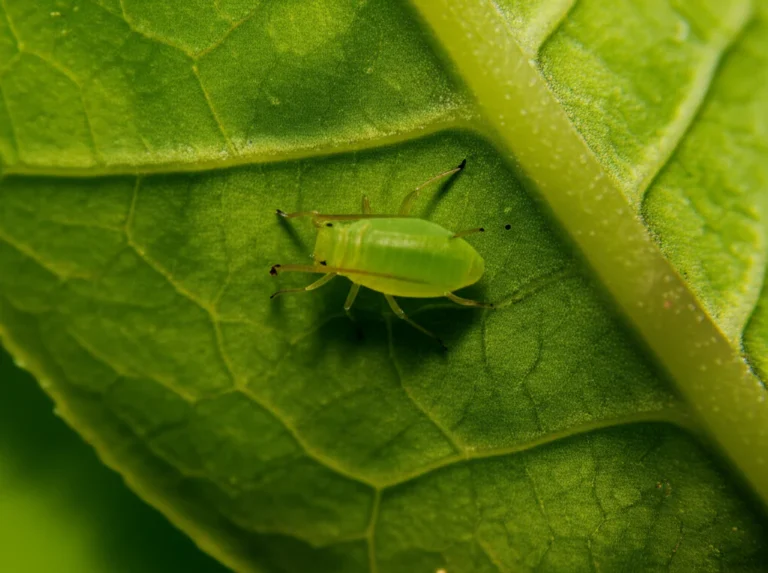
- Identification: Small, pear-shaped insects, often green, black, or brown, clustered on new shoots and leaf undersides. They can be winged or wingless. Often, you’ll see ants nearby, attracted to their sugary excretions.
- Damage: Aphids suck sap from tender new growth, causing leaf curl, distortion, and stunted shoots. They excrete honeydew, a sticky substance that attracts ants and promotes the growth of sooty mold, which further inhibits photosynthesis.
- Our Take: We once had a young tea nursery almost completely covered in sooty mold thanks to an aphid invasion. It was a sticky, black nightmare!
- Prevention & Control:
- Cultural: Avoid over-fertilizing with nitrogen, which encourages soft, succulent growth. Blast them off with a strong stream of water from a hose (as recommended in the YouTube video).
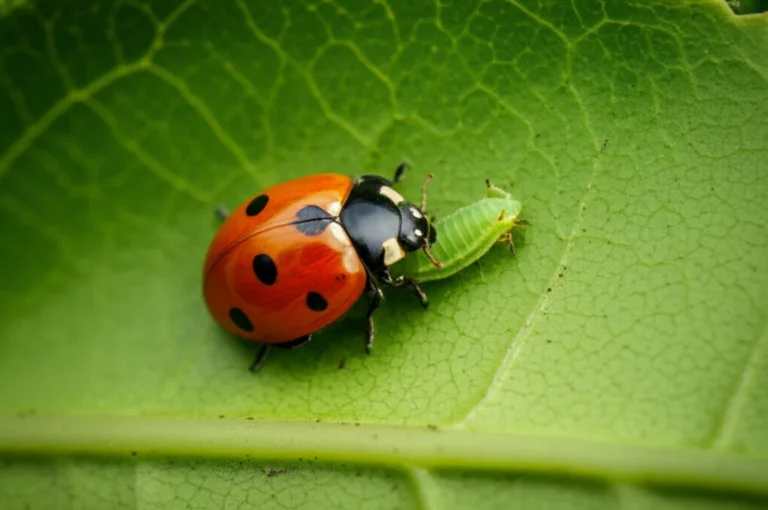
- Biological: Encourage natural predators like ladybugs, hoverflies, and parasitic wasps. Planting companion plants like dill and calendula (as suggested in the YouTube video) can attract these beneficials.
- Chemical: Insecticidal soaps or neem oil are very effective. Apply thoroughly, ensuring contact with the aphids.
👉 Shop Insecticidal Soap on: Amazon | Walmart
1.5 Tea Looper Caterpillars (Biston suppressaria)
These hungry caterpillars can defoliate a tea bush surprisingly quickly.
- Identification: Green or brownish caterpillars that move with a distinctive “looping” motion. They blend in remarkably well with tea foliage.
- Damage: They chew large, irregular holes in tea leaves, sometimes consuming entire leaves. Severe infestations can lead to significant defoliation, weakening the plant and reducing yield.
- Our Take: We’ve learned to spot the subtle signs of their munching – small holes that grow larger overnight. It’s like a tiny, green army marching through your tea patch!
- Prevention & Control:
- Cultural: Hand-pick caterpillars if the infestation is small. Maintain good garden hygiene.
- Biological: Encourage birds and parasitic wasps.
- Chemical: Bacillus Thuringiensis (BT) spray is a highly effective and organic solution. As the YouTube video explains, BT is a bacteria that, when ingested by caterpillars, “will tell it that it’s full and then it’ll essentially die.” It’s specific to caterpillars and safe for other beneficial insects.
👉 Shop Bacillus Thuringiensis (BT) on: Amazon | Walmart
1.6 Termites and Root Borers
These are the silent destroyers, often causing damage that goes unnoticed until it’s too late. They attack the very foundation of your tea plant.
- Identification: Termites are social insects that build tunnels or mounds, often near the base of the plant. Root borers are larvae of various beetles or moths that tunnel into the roots or lower stem.
- Damage: Termites chew through the bark and wood, weakening the plant and interfering with nutrient uptake. Root borers tunnel into roots, causing wilting, yellowing, and eventual plant death. This is akin to the “root decay” and “Phytophthora root rot” that the RHS mentions for roses, where root problems lead to overall plant decline.
- Our Take: We once lost a mature tea bush to root borers. It looked perfectly healthy above ground until one day it just… collapsed. A heartbreaking lesson in checking the roots!
- Prevention & Control:
- Cultural: Maintain healthy soil and avoid physical damage to the roots and collar region. Remove dead wood and debris from around the base of the plant.
- Biological: Beneficial nematodes can be effective against some soil-dwelling larvae like cutworms (as mentioned in the YouTube video) and potentially some root borers.
- Chemical: For severe termite infestations, specific termiticides may be necessary, but this should be a last resort and applied by professionals. For borers, systemic insecticides can sometimes be used, but again, with caution.
1.7 Whiteflies and Mealybugs
These sap-sucking insects are notorious for their sticky mess and ability to weaken plants. The YouTube video offers great advice on whiteflies, which we’ll expand upon.
- Identification:
- Whiteflies: Tiny, white, moth-like insects that fly up in a cloud when disturbed from the undersides of leaves.
- Mealybugs: Small, oval, soft-bodied insects covered in a white, waxy, cotton-like substance. They often cluster in leaf axils and along stems.
- Damage: Both suck sap, leading to yellowing, wilting, and stunted growth. Like aphids, they excrete honeydew, which leads to sooty mold. Whiteflies can also transmit viruses.
- Our Take: Mealybugs are particularly insidious because their waxy coating protects them from many sprays. Whiteflies, on the other hand, are just plain annoying when they swarm!
- Prevention & Control:
- Cultural: Blast whiteflies with water (YouTube video recommendation). Prune heavily infested leaves. Quarantine new plants (a good general practice from Hobby Farms).
- Biological: Introduce green lacewings, ladybugs, and parasitic wasps.
- Chemical: Neem oil is effective against both. For mealybugs, dab them directly with a cotton swab dipped in rubbing alcohol. The YouTube video also suggests citrus spray for whiteflies (2 cups citrus peels steeped in 4 cups boiling water, strained, and sprayed – a fantastic natural remedy from Hobby Farms!).
👉 Shop Neem Oil on: Amazon | Walmart
| Pest | Key Identification | Damage Symptoms | Primary Control Methods |
|---|---|---|---|
| Tea Mosquito Bug | Slender, reddish-brown bug, “pin-head” on thorax. | Brownish-black scorch marks, crinkled leaves, stunted shoots. | Pruning, natural predators, targeted insecticides. |
| Tea Thrips | Tiny (1-2mm), cigar-shaped, yellowish-brown. | Silvery sheen/bronzing, distorted, crinkled leaves. | Neem oil, predatory mites, good moisture. |
| Red Spider Mite | Microscopic, reddish, fine webbing on undersides. | Yellow stippling, bronzing, leaf drop. | Overhead watering, predatory mites, horticultural oils. |
| Tea Aphids | Pear-shaped, clustered on new growth, honeydew. | Leaf curl, distortion, sooty mold. | Water blasts, ladybugs, insecticidal soap, neem oil. |
| Tea Looper | Green/brown caterpillar, “looping” movement. | Irregular holes in leaves, defoliation. | Hand-picking, BT spray, birds. |
| Termites/Root Borers | Termite tunnels/mounds; borer larvae in roots/stems. | Wilting, yellowing, plant collapse, stem damage. | Healthy soil, remove debris, beneficial nematodes. |
| Whiteflies/Mealybugs | White, moth-like (whiteflies); waxy, cottony clusters (mealybugs). | Yellowing, wilting, honeydew, sooty mold. | Water blasts, neem oil, alcohol swabs, citrus spray. |
🦠 2. Common Fungal Diseases in Tea Plants and How to Spot Them
Fungal diseases are often the silent assassins of the tea garden. They can spread rapidly, especially in warm, humid conditions, and can severely impact the health and productivity of your tea plants. Our team at Growing Teas™ has battled many fungal foes, and we’ve learned that understanding their symptoms and life cycles is crucial for effective management.
2.1 Blister Blight (Exobasidium vexans)
This is arguably the most destructive fungal disease in many tea-growing regions, especially during periods of high humidity and rainfall.
- Identification: The name says it all! Look for characteristic blisters on young leaves, shoots, and buds. These start as small, translucent spots, then swell into pale, fleshy blisters on the upper surface, often with a white, spore-producing layer on the underside.
- Damage: Infected leaves become distorted, turn brown, and eventually fall off. Young shoots and buds are particularly vulnerable, leading to significant crop loss and reduced tea quality.
- Our Take: Blister blight can sweep through a tea field like wildfire. We’ve seen entire flushes rendered unusable in just a few days if not managed aggressively. It’s a constant battle during the wet season.
- Prevention & Control:
- Cultural: Pruning to remove infected material and improve air circulation. Proper spacing between plants.
- Chemical: Copper-based fungicides are a primary line of defense. Apply preventatively during high-risk periods. Always follow label instructions carefully.
👉 Shop Copper Fungicide on: Amazon | Walmart
2.2 Grey Blight (Pestalotiopsis theae)
A common leaf disease that can reduce photosynthetic capacity and overall plant vigor.
- Identification: Appears as greyish-brown spots with dark, irregular margins on mature leaves. Often, concentric rings or small black dots (fruiting bodies) can be seen within the spots.
- Damage: While not as immediately devastating as blister blight, severe infestations can lead to premature leaf drop, weakening the plant and making it more susceptible to other stresses.
- Our Take: Grey blight is often a sign of plant stress. We tend to see it more on older, less vigorous leaves or during periods of drought followed by rain.
- Prevention & Control:
- Cultural: Good garden hygiene – remove and destroy fallen infected leaves. Ensure adequate nutrition to maintain plant vigor.
- Chemical: Fungicides containing mancozeb or chlorothalonil can be used, but cultural practices are often sufficient for mild cases.
2.3 Red Rust (Cephaleuros parasiticus)
Despite its name, red rust is caused by a parasitic alga, not a fungus, but its symptoms are often confused with fungal rusts. The RHS mentions true rust (fungal) on roses, which also presents as spots and pustules, highlighting the visual similarity.
- Identification: Look for distinctive orange-red, velvety patches or pustules on leaves and young stems. These patches are the algal colonies.
- Damage: The alga penetrates plant tissue, causing localized damage, reduced photosynthesis, and can lead to dieback of young shoots. It’s particularly prevalent in humid conditions and on weakened plants.
- Our Take: Red rust can be quite alarming when you first see those bright orange spots! It’s a clear indicator that your plants might be under some environmental stress.
- Prevention & Control:
- Cultural: Prune out infected branches and improve air circulation. Maintain plant health and vigor.
- Chemical: Copper-based fungicides are effective against this algal parasite.
2.4 Root Rot and Collar Rot
These are insidious diseases that attack the plant below or at the soil line, often leading to sudden collapse. The RHS summary on rose diseases also emphasizes the importance of preventing “root decay caused by waterlogging or poor drainage” and “Phytophthora root rot,” which are directly analogous to these issues in tea.
- Identification: Symptoms often appear above ground as wilting, yellowing leaves, stunted growth, and sudden plant collapse, even when soil moisture seems adequate. Below ground, roots will appear mushy, discolored (brown or black), and may have a foul odor. Collar rot specifically affects the stem at the soil line, causing lesions or girdling.
- Damage: The pathogens (often Phytophthora or Fusarium species) destroy the root system or girdle the stem, preventing water and nutrient uptake, leading to plant death.
- Our Take: This is one of the most frustrating problems because by the time you see symptoms above ground, it’s often too late. We’ve learned that prevention is the only real cure here.
- Prevention & Control:
- Cultural: Excellent drainage is paramount! Ensure your soil is well-aerated and doesn’t remain waterlogged. Avoid planting too deeply. Use raised beds if your soil is heavy clay.
- Sanitation: Remove and destroy infected plants and surrounding soil to prevent spread.
- Soil Health: Incorporate plenty of organic matter to improve soil structure and promote beneficial microbial activity. Hobby Farms strongly advocates for “soil health maintenance” using compost and manure to prevent pest infestations and, by extension, diseases.
| Disease | Key Identification | Favored Conditions | Primary Control Methods |
|---|---|---|---|
| Blister Blight | Translucent blisters on young leaves/shoots, white spores. | High humidity, rainfall, cool temperatures. | Pruning, copper fungicides. |
| Grey Blight | Greyish-brown spots with dark margins on mature leaves. | Plant stress, high humidity, wet conditions. | Hygiene, plant vigor, fungicides (if severe). |
| Red Rust | Orange-red, velvety patches/pustules on leaves/stems. | High humidity, weakened plants. | Pruning, copper fungicides, plant vigor. |
| Root/Collar Rot | Wilting, yellowing, sudden collapse; mushy, discolored roots. | Poor drainage, waterlogging, heavy soils. | Excellent drainage, soil aeration, sanitation. |
🧫 3. Bacterial and Viral Threats to Tea Plants: What You Need to Know
While fungal diseases and insect pests are the most common adversaries in the tea garden, bacterial and viral infections can also pose serious, albeit less frequent, threats. These can be particularly challenging because, unlike a visible pest or a distinct fungal lesion, their symptoms can be subtle or mimic other issues.
- Bacterial Diseases:
- Crown Gall (Agrobacterium tumefaciens): While more commonly associated with woody plants like roses (as the RHS notes, causing “large, knobbly swellings near stem base”), tea plants can also be affected. It manifests as wart-like galls or swellings on the roots, crown, or lower stem. These galls disrupt nutrient and water flow, weakening the plant.
- Prevention: Avoid injuring the plant, especially during planting or pruning, as bacteria enter through wounds. Use disease-free planting material.
- Control: Remove and destroy infected plants. There are no effective chemical treatments once galls form.
- Crown Gall (Agrobacterium tumefaciens): While more commonly associated with woody plants like roses (as the RHS notes, causing “large, knobbly swellings near stem base”), tea plants can also be affected. It manifests as wart-like galls or swellings on the roots, crown, or lower stem. These galls disrupt nutrient and water flow, weakening the plant.
- Viral Diseases:
- Tea plants can be susceptible to various viruses, though specific widespread tea viruses are less documented than fungal diseases. Symptoms often include leaf discoloration (mottling, mosaic patterns), distortion, stunting, and reduced vigor.
- Transmission: Viruses are often spread by sap-sucking insects (like aphids or thrips, which the YouTube video mentions can spread specific viruses), contaminated pruning tools, or infected propagation material. The RHS summary mentions Rose rosette virus (though not confirmed in the UK) transmitted by eriophyid mites, highlighting how tiny vectors can spread devastating viruses.
- Our Take: Viruses are the ultimate stealth agents. We once had a batch of young cuttings that just wouldn’t thrive, showing mottled leaves and stunted growth. It took lab testing to confirm a viral infection. It was a tough lesson in sourcing healthy mother plants!
- Prevention:
- Use virus-free planting material. This is paramount!
- Control sap-sucking insect vectors (aphids, thrips, mites).
- Sterilize pruning tools between plants (e.g., with rubbing alcohol or a bleach solution) to prevent mechanical transmission.
- Remove and destroy suspected infected plants immediately to prevent spread. There are no cures for viral plant diseases.
Key takeaway for bacterial and viral threats: Prevention is 100% the best strategy. Once a plant is infected, especially with a virus, recovery is unlikely, and removal is often the only responsible course of action to protect your other tea plants.
🛡️ 4. Integrated Pest Management (IPM) Strategies for Healthy Tea Gardens
At Growing Teas™, we live and breathe Integrated Pest Management (IPM). It’s not just a buzzword; it’s a philosophy that guides our entire approach to tea cultivation. IPM is about working with nature, not against it, to create a resilient ecosystem where your tea plants can thrive. It’s a balanced, common-sense approach that minimizes risks to human health and the environment while effectively managing pests and diseases. As Hobby Farms wisely states, “Greenhouse pest and disease problems will vary depending on how the greenhouse is used, so you’ll need to experiment with the methods that work best for you.” This adaptability is at the heart of IPM.
Here’s how we break it down:
4.1 Cultural Practices to Prevent Pest and Disease Outbreaks
These are your first line of defense, focusing on creating an environment where tea plants are strong and pests/diseases struggle to establish.
- 1. Soil Health is Paramount:
- Enrich with Organic Matter: We regularly amend our soil with compost and composted manure. As Hobby Farms emphasizes, “Use compost, fish emulsion, or composted manure to promote healthy soil, which helps prevent pest infestations.” Healthy soil fosters beneficial microorganisms that can suppress pathogens and provide optimal nutrients for robust plant growth.
- Proper Drainage: Tea plants hate wet feet! Ensure your soil drains well to prevent root rot. If you have heavy clay, consider raised beds.
- 2. Smart Planting & Spacing:
- Adequate Spacing: Give your tea plants room to breathe! Good air circulation reduces humidity around leaves, discouraging fungal diseases like blister blight and grey blight.
- Crop Rotation (where applicable): While tea is a perennial, if you’re planting new bushes in an area where old ones struggled, consider the concept of “replant disease” or “rose sickness” mentioned by the RHS. Avoiding planting new roses in soil recently used for roses is a good principle to adapt for tea, helping to break pest and disease cycles.
- 3. Sanitation & Hygiene:
- Remove Debris: Regularly clear fallen leaves, weeds, and plant debris from around your tea bushes. This eliminates hiding spots for pests and reduces sources of fungal spores.
- Prune Judiciously: Remove diseased, damaged, or dead branches promptly. This improves air circulation and removes potential breeding grounds for pests and diseases. Always sterilize your pruning shears between plants!
- 4. Water Wisely:
- Deep, Infrequent Watering: Encourage deep root growth. Water at the base of the plant to keep foliage dry, especially in the evening, to reduce fungal issues.
- 5. Quarantine New Plants:
- Before introducing any new tea plants to your garden, isolate them for a few weeks. As Hobby Farms advises, “Isolate plants from outside to prevent pest introduction.” This gives you time to observe for any hidden pests or diseases.
4.2 Biological Controls: Beneficial Insects and Natural Predators
This is where your garden truly comes alive! Encouraging beneficial insects is a cornerstone of organic and sustainable tea cultivation.
- 1. Attract the Good Guys:
- Ladybugs: These voracious eaters are fantastic against aphids, spider mites, and whitefly larvae (as noted in the Hobby Farms summary and the YouTube video).
- Green Lacewings: Their larvae are tiny, hungry predators of aphids, thrips, and mealybugs.
- Parasitic Wasps: These tiny wasps lay their eggs inside pests like aphids, caterpillars (like loopers), and whiteflies, effectively turning the pest into a nursery for the next generation of beneficials.
- Predatory Mites: Excellent for controlling spider mites.
- 2. Companion Planting:
- Planting certain flowers and herbs near your tea bushes can attract beneficial insects. The YouTube video suggests dill and calendula to attract ladybugs and hoverflies. Hobby Farms also mentions dill, fennel, scented geraniums, and marigolds.
- 3. Use Biological Pesticides:
- Bacillus Thuringiensis (BT): This naturally occurring soil bacterium is a superstar against caterpillars like the tea looper. As the YouTube video explains, “a type of bacteria that once the caterpillar will eat, will tell it that it’s full and then it’ll essentially die.” It’s harmless to humans, pets, and beneficial insects.
- Beneficial Nematodes: These microscopic roundworms live in the soil and parasitize various soil-dwelling pests, including cutworms (YouTube video) and some root borers.
- BotaniGard (Beauveria bassiana fungus): While primarily discussed in the context of invasive jumping worms (as per the “Away to Garden” summary), Beauveria bassiana is a natural soil fungus effective against a range of insect pests. It can be applied as a granular or spray treatment. We’ve found it useful for general soil pest suppression.
👉 Shop BotaniGard on: Amazon | Brand Official
4.3 Chemical Controls: When and How to Use Pesticides Responsibly
Chemical controls are the last resort in an IPM strategy, used only when other methods have failed and the infestation threatens the health of your tea plants. Our philosophy is “least toxic, most targeted.”
- 1. Choose Wisely:
- Horticultural Oils & Insecticidal Soaps: These are low-toxicity options effective against soft-bodied pests like aphids, spider mites, whiteflies, and mealybugs (RHS and YouTube video recommendations). They work by suffocating or disrupting the insect’s cell membranes.
- Neem Oil: A fantastic natural pesticide and fungicide. It acts as an antifeedant, repellent, and growth disruptor for many pests (YouTube video). It’s also effective against some fungal issues.
- Copper-based Fungicides: Essential for managing serious fungal diseases like blister blight and red rust.
- 2. Apply Correctly:
- Read Labels: Always, always follow the manufacturer’s instructions for mixing, application rates, and safety precautions.
- Targeted Application: Apply only to affected plants or areas, minimizing impact on beneficial insects and the environment.
- Timing: Apply at the right time of day (e.g., early morning or late evening) to avoid harming pollinators and prevent leaf burn.
- 3. Monitor & Evaluate:
- After applying any treatment, monitor its effectiveness. Did it work? Do you need to reapply? Or do you need to try a different approach?
Our Golden Rule: If you’re growing tea for consumption, always prioritize organic and natural methods. If you must use a chemical, ensure it’s approved for food crops and observe the recommended pre-harvest interval (PHI).
🌿 5. Organic and Sustainable Methods to Protect Your Tea Plants
For us at Growing Teas™, organic and sustainable practices aren’t just a preference; they’re a commitment. We believe that the best tea comes from a healthy, balanced ecosystem. This section delves deeper into the natural remedies and eco-friendly techniques that form the backbone of our tea plant protection strategy. For more in-depth knowledge, explore our Organic Farming Techniques category.
- 1. DIY Herbal Sprays – Nature’s Pharmacy!
- Chamomile Tea for Damping Off: This is a fantastic trick for seedlings! As Hobby Farms explains, “Chamomile Tea… used to prevent damping off fungal disease in seedlings.”
- How-to: Steep 2-3 teaspoons of dried chamomile flowers in boiling water for 10-15 minutes. Let it cool completely, then strain and use it to water your seedlings. It has mild antifungal properties.
- Horsetail or Nettle Tea for Fungal Infections: These powerful botanical brews can combat mildew and other fungal issues.
- How-to: Hobby Farms recommends spraying “on leaves or soil to combat mildew and fungal infections.” Horsetail (Equisetum arvense) is particularly effective due to its silica content, which strengthens plant cell walls. Nettle (Urtica dioica) also works. Steep fresh or dried material in water, let it ferment slightly (a few days), then dilute and spray.
- Rhubarb Tea for Pests (Use with Caution!): This one is potent! Hobby Farms suggests it “targets aphids, spider mites, June beetles, and thrips.”
- How-to: Blend 1 cup of chopped rhubarb leaves with water, steep, strain, and add 1/4 cup of castile soap. Crucially, Hobby Farms warns: “Use only on non-edible plants.” While tea leaves are edible, we advise extreme caution or avoiding this for tea plants due to rhubarb’s oxalic acid content. Stick to safer options for your tea!
- Citrus Spray for Whiteflies: A fragrant and effective deterrent!
- How-to: As mentioned in the YouTube video and detailed by Hobby Farms, steep 2 cups of citrus peels (orange, lemon, grapefruit) in 4 cups of boiling water. Let it cool and steep overnight, then strain and spray on affected plants, especially the undersides of leaves.
- Chamomile Tea for Damping Off: This is a fantastic trick for seedlings! As Hobby Farms explains, “Chamomile Tea… used to prevent damping off fungal disease in seedlings.”
- 2. Physical Barriers & Traps:
- Floating Row Covers: For young tea plants or during periods of high pest pressure, lightweight row covers can physically exclude many flying insects like whiteflies, thrips, and even some moths whose larvae cause damage (like loopers).
- DIY Whitefly Traps: Hobby Farms suggests “Non-toxic traps can be hung in the greenhouse to reduce whitefly populations.” You can make simple sticky traps by painting yellow cards with Tanglefoot or petroleum jelly. Yellow attracts many flying pests.
- Cutworm Collars: For young tea seedlings, a simple collar made from cardboard, toilet paper rolls, or foil around the stem at soil level can deter cutworms, as demonstrated in the YouTube video.
- 3. Enhancing Biodiversity:
- Pollinator Gardens: Plant a diverse range of flowering plants around your tea garden. This attracts not only pollinators but also a host of beneficial insects that prey on pests.
- Hedgerows & Buffer Zones: Create natural habitats around your tea cultivation area. These can serve as refuges for beneficial insects and birds.
- 4. Composting & Mulching:
- Compost Tea: Beyond just adding compost to the soil, you can brew “compost tea” – a liquid extract teeming with beneficial microbes – and use it as a foliar spray or soil drench to boost plant immunity and suppress pathogens.
- Mulch: While the “Away to Garden” article notes that “Mulch is a food for these critters” (referring to jumping worms), for tea plants, a good layer of organic mulch (like wood chips or straw) helps retain soil moisture, regulate temperature, and suppress weeds. Just ensure it’s not piled directly against the stem to prevent collar rot.
Our Philosophy: Organic and sustainable methods require patience and consistent effort, but the rewards are immense: healthier plants, a thriving ecosystem, and a cup of tea you can truly feel good about.
🔍 6. How to Diagnose Tea Plant Problems: Tools and Techniques
Diagnosing what’s ailing your tea plant can sometimes feel like detective work, but with the right tools and a systematic approach, you’ll become a plant health Sherlock Holmes! At Growing Teas™, we’ve honed our diagnostic skills over years of observation. Remember, early detection is your superpower!
Here’s our step-by-step guide to becoming a tea plant diagnostician:
- Step 1: The Full Visual Inspection (Top to Bottom, Front to Back) 👀
- Start Broad: Look at the plant as a whole. Is it generally healthy, or does it look stressed? Is the problem localized to one area or widespread?
- Leaves:
- Upper Surface: Look for discoloration (yellowing, browning, spots, mosaic patterns), holes, chewed edges, powdery or fuzzy growth (mildew, fungal spores), or sticky residue (honeydew).
- Underside: This is a prime hiding spot for many pests like aphids, spider mites, whiteflies, and thrips. Use a magnifying glass! Look for tiny insects, eggs, webbing, or silvery streaks.
- New Growth vs. Old Growth: Pests often prefer tender new shoots, while some diseases target older leaves. This can give you clues.
- Stems & Branches: Check for cankers, lesions, swellings (galls), cracks, or signs of boring insects. Is there dieback (as the RHS mentions for roses, often caused by root problems or fungal pathogens)?
- Buds & Flowers: Are they developing normally? Are there any deformities, discoloration, or signs of pests?
- Soil Line (Collar): Inspect the base of the stem for discoloration, softening, or galls, which could indicate collar rot or crown gall.
- Step 2: Get Up Close and Personal with Your Tools 🔬
- Magnifying Glass (10x or 20x): Absolutely essential! Many pests (mites, thrips, early-stage aphids) are too small to see clearly with the naked eye. This is your secret weapon.
- Gloves: Protect your hands, especially if you suspect fungal diseases or are handling potentially irritating plant sap.
- White Paper/Cloth: Hold a white sheet of paper under a suspicious leaf and tap the leaf. Tiny specs that fall and move could be mites or thrips.
- Step 3: Check the Roots (Carefully!) 🕳️
- If above-ground symptoms are severe (wilting, yellowing, stunted growth) and you can’t find a cause, gently dig around the base of the plant.
- Healthy Roots: Should be firm, white or light tan, and spread out.
- Unhealthy Roots: May be mushy, black, brown, or have a foul odor (root rot). Look for galls (crown gall) or signs of borers.
- Step 4: Consider the Environment & History 🌦️
- Recent Weather: Has it been unusually wet (favoring fungal diseases)? Hot and dry (spider mites)? Cold (frost damage)?
- Recent Activities: Have you fertilized recently (over-fertilization can attract aphids)? Sprayed anything (herbicide damage, as the RHS notes for roses)? Pruned (wounds can invite pathogens)?
- Soil Conditions: Is the soil waterlogged? Too dry? What’s the pH? (Tea plants prefer acidic soil, pH 4.5-6.0).
- Step 5: Compare and Contrast 📚
- Once you have a list of symptoms, compare them to reliable resources (like this article, university extension sites, or specialized tea growing guides).
- Don’t jump to conclusions! Many symptoms can look similar. For example, nutrient deficiencies can sometimes mimic disease symptoms.
- Step 6: When in Doubt, Seek Expert Advice 🧑 🔬
- If you’re truly stumped, take clear photos and consult with local agricultural extension services, experienced tea growers, or plant diagnostic labs. They can often provide definitive answers.
Our Anecdote: We once spent days trying to figure out why a section of our young tea plants was turning yellow and dropping leaves. We checked for pests, fungal spots, everything! Turns out, a new irrigation line had a slow leak, creating a perpetually waterlogged patch that led to early-stage root rot. The lesson? Never underestimate the power of environmental factors!
📅 7. Seasonal Pest and Disease Management Calendar for Tea Growers
Just like we plan our tea harvests around the seasons, we also tailor our pest and disease management. Proactive, seasonal care is far more effective than reactive crisis management. This calendar provides a general guide, but remember to adapt it to your specific climate and observations.
| Season | Key Activities & Focus | Common Pests/Diseases to Watch For | Recommended Actions |
|---|---|---|---|
| **Spring (New Growth)** 🌱 | Vigorous new flush, plant establishment. | Aphids, Thrips, Tea Mosquito Bug, early Blister Blight. |
|
| **Summer (Warm & Humid)** ☀️🌧️ | Peak growth, high humidity, potential for heavy rainfall. | Blister Blight, Red Rust, Grey Blight, Spider Mites (if dry spells), Looper Caterpillars. |
|
| **Autumn (Cooler, Wetter)** 🍂 | Slowing growth, leaf drop, preparation for dormancy. | Root Rot (if waterlogged), Grey Blight, Scale Insects, Termites/Root Borers. |
|
| **Winter (Dormancy/Slow Growth)** ❄️ | Minimal growth, plant resting. | Root Rot (if persistent wetness), overwintering pest eggs/cocoons. |
|
Our Pro Tip: Keep a garden journal! Note down when you see certain pests or diseases, what treatments you applied, and how effective they were. This personal data is invaluable for refining your management strategies year after year. It’s how we’ve built our expertise at Growing Teas™!
🧑 🌾 8. Personal Stories from Our Tea Gardens: Lessons Learned Fighting Pests and Diseases
You know, it’s easy to read about pests and diseases in a textbook, but nothing beats the real-world experience of battling them in your own tea patch. Here at Growing Teas™, we’ve had our fair share of triumphs and tribulations. Let me share a couple of anecdotes that really shaped our approach.
The Case of the Mysterious Dieback:
“It was a particularly wet spring, and we noticed some of our younger tea bushes, about two years old, started looking… sad. Leaves were yellowing, and then entire branches began to die back, seemingly overnight. We checked for aphids, spider mites – nothing obvious. We even suspected a fungal leaf spot, but the symptoms didn’t quite match. We were scratching our heads, thinking, ‘What on earth is going on?'”
“Then, one evening, after a particularly heavy rain, I went out for a final check. As I walked past one of the affected bushes, I noticed something odd at the very base of the stem, right where it met the soil. It looked a bit darker, almost waterlogged. I gently scraped away some soil, and there it was: a soft, discolored ring around the stem. Collar rot. The soil, usually well-draining, had become compacted in that specific spot due to heavy foot traffic during planting, and the incessant rain had done the rest. The plant was essentially being choked at its lifeline.”
“It was a tough lesson. We lost a few bushes, but it taught us the critical importance of soil compaction and drainage, especially at the collar. Now, we’re meticulous about preparing our planting sites, ensuring proper soil amendments, and even using small gravel rings around the base of young plants to prevent soil from piling up and holding moisture against the stem. It’s a small detail, but it made a world of difference. Sometimes, the biggest problems have the simplest, most overlooked causes.”
The Aphid Uprising and the Ladybug Liberation:
“Another time, we had a massive aphid outbreak on a section of our Green Tea Cultivation area. It was late spring, and the new flushes were just bursting with tender growth – an aphid’s paradise! The leaves were curling, sticky with honeydew, and a black sooty mold was starting to form. It looked dire. We tried blasting them with water, which helped a bit, but they were just too numerous.”
“We considered a targeted organic spray, but then Sarah, one of our most experienced growers, had an idea. ‘Let’s call in the cavalry,’ she said with a twinkle in her eye. We ordered a huge batch of ladybugs online. When they arrived, we released them in the late evening, just as the sun was setting, so they wouldn’t immediately fly away.”
“The next few days were incredible! It was like watching a miniature war unfold. The ladybugs, both adults and their larvae, were absolutely ravenous. They systematically moved through the tea bushes, devouring aphids by the hundreds. Within a week, the aphid population had plummeted. The sooty mold eventually dried up and flaked off, and the tea plants started putting out healthy new growth again.”
“This experience solidified our belief in biological controls and the power of working with nature. It wasn’t an instant fix like a chemical spray might have been, but it was a sustainable, long-term solution that left our ecosystem healthier. Now, attracting beneficial insects is a core part of our Organic Farming Techniques strategy, and we always have a ‘ladybug liberation’ plan ready if the aphids get too bold!”
These stories, and many others, are why we’re so passionate about sharing our knowledge. Every challenge in the garden is a learning opportunity, and every successful intervention makes the tea we grow even more special.
📚 Recommended Reading and Resources for Tea Plant Health
Knowledge is power, especially when it comes to keeping your tea plants healthy and happy! Our team at Growing Teas™ constantly delves into new research and classic texts to stay ahead of the curve. Here are some of our go-to resources for deepening your understanding of tea plant pests and diseases:
- Books:
- “Tea: Cultivation to Consumption” by K.C. Willson and M.N. Clifford: A comprehensive guide covering all aspects of tea, including detailed sections on pests and diseases. It’s a bit academic but incredibly thorough.
- “The Tea Enthusiast’s Handbook: A Guide to the World’s Finest Teas” by Mary Lou Heiss and Robert J. Heiss: While focused on tea types, it often touches upon cultivation practices and challenges.
- “The Organic Gardener’s Handbook of Natural Pest and Disease Control” edited by Fern Marshall Bradley, Barbara W. Ellis, and Deborah L. Martin: An excellent general resource for organic solutions, many of which are applicable to tea plants.
- Online Resources & Organizations:
- The Tea Research Association (TRA) – India: https://www.tocklai.org/ – A leading authority on tea research, offering publications and insights into cultivation, pest management, and processing.
- International Tea Committee (ITC): https://www.inttea.com/ – Provides global tea statistics and often links to research on tea cultivation.
- Your Local Agricultural Extension Office: These are invaluable resources! Search for “[Your State/Region] Agricultural Extension” to find localized advice, diagnostic services, and publications tailored to your climate. For example, the University of California Agriculture and Natural Resources (UC ANR) has extensive pest management guidelines: https://ipm.ucanr.edu/
- RHS (Royal Horticultural Society) Plant Health: https://www.rhs.org.uk/advice/plant-problems – While focused on general horticulture, their plant health guides offer excellent diagnostic tools and advice on common issues that can be adapted for tea.
- Pest Management University (University of Florida): https://ipm.ifas.ufl.edu/ – Offers courses and resources on integrated pest management, applicable to many plant types.
- Scientific Journals:
- For the truly dedicated, searching academic databases like JSTOR or Google Scholar for terms like “Camellia sinensis pests,” “tea plant diseases,” or “tea IPM” can yield cutting-edge research.
We encourage you to explore these resources and become your own tea plant health expert! The more you learn, the better equipped you’ll be to cultivate thriving tea plants.
🎯 Conclusion: Keeping Your Tea Plants Thriving and Pest-Free

Phew! That was quite the deep dive into the world of tea plant pests and diseases, wasn’t it? From the sneaky Tea Mosquito Bug to the insidious Blister Blight, and from beneficial ladybugs to the power of neem oil, we’ve covered a vast landscape of challenges and solutions. At Growing Teas™, we’ve learned that knowledge, vigilance, and a balanced approach are your best allies in cultivating healthy, vibrant tea plants.
Remember the unresolved mystery of the sudden dieback in our tea bushes? It turned out to be a simple but critical lesson about soil drainage and collar rot — a reminder that sometimes the biggest problems have the smallest, often overlooked causes. And the aphid invasion that was tamed by a ladybug liberation? That story shows the power of working with nature rather than against it.
Our confident recommendation? Embrace Integrated Pest Management (IPM) as your guiding philosophy. Start with cultural practices that promote plant vigor, invite beneficial insects, and maintain soil health. Use organic and biological controls as your first line of defense, reserving chemical treatments as a last resort and always with care. And never underestimate the power of observation — early detection can save you from costly losses.
Growing your own tea is a rewarding journey, but it’s not without its battles. With the right tools, knowledge, and a bit of patience, you’ll not only protect your tea plants but also nurture an ecosystem that produces the finest leaves for your cup. So, ready to become the tea plant guardian your garden deserves? Let’s get growing — pest-free and proud! 🍃☕
📚 Recommended Links
Here are some of the best products and resources we mentioned, curated to help you protect and nurture your tea plants:
-
BotaniGard (Beauveria bassiana fungus):
Amazon | BioWorks Official Website -
Recommended Books:
❓ Frequently Asked Questions (FAQ) About Tea Plant Pests and Diseases

Can I use neem oil or other natural remedies to treat fungal diseases in tea plants, and if so, how do I apply them safely?
Absolutely! Neem oil is a versatile natural product that acts as both a pesticide and a fungicide. It disrupts fungal growth and deters many insect pests. To apply safely:
- Dilute neem oil according to label instructions (usually 1-2 tablespoons per gallon of water).
- Spray thoroughly on all leaf surfaces, especially undersides, during early morning or late evening to avoid leaf burn and protect pollinators.
- Repeat applications every 7-14 days during active disease periods.
- Always test on a small leaf area first to check for phytotoxicity.
- Combine with good cultural practices like pruning and proper watering for best results.
What are some effective methods for preventing aphid and whitefly infestations in my tea garden or indoor tea plants?
Prevention is better than cure! Here’s what works best:
- Encourage beneficial insects like ladybugs, lacewings, and parasitic wasps by planting companion flowers such as dill, calendula, and marigolds.
- Regularly inspect plants and blast aphids and whiteflies off with a strong stream of water.
- Use yellow sticky traps to monitor and reduce whitefly populations.
- Apply neem oil or insecticidal soap at the first sign of infestation.
- Maintain plant health by avoiding excessive nitrogen fertilization, which encourages soft, aphid-attracting growth.
- Quarantine new plants before introducing them to your garden.
How can I organically control common tea plant diseases such as root rot and leaf spot without using chemical pesticides?
Organic control focuses on prevention and cultural practices:
- Improve soil drainage by amending with organic matter and avoiding waterlogging.
- Use raised beds if your soil is heavy or poorly drained.
- Remove and destroy infected leaves and plants to reduce inoculum.
- Apply copper-based fungicides approved for organic use to prevent fungal diseases like blister blight and red rust.
- Use compost teas and microbial inoculants to boost soil and plant health.
- Practice crop hygiene by sanitizing tools and avoiding overhead watering late in the day.
What are the typical signs of pest infestation in tea plants and how can I identify them early on?
Early signs include:
- Distorted, curled, or yellowing leaves (aphids, thrips).
- Silvery or bronze discoloration on leaves (thrips, spider mites).
- Sticky residue (honeydew) and sooty mold (aphids, whiteflies, mealybugs).
- Fine webbing on leaf undersides (spider mites).
- Visible insects or larvae on leaves, stems, or soil.
- Holes or chewed edges on leaves (caterpillars, loopers).
- Stunted or wilted growth (root borers, root rot).
Use a magnifying glass to inspect undersides of leaves regularly and tap leaves over white paper to detect tiny pests.
What natural methods can I use to control pests on tea plants?
Several natural methods include:
- Biological controls: Release or encourage beneficial insects like ladybugs, lacewings, and predatory mites.
- Botanical sprays: Neem oil, insecticidal soaps, and citrus peel sprays.
- Physical methods: Water blasts, sticky traps, and hand-picking caterpillars.
- Cultural practices: Proper spacing, pruning, and maintaining plant vigor.
- Soil health: Use compost and beneficial nematodes to suppress soil pests.
How do I identify early signs of diseases in tea plants?
Look for:
- Unusual spots or discoloration on leaves (fungal or bacterial infections).
- Blisters or pustules on young leaves (blister blight).
- Yellowing or wilting without obvious pests (root rot).
- Dieback of shoots or branches.
- Galls or swellings near the stem base (crown gall).
- Moldy or powdery coatings on leaves.
Regular monitoring and comparing symptoms with trusted guides help early identification.
What are the best organic treatments for tea plant diseases?
- Copper-based fungicides for fungal diseases like blister blight and red rust.
- Neem oil for mild fungal infections and pest suppression.
- Compost teas to enhance plant immunity.
- Pruning and sanitation to remove infected material.
- Improving soil health to create hostile environments for pathogens.
How does climate affect pest and disease prevalence in tea cultivation?
Climate plays a huge role:
- Warm, humid conditions favor fungal diseases like blister blight and red rust.
- Dry, hot weather encourages spider mites and some thrips.
- Wet, poorly drained soils increase root rot risk.
- Seasonal variations influence pest life cycles and population surges.
- Climate change may shift pest ranges and disease patterns, requiring adaptive management.
Understanding your local climate helps tailor your pest and disease management strategies effectively.
📎 Reference Links and Scientific Sources
- Royal Horticultural Society (RHS) Plant Health Guides: https://www.rhs.org.uk/advice/plant-problems
- University of California Integrated Pest Management (UC IPM): https://ipm.ucanr.edu/
- Tea Research Association (India): https://www.tocklai.org/
- BioWorks Inc. – BotaniGard Beauveria bassiana: https://www.bioworksinc.com/products/botanigard-es/
- Amazon – Neem Oil Products: https://www.amazon.com/s?k=neem+oil+for+plants&tag=bestbrands0a9-20
- Hobby Farms – Natural Solutions for Greenhouse Problems: https://www.hobbyfarms.com/7-all-natural-solutions-to-common-greenhouse-problems-3/
- Away to Garden – Coping with Invasive Jumping Worms with Brad Herrick of UW Madison: https://awaytogarden.com/coping-with-invasive-jumping-worms-with-brad-herrick-of-uw-madison/
Happy growing, and may your tea leaves be lush, your pests be few, and your cup always full! 🍵🌿