Support our educational content for free when you purchase through links on our site. Learn more
What Climate Zones Are Best for Growing Tea Plants in the US? 🌿 (2026)

Did you know that tea, the world’s most consumed beverage after water, can actually be grown right in your backyard here in the US? It might surprise you, but certain American climates are surprisingly well-suited for cultivating Camellia sinensis, the plant behind your favorite green, black, and white teas. Whether you live in the misty Pacific Northwest, the humid Southeast, or even California’s diverse microclimates, there’s a good chance your region can support tea growth — with a little know-how.
In this article, we’ll unravel the mystery of which USDA climate zones are ideal for tea plants, explore how microclimates and soil conditions play a starring role, and share expert tips from our team at Growing Teas™. Plus, we’ll introduce you to some pioneering American tea farms that are proving tea cultivation is thriving on home soil. Curious if your garden can become a mini tea estate? Keep reading — the answer might just brew your next gardening adventure!
Key Takeaways
- USDA Hardiness Zones 7 through 9 offer the best natural climate for growing tea plants outdoors in the US.
- Tea plants thrive in moderate temperatures (60°F–85°F), high humidity, and acidic, well-drained soils.
- Regions like the Pacific Northwest, Southeast, California, and Hawai’i are hotspots for American tea cultivation.
- Even if you live outside ideal zones, container growing, greenhouses, and microclimate adjustments can make tea growing possible.
- Choosing the right tea variety (sinensis vs. assamica) based on your local climate improves success and flavor.
- Protecting plants from frost, pests, and drought is key to a healthy tea garden.
- Supporting American tea producers helps build a sustainable, local tea culture and offers unique flavor experiences.
Ready to discover if your climate is tea-ready? Let’s dive in!
Table of Contents
- ⚡️ Quick Tips and Facts About Growing Tea in the US
- 🌱 Tea Plant Climate Essentials: Understanding What Tea Loves
- 🌎 1. What Climate Zones Are Ideal for Tea Cultivation in the US?
- 🌿 2. Top US Regions and States Where Tea Thrives
- 🌞 3. Microclimates and Soil Conditions: The Secret Sauce for Tea Success
- 🛠️ 4. How to Modify Your Environment for Growing Tea Outside Ideal Zones
- 🌿 5. Choosing Tea Varieties Suited to Your US Climate Zone
- 📈 6. Challenges and Solutions: Pests, Frost, and Drought in US Tea Gardens
- 🍵 7. Finding and Supporting American Tea Producers and Growers
- 🤔 8. Do You Have a Favorite American Tea? Share and Discover!
- 🔍 9. Expert Tips for Growing Tea Plants Successfully in Your US Garden
- 🎯 Conclusion: Is Your Climate Ready for Tea?
- 🔗 Recommended Links for Tea Growing Enthusiasts
- ❓ FAQ: Your Tea Growing Climate Questions Answered
- 📚 Reference Links and Further Reading
⚡️ Quick Tips and Facts About Growing Tea in the US
Welcome to the wonderful world of growing your own tea right here in the US! If you’ve ever wondered, “What climate zones are suitable for growing tea plants in the US?” — you’re in the right place. At Growing Teas™, we’ve been cultivating tea plants for years, and we’re excited to share insider tips and facts that will help you succeed.
- Tea plants (Camellia sinensis) thrive best in USDA Hardiness Zones 7 through 9, but with some TLC, you can grow them in zones as cold as 6 or as warm as 10.
- Tea plants prefer moist, acidic, well-drained soil and partial to full sun.
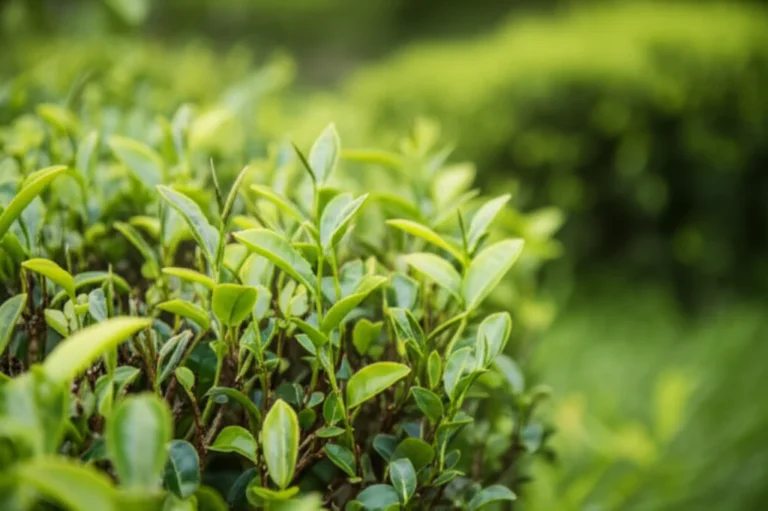
- The plant is evergreen, producing fragrant white flowers in fall and new leaves in spring and summer for harvest.
- Tea plants can grow up to 10-15 feet tall, but commercial growers keep them pruned to 3-4 feet for easy harvesting.
- Humidity and rainfall are crucial: tea loves consistent moisture but hates soggy roots.
- You can grow tea in containers if your climate is too cold — just bring them indoors or into a greenhouse in winter.
- The US has a surprising number of regions suitable for tea, from the Pacific Northwest to the Southeast and Hawaii.
- Growing your own tea means fresh, chemical-free leaves and a fun way to connect with this ancient plant.
For a detailed dive into whether you can grow tea plants in the US, check out our related article: Can you grow tea plants in the US?.
Ready to find out if your backyard is tea-ready? Let’s dig deeper! 🌿
🌱 Tea Plant Climate Essentials: Understanding What Tea Loves
Before we get into the nitty-gritty of US climate zones, let’s talk about what tea plants really crave. Think of tea plants as the divas of the plant world — they demand just the right conditions to shine.
The Basics: What Makes a Tea Plant Happy?
- Temperature: Tea plants prefer moderate temperatures, ideally between 60°F and 85°F (15°C to 29°C). They can tolerate brief dips below freezing but prolonged frost spells are a no-go.
- Humidity: High humidity (around 70-90%) mimics their native subtropical and tropical environments. Dry air stresses the plant and reduces leaf quality.
- Rainfall: Annual rainfall of 40-70 inches (1000-1800 mm) is optimal, with well-distributed precipitation throughout the year.
- Sunlight: Partial shade to full sun works, but intense, direct afternoon sun can scorch leaves. Many growers use shade cloths or natural canopy cover.
- Soil: Acidic (pH 4.5-6.5), well-drained, rich in organic matter. Tea roots hate “wet feet” — soggy soil leads to root rot.
Why Climate Matters More Than You Think
Tea’s flavor and quality are directly influenced by the climate it grows in — a concept called terroir. This is why teas from Assam, Darjeeling, or Uji taste so distinct. Growing tea in the US means matching those climate conditions as closely as possible or adapting your methods to compensate.
Fun fact: Historical records show tea plants growing wild in Western Maryland and Pennsylvania in the 1800s, proving tea’s adaptability in certain US microclimates (source).
1. What Climate Zones Are Ideal for Tea Cultivation in the US?
1.1 USDA Hardiness Zones Explained for Tea Growers
The USDA Hardiness Zones are the gold standard for gardeners to understand what plants can survive where. For tea:
| USDA Zone | Temperature Range (°F) | Suitability for Tea Growth | Notes |
|---|---|---|---|
| 6 | -10 to 0 | ❌ Too cold for outdoor tea plants | Use containers or greenhouse |
| 7 | 0 to 10 | ✅ Marginal, needs protection | Best in protected microclimates |
| 8 | 10 to 20 | ✅ Ideal for hardy tea varieties | Most reliable outdoor growth |
| 9 | 20 to 30 | ✅ Excellent for tea cultivation | Warm, moist conditions |
| 10+ | 30+ | ✅ Suitable, but watch for heat stress | Irrigation and shade may be needed |
The sweet spot is Zones 7-9, where winters are mild enough to avoid killing the plants, and summers provide enough warmth and moisture.
1.2 Temperature Ranges and Seasonal Patterns That Favor Tea
Tea plants need a growing season of at least 6 months with temperatures above 50°F (10°C). Frost can damage new shoots, so late spring and early fall frosts are risky. Ideally, winters should be cool but not freezing.
1.3 Humidity and Rainfall: The Unsung Heroes of Tea Growth
Tea plants thrive in humid environments with consistent rainfall. Dry spells cause leaf stress and reduce yield. If your area is dry, consider drip irrigation or misting systems.
2. Top US Regions and States Where Tea Thrives
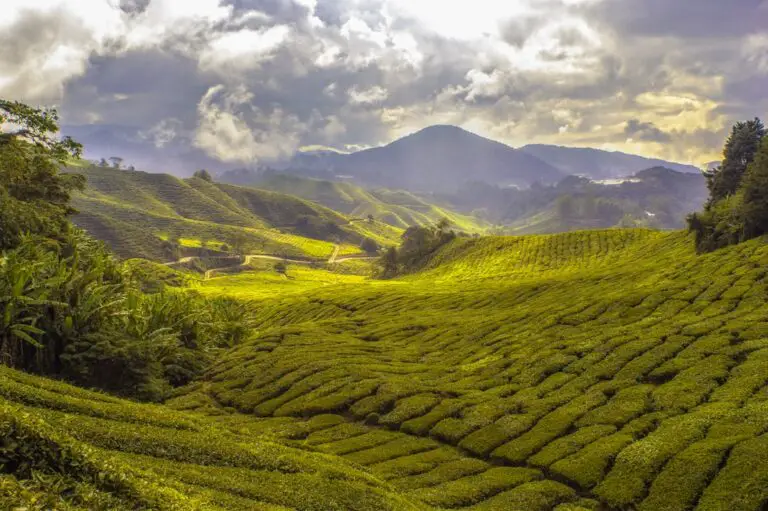
2.1 The Pacific Northwest: A Surprising Tea Haven
The Pacific Northwest, especially Oregon and Washington, offers mild winters, ample rainfall, and acidic soils — a tea grower’s dream. Minto Island Tea in Oregon is a shining example of successful tea cultivation here (source).
2.2 The Southeast: Warmth and Moisture for Robust Tea Plants
States like South Carolina, Alabama, and Mississippi provide the warm, humid climate tea loves. Charleston Teagarden and Single Origin Teas are pioneers in this region, proving that the Southeast is a prime spot for tea (source).
2.3 California’s Microclimates: A Tea Grower’s Playground
California’s diverse microclimates, from coastal fog to inland valleys, allow for experimental tea growing. Redwood Tea Estate in Northern California taps into these unique conditions to produce quality teas.
2.4 Other Emerging Tea-Growing Areas in the US
- Hawai’i: Big Island Tea and Maui Tea Farm leverage tropical conditions perfect for year-round growth.
- New York’s Finger Lakes: Cooler but manageable with microclimate selection.
- Louisiana and Michigan: Experimental growers pushing boundaries.
3. Microclimates and Soil Conditions: The Secret Sauce for Tea Success
Microclimates can make or break your tea garden. Even if your USDA zone isn’t perfect, a sheltered south-facing slope or a spot near a water body can create a tea-friendly niche.
Soil Tips from Growing Teas™
- Test soil pH regularly; amend with sulfur or pine needles to maintain acidity.
- Incorporate organic matter like compost or leaf mold for moisture retention and nutrients.
- Avoid heavy clay soils or improve drainage with raised beds or sand amendments.
4. How to Modify Your Environment for Growing Tea Outside Ideal Zones
Don’t despair if you’re in zone 6 or below! Here’s how to coax tea plants to thrive:
- Container Growing: Use large pots with acidic potting mix; bring indoors or into a greenhouse during winter.
- Cold Frames and Greenhouses: Protect plants from frost and extend the growing season.
- Mulching: Insulate roots and retain moisture.
- Shade Cloths: Protect from harsh summer sun in hotter zones.
5. Choosing Tea Varieties Suited to Your US Climate Zone
Not all tea plants are created equal! There are two main varieties:
| Variety | Leaf Size | Climate Preference | Flavor Profile | Notes |
|---|---|---|---|---|
| Camellia sinensis var. sinensis | Small leaves | Cooler, higher elevations (zones 7-9) | Delicate, floral, good for green and white teas | Most common for US growers |
| Camellia sinensis var. assamica | Large leaves | Warmer, humid zones (zones 8-10) | Robust, malty, ideal for black teas | Thrives in Southeast and Hawaii |
We recommend starting with Camellia sinensis var. sinensis if you’re in cooler zones, and assamica if you’re in warmer, humid areas.
6. Challenges and Solutions: Pests, Frost, and Drought in US Tea Gardens
Common Challenges
- Frost Damage: Tea plants are sensitive to frost, especially young shoots.
- Tea Scale Insect: A pesky sap-sucker that can weaken plants.
- Drought Stress: Tea needs consistent moisture; dry spells reduce quality.
- Soil Diseases: Root rot from poor drainage is a major risk.
Solutions from Growing Teas™
- Use frost cloths or move containers indoors during cold snaps.
- Monitor for tea scale; natural predators or insecticidal soaps work well.
- Install drip irrigation and mulch heavily.
- Improve soil drainage and avoid overwatering.
7. Finding and Supporting American Tea Producers and Growers
Want to taste what American-grown tea really tastes like? Here are some fantastic US tea producers to explore:
| Producer Name | Location | Specialty | Website/Shop Link |
|---|---|---|---|
| Big Island Tea | Hawai’i | Tropical teas | Big Island Tea on Amazon |
| Charleston Teagarden | South Carolina | Organic green and black teas | Charleston Teagarden |
| Minto Island Tea | Oregon | Artisan teas | Minto Island Tea |
| Redwood Tea Estate | California | Small-batch specialty teas | Redwood Tea Estate |
| Fleur de Lis Tea | Louisiana | Southern-style teas | Fleur de Lis Tea |
Supporting these growers helps build a sustainable American tea culture and brings fresh, local teas to your cup!
8. Do You Have a Favorite American Tea? Share and Discover!
We love hearing from fellow tea enthusiasts! Have you tried any American-grown teas? What did you think? Drop your favorites in the comments or join our community to swap stories and tips.
American teas often surprise with unique flavor profiles shaped by local terroir — from the lush, floral notes of Pacific Northwest teas to the bold, earthy flavors of Southern-grown varieties.
9. Expert Tips for Growing Tea Plants Successfully in Your US Garden
Here’s what we’ve learned at Growing Teas™ after years of trial, error, and triumph:
- Start with healthy nursery plants from reputable suppliers like Fast Growing Trees or local specialty nurseries.
- Test and amend your soil before planting — tea plants are picky about acidity and drainage.
- Prune regularly to maintain manageable size and encourage new growth.
- Harvest only the youngest leaves and buds for the best flavor — the “two leaves and a bud” rule.
- Protect from frost with covers or by growing in containers.
- Keep an eye out for pests and use organic controls whenever possible.
- Experiment with processing: Try your hand at green, black, or oolong teas using your homegrown leaves (DIY Tea Blending).
Featured Video Insight:
The first YouTube video embedded in this article highlights that Camellia sinensis is hardy in USDA zones 7B-10, with zone 7 needing protection. It also emphasizes that tea farms grow plants in full sun with irrigation and that it takes many plants to produce enough leaves for tea. The video creator grows tea in containers moved to cold frames in winter, a great tip for borderline zones. Check it out for a visual guide and more practical advice! Jump to Featured Video.
For more on growing green teas, check out our Green Tea Cultivation section, and for organic practices, visit Organic Farming Techniques.
👉 CHECK PRICE on:
- Camellia sinensis Tea Plant: Amazon | Fast Growing Trees
- Tea Growing Supplies: Amazon | Etsy
Ready to see if your climate can support this ancient, aromatic plant? Keep reading for the final verdict in our conclusion!
Conclusion: Is Your Climate Ready for Tea?

After our deep dive into the climate zones suitable for growing tea plants in the US, here’s the bottom line: Tea cultivation is absolutely possible across a surprising range of American climates, especially if you understand your local microclimate and are willing to adapt your growing methods.
✅ Ideal zones are USDA 7 through 9, where mild winters, moderate temperatures, and sufficient humidity create a near-perfect environment for Camellia sinensis.
✅ Regions like the Pacific Northwest, Southeast, California, and Hawai’i already have thriving tea farms proving the concept.
✅ Even if you live outside these zones, container growing, greenhouses, and microclimate modifications can extend your tea-growing possibilities.
Of course, growing tea is not without challenges — frost, pests, and soil conditions require attention and care. But with patience and the right techniques, you can cultivate your own fresh, flavorful tea leaves right at home.
If you’re wondering whether your backyard can become a mini tea estate, the answer is often yes — and the journey is as rewarding as the cup you’ll brew. So, grab your gloves and get ready to grow your own slice of tea history!
Recommended Links for Tea Growing Enthusiasts
Ready to start growing your own tea or support American tea growers? Here are some top picks and resources:
-
Camellia sinensis Tea Plant:
Amazon | Fast Growing Trees -
American Tea Producers:
- Big Island Tea: Amazon Search
- Charleston Teagarden: Official Site
- Minto Island Tea: Official Site
- Redwood Tea Estate: Official Site
- Fleur de Lis Tea: Official Site
-
Books on Tea Cultivation and Processing:
- The Tea Book: All Things Tea by Louise Cheadle & Nick Kilby — Amazon Link
- Tea: History, Terroirs, Varieties by Kevin Gascoyne et al. — Amazon Link
- The Art and Craft of Tea by Joseph Uhl — Amazon Link
FAQ: Your Tea Growing Climate Questions Answered

What are the best soil and climate conditions for growing tea at home in the US?
Tea plants thrive in acidic, well-drained soils with a pH between 4.5 and 6.5. The soil should be rich in organic matter and retain moisture without becoming waterlogged. Climate-wise, tea prefers temperatures between 60°F and 85°F, high humidity (70-90%), and consistent rainfall or irrigation. Partial shade can protect leaves from scorching, especially in hotter zones.
Can tea plants thrive in humid subtropical regions of the US?
Absolutely! Humid subtropical regions like the Southeast US provide warm temperatures and ample moisture, which are excellent for tea growth. However, growers should watch for pests and fungal diseases favored by humidity and ensure good air circulation around plants.
How does temperature affect tea plant growth in different US climate zones?
Tea plants need a minimum growing season of about 6 months with temperatures above 50°F. Prolonged frost or temperatures below 20°F can damage or kill plants. Zones 7-9 offer the best balance, but with protection like greenhouses or containers, tea can survive in colder zones.
Which US states have the ideal climate for tea cultivation?
States like Oregon, Washington, South Carolina, Alabama, Mississippi, California, and Hawai’i have proven tea-friendly climates. These areas combine mild winters, warm growing seasons, and suitable humidity.
Where can tea be grown in America?
Tea can be grown in many parts of the US, especially where microclimates provide shelter from frost and maintain soil moisture. The Pacific Northwest, Southeast, California’s coastal regions, and Hawai’i are hotspots, but with care, tea can also be grown in containers in colder states.
What are the common challenges to growing tea in the US and how can I overcome them?
- Frost damage: Use frost cloths, cold frames, or grow tea in containers that can be moved indoors.
- Pests (e.g., tea scale): Monitor regularly and use organic insecticidal soaps or introduce natural predators.
- Drought stress: Install drip irrigation and mulch heavily to retain soil moisture.
- Soil drainage issues: Amend soil with sand or organic matter and avoid overwatering.
What are the best tea plant varieties to grow in different US climate zones?
- Camellia sinensis var. sinensis is better for cooler zones (7-9), producing delicate green and white teas.
- Camellia sinensis var. assamica prefers warmer, humid zones (8-10) and is ideal for robust black teas.
Can I grow tea in a greenhouse in colder US climate zones?
Yes! Greenhouses or cold frames extend the growing season and protect tea plants from frost. Container-grown tea plants can be moved indoors during winter, making tea cultivation possible even in USDA zones 5 and 6.
Which regions in the US have the most favorable soil types for tea cultivation?
Regions with acidic, well-drained soils rich in organic matter are best. The Pacific Northwest’s volcanic soils and parts of the Southeast with sandy loam soils are ideal. Soil testing and amendments can improve less-than-perfect soils.
What are the ideal temperature and humidity conditions for growing tea plants in the US?
Ideal temperatures range from 60°F to 85°F, with humidity levels between 70% and 90%. Consistent moisture and avoidance of extreme heat or cold are key.
How does altitude affect tea plant growth in different US regions?
Higher elevations often provide cooler temperatures and misty conditions, which can enhance tea flavor and quality. Many famous teas worldwide come from mountainous regions. In the US, elevated areas in the Appalachians or Pacific Northwest can mimic these conditions.
Reference Links and Further Reading
- Destination Tea: Tea Grown in the USA
- American Camellias: Growing Camellia sinensis
- Fast Growing Trees: Tea Plants Hardy Guide
- Minto Island Tea: Official Website
- Charleston Teagarden: Official Website
- Redwood Tea Estate: Official Website
- Fleur de Lis Tea: Official Website
- Growing Teas™ Green Tea Cultivation: Green Tea Cultivation
- Growing Teas™ Organic Farming Techniques: Organic Farming Techniques
- Growing Teas™ DIY Tea Blending: DIY Tea Blending
- Fast Growing Trees: How to Grow Tea Plants | Planting & Care
We hope this comprehensive guide has brewed up your curiosity and confidence to start growing your own tea. Remember, every great cup begins with a single leaf — and your climate might just be the perfect place for it! 🌿🍵