Support our educational content for free when you purchase through links on our site. Learn more
What Zones Can Tea Plant Grow In? 🌱 Discover the Perfect Climate (2026)

Ever wondered if you could grow your own tea plant right in your backyard? Or maybe you’re curious about which climates nurture the delicate Camellia sinensis best? You’re not alone! Tea cultivation is an ancient art, but it’s also surprisingly adaptable—thriving from the misty mountains of Darjeeling to unexpected corners like parts of Scotland. In this guide, we’ll unravel the mystery of tea plant growing zones, from ideal USDA hardiness ranges to clever tricks for growing tea outside its comfort zone.
Did you know that tea plants prefer acidic soil with a pH between 5.0 and 6.5 and flourish best in USDA Zones 7 through 9? But don’t fret if you live outside these zones—we’ll share expert tips on container growing, microclimate magic, and choosing the right cultivar to ensure your tea garden thrives. Plus, we’ll explore how climate change is reshaping tea-growing regions worldwide. Ready to sip success from your own leaves? Let’s dive in!
Key Takeaways
- Tea plants thrive best in USDA Zones 7-9, where mild winters and ample rainfall create ideal growing conditions.
- Acidic, well-draining soil (pH 5.0–6.5) is essential for healthy tea growth and nutrient uptake.
- Container growing allows tea cultivation outside ideal zones, especially in colder climates where winter protection is necessary.
- Partial shade and consistent moisture help prevent leaf scorch and stress in hotter zones.
- Choosing the right tea cultivar (sinensis for cooler zones, assamica for warmer) maximizes plant health and tea quality.
- Climate change is shifting tea-growing zones, requiring growers to adapt with innovative practices and new cultivars.
Whether you’re a seasoned gardener or a curious newcomer, understanding your local zone is the first step toward cultivating your own perfect cup of tea!
Table of Contents
- ⚡️ Quick Tips and Facts About Tea Plant Growing Zones
- 🌱 Tea Plant Origins and Climate Preferences: A Growing History
- 🌍 USDA Hardiness Zones for Tea Plants: Where Can Camellia sinensis Thrive?
- 🌡️ Temperature and Humidity Requirements for Optimal Tea Growth
- 🏞️ Soil Types and Terrain Best Suited for Tea Cultivation
- 🌿 7 Best Tea Growing Zones Around the World: From Assam to Darjeeling and Beyond
- 🌦️ How Seasonal Changes Affect Tea Plant Growth in Different Zones
- 🛠️ Tips for Growing Tea Plants Outside Their Ideal Zones: Challenges and Solutions
- 🏡 Growing Tea Plants at Home: Zone Considerations and Indoor Alternatives
- 🌿 Companion Plants and Pest Management in Various Tea Growing Zones
- 📈 How Climate Change Is Shifting Tea Growing Zones and What It Means for Growers
- 🧑 🌾 Expert Advice: Choosing the Right Tea Cultivar for Your Zone
- 🌎 Global Tea Growing Zones Map: Visual Guide to Tea Plant Habitats
- 🔍 How to Assess Your Local Zone for Tea Plant Suitability
- 📚 Recommended Links for Tea Plant Growing Zones and Resources
- ❓ FAQ: Your Burning Questions About Tea Plant Zones Answered
- 📖 Reference Links and Scientific Sources on Tea Plant Cultivation Zones
- 🎯 Conclusion: Mastering Tea Plant Growth by Understanding Your Zone
⚡️ Quick Tips and Facts About Tea Plant Growing Zones
Alright, fellow tea enthusiasts and aspiring growers! You’ve landed in the right spot if you’re wondering, “What zones can tea plant grow in?” Here at Growing Teas™, we’ve spent years getting our hands dirty, nurturing these incredible plants, and we’re thrilled to share our hard-earned wisdom. Growing your own tea, specifically Camellia sinensis, is a truly rewarding journey, but knowing your zone is the first, most crucial step.
Here are some rapid-fire facts to get you started:
- Ideal USDA Hardiness Zones: Tea plants (specifically Camellia sinensis) generally thrive outdoors in USDA Zones 7 through 9 for in-ground cultivation. This is where they can truly flourish and become productive shrubs. ✅
- Soil Sweet Spot: They absolutely adore acidic soil! Think a pH range of 5.0-6.5. If your soil is too alkaline, your tea plants will struggle. ❌
- Sun Preference: While commercial farms often grow them in full sun with ample irrigation, for home gardens, partial shade is often best, especially in hotter climates, to prevent leaf scorch. ☀️
- Water, Water Everywhere: Tea plants need consistent moisture and at least 127 cm (50 inches) of annual rainfall or equivalent irrigation. They do not like soggy feet, so well-draining soil is non-negotiable. 💧
- Cold Comfort: For those of you in colder zones (below 7), don’t despair! Container growing is your best friend. You can bring your precious tea plants indoors during the chilly winter months. 🪴
- Pruning for Plucking: To encourage lush, harvestable leaves and maintain a manageable size (around 3-4 feet), regular pruning is essential. Otherwise, they can grow into small trees! ✂️
Curious if your backyard can become a tea haven? We’ve got a whole article dedicated to this: Can you grow tea plants in the US?
🌱 Tea Plant Origins and Climate Preferences: A Growing History
Imagine a world without tea! Hard to picture, right? The story of Camellia sinensis, the plant that gives us all black, green, white, and oolong teas, is as rich and complex as a perfectly brewed cup. Its origins are steeped in ancient legends and geographical wonders, primarily tracing back to East Asia.
Legend has it that tea was discovered by accident in 2737 BC by Chinese Emperor Shen Nong when tea leaves drifted into his boiling water. While that might be a charming tale, what’s undeniable is that tea cultivation took root deeply in China, initially as a beverage for royalty and later spreading to the masses. As Fast-Growing-Trees.com notes, “Tea was originally for royalty only, until the Chinese government decided to plant more tea plants and to open a tea shop so all could enjoy the beverage.” From China, it journeyed to Japan in the 9th century via Buddhist monks like Eichu, and much later, made its grand entrance into England in the 17th century, transforming from an aristocratic luxury to a global staple.
Our team at Growing Teas™ often reflects on this history. It reminds us that tea isn’t just a plant; it’s a cultural phenomenon, shaped by centuries of human interaction and, crucially, by its climate preferences.
Camellia sinensis naturally thrives in tropical and subtropical climates. Think lush, humid environments with consistent rainfall. Wikipedia points out that it prefers “rich, moist, full to part sun” and requires “at least 127 cm (50 in) of rainfall a year” https://en.wikipedia.org/wiki/Camellia_sinensis. These conditions are abundant in its native range, which spans parts of China, India, Myanmar, Laos, Thailand, and Vietnam.
But here’s the kicker: while these are its ancestral comfort zones, the tea plant is surprisingly adaptable. We’ve seen it push boundaries, growing in places you might not expect. This adaptability is thanks to its genetic diversity and the dedicated efforts of growers worldwide. So, while its heart lies in the humid tropics, its spirit can certainly be coaxed into thriving in more temperate zones with a little help from us!
🌍 USDA Hardiness Zones for Tea Plants: Where Can Camellia sinensis Thrive?
When we talk about where a plant can really thrive outdoors, we often turn to the USDA Plant Hardiness Zone Map. This map is a gardener’s best friend, dividing North America into zones based on average annual extreme minimum winter temperatures. For Camellia sinensis, this map is our primary guide.
Based on our experience and corroborated by leading nurseries, tea plants are generally considered hardy for in-ground cultivation in USDA Zones 7 through 9. Both Raintree Nursery https://raintreenursery.com/pages/growing-fruit-trees-teanspices and Fast-Growing-Trees.com https://www.fast-growing-trees.com/blogs/plant-care-guides/tea-plants-hardy confidently state this range.
What does this mean for you?
- Zones 7-9: If you live in these zones, congratulations! You have a fantastic chance of growing tea plants directly in your garden. Think parts of the Pacific Northwest, the southeastern US, and coastal California. These areas offer the mild winters and often sufficient rainfall that tea plants adore.
- Colder Zones (e.g., Zone 6 and below): Don’t pack up your gardening gloves just yet! As Raintree Nursery wisely advises, “Tea plants are hardy in certain zones but can be cultivated in containers elsewhere.” This is where container growing becomes your superpower. You can enjoy the beauty and bounty of your own tea plant by simply bringing it indoors or providing winter protection when temperatures drop below freezing. We’ve had great success with this strategy at Growing Teas™!
- Warmer Zones (e.g., Zone 10+): Tea plants can certainly grow in warmer, even tropical, climates. However, in these regions, partial shade becomes even more critical to protect the leaves from intense sun, and consistent irrigation is a must to mimic the high rainfall they naturally prefer.
It’s fascinating to note that while zones 7-9 are ideal, Camellia sinensis has shown remarkable resilience. Wikipedia mentions that it can be cultivated “as far north as Scotland (e.g., 59°N in Orkney)” https://en.wikipedia.org/wiki/Camellia_sinensis. This isn’t typical in-ground commercial cultivation, but it highlights the plant’s potential with dedicated care and specific microclimates. Our take? While Scotland is an impressive feat, for most home growers, sticking to the 7-9 range for outdoor planting or embracing containers for colder zones offers the most reliable path to a thriving tea garden.
A Quick Look at USDA Zones & Tea Plant Suitability:
| USDA Hardiness Zone | Average Annual Extreme Minimum Temp (°F) | Tea Plant Suitability (In-Ground) | Notes for Growers |
|---|---|---|---|
| Zone 1-6 | Below 0°F | ❌ Not suitable | Container growing with winter protection is essential. Bring indoors or into a protected, unheated space. |
| Zone 7 | 0°F to 10°F | ✅ Suitable (with protection) | Can be grown in-ground, but protected space in zone 7 is recommended, especially for young plants. Mulch heavily. |
| Zone 8 | 10°F to 20°F | ✅ Ideal | Excellent zone for outdoor tea cultivation. |
| Zone 9 | 20°F to 30°F | ✅ Ideal | Excellent zone for outdoor tea cultivation. |
| Zone 10+ | 30°F and above | ✅ Suitable (with shade/irrigation) | Requires partial shade and consistent irrigation to prevent heat stress and leaf scorch. |
Remember, these zones are guides. Your specific microclimate – whether you have a sheltered spot, a south-facing wall, or a shady nook – can make all the difference!
🌡️ Temperature and Humidity Requirements for Optimal Tea Growth
Beyond just the hardiness zone, the daily dance of temperature and humidity plays a starring role in how well your tea plant performs and, ultimately, the quality of the tea leaves you harvest. Think of it as the plant’s personal spa treatment!
The Goldilocks Zone for Temperature 🌡️
Tea plants are quite particular about their temperatures. They generally prefer a mild, consistent climate without extreme fluctuations.
- Ideal Growing Range: For vigorous growth and optimal leaf production, temperatures between 65°F and 85°F (18°C to 29°C) are fantastic. This range encourages those tender new flushes that we tea growers covet.
- Winter Chill: While they don’t like deep freezes, a period of cooler temperatures (but above freezing) can actually be beneficial. It can encourage a period of dormancy, allowing the plant to rest and concentrate energy for a burst of new growth in spring. However, prolonged temperatures below 20°F (-6°C) can cause significant damage, especially to young plants or less cold-hardy varieties. This is why the “protected space in zone 7” mentioned by the first YouTube video is so crucial.
- Heat Stress: On the flip side, temperatures consistently above 90°F (32°C), especially with low humidity and direct sun, can stress the plant, leading to scorched leaves and reduced growth. This is where the “partial shade is best” advice for home gardens comes in handy, as highlighted in the video summary.
The Humid Hug: Why Moisture Matters 💧
Humidity is the tea plant’s best friend. Originating from misty, often mountainous regions, Camellia sinensis thrives in an atmosphere rich with moisture.
- Optimal Humidity: A relative humidity of 60% to 80% is ideal. This helps the leaves stay supple, prevents rapid water loss through transpiration, and contributes to the plant’s overall vigor.
- Impact on Flavor: High humidity, combined with cooler temperatures (especially at higher elevations), is often credited with developing the complex, nuanced flavors found in premium teas like Darjeeling. The slower growth and increased moisture allow for a richer accumulation of aromatic compounds.
- Low Humidity Woes: In dry climates, tea plants can struggle. Their leaves might turn crispy, growth can slow, and they become more susceptible to pests like spider mites. If you’re growing in a drier zone, consider misting your plants, especially indoors, or placing them near a humidifier.
Our Anecdote: We once tried growing a small patch of Camellia sinensis in a particularly dry, hot summer in an experimental plot. Despite regular watering, the leaves looked stressed, slightly yellowed, and the new flushes were sparse. It was a stark reminder that while water in the soil is vital, atmospheric humidity plays an equally important role in the plant’s happiness and productivity. It’s a delicate balance, much like brewing the perfect cup!
🏞️ Soil Types and Terrain Best Suited for Tea Cultivation
If you want your tea plants to sing, you’ve got to give them the right stage – and that stage is their soil! At Growing Teas™, we’ve learned that getting the soil right is perhaps the most critical factor after selecting the correct hardiness zone.
The Acidic Affinity: pH is Key! 🧪
Tea plants are true acid-lovers. This is a non-negotiable requirement for healthy growth.
- Ideal pH Range: Camellia sinensis thrives in acidic soil with a pH between 5.0 and 6.5. Both Raintree Nursery and Fast-Growing-Trees.com emphasize this crucial detail.
- Why Acidic? In acidic conditions, essential nutrients like iron and manganese are more readily available for the tea plant to absorb. If the pH is too high (alkaline), these nutrients become “locked up,” leading to nutrient deficiencies, often visible as yellowing leaves (chlorosis).
- Testing Your Soil: Before you plant, always test your soil pH. Simple home kits or professional lab tests are readily available. We recommend a soil test from your local agricultural extension office for the most accurate results.
- Adjusting pH:
- To lower pH (make more acidic): Incorporate organic matter like peat moss, pine bark, or composted oak leaves. Elemental sulfur can also be used, but follow instructions carefully.
- To raise pH (make less acidic): This is less common for tea plants, but if your soil is too acidic, you might add dolomitic lime. However, for tea, the challenge is usually the opposite.
Drainage, Drainage, Drainage! 🌊
While tea plants love consistent moisture, they absolutely detest soggy roots.
- Well-Draining Soil: The soil must be well-draining to prevent root rot. This means water should drain away relatively quickly after irrigation or rainfall.
- Soil Composition: A loamy soil rich in organic matter is often ideal. It retains moisture without becoming waterlogged.
- Dealing with Clay: If you have heavy clay soil, which tends to hold too much water, you’ll need to amend it significantly. As the first YouTube video summary points out, “In areas with heavy clay, mounding is necessary for proper drainage.” This involves building raised beds or mounds of amended soil to lift the plant’s root ball above the naturally poorly draining clay. Incorporating plenty of coarse sand, perlite, and organic compost can also improve drainage.
- Container Growing: For container plants, use a high-quality acidic potting mix specifically formulated for acid-loving plants like azaleas or camellias. Ensure your pots have ample drainage holes!
The Lay of the Land: Terrain and Elevation ⛰️
The physical landscape also plays a significant role in successful tea cultivation.
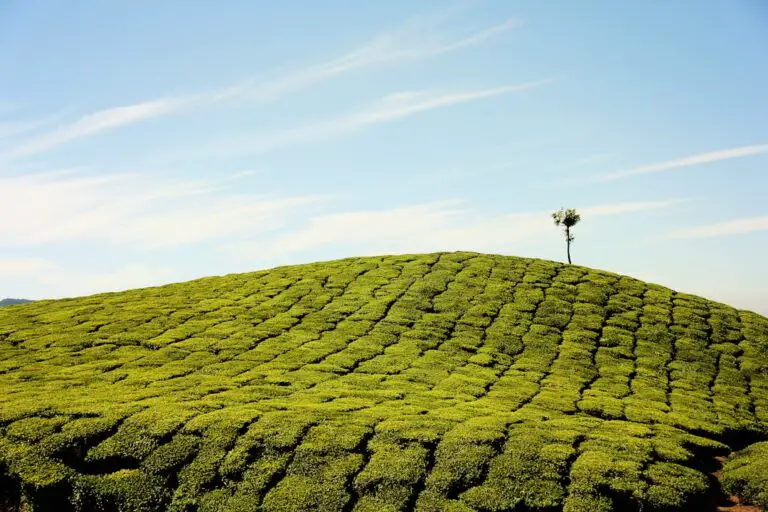
- Slopes and Hillsides: Many of the world’s most famous tea gardens are found on slopes or hillsides. This natural inclination aids in excellent drainage, preventing water from pooling around the roots. It also often provides good air circulation.
- Elevation: High elevations are prized for tea cultivation. Wikipedia notes that “High elevations (up to 2,200 m) enhance flavor development” https://en.wikipedia.org/wiki/Camellia_sinensis. The cooler temperatures, increased cloud cover, and distinct diurnal temperature shifts at higher altitudes contribute to slower growth, which in turn allows the tea leaves to develop more complex aromatic compounds, leading to superior flavor profiles. Think of the exquisite teas from Darjeeling or the high mountains of Taiwan!
- Protection from Wind: Raintree Nursery recommends, “Choose a location with protection from harsh winds.” Strong winds can desiccate leaves, especially young flushes, and stress the plant. Natural windbreaks or strategic planting can offer vital protection.
For those interested in cultivating tea using sustainable methods, understanding soil health is paramount. We delve deeper into this in our Organic Farming Techniques section.
🌿 7 Best Tea Growing Zones Around the World: From Assam to Darjeeling and Beyond
While Camellia sinensis is adaptable, certain regions around the globe have perfected the art of tea cultivation, thanks to their ideal combination of climate, soil, and terrain. These are the legendary tea-growing zones that have shaped the world’s tea culture. Let’s take a whirlwind tour!
1. 🇨🇳 China: The Birthplace of Tea
As the ancestral home of tea, China boasts numerous renowned tea-growing regions.
- Key Regions: Fujian, Yunnan, Zhejiang, Anhui, Guangdong, Hainan.
- Climate: Varies from subtropical in the south to more temperate in the east, with abundant rainfall and often misty, mountainous terrain.
- Famous Teas: Green teas (Longjing, Bi Luo Chun), Oolongs (Tie Guan Yin), White teas (Silver Needle), Pu-erh (from Yunnan).
- Insight: China’s vastness means incredible diversity in tea types and growing conditions. Yunnan, for instance, is home to ancient tea trees and the large-leaved Camellia sinensis var. assamica.
2. 🇮🇳 India: Home of Bold and Beautiful Brews
India is a powerhouse of tea production, famous for its distinct regional characteristics.
- Key Regions: Assam, Darjeeling, Nilgiri.
- Climate: Assam is hot and humid with heavy monsoons; Darjeeling is high-altitude, misty, and cooler; Nilgiri is temperate with consistent rainfall.
- Famous Teas: Robust Assam black tea, delicate and floral Darjeeling (often called the “Champagne of Teas”), bright and brisk Nilgiri.
- Insight: India’s tea regions showcase how microclimates within a country can produce dramatically different tea profiles. Darjeeling’s high elevation (up to 2,200m) is a prime example of how terrain influences flavor.
3. 🇯🇵 Japan: The Art of Green Tea
Japan is synonymous with exquisite green teas, cultivated with meticulous care.
- Key Regions: Shizuoka, Uji, Kagoshima.
- Climate: Temperate, with distinct seasons, ample rainfall, and often volcanic, acidic soils. Many regions benefit from coastal influences.
- Famous Teas: Sencha, Matcha, Gyokuro, Hojicha.
- Insight: Japanese tea cultivation often involves shading the plants (as with Gyokuro and Matcha) to enhance chlorophyll and amino acid production, resulting in vibrant green color and umami flavor.
4. 🇱🇰 Sri Lanka (Ceylon): The Emerald Isle’s Golden Brew
Formerly Ceylon, this island nation is famous for its bright, brisk black teas.
- Key Regions: Nuwara Eliya, Dimbula, Uva.
- Climate: Tropical, with varying altitudes creating distinct microclimates. High-grown teas benefit from cooler, misty conditions.
- Famous Teas: Ceylon black tea, known for its clean, citrusy notes.
- Insight: Sri Lanka’s tea industry was largely established by the British, and its teas are graded by elevation, with high-grown teas being the most prized.
5. 🇰🇪 Kenya: Africa’s Tea Giant
Kenya is a relatively newer player on the global tea stage but has quickly become a major exporter, primarily of black tea.
- Key Regions: Rift Valley, Kericho.
- Climate: Equatorial, with two rainy seasons, high altitude, and volcanic soils.
- Famous Teas: Bright, brisk, often reddish-liquored black teas, excellent for blending.
- Insight: Kenyan teas are often machine-harvested and processed using the CTC (Crush, Tear, Curl) method, which produces small, granular leaves ideal for tea bags.
6. 🇹🇷 Turkey: A Nation of Tea Drinkers
Turkey might surprise some, but it’s one of the largest tea-consuming nations and a significant producer, almost entirely for domestic consumption.
- Key Regions: Rize, along the Black Sea coast.
- Climate: Humid subtropical, with heavy rainfall throughout the year, often snowy winters.
- Famous Teas: Rize tea, a robust black tea typically brewed strong in a double-tiered teapot (çaydanlık).
- Insight: The unique climate of Rize, with its specific rainfall and temperature patterns, allows for tea cultivation in a region that experiences significant winter snowfall, demonstrating the plant’s resilience.
7. 🇹🇼 Taiwan: The Oolong Master
Taiwan is celebrated for its exquisite oolong teas, often grown in high-mountain gardens.
- Key Regions: Alishan, Lishan, Sun Moon Lake.
- Climate: Subtropical, with high-altitude regions experiencing cool, misty conditions.
- Famous Teas: High Mountain Oolongs (Gaoshan), Dong Ding Oolong, Oriental Beauty.
- Insight: Taiwanese tea growers are masters of oxidation and processing, creating a vast spectrum of oolong styles, from lightly oxidized, floral greens to heavily oxidized, roasted varieties. The unique terroir of its mountains is key to its success.
These regions exemplify the diverse conditions in which Camellia sinensis can flourish, each contributing its unique character to the global tea tapestry.
🌦️ How Seasonal Changes Affect Tea Plant Growth in Different Zones
Just like we change our wardrobes with the seasons, tea plants adapt their growth cycles to the rhythm of the year. These seasonal shifts profoundly impact not only how the plant grows but also the flavor and quality of the tea leaves.
The Dance of the Flushes: Tropical and Subtropical Zones 💃
In regions closer to the equator, like parts of India, Sri Lanka, and Kenya, where temperatures are consistently warm and rainfall is abundant, tea plants can produce multiple “flushes” throughout the year.
- What’s a Flush? A flush refers to the new growth of tender leaves and buds at the tip of a tea shoot. These are the prized parts harvested for tea production.
- Continuous Harvests: In truly tropical climates, tea plants can flush almost continuously, allowing for harvests every 1-2 weeks. This leads to high yields but can sometimes result in less complex flavors compared to teas from regions with distinct seasons.
- Monsoon Influence: Many subtropical tea regions experience distinct monsoon seasons. The heavy rains and humidity during these periods can trigger vigorous growth, leading to abundant flushes. However, the quality of tea produced during peak monsoon might differ from pre-monsoon or post-monsoon flushes.
The Winter Slumber: Temperate and High-Altitude Zones 😴
In zones with more pronounced seasons, such as parts of China, Japan, and Darjeeling, India, tea plants undergo a period of dormancy.
- Spring Flush (First Flush): This is often the most anticipated harvest! After a winter rest, the plant channels all its stored energy into producing the first tender shoots of spring. These “first flush” teas are highly prized for their delicate, fresh, and often complex flavors. Think of Darjeeling First Flush or Japanese Shincha – they’re like the first breath of spring in a cup!
- Summer Flushes (Second Flush, Autumnal): Subsequent flushes throughout the warmer months will have different characteristics. Second flush teas, for example, often have more body and a bolder flavor than first flush. As the YouTube video summary mentions, “Tea farms typically harvest the newest growth (flushes) from the plant, mainly in the spring and throughout the summer in tropical regions (like the Gulf Coast, Pacific Northwest, and Hawaii in the US, where multiple flushes occur).”
- Winter Dormancy: As temperatures drop, growth slows significantly or ceases altogether. The plant conserves energy, preparing for the next spring. This dormancy is crucial for the plant’s long-term health and the development of those sought-after spring flavors. For tea plants grown in USDA Zone 7, this winter chill is a natural part of their cycle.
Our Experience: We’ve observed that our tea plants in a Zone 8 location show a clear distinction between their spring growth, which yields incredibly vibrant and aromatic leaves, and their summer growth, which is more robust but perhaps less nuanced. This seasonal variation is part of the magic of growing your own tea – each harvest tells a story of the season!
Understanding these seasonal rhythms helps us, as growers, anticipate harvest times and appreciate the unique characteristics of teas produced at different points in the year. It’s a testament to the plant’s incredible connection to its environment.
🛠️ Tips for Growing Tea Plants Outside Their Ideal Zones: Challenges and Solutions
So, you’re in a colder zone, or perhaps a scorching hot one, and you’re still dreaming of homegrown tea? Don’t let those USDA zones intimidate you! While zones 7-9 are ideal for in-ground cultivation, we at Growing Teas™ firmly believe that with a little ingenuity and TLC, you can absolutely cultivate Camellia sinensis outside its traditional comfort zone. It’s all about understanding the challenges and implementing smart solutions.
Challenge 1: Freezing Winters (Zones 6 and below) 🥶
The biggest hurdle for colder zones is protecting your tea plant from hard freezes that can damage roots and foliage.
Solutions:
- Container Cultivation is King! This is hands down the most effective strategy. As Raintree Nursery states, “Container cultivation offers flexibility for gardeners outside the ideal zones.”
- Choose the Right Pot: Opt for a large pot (at least 15-20 gallons for a mature plant) made of a material that insulates well, like terracotta or thick plastic. Ensure excellent drainage holes.
- Acidic Potting Mix: Use a high-quality, well-draining acidic potting mix. You can find mixes specifically for azaleas, camellias, or rhododendrons.
- Winter Protection: This is critical.
- Bring Indoors: Move your potted tea plant indoors to a cool, bright location (e.g., an unheated garage, sunroom, or basement with a grow light) once temperatures consistently drop below freezing. The first YouTube video summary advises, “For container growing, it’s essential to protect the roots from freezing solid.”
- Insulate Outdoors: If you can’t bring it inside, group pots together, wrap them in burlap or bubble wrap, and mulch heavily around the base. You can also place them against a south-facing wall for radiant heat.
- Greenhouse/Cold Frame: A small greenhouse or cold frame offers excellent protection and allows for more light exposure during winter.
- Microclimates and Mulching: Even in Zone 7, a “protected space” is recommended, as mentioned in the video.
- Sheltered Locations: Plant in a spot protected from harsh winter winds, perhaps near a building or under the canopy of larger evergreen trees.
- Heavy Mulch: Apply a thick layer (4-6 inches) of acidic mulch (pine needles, pine bark, oak leaves) around the base of in-ground plants in late fall. This insulates the roots.
Challenge 2: Scorching Summers (Zones 10+ or very hot inland areas) 🔥
While tea plants love warmth, extreme heat and intense sun can lead to stress and leaf damage.
Solutions:
- Partial Shade is Your Friend: Plant your tea in a location that receives morning sun but is shaded during the hottest parts of the afternoon. This is especially true for home gardens, as the video notes, “Part shade is best,” even though commercial farms might use full sun with irrigation.
- Consistent Irrigation: High temperatures increase evaporation. Ensure your plants receive consistent, deep watering, especially during dry spells. Drip irrigation can be very efficient.
- Mulch for Moisture Retention: A good layer of mulch will help keep the soil cool and moist, reducing the need for frequent watering.
- Wind Protection: Hot, dry winds can quickly desiccate leaves. Provide windbreaks if necessary.
Challenge 3: Maintaining Acidic Soil 🧪
If your native soil isn’t acidic, it’s an ongoing battle.
Solutions:
- Regular Amendments: Continuously incorporate acidic organic matter like peat moss, pine bark, or composted oak leaves into the soil.
- Acidic Fertilizers: Use fertilizers specifically formulated for acid-loving plants. Look for brands like Espoma Holly-tone or Miracle-Gro Azalea, Camellia, Rhododendron Food.
- Rainwater Collection: If your tap water is alkaline, consider collecting rainwater for your tea plants, as it’s naturally slightly acidic.
Growing tea outside its ideal zone is a testament to a gardener’s dedication. It might require a bit more effort, but the reward of brewing your very own tea from leaves you’ve nurtured is truly unparalleled!
🏡 Growing Tea Plants at Home: Zone Considerations and Indoor Alternatives
The dream of sipping tea brewed from your very own garden is incredibly appealing, isn’t it? At Growing Teas™, we’re passionate about empowering home growers, and we know that cultivating your own tea, even in a small space, is entirely achievable. But before you dive in, let’s talk about practical considerations for your home environment.
Outdoor Growing: Making the Most of Your Zone 🌳
If you’re lucky enough to be in USDA Zones 7-9, you have the green light for in-ground planting!
- Site Selection:
- Sunlight: Aim for a spot that gets partial shade, especially in the afternoon. While commercial farms might use full sun, your home plant will appreciate some respite from intense rays.
- Protection: Choose a location sheltered from harsh winds, which can dry out leaves and stress the plant. A spot near a fence, a larger evergreen, or a building can provide this.
- Drainage: This is paramount! If your soil is heavy clay, consider building a raised bed or a mound to ensure excellent drainage, as we discussed earlier.
- Soil Preparation:
- Test, Test, Test: Get a soil test to confirm your pH.
- Amend Generously: Dig a wide hole and amend your native soil with plenty of acidic organic matter like peat moss, composted pine bark, or well-rotted oak leaves to achieve that ideal pH of 5.0-6.5.
- Planting:
- Spacing: If planting multiple bushes, give them enough room to grow. For a hedge, you might space them 3-4 feet apart. For individual specimen plants, allow 5-6 feet.
- Watering: Water thoroughly after planting and keep the soil consistently moist, but never waterlogged, especially during establishment.
- Pruning for Harvest: Remember, left to their own devices, tea plants can become large shrubs or small trees (10-15 feet tall, even 25+ feet if completely unpruned, as the video mentions!). For easier harvesting, keep your plants pruned to about 3-4 feet tall and wide. This encourages new, tender flushes – exactly what you want for tea! Regular pruning also helps maintain plant vigor.
Indoor Alternatives: Bringing the Tea Garden Inside 🏠
For those in colder zones or with limited outdoor space, indoor cultivation is a fantastic option.
- Container Choice: Select a pot that’s appropriately sized for your plant. Start with a 1-gallon pot for a young plant and gradually repot into larger containers (up to 15-20 gallons for a mature specimen). Terracotta pots are great for breathability, but plastic can retain moisture better in dry indoor environments.
- Potting Mix: Use a high-quality, acidic potting mix designed for camellias or azaleas. Ensure it’s well-draining.
- Light Requirements: Tea plants need bright light indoors.
- Sunny Window: A south-facing window is ideal, but east or west-facing windows can also work.
- Grow Lights: If natural light is insufficient, invest in a good LED grow light. We’ve had excellent results with full-spectrum LED lights, especially during the short, dark days of winter.
- Humidity: Indoor environments can be very dry, especially with heating or air conditioning.
- Misting: Regularly mist your plant’s leaves with distilled or rainwater.
- Pebble Tray: Place the pot on a tray filled with pebbles and water (ensure the pot isn’t sitting directly in the water).
- Humidifier: A small room humidifier can work wonders.
- Watering: Water when the top inch of soil feels dry. Use filtered water or rainwater if your tap water is hard or alkaline.
- Fertilizing: Feed your indoor tea plant annually in early spring with a balanced acidic fertilizer, as recommended by Fast-Growing-Trees.com.
- Pest Watch: Indoor plants can be more susceptible to pests like spider mites. Inspect your plant regularly.
Growing tea at home, whether indoors or out, connects you directly to the source of your favorite beverage. It’s a rewarding journey that culminates in a truly unique cup! And once you’ve harvested your leaves, you might even be inspired to try your hand at DIY Tea Blending!
🌿 Companion Plants and Pest Management in Various Tea Growing Zones
Even the most robust tea plant can benefit from good neighbors and a watchful eye. At Growing Teas™, we’ve learned that integrating companion planting and proactive pest management are crucial for a thriving tea garden, regardless of your zone.
Companion Plants: Good Neighbors for Your Tea 🤝
Companion planting isn’t just about aesthetics; it’s a centuries-old practice that can enhance plant health, deter pests, and even improve soil quality. For Camellia sinensis, consider plants that share its love for acidic soil and partial shade.
- Acid-Loving Friends:
- Azaleas and Rhododendrons: These are natural companions, belonging to the same family (Ericaceae) and sharing similar soil and light preferences. Their vibrant blooms can add beauty to your tea garden.
- Blueberries: Another excellent choice! Blueberries also thrive in acidic soil and can benefit from the same soil amendments and fertilizers. Plus, you get delicious fruit!
- Ferns: Many fern varieties prefer moist, shady, acidic conditions and can provide a lush, understory layer, helping to retain soil moisture.
- Pest-Deterring Companions:
- Marigolds: Known for deterring nematodes and other soil-borne pests.
- Garlic/Chives: Can help repel aphids and other sap-sucking insects.
- Chrysanthemums: Contain natural pyrethrins, which are insecticidal.
- Soil Enhancers:
- Legumes (e.g., Clover): Can fix nitrogen in the soil, enriching it naturally. However, be mindful of competition for resources.
- Comfrey: A dynamic accumulator, its deep roots bring up nutrients from the subsoil, and its leaves can be used as a nutrient-rich mulch.
Pest Management: Keeping the Critters at Bay 🐛
While Camellia sinensis is generally quite resilient, it’s not entirely immune to pests. Being vigilant is key.
- Common Pests:
- Camellia Scale or Tea Scale: As the first YouTube video summary mentions, this is a common culprit. These tiny, armored insects attach themselves to the undersides of leaves and stems, sucking out sap.
- Aphids: Small, soft-bodied insects that cluster on new growth, distorting leaves.
- Spider Mites: Especially prevalent in dry, indoor environments. They cause stippling on leaves and can create fine webbing.
- Mealybugs: White, cottony insects that feed on sap.
- Our Organic Pest Management Strategies (relevant to Organic Farming Techniques):
- Regular Inspection: This is your first line of defense! Routinely check the undersides of leaves and new growth for any signs of pests. Early detection makes control much easier.
- Manual Removal: For small infestations, simply wipe off pests with a damp cloth or dislodge them with a strong spray of water.
- Horticultural Oil/Neem Oil: These are excellent organic options.
- Horticultural Oil: Smothers soft-bodied insects and their eggs. Apply according to package directions, typically during dormant periods or on cooler, overcast days to avoid leaf burn.
- Neem Oil: Acts as an anti-feedant and growth disruptor. Mix with water and a little dish soap, then spray thoroughly, especially on leaf undersides.
- Insecticidal Soap: Effective against aphids, spider mites, and mealybugs. It works by disrupting insect cell membranes.
- Beneficial Insects: Encourage natural predators like ladybugs, lacewings, and parasitic wasps by avoiding broad-spectrum pesticides and planting diverse flowering plants.
- Good Air Circulation: Prune your tea plants to ensure good airflow, which can deter fungal diseases and some pests.
- Healthy Plants: A strong, healthy plant is more resistant to pests and diseases. Ensure proper watering, nutrition, and soil conditions.
Remember, a holistic approach to gardening, combining companion planting with vigilant, organic pest management, will lead to healthier, more productive tea plants and a more vibrant ecosystem in your garden.
📈 How Climate Change Is Shifting Tea Growing Zones and What It Means for Growers
Here at Growing Teas™, we’re not just looking at the past and present of tea cultivation; we’re keenly focused on the future. And frankly, the future of tea, like many agricultural crops, is being reshaped by climate change. This isn’t just an abstract concept; it’s a tangible reality impacting tea growers from the misty mountains of Darjeeling to the vast plains of Assam.
The Shifting Landscape of Tea 🌍➡️🌡️
The ideal conditions that have historically defined prime tea-growing regions are subtly, yet significantly, changing.
- Rising Temperatures: Many traditional tea-growing areas are experiencing warmer average temperatures. While Camellia sinensis enjoys warmth, excessive heat can stress the plants, reduce growth, and alter the delicate chemical compounds that give tea its unique flavor. Some regions might become too hot for optimal quality.
- Altered Rainfall Patterns: This is perhaps the most critical impact. We’re seeing:
- Increased Droughts: Longer dry spells in regions that traditionally relied on consistent rainfall. This puts immense pressure on water resources and necessitates more irrigation, which can be costly and unsustainable.
- More Intense Rainfall: Conversely, some areas are experiencing heavier, more erratic downpours, leading to soil erosion, nutrient runoff, and waterlogging – conditions tea plants despise.
- Unpredictable Monsoons: The timing and intensity of crucial monsoon seasons are becoming less reliable, disrupting natural flushing cycles and harvest schedules.
- Increased Extreme Weather Events: More frequent and severe storms, hailstorms, and even frosts in unexpected places can devastate tea crops, leading to significant economic losses for growers.
- Pest and Disease Migration: As temperatures warm, pests and diseases that were once confined to specific latitudes or altitudes are expanding their range, posing new threats to tea plants in previously unaffected areas.
What This Means for Growers and the Future of Tea 📉
These shifts present a complex web of challenges and, surprisingly, some opportunities.
- Challenges:
- Reduced Yields and Quality: Unfavorable conditions can lead to lower leaf production and a decline in the nuanced flavors that define premium teas. Imagine a future where your favorite Darjeeling tastes… different.
- Economic Instability: Growers, particularly smallholders, face increased risks from crop failures and unpredictable harvests, threatening their livelihoods.
- Increased Input Costs: More irrigation, pest control, and potentially shade structures mean higher operational expenses.
- Loss of Traditional Terroir: The unique combination of climate, soil, and environment that gives a tea its distinct character (its terroir) is under threat.
- Adaptation and Innovation:
- Relocation: Some tea cultivation might shift to higher altitudes or previously unsuitable regions that now offer more favorable conditions. This could mean new tea-growing zones emerging in unexpected places.
- Drought-Resistant Cultivars: Research is ongoing to develop new tea plant varieties that are more tolerant to drought, heat, or specific pests.
- Sustainable Practices: There’s a renewed focus on Organic Farming Techniques and water conservation methods to build resilience.
- Shade Management: Increased use of shade trees or artificial shade nets to protect plants from intense sun.
- Early Warning Systems: Better climate modeling and forecasting can help growers prepare for extreme weather.
The future of tea is a conversation we must all engage in. As consumers, understanding these challenges can help us appreciate the efforts of tea growers and support sustainable practices. As growers, we at Growing Teas™ are committed to adapting, innovating, and sharing knowledge to ensure that the beloved cup of tea continues to bring joy for generations to come. It’s a big challenge, but one we’re tackling head-on!
🧑 🌾 Expert Advice: Choosing the Right Tea Cultivar for Your Zone
Alright, you’ve assessed your zone, prepped your soil, and you’re ready to plant! But wait, not all tea plants are created equal. Just like apples have Granny Smiths and Honeycrisps, Camellia sinensis has different cultivars (cultivated varieties) and varieties that are better suited for specific climates and desired tea types. Making the right choice here is crucial for your success, and it’s where our expert advice at Growing Teas™ really shines!
The Two Main Varieties: sinensis vs. assamica 🌿
Historically, Camellia sinensis is broadly divided into two main varieties, each with distinct characteristics:
-
Camellia sinensis* var. *sinensis:
- Characteristics: This is the “China type” tea plant. It typically has smaller, narrower leaves and is a more compact shrub. It’s known for its hardiness.
- Cold Tolerance: Generally more cold-hardy than assamica. This makes it an excellent choice for growers in the cooler parts of USDA Zone 7 and 8, and definitely the preferred choice for container growing in colder zones.
- Tea Type: Primarily used for green tea, white tea, and some oolongs. Its flavor profile tends to be sweeter, more delicate, and often described as having grassy or nutty notes.
- Our Recommendation: If you’re in a borderline zone or planning to grow in a container, this is your go-to. The “China” variety mentioned in the first YouTube video is a great example of this type.
-
Camellia sinensis* var. *assamica:
- Characteristics: This is the “Assam type” tea plant, native to the Assam region of India. It features larger leaves and tends to grow into a more tree-like form if left unpruned.
- Cold Tolerance: Generally less cold-hardy than sinensis, preferring warmer, more tropical climates (USDA Zone 9 and above). It’s more susceptible to frost damage.
- Tea Type: Predominantly used for black tea due to its robust flavor and higher tannin content. It produces the malty, strong brews associated with traditional black teas.
- Our Recommendation: Best for growers in warmer, humid climates (Zone 9 and 10) where it can truly flourish.
Cultivars: Fine-Tuning Your Choice 🌱
Beyond the main varieties, there are countless specific cultivars developed for particular traits, such as disease resistance, yield, or flavor profile.
- Cold-Hardy Cultivars: If you’re pushing the boundaries of Zone 7, look for specific cold-hardy cultivars. Fast-Growing-Trees.com offers a “Cold Hardy Tea Plant” which is likely a C. sinensis var. sinensis selection specifically bred for resilience.
- 👉 Shop Cold Hardy Tea Plants on: Fast-Growing-Trees.com | Amazon (search)
- Flavor Profiles: Some cultivars are known for specific flavor notes. For example, certain Japanese cultivars like ‘Yabukita’ are prized for their umami-rich green teas, while others might be better for a robust black tea.
- Disease Resistance: If you know your area is prone to certain tea plant diseases, research cultivars that offer natural resistance.
Our Expert Checklist for Choosing a Cultivar:
- Know Your Zone: This is always step one! Be realistic about your winter lows.
- Consider Your Microclimate: Do you have a sheltered spot? A sunny, south-facing wall? This can sometimes allow you to stretch your zone a bit.
- Desired Tea Type: Do you dream of delicate green tea or a bold black brew? This will guide you towards sinensis or assamica types.
- Space Available: If you have limited space, a more compact sinensis cultivar is probably a better fit than a sprawling assamica.
- Source Reputable Nurseries: Purchase your plants from nurseries that specialize in tea plants or camellias and can provide specific cultivar information. Raintree Nursery and Fast-Growing-Trees.com are good starting points.
Choosing the right cultivar is like selecting the perfect brush for a painting – it sets the stage for the masterpiece. With the right tea plant in the right zone, your journey to homegrown tea will be a delightful one!
🌎 Global Tea Growing Zones Map: Visual Guide to Tea Plant Habitats
While we can’t embed an actual interactive map here (oh, how we wish we could!), let’s paint a vivid picture of where Camellia sinensis calls home across the globe. Imagine a world map, and then envision the green swaths that represent the prime tea-growing regions – it’s a truly fascinating distribution!
The “Tea Belt” – A General Overview 🗺️
The majority of commercial tea cultivation occurs within what we affectionately call the “Tea Belt.” This isn’t a rigid line, but rather a broad band that stretches across the globe, primarily between the Tropic of Cancer and the Tropic of Capricorn, extending into some temperate zones.
- Tropical and Subtropical Core: This is where the bulk of the world’s tea is grown. You’d see dense green areas in:
- Asia: China (especially the southern and eastern provinces), India (Assam, Darjeeling, Nilgiri), Sri Lanka, Japan, Taiwan, Vietnam, Indonesia, Bangladesh, Nepal.
- Africa: Kenya, Malawi, Uganda, Rwanda, Tanzania.
- South America: Parts of Argentina and Brazil.
- Temperate Extensions: While the tropics are the heartland, the tea plant’s adaptability allows it to extend into more temperate regions, particularly where microclimates offer protection or specific conditions.
- United States: Pockets in the Pacific Northwest, the Southeastern states (e.g., South Carolina), and Hawaii. These areas often fall within USDA Zones 7-9.
- Europe: Small, specialized plantations exist in places like the Azores (Portugal) and even the aforementioned, incredibly northern Scotland (59°N, as Wikipedia highlights). These are often niche operations, benefiting from unique coastal influences or dedicated protection.
- Australia and New Zealand: Growing regions exist, often in areas with sufficient rainfall and mild temperatures.
Key Characteristics You’d Observe on a Map:
- Mountainous Regions: Many of the most famous tea-growing areas are nestled in mountains or on high plateaus. Think the Himalayas (Darjeeling), the Blue Mountains (Nilgiri), or the high mountains of Taiwan. These elevations provide cooler temperatures, mist, and excellent drainage.
- Proximity to Water Bodies: Coastal regions or areas near large lakes often benefit from increased humidity and moderated temperatures, which are favorable for tea.
- Rainfall Patterns: The map would implicitly show areas with high annual rainfall, often correlating with monsoon belts or regions with consistent precipitation.
- USDA Hardiness Zones: Overlaying the USDA map would clearly show the concentration of tea cultivation within Zones 7-9 for in-ground planting, with scattered outliers representing container growing or unique microclimates.
Visualizing this global spread helps us appreciate the incredible journey of Camellia sinensis from its ancient origins to becoming a beloved beverage cultivated in diverse corners of the world. It’s a testament to the plant’s resilience and the dedication of growers everywhere!
🎯 Conclusion: Mastering Tea Plant Growth by Understanding Your Zone

So, what have we uncovered on this verdant journey through the world of tea plant growing zones? Whether you’re nestled in the mild climates of USDA Zones 7-9 or dreaming of coaxing tea leaves from a container in colder regions, the key takeaway is this: knowing your zone and tailoring your cultivation practices accordingly is the secret to success.
From the ancient origins of Camellia sinensis in the misty mountains of China to the vibrant tea gardens of Assam and the innovative container growers in the Pacific Northwest, tea plants have shown remarkable adaptability. Yet, their love for acidic, well-draining soil, consistent moisture, partial shade, and temperate climates remains steadfast.
For those in colder zones, container growing with winter protection opens the door to homegrown tea, while warmer zones demand shade and irrigation to prevent heat stress. Choosing the right cultivar—sinensis for cooler zones and assamica for warmer climes—further boosts your chances of a thriving tea garden.
Remember our unresolved question about growing tea in less-than-ideal zones? The answer is a confident YES, with the right strategies and care. Growing tea is not just for the tropics or tea plantations; it’s for passionate gardeners everywhere willing to learn and adapt.
So, grab your pruning shears, test that soil pH, and get ready to cultivate your own cup of history, culture, and flavor right at home. Your perfect brew awaits!
📚 Recommended Links for Tea Plant Growing Zones and Resources
Ready to start growing? Here are some top products and resources we recommend to help you on your tea-growing adventure:
-
Cold Hardy Tea Plants:
Fast-Growing-Trees.com Camellia sinensis Tea Plant | Amazon Search: Cold Hardy Tea Plant -
Acidic Fertilizers for Tea Plants:
-
Neem Oil for Organic Pest Control:
Amazon Neem Oil Garden | Walmart Search: Neem Oil Garden -
LED Grow Lights for Indoor Tea Plants:
Amazon Grow Lights | Walmart Grow Lights -
Books on Tea Cultivation and History:
Dive into these resources to deepen your tea-growing knowledge and enjoy the full spectrum of tea culture!
❓ FAQ: Your Burning Questions About Tea Plant Zones Answered

What are the best tea varieties for home gardens?
The two main varieties are Camellia sinensis var. sinensis and var. assamica. For home gardens, especially in cooler zones (7-8), var. sinensis is preferred due to its cold hardiness and manageable size. It produces delicate green and white teas. In warmer zones (9+), var. assamica thrives and is favored for robust black teas. Choose cultivars bred for your zone and desired tea type.
How do I protect tea plants from frost?
For in-ground plants in borderline zones, mulch heavily around the base with acidic organic matter and plant in sheltered locations. For colder zones (6 and below), container growing is best. Bring pots indoors during freezing weather or use greenhouses/cold frames. Wrapping pots with insulating materials and grouping them can also help. Avoid sudden temperature drops by gradual acclimation.
How much sun do tea plants need?
Tea plants prefer partial shade, especially in hotter climates, to prevent leaf scorch. They can tolerate full sun if soil moisture is consistently maintained, which is common in commercial plantations. For home growers, morning sun with afternoon shade is ideal.
What type of soil is best for tea plants?
Acidic, well-draining soil with a pH between 5.0 and 6.5 is essential. Loamy soils rich in organic matter work best. Avoid heavy clay unless amended or planted on raised beds/mounds to improve drainage. Regularly test soil pH and amend with peat moss, pine bark, or sulfur if needed.
Can I grow tea in a pot?
✅ Absolutely! Container growing is a fantastic option for colder zones or limited space. Use large pots with excellent drainage, acidic potting mix, and provide bright light (grow lights if needed). Bring plants indoors or protect them during cold weather.
Where can I grow tea?
Tea plants thrive outdoors in USDA Zones 7-9. In colder zones, container growing with winter protection works well. Warmer tropical zones also support tea but require shade and irrigation. Globally, tea is grown from tropical lowlands to high-altitude temperate regions, including parts of China, India, Sri Lanka, Kenya, and even Scotland.
What are the specific temperature requirements for tea plant cultivation?
Optimal daytime temperatures range from 65°F to 85°F (18°C to 29°C). Tea plants dislike prolonged freezing (below 20°F/-6°C) and excessive heat (above 90°F/32°C). They also benefit from cooler night temperatures, especially at higher elevations, which enhance flavor development.
What is the ideal climate for growing tea plants?
A humid subtropical to tropical climate with consistent rainfall (at least 127 cm/50 inches annually), moderate temperatures, and partial shade is ideal. High humidity (60-80%) supports healthy growth. Seasonal variation with a winter dormancy period benefits flavor in temperate zones.
Can tea plants be grown in containers in colder climates?
✅ Yes! Container growing is the best method for zones below 7. It allows you to bring plants indoors or into protected environments during winter. Use acidic potting mix, ensure good drainage, and provide adequate light and humidity indoors.
What zones do tea trees grow in?
Tea plants grow best in USDA Zones 7-9 for outdoor cultivation. They can survive in warmer zones (10+) with shade and irrigation and can be grown in containers in colder zones (6 and below) with winter protection.
What zones can tea grow in?
Tea can grow in a broad range of zones but thrives primarily in Zones 7 through 9. Container cultivation extends this range to colder zones, and microclimates or protected environments can push boundaries further.
📖 Reference Links and Scientific Sources on Tea Plant Cultivation Zones
- Camellia sinensis – Wikipedia
- Raintree Nursery: Growing Tea Plants and Spices
- Fast-Growing-Trees.com: Tea Plants Hardy Guide
- USDA Plant Hardiness Zone Map
- Espoma Holly-tone Fertilizer Official Site
- Miracle-Gro Azalea, Camellia, Rhododendron Food
- Neem Oil Products on Amazon
- Growing Teas™ Green Tea Cultivation
- Growing Teas™ Organic Farming Techniques
- Growing Teas™ DIY Tea Blending
These sources provide authoritative insights and practical guidance to help you master tea cultivation in your zone. Happy growing! 🍃☕