Support our educational content for free when you purchase through links on our site. Learn more
🍵 Can I Grow Tea in Containers? The Ultimate Soil Mix Guide (2026)

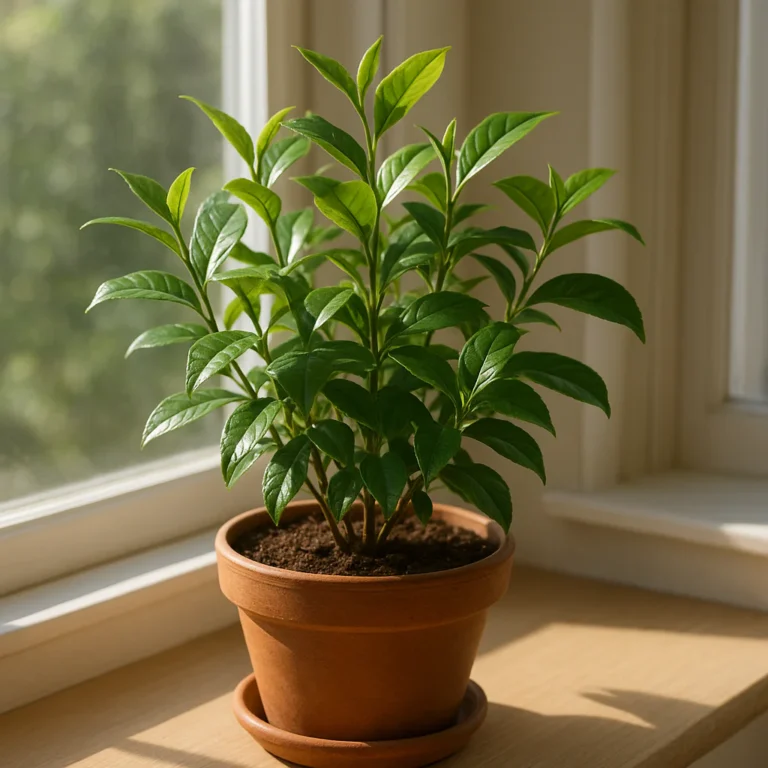
Yes, you absolutely can grow tea in containers, provided you master the art of creating a highly acidic, chunky soil mix that mimics a forest floor. If you’ve ever wondered, “Can I grow tea in containers, and what soil mix is recommended?”, the answer is a resounding yes, but only if you ditch the standard garden soil and embrace a specialized blend of peat, bark, and perlite.
Most people assume tea plants need acres of land, but we’ve successfully grown lush Camellia sinensis bushes on tiny city balconies and sunny kitchen windowsills. The secret isn’t space; it’s soil chemistry.
One of our team members once tried growing tea in regular poting soil from a big-box store, and within weeks, the leaves turned a sickly yellow—a classic sign of chlorosis caused by high pH. After switching to a custom acidic mix, the plant bounced back with vibrant new growth in just a few weeks.
Key Takeaways
- ✅ Yes, it works: Tea plants thrive in containers as long as you move them indoors during frost.
- ✅ Soil is critical: You must use a mix with a pH between 5.0 and 6.0; standard soil will kill the plant.
- ✅ Drainage is non-negotiable: Use a chunky blend of peat moss, orchid bark, and perlite to prevent root rot.
- ✅ Patience pays off: Expect to wait 2–3 years before harvesting enough leaves for a full cup of tea.
Table of Contents
- ⚡️ Quick Tips and Facts
- 📜 A Brief History of Tea: From Ancient Forests to Your Balcony
- 🌱 Can You Really Grow Tea Plants in Containers? The Verdict
- 🏺 Choosing the Perfect Pot: Size, Material, and Drainage Essentials
- 🌍 The Ultimate Guide to Tea Plant Soil Mixes and pH Balance
- 💧 Watering Wisdom: Hydration Needs for Potted Camellia Sinensis
- ☀️ Light Requirements: Maximizing Sun Exposure for Indoor and Outdoor Growth
- ✂️ Pruning and Training: Shaping Your Container Tea Bush for Maximum Yield
- 🌡️ Winterizing Your Tea Plant: Protecting Potted Camellia from Frost
- 🍵 Harvesting and Processing: Turning Your Homegrown Leaves into a Cup of Bliss
- 🐛 Troubleshooting Common Pests and Diseases in Container Tea Gardens
- 📊 Comparison: Growing Tea in Ground vs. Containers
- 🛒 Recommended Tools and Supplies for the Home Tea Grower
- ❓ Frequently Asked Questions About Growing Tea in Pots
- 🔗 Recommended Links
- 📚 Reference Links
- 🏁 Conclusion
⚡️ Quick Tips and Facts
Before we dive into the nitty-gritty of soil chemistry and pot dimensions, let’s hit the ground running with the absolute essentials. If you’re in a rush, here is your cheat sheet for growing Camellia sinensis in a pot:
- Acidity is Non-Negotiable: Tea plants are acidophiles. If your soil pH is above 6.5, your plant will turn yellow and sulk. We’re talking pH 5.0 to 6.0 for optimal health.
- Drainage or Death: Roots rot faster than milk in the sun. Your pot must have holes, and your soil mix must be chunky, not muddy.
- Size Matters: Start with a 5-gallon nursery pot (approx. 10-12 inches wide). It’s the sweet spot for a young plant to establish without drowning in excess soil.
- The “Indoor/Outdoor” Dance: In zones colder than 8, your tea plant is a seasonal traveler. It lives outside in summer and moves indoors before the first frost.
- Patience is a Virtue: You won’t be brewing a full pot of Earl Grey next week. It takes 2-3 years for a plant to produce enough leaves for a meaningful harvest.
For those wondering about the foundation of it all, we’ve broken down the specific soil recipes in detail later, but if you want to read more about the science behind it right now, check out our deep dive on What kind of soil is best for growing tea?.
📜 A Brief History of Tea: From Ancient Forests to Your Balcony

You might think growing tea is a modern urban gardening fad, but the story of Camellia sinensis stretches back thousands of years. Legend has it that in 2737 BC, the Chinese Emperor Shen Nung was boiling water under a tea tree when a few leaves drifted into his pot. The result? The first cup of tea.
Originally, these plants were massive trees in the misty, humid forests of Assam, India, and Yunnan, China. They thrived in specific microclimates where the air was thick with moisture and the soil was rich in organic matter. Fast forward today, and we are squeezing these ancient giants into 5-gallon plastic pots on our city balconies.
How did we get here?
The transition from forest floor to container garden is a testament to human ingenuity. While the wild ancestors of our tea plants can grow up to 30 feet tall, selective breeding and pruning techniques have allowed us to keep them manageable. As noted in our research on Green Tea Cultivation, the key to container success is mimicking those ancient forest conditions: acidic, well-drained soil and high humidity.
“I decided to bring most of my plants outdoors, and keep a few in larger pots inside.” — A common strategy among home growers to compare growth rates and ensure survival.
But here is the kicker: Can you really replicate a 3,0-year-old forest ecosystem in a 12-inch pot? The answer is yes, but it requires a bit of magic (and a lot of the right soil mix).
🌱 Can You Really Grow Tea Plants in Containers? The Verdict
Let’s address the elephant in the room: Yes, you absolutely can grow tea in containers. In fact, for many of us living in climates that aren’t tropical paradise, it’s the only way to do it.
Growing Camellia sinensis in pots offers a unique advantage: mobility. Unlike a shrub planted in the ground, a potted tea plant can be your roommate during the winter. When the temperature drops below 40°F (4°C), you simply wheel it inside.
The Pros and Cons of Container Growing
| Feature | ✅ Pros | ❌ Cons |
|---|---|---|
| Climate Control | Move indoors during frost; perfect for non-tropical zones. | Roots dry out faster than in-ground plants. |
| Space Efficiency | Fits on balconies, patios, and sunny windowsills. | Limited root space restricts ultimate plant size. |
| Soil Management | You control the pH and texture 10%. | Requires more frequent watering and fertilizing. |
| Aesthetics | Choose pots that match your decor. | Can look “top-heavy” if the pot is too small. |
The Verdict: If you have a sunny spot and a thermometer, you can grow tea. The only real limitation is your patience. As one grower put it, “I’m not growing food to support my entire family off of it. It’s for fun.” And honestly, that’s the best reason to do it.
🏺 Choosing the Perfect Pot: Size, Material, and Drainage Essentials
Not all pots are created equal. If you pick the wrong one, your tea plant will suffer from “root rot,” a condition that is as fatal as it sounds.
Material Showdown: Plastic vs. Terracotta vs. Ceramic
- Plastic/Nursery Pots: These are the unsung heroes of container tea growing. They are lightweight (easy to move indoors), retain moisture well, and are cheap. For a tea plant that needs consistent moisture, plastic is often superior.
- Terracotta/Clay: Beautiful, but terible for tea plants in dry climates. They breathe too much, causing the soil to dry out rapidly. If you love the look, use a plastic liner inside a terracotta pot.
- Ceramic/Glazed: Great if they have drainage holes. If they don’t, they are just expensive decorative bowls.
Size and Dimensions
According to expert guidelines, the pot should be approximately twice the size of the root ball.
- Start Small: A 5-gallon pot (10-12 inches diameter) is perfect for a young plant.
- Depth: Choose a pot that is 1.5 times deeper than it is wide. Tea roots like to go down, not just out.
- Drainage: This is non-negotiable. If your pot doesn’t have holes, drill them. If you can’t drill them, don’t use the pot.
👉 CHECK PRICE on:
🌍 The Ultimate Guide to Tea Plant Soil Mixes and pH Balance
Here is the secret sauce. Most gardeners fail because they grab a bag of “all-purpose poting soil” from the hardware store. Stop. That soil is likely too alkaline and too dense for tea.
The pH Imperative
Tea plants are acidophiles. They crave an acidic environment.
- Target pH: 5.0 to 6.0.
- The Danger Zone: Anything above 6.5 causes chlorosis (yellowing leaves) because the plant can’t absorb iron.
The Perfect Soil Recipe
You need a mix that is well-draining yet moisture-retentive. Think of it as a “chunky” mix.
Option A: The Orchid/Cactus Hybrid (Our Top Pick)
- 50% High-quality poting soil (peat-based).
- 25% Orchid bark (for aeration).
- 25% Perlite or Pumice (for drainage).
- Why it works: This mimics the loose, airy soil of the forest floor.
Option B: The Acid-Boosted Mix
- 60% Peat Moss or Coco Coir.
- 20% Pine Bark Fines.
- 20% Perlite.
- Additive: Mix in a handful of sulfur or use an acid-loving plant fertilizer to lower the pH.
Option C: The “Lazy” Mix
- 50% Standard Poting Mix.
- 50% Cactus/Orchid Mix.
- Note: Always test your pH after mixing!
“If you are planting in pots, you’ll want to use the same type of soil… something well-draining.” — Expert advice from Tea-Happiness.com
How to Adjust pH
If your mix is too alkaline:
- Add elemental sulfur (follow package instructions).
- Use peat moss instead of coconut coir (peat is naturally acidic).
- Water with rainwater instead of tap water (tap water is often alkaline).
For more specific recipes and brand recommendations, visit our guide on What kind of soil is best for growing tea?.
👉 CHECK PRICE on:
- Orchid Bark Mix: Amazon | Home Depot
- Acid-Loving Plant Food: Amazon | Miracle-Gro Official
💧 Watering Wisdom: Hydration Needs for Potted Camellia Sinensis
Watering is a balancing act. Too little, and the leaves curl and crisp. Too much, and the roots rot.
The Finger Test
Stick your finger 1-2 inches into the soil.
- Dry? Water thoroughly until water runs out the bottom.
- Damp? Wait.
- Sogy? You’ve overwatered. Stop immediately.
Seasonal Adjustments
- Summer: Potted plants dry out fast. You might need to water daily in hot weather.
- Winter: Growth slows down. Reduce watering significantly. The soil should stay slightly moist but never wet.
Pro Tip: If you live in a dry climate, place your pot on a pebble tray filled with water. As the water evaporates, it creates a humid microclimate around the leaves, mimicking their native Assam habitat.
☀️ Light Requirements: Maximizing Sun Exposure for Indoor and Outdoor Growth
Tea plants are sun-worshippers, but they have a temperamental side.
- Outdoor: They love full sun to partial shade. In hot climates (Zone 9+), afternoon shade is crucial to prevent leaf scorch. In cooler climates, give them all the sun they can get.
- Indoor: A south-facing window is ideal. If you don’t have one, a grow light is a worthy investment.
The “Hardening Off” Process
Never move a plant from indoors to outdoors (or vice versa) overnight. The shock can kill it.
- Day 1-2: Place outside for 2 hours in the morning.
- Day 3-4: Increase to 4 hours.
- Day 5-7: Leave out all day, bring in at night.
- Week 2+: Permanent outdoor placement (if temps are above 40°F).
✂️ Pruning and Training: Shaping Your Container Tea Bush for Maximum Yield
You want a bush, not a tree. Pruning encourages lateral growth, which means more leaves for your tea.
- When to Prune: Early spring, just as new growth starts.
- How to Prune: Snip off the top 2-3 inches of the main stems. This forces the plant to branch out.
- Maintenance: Pinch off any flowers if you want to maximize leaf production (flowers take energy away from leaves).
The “Tea Bush” Shape: Aim for a rounded, dome-like shape. This allows light to penetrate the center of the plant.
🌡️ Winterizing Your Tea Plant: Protecting Potted Camellia from Frost
This is the make-or-break moment for container growers. Camellia sinensis is hardy to about Zone 7 (10°F to 0°F), but potted roots are much more vulnerable than ground roots.
- The 40°F Rule: When night temperatures consistently drop below 40°F (4°C), it’s time to move the plant inside.
- Indoor Location: A cool, bright room (50-60°F) is better than a hot, dry living room. A heated greenhouse or sunroom is perfect.
- Humidity: Indoor air is dry. Use a humidifier or pebble trays to keep the leaves happy.
🍵 Harvesting and Processing: Turning Your Homegrown Leaves into a Cup of Bliss
So, you’ve waited two years. Your plant is lush and green. Now what?
When to Harvest
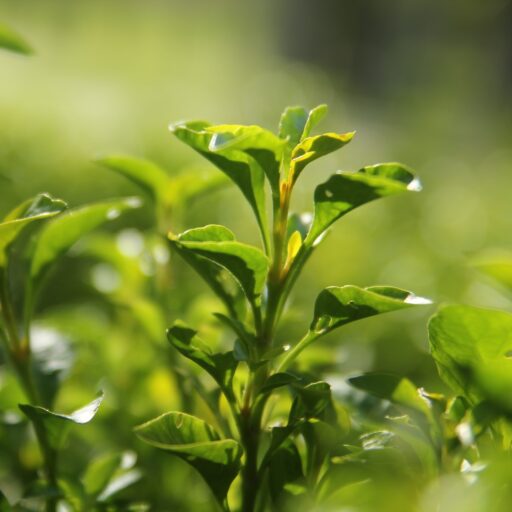
Wait until the plant has new growth with 2 leaves and a bud. This is the “two leaves and a bud” standard used for high-quality tea.
The Process
- Plucking: Gently pinch the bud and the two leaves below it.
- Withering: Spread leaves on a tray for 12-24 hours until they wilt.
- Rolling: Gently roll the leaves to break cell walls (this releases enzymes).
- Oxidation:
Green Tea: Stop oxidation immediately by heating (pan-frying or steaming).
Black Tea: Let them oxidize fully (turn dark brown) before drying. - Drying: Bake at low heat until crisp.
For more on the health benefits of your homegrown brew, check out our Health Benefits of Tea category.
🐛 Troubleshooting Common Pests and Diseases in Container Tea Gardens
Even the best gardeners face pests. Here’s what to watch for:
- Spider Mites: Tiny dots on the underside of leaves. Fix: Increase humidity, spray with neem oil.
- Aphids: Green or black bugs on new growth. Fix: Blast with water or use insecticidal soap.
- Root Rot: Yellowing leaves, wilting despite wet soil. Fix: Repot in fresh, dry soil; trim rotten roots.
Good News: Spiders are actually your friends! If you see a spider web, it means your plant is healthy enough to support a predator. As noted in our research, “Spiders are beneficial insects that help keep pests away.”
📊 Comparison: Growing Tea in Ground vs. Containers
| Feature | In-Ground | Container |
|---|---|---|
| Root Space | Unlimited | Limited (requires repoting) |
| Watering | Less frequent | Daily/Weekly checks needed |
| Mobility | None | High (move for frost/sun) |
| Soil Control | Difficult to change | 10% control |
| Yield | Higher (eventually) | Lower (limited by pot size) |
| Winter Hardiness | Better (ground insulation) | Poor (roots freeze easily) |
🛒 Recommended Tools and Supplies for the Home Tea Grower
To get started, you don’t need a lot, but you do need the right gear.
👉 CHECK PRICE on:
- Pruning Shears: Amazon | Gardener’s Supply Company
- Soil pH Tester: Amazon | Walmart
- Nem Oil (Organic Pest Control): Amazon | Bonide Official
- Grow Lights (Full Spectrum): Amazon | Hydrofarm
🏁 Conclusion

So, can you grow tea in containers? Absolutely. It’s a journey that requires patience, a keen eye for soil pH, and a willingness to play “indoor/outdoor” with your plant. But the reward? Sipping a cup of tea that you grew, harvested, and processed yourself is an experience unlike any other.
Remember, the key to success lies in acidic, well-draining soil and consistent moisture. Don’t be afraid to experiment with different pot sizes and soil mixes. And if your first plant struggles, don’t give up. Gardening is a learning process, and every yellow leaf is a lesson learned.
Final Recommendation: Start with a 5-gallon plastic pot, a mix of peat moss, orchid bark, and perlite, and a south-facing window. With these basics, you’re well on your way to your own personal tea garden.
🔗 Recommended Links
Ready to get your hands dirty? Here are the top products and resources we recommend:
- Orchid Bark Mix: Amazon | Home Depot
- Acid-Loving Plant Food (Miracle-Gro): Amazon | Miracle-Gro Official
- 5-Gallon Nursery Pots: Amazon | Walmart
- Book: “The Tea Tree: A Guide to Growing and Brewing Your Own Tea”: Amazon
- Nem Oil for Pests: Amazon | Bonide Official
❓ Frequently Asked Questions About Growing Tea in Pots
What is the best pot size for growing tea plants in containers?
Answer: For a young tea plant, a 5-gallon pot (approx. 10-12 inches in diameter) is ideal. This provides enough room for root establishment without holding too much water, which can lead to rot. As the plant grows, you can repot it into a 10-gallon or larger container, but remember that tea plants generally thrive in slightly root-bound conditions, so don’t jump to a massive pot too quickly.
How often should I water my tea plant grown in a container?
Answer: There is no fixed schedule; it depends on the weather and your soil mix. The golden rule is the finger test: stick your finger 1-2 inches into the soil. If it feels dry, water thoroughly. In the summer, this might mean daily watering. In the winter, it could be once a week. Never let the soil dry out completely, but also never let it sit in water.
Can I grow tea plants indoors in a container year-round?
Answer: Yes, you can! In fact, for those in cold climates (below Zone 7), growing indoors year-round is often necessary. However, tea plants need bright light. If you don’t have a south-facing window with 6+ hours of direct sun, you will need to supplement with a full-spectrum grow light. Also, indoor air can be dry, so using a humidifier or pebble tray is highly recommended.
What type of fertilizer is best for container-grown tea plants?
Answer: Tea plants are heavy feeders of nitrogen and acid-loving. Use a fertilizer specifically formulated for azaleas, camellias, or rhodendrons. These are naturally acidic and provide the right nutrient balance. Avoid high-phosphorus fertilizers, which can inhibit growth. Apply fertilizer in early spring and mid-summer, following the package instructions.
How do I know if my tea plant is getting enough acid?
Answer: The most common sign of low acidity (high pH) is chlorosis, where the leaves turn yellow but the veins remain green. If you see this, test your soil pH. If it’s above 6.5, you need to lower it using elemental sulfur or by switching to a more acidic poting mix.
Can I use regular garden soil for my potted tea plant?
Answer: No. Regular garden soil is too dense and often has the wrong pH. It will compact in a pot, suffocating the roots. Always use a poting mix designed for containers, preferably one amended with peat moss, perlite, and orchid bark for the right texture and acidity.
📚 Reference Links
- Wilson Bros Gardens: How To Plant A Tea Olive Osmanthus Shrub Or Tree In The Ground – Note: While this article focuses on Osmanthus (Tea Olive), it offers excellent general advice on container drainage and soil mixes applicable to Camellia sinensis.
- Tea-Happiness: How To Grow Tea Pt. 2: From Inside To Outside – A comprehensive guide on moving plants between indoor and outdoor environments.
- Allotment Notes: A Simple and Stink-Free Recipe for Comfrey Tea – Clarifies the difference between growing Camellia sinensis and making comfrey tea fertilizer.
- Growing Teas™: Green Tea Cultivation
- Growing Teas™: Organic Farming Techniques
- Growing Teas™: Fertilizers for Tea Plants