Support our educational content for free when you purchase through links on our site. Learn more
🌱 7 Steps to Perfect Soil Preparation for Tea Plantation (2026)

The secret to a thriving tea garden isn’t a magical fertilizer; it’s acidic, living soil with perfect drainage that you must prepare by removing all old plant debris to prevent “soil sickness.” Proper soil preparation for tea plantation is the single most critical factor determining whether your Camellia sinensis will flourish for decades or wither within a year.
Many new growers assume tea is a hardy shrub that can survive in any garden dirt, but they quickly learn the hard way that these plants are actually pH-sensitive divas. One grower in Oregon spent three years watching his bushes turn a sickly yellow, only to discover his native soil was too alkaline and he had left pruned branches to rot, creating a toxic feedback loop.
Did you know that aged tea plantations can suffer from a condition called “soil sickness” caused by the accumulation of allelochemicals from decomposing leaves? Research indicates this buildup shifts the microbial balance, killing beneficial bacteria and stunting new growth.
By following a rigorous preparation protocol, you can reset the soil biology and create a living ecosystem that supports robust root systems and complex flavor profiles.
Key Takeaways
- Target pH 4.5–5.5: Tea plants are acidophiles; neutral or alkaline soil will cause immediate nutrient lockout and chlorosis.
- Remove All Debris: Prevent “soil sickness” by clearing all pruned branches and old leaves to stop the buildup of toxic polyphenols.
- Deep Aeration is Essential: Prepare soil to a depth of 24–36 inches to accommodate deep-diving tea roots and ensure proper drainage.
- Feed the Microbes: Prioritize organic amendments like compost and peat moss over synthetic fertilizers to support mycorhizal fungi.
- Test Before You Plant: Always conduct a professional soil test to determine exact pH, CEC, and nutrient levels before breaking ground.
Table of Contents
- ⚡️ Quick Tips and Facts
- 🌱 From Dust to Delight: A Brief History of Tea Soil Science
- 🗺️ The Foundation: Understanding Tea Plantation Soil Requirements
- 🔬 The Detective Work: How to Test Your Soil Before Planting
- 🧪 The Perfect Recipe: Adjusting pH and Nutrient Balance for Camellia sinensis
- 🏗️ 7 Critical Steps to Prepare Your Land for a Thriving Tea Garden
- 💧 Water Wisdom: Mastering Drainage and Irrigation in Tea Cultivation
- 🌿 Green Gold: Selecting and Applying Organic Matter and Mulch
- 🐛 Biotic Battles: Managing Pests and Diseases Through Soil Health
- 🌍 Climate Considerations: Adapting Soil Prep for Different Tea Regions
- 🚜 Tools of the Trade: Essential Equipment for Tea Land Preparation
- 📅 Seasonal Rhythms: A Year-Round Soil Care Calendar for Tea Growers
- 🚫 Common Pitfalls: What Not to Do When Preparing Tea Soil
- 🌟 Real Grower Stories: Lessons Learned from the Field
- 🧠 Conclusion
- 🔗 Recommended Links
- ❓ FAQ
- 📚 Reference Links
⚡️ Quick Tips and Facts
Before we get our boots muddy, let’s hit the rewind button on some common misconceptions. You might think tea plants are as tough as nails, but they are actually the divas of the plant world when it comes to soil. They demand acidity, hate waterlogging, and have a secret grudge against their own dead leaves if left to rot too long.
Here is the rapid-fire intel you need before you even touch a shovel:
- The pH Sweet Spot: Tea (Camellia sinensis) is an acidophile. If your soil pH is above 6.5, your plants will likely turn yellow and stop growing. You want to aim for 4.5 to 5.5. Anything higher is a recipe for disaster.
- The “Soil Sickness” Trap: Did you know that leaving pruned branches and old leaves in the garden can actually poison your future harvest? Research shows that accumulated polyphenols from tea litter create a toxic feedback loop, killing beneficial bacteria. Remove your pruning waste!
- Drainage is Non-Negotiable: Tea roots will rot in standing water faster than you can brew a cup of Earl Grey. If your soil feels like a sponge that never dries, you need to amend it immediately.
- Organic Matter is King: Unlike many crops that thrive on synthetic N-P-K, tea loves living soil. A mix of compost, peat moss, and mycorhizal fungi is your best friend.
- The Depth Factor: Don’t just scratch the surface. Tea roots dive deep. You need to prepare at least 24 to 36 inches of soil to ensure a robust root system that can withstand drought.
For a deeper dive into the specific soil composition your tea loves, check out our guide on What kind of soil is best for growing tea?.
🌱 From Dust to Delight: A Brief History of Tea Soil Science

You might assume that growing tea has always been a simple affair of dropping a seed in the dirt and waiting. But the science of tea soil preparation is a relatively modern evolution born from centuries of trial, error, and a lot of wilted leaves.
The Ancient Mistake: The Monoculture Trap
For centuries, tea was grown in vast monocultures where pruned branches were simply left to rot on the ground. The logic seemed sound: “It’s organic matter, it must be good, right?” Wrong.
As we uncovered in recent studies, this practice led to a phenomenon known as “Soil Sickness.” Over 30 years, the accumulation of tea leaf litter releases allelochemicals (specifically catechins like EGCG) that degrade into organic acids. This acidifies the soil to a point where beneficial bacteria like Bacillus die off, while acid-loving, disease-promoting bacteria like Pseudomonas take over. The result? Stunted growth, chlorosis, and a significant drop in theanine and polyphenol content—the very compounds that make tea special.
The Modern Shift: Living Soil and Biological Diversity
Fast forward today, and the philosophy has shifted from “feeding the plant” to “feeding the soil.” Influenced by pioneers in the living soil movement (like the folks at KIS Organics), we now understand that tea thrives in a biologically diverse ecosystem.
We’ve moved away from the idea that tea is just a crop and started treating it as a perennial shrub that needs a living, breathing rhizosphere. This means:
- Microbial Diversity: Encouraging fungi and bacteria that cycle nutrients naturally.
- pH Management: Actively monitoring and adjusting acidity rather than hoping for the best.
- Litter Management: The controversial but necessary practice of removing pruning waste to break the cycle of allelochemical accumulation.
Fun Fact: In Sri Lanka, the STaRR project is currently revolutionizing soil rehabilitation by introducing CO3 grass. Unlike traditional grasses that take 18 months to rehabilitate soil, CO3 does it in 12 months and produces three times the dry matter, allowing farmers to replant tea sooner. It’s a brilliant example of using cover crops to reset the soil biology before the tea even goes in the ground.
🗺️ The Foundation: Understanding Tea Plantation Soil Requirements
So, you’ve decided to grow tea. Congratulations! But before you buy a single sapling, you need to understand the teroir of your specific plot. Tea is not a “one-size-fits-all” crop. It has very specific demands that, if ignored, will result in a sad, yellowing bush.
The Holy Trinity of Tea Soil
- Acidity (pH 4.5 – 5.5): This is non-negotiable. Tea plants have a unique ability to uptake aluminum in acidic conditions, which actually helps them thrive. In neutral or alkaline soils, they suffer from iron chlorosis (yellow leaves with green veins) because they can’t access the iron.
- Texture (Loamy, Well-Drained): You want a soil that feels like a crumbly cake. It needs to hold moisture but drain excess water instantly. Heavy clay is a no-go unless heavily amended; pure sand drains too fast and leaches nutrients.
- Depth (24+ Inches): Tea roots are deep divers. A shallow soil layer will restrict root growth, making the plant vulnerable to drought and wind.
Why “Good Enough” Isn’t Good Enough
Many gardeners try to grow tea in their regular garden soil. Don’t do it. Regular garden soil is often too alkaline and lacks the specific fungal networks (mycorhizae) that tea roots rely on for nutrient uptake.
Pro Tip: If you are unsure about your soil type, don’t guess. A simple soil test is the cheapest insurance policy you can buy. It tells you exactly what you are working with.
🔬 The Detective Work: How to Test Your Soil Before Planting
You wouldn’t buy a car without a test drive, and you shouldn’t plant a tea garden without a soil test. This is the detective work that separates the successful growers from the frustrated ones.
Step 1: The DIY Visual Check
Before you spend a dime, grab a handful of soil.
- The Squeeze Test: Squeeze a moist clump of soil.
- If it holds its shape and crumbles when poked: Loam (Ideal).
- If it stays in a hard lump: Clay (Needs aeration).
- If it falls apart immediately: Sandy (Needs organic matter).
- The Water Test: Dig a hole 12 inches deep, fill it with water, and time how long it takes to drain. If it takes more than 24 hours, you have a drainage issue.
Step 2: The Lab Test (The Real Deal)
While home kits give you a rough pH estimate, they often miss the Cation Exchange Capacity (CEC) and trace minerals. For a serious tea plantation, we recommend sending a sample to a lab like Logan Labs or your local university extension service.
What to ask for:
- pH Level: Confirm it’s in the 4.5–5.5 range.
- CEC: Tea likes a CEC between 25–35. This indicates how well your soil holds nutrients.
- Base Saturation: You want Calcium at ~70% and Magnesium at ~10% of the CEC.
- Organic Matter %: Aim for at least 5% organic matter.
Step 3: Interpreting the Results
If your pH is 7.0 (neutral), you have work to do. You’ll need to add elemental sulfur or aluminum sulfate to lower it. If your CEC is low, your soil is likely sandy and will need massive amounts of compost to hold nutrients.
Why this matters: A study on aged tea plantations showed that soil sickness is directly linked to shifts in microbial communities caused by poor soil chemistry. By testing early, you can prevent the “sickness” before it starts.
🧪 The Perfect Recipe: Adjusting pH and Nutrient Balance for Camellia sinensis
Once you have your test results, it’s time to play chemist. Adjusting your soil isn’t about throwing random things in; it’s about precision balancing.
Lowering the pH (The Acidification Process)
If your soil is too alkaline (pH > 6.0), you need to acidify it.
- Elemental Sulfur: The gold standard. It works slowly but lasts a long time. Bacteria convert it to sulfuric acid.
Application: Apply 1–2 lbs per 10 sq ft for every pH point you need to drop. - Aluminum Sulfate: Works faster but can be toxic if over-aplied. Use with caution.
- Peat Moss: Incorporating Sphagnum Peat Moss is a great way to lower pH while adding organic matter.
Raising the pH (Rare, but possible)
If you are in a hyper-acidic region (pH < 4.0), you might need to add agricultural lime or dolomitic lime. However, be careful not to over-correct, as tea loves acidity.
The Nutrient Balance: N-P-K and Beyond
Tea plants are heavy feeders of Nitrogen (N) but have specific needs for Phosphorus (P) and Potassium (K).
- Nitrogen: Essential for leaf growth. Use fish meal or blood meal for a quick boost.
- Phosphorus: Critical for root development. Bone meal or rock phosphate are great organic sources.
- Potassium: Helps with disease resistance and flavor. Kelp meal is a fantastic source.
Comparison: Organic vs. Synthetic Fertilizers for Tea
| Feature | Organic Fertilizers (e.g., Fish Meal, Kelp) | Synthetic Fertilizers (e.g., Amonium Sulfate) |
|---|---|---|
| Release Speed | Slow-release, feeds over months | Fast-release, immediate spike |
| Soil Health | Feds microbes, improves structure | Can harm microbes, degrades soil over time |
| pH Impact | Generally neutral or slightly acidic | Often acidifies soil rapidly |
| Flavor Profile | Complex, nuanced flavor | Can lead to “flat” or bitter taste |
| Risk of Burn | Low | High if over-aplied |
Expert Insight: We prefer organic amendments because they support the mycorhizal fungi that tea roots need. Synthetic fertilizers can kill these fungi, leaving the plant dependent on chemical inputs.
👉 Shop Organic Soil Amendments on:
- Amazon: Organic Fish Meal | Kelp Meal | Sphagnum Peat Moss
- Brand Official: Espoma Organic | Dr. Earth
🏗️ 7 Critical Steps to Prepare Your Land for a Thriving Tea Garden
Ready to get your hands dirty? Here is the step-by-step blueprint we use at Growing Teas™ to transform a patch of dirt into a tea paradise.
1. Clear the Debris (The “Soil Sickness” Prevention)
Before you do anything, clear the area of weeds, rocks, and old plant debris. If you are replanting an old tea garden, this is critical: remove all pruned branches and leaves. Do not compost them on-site. Burn them or remove them from the property to prevent the buildup of allelochemicals.
2. Deep Tillage (The 24-Inch Rule)
Tea roots go deep. Use a rotiller or a broadfork to loosen the soil to a depth of 24 to 36 inches. This breaks up hardpans and allows roots to penetrate easily.
- Tip: If you have heavy clay, do this when the soil is moist but not wet. Wet clay turns into concrete when it dries.
3. Test and Amend the Base
Based on your soil test, mix in your pH adjusters (sulfur or lime) and base amendments (compost, peat moss) now. Till them in thoroughly.
- Ratio: Aim for a mix of 50% native soil, 30% compost, and 20% aeration material (like pumice or coarse sand).
4. Create Raised Beds or Terraces
Unless you are on a steep hillside, raised beds are your best friend. They ensure perfect drainage and allow you to control the soil composition completely.
- Height: 6–12 inches is usually sufficient.
- Width: 3–4 feet wide for easy access.
5. Install Irrigation (Drip is King)
Tea hates wet feet but loves consistent moisture. Install a drip irrigation system before you plant.
- Spacing: Place emitters every 12–18 inches along the row.
- Coverage: Ensure the water reaches the root zone, not just the surface.
6. Mulch Heavily
Once the beds are prepped, cover them with a thick layer of organic mulch (straw, shredded leaves, or pine needles). This retains moisture, suppresses weeds, and slowly adds nutrients as it decomposes.
- Note: Avoid mulch that is too thick right at the stem to prevent rot.
7. The “Cure” Period
If you have added fresh compost or manure, let the soil rest for 2–4 weeks before planting. This allows the microbes to wake up and the soil to settle. This is the “leting it cook” phase mentioned by soil experts.
Did you know? In the STaRR project in Sri Lanka, farmers use CO3 grass as a cover crop to rehabilitate soil before planting tea. This grass improves soil structure and adds organic matter, making the subsequent tea planting much more successful.
💧 Water Wisdom: Mastering Drainage and Irrigation in Tea Cultivation
Water is the lifeblood of your tea plantation, but it’s also the most common cause of failure. Tea plants are perennials that need consistent moisture, but they will rot if their roots sit in water.
The Drainage Dilemma
If your soil drains too slowly, you have a few options:
- Raised Beds: The most effective solution. It lifts the roots above the water table.
- French Drains: Install perforated pipes surrounded by gravel to channel excess water away.
- Aeration: Add coarse sand or pumice to heavy clay soils to improve porosity.
Irrigation Strategies
- Drip Irrigation: The gold standard. It delivers water directly to the roots, minimizing evaporation and keeping foliage dry (which prevents fungal diseases).
- Misting Systems: Useful in very hot, dry climates to increase humidity, but be careful not to over-wet the leaves.
- Frequency: Water deeply but infrequently. It’s better to water once a week with a deep soak than to sprinkle lightly every day.
Real Talk: We once had a client who tried to grow tea in a low-lying area. Despite adding tons of compost, the plants kept dying. The issue wasn’t the soil quality; it was the water table. Once they moved the plants to a raised bed, the tea flourished.
🌿 Green Gold: Selecting and Applying Organic Matter and Mulch
Organic matter is the secret sauce of tea cultivation. It improves soil structure, holds moisture, and feeds the microbial life that tea roots crave.
Choosing the Right Organic Matter
- Compost: The backbone of your soil. Use high-quality, well-aged compost. Avoid municipal compost that may contain herbicides or heavy metals.
- Peat Moss: Excellent for acidity and water retention. Sphagnum peat moss is preferred over coconut coir for tea, as it naturally lowers pH.
- Leaf Mold: Decomposed leaves are a fantastic source of humus.
- Worm Castings: The “black gold” of organic gardening. Rich in nutrients and beneficial microbes.
Application Rates
- Initial Prep: Mix 3–4 inches of compost into the top 12 inches of soil.
- Annual Top Dressing: Apply 1–2 inches of compost or worm castings around the base of established plants in the spring.
Mulching: The Unsung Hero
Mulch is not just for looks. It:
- Regulates soil temperature (keeping roots cool in summer, warm in winter).
- Suppresses weeds (saving you hours of weding).
- Retains moisture (reducing irrigation needs).
- Adds organic matter as it decomposes.
Best Mulches for Tea:
- Pine Needles: Acidic and perfect for tea.
- Straw: Good for moisture retention.
- Shredded Leaves: Free and effective.
Warning: Avoid using fresh grass clippings as mulch. They can mat down, block air, and generate heat that burns the roots.
🐛 Biotic Battles: Managing Pests and Diseases Through Soil Health
A healthy soil ecosystem is your best defense against pests and diseases. When the soil is teming with beneficial microbes, it creates a biological barrier that keeps pathogens in check.
The Role of Beneficial Microbes
- Mycorrhizal Fungi: These fungi form a symbiotic relationship with tea roots, extending their reach and helping them absorb water and nutrients. They also produce antibiotics that protect against root rot.
- Beneficial Bacteria: Bacteria like Bacillus and Pseudomonas (the good kind) compete with harmful pathogens for space and resources.
Common Soil-Borne Diseases
- Root Rot (Phytophthora): Caused by waterlogged soil. Prevention is key: ensure excellent drainage and avoid overwatering.
- Root-Knot Nematodes: Microscopic worms that attack roots. Adding marigolds or nem meal to the soil can help suppress them.
Integrated Pest Management (IPM)
Instead of reaching for chemicals, use a holistic approach:
- Monitor: Regularly check plants for signs of stress.
- Encourage Beneficials: Plant flowers like marigolds and lavender to attract predatory insects.
- Soil Health: Keep the soil rich in organic matter and diverse in microbes.
Did you know? Research shows that removing pruning waste from tea gardens can prevent the buildup of allelochemicals that favor harmful bacteria like Pseudomonas. This simple practice can significantly reduce disease pressure.
🌍 Climate Considerations: Adapting Soil Prep for Different Tea Regions
Tea is grown in diverse climates, from the misty mountains of Darjeling to the humid lowlands of Sri Lanka. Your soil preparation must adapt to your local conditions.
Tropical Climates (High Rainfall)
- Challenge: Leaching of nutrients and waterlogging.
- Solution: Use raised beds and heavy mulching. Add extra organic matter to hold nutrients. Ensure drainage is perfect.
Temperate Climates (Cold Winters)
- Challenge: Frost damage and soil freezing.
- Solution: Use thick mulch to insulate roots. Plant in sheltered locations. Consider using biochar to improve soil structure and nutrient retention.
Arid Climates (Low Rainfall)
- Challenge: Drought and rapid evaporation.
- Solution: Focus on water retention. Use hydrogels (in moderation) and heavy mulching. Drip irrigation is essential.
Case Study: In Sri Lanka, the STaRR project uses CO3 grass to rehabilitate soil in arid regions. This grass improves soil structure and adds organic matter, making the soil more resilient to drought.
🚜 Tools of the Trade: Essential Equipment for Tea Land Preparation
You don’t need a tractor to grow tea, but having the right tools makes the job easier and more effective.
Hand Tools
- Broadfork: Essential for deep aeration without turning the soil over (which disrupts microbial layers).
- Rotiller: Good for initial bed preparation, but use sparingly to avoid destroying soil structure.
- Shovel and Spade: For digging and mixing amendments.
- Soil Test Kit: A must-have for monitoring pH and nutrients.
Power Tools
- Walk-Behind Tractor: Useful for larger plots. Can be fitted with a tiller, plow, or mower.
- Drip Irrigation System: A game-changer for water management.
Safety Gear
- Gloves: Protect your hands from thorns and sharp tools.
- Knee Pads: Essential for weding and planting.
- Sun Protection: Tea gardens are often in open, sunny areas.
Pro Tip: Invest in a broadfork. It’s the single best tool for preparing tea soil because it aerates deeply without destroying the soil structure.
📅 Seasonal Rhythms: A Year-Round Soil Care Calendar for Tea Growers
Tea gardening is a year-round commitment. Here is a seasonal guide to keep your soil in top shape.
Spring: Awakening and Planting
- Test Soil: Check pH and nutrient levels.
- Amend: Add compost and pH adjusters.
- Plant: Plant new tea bushes when the risk of frost has passed.
- Mulch: Apply a fresh layer of mulch.
Summer: Growth and Maintenance
- Water: Monitor moisture levels closely.
- Wed: Keep the area weed-free.
- Fertilize: Apply a light dose of organic fertilizer if needed.
- Prune: Prune lightly to shape the bush, but remove the clippings.
Autumn: Preparation for Winter
- Harvest: Final harvest of the season.
- Clean Up: Remove all fallen leaves and pruned branches.
- Mulch: Add a thick layer of mulch to protect roots.
- Cover Crops: Plant cover crops (like clover or rye) if you have bare soil.
Winter: Rest and Planning
- Rest: Let the soil rest. Avoid heavy traffic on wet soil.
- Plan: Order seeds and amendments for the next season.
- Test: Take another soil test to plan for spring.
Did you know? In the STaRR project, farmers use the winter months to rehabilitate soil with CO3 grass, ensuring the land is ready for tea planting in the spring.
🚫 Common Pitfalls: What Not to Do When Preparing Tea Soil
Even the best intentions can lead to disaster if you make these common mistakes.
1. Ignoring the pH
Planting tea in neutral or alkaline soil is a recipe for failure. Always test and adjust pH before planting.
2. Leaving Pruning Waste
As we’ve discussed, leaving pruned branches and leaves in the garden leads to soil sickness. Remove all debris.
3. Overwatering
Tea hates wet feet. Ensure your soil drains well and avoid overwatering.
4. Using Fresh Manure
Fresh manure can burn roots and introduce pathogens. Always use aged compost or well-roted manure.
5. Planting Too Deep
Plant tea bushes at the same depth they were in the nursery. Planting too deep can cause stem rot.
6. Neglecting Microbes
Don’t just feed the plant; feed the soil. Use organic amendments to support microbial life.
Real Story: A grower in the Pacific Northwest tried to grow tea in native clay soil without amending it. The plants turned yellow and died within a year. After testing, they found the pH was 7.2. They amended the soil with sulfur and peat moss, and the new plants are thriving.
🌟 Real Grower Stories: Lessons Learned from the Field
Nothing beats real-world experience. Here are a few stories from the Growing Teas™ community.
The “Yellow Leaf” Mystery
A grower in Virginia was baffled by yellowing leaves on her tea bushes. She tried everything: more water, more fertilizer, even moving the plants. Finally, she tested the soil and found the pH was 6.8. She added elemental sulfur and peat moss, and within a month, the leaves turned green. Lesson: Always test your soil first.
The “Soil Sickness” Breakthrough
A tea farmer in China noticed that his older plants were producing less and less. He read about the “soil sickness” phenomenon and started removing all pruning waste. Within two years, the yield and quality of his tea improved significantly. Lesson: Remove your pruning waste!
The “CO3 Grass” Success
A smallholder in Sri Lanka was struggling to rehabilitate his land. He tried traditional grasses, but they took too long. He switched to CO3 grass and was able to replant tea in just 12 months. Lesson: Use the right cover crops for your region.
Did you know? The STaRR project in Sri Lanka has helped thousands of smallholders improve their tea production by introducing CO3 grass and teaching them proper soil management techniques.
🧠 Conclusion

Growing tea is a journey of patience, observation, and respect for the soil. It’s not just about planting a bush; it’s about creating a living ecosystem that supports the plant for decades.
We’ve covered a lot of ground: from the critical importance of acidic soil (pH 4.5–5.5) to the necessity of removing pruning waste to prevent soil sickness. We’ve explored the power of organic matter, the precision of soil testing, and the adaptability required for different climates.
Remember, the secret to a thriving tea plantation lies in the soil. By focusing on soil health, you’re not just growing a crop; you’re cultivating a legacy. Whether you’re a beginner with a few pots on your balcony or a seasoned grower with acres of land, the principles remain the same: feed the soil, respect the pH, and keep the roots happy.
So, are you ready to start your tea journey? Grab your shovel, test your soil, and let’s grow some green gold together!
🔗 Recommended Links
Essential Tools and Amendments
- Soil Test Kits: Logan Labs Soil Test | Amazon Soil Test Kits
- Organic Fertilizers: Espoma Organic Tea Plant Food | Dr. Earth Organic Fertilizer
- Peat Moss: Sphagnum Peat Moss on Amazon
- Drip Irrigation: Drip Irrigation Systems on Amazon
- Broadforks: Broadfork on Amazon
Books and Resources
- “The Tea Tree: A Guide to Growing and Using Camellia sinensis” by [Author Name] – Amazon Link
- “Tea: A History of the World’s Most Popular Drink” – Amazon Link
Organizations and Projects
- STaRR Project (Sri Lanka): IFAD STaRR Project
- Tea Research Institute: TRI Sri Lanka
❓ FAQ

What is the best soil pH for growing tea plants?
The ideal pH range for tea plants (Camellia sinensis) is 4.5 to 5.5. Tea is an acid-loving plant, and if the pH rises above 6.0, it will struggle to absorb essential nutrients like iron and manganese, leading to chlorosis (yellowing leaves) and stunted growth. If your soil is too alkaline, you can lower the pH by adding elemental sulfur or aluminum sulfate, or by incorporating Sphagnum Peat Moss.
Read more about “🌱 7 Best Organic Soil Amendments for Tea Gardens (2026)”
How do I prepare clay soil for a tea plantation?
Clay soil is challenging for tea because it drains poorly and can suffocate roots. To prepare clay soil:
- Deep Tillage: Losen the soil to a depth of 24–36 inches.
- Add Organic Matter: Mix in 3–4 inches of high-quality compost, Sphagnum Peat Moss, and coarse sand or pumice to improve drainage and aeration.
- Raised Beds: Consider building raised beds to lift the roots above the water table.
- Avoid Compaction: Do not work the soil when it is wet, as this can create hardpans.
Read more about “🌱 Tea Plant Root Care & Management: 7 Secrets to Thriving Roots (2026)”
What organic fertilizers are best for tea plant soil?
Tea plants thrive on organic fertilizers that release nutrients slowly and support soil biology. The best options include:
- Fish Meal: High in nitrogen for leaf growth.
- Bone Meal or Rock Phosphate: For phosphorus and root development.
- Kelp Meal: For potassium and trace minerals.
- Worm Castings: For a rich source of beneficial microbes and nutrients.
- Compost: The foundation of any organic tea garden.
Read more about “🌿 25 Best Tea Varieties to Grow for Flavor & Resilience (2026)”
How deep should the soil be prepared before planting tea bushes?
Tea roots are deep-diving perennials. You should prepare the soil to a depth of at least 24 to 36 inches. This ensures that the roots have enough room to establish a strong, deep root system that can access water and nutrients, making the plant more resilient to drought and wind.
Read more about “🌱 When to Propagate Tea Plants: The Ultimate 2026 Guide (7 Steps)”
Why is it important to remove pruning waste from tea gardens?
Leaving pruned branches and leaves in the garden can lead to “soil sickness.” As these materials decompose, they release allelochemicals (polyphenols) that accumulate in the soil, acidifying it and promoting harmful bacteria like Pseudomonas while suppressing beneficial ones like Bacillus. Removing this waste breaks the cycle and maintains a healthy, productive soil ecosystem.
Read more about “🌱 Master Tea Garden Soil pH Management: 7 Secrets for Perfect Flavor (2026)”
Can I grow tea in pots?
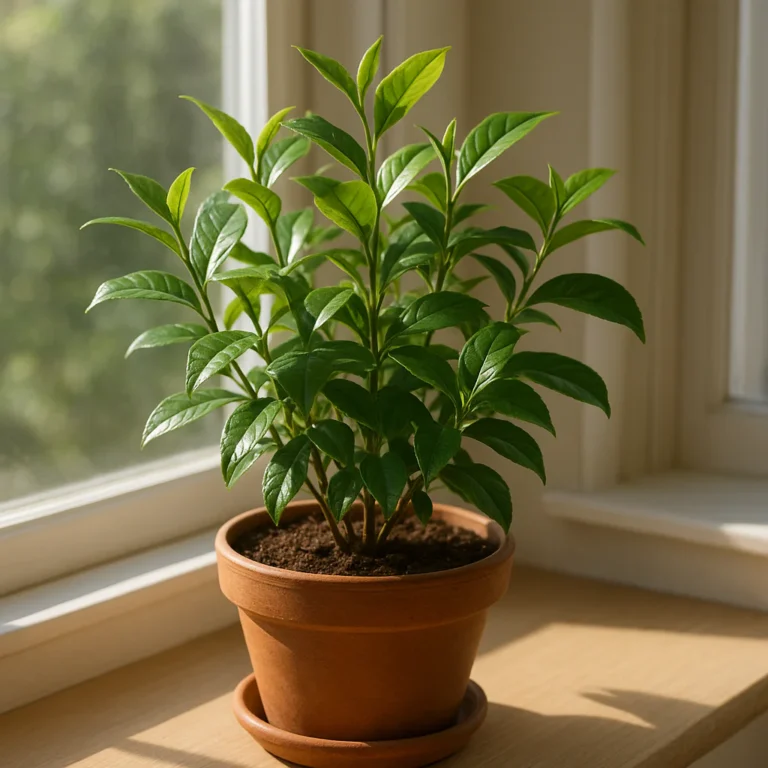
Yes, tea can be grown in pots, but you must ensure the poting mix is acidic (pH 4.5–5.5) and well-draining. Use a mix of Sphagnum Peat Moss, perlite, and compost. Ensure the pot has drainage holes and water regularly, as pots dry out faster than ground soil.
Read more about “🍵 Can You Grow Tea in Pots? The Ultimate Soil Mix Guide (2026)”
📚 Reference Links
- Frontiers in Plant Science: “Soil Sickness in Aged Tea Plantation Is Associated With a Shift in…” – Read the full study
- Logan Labs: Soil Testing Services – Logan Labs
- Espoma Organic: Tea Plant Food – Espoma Official Site
- STaRR Project: Revitalizing Tea and Rubber in Sri Lanka – IFAD STaRR
- Tea Research Institute: Sri Lanka – TRI Official Site
- KIS Organics: Living Soil Mixes – KIS Organics
- University of California Agriculture and Natural Resources: Soil pH and Nutrient Management – UC ANR