Support our educational content for free when you purchase through links on our site. Learn more
🌱 Can Tea Plants Be Grown Indors? The Ultimate 2026 Guide


Yes, you can absolutely grow a thriving tea plant indoors in a pot, provided you mimic its tropical, acidic home with bright light and careful watering. Many gardeners ask, “Can tea plants be grown indoors in pots or containers?” and the answer is a resounding yes, though it requires more attention than a typical houseplant.
Imagine sipping a cup of Earl Grey made from leaves you harvested from your own windowsill bush. It sounds like a fantasy, but it’s a reality for thousands of indoor gardeners who have mastered the art of container tea growing.
The secret lies in understanding that Camellia sinensis is a tropical evergreen, not a succulent. It demands specific conditions to survive the dry air of our heated homes.
While a standard garden camellia might survive on neglect, your tea plant will drop its leaves if the soil pH drifts even slightly toward alkaline.
Key Takeaways
- Yes, it works: You can successfully grow Camellia sinensis indoors in pots, but it requires acidic soil (pH 5.5–6.5) and bright light.
- Patience is key: Expect to wait 3–5 years before your plant is mature enough for a meaningful harvest.
- Water wisely: Avoid root rot by letting the top inch of soil dry out before watering and ensuring excellent drainage.
- Prune for growth: Regular pruning keeps the bush compact and encourages the tender new leaves needed for tea.
- Start right: Choose the Chinese variety (var. sinensis) for the best results in a container environment.
Table of Contents
- ⚡️ Quick Tips and Facts
- 🌱 From Ancient Roots to Your Windowsill: A Brief History of Growing Tea Indors
- 🌿 Can Tea Plants Actually Thrive in Pots? The Indoor Reality Check
- 🏺 Choosing the Perfect Container: Size, Material, and Drainage Essentials
- 🌍 Selecting the Right Soil Mix for Camellia Sinensis in Containers
- ☀️ Lighting Requirements: How Much Sun Does an Indoor Tea Plant Need?
- 💧 Watering Wisdom: Avoiding Root Rot and Maintaining Humidity
- 🌡️ Temperature and Humidity: Creating a Tropical Microclimate Inside
- 🍃 Fertilizing Your Potted Tea Plant: Nutrients for Lush Growth
- ✂️ Pruning and Shaping: Keeping Your Indoor Tea Bush Compact and Productive
- 🐛 Common Pests and Diseases Affecting Indoor Tea Plants
- 🍵 From Leaf to Cup: How Long Until You Can Harvest Tea Leaves?
- 🔥 Processing Your Homegrown Tea: Withering, Rolling, and Drying Techniques
- 🛒 Where to Buy Healthy Tea Plants for Indoor Growing
- ❓ Frequently Asked Questions About Growing Tea Indors
- 🔍 Search
- 🛍️ Products
- 👥 JOIN OUR FACEBOOK GROUP
- 📞 CUSTOMER CARE
- 📩 SUBSCRIBE
- 📚 SLOW CARB BOOK
- 💬 Leave a Comment Cancel Reply
- 🏡 Welcome to Farm to Jar!
- ✅ Conclusion
- 🔗 Recommended Links
- 📖 FAQ
- 📚 Reference Links
⚡️ Quick Tips and Facts
Before we dive into the nitty-gritty of soil pH and humidity trays, let’s get the “Can I actually do this?” anxiety out of the way. The short answer? Yes, absolutely. But the long answer involves a bit of detective work and a lot of patience.
Here is the tea on growing tea (pun intended):
- The Species Matters: You aren’t just buying any “camellia.” You need Camellia sinensis. If you buy a pretty flowering camellia from the garden center, you’ll get a beautiful bush, but zero tea.
- The Wait Game: Don’t expect a cup of Earl Grey next Tuesday. It typically takes 3 to 5 years for a plant to mature enough for a meaningful harvest.
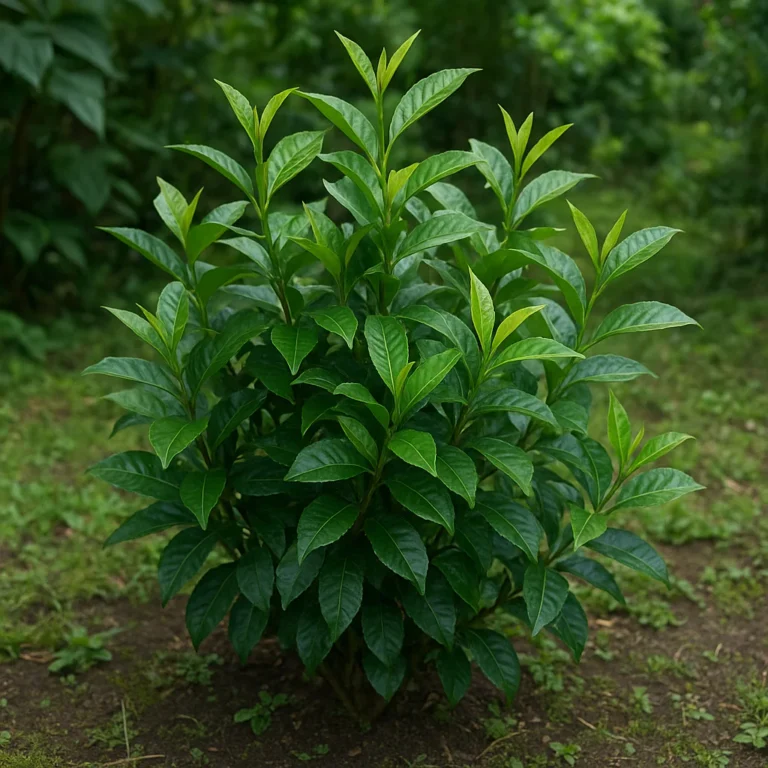
- The Size Limit: In a pot, your tea bush will stay small. In the ground, it can become a 15-foot tree. In a 5-gallon container, it will happily stay around 3–5 feet if you prune it.
- The Acid Test: Tea plants are acid-lovers. They hate alkaline soil. If your tap water is hard, your plant might throw a tantrum (yellow leaves).
- The Harvest Rule: Always pick the “two leaves and a bud” at the very tip of the branch. That’s where the flavor and caffeine live.
If you are wondering, “How hard is tea to grow?” compared to your average houseplant, check out our deep dive on How hard is tea to grow?. Spoiler alert: It’s not rocket science, but it does have specific demands that make it a rewarding challenge.
🌱 From Ancient Roots to Your Windowsill: A Brief History of Growing Tea Indors

Long before were trying to squeeze a tea bush into a sunny apartment in Chicago, the Chinese were cultivating Camellia sinensis in the misty mountains of Yunnan. Legend has it that Emperor Shen Nung discovered tea in 2737 BC when leaves from a wild bush blew into his pot of boiling water. He didn’t know it then, but he was the first “tea grower” to accidentally process a leaf!
For centuries, tea was grown exclusively in the ground in tropical and subtropical zones (USDA Zones 7–9). It was a crop for the land, not the living room. But as climate change shifted weather patterns and gardening enthusiasts moved to colder climates (like our friends in Minnesota or New York), the container method became a necessity, not just a hobby.
Today, the narrative has shifted. We aren’t just growing tea for survival; we are growing it for the ritual. The idea of harvesting a leaf from your windowsill, withering it on a tray, and steeping it in your favorite mug is the ultimate “farm-to-cup” experience. As one of our growers at Growing Teas™ put it, “There is a magic in the first sip of tea you grew yourself that no store-bought bag can ever replicate.”
But can this ancient giant really survive in a modern pot? Let’s find out.
🌿 Can Tea Plants Actually Thrive in Pots? The Indoor Reality Check
So, you’ve seen the Instagram photos of lush tea bushes on sunny balconies. Is it real, or is it a filter?
The Reality: Yes, tea plants can thrive indoors, but they are not low-maintenance succulents. They are tropical evergreens that crave specific conditions. If you treat them like a generic houseplant, they will likely drop their leaves and sulk.
The Pros and Cons of Indoor Tea Growing
| Feature | ✅ The Good News | ❌ The Challenge |
|---|---|---|
| Space | Perfect for apartments, small patios, and cold climates. | Requires a dedicated spot with bright light. |
| Control | You control the soil pH, water, and temperature. | You must manually replicate humidity and light cycles. |
| Harvest | Fresh, organic leaves on demand (eventually). | Slow growth; patience is your primary ingredient. |
| Aesthetics | Beautiful, glossy, dark green foliage year-round. | Can get legy if light is insufficient. |
| Pests | Easier to spot and treat indoors. | Indoor pests (spider mites, aphids) love dry heat. |
The “Cold Climate” Solution
As noted by experts at Farm to Jar, “Container growing with indoor overwintering is your option” for cold climates. If you live in USDA Zone 5 or below, your tea plant must come inside when temperatures drop below 40°F (4°C).
The Verdict: If you are willing to treat your tea plant like a VIP guest rather than a background decoration, it will reward you with years of lush growth.
🏺 Choosing the Perfect Container: Size, Material, and Drainage Essentials
You wouldn’t put a marathon runner in a tiny shoe, and you shouldn’t put a tea plant in a pot that’s too small. The container dictates the size of your plant.
1. Size Matters
- Start Small: A 1-gallon pot is fine for a seedling or a very young cutting.
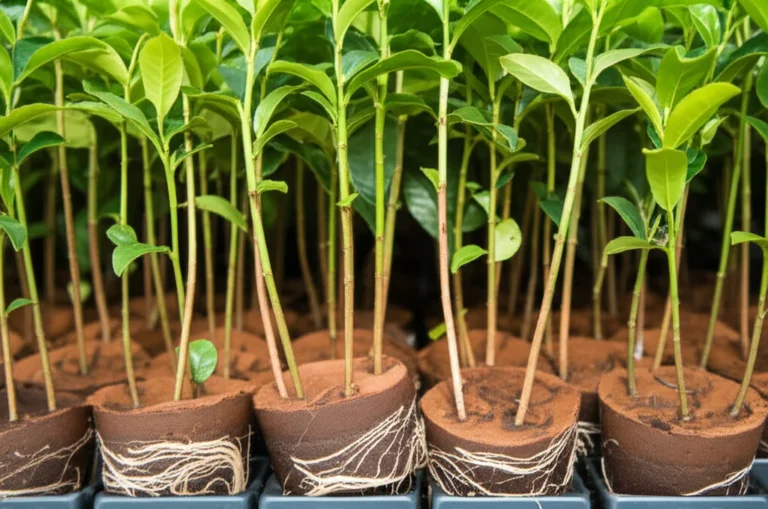
- The Sweet Spot: For a plant you plan to keep for years, start with a 5-gallon nursery pot. This gives the roots room to expand without drowning the plant in soil that stays wet too long.
- The Limit: A tea plant in a 5-gallon pot will generally stay around 3–4 feet tall. If you want a massive tree, you need a 15+ gallon container (or the ground).
2. Material Showdown
- Plastic/Nursery Pots: ✅ Best for beginners. They are lightweight, retain moisture well, and are cheap.
- Terracotta/Clay: ❌ Risky for tea. These are porous and dry out fast. Tea plants hate drying out. If you love the look of terracotta, double-pot it: keep the plant in a plastic nursery pot and place that inside the decorative clay pot.
- Glazed Ceramic: ✅ Good option, provided it has drainage holes. They hold moisture better than terracotta but are heavy.
3. The Non-Negotiable: Drainage
Tea plants hate sogy roots. Root rot is the number one killer of indoor tea plants.
- Check the Holes: Ensure your pot has at least 3–4 large drainage holes.
- The Saucer Trick: Always use a saucer, but never let the pot sit in standing water. Empty the saucer 30 minutes after watering.
Pro Tip: As mentioned in our featured video analysis, if you are using a porous pot, line it with a plastic nursery pot to prevent the soil from drying out too quickly.
👉 Shop for the Perfect Pot:
- 5-Gallon Nursery Pots: Search on Amazon | Search on Walmart
- Decorative Glazed Planters: Search on Etsy | Search on Amazon
🌍 Selecting the Right Soil Mix for Camellia Sinensis in Containers
This is where most people fail. You cannot just dig up dirt from your backyard. Garden soil is too heavy and often too alkaline for tea plants.
The pH Requirement
- Target pH: 5.5 to 6.5 (Acidic).
- The Problem: Most tap water and standard poting mixes are neutral (7.0) or slightly alkaline.
- The Fix: Use a mix specifically designed for acid-loving plants like Azaleas, Camellias, or Rhodendrons.
Recommended Soil Mixes
- Pre-Mixed Option: Buy a high-quality Azalea/Camellia Poting Mix. Brands like Espoma or Miracle-Gro offer these.
- DIY Mix:
- 2 parts Peat Moss or Coco Coir (for acidity and moisture retention).
- 1 part Perlite or Pumice (for drainage).
- 1 part Pine Bark Fines (to mimic forest floor conditions).
Why Pine Bark? It breaks down slowly, keeping the soil airy and acidic, which mimics the tea plant’s native habitat in the forest understory.
Check out our guide on Organic Farming Techniques for more on creating the perfect soil ecosystem.
☀️ Lighting Requirements: How Much Sun Does an Indoor Tea Plant Need?
Light is the engine of your tea plant’s growth. Without enough light, the plant becomes “legy” (long, weak stems with sparse leaves) and stops producing new growth.
The Ideal Setup
- Location: A south-facing window is the gold standard in the Northern Hemisphere.
- Intensity: Bright, indirect light. Direct, scorching miday sun can burn the leaves, but a gentle morning sun is perfect.
- Duration: Aim for 6–8 hours of light per day.
What If You Don’t Have a South Window?
If your apartment only has north or west windows, you must use a grow light.
- Full Spectrum LED Grow Lights: These mimic the sun’s spectrum.
- Duration: Run the light for 12–14 hours a day.
- Distance: Keep the light 6–12 inches above the plant.
Brand Recommendations:
- Spider Farmer: Known for high-quality full-spectrum LEDs.
- Mars Hydro: Great for smaller indoor setups.
👉 Shop Grow Lights:
- Spider Farmer Grow Lights: Search on Amazon | Official Website
- Mars Hydro Lights: Search on Amazon | Official Website
💧 Watering Wisdom: Avoiding Root Rot and Maintaining Humidity
Watering is a balancing act. Too little, and the leaves curl and brown. Too much, and the roots rot.
The “Finger Test”
Don’t water on a schedule (e.g., “every Monday”). Water when the top 1–2 inches of soil feel dry to the touch.
- Step 1: Stick your finger into the soil.
- Step 2: If it feels damp, wait.
- Step 3: If it feels dry, water thoroughly until water runs out the bottom.
Water Quality
Tea plants are sensitive to chemicals.
- Chlorine/Fluoride: Tap water often contains these, which can cause leaf tip burn.
- Solution: Let tap water sit out for 24 hours to let chlorine evaporate, or use filtered water or rainwater.
Humidity: The Hidden Hero
Indoor air, especially in winter with heating on, is dry. Tea plants love high humidity (50%+).
- Misting: A quick fix, but not a long-term solution.
- Humidity Tray: Place your pot on a tray filled with pebbles and water. As the water evaporates, it creates a humid microclimate.
- Humidifier: The most effective solution for dry climates.
Learn more about Health Benefits of Tea and how proper care maximizes the antioxidants in your leaves.
🌡️ Temperature and Humidity: Creating a Tropical Microclimate Inside
Your tea plant is a tropical native. It doesn’t like the swings of indoor heating and cooling.
Temperature Sweet Spot
- Daytime: 65°F – 75°F (18°C – 24°C).
- Nightime: Don’t let it drop below 50°F (10°C).
- Avoid: Drafts from air conditioners, heaters, or drafty windows.
Winter Care
In winter, growth slows down. This is normal!
- Reduce Watering: The plant needs less water when it’s not growing.
- Watch the Heat: Keep it away from radiators.
🍃 Fertilizing Your Potted Tea Plant: Nutrients for Lush Growth
Since your plant is in a pot, it can’t reach deep into the earth for nutrients. You must feed it.
What to Feed
- Type: Use a fertilizer formulated for acid-loving plants (Azalea, Camellia, Rhodendron food).
- NPK Ratio: Look for something like 10-10-10 or 12-6-6 with micronutrients.
- Organic Option: Espoma Organic Acid Plant Food is a favorite among our growers.
Feding Schedule
- Spring/Summer (Growing Season): Feed every 4–6 weeks.
- Fall/Winter: Stop or reduce to once every 2–3 months.
Explore our Fertilizers for Tea Plants category for specific product reviews.
👉 Shop Acid-Loving Plant Food:
- Espoma Organic: Search on Amazon | Official Website
- Miracle-Gro: Search on Amazon | Official Website
✂️ Pruning and Shaping: Keeping Your Indoor Tea Bush Compact and Productive
If you don’t prune your tea plant, it will grow tall and spindly, looking more like a stick than a bush. Pruning encourages bushy growth and keeps the plant at a manageable size.
How to Prune
- Timing: Late winter or early spring, just before new growth starts.
- Technique: Cut back the tips of the branches.
- Goal: Maintain a shape that fits your space (usually 3–5 feet).
- Bonus: The cutings can be used to make tea! (Wait until the plant is mature enough).
Why Prune?
- Removes dead or diseased wood.
- Stimulates new, tender growth (the best for tea).
- Prevents the plant from outgrowing your windowsill.
🐛 Common Pests and Diseases Affecting Indoor Tea Plants
Indoor environments can be a breeding ground for pests. Here’s what to watch for:
1. Spider Mites
- Signs: Tiny webing, yellow speckles on leaves, dusty appearance.
- Cause: Low humidity.
- Fix: Increase humidity, spray with Nem Oil or insecticidal soap.
2. Aphids
- Signs: Clusters of small green or black bugs on new growth.
- Fix: Blast them off with water or apply Neem Oil.
3. Scale
- Signs: Brown, bump-like insects stuck to stems.
- Fix: Wipe them off with a cotton swab dipped in rubbing alcohol.
Prevention: Regularly inspect your plant. A healthy, well-fed plant is more resistant to pests.
🍵 From Leaf to Cup: How Long Until You Can Harvest Tea Leaves?
This is the question everyone asks. “When can I drink my tea?”
The Timeline
- Year 1: Focus on growth. Do not harvest. Let the plant establish its root system.
- Year 2: You might get a tiny harvest (a few leaves), but it’s better to wait.
- Year 3–5: This is when you can start harvesting regularly.
The Harvest Standard
- What to Pick: The top two leaves and the bud.
- When: Early morning, before the sun gets too hot.
- How: Pinch or snip gently.
Note: As mentioned in the video summary, the first harvest might be mild. Don’t be discouraged! The flavor develops as the plant matures.
🔥 Processing Your Homegrown Tea: Withering, Rolling, and Drying Techniques
You’ve harvested your leaves. Now, how do you turn them into tea? The processing method determines the type of tea you get.
1. White Tea (The Easiest)
- Process: Simply wither the leaves in a shaded, well-ventilated area for 2–3 days until they are crisp.
- Result: A delicate, light flavor.
2. Green Tea (Pan-Fire)
- Process:
- Wither: Let leaves sit for a few hours.
- Heat: Pan-fry in a dry skillet over medium heat for 2–3 minutes to stop oxidation.
- Dry: Spread on a baking sheet and dry in the oven at low heat (20°F) until crisp.
- Result: Fresh, grassy flavor.
3. Black Tea (Oxidized)
- Process:
- Wither: Let leaves sit for 12–24 hours.
- Roll: Roll the leaves firmly to bruise them (accelerating oxidation).
- Oxidize: Place in a humid, warm spot for 12–24 hours until leaves turn brown.
- Dry: Bake at low heat to stop the process.
- Result: Robust, malty flavor.
Check out our Green Tea Cultivation guide for more detailed processing steps.
🛒 Where to Buy Healthy Tea Plants for Indoor Growing
Not all “tea plants” are created equal. You need Camellia sinensis, not a decorative camellia.
Recommended Sources
- Logee’s Plants: A trusted nursery specializing in rare and exotic plants. They offer a specific Tea Plant (Camellia sinensis) that is well-suited for indoor growing.
- Amazon: Look for sellers with high ratings and specific mentions of Camellia sinensis.
- Local Nurseries: Check for “Azalea/Camellia” sections, but verify the species.
👉 Shop for Tea Plants:
- Logee’s Tea Plant: View on Logee’s | Search on Amazon
- Camellia Forest Nursery: Official Website (Great for hardy varieties)
Why Logee’s? As noted in their product description, they ensure the plant is Camellia sinensis and provide detailed care instructions for indoor success.
❓ Frequently Asked Questions About Growing Tea Indors
What are the ideal soil and fertilization requirements for tea plants indoor containers?
Tea plants require acidic soil with a pH between 5.5 and 6.5. Use a poting mix formulated for Azaleas or Camellias. Fertilize with an acid-loving plant food every 4–6 weeks during the growing season.
How much sunlight and watering do tea plants need to thrive in pots?
They need 6–8 hours of bright, indirect light daily. Water when the top 1–2 inches of soil are dry, ensuring excellent drainage to prevent root rot.
What are the best tea plant varieties for indoor container growing?
Camellia sinensis var. sinensis (Chinese tea) is the best choice. It is smaller, more cold-tolerant, and better suited for containers than the larger var. assamica.
What are the ideal soil and temperature conditions for growing tea plants indoor containers?
Soil must be acidic and well-draining. Temperatures should stay between 65°F and 75°F during the day, never dropping below 50°F at night.
Can tea plants grown indoors be used to make drinkable tea, and if so, how?
Yes! Once the plant is 3–5 years old, harvest the top two leaves and a bud. Process them using withering, rolling, and drying techniques to create green, black, or white tea.
How much light and water do tea plants need to thrive in pots or containers?
See the answers above. Light is critical; without it, the plant will not produce new growth. Watering must be consistent but never waterlogged.
What are the best tea plant varieties for indoor container gardening?
Again, Camellia sinensis var. sinensis is the top recommendation for its compact size and adaptability.
What are the best soil conditions for growing tea plants in containers?
Acidic (pH 5.5–6.5), well-draining, and rich in organic matter. Avoid garden soil.
How much sunlight do indoor tea plants need to thrive?
6–8 hours of bright, indirect light. A south-facing window is ideal.
Can tea plants survive winter indoors without natural light?
No. They need light to survive. If your home is dark, you must use a grow light.
How often should you water potted tea plants grown indoors?
Water when the top 1–2 inches of soil feel dry. This could be every 3–5 days in summer and less frequently in winter.
✅ Conclusion

So, can tea plants be grown indoors in pots? Absolutely. But it’s not a “set it and forget it” plant. It requires attention to detail: the right soil, the right light, and a steady hand with watering.
If you are willing to put in the effort, the reward is unparalleled. There is a profound satisfaction in sipping a cup of tea that you grew, harvested, and processed yourself. It connects you to a tradition that spans thousands of years, right from your living room.
Our Recommendation: Start with a Camellia sinensis var. sinensis from a reputable source like Logee’s. Invest in a good acidic poting mix and a grow light if your natural light is weak. Be patient, and in a few years, you’ll have your own personal tea garden.
Ready to start your journey?
- Get your plant: Logee’s Tea Plant
- Get the soil: Espoma Acid Plant Food
- Get the light: Spider Farmer Grow Light
Happy growing! 🍵🌱