Support our educational content for free when you purchase through links on our site. Learn more
🌿 Best Climate for Growing Tea: 10 Secrets to Thriving Plants (2026)

Ever wonder why a tea leaf from a misty Himalayan peak tastes like a floral dream, while one from a hot, flat valley tastes like bitter grass? It all comes down to the invisible hand of climate. At Growing Teas™, we’ve spent years coaxing Camellia sinensis to thrive in everything from the chilly Pacific Northwest to humid tropical zones, and we’ve learned that the “perfect” weather isn’t a single temperature—it’s a delicate dance of diurnal swings, acidic soil, and precise humidity. In this guide, we’ll reveal the 10 essential climate factors that determine whether your tea garden becomes a lush sanctuary or a withered disappointment, including a surprising trick about how altitude can turn a simple bush into a flavor powerhouse.
Key Takeaways
- Temperature is King: The ideal average annual range is 15°C–23°C (59°F–73°F), but a large day-night temperature swing is the secret to complex, sweet flavors.
- Acidic Soil is Non-Negotiable: Tea plants are acidophiles that demand a pH between 4.5 and 6.0; alkaline soil will cause immediate chlorosis and death.
- Water Balance Matters: While tea loves 85% humidity and 1,500mm+ of annual rain, it hates wet feet—excellent drainage is critical to prevent root rot.
- Variety Matters: Choose var. sinensis for cold climates and var. assamica for tropical heat to ensure your plant survives the seasons.
- Patience Pays Off: Do not harvest until your plant is 3 years old to allow the root system to establish and the flavor profile to mature.
Table of Contents
- ⚡️ Quick Tips and Facts
- 📜 The Ancient Roots of Camellia Sinensis: A Global Journey
- 🌿 Meet the Camellia Sinensis: The Mother of All Tea
- 🍃 Identifying the Evergreen Beauty: Anatomy of a Tea Bush
- 🌍 The Perfect Storm: Ideal Climate Conditions for Growing Tea
- 🌡️ Temperature: The Goldilocks Zone for Tea Leaves
- 🌧️ Rainfall and Humidity: Why Tea Plants Love a Good Steam
- 🏔️ Altitude: Why High-Grown Teas Reach New Peaks of Flavor
- ☀️ Sunlight and Shade: Balancing the Rays for Perfect Polyphenols
- 🧪 Soil Composition: The Acidic Secret to Happy Roots
- 📍 Global Hotspots: From Darjeeling’s Mist to Fujian’s Peaks
- 🌱 10 Essential Factors for Planting and Growing Your Own Tea
- 1. Choosing Your Cultivar
- 2. Seed vs. Cutting: The Great Propagation Debate
- 3. Spacing and Drainage Essentials
- 4. Pruning for Productivity
- 5. Pest Management the Natural Way
- 6. Seasonal Care and Overwintering
- 7. Fertilization for Flavor
- 8. Mulching for Moisture Retention
- 9. Wind Protection Strategies
- 10. Monitoring Soil pH Levels
- 📅 Planning Your Garden: Spring 2026 Green Tea Pre-Orders and Beyond
- 🔄 From Seedling to Sip: The Lifecycle of a Tea Leaf
- 🍵 One Plant, Six Destinies: How Climate Shapes Your Brew
- ⚪ White Tea: The Minimalist’s Harvest
- 🟢 Green Tea: Preserving the Freshness
- 🔵 Oolong Tea: The Art of Partial Oxidation
- 🔴 Black Tea: Full Fermentation and Robust Character
- 🟤 Pu’er Tea: The Magic of Microbial Aging
- 🏆 Terroir vs. Technique: Do Cultivation Practices Affect Quality?
- 👨 🌾 Supporting the Source: The Value of Small-Batch Artisanal Farming
- ✂️ The Pluck of Perfection: Timing Your Harvest
- 🔥 The Alchemist’s Touch: Withering, Rolling, and Drying
- ✨ Conclusion
- 🔗 Recommended Links
- ❓ FAQ
- 📚 Reference Links
⚡️ Quick Tips and Facts
Before we dive into the nitty-gritty of soil pH and diurnal temperature swings, let’s hit the ground running with the absolute non-negotiables for growing Camellia sinensis. Whether you are dreaming of a backyard tea hedge in Oregon or a high-altitude plot in the Himalayas, these facts are your compass.
- The Acid Test: Tea plants are acidophiles. If your soil pH is above 6.5, your tea plant will likely throw a tantrum (chlorosis) and refuse to thrive. Think blueberries, not lavender! 🫐
- Water Wisdom: They love water, but they hate wet feet. Good drainage is more critical than the amount of rain. A sloping hill is often better than a flat, soggy valley.
- The Frost Factor: While some varieties (like var. sinensis) can handle a light frost, a hard freeze without protection can kill the tender new flush. Mulch is your best friend in winter.
- Patience is a Virtue: Do not harvest your first leaf until the plant is at least 3 years old. Rushing the harvest results in a bitter, woody cup.
- Sun vs. Shade: Contrary to the misty mountain myth, young tea plants need filtered sunlight to build strength, while mature plants can handle more direct sun, provided they have enough moisture.
Did you know? The chemical composition of a tea leaf changes based on the time of day it is picked! Morning leaves often have higher L-theanine content, contributing to that “calm alertness” we all crave. 🍵✨
For a deeper dive into our philosophy on cultivating your own tea, check out our story at Growing Teas™.
📜 The Ancient Roots of Camellia Sinensis: A Global Journey
To understand the climate a tea plant needs, we have to understand where it came from. The story of tea isn’t just about agriculture; it’s a tale of migration, adaptation, and the relentless pursuit of the perfect leaf.
Legend has it that in 2737 BC, the Chinese Emperor Shen Nung was boiling water under a wild tea tree when a few leaves drifted into his pot. The resulting brew was so invigorating that he declared it a cure-all. While the legend is charming, the science tells us that Camellia sinensis originated in the borderlands of Southwest China, Northern Myanmar, and Northeast India.
This region is a botanical treasure trove characterized by:
- High Altitude: Ranging from 1,000 to 2,500 meters.
- Monsoon Rains: Heavy, seasonal deluges followed by dry spells.
- Diverse Microclimates: Valleys that trap mist and peaks that catch the sun.
As tea spread from these ancient forests to Japan, India, Sri Lanka, and eventually the Americas, the plant had to adapt. This is where terroir comes in. The specific combination of soil, climate, and topography in a region imprints a unique signature on the tea.
“Us farmers, we are just here to help nature. We work for the tea. We work for nature. This is not something we made. This is nature’s gift to us.” — Li Xiangxi, Wuyishan Tea Farmer
This quote from a farmer in the Wuyishan mountains perfectly encapsulates the relationship between climate and quality. You can’t just plant a tea bush anywhere and expect it to taste like a Dragonwell or a Darjeeling. The climate conditions are the invisible hand that shapes the flavor profile.
🌿 Meet the Camellia Sinensis: The Mother of All Tea
Before we talk about the weather, let’s get to know the star of the show. There are two main varieties of the tea plant, and knowing the difference is crucial for determining your ideal climate.
🍃 Identifying the Evergreen Beauty: Anatomy of a Tea Bush
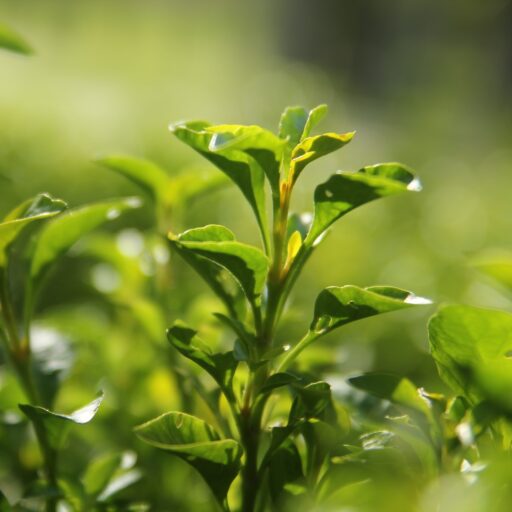
The tea plant is an evergreen shrub (or small tree, if left unpruned) that can live for 50 to 100+ years.
| Feature | Camellia sinensis var. sinensis | Camellia sinensis var. assamica |
|---|---|---|
| Native Region | China (Yunnan, Sichuan) | India (Assam), Southeast Asia |
| Leaf Size | Small, narrow, serrated edges | Large, broad, leathery texture |
| Cold Hardiness | High (Can survive light frost) | Low (Tropical/Subtropical only) |
| Growth Habit | Bushy, upright | Tree-like, sprawling |
| Best For | Green, White, Oolong, Black | Strong Black Teas, Pu’er |
| Ideal Climate | Cooler, mountainous, variable temps | Hot, humid, consistent warmth |
Why does this matter?
If you live in a region with cold winters (like the Pacific Northwest or parts of Europe), you must choose var. sinensis. If you are in a tropical paradise like Hawaii or Florida, var. assamica might be your ticket to a lush, rapid-growing tea garden.
🌍 The Perfect Storm: Ideal Climate Conditions for Growing Tea
Now, let’s get down to the brass tacks. What does a tea plant actually need to thrive? It’s not just about “warm and wet.” It’s a delicate balance of specific variables.
🌡️ Temperature: The Goldilocks Zone for Tea Leaves
Temperature is the single most critical factor in tea cultivation. It dictates the growth rate, the chemical composition of the leaf, and the plant’s survival.
- Optimal Range: The sweet spot for most tea cultivation is an average annual temperature between 15°C and 23°C (59°F – 73°F).
- The Diurnal Swing: Here is a secret that top-tier tea farmers know: Temperature variation is key. Regions with a large difference between day and night temperatures (diurnal range) produce superior tea.
- Why? During the day, the plant photosynthesizes and produces sugars. At night, the cool temperatures slow down respiration, allowing those sugars and amino acids (like L-theanine) to accumulate rather than being burned off. This creates a sweeter, more complex flavor.
- The Danger Zones:
- Too Hot: Temperatures exceeding 35°C (95°F) can inhibit tannin accumulation and cause leaf burn. High heat also reduces the delicate aromatics in green tea.
- Too Cold: While var. sinensis can handle a dip to -5°C (23°F) for short periods, prolonged freezing will damage the buds. In places like Laoshan, Shandong, farmers actually cover their tea plants with straw or fabric during winter to protect them from the cold.
Pro Tip: If you live in a hot climate, look for shaded growing areas or plant windbreaks to lower the ambient temperature around your bushes.
🌧️ Rainfall and Humidity: Why Tea Plants Love a Good Steam
Tea plants are thirsty creatures, but they are also picky drinkers.
- Annual Rainfall: You need a minimum of 1,500 mm (60 inches) of rain per year, distributed evenly.
- The Growing Season: During the active growing months, you need at least 100 mm (4 inches) of rain per month. Anything less, and the plant goes dormant or produces “blind buds” (leaves that never open).
- Humidity: High humidity (around 85%) is essential. It keeps the leaves tender and soft. Low humidity leads to thick, hard leaves that are tough to process and bitter to drink.
- Mist is Magic: Many of the world’s best teas (like those from Darjeeling or Yunnan) are grown in misty mornings. The mist acts as a natural sunscreen and moisture source, slowing down the growth and concentrating flavors.
Irrigation vs. Rain:
While irrigation can boost yield (studies in Vietnam showed a 41.5% increase in bud yield with irrigation), natural rainfall and mountain springs are preferred for quality. As one farmer noted, “You can study our craft, but you can’t transplant this piece of nature.”
🏔️ Altitude: Why High-Grown Teas Reach New Peaks of Flavor
You’ve heard the term “High Mountain Oolong.” There is a reason for that.
- The Altitude Effect: Generally, the higher the elevation, the better the tea.
- Why?
- Cooler Temperatures: Slower growth = more flavor concentration.
- More Mist: Higher elevations often catch more cloud cover.
- Better Drainage: Steep slopes prevent waterlogging.
- Less Pollution: Remote, high-altitude areas are often free from industrial pollution.
In the Wuyishan mountains, tea grows “directly out of the rock.” The quartz-rich soil and the unique microclimate create a flavor profile that cannot be replicated at sea level.
☀️ Sunlight and Shade: Balancing the Rays for Perfect Polyphenols
This is where many home growers get it wrong. They think tea needs deep shade because it grows in misty mountains. Wrong!
- Young Plants: Need filtered sunlight or partial shade to prevent scorching.
- Mature Plants: Need full sun (at least 5 hours a day) to become hardy and vigorous.
- The Shade Trick: Some premium teas (like Japanese Gyokuro) are intentionally shaded for weeks before harvest. This boosts chlorophyll (making the tea greener) and L-theanine (making it sweeter), while reducing catechins (bitterness).
The Balance: If you have a hot climate, provide afternoon shade. If you have a cool climate, give them all the sun they can get.
🧪 Soil Composition: The Acidic Secret to Happy Roots
If you take only one thing from this article, let it be this: Tea loves acid.
- Ideal pH: 4.5 to 6.0.
- The Blueberry Test: If you can grow blueberries in your garden, you can grow tea. If your soil is alkaline (pH > 7), you will need to amend it heavily with sulfur, peat moss, or pine bark.
- Drainage is King: Tea roots rot easily in clay. The soil must be well-draining. Rocky, sandy, or loamy soils are ideal.
- Organic Matter: Tea plants thrive in soil rich in organic matter. Compost, leaf mold, and aged manure are excellent additions.
Fact Check: In the Shi Feng (Lion’s Peak) region of China, the soil is rich in quartz, which reflects sunlight and helps regulate temperature, contributing to the unique “orchid fragrance” of Longjing tea.
📍 Global Hotspots: From Darjeeling’s Mist to Fujian’s Peaks
Let’s look at how different climates create different teas. This will help you visualize what your local climate might produce.
| Region | Climate Profile | Elevation | Signature Tea Type | Key Climate Factor |
|---|---|---|---|---|
| Darjeeling, India | Subtropical, heavy monsoon, cool winters | 6,000 – 7,000 ft | Darjeeling Black | Diurnal Swing (Hot days, cold nights) |
| Fujian, China | Humid subtropical, misty mountains | 1,000 – 3,000 ft | Oolong, White | Mist & Humidity |
| Assam, India | Tropical, hot, very humid, flat | < 300 ft | Assam Black | Consistent Heat & Rain |
| Laoshan, China | Temperate, cold winters, dry springs | 500 – 1,000 ft | Laoshan Green | Cold Winters (Requires protection) |
| Hawaii, USA | Tropical, volcanic soil | 1,000 – 2,500 ft | Hawaiian Green/Black | Volcanic Soil & Consistent Warmth |
| Pacific NW, USA | Temperate, wet winters, dry summers | < 1,000 ft | Green/White | Cool Summers, Acidic Soil |
The Takeaway: There is no “one size fits all.” The best climate for you depends on which variety of tea you want to grow and what you can manage in your specific location.
🌱 10 Essential Factors for Planting and Growing Your Own Tea
Ready to get your hands dirty? Here are the 10 critical steps to ensure your tea garden thrives, regardless of your specific climate.
1. Choosing Your Cultivar
Don’t just buy any tea plant. If you are in a cold zone (USDA Zone 6-8), look for Camellia sinensis var. sinensis. If you are in a tropical zone (Zone 10+), you can try var. assamica.
- Recommendation: Check with local nurseries or specialized suppliers like Minto Island Tea Company or Camellia Forest Nursery.
2. Seed vs. Cutting: The Great Propagation Debate
- Seeds: Easy to grow, but the resulting plant is a genetic lottery. It might not taste like the parent plant. Great for fun, bad for consistency.
- Cuttings: The industry standard. Guarantees the plant is a clone of the parent, ensuring consistent flavor.
- Verdict: For a home garden, cuttings are worth the extra effort.
3. Spacing and Drainage Essentials
- Spacing: If growing a hedge, space plants 1.5 to 3 feet apart. For a standalone bush, give it 5 feet of room to breathe.
- Drainage: If your soil is heavy clay, plant on a slope or build a raised bed. Tea hates sitting in water.
4. Pruning for Productivity
Tea plants are naturally trees, but we want them to be bushes.
- First 2 Years: Do not harvest. Prune lightly to encourage a strong framework.
- Year 3+: Prune annually to maintain a height of 3-5 feet. This encourages the growth of the tender “flush” (new leaves) that we harvest.
5. Pest Management the Natural Way
Tea plants are generally hardy, but they can attract aphids, mites, and tea leaf rollers.
- Strategy: Encourage biodiversity! Plant flowers to attract predatory insects (ladybugs, lacewings).
- Avoid: Chemical pesticides. They ruin the tea flavor and kill the beneficial bugs.
6. Seasonal Care and Overwintering
- Spring: Watch out for late frosts. Cover young plants if a freeze is predicted.
- Summer: Mulch heavily to retain moisture.
- Winter: In cold climates, wrap the base of the plant with burlap or straw.
7. Fertilization for Flavor
- Organic is Best: Use compost, aged manure, or specialized tea fertilizers.
- Nitrogen: Tea loves nitrogen for leaf growth, but don’t overdo it, or the tea will taste grassy and bitter.
- Tip: Some farmers use mashed soybeans as a natural fertilizer!
8. Mulching for Moisture Retention
Apply a thick layer of pine straw, wood chips, or leaf mold around the base. This keeps the soil cool, retains moisture, and adds acidity as it decomposes.
9. Wind Protection Strategies
Strong winds can dry out the leaves and damage the branches. Plant windbreaks (like bamboo or tall grasses) on the windward side of your tea garden.
10. Monitoring Soil pH Levels
Test your soil every year. If the pH creeps up, add elemental sulfur or aluminum sulfate to lower it. Remember, 4.5 to 6.0 is the target.
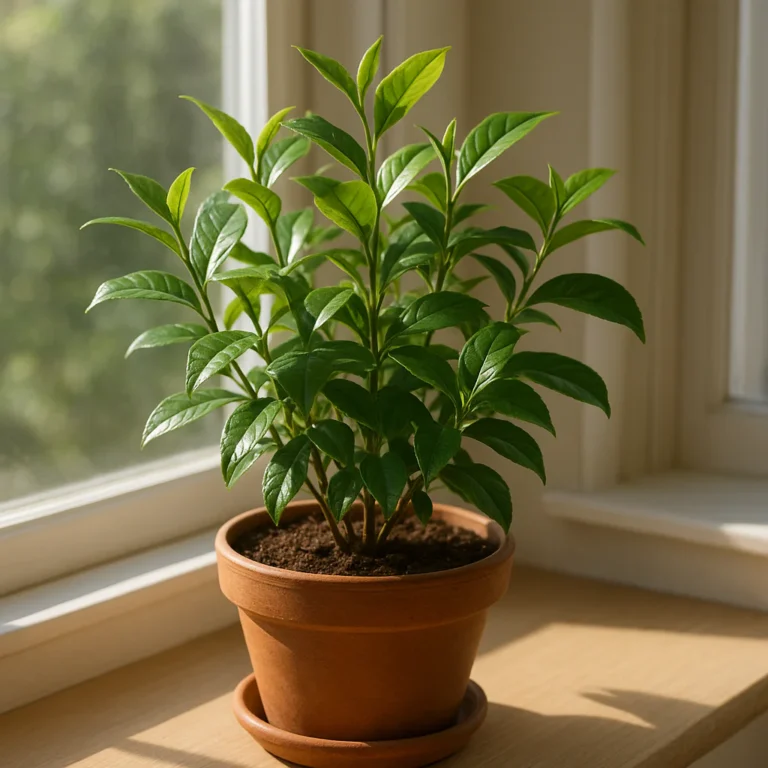
Curiosity Check: You might be wondering, “Can I grow tea indoors?” The short answer is no, not really. Tea plants need the cycle of seasons and the intensity of outdoor light to produce the complex flavors we love. But you can keep a potted plant as a houseplant for a while!
📅 Planning Your Garden: Spring 2026 Green Tea Pre-Orders and Beyond
Planning ahead is the mark of a true tea grower. While we are currently looking at the upcoming seasons, the best time to start thinking about your 2026 harvest is now.
Many specialty nurseries open their Green Tea Pre-Orders for Spring 2026 early to ensure they have the healthiest, most acclimated seedlings ready for your garden.
- Why Pre-Order? It guarantees you get the specific cultivars (like the cold-hardy sinensis varieties) before they sell out.
- What to Look For: Look for suppliers who offer hardening off services or detailed care guides for your specific zone.
If you are in the Pacific Northwest, the ideal planting window is April to late August. If you are in the South, aim for late winter or early spring to avoid the summer heat shock.
🔄 From Seedling to Sip: The Lifecycle of a Tea Leaf
Understanding the lifecycle helps you appreciate the climate’s role.
- Dormancy (Winter): The plant sleeps, conserving energy.
- Bud Break (Spring): The first flush! This is the most prized harvest, rich in amino acids.
- Growth (Summer): The plant grows rapidly. The leaves become larger and more fibrous.
- Harvest (Late Spring/Summer): The second and third flushes. These are often more robust and astringent.
- Rest (Autumn): Growth slows as the plant prepares for winter.
The Climate Connection: A cold winter leads to a more vigorous spring flush. A hot, dry summer leads to smaller, more concentrated leaves. A rainy, humid summer leads to larger, softer leaves.
🍵 One Plant, Six Destinies: How Climate Shapes Your Brew
It’s the same plant, Camellia sinensis, but the climate and processing create six distinct worlds.
⚪ White Tea: The Minimalist’s Harvest
- Climate: Needs a cool, misty spring for the buds to open slowly.
- Process: Withered and dried. No oxidation.
- Flavor: Delicate, sweet, floral.
🟢 Green Tea: Preserving the Freshness
- Climate: Cool springs are best to prevent rapid oxidation.
- Process: Heat-fixed (steamed or pan-fired) immediately to stop oxidation.
- Flavor: Grassy, vegetal, fresh.
🔵 Oolong Tea: The Art of Partial Oxidation
- Climate: High altitude, cool nights, and warm days create the perfect balance of sugars and acids.
- Process: Withered, bruised, partially oxidized, then fired.
- Flavor: Complex, floral, fruity, creamy.
🔴 Black Tea: Full Fermentation and Robust Character
- Climate: Warm, humid climates (like Assam) produce large, robust leaves perfect for full oxidation.
- Process: Fully oxidized before drying.
- Flavor: Bold, malty, spicy, sweet.
🟤 Pu’er Tea: The Magic of Microbial Aging
- Climate: Hot, humid, and stable temperatures (like Yunnan) are essential for the microbial fermentation process.
- Process: Sun-dried, then aged (either naturally or accelerated).
- Flavor: Earthy, woody, smooth, deep.
🏆 Terroir vs. Technique: Do Cultivation Practices Affect Quality?
This is the million-dollar question. Can a farmer in a suboptimal climate grow great tea?
The Verdict: Terroir (Climate + Soil) is King, but Technique is Queen.
- Small Family Farms: As noted by Verdant Tea, small farmers often use organic practices, increase forest cover, and rely on natural pest control. This results in tea with higher levels of antioxidants and L-theanine.
- Factory/Monoculture Farms: Often rely on hot, low-elevation plots, chemical pesticides, and synthetic fertilizers. This can lead to lower quality and a “flat” taste.
- The Farmer’s Role: A skilled farmer can mitigate bad weather (e.g., covering plants in frost, irrigating in drought), but they cannot change the fundamental chemistry of the soil or the temperature of the air.
“Tea is only as good as the people who produce it… factory-farmed tea can never compete with hand-picked hand-finished tea from small family farmers that care for their land.”
👨 🌾 Supporting the Source: The Value of Small-Batch Artisanal Farming
When you grow your own tea, you become part of this artisanal tradition. You are the farmer, the processor, and the drinker. This connection to the land is invaluable.
- Biodiversity: By planting tea alongside other plants, you create a mini-ecosystem.
- Sustainability: No chemicals, no long-distance shipping.
- Quality Control: You control the harvest time, the processing, and the storage.
Check out these resources for more on organic farming:
✂️ The Pluck of Perfection: Timing Your Harvest
When is the right time to pick?
- The Rule of Thumb: Pick the two leaves and a bud.
- Time of Day: Early morning, before the sun gets too hot.
- Season: Spring for the best quality, summer for a stronger brew.
Don’t rush it! If you pick too early, the plant is stressed. If you pick too late, the leaves are tough and bitter.
🔥 The Alchemist’s Touch: Withering, Rolling, and Drying
Once you’ve picked your leaves, the real magic begins. The climate of your kitchen (or processing room) matters here too!
- Withering: Needs good airflow and controlled humidity.
- Rolling: Breaks the cell walls to release enzymes.
- Drying: Stops the oxidation and locks in the flavor.
For a deep dive into blending your own creations, visit our DIY Tea Blending category.
🎥 Featured Video: Top 5 Perennial Tea Plants for Cold Climates
If you are worried about your climate being too cold for Camellia sinensis, don’t despair! Check out this incredible resource from Jessica Peterson of Wild Willow Wellness.
In her video, she discusses Top 5 Perennial Tea Plants to Grow in Cold Climates, offering alternatives that thrive where traditional tea might struggle.
- Elderflower: Great for respiratory support.
- Sea Buckthorn: Rich in Vitamin C and antioxidants.
- Lemon Balm: Perfect for calming the nerves.
- Yarrow: Drought-tolerant and medicinal.
- St. John’s Wort: A natural mood booster.
While these aren’t Camellia sinensis, they are fantastic additions to any cold-climate tea garden. You can watch the full video here: Top 5 Perennial Tea Plants to Grow in Cold Climates.
Ready to start your journey? Whether you are in the misty peaks of the Himalayas or a sunny backyard in Florida, the right climate conditions can make all the difference. But remember, the most important ingredient is your passion.
(Stay tuned for the Conclusion, FAQ, and Reference Links in the next section!)
✨ Conclusion

So, we’ve journeyed from the misty peaks of Wuyishan to the rocky slopes of Laoshan, and finally back to your own backyard. You might be asking yourself: “Can I really grow the perfect cup of tea in my specific climate?”
The answer is a resounding yes, but with a caveat: You must work with your climate, not against it.
We started this article by asking if you could transplant nature’s gift. As farmer Li Xiangxi wisely noted, “You can study our craft, but you can’t transplant this piece of nature.” However, you can adapt. If you live in a cold zone, choose Camellia sinensis var. sinensis and embrace the winter dormancy. If you are in the tropics, opt for var. assamica and let the heat drive rapid growth. The “perfect” climate isn’t a single set of coordinates; it’s the unique combination of temperature, rainfall, altitude, and soil that exists right where you are.
The Verdict:
Growing tea is not just about agriculture; it’s about patience, observation, and respect for the seasons.
- The Positives: You gain a deep connection to your local ecosystem, produce a chemical-free, hyper-fresh beverage, and enjoy the meditative process of tending to a living plant that can outlive you.
- The Challenges: It requires specific soil conditions (acidic!), patience (3+ years to harvest), and vigilance against local pests and weather extremes.
Our Confident Recommendation:
If you are willing to test your soil, amend with organic matter, and wait for the first tender flush, start your tea garden today. Begin with a hardy sinensis cultivar from a reputable nursery. Don’t worry if your first harvest isn’t a world-class Darjeeling; it will be the best tea you have ever tasted because you grew it.
Final Thought: The best climate for growing tea is the one where you are willing to learn, adapt, and care for the plant. Nature provides the potential; you provide the love.
🔗 Recommended Links
Ready to get started? Here are the essential tools, plants, and resources we recommend for your tea-growing journey.
🌱 Live Tea Plants & Cultivars
- Camellia sinensis var. sinensis (Cold Hardy):
- Amazon: Camellia sinensis Live Plant
- Brand Official: Young Mountain Tea – Live Plants
- Specialty Nursery: Camellia Forest Nursery
- Camellia sinensis var. assamica (Tropical):
- Amazon: Assam Tea Plant Live
- Brand Official: Oregon Tea Traders
📚 Essential Books for Tea Growers
- “The Tea Garden: A Guide to Growing and Harvesting Your Own Tea” by Jessica Peterson:
- Amazon: The Tea Garden on Amazon
- “Tea: A History of the Leaf” by William H. Ukers (Classic Reference):
- Amazon: All About Tea on Amazon
🧪 Soil & Care Supplies
- Soil pH Test Kit:
- Amazon: Soil pH Tester Kit
- Organic Acidic Fertilizer (for Blueberries/Tea):
- Amazon: Espoma Organic Holly-Tone
- Brand Official: Espoma Organic
- Mulch (Pine Straw/Wood Chips):
- Walmart: Pine Straw Mulch
- Home Depot: Wood Chip Mulch
❓ FAQ

How do seasonal changes impact tea quality and yield?
Seasonal changes are the primary driver of tea flavor profiles.
- Spring (First Flush): Cooler temperatures and longer nights lead to slow growth, resulting in leaves high in L-theanine and amino acids. This creates a sweet, umami-rich, and delicate flavor.
- Summer (Second/Third Flush): Warmer temperatures accelerate growth. The leaves become larger, more fibrous, and higher in catechins (polyphenols), resulting in a more astringent, robust, and bold cup.
- Autumn/Winter: Growth slows or stops. In some regions, a “Winter Flush” occurs, producing small, concentrated leaves with intense flavor, though yields are lower.
- Impact: If you harvest too early in a hot spring, the leaves may be underdeveloped. If you wait too long in summer, they become tough. Timing is everything.
What are common pests and diseases in tea plantations?
Tea plants are generally resilient, but they face specific threats:
- Tea Mosquito Bug (Helopeltis spp.): Causes brown spots and wilting. Common in humid, tropical climates.
- Tea Leaf Roller (Adoxophyes spp.): Larvae roll leaves and feed on them.
- Spider Mites: Thrive in hot, dry conditions, causing stippling on leaves.
- Root Rot (Phytophthora): Caused by poor drainage and waterlogged soil. This is the #1 killer of home-grown tea plants.
- Prevention: Maintain biodiversity to encourage natural predators (ladybugs, birds). Avoid chemical pesticides. Ensure excellent drainage to prevent root rot.
How does altitude affect tea plant growth?
Altitude is a critical factor in tea quality, often referred to as “High Mountain” tea.
- Slower Growth: Cooler temperatures at higher elevations slow down the plant’s metabolism. This allows more time for the accumulation of flavor compounds (sugars, amino acids) in the leaves.
- Mist and Clouds: Higher elevations often trap mist, providing consistent humidity and diffusing sunlight, which prevents leaf scorch and promotes tender growth.
- Temperature Swing: High-altitude regions typically have a larger diurnal temperature range (hot days, cold nights), which is crucial for developing complex flavors.
- Result: High-altitude teas are generally more aromatic, sweeter, and less astringent than lowland teas.
Read more about “🌿 What Climate Conditions Are Needed to Grow Tea Successfully? (2026)”
Can tea plants grow in humid climates?
Yes, absolutely. In fact, tea plants thrive in humid climates.
- Optimal Humidity: Tea plants prefer air humidity around 85%. High humidity keeps the leaves soft and tender.
- The Caveat: While they love humid air, they hate wet soil. In humid climates, drainage is even more critical to prevent fungal diseases and root rot.
- Examples: Assam (India), Yunnan (China), and Sri Lanka are all high-humidity regions that produce world-class teas.
Read more about “10 Must-Try Tea Garden DIY Projects to Grow Your Own Brew 🍃 (2026)”
How much rainfall do tea plants need annually?
- Minimum Requirement: Tea plants need at least 1,500 mm (60 inches) of rainfall per year.
- Distribution: This rain should be evenly distributed throughout the growing season. A monthly minimum of 100 mm (4 inches) is required during active growth.
- Drought Impact: If rainfall drops below 100 mm per month, the plant may produce “blind buds” (leaves that fail to open) or go dormant.
- Irrigation: In drier climates, supplemental irrigation is necessary, but natural rainfall is preferred for quality.
Read more about “Can I Grow My Own Tea Plants? 🌿 The Ultimate Guide (2026)”
What temperature range do tea plants need to thrive?
- Ideal Range: Average annual temperatures between 15°C and 23°C (59°F – 73°F).
- Heat Limit: Temperatures consistently above 35°C (95°F) can damage the plant, reduce flavor quality, and cause leaf burn.
- Cold Limit: Var. sinensis can survive brief dips to -5°C (23°F), but prolonged freezing will kill the buds. Var. assamica is tropical and cannot tolerate frost.
Read more about “Unlocking the Secrets of the Camellia Sinensis Plant 🌿 (2026)”
How much sunlight do tea bushes require for optimal growth?
- Mature Plants: Need full sun (at least 5 hours of direct sunlight) to become vigorous and produce high yields.
- Young Plants: Need filtered sunlight or partial shade to prevent scorching while they establish roots.
- Special Cases: Some premium teas (like Gyokuro) are intentionally shaded for weeks before harvest to boost L-theanine, but this is a specific processing technique, not a general growing requirement.
Read more about “🌿 Tea Plant Fertilization & Pruning: The 5-Step Guide to Perfect Leaves (2026)”
What is the ideal soil pH for growing tea plants?
- Target pH: 4.5 to 6.0.
- Acidity: Tea plants are acidophiles. If your soil pH is above 6.5, the plant will struggle to absorb nutrients, leading to yellowing leaves (chlorosis) and stunted growth.
- Testing: Always test your soil before planting. If the pH is too high, amend with elemental sulfur, peat moss, or pine bark.
Read more about “What Kind of Soil Is Best for Growing Tea? 🌱 Unlock the Secrets (2026)”
How often should I water my tea plants?
- Rule of Thumb: Keep the soil consistently moist but never soggy.
- Frequency: In hot, dry weather, you may need to water every 2-3 days. In cool, rainy weather, you may not need to water at all.
- Check: Stick your finger 2 inches into the soil. If it feels dry, water deeply. If it feels wet, wait.
- Drainage: Ensure your pot or garden bed has excellent drainage to prevent root rot.
Read more about “How often should I water my tea plants?”
Can tea plants grow in cold climates?
Yes, but with conditions.
- Variety: You must choose Camellia sinensis var. sinensis, which is cold-hardy.
- Protection: In zones 6-8, young plants need protection from harsh winter winds and deep freezes (mulch, burlap wraps).
- Dormancy: The plant will go dormant in winter, losing its leaves or stopping growth, which is normal. It will resume growth in spring.
- Examples: Successful tea gardens exist in the Pacific Northwest, parts of the UK, and even in Shandong, China (where winters are very cold).
Read more about “10 Teas That Can Be Grown in Cold Climates ❄️ (2026)”
What humidity levels are best for tea cultivation?
- Optimal: 80% – 90% relative humidity during the growing season.
- Low Humidity: Levels below 70% can cause leaves to become thick, hard, and bitter, and can lead to “blind buds.”
- Management: In dry climates, use mulch to retain soil moisture and consider misting young plants in the morning.
Read more about “Tea Cultivation in Different Climates: 9 Secrets for Success (2026) 🌱”
How do I protect my tea plants from frost?
- Mulching: Apply a thick layer (4-6 inches) of straw, pine needles, or leaves around the base to insulate roots.
- Covering: For young plants or sudden frost warnings, cover the bush with burlap, frost cloth, or even an old sheet. Do not use plastic, as it can trap heat and cook the plant.
- Watering: Watering the soil before a frost can help, as wet soil retains heat better than dry soil.
- Location: Plant in a sheltered spot, away from cold winds and frost pockets (low-lying areas where cold air settles).
What are the differences between growing tea indoors vs. outdoors?
- Outdoors: Essential for long-term health. Plants need the cycle of seasons, natural light intensity, and airflow to develop complex flavors.
- Indoors: Can be done for a short time as a houseplant, but the plant will likely become leggy, weak, and produce poor-quality leaves due to insufficient light and lack of seasonal dormancy.
- Verdict: Treat indoor tea plants as temporary; move them outdoors as soon as the weather permits.
How long does it take for a tea plant to produce harvestable leaves?
- Patience Required: It takes 3 years for a tea plant to mature enough for a sustainable harvest.
- Year 1-2: Focus on root and branch development. Do not harvest.
- Year 3: You can take a light harvest (a few leaves per plant).
- Year 4+: Full production begins. A well-maintained plant can produce for 50+ years.
Read more about “What Zones Can Tea Plant Grow In? 🌱 Discover the Perfect Climate (2026)”
📚 Reference Links
For further reading and verification of the climate and cultivation data presented in this article, we recommend the following reputable sources:
- Young Mountain Tea: How to Grow Your Own Tea Plant – A comprehensive guide on planting, care, and harvesting.
- How to Grow Your Own Tea Plant – Young Mountain Tea
- Verdant Tea: How Is Tea Grown? – Insights from small family farms in China regarding terroir and climate.
- How Is Tea Grown? – Verdant Tea
- VihaBa Global: Ideal Climate Conditions for Tea Cultivation – Scientific breakdown of temperature, rainfall, and humidity requirements.
- Ideal Climate Conditions for Tea Cultivation – VihaBa Global
- USDA Plant Hardiness Zone Map: To determine if your location is suitable for Camellia sinensis.
- USDA Plant Hardiness Zone Map
- Minto Island Tea Company: Pioneers of US tea growing, offering local insights for the Pacific Northwest.
- Minto Island Tea Company
- Camellia Forest Nursery: Specialized nursery for cold-hardy tea plants.
- Camellia Forest Nursery
- Growing Teas™ Categories:
- Green Tea Cultivation
- Organic Farming Techniques
- Health Benefits of Tea