Support our educational content for free when you purchase through links on our site. Learn more
🌿 4 Tea Plant Types and When to Harvest Them

What are the different types of tea plants and their respective harvesting times? Most true tea comes from Camellia sinensis, broadly grouped into China-type, Assam-type, and Cambod-type plants, plus many hybrids and cultivars. Their harvest times depend on climate and fresh shoot growth: cool regions often have a spring first flush, while warm, humid areas may produce several flushes through the growing season.
Here’s the twist: green, white, olong, black, and pu-erh teas don’t come from different tea plants. They’re made from Camellia sinensis leaves processed in different ways. So a famous “first flush” date is only a guide; the buds on your own plant are the real calendar.
We’ve watched a warm spell coax new shoots out early, only for a chilly night to put the garden back on pause. That’s why good growers follow the leaves, not just the date—and why your tea plant’s type is only part of the harvest story.
Key Takeaways
- True tea comes from Camellia sinensis. Tea styles such as green, black, white, and olong are shaped mainly by processing, not separate plant species.
- China-type plants often suit cooler, seasonal climates and commonly produce a spring flush, with later growth depending on conditions.
- Assam-type plants thrive in warmer, humid regions and may produce repeated flushes when moisture and temperatures support growth.
- Cambod-type plants, hybrids, and cultivars vary; there is no single reliable harvest calendar for all of them.
- Harvest timing depends on your region, elevation, weather, cultivar, and plant health. Watch for healthy new shoots rather than relying on a fixed date.
- Pick selectively and leave enough foliage for the shrub to recover, especially if it’s young or newly planted.
Table of Contents
- ⚡️ Quick Tips and Facts: Tea Plants and Harvest Times
- 🌿 Tea Plant Basics: What Counts as “True Tea”?
- Camellia sinensis: The plant behind green, black, white, olong, and pu-erh tea
- Tea plant varieties, cultivars, and growing regions
- Tea versus herbal tea: What is—and isn’t—a tea plant?
- 📜 A Brief History of Tea Cultivation and Harvesting
- 🍃 1. China-Type Tea Plants: Small Leaves, Broad Growing Range
- Typical harvest seasons for China-type tea
- 🌳 2. Assam-Type Tea Plants: Large Leaves and Tropical Flushes
- Typical harvest seasons for Assam-type tea
- 🌱 3. Cambod-Type Tea Plants and Their Role in Tea Breding
- When Cambod-type plants are harvested
- 🧬 4. Tea Hybrids and Cultivars: Why Plant Genetics Matter
- Harvest timing differences among popular tea cultivars
- 🗓️ Tea Harvesting Calendar: First Flush to Dormancy
- First flush and spring tea
- Second flush and early-summer tea
- Monsoon, summer, and later-season harvests
- Autumn flush and the final plucking season
- How harvest dates shift by hemisphere and elevation
- 🌏 Harvest Times by Major Tea-Growing Region
- Japan: Shincha, sencha, and later harvests
- China: Famous spring teas and regional harvest windows
- India: Darjeling, Assam, and Nilgiri harvest seasons
- Sri Lanka, Taiwan, and other tea-growing regions
- ✂️ How Tea Leaves Are Harvested: Plucking Standards and Methods
- Handpicking: Fine plucks, careful selection, and labor
- Machine harvesting: Speed, scale, and leaf selection
- Handpicked versus machine-harvested tea
- What “one bud and two leaves” means
- 🍵 How Harvest Timing Shapes Tea Flavor and Quality
- Tender spring buds versus mature summer leaves
- The effects of weather, rainfall, and sunlight
- Harvest season and caffeine, aroma, and taste
- 🧺 From Fresh Leaf to Finished Tea: Processing After Harvest
- How green, white, olong, black, and pu-erh teas are made
- Why harvest date alone doesn’t determine tea type
- 🌦️ What Determines a Tea Plant’s Harvest Window?
- Climate, temperature, rainfall, and frost
- Altitude, latitude, soil, and aspect
- Pruning, plant age, and garden management
- Climate change and shifting harvest seasons
- 🏡 Growing Tea at Home: When and How to Pick Your Leaves
- Signs your tea plant is ready to harvest
- How often to harvest without stressing the plant
- Common harvesting mistakes to avoid
- 🛒 Buying Tea by Harvest Season: Labels and Questions to Check
- Understanding first flush, shincha, and seasonal claims
- Freshness, storage, and choosing a harvest style
- ✅ Tea Plant and Harvesting Quick Reference Table
- 🎯 Conclusion
- 🔗 Recommended Links
- ❓ FAQ: Tea Plant Types and Harvest Times
- 📚 Reference Links
⚡️ Quick Tips and Facts: Tea Plants and Harvest Times
- “True tea” comes from one species: Camellia sinensis. Green, white, olong, black, and pu-erh teas are made from its leaves; differences mainly come from cultivar, growing conditions, harvest, and processing. Kew’s Plants of the World Online recognizes Camellia sinensis as a species.
- The two broad, familiar tea plant groups are China-type (C. sinensis var. sinensis) and Assam-type (C. sinensis var. assamica). Many commercial plants are hybrids, so the family tree is more tangled than two neat labels suggest.
- In many regions, tea is harvested in flushes—periods of new shoot growth—rather than one universal date. Depending on climate and garden practice, a plantation may harvest several times in a year.
- Season depends on place: spring harvest in Japan or China falls during autumn in New Zealand. Elevation, cultivar, weather, pruning, and the tea style all move the calendar.
- For practical picking cues, see our guide to when and how to harvest tea leaves. A shoot’s readiness matters more than a date on the calendar.
- Tea flowers and herbal infusions are a different branch of the teacup: chamomile, mint, hibiscus, and lemon balm are herbal infusions, not leaves of the tea plant. Explore our guides to herbal tea planting and growing tea plants.
- A useful rule of thumb: young growth often gives a more delicate, aromatic cup; later growth can be fuller and more robust. Processing can change the result dramatically, so “spring tea” is not automatically better for every palate.
Grower’s note: In our own planting trials, the first flush rarely arrives on the same schedule twice. A warm spell can coax buds out early; a cold snap can make the whole garden seem to pause. We watch the shoots, not the calendar—and that small habit prevents a lot of disappointed picking.
🌿 Tea Plant Basics: What Counts as “True Tea”?
Camellia sinensis: The plant behind green, black, white, olong, and pu-erh tea
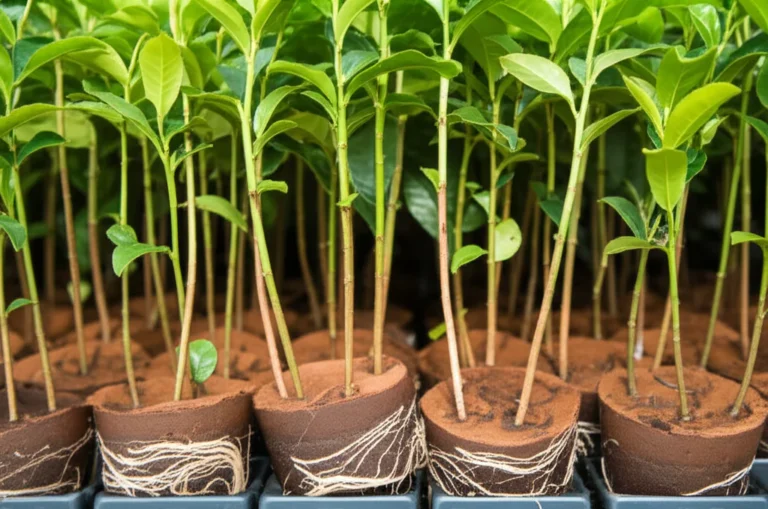
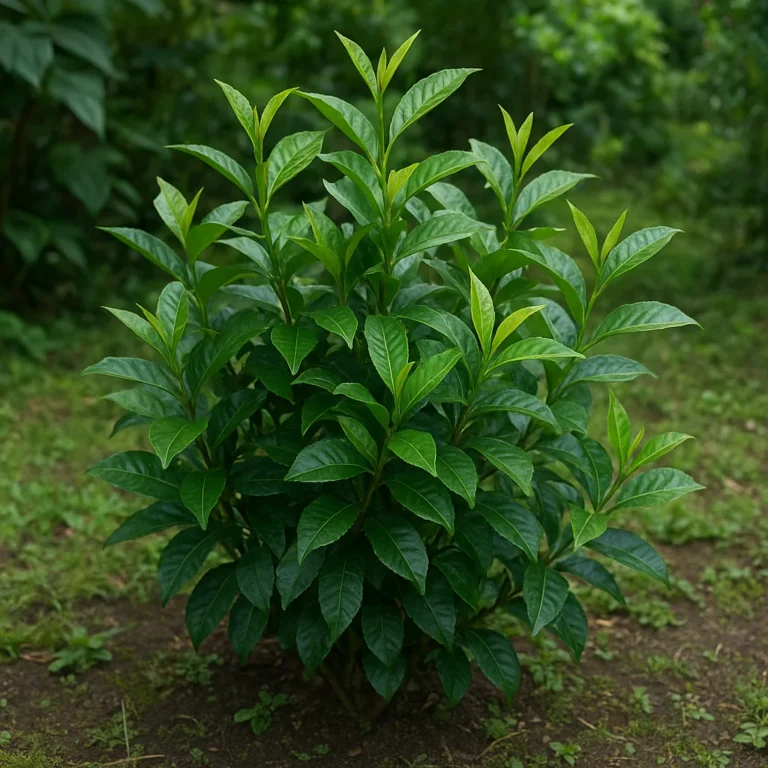
Camellia sinensis is an evergreen shrub in the tea family, Theaceae. Its tender shoots are harvested for tea, while the plant itself can be pruned and shaped into a compact bush for easier picking. Left unpruned, some plants can grow into small trees.
The labels green, white, olong, black, and pu-erh describe tea styles and processing, not five separate tea plant species. Green tea is generally heated to limit oxidation; black tea is more extensively oxidized; olong falls between those approaches, while white tea is made with relatively minimal processing. Pu-erh involves distinctive post-harvest processing and aging. The FAO’s overview of tea production describes how growing and processing practices shape the final product.
| Tea category | Plant used | What chiefly distinguishes it |
|---|---|---|
| Green tea | Camellia sinensis | Heat treatment limits oxidation |
| White tea | Camellia sinensis | Traditionally minimal processing, often with buds and young leaves |
| Oolong tea | Camellia sinensis | Partial oxidation and style-specific processing |
| Black tea | Camellia sinensis | More extensive oxidation |
| Pu-erh tea | Camellia sinensis | Distinctive processing, often followed by aging |
| Herbal infusion | Various plants | Not made from Camellia sinensis leaves |
Harvest season influences the raw leaf, but processing decides much of the tea’s identity. A spring-picked leaf is not “green tea” by nature; it could be processed into different styles depending on local traditions and the maker’s choices.
Tea plant varieties, cultivars, and growing regions
The terms sinensis and assamica are commonly used for two broad tea-plant forms. China-type plants tend to have smaller leaves and greater cold tolerance than Assam-type plants, while Assam-type plants are generally associated with warmer, humid growing regions and larger leaves. But growers work with many cultivars and hybrids, and the traits overlap.
A cultivar is a selected cultivated variety with useful characteristics—such as flavor potential, yield, growth habit, or harvest timing. Japan’s Yabukita, for example, is widely cultivated, while other Japanese cultivars are chosen for distinctive flavor or to stagger harvest work. The World Flora Online taxonomic database and Kew’s plant database are useful for plant names; cultivar identities and local harvest traits are better verified with regional tea research organizations and growers.
| Broad tea-plant group | General traits | Common growing context | Harvest-calendar tendency |
|---|---|---|---|
| China-type | Often smaller leaves; relatively cold-tolerant | Temperate and upland areas | Strong seasonal dormancy in cooler climates |
| Assam-type | Often larger leaves; adapted to warm, humid conditions | Tropical and subtropical areas | Can produce repeated growth flushes where conditions allow |
| Hybrids and named cultivars | Traits vary widely | Selected for local climate, quality, or yield | Buding and harvest windows vary by cultivar |
These are broad tendencies, not promises. A sheltered China-type plant may flush earlier than one on a chilly slope, and a hybrid may behave differently from either parent. When selecting plants for a home garden, start with local climate suitability, then ask a reputable nursery about mature size, cold tolerance, and intended use. Our green tea cultivation resources cover the growing side of that decision.
Tea versus herbal tea: What is—and isn’t—a tea plant?
In everyday conversation, we call many steeped plants “tea.” Botanically, though, tea is the infusion of Camellia sinensis; chamomile, peppermint, hibiscus, and lemon balm are herbal infusions, sometimes called tisanes.
That distinction matters for harvesting. Tea plants are commonly harvested for young shoots and leaves. Other herbs may be picked for flowers, leaves, roots, seeds, or fleshy calyces, each on its own schedule. For example, chamomile is generally gathered for its flower heads, while peppermint is harvested for its leaves and tender stems. The National Center for Complementary and Integrative Health also cautions that herbal products can have different safety considerations from ordinary tea.
The first featured video takes a home-garden perspective: Jess describes harvesting chamomile, lemon verbena, tulsi, mint, and other plants for herbal infusions. It’s a useful reminder that a tea garden can be broader than one species. Just don’t apply tea-plant harvest advice to every herb. Mint, for instance, can be cut repeatedly, while a tea shrub needs enough foliage left to keep growing.
📜 A Brief History of Tea Cultivation and Harvesting

Tea cultivation spread across Asia and eventually around the world, adapting to local climates, landscapes, and tastes. The history is long and varied, but the growers’ question stays practical: when are the new shoots ready, and how much can we harvest without weakening the plant?
In Japan, seasonal harvest traditions include shincha, the first new tea of the year. The Japanese calendar’s hachiju-hachiya, or “88th night,” is a traditional seasonal marker rather than a fixed modern picking date. The actual start of harvest shifts with weather and location. Mizuba Tea Co.’s harvesting guide describes how farmers use field conditions and shoot development to decide when to pick.
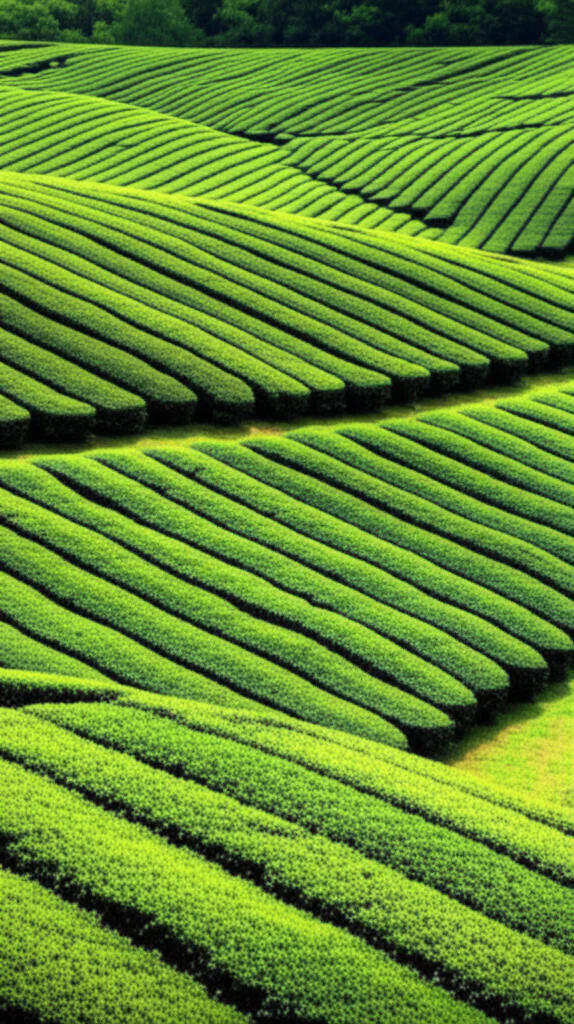
Commercial tea farming also developed different harvesting systems. Some high-quality teas are handpicked for selective plucking; many large gardens rely on machines to harvest efficiently. Neither method tells the whole quality story: the cultivar, leaf standard, field conditions, and processing all matter.
We’ve seen new growers get hung up on a historic date or a famous “first flush” label. The better lesson from tradition is not to copy a calendar blindly; it’s to learn the signs your own plants are giving you.
🍃 1. China-Type Tea Plants: Small Leaves, Broad Growing Range
China-type tea plants are often associated with smaller leaves and better tolerance of cooler conditions than Assam-type plants. They grow in many temperate tea regions, including parts of China and Japan, but the exact seasonal pattern depends on cultivar, altitude, and local weather.
In cooler climates, plants typically slow or stop active growth in winter. The first flush follows the return of favorable growing conditions, often in spring. Later flushes may develop if warmth, moisture, and plant management support fresh shoots.
Typical harvest seasons for China-type tea
| Growing conditions | Common harvest pattern | What can shift it |
|---|---|---|
| Cool, seasonal climate | Spring flush, followed by summer or autumn growth if conditions allow | Late frost, cold soil, cultivar |
| Mild, humid climate | Multiple rounds of new growth may be possible | Rainfall, pruning, disease pressure |
| High-elevation garden | Often later than nearby lowland fields | Cooler temperatures and slower shoot development |
In Japan, the earliest spring harvest is commonly associated with shincha, while additional harvests may be called nibancha (second tea) and sanbancha (third tea). Their timing differs by prefecture and year. Mizuba notes that Japan can harvest up to three times a year in some settings, but that is not a universal schedule for every farm or tea plant.
Don’t expect a homegrown China-type bush to follow a Japanese commercial calendar. A young container plant may produce only modest growth, while a mature, well-established plant in a favorable climate can flush more generously. For a home harvest, take only a small amount at first and allow the plant to recover.
🌳 2. Assam-Type Tea Plants: Large Leaves and Tropical Flushes
Assam-type tea plants are strongly associated with warm, humid regions, including Assam in northeastern India. In suitable tropical conditions, new shoots can grow repeatedly as temperatures and rainfall support them. That means the harvest calendar can be less sharply divided into a single spring flush than it is in colder regions.
| Factor | Typical influence on Assam-type tea |
|---|---|
| Warm temperatures | Encourage active shoot growth |
| Reliable moisture | Supports repeated flushing |
| Dry spells | Can slow growth and reduce fresh leaf |
| Cooler weather or frost | May limit growth or damage tender shoots |
| Pruning cycle | Shapes the timing and uniformity of new shoots |
Typical harvest seasons for Assam-type tea
In Assam and nearby regions, harvest seasons are often described through first flush, second flush, monsoon, and autumn teas. Local schedules vary, and seasonal names should not be treated as exact dates across the whole region. A well-known second-flush Assam tea is often associated with a rich, malty character, but that flavor comes from more than timing alone: cultivar, weather, leaf standard, and processing all contribute.
The Tea Board of India provides regional information about India’s tea industry. For growers elsewhere, the lesson is simple: a warm-climate plant may offer more than one picking window, but repeated harvests must be balanced against plant health. Leave adequate foliage and avoid stripping every tender tip just because the bush is producing.
🌱 3. Cambod-Type Tea Plants and Their Role in Tea Breding
Cambod-type tea plants are often discussed as a third broad genetic group alongside China-type and Assam-type plants. They are associated historically with Cambodia and nearby regions, and are especially relevant to tea breeding because their traits have contributed to hybrids.
The labels can be confusing: tea taxonomy and commercial naming do not always line up neatly. “Cambod-type” is used in tea-growing literature, but it is not a simple, widely available seed-catalog category with one universal set of garden instructions. For botanical identification, consult a reputable reference such as Kew’s Plants of the World Online rather than relying on a vague nursery label.
When Cambod-type plants are harvested
There is no reliable one-size-fits-all harvest calendar for Cambod-type plants. Harvest timing depends on the specific plant’s genetics, local climate, and how it has been selected or crossed. In practice:
- Watch for a dormant or slow-growth period. Seasonal climates may concentrate growth into spring and summer.
- Look for healthy new shoots. Pick only when shoots have developed enough leaves to meet your intended plucking standard.
- Harvest lightly until you understand the plant. This protects a less familiar cultivar while you learn how quickly it recovers.
- Record dates and conditions. A small garden notebook is more useful than assuming a plant will match a regional commercial schedule.
For home growers, the name is less useful than the actual plant’s performance: Does it thrive in your climate? Does it recover after pruning? Do you enjoy the cup? Those answers matter more than a tidy taxonomy chart.
🧬 4. Tea Hybrids and Cultivars: Why Plant Genetics Matter
Tea cultivars differ in budding time, growth habit, yield, cold tolerance, and flavor potential. Two cultivars growing side by side may not be ready for harvest on the same morning. That variation can be a headache for a farm trying to coordinate a large picking crew—and a delight for a gardener who wants to spread out the harvest.
Mizuba reports that Japanese tea farmers may use early- and late-budding cultivars to extend a short picking window. This is a useful example of cultivar choice as harvest planning, not just a matter of taste.
Harvest timing differences among popular tea cultivars
| Cultivar or group | What growers may select it for | Harvest timing note |
|---|---|---|
| Yabukita | Widely grown Japanese cultivar | Buding and picking still depend on location and weather |
| Samidori | Used in some Japanese tencha and matcha production | No single cultivar-wide harvest date applies |
| Early-budding cultivars | Earlier field readiness | Useful for spreading labor and harvest periods |
| Late-budding cultivars | Later field readiness | Can extend the picking season |
| Local hybrids | Climate fit, vigor, quality, or yield | Evaluate the specific plant, not just the label |
Names are not a shortcut to a harvest date. A cultivar’s local performance matters more than a general reputation. Ask a nursery or tea grower whether the plant has been trialed in a climate like yours, and keep notes after planting.
🗓️ Tea Harvesting Calendar: First Flush to Dormancy
A tea harvesting calendar is best understood as a sequence of growth periods, not a global timetable. The same named flush may occur in different months depending on hemisphere, altitude, cultivar, and weather.
| Flush or season | General meaning | Typical pattern |
|---|---|---|
| First flush | First substantial new growth after seasonal rest | Often spring in cool, seasonal climates |
| Second flush | Later new growth following the first harvest | Commonly late spring or summer, depending on region |
| Monsoon or rainy-season flush | Growth supported by seasonal rain in some regions | Timing follows local rainy season |
| Autumn flush | Later growth before cooler or dormant conditions | Present in some regions; absent or limited in others |
| Dormancy or slow growth | Reduced shoot production | Common in cooler winter conditions |
First flush and spring tea
The first flush is the season’s first significant new growth after winter or a slower-growth period. In Japan, the first new tea is associated with shincha, often translated as “new tea.” The traditional hachiju-hachiya marker falls around the 88th night of spring, but farms do not simply pick because a date has arrived.
Mizuba’s guide explains that farmers assess leaf development and field conditions. Its account says the shoots are typically ready when they have “about three – five new leaves.” That is a regional, practical description—not a universal rule for every style or garden. For delicate handpicked teas, the target may be more selective; for other products, the plucking standard can differ.
Spring leaves are often prized for freshness and aroma, but “first” does not mean “best for everyone.” Some drinkers prefer a later harvest’s fuller, less delicate flavor.
Second flush and early-summer tea
The second flush follows the first period of growth and harvest. In Japan it is called nibancha. It can be used for everyday teas, and some second-flush tencha may contribute to matcha blends. Quality depends on the field and processing; later harvest does not automatically mean poor tea.
A farm may leave a longer interval between harvests to let plants rebuild foliage, or choose a harvest based on demand and quality goals. The bush needs leaves to feed itself. For home growers, repeated aggressive picking can weaken the plant, especially if it is young or still establishing.
Monsoon, summer, and later-season harvests
In warm or monsoon-influenced regions, rainfall can stimulate fresh growth. Summer teas may develop a stronger, fuller character, but rainfall and heat also affect the speed of growth and the condition of the leaf. Heavy rain can complicate fieldwork and influence leaf quality, while dry spells may slow new shoots.
The name sanbancha refers to a third tea harvest in some Japanese systems. Mizuba notes that later-picked leaves are often used for hojicha or other teas, though uses vary by producer. Harvest labels describe a season, not a guaranteed flavor or grade.
Autumn flush and the final plucking season
Some tea-growing regions have an autumn harvest; others focus on preparing plants for winter. In Japan, Mizuba describes autumn as generally a time for rest and preparation rather than a standard fourth harvest, with pruning and soil care helping plants prepare for the next cycle.
That does not mean every tea-growing region follows the same practice. Climate and farm management decide whether autumn brings useful new shoots or a recovery period. A home gardener should avoid late-season heavy picking if the plant needs to harden off before cold weather.
How harvest dates shift by hemisphere and elevation
Harvest months can flip between hemispheres, and cooler elevations usually develop more slowly than nearby lowlands. Even within one region, sunny slopes, sheltered valleys, and shaded sites may reach picking readiness at different times.
- Hemisphere: seasons are reversed between northern and southern regions.
- Elevation: cooler temperatures often delay budbreak and shoot development.
- Aspect and shelter: sun exposure and wind protection can change local conditions.
- Year-to-year weather: unusually warm or cold springs shift the flush.
- Cultivar: early- and late-budding plants spread the harvest window.
Mizuba cites unusually warm spring weather in Japan in 2023 as a reason harvest happened earlier than usual in many areas. That is exactly why we recommend using a calendar as a planning tool and the plant as the final authority.
🌏 Harvest Times by Major Tea-Growing Region
The following are general seasonal patterns, not guaranteed dates. Regional harvest announcements and farm updates are more reliable than a date copied from a different elevation or year.
| Region | Broad harvest pattern | What to remember |
|---|---|---|
| Japan | Spring first flush, followed by later harvests in some regions | Shincha timing varies by prefecture, cultivar, and year |
| China | Spring teas are prominent, with additional regional harvests | Large country, many climates and tea traditions |
| India | Darjeling flushes, Assam seasons, and Nilgiri harvest patterns differ | “Indian tea season” is not one calendar |
| Sri Lanka | Harvest can occur in multiple regions and seasons | Elevation and monsoon patterns matter |
| Taiwan | Seasonal picking varies by elevation and tea style | Oolong production has diverse regional schedules |
| New Zealand and other Southern Hemisphere regions | Seasons are offset from northern regions | Local climate still determines actual flush dates |
Japan: Shincha, sencha, and later harvests
Shincha is the first new tea of the year, harvested in spring. The exact timing shifts with weather and region. Mizuba describes the harvest as brief in some settings, writing that “Shincha harvest lasts only a few days in a year.” That describes a narrow ideal picking window for a particular style and context, not a rule that all Japanese tea is harvested in only a few days.
Later harvests may include nibancha and sanbancha. Shade-grown teas such as gyokuro and tencha also require preparation before picking. Mizuba reports that gyokuro is shaded for at least 20 days and that tencha may be shaded for 20–50 days; kabusecha is described as shaded for 10–14 days. These are producer-specific practices and should be understood as style guidance, not universal standards.
For authoritative regional context, consult the Japanese Ministry of Agriculture, Forestry and Fisheries and individual producer information.
China: Famous spring teas and regional harvest windows
Many Chinese teas are strongly associated with spring harvests, but China’s size creates a wide range of climates and picking windows. A spring tea from a high mountain and one from a warmer lowland district may be harvested weeks apart.
The famous tea name alone won’t tell you the picking date. Look for the specific region, harvest year, and producer. The Food and Agriculture Organization provides broader context on tea cultivation and processing, while detailed timing is best checked through regional producers and agricultural sources.
India: Darjeling, Assam, and Nilgiri harvest seasons
India’s tea regions follow different seasonal rhythms:
- Darjeling: teas are commonly discussed by flush, including first and second flush, with timing influenced by altitude and weather.
- Assam: warm, humid conditions support seasonal harvest periods and repeated flushes.
- Nilgiri: conditions differ from the eastern regions, and production schedules can vary with elevation and local weather.
The Tea Board of India is a useful starting point for region-specific tea information. Treat broad descriptions such as “first flush in spring” as orientation, then check the producer’s harvest-year details.
Sri Lanka, Taiwan, and other tea-growing regions
Sri Lanka’s tea-growing areas vary considerably by elevation and rainfall. Taiwan likewise has diverse growing conditions, with harvest timing influenced by both location and tea style. In southern-hemisphere tea regions, seasons shift relative to northern calendars.
For all these places, the most useful questions are:
- Which district and elevation produced the tea?
- What harvest season or date does the producer report?
- Was the tea shaded, and for how long?
- How was it processed after plucking?
Those details tell you more than a generic “spring harvest” label. For a broader look at production, the FAO tea overview offers background on cultivation and processing.
✂️ How Tea Leaves Are Harvested: Plucking Standards and Methods
Harvest method is a choice between precision, labor, speed, and field conditions. Handpicking allows selective plucking of shoots; machines can cover a large, uniform area quickly. The best choice depends on the tea being made and the field’s layout.
Handpicking: Fine plucks, careful selection, and labor
Handpicking lets a skilled picker select leaves by size and maturity. It is often used for teas where uniformity and careful selection are priorities. The trade-off is time and labor: Mizuba reports a skilled picker may gather around 6–10 kilograms per day in its Japanese context. That figure is a reported example, not a universal rate; terrain, crop density, and plucking standard all affect output.
What handpicking offers:
- More selective plucking
- Better control over bud and leaf size
- Flexibility on uneven or steep fields
- A slower, labor-intensive harvest
For fine teas, a grower may target particular shoots or leaves. But there is no single plucking standard for every tea. Mizuba notes that “one bud and two leaves” is not the universal everyday method people sometimes imagine; ordinary handpicked tea may include a bud and several leaves, depending on the product.
Machine harvesting: Speed, scale, and leaf selection
Mechanical harvesters are useful where bushes are regularly pruned and terrain allows equipment to move efficiently. They can process large areas much faster than hand labor, but typically offer less individual selection of leaf maturity.
Benefits
- Fast coverage of large, level fields
- Reduced dependence on a large hand-picking crew
- Efficient harvesting for suitable tea styles and production systems
Drawbacks
- Less precise selection than careful handpicking
- Requires suitable field layout and pruning
- Can collect a wider range of leaf sizes and material
Mizuba describes mechanical harvesting as much faster than handpicking, citing two people harvesting a field in a few hours in its example. Exact speed varies, so it’s best to treat that as a producer’s comparison rather than a universal machine-performance statistic.
Handpicked versus machine-harvested tea
| Feature | Handpicking | Machine harvesting |
|---|---|---|
| Selectivity | High when done carefully | Generally lower |
| Speed | Slower | Faster over suitable terrain |
| Labor needs | High | Lower crew size for the area covered |
| Field suitability | Uneven or steep sites can be manageable | Works best on accessible, regularly shaped fields |
| Typical use | Selective or premium plucking standards | Larger-scale production and suitable tea styles |
| Main limitation | Labor and time | Less exact leaf selection |
Handpicked is not automatically superior in the cup. A well-managed machine harvest can produce good tea for its intended style; a handpicked tea can still disappoint if the leaf is poorly handled or processed. Quality depends on the whole chain.
What “one bud and two leaves” means
“One bud and two leaves” describes a plucking standard: a tender terminal bud plus the two youngest leaves below it. It is often used to explain fine plucking, but it is not a universal requirement for all teas. Some styles use buds only, others include more leaves, and machine-harvested tea may contain a broader range of leaf sizes.
Use the standard that suits your goal:
- For a small home batch: pick healthy, tender shoots without stripping the bush.
- For a bud-heavy tea: select young shoots carefully and accept a smaller yield.
- For general experimentation: keep your plucking consistent between batches so you can compare flavor.
- For plant health: leave enough mature foliage for continued growth.
🍵 How Harvest Timing Shapes Tea Flavor and Quality
Harvest season is one ingredient in the final cup—not the whole recipe. Cultivar, shade, rainfall, soil, plucking standard, withering, oxidation, heating, drying, and storage all contribute.
Tender spring buds versus mature summer leaves
Spring shoots are often prized for delicate aroma and fresh, sweet, or savory notes. Later growth may be more robust, but flavor depends on the plant and how the leaf is processed. A spring harvest can taste grassy or astringent; a later harvest can be balanced and enjoyable. The calendar cannot guarantee your favorite cup.
For homegrown tea, compare batches rather than guessing:
- Record the date and weather.
- Note which shoot stage you picked.
- Keep the plucking standard consistent.
- Process each batch in the same way.
- Taste blind if you want to avoid letting the season label influence you.
The effects of weather, rainfall, and sunlight
Weather influences both when shoots emerge and how quickly they mature. Warmth can speed growth, while cold delays it; rain supports growth when soil moisture is limited, but wet leaves and difficult field conditions can complicate picking. Shade management also changes the plant’s growing conditions and can influence the style of tea made.
Mizuba reports that frost, rain, and heat can shift Japanese harvest schedules. That’s why growers monitor fields closely—and why a harvest date from a previous year is only a rough guide.
Harvest season and caffeine, aroma, and taste
Caffeine and flavor are affected by multiple factors, including plant genetics, leaf age, growing conditions, and processing. Avoid broad claims that one flush is always more caffeinated or always healthier: the answer depends on the specific tea and how it was made. For broader evidence on tea and health, see our health benefits of tea resources and the National Center for Complementary and Integrative Health’s tea overview.
A practical tasting comparison beats guesswork. Brew samples with the same water temperature, leaf amount, and steeping time. Otherwise, you may blame the harvest season for what was really a brewing difference.
🧺 From Fresh Leaf to Finished Tea: Processing After Harvest
Fresh tea leaves are perishable. Mizuba notes that Japanese tea leaves are often processed on the day they are picked. Commercial producers use specialized equipment; home growers can still experiment with small batches, but should work promptly and keep the process clean.
How green, white, olong, black, and pu-erh teas are made
Processing traditions vary, but these broad distinctions help explain why one plant can become many types of tea:
- Green tea: heat is applied to limit oxidation.
- White tea: often made with minimal processing, though methods vary.
- Oolong: partially oxidized using style-specific handling.
- Black tea: more extensively oxidized before drying.
- Pu-erh: made through distinctive processing and, in some cases, aging.
The FAO’s tea production reference covers cultivation and processing at a general level. Don’t expect a homegrown tea leaf to transform into a particular commercial style without the right processing knowledge and equipment.
Why harvest date alone doesn’t determine tea type
Harvest date tells you when the leaf was picked. It doesn’t tell you whether the leaf was steamed, pan-fired, withered, rolled, oxidized, shade-grown, or aged. Those choices help determine tea style.
A spring-picked leaf might be processed in several ways, while two teas harvested on the same day can taste very different because of cultivar, site, and technique. Harvest season is one chapter in the leaf’s story—not its entire biography.
🌦️ What Determines a Tea Plant’s Harvest Window?
Climate, temperature, rainfall, and frost
Temperature and rainfall affect budbreak, shoot growth, and plant recovery. A warm spring can bring harvest forward; frost can damage tender shoots or delay growth. In warm regions, rainfall patterns may determine whether a plant produces repeated flushes.
For a home garden, a simple log can reveal local patterns:
- First date new buds become visible
- First date shoots reach your preferred plucking size
- Rainfall or irrigation around each flush
- Any frost or heat stress
- Recovery time after picking
After a few seasons, your own notes become a better guide than a generic harvest chart.
Altitude, latitude, soil, and aspect
Higher elevations are often cooler and may produce slower growth, while latitude affects day length and seasonal temperature. Soil drainage and fertility influence plant health, and the direction a slope faces affects sun exposure.
Tea plants generally need well-drained growing conditions and appropriate moisture. A nutrient problem can weaken growth, but adding fertilizer without understanding the soil is not a clever shortcut. Use soil testing where practical, and consult our resources on fertilizers for tea plants and organic farming techniques.
Pruning, plant age, and garden management
Pruning shapes the bush and influences where fresh shoots emerge. Young plants need time to establish; mature, healthy plants can usually support more regular picking. Heavy harvest immediately after planting is a recipe for a sulky shrub.
Grower’s checklist before picking:
- Is the plant established and actively growing?
- Are the shoots healthy, not frost-damaged or stressed?
- Has the plant retained enough mature foliage?
- Is there enough time for recovery before cold or dormancy?
- Are pests or disease affecting the new growth?
Good garden care includes thoughtful watering, pruning, and soil management. Avoid applying fertilizer simply to force a flush; follow soil and product guidance instead.
Climate change and shifting harvest seasons
Changing temperature and rainfall patterns can shift budbreak and harvest windows. A warm spell may move the first flush earlier, while unusual frost or drought can disrupt the schedule. Mizuba’s report of an unusually warm Japanese spring in 2023 is a concrete example of weather changing harvest timing in a specific year.
The useful response is flexible monitoring, not trying to predict an exact date months ahead. For commercial-scale context on agriculture and climate, see the FAO’s climate and agriculture resources.
🏡 Growing Tea at Home: When and How to Pick Your Leaves
Growing tea at home is rewarding, but the first harvest may be small. That’s normal: a tea plant is a long-term shrub, not a vending machine with leaves. For specific step-by-step picking guidance, use our when and how to harvest tea leaves guide.
Signs your tea plant is ready to harvest
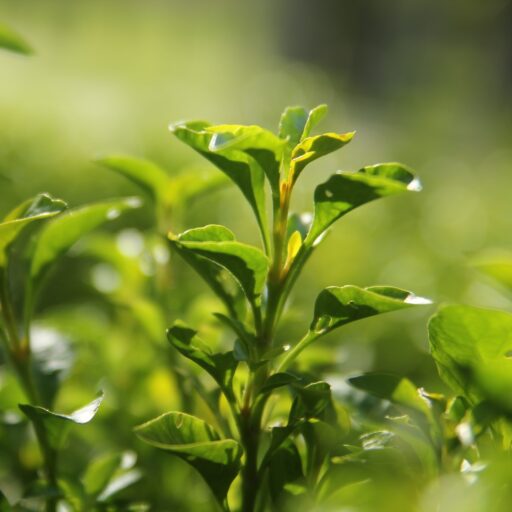
Look for healthy, tender new shoots with leaves that have developed enough for your intended plucking style. The shoot should be growing actively, not wilted, damaged, or stressed. A commercial guideline such as three to five new leaves can help orient you, but home growers should match the plant’s condition and leave enough foliage behind.
Step-by-step:
- Inspect the plant. Check for healthy growth and signs of pests or disease.
- Choose a suitable shoot. Select fresh growth that has reached your preferred size.
- Pluck selectively. Use clean fingers or clean scissors; avoid tearing the branch.
- Leave substantial foliage. Don’t strip the plant to maximize one small batch.
- Process promptly. Fresh leaves deteriorate, so decide in advance how you’ll handle the harvest.
- Record what you did. Note the date, weather, cultivar if known, and plucking standard.
How often to harvest without stressing the plant
There is no universal number of harvests for a backyard tea plant. A healthy mature shrub in a long, warm growing season may produce multiple rounds of shoots; a young plant in a cool climate may produce only one modest harvest.
- Young or newly planted shrub: prioritize establishment; harvest lightly or wait.
- Mature plant with vigorous growth: pick selectively when shoots are ready.
- Plant recovering from stress: skip the harvest and focus on care.
- Short-season climate: finish picking early enough for the plant to prepare for cold weather.
If you are also planting herbs, keep their schedules separate. Mint, chamomile, and lemon balm are managed differently; our herbal tea planting category is a helpful starting point.
Common harvesting mistakes to avoid
✅ Do: pick healthy shoots, use clean tools, and keep notes.
❌ Don’t: strip all new growth, pick immediately after frost damage, or assume every plant follows the same flush calendar.
Other common misteps include:
- Waiting for a calendar date instead of checking the shoots
- Harvesting a stressed or newly planted bush too heavily
- Leaving fresh leaves in a warm pile for hours
- Assuming a handpicked label guarantees better flavor
- Applying fertilizer without checking the plant or soil needs
🛒 Buying Tea by Harvest Season: Labels and Questions to Check
When you buy seasonal tea, harvest terms can help you understand freshness and style, but they are not automatic quality grades. Ask who produced it, where it was grown, when it was harvested, and how it was processed.
Understanding first flush, shincha, and seasonal claims
- First flush: first major new growth in a regional season.
- Shincha: Japanese “new tea,” generally referring to the first new tea harvest.
- Second flush or nibancha: a later harvest after the first.
- Autumn tea: a later-season tea in regions where that harvest is produced.
These terms need context. First-flush timing varies by year and location, and “shincha” doesn’t tell you everything about cultivar, processing, or storage. Look for a harvest year and producer details.
Freshness, storage, and choosing a harvest style
Choose by the flavor you enjoy, not season prestige alone.
| If you enjoy… | Consider looking for… | What to verify |
|---|---|---|
| Fresh, delicate, or savory notes | Early-season tea | Harvest year, origin, processing |
| Fuller, more robust character | Later-season tea | Flush and producer description |
| A shaded, umami-forward style | Gyokuro, kabusecha, or tencha-based tea | Shade duration and tea style |
| A roastier cup | Hojicha | Whether it is made from leaves, stems, or a blend |
Store tea away from heat, light, moisture, and strong odors. For general food-storage guidance, the USDA’s food storage resources offer sound principles, though tea-specific packaging guidance should come from the producer.
✅ Tea Plant and Harvesting Quick Reference Table
| Plant or tea category | What is harvested | Typical harvest pattern | Main caveat |
|---|---|---|---|
| China-type tea plant | Young shoots and leaves | Often a spring flush in seasonal climates; later growth may follow | Cultivar and local weather change dates |
| Assam-type tea plant | Young shoots and leaves | Repeated flushes may occur in warm, moist conditions | Drought, temperature, and management affect growth |
| Cambod-type plants and hybrids | Young shoots and leaves | No single standard calendar | Identify the specific plant and observe its growth |
| Japanese tea plants | Shots for sencha, tencha, gyokuro, and other styles | Spring first harvest; later harvests in some regions | Shade and cultivar affect timing |
| Herbal tea plants | Varies: flowers, leaves, roots, or calyces | Each species has its own harvest cues | They are not Camellia sinensis |
| Harvest term | Plain-language meaning |
|---|---|
| First flush | First substantial new growth of the season |
| Shincha | Japanese new tea, generally the first harvest |
| Nibancha | Second harvest in Japanese seasonal naming |
| Sanbancha | Third harvest in some Japanese systems |
| One bud, two leaves | A plucking standard, not a universal requirement |
The reliable answer to “when should we harvest?” is: when your plant’s healthy shoots are ready, under your local conditions, and only as much as the plant can comfortably spare.