Support our educational content for free when you purchase through links on our site. Learn more
🌱 Can You Grow Tea From Tea Bags—or Need Seeds?

No, ordinary tea bags won’t grow a tea plant. If you’re asking, “Can I grow tea from tea bags or do I need to buy seeds?”, you’ll need fresh Camellia sinensis seeds, a live tea plant, or a suitable cutting. Tea bags contain processed leaves—not the seeds that grow into tea shrubs.
We’ve heard the hopeful version of this question from gardeners who’ve tucked a used tea bag into a pot and waited for a tiny tea bush to appear. The leaves can go in the compost, but they won’t sprout; the good news is that growing real tea at home is still possible, and starting with a healthy young plant is usually the easiest route.
Key Takeaways
- Tea bags contain processed tea leaves, not viable tea seeds.
- To grow traditional tea, start with Camellia sinensis seeds, a nursery-grown plant, or a cutting.
- A healthy young plant is the simplest choice; seeds are better for patient gardeners who enjoy an experiment.
- Used tea leaves can be composted, but they won’t grow into a tea plant.
- Green, black, white, and olong tea all come from Camellia sinensis; processing creates their differences.
Table of Contents
- ⚡️ Quick Tips and Facts
- 🌿 Tea Plant Basics: What’s Actually in a Tea Bag?
- Tea leaves, tea seeds, and the Camellia sinensis plant
- Why dried tea leaves rarely sprout
- 🫖 Can You Grow Tea From Tea Bags? The Short Answer
- Could an unprocessed tea leaf ever germinate?
- Do tea bags contain seeds?
- What about matcha, loose-leaf tea, or whole tea flowers?
- 🌱 Tea Seeds vs. Tea Plants: Which Should You Buy?
- Fresh tea seeds: pros, cons, and germination odds
- Seedlings and nursery-grown tea plants
- Where to find viable Camellia sinensis seeds
- 🧭 How to Choose the Right Tea Seeds or Plant
- Tea varieties and cultivars for home growing
- Questions to ask a seed or plant seller
- 🪴 How to Grow Tea From Seed, Step by Step
- How to test whether tea seeds are viable
- Soaking and preparing tea seeds
- Germinating tea seeds indoors
- Poting up tea seedlings
- ✂️ Successfully Propagating Tea From Cutings
- When to take tea plant cutings
- Rooting cutings in soil or water
- Common tea propagation problems
- ☀️ Ideal Growing Conditions for Tea Plants
- Climate, temperature, and frost tolerance
- Sunlight and shade
- Acidic soil, drainage, and pH
- Watering and humidity
- Growing tea in pots, greenhouses, or outdoors
- 🌿 Tea Plant Care Through the Seasons
- Fertilizing tea plants
- Pruning and shaping for healthy growth
- Repoting and transplanting
- Pests and diseases to watch for
- ⏳ How Long Does a Tea Plant Take to Mature?
- When to expect flowers, seeds, and harvestable leaves
- Why young tea plants need time before harvesting
- 🍃 How Much Tea Can One Plant Produce?
- What affects leaf yield
- How many plants you need for a homegrown cup
- ☕ From Fresh Leaves to Homemade Tea
- Picking and handling tea leaves
- Processing leaves into green, black, or olong tea
- Can you brew freshly picked tea leaves?
- 🌼 Growing a Tea and Herbal Tea Garden at Home
- True tea versus herbal infusions
- Good companion plants for a home tea garden
- ♻️ Tea Bags, Compost, and Microplastics: What Gardeners Should Know
- Can used tea bags help garden soil?
- How to compost tea leaves and tea bags safely
- 🚫 Common Tea-Growing Mistakes and How to Fix Them
- ✅ Quick Troubleshooting: Tea Seed and Seedling Problems
- 🏁 Conclusion
- 🔗 Recommended Links
- ❓ FAQ
- 📚 Reference Links
⚡️ Quick Tips and Facts
If you’re researching growing tea indoors, here’s the answer before we put the kettle on: ordinary tea bags won’t grow a tea plant. They contain processed leaves, not viable tea seeds.
| Question | Growing Teas™ answer |
|---|---|
| Can tea grow from a tea bag? | No—not from ordinary black, green, white, or olong tea leaves. |
| What plant produces traditional tea? | Camellia sinensis. |
| What should you plant? | Fresh Camellia sinensis seeds, a nursery-grown tea plant, or a suitable cutting. |
| Easiest route for most gardeners? | Buy a healthy young plant. It skips the fussy seed-germination stage. |
| Can used tea leaves help in the garden? | They can go into compost, but they won’t become a tea plant. |
| Is “herbal tea” the same plant? | No. Mint, chamomile, and rooibos are different plants, not Camellia sinensis. |
A tea bag can still have a second life in the compost pail. It just won’t sprout into a tea bush. That distinction sounds obvious once you know it—but the word “tea” makes a surprisingly persuasive little botanical trick.
🌿 Tea Plant Basics: What’s Actually in a Tea Bag?
Tea leaves, tea seeds, and the Camellia sinensis plant
The familiar teas—green, black, white, and olong—all come from the leaves and buds of one species: Camellia sinensis. Their differences mostly come from how the leaves are processed after picking, not from entirely different tea plants. The Royal Botanic Gardens, Kew lists Camellia sinensis as an accepted species.
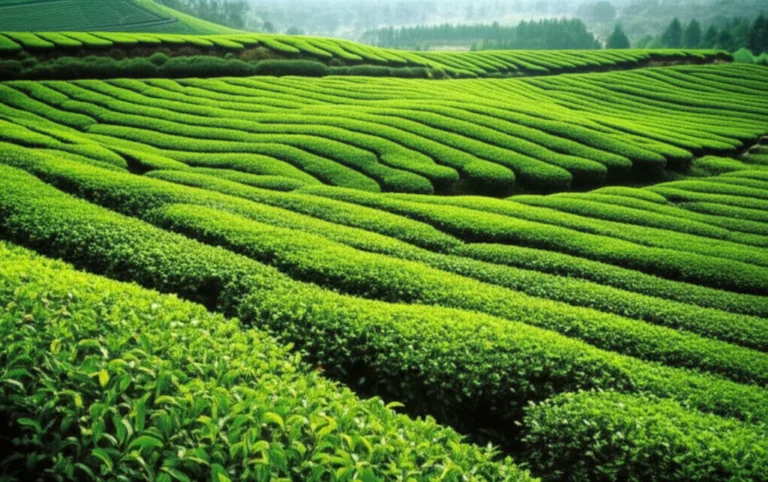
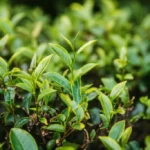
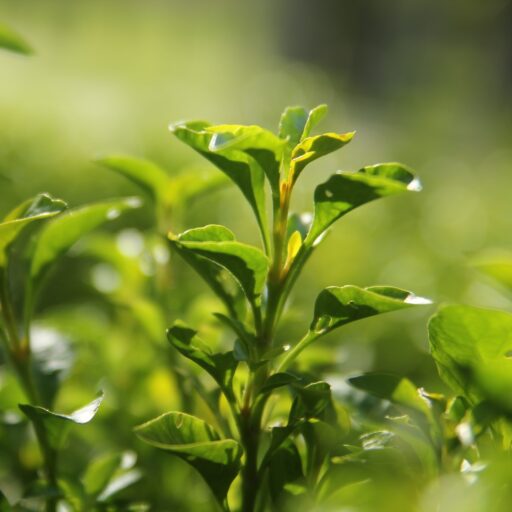
Tea is an evergreen shrub that can grow into a sizeable plant in the right climate. Commercial tea growers prune it to encourage a broad, manageable “plucking table”—a tidy leafy surface where tender shoots can be harvested.
| Material | What it is | Can it grow into a tea plant? |
|---|---|---|
| Tea leaves | Harvested, processed foliage | ❌ No |
| Tea dust or fannings | Small processed leaf particles often used in bags | ❌ No |
| Tea seed | A reproductive seed from Camellia sinensis | ✅ Potentialy, if fresh and viable |
| Tea cutting | A piece of living plant stem prepared for rooting | ✅ Potentialy |
| Nursery tea plant | A living Camellia sinensis seedling or clone | ✅ Yes |
Why dried tea leaves rarely sprout
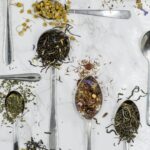
Tea leaves in retail tea have usually been withered, rolled, heated, dried, or oxidized. Those steps prepare leaves for brewing and destroy the living tissue needed to grow a new plant. Even a leaf that looks whole is not a seed: it’s more like a fallen leaf from an apple tree than an apple pit.
That is why tea-growing guides, including Insteading’s backyard tea-growing guide, distinguish between tea leaves and actual planting material. Their practical advice is to start with seeds, a young plant, or cutings.
🫖 Can You Grow Tea From Tea Bags? The Short Answer
Could an unprocessed tea leaf ever germinate?
In theory, an unusually fresh, living tea shoot might be propagated under carefully controlled conditions. But the dried leaves sold for brewing aren’t that material. A tea bag has been through the processing equivalent of a one-way trip: splendid in a cup, finished as planting stock.
So for a dependable result, don’t bury a tea bag and wait for a shrub. Start with a seed, rooted cutting, or live plant.
Do tea bags contain seeds?
Ordinary tea bags are made to hold leaves, not seeds. The small pieces you may see are broken leaf fragments, not miniature tea seeds. As Insteading explains, “Teabags contain tea plant leaves but not seeds.”
A seed could conceivably get into a food product by accident, but that would be contamination—not a reliable propagation method. If a mystery seed does appear, identify it before planting and don’t assume it’s tea.
What about matcha, loose-leaf tea, or whole tea flowers?
- Matcha: powdered tea leaves; no viable seeds.
- Loose-leaf tea: still processed leaves, even if the pieces are large.
- Tea flowers: flowers may produce seeds after pollination, but dried blossoms sold for tea are not a dependable seed source.
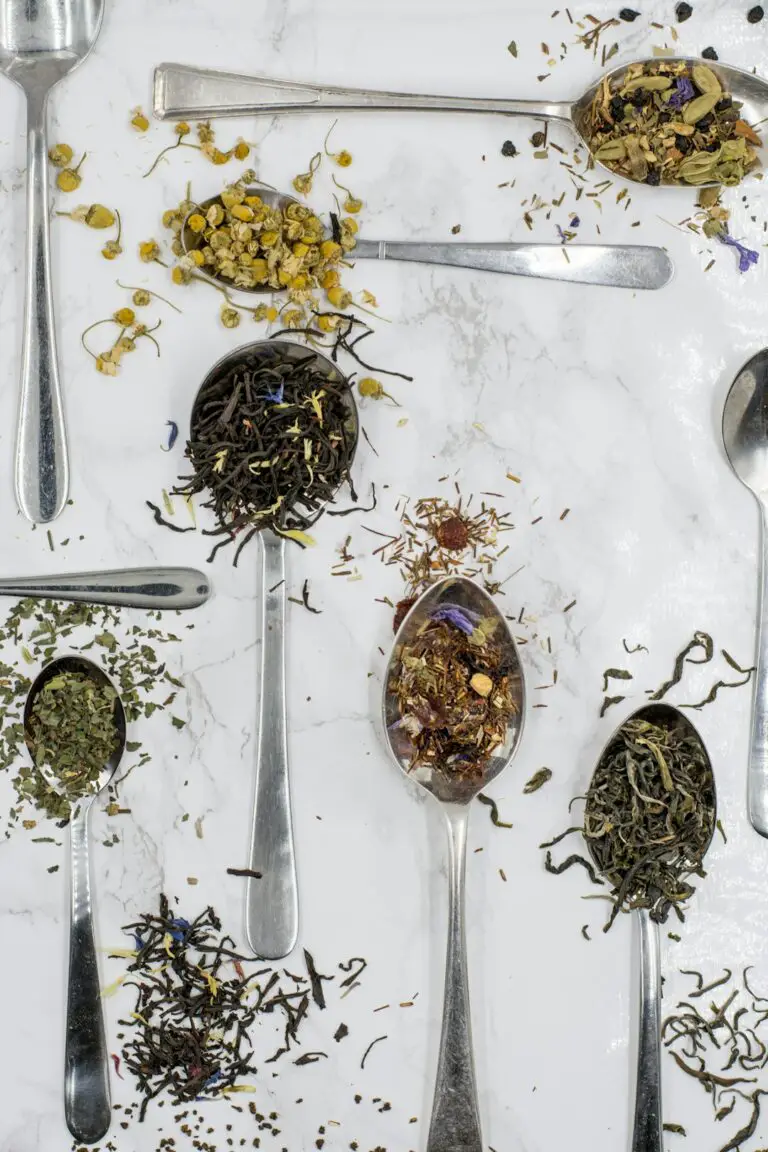
- Herbal tea blends: may contain dried mint, chamomile, or other plants, but dried plant pieces generally aren’t viable propagation material.
If your goal is a living tea shrub, look for products explicitly sold as fresh Camellia sinensis seeds or a live tea plant—not “tea seeds” used as a vague marketing phrase.
🌱 Tea Seeds vs. Tea Plants: Which Should You Buy?
Fresh tea seeds: pros, cons, and germination odds
Growing from seed is rewarding, affordable in effort rather than certainty, and a good way to raise several plants. The catch: tea seeds can lose viability if stored poorly or allowed to dry out. Ask the seller when they were harvested, how they were stored, and whether they are Camellia sinensis.
| Starting material | Main benefit | Main drawback | Best for |
|---|---|---|---|
| Fresh seeds | Grow multiple plants and experience the full process | Germination can be uneven; plants take time | Patient gardeners |
| Nursery seedling | Already established and easier to assess | May need acclimation to your climate | Most home growers |
| Rooted cutting | Usually preserves the parent plant’s traits | Rooting can be tricky; availability varies | Growers with access to a healthy plant |
| Tea-bag leaves | Easy to find | Not viable planting material | Compost, not propagation |
We’ve found that new growers often underestimate how much seed freshness matters. A packet that has spent months warm and dry in a warehouse may look perfectly convincing and still disappoint.
Seedlings and nursery-grown tea plants
For most people, a young plant is the least frustrating start. You can inspect its leaves and roots, confirm the species, and spend your energy on care rather than wondering whether a seed is alive.
Look for a seller who names the plant as Camellia sinensis, describes its growing conditions, and ships it appropriately for your climate. Avoid plants with yellowing foliage, sogy soil, or visible scale insects.
Our recommendation: If you want one tea plant to grow at home, buy a healthy, correctly identified seedling. Choose seeds if you enjoy experimentation—or want several plants and can tolerate uneven germination.
Where to find viable Camellia sinensis seeds
Search specialist nurseries, tea-plant growers, and reputable seed sellers. Before ordering, check that the listing specifies freshness, species, storage, and sowing instructions. Avoid listings that promise hundreds of seeds for a price that seems suspiciously low or fail to identify the species.
You can browse current listings via Amazon search results for Camellia sinensis seeds, but read seller details carefully: marketplace availability and quality vary. A regional nursery may offer better advice and plants already suited to local conditions.
🧭 How to Choose the Right Tea Seeds or Plant
Tea varieties and cultivars for home growing
Two commonly discussed tea forms are Camellia sinensis var. sinensis and var. assamica. Broadly speaking, sinensis types are associated with cooler-growing regions, while assamica types are associated with warmer regions. But variety names alone don’t guarantee a plant will thrive in your yard; climate, hardiness, and local growing conditions matter.
And a useful correction to a common misconception: the plant doesn’t dictate “green” or “black” tea by itself. Processing plays a major role. The same species can provide leaves for different styles of tea.
Questions to ask a seed or plant seller
Before buying, ask:
- Is this definitely Camellia sinensis?
- When were the seeds harvested?
- How have the seeds been stored?
- Is the plant grown from seed or cutting?
- What temperatures and light does the seller recommend?
- Is the plant acclimated to outdoor sun or greenhouse conditions?
- Are there local restrictions on shipping live plants or seeds?
A seller who answers these plainly is a better bet than one whose listing says only “tea plant seeds” and leaves you to guess.
🪴 How to Grow Tea From Seed, Step by Step
Tea seeds are not especially difficult to sow, but they reward patience and fresh stock. The process below follows standard seed-starting principles and the soak-and-sow approach described in Insteading’s guide.
How to test whether tea seeds are viable
A float test is sometimes used as a rough screen, but it is not a perfect viability test: some viable seeds float, and some dead seeds sink. Better clues are freshness, firm texture, and an intact seed coat.
If you have enough seeds, sow several rather than relying one. That’s the gardening version of inviting a few extra guests in case the weather turns.
Soaking and preparing tea seeds
- Inspect each seed. Discard seeds that are cracked, moldy, or mushy.
- Soak in room-temperature water. Many growers soak seeds for around 24 hours; some guides allow up to 48 hours. Don’t leave them soaking indefinitely.
- Prepare a clean poting mix. Use a light, acidic, well-draining medium.
- Use small pots with drainage holes. Waterlogged soil is a fast route to seed rot.
- Label the pot. Add the species and sowing date. Future-you will appreciate the note.
Germinating tea seeds indoors
- Moisten the medium so it feels damp, not saturated.
- Sow each seed about 1–2 cm deep, then cover lightly.
- Keep the pot warm and evenly moist, with bright indirect light.
- Check regularly and ventilate any humidity cover to reduce mold.
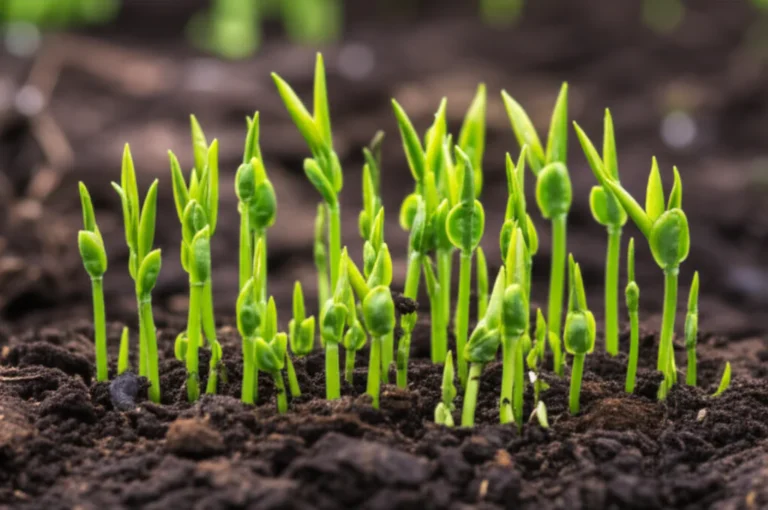
- Wait patiently. Germination may take several weeks or longer, and timing varies with seed freshness and conditions.
For general guidance on seed sowing and plant care, see the University of Minnesota Extension’s indoor seed-starting advice.
Poting up tea seedlings
Once a seedling has developed several true leaves and its roots hold the mix together, move it gently into a slightly larger pot.
- Hold the seedling by a leaf, not its delicate stem.
- Keep the root ball intact.
- Use an acidic, free-draining poting medium.
- Water thoroughly, then let excess drain.
- Give it a few days in bright, indirect light before increasing exposure.
Don’t move a tender indoor seedling straight into hot afternoon sun. Plants, like people, prefer a gradual introduction to a new environment.
✂️ Successfully Propagating Tea From Cutings
When to take tea plant cutings
Cutings are best taken from a healthy, actively growing plant, usually during a period of steady growth. Choose semi-ripe stems—neither very soft new tips nor old, woody branches—and use clean, sharp pruning shears.
A cutting gives you a plant that is genetically similar to the parent. That can be useful if you have a tea plant with traits you like, though rooting success varies.
Rooting cutings in soil or water
- Take a cutting with several healthy nodes.
- Remove the lower leaves, keeping a few at the top.
- Dip the cut end in rooting hormone if desired; it may help, but it is not magic.
- Insert the cutting into a moist, airy propagation mix.
- Cover loosely with a clear humidity dome or bag, keeping leaves from touching plastic.
- Place in bright, indirect light and keep the mix lightly moist.
- Check for resistance or new growth before transplanting. Rooting may take weeks.
Soil or propagation mix is generally more dependable than a glass of water for woody shrubs because it helps the new roots adapt to their eventual growing medium.
Common tea propagation problems
- Cuting wilts: humidity may be too low or the cutting too leafy.
- Stem turns black: the mix may be waterlogged or tools were unclean.
- Leaves drop: some stress is normal, but excessive heat or direct sun can worsen it.
- No roots: the stem may be too old, too soft, or simply slow.
☀️ Ideal Growing Conditions for Tea Plants
Climate, temperature, and frost tolerance
Tea’s hardiness depends on cultivar, plant age, and exposure. Some established tea plants can tolerate light frost, while young seedlings are more vulnerable. Broad U.S. gardening guidance often places tea in warmer regions, but a single zone range is not a guarantee. Check the nursery’s advice and your local winter lows.
The USDA Plant Hardiness Zone Map helps compare average annual extreme minimum temperatures, but it does not account for every factor—wind, duration of cold, drainage, and microclimate also matter.
Sunlight and shade
Tea generally grows best with bright light and some protection from harsh afternoon sun, especially in hot climates. In cooler coastal areas, more direct sun may be suitable. Indors, place the plant near a bright window and rotate it occasionally for even growth.
Acidic soil, drainage, and pH
Tea prefers acidic, well-drained soil. Aim for a pH roughly in the 4.5–6 range, while recognizing that cultivar and local conditions affect performance. The Royal Horticultural Society notes that camellias generally favor acidic conditions and good drainage.
If your soil is alkaline, growing in a pot with an ericaceous (acid-loving-plant) mix is often easier than repeatedly trying to amend an unsuitable garden bed. Use a soil test before making major adjustments.
Watering and humidity
Keep the root zone consistently moist, not bogy. Water when the top layer begins to dry, then allow excess water to escape. Tea plants in containers may need more frequent checks during hot, dry, or windy weather.
Low humidity can cause leaf edges to brown indoors. A peble tray or humidifier may help, but don’t leave the pot sitting in standing water.
Growing tea in pots, greenhouses, or outdoors
| Growing setup | Advantages | Watch-outs |
|---|---|---|
| Container indoors | Control over cold and soil | Needs strong light, drainage, and room to grow |
| Greenhouse | More stable warmth and humidity | Ventilation is essential; heat can build quickly |
| Outdoor garden | Natural light and more root space | Climate, soil pH, frost, and drainage must suit the plant |
| Patio container | Easy to move seasonally | Pot dries faster and may need winter protection |
For a detailed indoor setup, see our guide to growing tea indoors.
🌿 Tea Plant Care Through the Seasons
Fertilizing tea plants
Feed lightly during active growth with a fertilizer formulated for acid-loving plants, following the product label. Too much fertilizer can damage roots and encourage weak, overly soft growth.
For more on choosing and using plant food, visit Growing Teas™’s guide to fertilizers for tea plants.
Pruning and shaping for healthy growth
Prune to remove dead or crossing branches and to encourage a bushy shape. Commercial tea bushes are often pruned to keep harvestable shoots within reach; a home plant doesn’t need industrial-style clipping. Avoid heavy pruning while a young plant is establishing.
Repoting and transplanting
Repot when roots begin circling the container or water runs straight through the root ball. Move up only one pot size at a time, and preserve as many roots as possible.
For outdoor planting, harden off a greenhouse or indoor plant gradually: set it outside in sheltered shade for short periods, then increase exposure over about a week or two.
Pests and diseases to watch for
Check leaf undersides and stems for scale, aphids, spider mites, and other common pests. Good airflow and avoiding chronically wet leaves can help reduce disease pressure. Isolate a pest-infested houseplant before treating it, and use a product labelled for the plant and pest.
⏳ How Long Does a Tea Plant Take to Mature?
When to expect flowers, seeds, and harvestable leaves
A tea plant grown from seed may take several years to become a substantial shrub. Some gardening guides suggest roughly three years before light harvesting, but this is a rough milestone—not a promise. A plant’s age, growing conditions, and health make a big difference.
Tea plants may flower after becoming established, but flowering doesn’t mean you should expect a convenient supply of fresh seeds. Seed production depends on pollination and suitable conditions.
Why young tea plants need time before harvesting
Young plants need their leaves to build stems, roots, and energy reserves. Harvesting too heavily too soon slows establishment and can leave a small plant struggling.
Our rule: let the plant become vigorous and bushy before taking meaningful harvests. A few leaves for a taste test are different from stripping the new growth every week.
🍃 How Much Tea Can One Plant Produce?
What affects leaf yield
Yield depends on plant age, cultivar, climate, pruning, light, and how often you harvest. A young potted tea plant may provide only a small tasting batch; a mature, well-grown shrub can produce more, but home-grown output is rarely comparable to a commercial tea field.
| Factor | Likely effect |
|---|---|
| Plant maturity | Older, established plants generally produce more shoots |
| Light and warmth | Suitable growing conditions support steady growth |
| Pruning | Encourages branching and harvestable new growth |
| Container size | Restricts root space if the pot is too small |
| Harvest intensity | Heavy picking can reduce future growth |
How many plants you need for a homegrown cup
A cup requires far less leaf than a full teapot, but processing shrinks the harvest: fresh leaves lose substantial moisture during drying. One small plant can provide a fun tasting experiment, while regular home production is more realistic with several mature shrubs.
This is why we recommend treating the first harvest as a garden-to-cup experience, not a replacement for the tea cupboard.
☕ From Fresh Leaves to Homemade Tea
Picking and handling tea leaves
Tea is commonly harvested as a bud and young leaves, often described as “two leaves and a bud.” Use clean hands or scissors, pick healthy tender growth, and avoid harvesting plants recently treated with a product not approved for edible crops.
For practical harvesting guidance, visit our best tea picking practices category.
Processing leaves into green, black, or olong tea
The processing method shapes the style:
- Green tea: leaves are heated soon after picking to limit oxidation.
- Black tea: leaves are withered, rolled, and allowed to oxidize before drying.
- Oolong tea: oxidation is partial and carefully controlled.
- White tea: young buds or leaves are minimally processed and dried.
Small-batch home processing takes practice. Keep notes on harvest date, leaf amount, heating, drying time, and taste. The same plant can produce surprisingly different results.
Explore more about green tea cultivation for growing and harvest context.
Can you brew freshly picked tea leaves?
You can steep freshly picked leaves, but the flavor may be grassy, sharp, or less balanced than processed tea. Proper withering, heating, rolling, and drying develop the aroma and texture most people expect.
Start with a tiny batch. It’s a fascinating experiment—and a much cheaper lesson in patience than harvesting every leaf on your plant.
🌼 Growing a Tea and Herbal Tea Garden at Home
True tea versus herbal infusions
“Tea” technically refers to drinks made from Camellia sinensis. Mint, chamomile, lemon balm, and rooibos are herbal infusions, made from other plants. They can make a delightful garden, but none will grow into a tea shrub.
For ideas beyond true tea, browse Growing Teas™’s herbal tea planting category.
Good companion plants for a home tea garden
Consider growing plants with similar preferences in separate pots or suitable garden beds:
- Mint: vigorous; keep it contained so it doesn’t overun neighbors.
- Lemon balm: aromatic and easy to harvest.
- Chamomile: useful for flowers, but has different light and watering preferences.
- Lemongrass: enjoys warmth and sun; protect it from cold.
- Culinary herbs: choose by the conditions your tea plant already has.
Don’t force every “tea garden” plant into the same soil. Tea likes acidic conditions; many herbs prefer more neutral soil. A row of separate containers keeps everyone pleasantly civil.
♻️ Tea Bags, Compost, and Microplastics: What Gardeners Should Know
Can used tea bags help garden soil?
Used tea leaves can be added to a compost pile, where they contribute organic matter. They are not a complete fertilizer, and tossing whole bags directly into a pot can introduce materials that don’t break down as expected.
The UK Royal Horticultural Society’s composting guidance recommends paying attention to compostable materials rather than assuming every product labelled “tea bag” will decompose fully.
How to compost tea leaves and tea bags safely
- Check the package or manufacturer’s information about the bag material.
- If uncertain, cut the bag open and compost the leaves only.
- Add tea leaves in modest amounts to a balanced compost mix.
- Avoid piling wet leaves into a dense layer, where they can mat.
- Keep compost away from seedlings if it is unfinished or excessively acidic.
Some tea bags contain plastic fibres or heat-sealed plastic components. Research published in Environmental Science & Technology found that certain plastic tea bags can release micro- and nanoparticles when brewed; this finding applies to the tested materials, not necessarily every tea bag. See the study abstract on PubMed and choose loose tea or verified plastic-free bags if you want to reduce uncertainty.
🚫 Common Tea-Growing Mistakes and How to Fix Them
| Mistake | Why it causes trouble | Better approach |
|---|---|---|
| Planting dried tea leaves | They are not viable seeds or cutings | Buy Camellia sinensis seed or a live plant |
| Using stale, poorly stored seeds | Viability may be low | Buy fresh seeds and ask about storage |
| Keeping roots waterlogged | Encourages rot and poor root health | Use drainage holes and a free-draining mix |
| Planting in alkaline soil | Tea may struggle to access nutrients | Test pH; use acidic mix or a container |
| Giving a seedling harsh sun immediately | Leaves may scorch | Aclimate gradually |
| Harvesting a young plant heavily | Reduces growth and establishment | Let it mature before regular picking |
| Assuming every tea bag is compostable | Some contain synthetic fibres | Compost loose tea leaves unless material is confirmed |
A useful perspective from gardening sites is that used tea bags may serve as seed-starting containers for other plant seeds. That doesn’t mean the bag grows tea; it means a separate seed may germinate in or near it. The “bag as planter” trick and “tea bag as tea seed” are entirely different claims.
If you’d like to see that distinction tested visually, the featured video, “CAN YOU GROW SEDS IN TEA BAGS?” by How to do Channel, demonstrates seed germination in used tea bags. It’s a practical look at the container idea—not evidence that tea leaves themselves turn into tea plants.
✅ Quick Troubleshooting: Tea Seed and Seedling Problems
| Symptom | Likely cause | What to try |
|---|---|---|
| Seed has not germinated | Old seed, cool conditions, or simply slow germination | Keep warm and evenly moist; wait several more weeks |
| Seed is soft or moldy | Excess water or poor airflow | Remove affected seed; reduce moisture and ventilate |
| Seedling has pale leaves | Low light, nutrient stress, or unsuitable soil pH | Improve bright indirect light; check drainage and soil |
| Leaf tips turn brown | Dry air, inconsistent watering, or fertilizer buildup | Stabilize watering; raise humidity; flush excess salts |
| Leaves scorch outdoors | Suden sun exposure or heat stress | Provide afternoon shade and acclimate gradually |
| Plant wilts in wet soil | Root stress or poor drainage | Check pot holes and root health; let the mix drain |
When symptoms are confusing, change one factor at a time. If you adjust watering, light, soil, and fertilizer all at once, the plant may improve—but you won’t know which fix actually helped.