Support our educational content for free when you purchase through links on our site. Learn more
🌱 Tea Plant Growth Stages & Timeline: From Seed to Cup (2026)

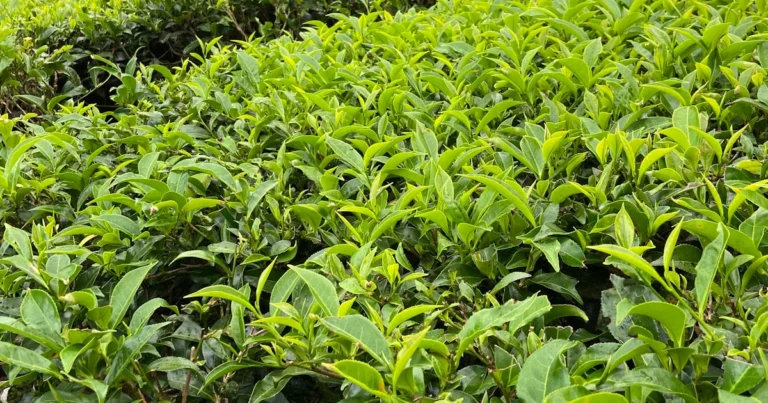
Ever wondered why your tea plant looks like a stubborn shrub while your neighbor’s is a lush bush? The secret lies in the Tea plant growth stages and timeline, a journey that spans years rather than weeks. At Growing Teas™, we’ve watched countless Camellia sinensis seeds struggle, sprout, and eventually thrive, teaching us that patience is the most critical ingredient in your tea garden. While commercial timelines often focus on the harvest, the real magic happens in the quiet, unseen phases of germination and root establishment.
Did you know a single tea seed can take up to 8 weeks just to break its shell? Or that the “First Flush” you sip on in spring is actually the result of a dormancy period that began months ago? In this comprehensive guide, we’ll walk you through every single stage of the tea plant’s life cycle, from the fragile seedling to the mature bush ready for its first pluck. We’ll reveal why some growers prune their flowers to boost leaf quality and how regional climates can speed up or slow down your harvest. By the end, you’ll know exactly how to nurture your plant from a tiny seed into a tea-producing powerhouse.
Key Takeaways
- Patience is Paramount: Growing tea from seed requires a 3-to-5 year timeline before the first significant harvest, making it a long-term gardening commitment.
- Acidity is Non-Negotiable: Successful growth depends on acidic soil (pH 5.5–6.5); alkaline conditions will cause chlorosis and eventual plant death.
- Four Distinct Phases: The lifecycle consists of Germination, Seedling, Vegetative Growth, and Flowering/Seed Production, each requiring unique care strategies.
- Climate Dictates Timing: Regional variations, from the tropical year-round flushes of Assam to the seasonal harvests of Darjeling, significantly impact growth speed and harvest windows.
- Pruning for Quality: Removing flowers and strategically pruning the bush redirects energy to leaf production, enhancing the flavor and yield of your future tea.
Table of Contents
- ⚡️ Quick Tips and Facts
- 📜 A Brief History of the Camellia sinensis Journey
- 🌱 The Tea Plant Growth Stages: From Seed to Cup
- 1. 🥚 The Germination Stage: Waking the Dormant Seed
- 🌧️ Duration and Conditions for Successful Germination
- 🔍 Factors That Make or Break Germination Success
- 2. 🌿 The Seedling Stage: First Leaves and Fragile Roots
- 👀 Characteristics of Healthy Tea Seedlings
- ⏳ Duration and Essential Care During the Seedling Phase
- 3. 🌳 The Vegetative Growth Stage: Building the Bush
- 📈 Description of Growth Patterns and Pruning Needs
- ⏳ Duration and Environmental Needs for Rapid Expansion
- 4. 🌸 The Flowering and Seed Production Stage: Nature’s Cycle
- 🕰️ Timing and Conditions Required for Flowering
- 🌱 The Seed Production Process: From Petal to Pod
- ⏱️ Tea Plant Growth Timeline: How Long Until Fully Grown?
- 🚀 How Fast Does a Tea Plant Grow?
- 📅 The 3-to-5 Year Roadmap to First Harvest
- 🔄 Notable Changes Throughout the Tea Plant Life Cycle
- 🌍 Global Tea Harvest Timeline: Regional Variations
- 🛡️ Safety First: Pests, Diseases, and Toxicity Concerns
- 🤝 Community: Connecting with Fellow Tea Growers
- 📚 Learn More About Tea Plant Care and Cultivation
- ✅ Conclusion
- 🔗 Recommended Links
- ❓ FAQ: Frequently Asked Questions About Tea Plant Growth
- 📖 Reference Links
⚡️ Quick Tips and Facts
Before we dive into the nitty-gritty of soil pH and root depth, let’s hit the ground running with some high-impact facts that every aspiring tea grower needs to know. We’ve been growing tea at Growing Teas™ for years, and we’ve seen everything from miraculous sprouts to tragic root rot. Here is the distilled wisdom:
- It’s All About the Species: If you want “real” tea, you must grow Camellia sinensis. Anything else (like Rooibos or Chamomile) is an herbal infusion, not tea. 🍵
- The “Two Leaves and a Bud” Rule: The highest quality tea comes from the very top of the branch. As the plant matures, the leaves get tougher and more bitter.
- Patience is a Virtue: Don’t expect a harvest in your first year. It typically takes 3 to 5 years for a seed-grown plant to reach harvestable maturity.
- Acidity is Non-Negotiable: Tea plants are acid-loving (ericaceous) plants. If your soil pH is above 6.5, your plant will likely turn yellow and die.
- Freshness Matters: Tea seeds lose viability incredibly fast. If you buy seeds that have been sitting on a shelf for a year, they probably won’t sprout.
Pro Tip: Want to see the entire lifecycle in action? Check out our featured-video below where we break down the harvest and processing at Table Rock Tea Company!
📜 A Brief History of the Camellia sinensis Journey

How did we get from a wild shrub in the misty mountains of Yunnan to your morning cupa? The story of Camellia sinensis is as rich and complex as a well-aged Pu-erh.
Legend has it that in 2737 BC, the Chinese Emperor Shen Nung was boiling water under a tea tree when a few leaves drifted into his pot. The resulting brew was refreshing and revitalizing, marking the accidental discovery of tea. While the legend is charming, archaeological evidence suggests tea was cultivated in China and India long before recorded history.
The plant itself is an evergreen shrub that can grow into a massive tree if left unpruned. In the wild, it can reach heights of 30 feet (9 meters). However, in commercial plantations, we keep them pruned to waist height to make harvesting easier and to encourage the growth of those tender, flavorful leaves.
There are two main varieties you’ll encounter:
- Camellia sinensis var. sinensis: The Chinese variety. Smaller leaves, hardier, cold-tolerant, and perfect for green and white teas.
- Camellia sinensis var. assamica: The Assam variety. Larger leaves, tropical, heat-loving, and the backbone of most black teas.
Did You Know? According to Rishi Tea, the intersection of daylight, rain, and heat determines when growth begins after winter, creating a global harvest timeline that tracks from the equator to the poles.
🌱 The Tea Plant Growth Stages: From Seed to Cup
Growing your own tea is a journey of patience. Unlike a radish that pops up in a week, the tea plant is a marathon runner. We break down the lifecycle into four distinct phases, each with its own challenges and rewards.
1. 🥚 The Germination Stage: Waking the Dormant Seed
This is where the magic begins, but also where most beginners fail. Tea seeds are notorious for being finicky. They don’t just “wake up”; they need specific conditions to break their dormancy.
🌧️ Duration and Conditions for Successful Germination
According to our experience and data from Greg.app, germination typically takes 2 to 4 weeks under ideal conditions, though it can stretch to 8 weeks if conditions aren’t perfect.
- Temperature: You need a warm environment, ideally between 20°C to 30°C (68°F to 86°F).
- Humidity: High humidity is crucial. Aim for 70-80% relative humidity.
- Soil: Well-drained, acidic soil with a pH of 5.5 to 6.5.
The “Sink or Swim” Test: Before planting, soak your seeds in water for 24–48 hours. As noted by LoveTheGarden, seeds that sink have the highest chance of success. Those that float are likely empty or dead.
🔍 Factors That Make or Break Germination Success
Why do some seeds sprout while others rot? It comes down to three main factors:
- Seed Quality: Freshness is king. Older seeds often fail to germinate. Always source seeds from a reputable supplier or harvest them yourself in the fall.
- Pre-treatment: Soaking seeds softens the hard outer shell, enhancing water absorption. Some growers even gently nick the shell (scarification) to speed things up, but be careful not to damage the embryo!
- Light Balance: While seeds need warmth, too much direct light during germination can hinder the process. Keep them in a warm, dark place until the first shoot appears.
Growing Teas™ Insight: We’ve found that using a heat mat under your seed trays can dramatically improve germination rates, especially in cooler climates.
2. 🌿 The Seedling Stage: First Leaves and Fragile Roots
Once the seed cracks and a tiny green shoot emerges, you are in the Seedling Stage. This is the most vulnerable phase of the plant’s life.
👀 Characteristics of Healthy Tea Seedlings
What should you look for?
- Color: A vibrant, light green hue. Yellowing indicates nutrient deficiency or poor drainage.
- Structure: A sturdy stem and the development of the first true leaves (the ones that look like tea leaves, not the initial seed leaves).
- Roots: A shallow but spreading root system that anchors the plant.
⏳ Duration and Essential Care During the Seedling Phase
This stage lasts between 6 to 12 months before the plant is ready to be transplanted into a larger pot or the ground.
- Watering: Keep the soil consistently moist but never sogy. Root rot is the number one killer of seedlings.
- Light: Move the seedlings to a bright, indirect light location. Direct sun can scorch the tender leaves.
- Soil: Use an ericaceous compost (acidic mix). LoveTheGarden specifically recommends Levington Peat-Free Ericaceous Compost for this stage.
Transplanting Trigger: Once your seedling develops 3 or 4 true leaves, it’s time to move it to an individual pot to give the roots room to expand.
Warning: Do not harvest leaves during this stage! The plant needs all its energy to establish a strong root system.
3. 🌳 The Vegetative Growth Stage: Building the Bush
Now the fun begins. The plant is no longer a fragile seedling; it’s a growing machine. This is the Vegetative Growth Stage, where the plant focuses on building its structure.
📈 Description of Growth Patterns and Pruning Needs
During this phase, which typically lasts 2 to 3 years, you will see:
- Rapid leaf production: New shoots emerge frequently.
- Stem elongation: The plant grows taller and bushier.
- Leaf maturation: Leaves become larger and darker green.
The Art of Pruning:
To create a bushy, harvestable plant, you must prune.
- First Prune: When the plant reaches about 30 cm (12 inches), pinch off the top set of leaves. This encourages lateral branching.
- Maintenance Prune: Regularly trim the sides to maintain a “tea table” shape (flat top, sloping sides). This maximizes the surface area for new growth.
⏳ Duration and Environmental Needs for Rapid Expansion
- Sunlight: The plant now needs 4 to 6 hours of direct sunlight daily.
- Water: Consistent moisture is critical. During dry spells, water deeply.
- Soil: Continue to monitor pH. If the leaves turn yellow, your soil might be too alkaline.
Growing Teas™ Tip: If you are growing in a pot, repot every year in the spring to refresh the soil and prevent the plant from becoming root-bound.
4. 🌸 The Flowering and Seed Production Stage: Nature’s Cycle
After 3 to 5 years, your tea plant will finally decide to flower. This is a sign of maturity, but for tea growers, it’s a double-edged sword.
🕰️ Timing and Conditions Required for Flowering
- Timing: Flowering usually occurs in late summer to early fall.
- Conditions: Moderate temperatures (15°C to 25°C) and high humidity favor flowering.
- Appearance: Delicate white flowers with a sweet, honey-like fragrance.
🌱 The Seed Production Process: From Petal to Pod
Once pollinated (usually by bees), the flower develops into a green seed pod.
- Maturation: It takes 6 to 8 months for the seeds to mature.
- The Trade-off: When the plant flowers and produces seeds, it diverts energy away from leaf production. This can reduce the quality and quantity of your tea harvest.
- Our Advice: Many commercial growers remove the flowers to keep the plant focused on leaf production. However, if you want to save seeds for propagation, let them grow!
Fun Fact: The seeds produced are actually the “tea nuts” used to make tea oil, a delicacy in some Asian cuisines, though they are not used for making the beverage itself.
⏱️ Tea Plant Growth Timeline: How Long Until Fully Grown?
We’ve mentioned it a few times, but let’s be crystal clear: Tea is a long-term investment.
🚀 How Fast Does a Tea Plant Grow?
The growth rate is moderate. You won’t see a foot of growth overnight.
- Year 1: Focus on root establishment and a few leaves.
- Year 2: Significant bush expansion.
- Year 3: First light harvest possible (if grown from seed).
📅 The 3-to-5 Year Roadmap to First Harvest
| Year | Milestone | Harvest Potential |
|---|---|---|
| Year 1 | Germination & Seedling | ❌ None |
| Year 2 | Vegetative Growth | ❌ None (Prune only) |
| Year 3 | Maturation Begins | ⚠️ Very light (1-2 flushes) |
| Year 4 | Full Maturity | ✅ Standard harvest |
| Year 5+ | Peak Productivity | ✅ Abundant harvests |
According to Greg.app, peak productivity occurs between 30 to 50 years of age. That’s right, your great-grandchildren could be drinking tea from the same bush you planted today!
🔄 Notable Changes Throughout the Tea Plant Life Cycle
As the plant ages, the leaves themselves change.
- Young Leaves: Tender, light green, high in amino acids (L-theanine), resulting in a sweet, umami flavor. Ideal for Green and White teas.
- Mature Leaves: Thicker, darker, higher in tannins and caffeine. These are better suited for Black and Oolong teas, which require oxidation.
Rishi Tea Insight: As noted by Rishi Tea, “Not all tea is best picked and processed from the first leaves of the year.” Mature leaves bring complexity and depth to darker tea styles.
🌍 Global Tea Harvest Timeline: Regional Variations
The timeline of growth and harvest varies wildly depending on where you are on the globe. The concept of “flushes” (harvest periods) is central to tea culture.
- China & Taiwan: Follow the Lunisolar calendar.
Mingqian: Before April 4 (Tomb Sweping Day).
Yu Qian: Before April 20.
Gu Yu: Before May 5. - Japan:
Shincha: New tea, late March to mid-April.
Ichibancha: First tea, late April to May. - India (Darjeling/Assam):
1st Flush: March-April (Spring).
2nd Flush: May-June (Summer).
Monsoon: July-August.
Autumnal: October-November. - Southern Hemisphere (Australia, NZ): Harvest runs from October to April, opposite to the Northern Hemisphere.
Curiosity Check: Why do some regions have year-round harvests while others have distinct seasons? It all comes down to the dormancy period. In tropical regions without a cold winter, the plant never fully stops growing, leading to continuous flushes.
🛡️ Safety First: Pests, Diseases, and Toxicity Concerns
Growing tea is generally safe, but there are a few things to watch out for.
- Pests: Aphids, spider mites, and tea mosquito bugs are common. Use organic insecticidal soaps or neem oil.
- Diseases: Root rot (from overwatering) and leaf spot (fungal) are the main threats. Ensure excellent drainage!
- Toxicity: Camellia sinensis leaves are safe to eat and drink. However, the seds contain caffeine and other compounds that can be toxic if consumed in large quantities. Do not eat the seeds.
Emergency Note: If you suspect poisoning, contact your local Poison Control immediately. For the US, call (80) 2-12.
🤝 Community: Connecting with Fellow Tea Growers
You don’t have to grow tea alone! The community of home tea growers is small but passionate.
- Online Forums: Join groups on Reddit (r/tea, r/gardening) or specialized forums like TeaForum.org.
- Local Clubs: Check if there’s a local gardening club with a tea interest group.
- Workshops: Many tea companies, like Table Rock Tea Company, offer workshops on cultivation and processing.
📚 Learn More About Tea Plant Care and Cultivation
Ready to dive deeper? Here are some resources to expand your knowledge:
- Green Tea Cultivation: Learn specific techniques for growing the perfect green tea plant. Read more here.
- Herbal Tea Planting: Interested in growing other herbs for your blends? Explore herbal options.
- Organic Farming Techniques: Master the art of chemical-free growing. Get the guide.
- Health Benefits of Tea: Discover why your hard work is worth it. Learn the benefits.
- DIY Tea Blending: Once you have your harvest, learn how to create your own unique blends. Start blending.
And for a general overview of our mission and methods, check out our About Growing Teas page.
✅ Conclusion

So, is growing your own tea worth the wait? Absolutely.
While the 3-to-5 year timeline requires patience, the reward of plucking a fresh leaf from your own garden, processing it, and sipping a cup of tea that you nurtured from a seed is unparalleled. The journey from a dormant seed to a flourishing bush is a lesson in nature’s rhythm.
Positives:
- ✅ Freshness: Unmatched flavor and aroma.
- ✅ Sustainability: Zero food miles.
- ✅ Longevity: A plant that can last for decades.
- ✅ Educational: Deepens your understanding of agriculture.
Negatives:
- ❌ Time: Requires years of care before the first harvest.
- ❌ Space: Needs room to grow (or large pots).
- ❌ Climate Sensitivity: Not all climates are suitable without protection.
Our Verdict: If you have the patience and the right soil conditions, growing Camellia sinensis is one of the most rewarding gardening projects you can undertake. Start small, be consistent, and soon you’ll be sipping on your own “First Flush.”
🔗 Recommended Links
Ready to get started? Here are the tools and resources we recommend:
- Ericaceous Compost: Essential for acidic soil needs.
Levington Peat-Free Ericaceous Compost: Amazon | Brand Official - Acidic Fertilizer: For feeding your growing bush.
Miracle-Gro Plant Food Soluble for Azalea, Camellia, Rhodendron: Amazon | Brand Official - Tea Seeds: Start your journey.
Camellia Sinensis Seeds: Amazon | Growing Teas™ Shop - Books:
The Story of Tea: A Cultural History and Drinking Guide by Betty J. Jackson: Amazon
Tea: History, Teroirs, Varieties by Catherine Donelly: Amazon
❓ FAQ: Frequently Asked Questions About Tea Plant Growth

How can I speed up the growth of my tea plants?
You can’t rush nature, but you can optimize conditions. Ensure optimal temperature (70-85°F), use acidic soil (pH 5.5-6.5), provide consistent moisture, and apply a balanced acidic fertilizer during the growing season. Pruning also encourages bushier growth.
Read more about “🌧️ Tea Humidity Secrets: The 70% Rule You Can’t Ignore (2026)”
What care is needed during each tea plant growth stage?
- Germination: Warmth, humidity, and darkness.
- Seedling: Indirect light, consistent moisture, and protection from wind.
- Vegetative: Full sun, regular watering, and pruning to shape the bush.
- Flowering: Moderate temperatures; remove flowers if you want to maximize leaf yield.
Read more about “🌿 Discover 15+ Thriving US Tea Farms and Gardens (2026)”
How do tea plant growth stages impact tea quality?
Younger leaves (from the vegetative stage) are tender and high in L-theanine, making them ideal for Green and White teas. Older, mature leaves have more tannins and are better for Black and Oolong teas. The “flush” timing also affects flavor profiles.
Read more about “🍃 When & How to Harvest Tea Leaves: The 2026 Guide”
When is the best time to harvest tea leaves?
The best time is usually spring (the “First Flush”) when the new growth is most tender. However, depending on the tea type, harvests can occur in summer, autumn, and even winter in tropical regions.
Read more about “🌿 7 Mulch Secrets to Supercharge Your Tea Plant Health (2026)”
What environmental conditions affect tea plant growth?
Temperature, rainfall, altitude, and soil pH are the primary factors. Tea thrives in acidic, well-drained soil and prefers high humidity and moderate temperatures.
Read more about “🌱 7 Steps to Clone Tea Plants: The Ultimate Guide (2026)”
How do I create unique herbal tea blends from homegrown herbs?
Once you have your tea leaves, you can blend them with homegrown herbs like mint, lemon balm, or lavender. Check out our DIY Tea Blending category for recipes.
Read more about “Can I Grow My Own Herbs for Tea? 🌿 10 Must-Know Tips (2026)”
What are the main growth stages of a tea plant?
The four main stages are: Germination, Seedling, Vegetative Growth, and Flowering/Seed Production.
Read more about “💧 How Often to Water Tea Plants: 10 Golden Rules (2026)”
How long does it take for a tea plant to produce its first harvest?
Typically 3 to 5 years if grown from seed. If you buy a sapling, you might get a light harvest in 2 to 3 years.
Read more about “🌿 Ultimate Tea Plant Care & Maintenance Guide (2026)”
What are the ideal soil conditions for growing tea plants from seed?
Acidic soil with a pH between 5.5 and 6.5, rich in organic matter, and with excellent drainage. Avoid heavy clay soils that retain too much water.
Read more about “🌱 How Long Do Peas Grow From Seed? (2026 Timeline)”
When is the best time of year to prune tea bushes for optimal growth?
Prune in late winter or early spring before the new growth begins. This shapes the plant and encourages a strong flush of new leaves.
Read more about “🌱 Tea Plant Root Care & Management: 7 Secrets to Thriving Roots (2026)”
How often should I water my tea plant during different growth stages?
- Seedling: Keep soil consistently moist (not sogy).
- Vegetative: Water deeply when the top inch of soil is dry.
- Flowering: Maintain consistent moisture to support seed development.
Can tea plants be grown indoors throughout all their life stages?
Yes, but it’s challenging. They need bright, indirect light and high humidity. In winter, they may need a cool, dark period to mimic dormancy. They can outgrow indoor spaces quickly.
What are the signs that a tea plant is ready for the first plucking?
Look for a flush of new growth with two leaves and a bud at the tip of the branch. The leaves should be tender and light green.
How does climate affect the timeline of tea plant development?
Colder climates slow down growth and extend the time to maturity. Warmer, tropical climates allow for faster growth and multiple harvests per year.
📖 Reference Links