Support our educational content for free when you purchase through links on our site. Learn more
12 Best Tea Varieties to Grow Indors 🌿

What are the best tea varieties to grow indoors? For quick, fragrant harvests, start with permint or lemon balm; for traditional green, white, olong, or black tea, grow Camellia sinensis. The herbs are generally easier and faster, while the true tea plant rewards patient growers with leaves from their own tea shrub.
We’ve brushed past a pot of lemon balm and watched kitchen visitors stop mid-sentence to ask what smells so good. That’s the fun of an indoor tea garden: even a small harvest can make your next cup feel wonderfully personal. Just remember that mint has a talent for taking over, so give it a pot of its own.
Key Takeaways
- Choose herbs for easier, quicker harvests: Pepermint, spearmint, and lemon balm are beginner-friendly indoor tea plants.
- Choose Camellia sinensis for true tea: Its leaves can become green, white, olong, or black tea through different processing methods.
- Match plants to your space: Bright light, well-drained containers, and suitable poting mix matter more than a crowded collection of varieties.
- Harvest gently: Let plants establish first, then pick or prune without stripping away the foliage they need to grow.
- Keep expectations realistic: A windowsill tea shrub may offer modest harvests; aromatic herbs can make the quicker everyday infusion.
Table of Contents
- ⚡️ Quick Tips and Facts for Growing Tea Indors
- 🌱 Indoor Tea Growing: A Brief History and Botanical Background
- 🍃 Why Grow Tea Plants Indors? Benefits, Limits, and Expectations
- 🌿 12 Best Tea Varieties and Tea Herbs to Grow Indors
- 1. Camellia sinensis var. sinensis: Classic True Tea
- 2. Camellia sinensis var. assamica: Robust Leaves for Black Tea
- 3. Camellia sinensis ‘Sochi’: A Cold-Hardy Tea Plant
- 4. Camellia sinensis ‘Small-Leaf’: A Compact Choice for Containers
- 5. Pepermint: A Vigorous Herb for Refreshing Tea
- 6. Spearmint: A Milder Mint for Indoor Pots
- 7. Lemon Balm: A Citrus-Scented Herbal Tea Favorite
- 8. Tulsi (Holy Basil): A Fragrant, Heat-Loving Tea Herb
- 9. German Chamomile: A Delicate Tea Plant for Sunny Windows
- 10. Lemon Verbena: Aromatic Leaves for Herbal Infusions
- 11. Rosemary: A Woody Herb for Savory Tea Blends
- 12. Jasmine: A Fragrant Companion for Scenting Tea
- 🔎 True Tea vs. Herbal Tea: What Can You Actually Harvest?
- 🌞 Creating the Ideal Indoor Environment for Tea Plants
- ☀️ Light Requirements: Sunny Windows and Grow Lights
- 🌡️ Temperature, Humidity, and Air Circulation
- 🪴 Choosing Containers and Drainage
- 🧪 Best Soil and Poting Mix for Tea Plants
- 💧 Watering and Fertilizing Indoor Tea Plants
- How to Water Without Causing Root Rot
- Fertilizer Needs and Feeding Schedule
- Water Quality and Soil pH for Camellia sinensis
- ✂️ Pruning, Shaping, and Harvesting Tea Leaves
- When and How to Prune Tea Plants
- Harvesting the Best Leaves and New Shots
- How Long Until an Indoor Tea Plant Is Ready to Harvest?
- 🐞 Indoor Tea Plant Pests and Diseases
- Preventing Common Pests and Fungal Problems
- Treating Spider Mites, Aphids, and Scale
- 🛠️ Grow Lights, Humidity Trays, and Mini Greenhouse Setups
- Simple Indoor Tea-Growing Setup for Small Spaces
- When a Grow Tent or Mini Greenhouse Helps
- 🍵 Processing and Brewing Homegrown Tea
- Withering, Rolling, Oxidizing, and Drying True Tea
- Drying and Storing Herbal Tea Leaves
- Brewing Fresh or Home-Dried Leaves
- 🛒 Buying Tea Seeds, Seedlings, and Starter Plants
- Seeds vs. Live Plants: Which Should You Choose?
- How to Choose a Healthy Tea Plant
- 🩺 Troubleshooting Common Indoor Tea Plant Problems
- Yellowing Leaves and Nutrient Issues
- Legy Growth and Slow Growth
- Leaf Drop, Brown Edges, and Wilting
- 💡 Indoor Tea Growing Tips from Our Team
- ❓ Frequently Asked Questions About Growing Tea Indors
- Can you grow Camellia sinensis indoors year-round?
- Can tea plants grow under LED lights?
- How many tea plants do you need to make a cup of tea?
- Are indoor tea plants safe for pets?
- Can you grow tea from a tea bag?
- 🏁 Conclusion: Choosing the Best Tea Plant for Your Home
- 🔗 Recommended Links
- 📚 Reference Links
⚡️ Quick Tips and Facts for Growing Tea Indors
For the full indoor setup, start with our guide to growing teas indoors. Here’s the short version from our Growing Teas™ growing benches: mint and lemon balm are the easiest leafy harvests; Camellia sinensis is the choice for authentic tea, but it asks for more patience, light, and humidity.
| Your goal | Best starting plant | What to expect |
|---|---|---|
| Fast, fragrant caffeine-free infusions | Pepermint or lemon balm | Vigorous growth; keep each plant contained in its own pot |
| Flowers for herbal tea | German chamomile | Needs strong light; harvest the open flower heads |
| Green, white, olong, or black tea | Camellia sinensis | A slow-growing shrub whose leaves need processing |
| A compact windowsill herb | Thyme or spearmint | Easier to size-manage than a tea shrub |
| A scenting companion | Jasmine | Its fragrance can perfume tea; it is not the tea plant |
Quick facts to keep your first pot out of trouble:
- ✅ Choose pots with drainage holes. A decorative cachepot is fine; a swamp at the roots is not.
- ✅ Give sun-loving herbs a bright window or a grow light. Indoor light is often weaker than it looks.
- ✅ Check the poting mix before watering. “Water every Tuesday” is less useful than “water when the plant needs it.”
- ✅ Keep mint in a separate container: it spreads by runners and enjoys taking over the neighborhood.
- ✅ Use edible plants from a trusted source, with a known pesticide history.
- ❌ Don’t expect a new tea shrub to supply daily cups right away. It must establish and produce enough young shoots for a useful harvest.
- ❌ Don’t assume green tea and black tea come from different plants. Both can be made from Camellia sinensis; processing creates the difference.
The University of Missouri Extension notes that herbs need adequate light and well-drained growing conditions indoors; its indoor herb gardening guidance is a useful reality check when a windowsill seems brighter to human eyes than it is to a plant. 🌱
🌱 Indoor Tea Growing: A Brief History and Botanical Background
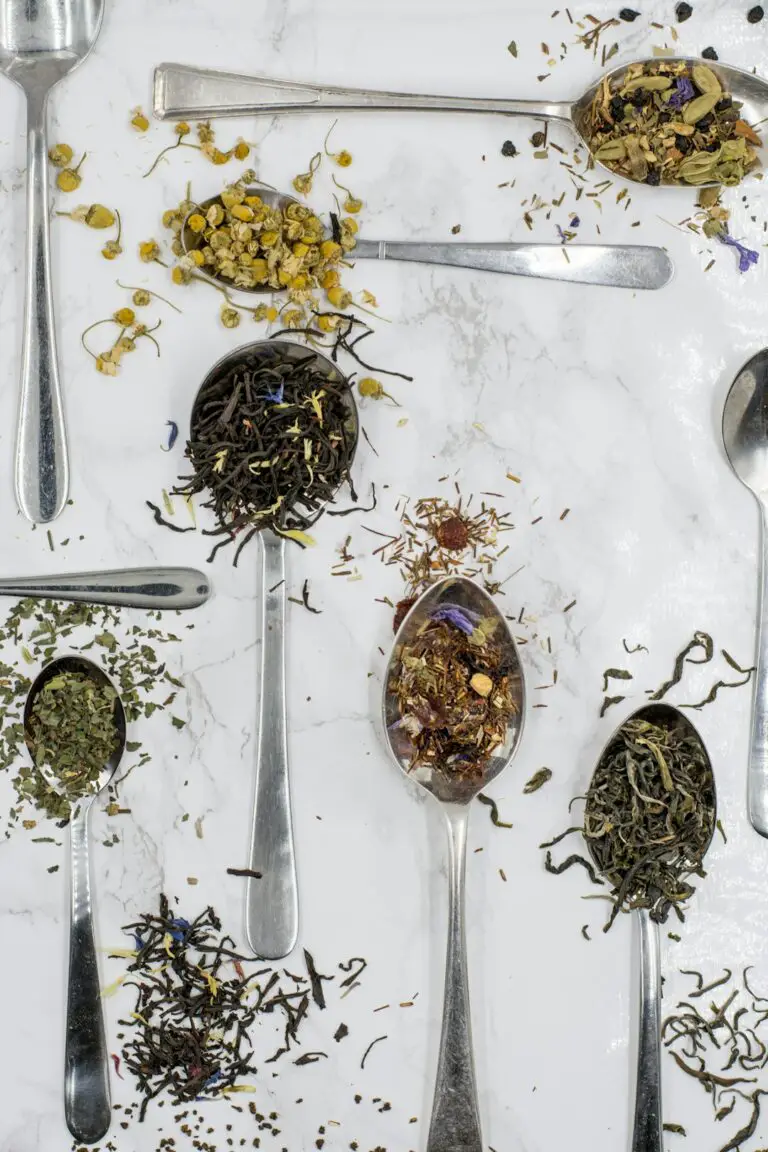
“Tea” can mean two different things in the garden. True tea comes from Camellia sinensis. Mint, chamomile, lemon balm, and tulsi make herbal infusions, often called tisanes. Both belong in a home tea garden, but they aren’t botanically interchangeable.
Camellia sinensis is an evergreen shrub cultivated for its young leaves and buds. The familiar tea styles—green, white, olong, and black—come from how those leaves are handled after harvest, particularly whether and how they are oxidized. The Royal Botanic Gardens, Kew, lists Camellia sinensis as the tea plant, while the FAO’s overview of tea production describes tea cultivation and processing at a commercial scale.
Indoor tea growing is a modern container-gardening solution to an old crop. It lets you keep a tea shrub in a manageable pot, or grow quick-yielding herbs close to the kitchen. But the two approaches differ:
| Garden type | Plants | Main advantage | Main limitation |
|---|---|---|---|
| True-tea container garden | Camellia sinensis | Makes leaves for traditional tea styles | Slow growth and demanding indoor conditions |
| Herbal tea garden | Mint, lemon balm, chamomile, tulsi, and others | More forgiving; some herbs produce leaves quickly | Flavor is an infusion, not traditional tea |
| Mixed tea garden | A tea shrub plus culinary and infusion herbs | Broadest range of aromas and harvests | Different plants need different watering and light |
If you want to explore the broader crop list, see our guide to tea plants to grow. One question usually comes up next: which plants will actually behave on a windowsill instead of staging a dramatic escape?
🍃 Why Grow Tea Plants Indors? Benefits, Limits, and Expectations
A home tea garden gives you fresh aromas, edible leaves, and a reason to inspect your plants before the kettle boils. The practical catch: an indoor herb pot can yield usable leaves much sooner than a true tea shrub.
Benefits
- Fresh, traceable ingredients: You know what went into the pot and onto the leaves.
- Small-space friendly: Many herbs grow in modest containers, and some tolerate regular harvesting.
- Flavor experiments: Blend mint with lemon balm, or try a small amount of tulsi with chamomile.
- A living kitchen garden: Fragrant foliage makes a windowsill feel more like a garden than a storage ledge.
Challenges
- Light can be the bottleneck. A room that feels sunny to you may not provide enough light for vigorous growth.
- Indoor air is often dry. That can stress some plants and encourage spider mites.
- One care schedule doesn’t fit all. Rosemary prefers a drier mix than mint; a tea shrub has its own acidity and moisture preferences.
- Harvests are modest. A single windowsill plant won’t necessarily produce enough leaf for a daily teapot.
We’ve learned not to call a plant “easy” without saying easy for what. Mint is forgiving if you contain and trim it. Chamomile is simple to sow but wants strong light. A tea shrub is entirely possible indoors, but it’s a long game. That distinction is why our green tea cultivation and herbal tea planting advice treats true tea and infusion herbs separately.
🌿 12 Best Tea Varieties and Tea Herbs to Grow Indors
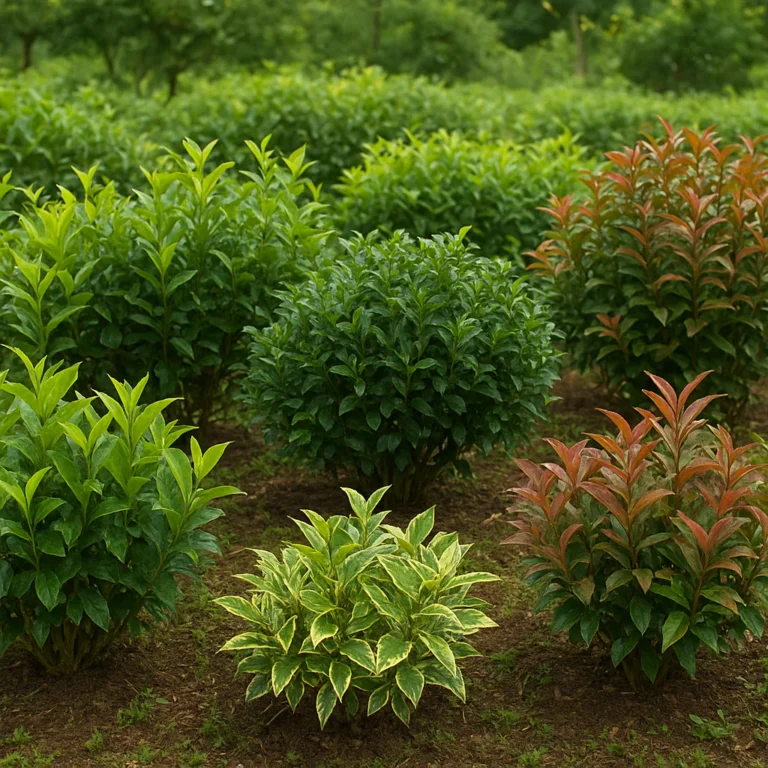
The best choice depends on whether you want traditional tea leaves, a quick herbal harvest, or a fragrant companion plant. These ratings are our practical indoor-growing judgments, not controlled scientific scores; light, climate, and plant quality all change the result.
| Plant | Tea use | Indoor ease | Space fit | Best reason to grow it |
|---|---|---|---|---|
| Camellia sinensis var. sinensis | True tea | 7/10 | 6/10 | Classic green, white, olong, and black tea |
| Camellia sinensis var. assamica | True tea | 6/10 | 5/10 | Vigorous growth and bold tea character |
| Camellia sinensis ‘Sochi’ | True tea | 7/10 | 6/10 | A cold-hardy cultivar option |
| Camellia sinensis ‘Small-Leaf’ | True tea | 7/10 | 7/10 | Smaller foliage can suit container growing |
| Pepermint | Herbal infusion | 10/10 | 7/10 | Strong, cooling flavor and rapid growth |
| Spearmint | Herbal infusion | 10/10 | 7/10 | Sweter, milder mint character |
| Lemon balm | Herbal infusion | 9/10 | 9/10 | Fragrant leaves and beginner-friendly growth |
| Tulsi (holy basil) | Herbal infusion | 8/10 | 8/10 | Warm, spicy aroma |
| German chamomile | Herbal infusion | 8/10 | 8/10 | Harvestable flowers; easy to start from seed |
| Lemon verbena | Herbal infusion | 6/10 | 6/10 | Intensely aromatic leaves |
| Rosemary | Herbal infusion/blend | 7/10 | 8/10 | Compact woody herb for savory blends |
| Jasmine | Fragrance companion | 7/10 | 6/10 | Scent for tea, rather than tea leaves |
1. Camellia sinensis var. sinensis: Classic True Tea
This is the classic choice if you want leaves for green, white, olong, or black tea. It naturally forms a shrub and can be pruned to stay compact, but a compact plant is not the same as a high-yield plant. Give it bright light, an acidic, well-drained poting medium, and time to establish.
- Best for: Growers who want true tea and enjoy long-term plant care.
- Drawback: Slow growth and a limited indoor harvest, especially in weak light.
- Tip: Buy a healthy, established seedling if you want to skip the slowest part of growing from seed.
For background on tea styles and plant care, browse our green tea cultivation guides.
2. Camellia sinensis var. assamica: Robust Leaves for Black Tea
The assamica type is associated with vigorous growth and bold tea styles. It can become larger than a small indoor setup wants, so pruning and container management matter. Don’t choose it simply because you prefer black tea: the processing method, not just the botanical type, determines the final style.
- Best for: A bright, roomy spot and growers interested in robust tea character.
- Drawback: Its growth habit may demand more space and regular shaping.
- Tip: Ask the nursery for the plant’s mature habit and identity; labels can be inconsistent.
3. Camellia sinensis ‘Sochi’: A Cold-Hardy Tea Plant
‘Sochi’ is marketed by some growers as a cold-hardy tea selection. That can be useful for outdoor growing in suitable climates, but indoors the bigger hurdles are still light, humidity, and room to grow. Cold tolerance does not mean a plant enjoys a chilly windowsill beside a draft.
- Best for: Growers who may move the plant outdoors seasonally where conditions are appropriate.
- Drawback: Cultivar names and hardiness claims should be verified with the seller.
- Tip: Treat it as a tea shrub first and a compact houseplant second.
4. Camellia sinensis ‘Small-Leaf’: A Compact Choice for Containers
Small-leaf forms can be easier to shape and manage in a pot, though the name alone doesn’t guarantee a dwarf plant. Confirm the mature size and growing requirements with the nursery before ordering.
- Best for: A tea-focused container garden with limited space.
- Drawback: “Small leaf” describes foliage, not necessarily a guaranteed small mature shrub.
- Tip: Prune after growth flushes, but leave enough healthy foliage for the plant to recover.
5. Pepermint: A Vigorous Herb for Refreshing Tea
Pepermint is our “give it a pot and a haircut” herb. It grows quickly, smells unmistakably minty, and makes a lively caffeine-free infusion. Its runners are enthusiastic, so a separate container is wise.
- Best for: Beginners who want a forgiving, frequently harvested plant.
- Drawback: It can crowd neighboring plants and may get legy in dim light.
- Tip: Pinch the growing tips to encourage branching; harvest regularly rather than stripping it bare.
Explore more options in herbal tea planting.
6. Spearmint: A Milder Mint for Indoor Pots
Spearmint generally tastes sweeter and less menthol-heavy than peppermint. It is still vigorous, still happiest contained, and still capable of turning one pot into several if given time.
- Best for: Gentle mint infusions and blends.
- Drawback: Its spreading habit needs regular control.
- Tip: Keep peppermint and spearmint in separate labeled pots; their flavors are easy to confuse once the leaves are chopped.
7. Lemon Balm: A Citrus-Scented Herbal Tea Favorite
Lemon balm is a forgiving, lemon-scented herb that works fresh or dried. In our indoor garden, it earns its reputation as the “party herb”: brush a leaf, and visitors suddenly want to know what smells so good.
- Best for: New growers, fragrant blends, and moderate-sized containers.
- Drawback: It can stretch toward light and may self-sed if allowed to flower.
- Tip: Pinch stems often for a bushier plant, and rotate the pot so one side doesn’t hog the window.
8. Tulsi (Holy Basil): A Fragrant, Heat-Loving Tea Herb
Tulsi has a spicy, clove-like aroma that stands apart from mint and lemon balm. It prefers warmth and plenty of light, so a dim, cool room is not its idea of hospitality.
- Best for: Bright, warm growing spaces and aromatic blends.
- Drawback: It may slow down in cool or low-light conditions.
- Tip: Harvest young shoots and pinch flower buds if you want to encourage leaf growth.
Tulsi is used traditionally in herbal preparations, but traditional use is not proof that it treats or prevents disease. For health-related questions, consult a qualified clinician and review reliable guidance such as the National Center for Complementary and Integrative Health.
9. German Chamomile: A Delicate Tea Plant for Sunny Windows
German chamomile is grown for its cheerful, daisy-like flower heads, not its foliage. It is generally annual, making it a nice seed-starting project when you want flowers for infusion.
- Best for: A bright window or grow-light shelf.
- Drawback: Flower production can disappoint in weak light.
- Tip: Harvest fully open flower heads and dry them thoroughly before storing.
- Caution: People sensitive to plants in the daisy family may react to chamomile. The NCCIH chamomile overview discusses safety and evidence.
10. Lemon Verbena: Aromatic Leaves for Herbal Infusions
Lemon verbena delivers a strong citrus aroma from its leaves. It can be grown in a container, but indoors it usually needs a bright spot and attentive seasonal care.
- Best for: A sunny setup and growers who enjoy a bold lemon scent.
- Drawback: It may drop leaves or slow during winter and can become woody.
- Tip: Keep it away from cold drafts and heating vents; neither extreme helps its mood.
11. Rosemary: A Woody Herb for Savory Tea Blends
Rosemary is not everyone’s first thought for tea, but a small amount can bring a resinous, savory note to blends. It likes bright light and a well-drained mix, and it is less tolerant of persistently wet soil than mint.
- Best for: Sunny kitchens and occasional blending.
- Drawback: It often struggles in dim, humid corners or waterlogged pots.
- Tip: Let the surface of the poting mix dry somewhat between waterings.
12. Jasmine: A Fragrant Companion for Scenting Tea
Jasmine is a fragrant companion, not a true tea plant. Certain jasmine flowers are used to scent tea, but species identification matters; never brew flowers from an unknown ornamental. The Missouri Botanical Garden’s plant finder is one place to verify botanical names and horticultural details.
- Best for: Growers with strong light and room for a flowering vine or shrub.
- Drawback: Flowering indoors is not guaranteed, and not every jasmine is suitable for culinary use.
- Tip: Buy a correctly identified, edible-use plant from a reputable source.
🔎 True Tea vs. Herbal Tea: What Can You Actually Harvest?
Here’s the distinction that saves a lot of labeling confusion: true tea comes from Camellia sinensis. Herbal teas are infusions of other plants—herbs, flowers, spices, or roots.
| Plant material | Common drink | Caffeine by plant source? | Harvested part |
|---|---|---|---|
| Camellia sinensis | Green, white, olong, black tea | Naturally contains caffeine | Young leaves and buds |
| Pepermint or spearmint | Mint infusion | Naturally caffeine-free | Leaves |
| Lemon balm | Herbal infusion | Naturally caffeine-free | Leaves |
| German chamomile | Chamomile infusion | Naturally caffeine-free | Flower heads |
| Jasmine flowers | Jasmine-scented tea or infusion | Depends on the tea base | Flowers for scenting, when correctly identified |
A jasmine-scented green tea still contains Camellia sinensis leaves. Jasmine supplies aroma; it doesn’t turn the tea plant into a different species. Our guide to tea plants for the home garden has more on choosing plants for different kinds of harvest.
🌞 Creating the Ideal Indoor Environment for Tea Plants
Indoor plants face a peculiar problem: the room may feel comfortable to you while offering too little light, too much dry air, or wildly uneven temperatures to them. Start by matching the plant to the location, not the other way around.
☀️ Light Requirements: Sunny Windows and Grow Lights
Place sun-loving herbs near your brightest suitable window, and use a grow light when growth turns thin or pale. A window’s direction, nearby buildings, season, and glass all affect usable light, so there is no universal “one perfect window.”
- True tea: Aim for bright light and protect the plant from scorching, intense afternoon heat through glass.
- Mint and lemon balm: Tolerate a range of light, but brighter conditions usually produce sturdier growth.
- Chamomile and tulsi: Need stronger light for reliable flowers or compact growth.
- Rosemary and thyme: Generally prefer a bright, sunny position.
Full-spectrum LED lights from brands such as Spider Farmer and VIPARSPECTRA are options for indoor growers. Follow the manufacturer’s distance and duration recommendations; a light too close can stress foliage, while one too far away may be decorative more than useful. The University of Minnesota Extension explains how to assess lighting for indoor plants.
🌡️ Temperature, Humidity, and Air Circulation
Most tea herbs do well in ordinary comfortable indoor temperatures, but they differ in their tolerance of cool drafts and dry air. Avoid parking plants against a radiator or over an air-conditioning vent.
- Group plants if the air is very dry, but leave space for airflow.
- Use a small humidifier for moisture-sensitive plants if needed.
- Keep leaves dry overnight where possible, and don’t crowd foliage.
- Rotate plants so growth remains balanced.
Humidity trays can help slightly in a small area, but they are not a substitute for proper watering or light. A hygrometer can tell you whether the room is genuinely dry instead of relying on guesswork.
🪴 Choosing Containers and Drainage
Choose a pot with at least one drainage hole. For herbs, a container that is too large can hold excess wet mix around a small root system; move up gradually as roots fill the pot. A tea shrub needs a stable, appropriately sized container and room for its roots to develop.
- Mint: Separate pot; runners are persistent.
- Lemon balm: A medium pot makes it easier to manage growth.
- Chamomile: Use a container deep enough for roots and with good drainage.
- Camellia sinensis: Choose a sturdy pot with drainage and a suitable acidic mix.
“Drainage holes are non-negotiable” is advice we happily repeat. If your decorative pot lacks holes, use it as an outer cover and keep the plant in a draining nursery pot.
🧪 Best Soil and Poting Mix for Tea Plants
Most herbs prefer a loose, well-drained poting mix. Tea shrubs prefer acidic conditions, so a general-purpose poting mix may not be ideal if its pH is too high. Use a reputable acidic mix intended for acid-loving plants, and check the plant supplier’s recommendations.
| Plant group | Mix preference | Main warning |
|---|---|---|
| Camellia sinensis | Acidic, moisture-retentive but well-drained | Avoid alkaline conditions and sogy roots |
| Mint and lemon balm | General-purpose poting mix with good drainage | Don’t let pots sit in water |
| Chamomile | Light, freely draining mix | Avoid overwatering seedlings |
| Rosemary and thyme | Very well-drained mix | Persistently wet soil can damage roots |
For reliable growing basics, see the Royal Horticultural Society’s container gardening advice.
💧 Watering and Fertilizing Indoor Tea Plants
Watering advice often gets reduced to a calendar. Plants did not receive that memo. Check the poting mix, plant type, pot size, and season before you reach for the watering can.
How to Water Without Causing Root Rot
- Check the top of the mix with a finger or wooden stick.
- Consider the plant: mint likes more consistent moisture than rosemary.
- Water thoroughly until excess drains out of the bottom.
- Empty the saucer so roots are not left sitting in water.
- Recheck later, rather than watering again just because the surface looks dry.
For a tea shrub, aim for evenly moist—not waterlogged—soil. For drought-tolerant herbs such as rosemary, allow more drying between waterings. A common beginner error is giving every pot the same drink at the same time.
Fertilizer Needs and Feeding Schedule
Container plants use nutrients over time, but more fertilizer does not mean more tea. Follow the label for edible plants, dilute liquid products as directed, and reduce or stop feeding when growth slows.
- Feed actively growing herbs according to the product label.
- Avoid fertilizing a stressed, dry, or recently repotted plant.
- Don’t combine several fertilizers without understanding their nutrient content.
- If leaf tips brown after feeding, pause and review the dose and watering.
Products such as Espoma Holly-tone are marketed for acid-loving plants; verify the label is suitable for your intended edible crop and use it conservatively. Browse our fertilizers for tea plants category for more growing guidance.
Water Quality and Soil pH for Camellia sinensis
Tea shrubs prefer acidic growing conditions. If your tap water is very hard or alkaline, repeated watering may gradually affect the poting medium. Consider testing your water and soil before making adjustments; don’t add acidifiers by guesswork.
- Use room-temperature water where practical.
- Ensure containers drain freely.
- Check soil pH if the plant shows persistent problems despite good light and watering.
- Ask your local extension service about water testing if you suspect high alkalinity.
The University of Georgia Extension’s soil testing resources explain why testing is more useful than treating symptoms blindly.
✂️ Pruning, Shaping, and Harvesting Tea Leaves
Pruning can keep a tea plant compact and encourage branching, while harvest removes growth the plant needs to keep going. Treat harvesting as a light trim, not a haircut with no return date.
When and How to Prune Tea Plants
- Remove dead or damaged leaves with clean scissors.
- Pinch herb tips to encourage branching.
- Prune mint and lemon balm regularly so stems don’t become lanky.
- Shape tea shrubs gradually, preserving healthy foliage.
- Avoid heavy pruning when a plant is weak, recently repotted, or short on light.
Harvesting the Best Leaves and New Shots
For Camellia sinensis, harvest young shoots once the plant is established and growing actively. Many growers refer to the “two leaves and a bud” plucking standard, but an indoor plant may not produce enough uniform growth for a large harvest.
For herbs:
- Pick mint and lemon balm leaves as needed.
- Harvest chamomile flower heads when fully open.
- Snip rosemary tips sparingly, leaving plenty of foliage.
- Use clean, dry tools and avoid harvesting from plants treated with products not labeled for edible crops.
Our best tea picking practices cover gentle harvesting in more detail. As a general rule, don’t remove so much foliage that the plant cannot keep feeding itself.
How Long Until an Indoor Tea Plant Is Ready to Harvest?
It depends on the plant and its starting size. Herbs such as mint and lemon balm can establish and provide small, careful harvests sooner than a tea shrub. Chamomile must grow, flower, and produce enough open heads to make a useful batch.
A young Camellia sinensis usually needs time to establish before you pick much. The slow pace is the trade-off for growing a perennial shrub indoors. If your first goal is a quick cup, grow herbs while the tea plant matures.
🐞 Indoor Tea Plant Pests and Diseases
Indoor growing does not mean pest-free growing; it just means the pests have fewer neighbors to visit. Inspect leaves, especially undersides, when bringing home a new plant.
Preventing Common Pests and Fungal Problems
- Quarantine new plants before setting them beside your collection.
- Check leaf undersides weekly for fine webing, sticky residue, or clusters of insects.
- Give plants adequate light and airflow.
- Remove fallen leaves and avoid leaving water in saucers.
- Use clean pots and tools.
Treating Spider Mites, Aphids, and Scale
If you see pests, isolate the plant and identify the problem before treating it. Rinse foliage where appropriate, remove badly affected leaves, and use only products labeled for the plant and intended edible use. Follow all label directions and observe harvest intervals.
- Spider mites: Fine webing and stipled leaves; often worse in dry conditions.
- Aphids: Clusters on tender shoots and sticky residue.
- Scale: Small, fixed bumps on stems or leaves.
Avoid spraying neem oil or insecticidal soap casually on edible leaves. Product labels and local regulations matter, and some treatments can injure plants in direct sun. The University of California Statewide IPM Program offers practical pest identification and management information.
🛠️ Grow Lights, Humidity Trays, and Mini Greenhouse Setups
You don’t need to turn the spare room into a botanical laboratory. A bright shelf, draining pots, and a modest grow light may be enough for a small herb garden.
Simple Indoor Tea-Growing Setup for Small Spaces
- Choose a shelf or windowsill near strong natural light.
- Put plants in separate pots with drainage holes.
- Place taller plants where they won’t shade smaller ones.
- Add a full-spectrum LED if growth becomes thin or weak.
- Keep a small watering can, scissors, and labels nearby.
- Leave room for airflow and easy pest checks.
A basic setup is often easier to maintain than a crowded collection of mismatched pots. The trick is to start with two or three plants and learn their habits before adding a whole tea-room cast.
When a Grow Tent or Mini Greenhouse Helps
A mini greenhouse can help manage humidity or protect tender plants, but it also traps heat and moisture. Ventilation is essential. A closed, damp enclosure can encourage fungal problems rather than healthy growth.
Use a grow tent or enclosed setup when you can monitor temperature, light, and airflow. Don’t rely on it to make a low-light location magically bright. For supplemental lighting, check manufacturer guidance from Spider Farmer or VIPARSPECTRA.
🍵 Processing and Brewing Homegrown Tea
Fresh leaves are not automatically finished tea. Camellia sinensis leaves need careful processing to create the style you want; herbs are simpler to dry, though clean handling and complete drying still matter.
Withering, Rolling, Oxidizing, and Drying True Tea
At home, small-batch tea processing is an experiment. A simplified workflow is:
- Pick healthy young shoots from an established plant.
- Sort and clean the leaves; discard damaged or questionable material.
- Wither the leaves until they soften.
- Roll or bruise them to encourage flavor development.
- Choose the style: green tea uses heat to limit oxidation; black tea is allowed to oxidize more fully; olong sits between.
- Dry thoroughly to help stabilize the finished leaf.
- Store airtight, away from moisture, heat, and light.
This is a starting framework, not a substitute for a tested processing method. For commercial context, the FAO tea production overview describes how manufacturing methods shape tea styles.
Drying and Storing Herbal Tea Leaves
- Harvest clean material when it is dry.
- Dry herbs in a well-ventilated, shaded area or use an appliance according to its instructions.
- Make sure leaves and flowers are fully dry before sealing them away.
- Store in labeled, airtight containers away from heat and light.
- Discard anything that smells musty or shows signs of mold.
Brewing Fresh or Home-Dried Leaves
Use clean water and a clean cup, and begin with a modest amount of fresh or dried plant material. Taste, then adjust. Fresh herbs often need a larger volume than dried leaves because they contain more water.
For Camellia sinensis, brewing temperature and steeping time depend on leaf style and personal preference. For herbs, a covered cup helps retain volatile aromas. If you’re new to a plant, try a small serving first and check reliable safety information before making it a regular drink.
🛒 Buying Tea Seeds, Seedlings, and Starter Plants
Buy from a supplier that identifies the plant accurately and can explain how it was grown. For edible use, ask about pesticide treatment and avoid unidentified ornamental plants.
Seeds vs. Live Plants: Which Should You Choose?
| Starting material | Advantages | Trade-offs |
|---|---|---|
| Seeds | More variety; satisfying growing project | Slower, and germination can be less predictable |
| Seedling | Already established; quicker route to a larger plant | Identity and previous care depend on the seller |
| Rooted herb cutting | Often an inexpensive way to start a familiar herb | Must be correctly identified and free of pests |
For a true tea plant, a nursery-grown seedling can save time. For herbs, seed or a healthy starter plant both work well. Raintree Nursery has offered tea plants and edible-garden selections; check current stock and plant details directly. For herb seeds, look at suppliers such as Baker Creek Heirloom Seeds and Mountain Rose Herbs, verifying that the specific listing is intended for growing.
How to Choose a Healthy Tea Plant
Before buying, check for:
- A clear botanical name, especially for Camellia sinensis and jasmine.
- Healthy foliage without widespread spots, webing, or sticky residue.
- A seller’s growing and shipping guidance.
- Suitable edible-use information and pesticide history.
- A realistic description of mature size and indoor requirements.
👉 CHECK PRICE on:
- Tea plant seedlings: Amazon | Walmart | Raintree Nursery
- Herb seeds: Amazon | Baker Creek Heirloom Seeds | Mountain Rose Herbs
Availability changes, so confirm the species, cultivar, and intended use on the product page before ordering. 🌿
🩺 Troubleshooting Common Indoor Tea Plant Problems
When a plant looks unhappy, resist the urge to change five things at once. Check light, moisture, drainage, and pests in that order; the cause is often less mysterious than the leaf makes it look.
Yellowing Leaves and Nutrient Issues
Yellow leaves can come from overwatering, poor drainage, low light, nutrient problems, or natural aging. Check whether the poting mix stays wet and inspect roots and leaf undersides before adding fertilizer. A nutrient issue is only one possibility.
Legy Growth and Slow Growth
Long, weak stems usually point to insufficient light. Move the plant gradually to a brighter location or add a grow light. Slow growth can also be normal for a young tea shrub, particularly in winter or after repoting.
Leaf Drop, Brown Edges, and Wilting
Leaf drop may follow sudden changes in light, temperature, watering, or humidity. Brown edges can signal dry air, salts, inconsistent watering, or fertilizer burn. Wilting is not always thirst: roots in waterlogged soil may also fail to supply water properly.
Quick diagnosis:
| Symptom | First checks |
|---|---|
| Yellow leaves | Wet soil, drainage, light, pests |
| Stretching stems | Light level and plant rotation |
| Brown tips | Water quality, fertilizer, humidity |
| Suden leaf drop | Drafts, heat vents, watering changes |
| Fine webing | Spider mites, especially under leaves |
💡 Indoor Tea Growing Tips from Our Team
- Start with the drink you want. Choose Camellia sinensis for traditional tea; choose herbs for quicker infusions.
- Give each plant its own pot. Mint and lemon balm are much easier to manage when they aren’t competing.
- Keep a simple care log. Note watering, light changes, pruning, and signs of pests.
- Harvest lightly and often. Regular, careful trimming usually beats one dramatic pluck.
- Don’t overeact to one yellow leaf. Look for a pattern before changing the whole setup.
- Use safe, identified plants. Don’t brew unknown ornamentals or plants with an uncertain treatment history.
- Keep expectations honest. An indoor tea shrub can be rewarding even if most of your regular cups come from a herb pot.
The video “Create Your OWN Indoor Herbal TEA Garden!” by TriGardening offers a visual walkthrough of setting up an indoor herbal tea garden. It’s a helpful companion if you’d rather watch someone arrange plants and supplies than read another paragraph about drainage holes. 🙂
For additional growing guidance, browse our herbal tea planting and best tea picking practices collections.
❓ Frequently Asked Questions About Growing Tea Indors
What tea plants grow best indoors?
For easy indoor herbal infusions, pepermint, spearmint, and lemon balm are strong choices. Chamomile is also rewarding if you can provide plenty of light. For authentic tea, grow Camellia sinensis, but expect slower growth and a smaller harvest.
Keep different plants in separate pots because their watering and growth habits differ. Our tea plants to grow guide compares more options.
How much sunlight does an indoor tea plant need?
Give plants the brightest suitable light your home can provide, then use a grow light if growth becomes weak or stretched. The exact need depends on species, window direction, season, and distance from the glass. Chamomile, tulsi, rosemary, and tea shrubs generally need brighter conditions than many people expect. Mint and lemon balm are more adaptable, though they also grow better with good light.
Can you grow green tea and black tea from the same plant?
Yes. Green, white, olong, and black tea can all come from Camellia sinensis. Processing changes the style: green tea is heated to limit oxidation, while black tea undergoes more oxidation. The plant supplies the leaves; post-harvest handling shapes the tea.
How long does it take to harvest tea leaves from an indoor plant?
Herbs can provide small harvests once established and growing strongly. A young Camellia sinensis needs longer to settle and produce enough healthy shoots for careful picking; indoor light and growing conditions make the timeline variable. Let the shrub establish before taking much foliage, and keep harvesting light.
Can you grow tea from a tea bag?
Usually not reliably. Most tea bags contain processed, dried leaves rather than viable seeds. If you want to grow true tea, buy seeds or a properly identified Camellia sinensis plant from a reputable nursery.
Are indoor tea plants safe for pets?
Safety depends on the plant species and the animal. Don’t assume an herb is safe because it is edible for people. Check a trusted veterinary source, keep plants and treatments out of reach, and contact your veterinarian or a poison-control service if a pet eats an unknown plant.
Can jasmine flowers be added to homegrown tea?
Only if you have correctly identified a suitable jasmine species and know it has not been treated with products unsuitable for edible use. Jasmine is a fragrance companion, not the tea plant. When in doubt, don’t brew it.
Can indoor tea plants produce enough leaves for daily tea?
A single indoor tea shrub may not produce enough leaves for daily cups, particularly in a small or dim space. Herbs can be more productive for casual infusions, but yields still depend on pot size, light, and harvest frequency. Many home growers treat the garden as a source of fresh tasting leaves, not a replacement for a large tea supply.
Are herbal teas safe during pregnancy or while taking medication?
Plant-based does not automatically mean risk-free. Herbal products can interact with medicines, and safety may vary during pregnancy, breastfeeding, or for people with health conditions. Check with a qualified healthcare professional before using herbal preparations regularly; the NCCIH provides evidence-based information on complementary health approaches.