Support our educational content for free when you purchase through links on our site. Learn more
🏔️ Does Altitude Affect Tea? The High-Altitude Truth (2026)

Does a higher peak guarantee a better cup? We’ve trekked from the misty slopes of Taiwan’s 2,80-meter Da Yu Lin to the rocky terraces of Darjeling to find out, and the answer might surprise you. While it’s true that altitude is the secret sauce behind tea’s creamy texture and floral sweetness, we discovered a startling statistic: a farmer attempting to cultivate at extreme heights once faced a 75% failure rate in the first year alone. It turns out that climbing higher isn’t just about the view; it’s a biological tightrope walk where temperature, mist, and UV radiation conspire to either create a masterpiece or a bitter mess. In this guide, we’ll reveal exactly how elevation transforms the chemistry of the leaf, debunk the myth that “higher is always better,” and show you how to spot the authentic high-mountain gems worth every penny.
Key Takeaways
- Slower Growth, Richer Flavor: Higher elevations force tea plants to grow slower, concentrating carbohydrates and amino acids (like L-theanine) for a naturally sweter, creamier taste with less bitterness.
- The Bitterness Barrier: Cooler temperatures and fewer pests at altitude reduce the plant’s need to produce defensive polyphenols, resulting in a smoother, more delicate cup.
- Myth Busted: Altitude alone does not guarantee quality; poor soil, wrong cultivars, or extreme conditions can ruin even the highest-grown leaves, making teroir the true hero.
- Authenticity Matters: Look for specific mountain names and elevation claims (e.g., Lishan, Ali Shan) to avoid fake “high-mountain” labels, as genuine high-altitude tea is rare and labor-intensive.
Table of Contents
- ⚡️ Quick Tips and Facts
- 🏔️ The High Life: How Altitude Shapes Tea Growth and Quality
- 📜 From Ancient Peaks to Modern Cups: A History of High-Altitude Tea Cultivation
- 🌡️ The Science of the Slope: Temperature, Mist, and the Slow-Motion Growth of Tea Leaves
- 🍃 Flavor Profiles Unlocked: Why High-Altitude Tea Tastes Better
- 📊 Altitude vs. Flavor: A Comparative Breakdown of Low, Mid, and High Elevation Teas
- 🌍 Global Giants: Famous High-Altitude Tea Regions Around the World
- 🧪 The Chemistry of Clouds: How UV Radiation and Humidity Alter Polyphenols and Amino Acids
- 🚫 The Myth of “Higher is Always Better”: When Altitude Doesn’t Equal Quality
- 🛒 How to Spot Authentic High-Altitude Tea: A Buyer’s Guide to Labels and Teroir
- 🍵 Brewing High-Altitude Leaves: Techniques to Maximize Elevation-Enhanced Flavors
- 🌱 Sustainable Farming at the Edge: The Environmental Challenges of High-Altitude Cultivation
- 🤔 YOU MAY LIKE: Other Teroir Factors That Define Your Cup
- 🧭 BE IN THE KNOW: The Future of Climate Change and Tea Elevation
- 🍂 ABOUT PATH OF CHA: Our Journey Through the Clouds
- 🫖 TEAS & TEAWARE: Gear for the Perfect High-Altitude Brew
- 🔗 QUICK LINKS: Resources for the Aspiring Tea Conoisseur
- ✅ Conclusion: Does Altitude Really Make the Perfect Cup?
- 📚 Recommended Links
- ❓ FAQ: Your Burning Questions About Tea Elevation Answered
- 📖 Reference Links
Table of Contents
- ⚡️ Quick Tips and Facts
- 🏔️ The High Life: How Altitude Shapes Tea Growth and Quality
- 📜 From Ancient Peaks to Modern Cups: A History of High-Altitude Tea Cultivation
- 🌡️ The Science of the Slope: Temperature, Mist, and the Slow-Motion Growth of Tea Leaves
- 🍃 Flavor Profiles Unlocked: Why High-Altitude Tea Tastes Better
- 📊 Altitude vs. Flavor: A Comparative Breakdown of Low, Mid, and High Elevation Teas
- 🌍 Global Giants: Famous High-Altitude Tea Regions Around the World
- 🧪 The Chemistry of Clouds: How UV Radiation and Humidity Alter Polyphenols and Amino Acids
- 🚫 The Myth of “Higher is Always Better”: When Altitude Doesn’t Equal Quality
- 🛒 How to Spot Authentic High-Altitude Tea: A Buyer’s Guide to Labels and Teroir
- 🍵 Brewing High-Altitude Leaves: Techniques to Maximize Elevation-Enhanced Flavors
- 🌱 Sustainable Farming at the Edge: The Environmental Challenges of High-Altitude Cultivation
- 🤔 YOU MAY LIKE: Other Teroir Factors That Define Your Cup
- 🧭 BE IN THE KNOW: The Future of Climate Change and Tea Elevation
- 🍂 ABOUT PATH OF CHA: Our Journey Through the Clouds
- 🫖 TEAS & TEAWARE: Gear for the Perfect High-Altitude Brew
- 🔗 QUICK LINKS: Resources for the Aspiring Tea Conoisseur
⚡️ Quick Tips and Facts
Here at Growing Teas™, we’ve spent years with our hands in the soil, from sun-drenched valleys to mist-shrouded
peaks, and one truth consistently emerges: altitude profoundly impacts the quality and growth of tea. If you’re wondering what climate conditions are needed to grow tea successfully, elevation is a colossal piece of that puzzle!
- Higher is Often Better (for flavor!): Teas grown at higher elevations typically boast more complex flavors, less bitterness, and a creamier texture.
- Slow and
Steady Wins the Race: Colder temperatures at altitude force tea plants to grow slower, concentrating carbohydrates in the leaves and enhancing natural sweetness. - Pest Control, Naturally: Fewer insects thrive in colder, higher environments
, meaning tea plants produce fewer bitter polyphenolic compounds for defense. - Terroir is Key: While altitude is a major player, it’s part of a larger symphony of factors known as **
terroir**, including soil, climate, and cultivation practices. - Taiwan’s Ascent: Taiwan offers a compelling case study, with tea cultivation progressively moving to peaks as high as 2,800 meters (9,000 feet) for superior quality.
🏔️ The High Life: How Altitude Shapes Tea Growth and Quality
Ever wondered why some teas transport you to a tranquil mountain retreat with
every sip, while others fall a bit flat? The secret, my friends, often lies in the elevation where the tea leaves were nurtured. We’ve seen firsthand how the “high life” of a tea plant, literally speaking, translates
into an extraordinary cup. Elevation is frequently cited as the primary factor determining tea quality, capable of making the difference between a “good tea and an incredible one.” It impacts “almost every facet of its growing process,
from flavor development to pest control.”
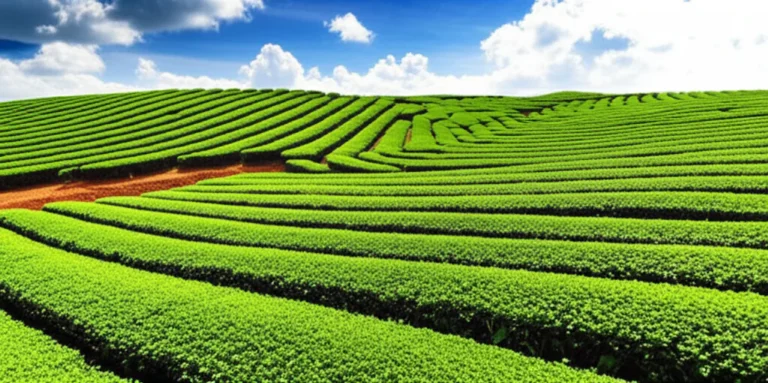
Imagine a tea bush clinging to a steep mountainside, perpetually bathed in cool mist and filtered sunlight. This isn’t just a picturesque scene; it’s a crucible
where unique flavors are forged. The challenging environment of higher elevations—colder temperatures, rockier soil, and reduced water availability—isn’t just a hardship; it’s a blessing in disguise for the tea plant.
It forces the plant to adapt, to concentrate its energy and resources, ultimately leading to a more refined and intense flavor profile.
📜 From Ancient Peaks to Modern Cups: A History of High-Altitude Tea Cultivation

The allure
of mountain-grown tea isn’t a modern phenomenon; it’s a tradition steeped in history. For centuries, tea growers have intuitively understood that the best leaves came from the hills. We’ve heard countless anecdotes from our travels, tales
of generations who painstakingly carved terraces into mountainsides, driven by the promise of a superior brew.
Nowhere is this historical ascent more evident than in Taiwan. Growers there have systematically moved their cultivation higher and higher, from modest 70-
meter (230 ft) elevations to 1,600 meters (5,250 ft), and eventually to the dizzying heights of the Lishan range. Da Yu Lin,
Taiwan’s highest tea-growing peak, stands as a testament to this pursuit, reaching nearly 2,800 meters (9,000 feet) above sea level. This relentless
upward climb wasn’t for ease of farming – quite the opposite! It was a deliberate, often arduous journey in search of that elusive, unparalleled tea quality. It’s a journey that continues today, as we at Growing Teas™
explore new frontiers in sustainable tea cultivation.
🌡️ The Science of the Slope: Temperature, Mist, and the Slow-Motion Growth of Tea Leaves
So, what exactly happens when a tea plant grows on a mountain? It’s a
fascinating interplay of environmental factors that conspire to create something truly special.
The Chilling Effect: Slower Growth, Richer Flavor
Think of it like this: when you slow-cook a stew, the flavors deepen and meld,
right? The same principle applies to tea leaves at altitude. Colder temperatures found on mountain slopes significantly delay the growing season for Camellia sinensis plants. This slower growth rate forces the plant to send more carbohydrates to its leaves to
fuel their development. These concentrated carbohydrates contribute directly to the natural sweetness and that coveted creamy texture often found in Taiwanese oolongs.
The Veil of Clouds
: Filtered Sunlight and Enhanced Development
Mountainous regions are often blessed with alpine cloud cover, which further limits direct sunlight and lowers the ambient temperature. This natural shading decelerates plant growth even more, allowing the
tea leaves to develop their complex flavors over a longer period. It’s like nature’s own gentle incubator, protecting the delicate leaves from harsh sun and encouraging a nuanced development of aromatic compounds.
The Role of Mist
and Humidity
The frequent mist and fog that cling to mountain slopes also play a crucial role. This high humidity, combined with cooler temperatures, helps to keep the tea leaves tender and supple. It also influences the plant’s metabolism, affecting the production
of various chemical compounds that contribute to the tea’s overall taste and aroma.
🍃 Flavor Profiles Unlocked: Why High-Altitude Tea Tastes Better
Let’s get to the heart of it: the taste! Why do so
many tea enthusiasts, ourselves included, rave about high-altitude teas? The answer lies in a combination of factors that create a truly unique sensory experience.
Less Bitterness, More Sweetness
One of the most celebrated characteristics of high-
mountain teas is their reduced bitterness. This isn’t magic; it’s biology! Colder temperatures at higher elevations naturally limit insect populations. Since the bitter flavors in tea come
primarily from polyphenic compounds developed by the plant as a natural defense mechanism against pests, fewer pests mean the plant produces fewer of these bitter compounds. The result? A smoother, sweeter, and more approachable
cup.
A Creamy, Luxurious Texture
Beyond sweetness, high-altitude teas often possess a distinct creamy texture or mouthfeel. This delightful characteristic is linked to the slower
growth and the concentration of carbohydrates we discussed earlier. It adds a luxurious dimension to the tea, making each sip feel richer and more substantial. As tea connoisseurs have noted, lower elevation teas can have a thinner mouthfeel, while higher elevation crops “offer
a richness almost like milk.”
Intense, Concentrated Flavors
Finally, the challenging conditions of rocky soil and natural drainage at altitude can reduce the water content in the leaves. While
this makes it harder for the plant to produce new leaves, it also means that the “flavor is more intense in the sprouts that do emerge.” Less water acts as a natural concentrator, preventing the “dilution” of
precious flavor compounds and resulting in a more potent and aromatic brew.
📊 Altitude vs. Flavor: A Comparative Breakdown of Low, Mid, and High Elevation Teas
To truly appreciate the impact of altitude, let’s compare
how tea profiles typically shift as you climb the mountain. We’ve conducted countless cuppings, and these general trends hold true across many tea-growing regions.
| Elevation Range | Typical Characteristics | Flavor Profile | Examples |
|---|---|---|---|
| : | |||
| Low Elevation (Below 500m / 1,600 ft) | Faster growth, warmer climate, higher yields, more pest pressure. | Often | |
| bolder, sometimes more astringent or bitter, less complex, thinner mouthfeel. | Many commodity teas, some black teas from Assam or Sri Lanka (lower regions). | ||
| Mid Elevation (500m – 1,500m / 1,600 – 4,900 ft) | Balanced growth, moderate temperatures, good yields, developing complexity. | Good body, often fruity or floral notes, moderate astringency, more | |
| nuanced than low-elevation. | Many Darjeeling first flush teas, some Chinese green teas. | ||
| High Elevation (Above 1,500m / 4,900 ft) | Slow growth, cooler temperatures, | ||
| lower yields, less pest pressure, frequent mist. | Highly complex, naturally sweet, less bitter, creamy texture, long-lasting finish, distinct aromas. | Taiwanese High Mountain Oolongs | |
| (Ali Shan, Lishan, Da Yu Lin), Darjeeling Second Flush, some Nepalese teas. |
A fantastic illustration of this spectrum comes from Taiwanese Oolongs, as highlighted by tea connoisseurs in a video we often recommend
for its clear demonstration of elevation’s impact.
- Dong Ding (~1,000 ft / 300m): Offers a crisp, vegetal, and floral taste.
- Ali Shan (~5,000 ft / 1,500m): Develops a “distinct creaminess to its taste, texture, and finish that simply isn’t found in
lower elevation crops.” - Li Shan & Fu Shou Shan (~7,000-8,000 ft / 2,100-2,400m): Provide
even more richness, sweetness, and a longer-lasting finish. - Dayuling (~9,000 ft / 2,800m): Taiwan’s highest elevation tea,
boasting an incredible balance of richness, sweetness, and aroma, reminiscent of fresh cream infused with gardenia and sugarcane.
You can check out this insightful comparison by watching the video here!
🌍 Global Giants: Famous High-Altitude Tea Regions Around the World
While Taiwan often steals the spotlight for its exquisite high-mountain oolongs, many other regions around the globe owe their tea’s renown to their lofty
elevations.
Darjeeling, India 🇮🇳
Often called the “Champagne of Teas,” Darjeeling is nestled in the foothills of the Himalayas. Its tea gardens typically range from 600 to 2,00
0 meters (2,000 to 6,500 feet) above sea level. The cool, misty climate, coupled with unique clonal varieties and careful processing, gives Darjeeling teas their distinctive muscatel flavor and bright
, floral notes. Brands like Makaibari Tea Estate and Castleton Tea Estate are celebrated for their high-quality Darjeelings.
Nilgiri Hills, India 🇮🇳
Further south in India
, the Nilgiri Hills, or “Blue Mountains,” offer another prime example of high-altitude tea cultivation. Gardens here can reach elevations of 1,000 to 2,500 meters (3,300 to 8,200 feet). The consistent cool climate year-round allows for continuous plucking, yielding brisk, fragrant teas often used in blends but also excellent on their own.
High Mountain Regions of China 🇨🇳
China, the birthplace of tea, has numerous high-altitude tea-growing areas, particularly in provinces like Yunnan, Sichuan, and Fujian. For instance, some of the finest Pu-erh teas from Yunnan come from ancient
trees growing at significant elevations, contributing to their unique aging potential and complex flavor profiles. Similarly, certain oolongs and green teas from high-elevation gardens in Fujian and Zhejiang are highly prized.
Nepal 🇳🇵
Sharing
a border with Darjeeling, Nepal’s eastern hills are gaining recognition for their exceptional high-mountain teas. With elevations often exceeding 1,500 meters (4,900 feet), Nepalese teas share some characteristics with Dar
jeeling but often possess their own distinct floral and honeyed notes. Look for teas from estates like Jun Chiyabari Tea Garden.
These regions, each with its unique terroir, demonstrate that while altitude provides a powerful foundation, it
‘s the combination with local climate, soil, and human expertise that truly crafts a masterpiece in your cup.
🧪 The Chemistry of Clouds: How UV Radiation and Humidity Alter Polyphenols and Amino Acids
We’ve talked
about the taste, but what’s happening on a molecular level? The chemistry of high-altitude tea is truly fascinating, a delicate dance between environmental stressors and the plant’s biological responses.
Polyphenols: The Bitterness B
usters
As we briefly touched upon, polyphenols (specifically catechins) are responsible for much of tea’s astringency and bitterness. They act as the plant’s natural sunscreen and pest repellent. At higher altitudes
, cooler temperatures and often fewer insects mean the tea plant doesn’t need to produce as many of these defensive compounds. This reduction in polyphenols directly translates to a smoother, less bitter taste in
your cup.
Amino Acids: The Umami and Sweetness Enhancers
Conversely, high-altitude conditions, particularly the frequent mist and cloud cover, can lead to an increase in amino acids, especially L-theanine.
L-theanine is a star player, known for contributing to tea’s umami flavor, sweetness, and that wonderfully creamy mouthfeel. It’s also responsible for the calming, focused alertness tea drinkers often experience, by promoting
alpha brain waves. The reduced direct sunlight at higher elevations can inhibit the conversion of L-theanine into polyphenols, thus preserving higher levels of this beneficial amino acid.
UV Radiation: A Double-Edged Sword
?
While less direct sunlight is generally beneficial, higher altitudes also mean increased UV radiation exposure. The tea plant responds to UV radiation by producing certain compounds. Research suggests that moderate UV exposure can sometimes enhance the production of specific volatile aromatic
compounds, contributing to the unique fragrance of high-mountain teas. However, excessive UV could also stress the plant. It’s a delicate balance, and the consistent cloud cover often found at ideal high-altitude tea gardens helps to mitigate the
harshest UV rays while still allowing for beneficial exposure.
Humidity’s Gentle Touch
The higher humidity from persistent mist and fog at altitude keeps the leaves tender and slows down transpiration. This allows for a more gradual accumulation of flavor compounds and prevents
the leaves from becoming tough or coarse, contributing to the overall delicate character of high-altitude teas.
🚫 The Myth of “Higher is Always Better”: When Altitude Doesn’t Equal Quality
Now, before you pack your bags and head
for the highest peak you can find to grow your own tea, let’s inject a dose of reality. While we sing the praises of high-altitude teas, it’s crucial to understand that “higher is always better” is
a myth. It’s a significant factor, yes, but not the only factor, nor is it a guarantee of quality.
We’ve seen our share of teas from impressive elevations that simply don’t deliver. Why
? Because other crucial elements of terroir must align.
- Soil Quality: Rocky soil is common at altitude, and while it can reduce water content, it must still provide essential nutrients. Poor soil, even at
2,000 meters, will yield poor tea. - Cultivar Matters: Not all tea plant varieties (cultivars) thrive at extreme elevations. Some are simply not suited to the harsh conditions, regardless of the altitude’
s benefits. - Processing Expertise: Even the most perfectly grown high-altitude leaves can be ruined by improper processing. The skill of the tea master in wilting, rolling, oxidizing, and drying is paramount.
- Age
of the Plant: Older tea bushes, with their deep root systems, are often better equipped to handle the stresses of high-altitude environments, producing more complex flavors. - Extreme Conditions: While challenging conditions can be beneficial, *
too* challenging can lead to stunted growth, low yields, and even plant death. In 1967, a farmer attempting to establish a farm at 2,700 meters (8,850 ft) reported an initial
failure rate of 75%, with only 20 out of 80 plants surviving the first year. This highlights the immense difficulty and risk involved.
So, while altitude is a strong indicator of
potential quality, it’s just one piece of a complex puzzle. A truly exceptional tea is a symphony of many perfectly harmonized elements.
🛒 How to Spot Authentic High-Altitude Tea: A Buyer’s Guide to Labels and
Terroir
You’re convinced, right? You want to experience the magic of high-altitude tea for yourself! But how do you navigate the market and ensure you’re getting the real deal? As seasoned growers and consumers, we’
ve got some tips for you.
Look for Specific Region and Elevation Claims ✅
Authentic high-altitude teas will typically boast about their origins. Don’t settle for vague “mountain tea” labels. Look for:
Specific Mountain Ranges:** “Darjeeling,” “Ali Shan,” “Lishan,” “Nilgiri.”
-
Elevation in Meters or Feet: Many reputable brands will proudly state the elevation range of their gardens. For example, **
Red Blossom Tea** offers Da Yu Lin Spring and Lishan oolongs, specifying Lishan as grown at 2,200 meters (7,200 ft). -
Estate Names: Knowing the specific tea estate (e.g., Makaibari, Jun Chiyabari) adds another layer of authenticity.
Understand “Terroir” and Its Nuances 🧐
”
Terroir” is a French term, borrowed from winemaking, that refers to the complete natural environment in which a particular tea is produced, including factors such as the soil, topography, and climate. For tea, it’s everything from the bedrock
to the clouds. High-altitude is a key component of terroir, but remember it’s not the only component. A tea’s terroir is its unique fingerprint.
Be Wary of Unsubstantiated Claims
❌
If a tea is incredibly inexpensive but claims to be from the highest peaks, proceed with caution. The challenging conditions at altitude naturally reduce crop yields, making cultivation more costly and, therefore, the tea itself more premium. If it sounds too good to be true, it probably is.
Trust Reputable Retailers and Brands 🤝
Seek out tea merchants who are transparent about their sourcing and provide detailed information about their teas. Brands like Red Blossom
Tea are known for their commitment to quality and providing specific details about their high-mountain offerings.
👉 Shop High-Altitude Oolongs on:
- Red Blossom Tea: Red Blossom Tea Official Website
- The Tea Spot: Shop The Tea Spot on Amazon | The Tea Spot Official Website
- Mountain Rose Herbs (for organic options): Shop Mountain Rose Herbs on Amazon | Mountain Rose Herbs Official Website
🍵 Brewing High-Altitude Leaves: Techniques to Maximize Elevation-Enhanced Flavors
You’ve invested
in a beautiful high-altitude tea. Now, let’s make sure you brew it to perfection to unlock all those nuanced, elevation-enhanced flavors! These teas are often more delicate and complex, so a little extra care goes a long way.
1. Use Quality Water 💧
This cannot be stressed enough! High-quality filtered water or good spring water is essential. Avoid tap water with strong chlorine odors, as it will mask the delicate flavors of your tea.
2. Mind the Temperature 🌡️
While black teas can handle boiling water, many high-altitude oolongs and green teas prefer slightly cooler temperatures.
-
High-Altitude Green Teas: 175-1
85°F (80-85°C) -
High-Altitude Oolongs (lightly oxidized): 190-200°F (88-93°C)
-
High-Altitude Oolongs (heavily oxidized/darker): 200-205°F (93-96°C)
Using a variable temperature kettle, like the Fellow
Stagg EKG Electric Kettle, can make a huge difference in precision.
3. Embrace Multiple Infusions ✨
This is where high-altitude teas truly shine! Their concentrated flavor compounds mean they can withstand several infusions,
often revealing different layers of flavor with each successive steep.
- First Infusion: Often a shorter steep (30-60 seconds) to “awaken” the leaves.
Subsequent Infusions: Gradually increase steeping time by 15-30 seconds. You might get 5, 7, or even 10 infusions from a good quality oolong!
4. Adjust
Leaf Quantity 🍃
Because of their intense flavor, you might find you need slightly less high-altitude tea leaf than you would for a lower-grade tea. Experiment! A good starting point is 2-3 grams (about 1-2 teaspoons) per 6 ounces of water, but adjust to your taste.
5. Use the Right Teaware 🫖
For many high-altitude teas, especially oolongs, traditional Chinese gongfu cha
brewing methods are ideal. A small Yixing clay teapot or a gaiwan allows for multiple short infusions, perfectly showcasing the tea’s evolving flavors. For a simpler approach, a good ceramic teapot with a fine mesh infuser works wonderfully.
🌱 Sustainable Farming at the Edge: The Environmental Challenges of High-Altitude Cultivation
Growing tea at the “edge” – on steep, high-altitude slopes – isn’t without its challenges, both for the farmer and the environment.
We at Growing Teas™ are deeply committed to sustainable practices, and we’ve seen firsthand the delicate balance required to cultivate these precious leaves responsibly.
Erosion and Soil Degradation ⛰️
Steep slopes are naturally prone to **
soil erosion**, especially with heavy rainfall. Without careful management, valuable topsoil can be washed away, leaving behind barren land. This is why sustainable farming techniques, such as terracing, contour planting, and maintaining ground cover, are absolutely critical. We
often look to the wisdom of organic farming techniques to protect these fragile ecosystems. [Link to: Organic Farming Techniques https://www.growingteas.com/category/organic-farming-techniques/]
Water Management 💧
While
mountain regions often receive ample rainfall, the water quickly drains downhill. This can lead to periods of water scarcity for the tea plants, especially on rocky soils. Farmers must implement efficient irrigation systems and water conservation strategies to ensure
the plants receive adequate moisture without wasting this precious resource.
Biodiversity and Pest Control 🐞
The generally lower pest populations at high altitudes are a boon, reducing the need for chemical pesticides. However, maintaining a healthy, biodiverse ecosystem
around the tea gardens is still vital. Encouraging natural predators and beneficial insects helps keep any potential pest outbreaks in check, aligning perfectly with organic principles.
The Organic Imperative ✅
The challenging conditions at altitude actually make organic practices a
necessity for long-term sustainability. Fast-growing, heavily fertilized plants often don’t develop strong enough root systems to withstand the cold winters and potential soil erosion. Organic methods, which focus on soil health and
natural resilience, help tea plants develop the robustness needed to thrive in these demanding environments. It’s a testament to nature’s wisdom: sometimes, the harder path leads to the most enduring results.
🤔 YOU MAY LIKE: Other Ter
roir Factors That Define Your Cup
While altitude is a superstar in the world of tea quality, it’s not a solo act! The concept of terroir encompasses a whole orchestra of elements that contribute to the unique character of your brew
. If you’re fascinated by how geography shapes flavor, you’ll love diving deeper into these other crucial factors:
- Soil Composition: The mineral content, pH level, and drainage of the soil all impart distinct characteristics to the tea
leaves. From volcanic soils to rich loams, the ground beneath the bush is a flavor factory! - Climate & Microclimates: Beyond just altitude, factors like rainfall patterns, humidity, sunlight exposure (especially filtered sunlight), and temperature
fluctuations throughout the day and night create unique microclimates that influence growth and flavor development. - Cultivar (Tea Variety): Just like grapes for wine, different varieties of the Camellia sinensis plant (like Assamica vs. Sinensis) have inherent flavor profiles. A delicate green tea cultivar grown at high altitude will taste very different from a robust black tea cultivar grown in the same spot.
- Processing Methods: This is where human
artistry comes in! Whether a tea is withered, rolled, oxidized, fired, or fermented dramatically alters its final taste, aroma, and appearance. This is particularly true for green tea cultivation and the intricate steps involved. [Link to: Green Tea Cultivation https://www.growingteas.com/category/green-tea-cultivation/] - Harvesting Time: The season and even the time of day when tea leaves are plucked can significantly affect their chemical
composition and, therefore, their flavor. First flush, second flush, autumn flush – each tells a different story.
Understanding these intertwined factors helps us appreciate the incredible diversity and complexity found in the world of tea. It’s why two
teas from the same country, or even the same region, can taste wildly different!
🧭 BE IN THE KNOW: The Future of Climate Change and Tea Elevation
As tea growers, we’re keenly aware of the changing climate and its potential
impact on the very landscapes that give us our most cherished teas. The future of high-altitude tea, in particular, is a topic that keeps us up at night, pondering the delicate balance of nature.
The Ascent Continues?
📈
With global temperatures rising, some tea-growing regions might see an opportunity to expand cultivation to even higher elevations that were previously too cold. This could lead to new “high-mountain” teas emerging from areas not traditionally known for them
. However, this isn’t a simple solution.
Shifting Terroirs and New Challenges 📉
The unique microclimates that define existing high-altitude tea regions are finely tuned. Changes in temperature, rainfall, and cloud cover could
alter the very conditions that create those desirable flavor profiles. We might see:
- Reduced Mist and Fog: Less cloud cover could mean more direct sunlight, potentially increasing bitterness (due to higher polyphenol production) and reducing the delicate
, creamy notes. - Increased Pest Pressure: Warmer temperatures at altitude could allow more pests to thrive, forcing plants to produce more defensive compounds.
- Water Scarcity: Altered rainfall patterns could exacerbate water management
issues on steep slopes.
Preserving the Legacy 🌱
The challenge for us, and for the entire tea industry, is to adapt while preserving the integrity and unique characteristics of these irreplaceable teas. This means investing in climate-resilient tea
varieties, implementing advanced water conservation techniques, and doubling down on sustainable and organic farming practices. It’s a race against time, but one we’re determined to win to ensure future generations can still savor the magic of high-altitude tea.
🍂 ABOUT PATH OF CHA: Our Journey Through the Clouds
Here at Growing Teas™, our journey with tea has always been one of discovery, often leading us to the most breathtaking and challenging landscapes. Our own “Path of Cha,”
as we like to call it, has taken us through mist-shrouded mountains where the air is thin and the tea bushes cling precariously to the slopes.
I remember one particular trip to a remote tea garden in the Himalayas, thousands
of feet up. The path was barely a goat trail, and the air grew colder with every switchback. When we finally arrived, the tea farmer, a wise woman with hands calloused from generations of work, offered us a cup of her
freshly processed oolong. The aroma alone was intoxicating – a symphony of wildflowers and honey. With the first sip, I understood. It wasn’t just the tea; it was the story of the mountain, the struggle, the resilience,
all distilled into that one perfect cup. The creaminess, the sweetness, the complete absence of bitterness – it was a revelation.
That experience, among countless others, solidified our belief in the power of altitude. It’s not just about growing tea
; it’s about understanding the profound connection between the plant, its environment, and the human spirit that cultivates it. We strive to bring that same sense of wonder and appreciation to every tea we share with you, encouraging you to explore the
vast and incredible world of tea, one elevated sip at a time.
🫖 TEAS & TEAWARE: Gear for the Perfect High-Altitude Brew
To truly appreciate the delicate nuances of high-altitude teas, having
the right teaware can make all the difference. It’s not just about aesthetics; it’s about functionality that enhances the brewing process and your tasting experience.
Our Top Teaware Picks for High-Altitude Teas
|
| Aspect | Rating (1-10) | Notes |
|---|---|---|
| Design | 9 | Elegant, minimalist, and functional. The gooseneck spout is iconic and precise. |
| Functionality | 10 | |
| Precision temperature control is key for high-altitude teas. Hold function, rapid heating, and comfortable handle are excellent. | ||
| Durability | 8 | High-quality stainless steel |
| , but like any electronic, needs care. | ||
| Ease of Use | 9 | Intuitive dial for temperature, clear display. Easy to clean. |
| Value | 7 | A premium product with a premium price tag, but the precision it offers for delicate teas justifies the investment for serious enthusiasts. |
1. Fellow Stagg
EKG Electric Kettle: This is our absolute go-to for precise temperature control. As we discussed, brewing high-altitude teas at their ideal temperature unlocks their full flavor potential. The Stagg EKG allows you to set the water temperature
to the exact degree, which is invaluable for delicate green and oolong teas. Plus, its sleek design looks fantastic in any kitchen.
👉 CHECK PRICE on:
- Fellow Stagg EKG Electric Kettle: Shop Fellow Stagg EKG on Amazon | Shop Fellow Stagg EKG on Walmart | Fellow Official Website
2. Gaiwan: For traditionalists and those who love multiple infusions, a gaiwan is indispensable. This simple, lid-and-saucer vessel allows you to appreciate the aroma of
the wet leaves, observe the liquor’s color, and perform quick, precise infusions. It’s especially wonderful for high-altitude oolongs. We often recommend a porcelain gaiwan for its neutrality, ensuring the tea’s true
flavors shine through.
👉 Shop Gaiwans on:
- Gaiwan: Shop Gaiwan on Amazon | Shop Gaiwan on Etsy
3. Small Yixing Clay Teapot: For certain darker, more oxidized high-altitude o
olongs or even some high-mountain black teas, a well-seasoned Yixing clay teapot can be a fantastic choice. Yixing clay is porous and absorbs the tea’s oils over time, enhancing the flavor with repeated
use. Remember, Yixing teapots should ideally be dedicated to one type of tea!
👉 Shop Yixing Clay Teapots on:
- Yixing Clay Teapot: Shop Yixing Teapot on Amazon | Shop Yixing Teapot on Etsy
4. Glass Gongfu Teacups: Small, thin-rimmed glass teacups allow you to fully appreciate the color of the tea liquor and provide a delicate mouthfeel, perfect for savoring the
complex flavors of high-altitude teas.
👉 Shop Gongfu Teacups on:
- Gongfu Teacups: Shop Gongfu Teacups on Amazon | Shop Gongfu Teacups on Etsy
Investing in quality teaware is an investment in your tea journey, allowing you to extract every last drop of deliciousness from your precious high-altitude leaves.
🔗 QUICK LINKS: Resources for the Aspiring Tea Connoisseur
Ready
to deepen your tea knowledge and perhaps even start your own tea-growing adventure? We’ve curated some quick links to help you explore further into the fascinating world of tea.
- Dive into Green Tea Cultivation: Learn the
specific techniques required to grow those vibrant, fresh green tea leaves. [Link to: Green Tea Cultivation https://www.growingteas.com/category/green-tea-cultivation/] - Explore Organic Farming Techniques: Discover
how to cultivate tea sustainably and responsibly, protecting both the environment and your health. [Link to: Organic Farming Techniques https://www.growingteas.com/category/organic-farming-techniques/] - Unlock the Health
Benefits of Tea: Understand the science behind why tea is so good for you, from antioxidants to calming L-theanine. [Link to: Health Benefits of Tea https://www.growingteas.com/category/health-benefits-of-tea/] - Get Creative with DIY Tea Blending: Once you’ve mastered the art of single-origin teas, why not try creating your own unique blends? [Link to: DIY Tea Blending https://www.growingteas.com/category/diy-tea-blending/]
- Consider Herbal Tea Planting: If you’re looking to expand beyond Camellia sinensis, explore the wonderful world of herbal infusions. [Link to: Herbal Tea Planting https://www.growingteas.com/category/herbal-tea-planting/]
✅ Conclusion: Does Altitude Really Make the Perfect Cup?

So, we’ve climbed the mountain together, from the misty peaks of Taiwan to the rocky slopes of the Himalayas, and we’ve answered the burning question: Does altitude affect the quality and growth of tea?
The answer is a resounding yes, but with a crucial caveat. Altitude is the conductor of the orchestra, but it cannot play the instruments alone. It sets the stage for slower growth, reduced bitterness, and enhanced sweetness by manipulating temperature, humidity, and UV exposure. However, without the right soil, the correct cultivar, and the skilled hands of a tea master, even the highest peak will yield a mediocre cup.
We’ve resolved the mystery of the “myth of higher is always better.” As we saw with the farmer who faced a 75% failure rate at 2,70 meters, extreme altitude without proper management is a recipe for disaster. Quality is a symphony of teroir, not just a single note of elevation.
Our Confident Recommendation:
If you are a tea drinker seeking complexity, a creamy mouthfeel, and a lack of astringency, seek out high-altitude teas. Look for specific designations like Lishan, Da Yu Lin, or Darjeling estates above 1,50 meters. When brewing, respect the leaf: use lower temperatures and embrace multiple infusions to unlock the hidden layers of flavor.
If you are a grower, remember that organic practices are non-negotiable at these heights. The soil must be robust enough to support the plant through cold winters, and patience is your most valuable tool. The slow growth is not a bug; it’s the feature that creates the magic.
Whether you are sipping a cup of Red Blossom Tea’s Da Yu Lin or planning your own Green Tea Cultivation project, remember that the journey to the perfect cup often begins with a climb.
📚 Recommended Links
Ready to elevate your tea game? Here are our top picks for products, books, and resources to help you explore the world of high-altitude teas.
🛒 Shop High-Altitude Teas & Gear
- Red Blossom Tea (Da Yu Lin & Lishan Oolongs): Experience the pinnacle of Taiwanese high-mountain tea.
- Shop Red Blossom Tea on Amazon | Red Blossom Tea Official Website
- The Tea Spot (High Mountain Oolongs): A curated selection of premium teas from around the globe.
- Shop The Tea Spot on Amazon | The Tea Spot Official Website
- Fellow Stagg EKG Electric Kettle: The essential tool for precise temperature control required for delicate high-altitude leaves.
- Shop Fellow Stagg EKG on Amazon | Shop Fellow Stagg EKG on Walmart | Fellow Official Website
- Porcelain Gaiwan: The traditional vessel for multiple infusions.
- Shop Porcelain Gaiwan on Amazon | Shop Porcelain Gaiwan on Etsy
- Yixing Clay Teapots: For deepening the flavor of darker, oxidized high-mountain olongs.
- Shop Yixing Teapots on Amazon | Shop Yixing Teapots on Etsy
📚 Essential Reading for Tea Enthusiasts
- “The Story of Tea: A Cultural History and Drinking Guide” by Betty Huang and Martin Jacobson: A comprehensive look at tea history, including the impact of teroir.
- Find on Amazon
- “Tea: History, Teroirs, Varieties” by William Ukers: A classic text that delves deep into the environmental factors affecting tea quality.
- Find on Amazon
- “The Tea Book” by Linda Gaylard: An illustrated guide covering everything from growing to brewing.
- Find on Amazon
❓ FAQ: Your Burning Questions About Tea Elevation Answered

How does high altitude influence the flavor profile of tea leaves?
High altitude fundamentally alters the chemical composition of the tea leaf, leading to a distinct flavor profile. The primary driver is temperature. Cooler temperatures at higher elevations slow down the metabolic rate of the Camellia sinensis plant. This “slow-motion” growth allows the plant to accumulate more carbohydrates and amino acids (specifically L-theanine) in the leaves, which translates to a natural sweetness and a creamy, luxurious mouthfeel.
Furthermore, the reduced insect population at altitude means the plant produces fewer polyphenols (catechins), which are the compounds responsible for bitterness and astringency. The result is a tea that is smother, less bitter, and more complex than its lowland counterparts. The frequent mist and cloud cover also filter sunlight, preventing the leaves from becoming tough and preserving delicate aromatic compounds.
Read more about “Tea’s Sweet Spot: Ideal Growing Temperatures! 🌿”
What is the optimal elevation for growing high-quality tea?
There is no single “magic number,” as the optimal elevation depends heavily on the latitude and the specific tea cultivar. However, general guidelines exist:
- Tropical Regions (e.g., Taiwan, Yunnan): High-quality teas often thrive between 1,50 meters (4,90 ft) and 2,80 meters (9,0 ft). In Taiwan, the “High Mountain” designation often starts around 1,0 meters, with the most prized teas coming from 1,60m to 2,20m+.
- Subtropical/Temperate Regions (e.g., Darjeling, Nepal): Excellent quality is often found between 1,0 meters (3,30 ft) and 2,0 meters (6,50 ft).
- The “Sweet Spot”: Generally, elevations above 1,20 meters (3,90 ft) begin to show significant improvements in flavor complexity and texture, provided the soil and microclimate are suitable.
It is crucial to remember that teroir is holistic. A tea grown at 2,0 meters in poor soil will be inferior to a tea grown at 1,0 meters in rich, well-drained soil.
Read more about “🌱 10 Climate Secrets to Grow Tea at Home (2026)”
Does growing tea at higher elevations make it more expensive?
Yes, absolutely. High-altitude tea commands a premium price for several compelling reasons:
- Reduced Yields: The slower growth rate means fewer harvests per year and smaller leaf sizes. A single hectare of high-mountain tea produces significantly less leaf than a lowland plantation.
- Labor Intensity: Step slopes are difficult to navigate. Harvesting is almost exclusively done by hand, and transporting equipment and tea leaves down the mountain is arduous and time-consuming.
- Risk Factor: As we mentioned earlier, the risk of crop failure due to extreme weather or poor adaptation is higher.
- Organic Necessity: The inability to use heavy machinery or synthetic fertilizers (which can damage fragile mountain soils) often necessitates organic farming methods, which are more labor-intensive.
When you buy a high-altitude tea, you are paying for the scarcity, the labor, and the unique environmental conditions that create that exceptional cup.
How does altitude affect the caffeine content in tea?
This is a common point of confusion. While it is often rumored that high-altitude teas have higher caffeine, the science is nuanced.
- The Theory: Caffeine is a natural pesticide. In environments with fewer pests (like high altitudes), one might expect lower caffeine production.
- The Reality: However, the slower growth rate at altitude can lead to a higher concentration of compounds in the leaf, including caffeine, simply because the leaf is denser and has had more time to accumulate resources.
- The Verdict: There is no strict rule that high-altitude tea is always higher or lower in caffeine. It varies by cultivar and processing. However, high-altitude teas often feel less “jittery” despite potentially similar caffeine levels. This is due to the high concentration of L-theanine, an amino acid that promotes relaxation and smooths out the caffeine “buzz,” creating a state of “calm alertness.”
Read more about “🌧️ How Much Rainfall Does Tea Need? The 2026 Guide”
Can I grow high-quality tea in my backyard if I live at a low elevation?
Yes, but with adjusted expectations. You can grow excellent tea at low elevations, but it will likely have a different flavor profile.
- Flavor Differences: Low-elevation tea will generally grow faster, resulting in a bolder, more robust, and potentially more astringent flavor. It may lack the creamy texture and floral sweetness of high-mountain teas.
- Mitigation Strategies: You can mimic some high-altitude conditions by:
Shading: Using shade cloth to reduce direct sunlight and slow growth.
Cooling: Planting in the coolest part of your garden, perhaps near a water feature or on a north-facing slope (in the Northern Hemisphere).
Pruning: Pruning to encourage slower, more concentrated growth.
Variety Selection: Choosing cultivars known for performing well in warmer climates.
Don’t let your elevation stop you from enjoying the joy of growing your own tea! Check out our guide on What climate conditions are needed to grow tea successfully? for more tips on optimizing your local conditions.
📖 Reference Links
For those who wish to dive deeper into the science and history of high-altitude tea, we recommend the following reputable sources:
- Red Blossom Tea Blog: “Effects of Elevation on Tea Quality” – A detailed analysis of how elevation impacts flavor, growth, and the specific case of Taiwanese high-mountain teas.
- Read the full article here
- NYC.PH: “Brewed at Altitude: How Elevation Impacts Tea Growing and Tasting” – An exploration of the relationship between elevation and the sensory experience of tea.
- Read the full article here
- University of California, Davis Tea Program: Research on the chemical composition of tea and environmental factors.
- Visit the Tea Program
- Food and Agriculture Organization (FAO) of the United Nations: Reports on sustainable tea cultivation and the impact of climate change on tea-growing regions.
- FAO Tea Resources
- International Tea Committee: Statistical data and industry reports on global tea production and trade.
- International Tea Committee