Support our educational content for free when you purchase through links on our site. Learn more
Tea’s Sweet Spot: Ideal Growing Temperatures! 🌿

Ever wondered why a cup of Darjeeling tastes so different from an Assam? The secret often lies not just in the leaf, but in the air, the soil, and most critically, the temperature where it’s grown! Here at Growing Te
as™, we’ve spent decades nurturing Camellia sinensis, and we can tell you, finding that ‘just right’ temperature range is like discovering the secret chord to a perfect symphony. It’s a delicate balance that dictates everything from leaf development
to the very compounds that give your tea its unique aroma and taste. Join us as we dive deep into the ideal temperature range for growing tea plants, exploring how this crucial factor, alongside humidity, rainfall, and even nighttime chills, crafts the
magic in your mug. You’ll be surprised how a few degrees can transform your brew!
Key Takeaways
-
The ideal temperature range for most tea plants is 15–23°C (59–73°F), acting as the primary driver for healthy growth and flavor development.
-
Significant diurnal temperature variation (cooler nights) is crucial for enhancing complex flavors and increasing beneficial compounds like L-theanine
. -
Tea plants are vulnerable to frost, with temperatures below -5°C (23°F) posing a risk and prolonged exposure below -15°C (5°F) often being fatal.
-
Heat stress from sustained temperatures above 35°C (95°F) can degrade tea quality, reduce beneficial compounds, and cause leaf damage.
-
Beyond temperature, consistent rainfall (around 1,500 mm annually) and high relative humidity (around 85%) are indispensable for lush growth and tender leaves.
-
The unique combination of all climatic factors creates the distinct terroir that defines the
taste and aroma of teas from different regions.
Table of Contents
-
⚡️ Quick Tips and Facts: Your Essential Guide to Tea Plant Temperatures
-
🌱 The Ancient Roots of Tea: A Brief History of Camellia Sinensis Cultivation
-
🌡️ The Goldilocks Zone: Unpacking the Ideal Temperature Range for Tea Plants
-
Optimal Daytime Temperatures for Robust Growth and Flavor Development
-
The Importance of Nighttime Temperature Drops: Sweet Dreams for Sweeter Tea
-
🌍 Where in the World Do Tea Plants Thrive? Global Tea Growing Regions and Their Climates
-
High-Altitude Havens: The Magic of Darjeeling and Nuwara Eliya’s Cool Climates
-
Tropical Tea Powerhouses: Assam, Kenya, and Beyond the Equator
-
Temperate Zone Tea: Surprising Success Stories in Cooler Climates
-
💧 Beyond Temperature: The Hydration Equation for Thirsty Tea Plants
-
Humidity’s Hug: Why Moisture in the Air is a Tea Plant’s Best Friend
-
Drought Stress: The Parched Peril for Tea Production and Quality
-
☀️ Sunshine and Shade: The Light Fantastic for Leafy Goodness
-
The Role of Sunlight in Photosynthesis and Flavor Development
-
Shade Growing: Crafting Unique Tea Profiles (Gyokuro, Matcha)
-
⛰️ Soil Secrets and pH Perfection: Grounding Your Tea Garden
-
Drainage and Nutrients: Building a Strong Foundation for Healthy Tea Plants
-
🌬️ Wind and Weather: Unsung Heroes (and Villains) of Tea Cultivation
-
Gentle Breezes vs. Harsh Winds: Protecting Your Precious Leaves
- 📈 Climate Change and the Future of Tea: Adapting to a Warming World
- Rising Temperatures: Shifting Tea Belts and New Cultivation Challenges
- Extreme Weather Events: A Growing Threat to Global Tea Production
- Innovation and Adaptation: How Growers Are Responding to Environmental Shifts
- 🏡 Growing Tea at Home: Can You Recreate the Ideal Conditions?
- Greenhouse Glory: Controlling Your Microclimate for Optimal Tea Growth
- Choosing the Right Tea Cultivar for Your Home Environment
- 🧪 The Science of Flavor: How Environment Shapes Your Cup
- Terroir: The Taste of Place and Its Environmental Fingerprint
- Temperature’s Influence on Catechins, L-Theanine, and Aromatic Compounds
- Conclusion: Mastering the Art and Science of Tea Cultivation
- Recommended Links
- FAQ: Your Burning Questions About Tea Growing Answered
- Reference Links
⚡️ Quick Tips and Facts: Your Essential Guide to Tea Plant Temperatures
Alright, fellow tea enthusiasts and aspiring growers! Here at Growing Teas™, we’ve spent countless
hours nurturing Camellia sinensis (that’s the fancy name for the tea plant, by the way!) and let us tell you, understanding its climate cravings is paramount. If you’re wondering what climate conditions are needed to grow tea
successfully, you’ve come to the right place. It’s a delicate dance, but one that yields the most exquisite results in your cup!
Here are some quick, digestible facts to get you started on your journey
to cultivating your own tea:
- Optimal Temperature Range: The sweet spot for tea plants is generally 15–23°C (59–73°F). Think of it as a comfortable spring day,
not too hot, not too cold! - Annual Temperature Accumulation: Tea plants need a total annual temperature accumulation of 3,500–4,000°
C to truly thrive. This isn’t just about daily averages; it’s the sum total of warmth over the year that fuels their growth. - Sunlight: A
minimum of 5 hours of sunlight per day is essential for healthy photosynthesis and flavor development. They love a good sunbath, but too much scorching direct sun can be a no-go.
Rainfall: Aim for approximately 1,500 mm (59 inches) of evenly distributed rainfall annually. Consistency is key – no plant likes a feast or famine!
- Humidity
: High relative humidity, around 85%, especially during the growing season, promotes lush, soft leaves. Imagine a misty morning in a tropical forest – that’s what your tea plant dreams
of! - Soil: Tea plants are quite particular, preferring well-drained, acidic soil. We’re talking a pH of around 4.5 to 5.5.
Frost is the Foe: Temperatures consistently below freezing, especially below -15°C (5°F), can be detrimental, even fatal, to most tea varieties.
- Heat Stress: While
they love warmth, temperatures consistently above 35°C (95°F) can inhibit tannin accumulation, leading to lower quality and even burnt leaves.
🌱 The Ancient Roots of Tea: A Brief History of Camellia Sinensis Cultivation
Ah, the
humble tea leaf! Its story is as rich and complex as a perfectly brewed cup of pu-erh. The journey of Camellia sinensis from a wild shrub to the world’s most beloved beverage is deeply intertwined with climate.
For millennia, this evergreen plant has been cultivated, primarily in Asia, with its origins often traced back to the lush, misty mountains of Southwest China and Northern Myanmar.
Legend has it that Emperor Shen Nung discovered tea around 27
37 BCE when leaves from a tea tree accidentally blew into his boiling water. While that might be a charming tale, the truth is that early tea cultivation flourished in regions blessed with the ideal combination of temperature, rainfall, and humidity. These were often
mountainous areas, where morning fogs and consistent rainfall provided the perfect nurturing environment.
As tea culture spread, so did the understanding of its specific climatic needs. From the high-altitude gardens of Darjeeling to the tropical plains of Assam, growers
learned to harness local conditions to produce distinct tea profiles. It’s a testament to human ingenuity and the plant’s adaptability that tea now thrives in diverse environments across the globe, from the cool climes of Japan to the equatorial warmth of Kenya. Our
team at Growing Teas™ often reflects on this history, drawing inspiration from centuries of cultivation wisdom as we explore new organic farming techniques [https://www.growingteas.com/category/organic-farming-techniques/] and sustainable practices
.
🌡️ The Goldilocks Zone: Unpacking the Ideal Temperature
Range for Tea Plants
When it comes to growing tea, temperature isn’t just a number on a thermometer; it’s the “growth engine” of the plant, directly influencing everything from leaf development to the complex chemical compounds that give
your tea its unique flavor and aroma. Just like Goldilocks, tea plants are highly particular – they need conditions that are “just right.”
Why Temperature Matters So Much for Tea Quality and Yield
Imagine a tea plant as a tiny factory, constantly working to produce those delicious leaves we crave
. Temperature dictates the speed and efficiency of this factory. Too cold, and the machinery slows down, leading to stunted growth and a lack of essential compounds. Too hot, and the machinery overheats, causing stress, burning, and a degradation
of quality.
“From temperature and humidity to rainfall patterns and elevation, every climatic factor plays a direct role in determining both the yield and quality of the final crop,” as one expert aptly puts it. Our
experience at Growing Teas™ confirms this wholeheartedly. We’ve seen firsthand how even slight deviations from the ideal range can impact the flush (the new growth we harvest) and the subsequent taste profile. It’s a delicate balance that master
tea growers have perfected over generations.
Optimal Daytime Temperatures for Robust Growth and Flavor Development
For most tea varieties,
the ideal daytime temperature range for robust growth and flavor development is between 15°C and 23°C (59°F and 73°F). This
moderate warmth allows the plant to photosynthesize efficiently, producing the sugars and other compounds necessary for healthy leaf development.
Consider this:
- Green Tea: Thrives optimally between 15–20°C (59–68°F).
- Black Tea: Prefers slightly warmer conditions, around 20–23°C (68–73°F).
Oolong Tea: Finds its sweet spot at 18–22°C (64–72°F).
- White Tea: Similar to green tea, 15–2
0°C (59–68°F) is ideal.
These ranges aren’t just arbitrary; they’re based on how different temperatures influence the accumulation of key compounds like catechins, L-the
anine, and various aromatic compounds that define each tea type.
The Importance of Nighttime
Temperature Drops: Sweet Dreams for Sweeter Tea
While daytime warmth is crucial, don’t underestimate the power of a good night’s rest for your tea plants! A noticeable drop in temperature at night is incredibly beneficial. This diurnal
temperature variation, often found in high-altitude tea regions, slows down the plant’s respiration process.
Why is this important? During the day, the plant uses sunlight to create sugars (photosynthesis). At night, it uses some
of these sugars for growth and maintenance (respiration). If nighttime temperatures remain high, the plant respires more, consuming more of its stored sugars. A cooler night means less sugar is used, allowing more to accumulate in the leaves. This accumulation contributes
to:
- Richer flavor profiles: More complex sugars and amino acids.
- Higher L-theanine content: This amino acid is responsible for tea’s umami flavor and relaxing effects, and its production
is often enhanced by cooler nights. - Thicker, more succulent leaves: Leading to a better mouthfeel in your brew.
This is one of the secrets behind the exceptional quality of teas from places like Darjeeling, where cool
mountain nights are the norm.
Understanding Frost Tolerance: When the Chill Bites Back
Frost is the arch-nemesis of
many tea growers. While some hardy varieties can withstand a light, occasional frost, prolonged exposure to freezing temperatures, especially below -15°C (5°F), can be devastating. Tea plants are evergreen
, meaning they don’t shed their leaves in winter, making them vulnerable to frost damage.
❌ Frost Damage:
- Cellular Rupture: Ice crystals form within plant cells, causing them to burst.
Leaf Scorch:** Leaves turn brown or black and become brittle.
- Stunted Growth: Even if the plant survives, its growth will be severely impacted.
- Dieback: Branches and even entire plants can die back to
the ground.
In regions prone to frost, growers employ various strategies, from overhead irrigation (which forms a protective layer of ice) to wind machines that mix warmer air with colder air. For home growers, bringing container-grown plants indoors
or providing protective covers can be lifesavers.
Heat Stress: When the Sun Gets Too S
izzling for Tea Leaves
Just as frost can be a killer, excessive heat can also take a toll on your precious tea plants. Temperatures consistently above 35°C (95°F) can lead to heat stress.
❌ Heat Stress Symptoms:
- Inhibited Tannin Accumulation: Tannins contribute to tea’s astringency and body. High temperatures can reduce their presence, leading to a flatter, less complex flavor
. - Burnt Leaves: Continuous exposure to intense heat and direct sun can literally scorch the delicate tea leaves.
- Reduced Caffeine and Catech
ins: Studies show that green tea grown at high temperatures can have lower levels of these beneficial compounds. This means not only a less flavorful cup but potentially fewer health benefits of tea [https://www.growingteas.com/category/health-benefits-of-tea/]. - Water Stress: High temperatures increase transpiration, meaning the plant loses water faster, even if soil moisture is adequate.
To combat heat stress, growers might
use shade cloths, increase irrigation, or plant shade trees strategically. Our team often advises home growers to provide afternoon shade during peak summer heat, especially for young plants.
🌍 Where in the World Do Tea Plants Thrive? Global Tea Growing Regions and Their Climates
Tea is truly
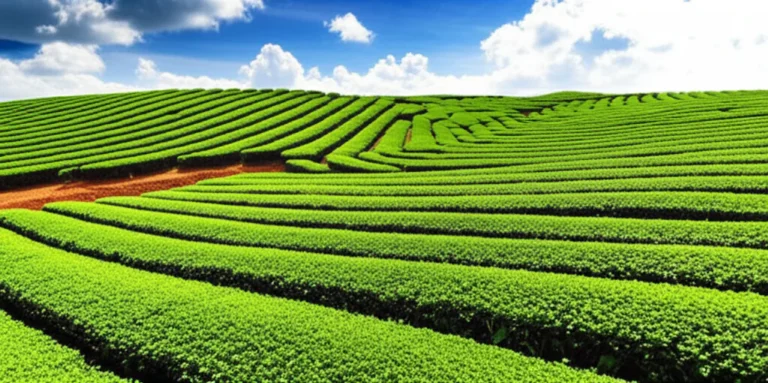
a global beverage, and its cultivation spans continents, each region offering a unique climatic fingerprint that shapes the character of its teas. From the misty mountains of Asia to the sun-drenched plains of Africa, Camellia sinensis has
found a way to call many places home.
High-
Altitude Havens: The Magic of Darjeeling and Nuwara Eliya’s Cool Climates
Some of the world’s most prized teas come from high-altitude regions, where the cooler temperatures and frequent mists create a distinct terroir
. Think of the legendary Darjeeling in India or Nuwara Eliya in Sri Lanka (Ceylon).
- Darjeeling, India: Nestled in the Himalayan foothills, Darjeeling’s tea gardens are
often found at elevations between 600 and 2,000 meters (2,000 to 6,500 feet). The cool, misty climate, significant diurnal temperature variation, and ample rainfall contribute to the
unique “muscatel” flavor profile of its teas. The slower growth at these altitudes allows for a greater concentration of flavor compounds. - Nuwara Eliya, Sri Lanka: Known as “Little England,” this region
boasts elevations up to 2,100 meters (7,000 feet). The cool, crisp air and frequent rainfall produce light, bright, and highly aromatic teas, often with a hint of cypress
.
These high-altitude havens demonstrate that while a general temperature range is ideal, the specific nuances of a microclimate, particularly the cooler nights, can elevate tea quality to extraordinary levels.
Tropical Tea Powerhouses: Assam, Kenya, and Beyond the Equator
Moving to the other end of the spectrum, we find tropical tea power
houses that thrive in warmer, more humid conditions. These regions often produce robust, full-bodied teas, perfect for everyday brewing or as a base for blends.
- Assam, India: Located in the northeastern part of India, Assam
is one of the largest tea-producing regions in the world. It’s characterized by its hot, humid climate and heavy monsoon rains. The Camellia sinensis assamica variety, known for its larger leaves, flourishes here, yielding
malty, strong black teas. - Kenya: A relatively newer player on the global tea scene, Kenya has quickly risen to prominence, largely due to its ideal equatorial climate. High altitudes combined with consistent rainfall and warm temperatures allow
for year-round plucking. Kenyan teas are typically bright, brisk, and full-bodied, often used in popular blends. - Vietnam: Another significant producer, Vietnam’s tea cultivation benefits from its tropical to subtropical climate, characterized
by high humidity and heavy rainfall during the growing season.
These regions showcase the adaptability of tea plants, particularly the assamica variety, to warmer, more consistent temperatures, provided there’s ample moisture.
<
a id=”temperate-zone-tea-surprising-success-stories-in-cooler-climates”>
Temperate Zone Tea: Surprising Success Stories in Cooler Climates
While tropical and subtropical climates are often considered
ideal, there are fascinating success stories of tea cultivation in more temperate zones. These regions often face greater challenges with frost but have developed unique cultivation methods and cultivars.
-
Japan: Despite its cooler climate, Japan is renowned for its exquisite
green teas. Successful cultivation here requires average temperatures of 12.5–13°C (54.5–55.4°F) or higher, with minimums not dropping below -15°C (5°F). Japanese growers often employ frost protection techniques and cultivate specific cold-hardy cultivars. The unique shading techniques used for teas like Gyokuro and Matcha also play a crucial role in mitigating environmental challenges and enhancing flavor. -
South Carolina, USA (Charleston Tea Garden): This is a prime example of successful tea cultivation in a non-traditional region. While facing occasional freezes, the Charleston Tea Garden has adapted by selecting resilient tea plants and employing careful
management practices.
These examples highlight that with careful cultivar selection, innovative farming techniques, and a deep understanding of the local microclimate, tea can indeed thrive in surprising places.
💧 Beyond Temperature: The Hydration Equation for Thirsty Tea Plants
While temperature might be the “growth engine,” it’s the hydration equation that keeps that engine running smoothly
. Tea plants are thirsty creatures, and the right balance of rainfall and humidity is absolutely critical for their health, yield, and ultimately, the quality of your brew.
Rainfall Requirements: A Steady Shower, Not a Deluge
Tea plants don’t just need water; they need the right amount at the right time. We’re talking about a steady shower,
not a sudden deluge that washes everything away.
Optimal Rainfall:
- Annual Average: Approximately 1,500 mm (59 inches) per year, ideally evenly distributed throughout the growing season. This consistent moisture prevents stress and promotes continuous flushing.
- Annual Minimum: A bare minimum of 1,000 mm (39 inches) annually is required for survival.
- Monthly Minimum: Generally, at least 50 mm (2 inches) per month is needed.
- Growing Season: During the crucial
tea-growing season, a minimum of 10 mm (0.4 inches) of rainfall per month is essential to prevent stunted growth and poor quality.
“Sufficient rainfall during
the tea-growing season is crucial for healthy growth and optimal yield,” as one experienced tea farmer emphasizes. Our own experiences at Growing Teas™ echo this sentiment. We’ve seen how a well-timed
rain shower can invigorate a tea garden, leading to a flush of tender, vibrant leaves. Conversely, a dry spell can quickly lead to tough, less flavorful leaves.
In regions where natural rainfall is insufficient or uneven, irrigation systems become
vital. Farmers utilize various methods, from sprinklers to drip irrigation, and even contour planting to manage water levels and prevent erosion. In Vietnam, for instance, watering experiments showed an average 41.5% increase
in bud yield with significantly improved quality compared to non-irrigated plants. This clearly demonstrates the power of proper hydration!
Humidity’s Hug: Why Moisture in the Air is a Tea Plant’s Best Friend
Beyond the water in the soil, the moisture
in the air – relative humidity – plays an equally critical role. Tea plants absolutely adore a humid environment.
Optimal Air Humidity:
- Around 85% relative humidity during the growing period is considered ideal.
- Humidity levels dropping below 70% can significantly affect growth and yield.
“High humidity, morning fog, and heavy dew favor the growth
of buds and young leaves,” notes one source. This is something we’ve observed time and again. When the air is thick with moisture, the tea leaves feel softer, more pliable, and the buds are
plump and ready for plucking.
✅ Benefits of Sufficient Humidity:
- Larger, Softer Leaves: High humidity encourages the development of tender, succulent leaves, which are highly desirable for quality tea.
- Young, High-Quality Buds: It promotes vigorous bud growth, leading to a superior tea with a more delicate flavor and aroma.
- Reduced Transpiration:
Humid air reduces the rate at which the plant loses water through its leaves, minimizing stress.
❌ Effects of Low Humidity:
- Weak Bud Growth: Buds may struggle to develop, resulting in a lower yield.
- Thick, Hard Leaves: Leaves become tougher and less palatable, impacting the tea’s texture and flavor.
- “Blind Buds”:
This refers to poor quality or dormant buds that fail to develop properly, significantly reducing the harvest.
This is why regions like Sri Lanka, with their frequent mists and high humidity, produce such exceptional teas.
If you’re growing tea at home, especially indoors, investing in a good humidifier can make a world of difference for your tea plants!
Drought Stress: The Parched Peril for Tea Production and Quality
Just as too much water can be detrimental, too little water – drought stress – is a serious threat to tea cultivation
. Prolonged periods without adequate rainfall or irrigation can have devastating consequences.
❌ Impacts of Drought Stress:
- Yield Reduction: The most immediate effect is a significant drop in the quantity of tea leaves produced.
Quality Degradation: Leaves become tough, bitter, and lose their delicate flavors and aromas. The chemical composition, including levels of catechins and L-theanine, can be negatively altered.
- Stunted Growth: New
flushes cease, and the plant’s overall growth is severely inhibited. - Increased Susceptibility to Pests and Diseases: Stressed plants are weaker and more vulnerable to infestations.
- Plant Mortality: In severe and
prolonged droughts, tea plants can die.
Our team at Growing Teas™ has unfortunately witnessed the heartbreaking effects of drought on tea gardens. It’s a stark reminder of how dependent this crop is on consistent and sufficient water. This is why understanding
your local rainfall patterns and having a reliable irrigation plan is paramount for any serious tea grower.
☀️ Sunshine and
Shade: The Light Fantastic for Leafy Goodness
Beyond temperature and water, the amount and intensity of light your tea plants receive play a starring role in their growth and, crucially, in the flavor profile of the tea you’ll eventually
brew. It’s a delicate balance, a “light fantastic” that can transform a simple leaf into a complex symphony of taste.
The Role of Sunlight in Photosynthesis and Flavor Development
Sunlight is the energy source for photosynthesis, the magical process where plants convert light energy into chemical energy, essentially making their own food. For tea plants, this
means producing the compounds that contribute to their growth and, more importantly, their unique flavors.
✅ Benefits of Adequate Sunlight:
- Robust Growth: Sufficient light fuels vigorous growth, leading to healthy, productive tea bushes.
Catechin Production: Sunlight encourages the production of catechins, powerful antioxidants that contribute to tea’s astringency and many of its health benefits. [https://www.growingteas.com/category/health-benefits-of-tea/]
- Flavor Complexity: A good amount of sun helps develop a full-bodied, brisk flavor, especially in black teas.
Tea plants require a minimum of 5 hours of sunlight per day to thrive. However, it’s not always about more sun equals better tea. Too much intense, direct sunlight, especially in hot climates, can lead to stress and even burnt leaves, as we discussed earlier. It’s about finding
that sweet spot where the plant gets enough energy without being overwhelmed.
Shade Growing: Crafting Unique Tea Profiles (Gyokuro, Matcha)
Here’s where things get really interesting! While most tea is grown in full sun, some of the most prized and unique teas in the world are intentionally grown under shade. This isn’t just for
protection; it’s a deliberate cultivation technique to manipulate the plant’s biochemistry and create distinct flavor profiles.
Shade-grown teas like Japanese Gyokuro and Matcha are prime examples of this art form
. For several weeks before harvest, these tea bushes are covered, often with bamboo mats or specialized netting, blocking out a significant portion of sunlight.
✅ Benefits of Shade Growing:
- Increased L-Theanine: With
less sunlight, the tea plant converts less L-theanine (an amino acid responsible for umami and a calming effect) into catechins. This results in a higher concentration of L-theanine, leading to a sweeter, less astringent, and
more savory (umami) flavor. - Chlorophyll Boost: The plant produces more chlorophyll to capture the limited light, resulting in a vibrant, deep green color in the leaves and the resulting brew.
- Unique
Aroma and Flavor: Shade growing creates a distinct, often sweeter, and more complex aroma and flavor profile, sometimes described as “seaweed” or “brothy.”
This technique is a testament to the ingenuity of tea growers and their deep
understanding of how environmental factors can be manipulated to craft extraordinary teas. If you’re interested in green tea cultivation [https://www.growingteas.com/category/green-tea-cultivation/], exploring shade growing techniques can
be a fascinating endeavor!
⛰️ Soil Secrets and pH Perfection: Grounding Your Tea Garden
You can have the perfect temperature, ideal rainfall, and just the right amount of sunshine, but if your soil isn’t up to snuff, your tea plants will struggle. Think of the soil as the foundation of your tea garden; without
a strong, suitable base, everything else crumbles. At Growing Teas™, we’ve learned that happy roots make happy leaves!
Acidic Allure: The Preferred Soil pH for Camellia Sinensis
One of the most critical soil characteristics for Camellia sinensis is its acidity. Tea plants are acid
-loving plants, and they truly thrive in acidic conditions.
Optimal Soil pH:
- The ideal pH range for tea cultivation is typically between 4.5 and 5.5.
Why this acidic allure? Tea plants have evolved to absorb nutrients most efficiently in this pH range. If the soil is too alkaline (a higher pH), essential nutrients like iron and aluminum become less available to the plant, leading to deficiencies and poor
growth.
❌ Signs of Incorrect pH:
- Yellowing Leaves (Chlorosis): Often indicates an iron deficiency due to alkaline soil.
- Stunted Growth: The plant simply won’t grow vigorously
if it can’t access the nutrients it needs. - Poor Yield and Quality: The overall health and productivity of the plant will suffer.
If your soil isn’t naturally acidic, you can amend it. Adding organic
matter like compost, pine needles, or peat moss can help lower the pH over time. For a quicker fix, elemental sulfur can be incorporated, but always test your soil regularly to monitor changes.
Drainage and Nutrients: Building a Strong Foundation for Healthy Tea Plants
Beyond pH, two other factors are paramount for healthy tea plant soil
: excellent drainage and adequate nutrients.
✅ Drainage is Non-Negotiable:
-
Tea plants absolutely detest “wet feet.” Their roots are highly susceptible to rot if they sit in waterlogged soil.
-
Well-drained soil allows excess water to pass through quickly, ensuring proper aeration for the roots. This is why tea gardens are often found on slopes or hillsides.
-
If your soil is heavy clay, you
‘ll need to amend it significantly with organic matter like sand, perlite, or compost to improve drainage. Raised beds are also an excellent option for home growers.
✅ Nutrient-Rich, but Not Overfed:
*
Tea plants are not heavy feeders, but they do require a steady supply of essential nutrients, particularly nitrogen, for lush leaf growth.
- Organic matter is your best friend here. Incorporating well-rotted compost or
aged manure provides a slow release of nutrients and improves soil structure. - For commercial operations, balanced fertilizers are used, often tailored to the specific needs of tea plants. For home growers, a balanced, acidic fertilizer designed for acid-loving
plants (like blueberries or azaleas) can be beneficial. - Remember, it’s about providing a consistent, moderate supply, not overwhelming the plant with too much. Over-fertilization can lead to nutrient burn and other
problems.
By focusing on these soil secrets – acidic pH, excellent drainage, and balanced nutrients – you’ll be laying a strong foundation for a thriving tea garden.
🌬️ Wind and Weather: Unsung Heroes (and Villains) of Tea Cultivation
While we often focus on temperature, rainfall, and sunlight, other
atmospheric elements like wind and extreme weather events play a surprisingly significant role in the life of a tea plant. They can be unsung heroes, gently caressing the leaves, or formidable villains, wreaking havoc on a season’s harvest.
Gentle Breezes vs. Harsh Winds: Protecting Your Precious Leaves
A gentle breeze
can actually be beneficial for tea plants.
✅ Benefits of Gentle Breezes:
- Air Circulation: Helps prevent fungal diseases by reducing humidity around the leaves.
- Pollination: Aids in the pollination of tea flowers
(though tea is primarily self-pollinating, some cross-pollination can occur). - Strengthening Stems: Encourages the plant to develop stronger stems, making it more resilient.
However, harsh,
strong winds are an entirely different story.
❌ Detrimental Effects of Harsh Winds:
- Physical Damage: Strong winds can tear and bruise delicate tea leaves, making them unsuitable for processing. They can also break branches and even up
root young plants. - Increased Transpiration: Wind increases the rate of water loss from leaves, leading to dehydration and stress, especially in dry conditions.
- Windburn: A phenomenon where leaves dry out and turn
brown due to excessive water loss caused by wind. - Soil Erosion: In exposed areas, strong winds can contribute to topsoil erosion, especially on slopes, carrying away valuable nutrients.
In windy regions, growers often plant **
windbreaks** – rows of taller trees or shrubs – around their tea gardens to protect the more delicate tea bushes. This is a common practice in many tea-growing areas, demonstrating the importance of shielding these precious plants from nature’s harsher
elements.
Hail and Storms: Nature’s Unpredictable Challenges to Tea Harvests
Beyond
everyday wind, severe weather events like hail and intense storms pose significant, unpredictable challenges to tea harvests. These are the “villains” that can wipe out a season’s hard work in a matter of minutes.
❌ Impact of Hail:
- Leaf Damage: Hailstones can bruise, tear, and puncture tea leaves, rendering them unusable for high-quality tea production. Even small hailstones can cause cosmetic damage that reduces the value of the crop.
Stunted Growth: Severely damaged plants will need time to recover, delaying subsequent flushes and reducing overall yield.
❌ Impact of Intense Storms (Heavy Rains and Strong Winds):
- Soil Erosion: Heavy
rains, especially on sloped tea gardens, can lead to severe soil erosion, washing away fertile topsoil and exposing roots. - Waterlogging: While tea plants need consistent moisture, prolonged waterlogging from intense rains can drown roots and
lead to root rot. “Intense rains cause soil erosion and waterlogging, damaging root development,” as one analysis highlights. - Physical Damage: Strong winds accompanying storms can cause the same physical damage as
harsh winds, but often on a much larger scale. - Pest and Disease Outbreaks: Stressed plants after a storm can be more susceptible to pests and diseases.
While growers can’t control the weather, they can
implement strategies to mitigate the damage, such as robust drainage systems, contour planting, and selecting resilient cultivars. It’s a constant battle against nature’s unpredictability, but one that dedicated tea growers face with resilience and ingenuity.
📈 Climate Change and the Future of Tea: Adapting to a Warming World
The
tea industry, deeply rooted in specific climatic conditions, is particularly vulnerable to the sweeping changes brought about by global climate change. “Climate change poses a significant threat to the sustainability and profitability of the tea industry,” states an experienced tea farmer. Here at Growing Teas™, we’re keenly aware of these shifts and are actively exploring adaptive strategies to ensure the future of this beloved beverage.
Rising Temperatures: Shifting Tea Belts and New Cultivation Challenges
One of the most immediate and impactful effects of climate change is the rise in global temperatures. For tea plants, this means a
disruption of their “Goldilocks Zone.”
❌ Consequences of Rising Temperatures:
- Yield Reduction: Altered precipitation patterns and increased temperatures directly contribute to reduced yields.
- Quality
Degradation: Higher temperatures negatively impact the quality of the highly prized first and second flushes. They can lead to lower levels of beneficial compounds like catechins and caffeine, resulting in a less flavorful and less
potent brew. - Shifted Tea Belts: Traditional tea-growing regions may become too hot or dry, forcing cultivation to shift to higher altitudes or new geographical areas that currently have
suitable climates. This can lead to increased competition for land and resources. - Increased Dormant Buds: Rising temperatures can increase the number of dormant, non-reproductive buds, further reducing yield.
Our team has observed subtle changes in flush timing and leaf quality in some regions, prompting us to consider more heat-tolerant cultivars and innovative irrigation techniques.
Extreme Weather Events: A Growing Threat to Global Tea Production
Beyond gradual temperature increases, climate change is also ushering in an era of more frequent and intense extreme weather events. These unpredictable occurrences are a major
concern for tea growers worldwide.
❌ Threats from Extreme Weather:
- Droughts: Prolonged dry spells lead to water scarcity, severely impacting plant health and yield, as discussed earlier.
- Heavy R
ains and Flooding: Intense rainfall can cause severe soil erosion, wash away nutrients, and lead to waterlogging, damaging root systems. - Hailstorms: More frequent and severe hailstorms can dec
imate entire tea harvests, bruising and tearing delicate leaves. - Unseasonal Frosts: While overall temperatures are rising, some regions may experience unseasonal cold snaps or frosts, catching plants off guard and causing significant damage.
These
events not only reduce current yields but can also cause long-term damage to tea bushes, impacting future productivity.
Innovation and Adaptation: How Growers Are Responding to Environmental Shifts
Despite the daunting challenges, the tea industry is not standing still. Growers, researchers, and organizations are actively pursuing innovative solutions and adaptive strategies to safeguard the future of tea.
✅
Adaptive Strategies:
- Developing Climate-Resilient Cultivars: Breeding programs are focusing on developing new tea varieties that are more tolerant to heat, drought, or even specific pests.
- Improved Water Management: Implementing advanced
irrigation systems (drip irrigation, smart sensors) and water harvesting techniques to optimize water use. - Shade Management: Utilizing shade trees or artificial shade nets to protect plants from intense sun and heat stress.
Sustainable Farming Practices:** Embracing organic farming techniques [https://www.growingteas.com/category/organic-farming-techniques/] and agroforestry to improve soil health, enhance biodiversity, and build ecosystem resilience.
- Early
Warning Systems: Developing better weather forecasting and early warning systems to help growers prepare for extreme weather events. - Diversification: Exploring new tea-growing regions that may become more suitable in a changing climate.
At Growing Teas
™, we believe that collaboration and a commitment to sustainable practices are key. We’re constantly researching and sharing insights on how to cultivate your own tea in a changing world, ensuring that future generations can continue to enjoy this incredible beverage.
<
a id=”growing-tea-at-home-can-you-recreate-the-ideal-conditions”>
🏡 Growing Tea at Home: Can You Recreate the Ideal Conditions?
So, you’ve
read all about the ideal climate for tea plants, and now you’re wondering: “Can I actually grow my own tea at home?” The answer, my friend, is a resounding YES! While recreating the vast, misty tea
gardens of Darjeeling in your backyard might be a stretch, with a little knowledge and dedication, you can absolutely cultivate your own tea plants and enjoy the fruits (or rather, leaves!) of your labor. Our team at Growing Teas™ has helped
countless home growers embark on this rewarding journey.
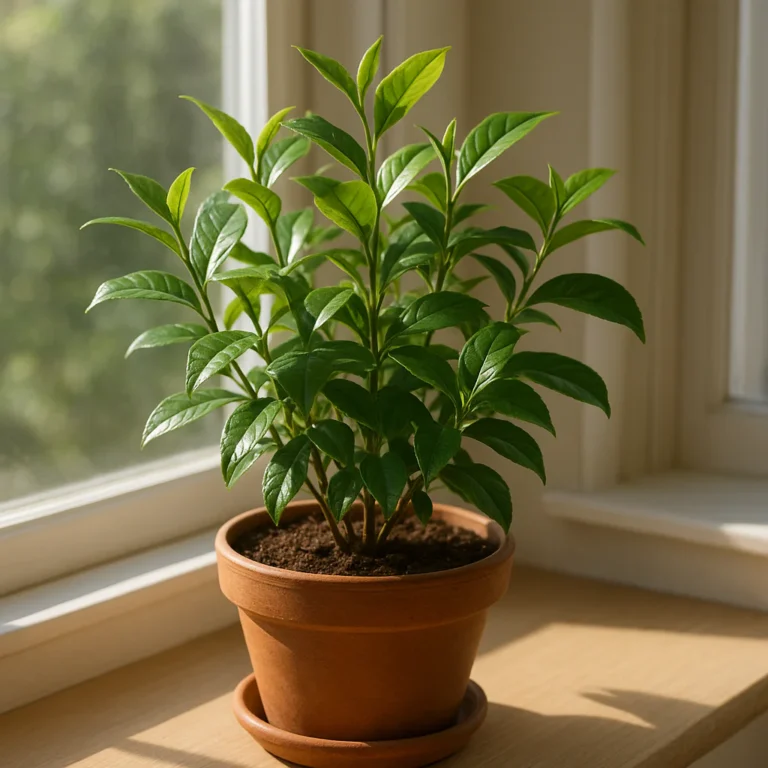
Container Growing: Bringing the Tropics Indoors for Your Tea
Plant
For many home growers, especially those in cooler climates, container growing is the most practical and successful approach. This allows you to control the environment much more effectively.
✅ Tips for Container Growing:
- Choose the Right
Pot: Start with a pot that’s at least 10-12 inches in diameter with excellent drainage holes. As your plant grows, you’ll need to repot into larger containers. - Acidic Pot
ting Mix: Use a high-quality, well-draining potting mix specifically formulated for acid-loving plants (e.g., azaleas, camellias, blueberries). You can also amend regular potting mix with peat moss or pine
bark fines to lower the pH. - Sunlight: Place your container in a location that receives at least 5-6 hours of bright, indirect sunlight daily. A south-facing window is often ideal. During summer
, you can move it outdoors to a partially shaded spot. - Watering: Keep the soil consistently moist, but never waterlogged. Water thoroughly when the top inch of soil feels dry to the touch. Use filtered water or
rainwater if your tap water is alkaline. - Humidity: This is crucial indoors! Use a pebble tray, mist your plant regularly, or place a humidifier nearby to maintain that ideal 85% relative humidity.
- Temperature:
Aim for that sweet spot of 15–23°C (59–73°F). Protect your plant from cold drafts and sudden temperature fluctuations. Bring it indoors when temperatures drop below 10°C (50°F). - Fertilization: Feed sparingly with an acidic, balanced liquid fertilizer during the growing season (spring and summer).
Growing tea in containers is a fantastic way to bring a piece of the tropics into your home and enjoy
fresh tea leaves year-round.
Greenhouse Glory: Controlling Your Microclimate for Optimal Tea Growth
If
you’re serious about growing tea at home and have the space, a greenhouse can be a game-changer. It offers the ultimate control over your plant’s microclimate, allowing you to mimic those ideal tea-growing conditions with
remarkable precision.
✅ Greenhouse Advantages:
- Temperature Control: Heaters and ventilation systems allow you to maintain the optimal temperature range, even in colder climates.
- Humidity Management: Misters and humidifiers can
keep the air consistently moist, replicating those misty mountain conditions. - Pest Protection: A greenhouse provides a barrier against many common outdoor pests.
- Extended Growing Season: You can grow tea year-round, regardless of external
weather conditions.
While a greenhouse is an investment, it can significantly increase your success rate and the yield of your home-grown tea. Imagine stepping into your own personal tea garden, even in the middle of winter!
Choosing the Right Tea Cultivar for Your Home Environment
Not all tea plants are created equal! Just like apples, there are many different cultivars (varieties) of Camellia sinensis, each with slightly different characteristics and tolerances. Choosing the right one for your home environment can make a big difference.
Consider these factors:
-
Climate Tolerance: If you live in a cooler
region, look for more cold-hardy varieties. Camellia sinensis var. sinensis (the Chinese variety) is generally more cold-tolerant than Camellia sinensis var. assamica (the Indian variety). -
Growth Habit: Some cultivars are more compact, making them better suited for container growing.
-
Availability: Check with specialized nurseries like Camellia Forest Nursery [https://camelliaforest.com/collections/tea-plants] or Mountain Tea Company [https://mountainteacompany.com/collections/tea-plants] for tea plants suitable for home cultivation.
-
Your Tea Preference: Do you dream of making your own green tea [https://www.growingteas.com/category/green-tea-cultivation/], or are you more interested in black tea? While any Camellia sinensis plant can be processed into different tea types, some cultivars are traditionally favored for specific
styles.
👉 CHECK PRICE on:
- Camellia sinensis (Tea Plant) Live Plant: Amazon | Etsy
- Acidic Potting Mix: Amazon | Walmart
- Plant Humidifier: Amazon | Walmart
By carefully selecting your cultivar and providing the best possible conditions, you
‘ll be well on your way to enjoying your very own home-grown tea!
🧪 The Science of Flavor
: How Environment Shapes Your Cup
Have you ever wondered why a Darjeeling tea tastes so different from an Assam, even though they both come from the same species of plant, Camellia sinensis? It’s not just about processing
; it’s a fascinating interplay of environmental factors that scientists call terroir. This “taste of place” is a testament to how profoundly the environment shapes the very molecules that create your tea’s unique flavor.
Terroir: The Taste of Place and Its Environmental Fingerprint
“Terroir” is a concept borrowed from the wine world
, but it applies perfectly to tea. It refers to the complete natural environment in which a particular tea is produced, including factors such as:
- Climate: Temperature, rainfall, humidity, sunlight hours, wind patterns.
Soil: Type, pH, mineral composition, drainage.
- Altitude: Elevation above sea level.
- Topography: Slopes, valleys, exposure.
Each of these elements leaves an “environmental fingerprint” on
the tea plant, influencing its growth, metabolism, and the production of flavor compounds. Our team at Growing Teas™ is constantly amazed by how a tea grown just a few miles away, but in a slightly different microclimate, can develop
a completely distinct character. It’s truly the magic of nature at work!
Temperature’
s Influence on Catechins, L-Theanine, and Aromatic Compounds
Let’s dive a little deeper into how temperature, in particular, orchestrates the chemical symphony within the tea leaf. The primary compounds responsible for tea’s flavor,
aroma, and health benefits are:
- Catechins: These are a type of flavonoid, powerful antioxidants that contribute to tea’s astringency and bitterness.
- Temperature Effect: Generally, higher temperatures
can inhibit the accumulation of tannins (a type of catechin), leading to a less astringent, sometimes flatter taste. Conversely, cooler temperatures can promote their development. - L-Theanine
: An amino acid unique to tea plants, L-theanine is responsible for the umami (savory) flavor, sweetness, and the calming, focused alertness tea provides. - Temperature Effect: Cooler temperatures and
shade growing tend to increase L-theanine levels. This is because in lower light, the plant converts less L-theanine into catechins, allowing it to accumulate. This is a key reason why shade-grown teas like Gyokuro are
so prized for their rich umami and smooth character. - Aromatic Compounds (Volatile Organic Compounds – VOCs): These are the hundreds of compounds that give tea its incredible range of aromas, from floral and fruity to
nutty and malty. - Temperature Effect: Temperature plays a complex role in the synthesis and degradation of these compounds. Optimal temperatures allow for the balanced development of a wide array of VOCs, contributing to a complex and nuanced aroma. Extreme
temperatures (too hot or too cold) can disrupt these delicate biochemical pathways, leading to a less aromatic or off-flavor tea.
This scientific understanding underscores why maintaining the ideal temperature range is not just about keeping the plant alive, but about coax
ing out the very best flavors and aromas that Camellia sinensis has to offer. It’s a fascinating blend of horticulture and chemistry, all culminating in that perfect cup of tea.
Conclusion: Mastering the Art and Science of Tea Cultivation
Phew! What a journey we’ve taken through the intricate world of tea cultivation. From the ancient misty mountains to
our modern tea gardens, one truth remains crystal clear: temperature is the undisputed maestro of the tea plant’s symphony. It orchestrates growth, dictates flavor, and ultimately determines the quality of that comforting cup we all cherish.
We’ve seen
how the “Goldilocks Zone” of 15–23°C (59–73°F) is paramount, but it’s not just about a single number. It’s the delicate dance of warm
days and cool nights, the resilience against frost, and the careful management of scorching heat that truly defines a successful tea grower. Remember, “Temperatures that are too high or too low both affect the accumulation of tannins in tea,” directly impacting your
brew’s character.
But temperature never works alone. It’s part of a grand climatic ensemble, harmonizing with ample, consistent rainfall, the gentle embrace of high humidity, and the nurturing glow of sufficient sunlight. The interplay of these factors
creates the unique terroir that makes a Darjeeling tea distinct from an Assam, or a Japanese Matcha so different from a Kenyan black tea.
At Growing Teas™, our personal experience has taught us that growing tea is indeed ”
a harmonious process that combines nature’s gifts and the hands of dedicated farmers.” It demands patience, keen observation, and a deep understanding of Camellia sinensis‘s every whim. While climate change poses significant threats, from shifting tea belts to
increased pest proliferation, the spirit of innovation and adaptation among growers worldwide gives us hope for the future of this beloved plant.
So, whether you’re dreaming of a sprawling tea estate or just a few happy bushes on your patio, understanding and
respecting the ideal temperature range and its climatic companions is your first, most crucial step. Master these elements, and you’ll be well on your way to cultivating your own tea [https://www.growingteas.com/category/green-tea-cultivation/] that’s not just grown, but truly thrives. Happy growing! 🌿
Recommended Links
Ready to dive deeper into the world of tea cultivation or
equip yourself for your growing journey? Here are some resources and products we recommend:
- Tea Plant Seeds & Seedlings:
- Camellia Sinensis Seeds: Amazon.com Search: Camellia Sinensis Seeds
- Tea Plant Live Plants: Etsy Search: Live Tea Plant
- Soil pH Testing Kits:
- Apera Instruments PH20 pH Meter: Amazon.com: Apera Instruments PH20 pH Meter | Walmart.com: Apera Instruments PH20 pH Meter | Apera Instruments Official Website
Humidifiers for Indoor Growing:
-
Levoit Humidifiers: Amazon.com Search: Levoit Humidifier | Walmart.com Search: Levoit Humidifier | Levoit Official Website
-
Shade Cloths for Sun Protection:
-
Garden Shade Cloth: Amazon.com Search: Garden Shade Cloth | Walmart.com Search: Garden Shade Cloth
-
Books on Tea Cultivation:
-
“Tea: History, Terroirs, Varieties” by Kevin Gascoyne: Amazon.com: Tea: History, Terroirs, Varieties
-
“The Story of Tea: A Cultural History and Drinking Guide” by Mary Lou Heiss and Robert J. Heiss:
Amazon.com: The Story of Tea: A Cultural History and Drinking Guide
FAQ: Your Burning Questions About Tea Growing Answered
Got more questions brewing? We’ve got answers! Here’
s a deeper dive into some common queries about tea plant temperatures and related factors.
Can tea plants grow in hot climates?
✅
Yes, tea plants can grow in hot climates, but with caveats! Regions like Assam, India, and parts of Kenya are prime examples of successful tea cultivation in tropical, warm environments. The *Camellia sinensis assamica
- variety is particularly well-suited to these conditions, producing robust, malty teas.
However, there’s a limit. Temperatures consistently above 35°C (95°F) can lead to heat stress, inhibiting
the accumulation of desirable tannins and potentially burning the delicate tea leaves. This can result in lower quality, less flavorful tea with reduced levels of beneficial compounds like caffeine and catechins. Adequate rainfall and high humidity are crucial in these hot climates to mitigate the
negative effects of high temperatures.
What temperature does tea need to survive winter?
Tea plants are evergreen, meaning they
don’t go dormant and shed leaves like deciduous trees. Their survival temperature in winter depends heavily on the specific cultivar.
- General Survival: Most Camellia sinensis varieties can tolerate temperatures down to about -5
°C (23°F) for short periods without significant damage. - Hardier Cultivars: Some cold-hardy varieties, particularly those found in cooler regions like Japan, can survive temperatures as low as –
15°C (5°F), especially if they have some snow cover or protection. - Prolonged Freezing: Consistent temperatures below freezing, especially below -10°C (14°F), can cause severe
damage or even kill the plant due to ice crystal formation within cells.
What temperature range is ideal
for growing tea plants indoors?
For indoor tea cultivation, you’ll want to mimic the outdoor “Goldilocks Zone” as closely as possible. The ideal range is 15–23°C (59–73°F).
Creating the Ideal Indoor Microclimate:
-
Daytime: Keep your indoor space comfortably warm, within the 15-23°C range.
-
Nighttime Drop: If
possible, allow for a slight temperature drop at night (e.g., 5-10°C lower than daytime) to encourage better flavor development and L-theanine accumulation. This might mean placing your plant near a window that
cools down or adjusting your thermostat slightly. -
Humidity: This is often the biggest challenge indoors. Aim for 80-85% relative humidity. Use a humidifier, pebble trays, or regular misting to achieve this.
-
Light: Provide at least 5 hours of bright, indirect sunlight, or supplement with grow lights.
Can
tea plants survive temperatures below freezing?
❌ Generally, no, most tea plants do not survive prolonged temperatures significantly below freezing without protection. While a light, brief frost might cause some leaf damage, sustained freezing temperatures (especially below -5°C or 23°F) are detrimental.
Frost Protection Strategies:
- Covering: For outdoor plants, use frost blankets or burlap to protect them during cold snaps.
- Mulching: A
thick layer of mulch around the base can insulate the roots. - Container Plants: Bring potted tea plants indoors when temperatures are expected to drop below freezing.
- Overhead Irrigation: In commercial settings, continuous overhead irrigation can form
a protective layer of ice over the plants, insulating them from colder air.
How does temperature affect the
flavor of harvested tea leaves?
Temperature profoundly impacts the biochemical processes within the tea plant, directly influencing the flavor profile of the harvested leaves.
- Cooler Temperatures (e.g., high altitudes, cooler nights):
Increased L-theanine: This amino acid contributes to tea’s umami, sweetness, and relaxing qualities. Cooler conditions slow down its conversion to catechins, leading to higher levels.
- Slower Growth: Slower growth
allows for a greater concentration of flavor compounds, resulting in more complex and nuanced tastes. - Delicate Aromatics: Often leads to more delicate, floral, or fruity notes.
- Warmer Temperatures (within optimal range):
- Faster Growth: Promotes rapid flushing and higher yields.
- Robust Flavors: Can lead to stronger, bolder, and sometimes maltier flavors, as seen in teas from tropical
regions. - High Temperatures (above optimal):
- Inhibited Tannin Accumulation: Leads to a flatter, less astringent, and less complex taste.
- Reduced Catechins and
Caffeine: Can result in a less potent and less flavorful brew. - Burnt/Harsh Notes: Extreme heat can literally damage the leaves, introducing undesirable flavors.
What is the best temperature for tea plant growth in winter?
Ideally, tea plants don’t actively “grow” much in winter, especially in regions with distinct
cold seasons. Their growth slows down significantly.
- Dormancy/Slowed Growth: In temperate zones, temperatures around 5-10°C (41-50°F) are often ideal for a period of
slowed growth or semi-dormancy, allowing the plant to rest and conserve energy. - Tropical Winters: In consistently warm, tropical climates, tea plants may continue to grow year-round, provided temperatures remain within the optimal 1
5-23°C range and there’s sufficient rainfall. - Protection from Extreme Cold: The primary goal in winter is survival. Temperatures should ideally not drop below -5°C (23°F) for most
common cultivars, and certainly not below -15°C (5°F) for even the hardiest ones.
What is the best temperature for harvesting tea leaves?
Harvesting, or “plucking,” typically occurs when the tea plant is actively flushing, producing tender new shoots. This generally happens during periods when temperatures are within the optimal growth range
of 15–23°C (59–73°F).
- Spring Flushes: The most prized flushes (like the “First Flush” in Darjeeling) often occur when temperatures are cool but
rising, leading to slow growth and concentrated flavors. - Continuous Plucking: In tropical regions with consistent warmth and humidity, plucking can occur almost year-round, as long as conditions support continuous new growth.
Avoid Extreme Heat: Harvesting during periods of extreme heat (above 35°C) is generally avoided, as the leaves may be stressed, burnt, and of lower quality.
Can tea plants survive in hot climates above 90 degrees?
❌ While tea plants can tolerate occasional spikes above 90
°F (32°C), sustained temperatures above 90°F (32°C), especially above 95°F (35°C), are detrimental and can lead to significant issues.
Risks of High Temperatures:
- Heat Stress: Plants will struggle to photosynthesize efficiently.
- Leaf Burn: Direct, intense sunlight combined with high temperatures can scorch leaves.
- Quality Degradation: As
discussed, high temperatures inhibit tannin accumulation and can reduce levels of catechins and caffeine, leading to a poorer quality tea. - Water Loss: Increased transpiration means the plant loses water rapidly, requiring more frequent and thorough irrigation.
In
such climates, growers often employ shade cloths or interplant with taller trees to provide partial shade during the hottest parts of the day.
How
does humidity affect tea plant growth temperature?
Humidity and temperature are intrinsically linked in their impact on tea plants. High humidity can actually mitigate some of the negative effects of higher temperatures by reducing water loss from the leaves.
- Reduced
Transpiration: In humid air, the plant loses less water through its leaves (transpiration). This helps the plant stay hydrated and reduces stress, even when temperatures are on the warmer side of the optimal range. - Leaf Quality: High
humidity, especially when combined with moderate temperatures, promotes the growth of larger, softer, and more succulent leaves and buds, which are crucial for high-quality tea. - Morning Fog/Dew: Natural occurrences like morning fog and
heavy dew, which signify high humidity, are particularly beneficial as they provide gentle moisture and a cooling effect, favoring bud and young leaf development.
#### What temperature do tea plants tolerate in winter?
This question is quite similar to “What temperature does tea need to survive winter?” and “Can tea plants survive temperatures below freezing?”. To add nuance:
Tea plants generally tolerate winter
temperatures down to about -5°C (23°F) for most common varieties, and some hardy cultivars can withstand -15°C (5°F). The key is the duration and *consistency
- of these low temperatures. Brief dips below freezing are often manageable, especially if the plant is mature and healthy. However, prolonged periods of hard frost (multiple days below freezing) can cause significant damage, particularly to young plants or less cold
-tolerant varieties. Protection is almost always recommended if temperatures are expected to remain below freezing for extended periods.
How does humidity affect tea plant growth?
Humidity is a silent hero in tea cultivation, playing a vital role in the plant’s overall health and the quality of its leaves.
- Promotes Lush Growth: High relative humidity (ideally around 85%)
creates a moist microclimate that tea plants adore. This encourages the development of large, soft, and tender leaves, which are highly desirable for tea production. - Enhances Bud Quality: Adequate humidity is crucial for the vigorous growth of young
buds, leading to a superior quality tea with a more delicate flavor and aroma. Low humidity, conversely, can result in weak bud growth and the formation of “blind buds” (poor quality, non-reproductive buds). - Red
uces Water Stress: In humid conditions, plants lose less water through their leaves, reducing the risk of drought stress even if soil moisture fluctuates slightly. This is particularly important in warmer climates. - Supports Photosynthesis: While not directly involved
in the chemical process, a humid environment helps maintain turgor pressure in leaves, ensuring they are optimally positioned for photosynthesis.
“Adequate humidity enables tea plants to produce larger, softer leaves and younger buds, resulting in a superior quality tea with a
more delicate flavor and aroma,” as noted by tea expert John Greenleaf. We couldn’t agree more!
Reference Links
Here are some of the sources and resources that informed our insights
and recommendations:
-
Vihaba Global: What is the ideal climate condition for tea cultivation?
-
Agriculture Institute: Ideal Climate for Tea Cultivation
-
Strictly Teas: Ideal Climate Conditions for Growing Tea
-
Apera Instruments Official Website: https://www.aperainst.com/
-
Levoit Official Website: https://www.levoit.com/
-
Growing Teas™ Internal Categories:
-
What climate conditions are needed to grow tea successfully?