Support our educational content for free when you purchase through links on our site. Learn more
🌿 Ultimate Tea Plant Care & Maintenance Guide (2026)

Ever tried to brew a cup of tea from a plant you thought was a “Fukien Tea” bonsai, only to realize you were about to poison yourself? We’ve all been there! That common nursery mistake highlights exactly why understanding the difference between the toxic Carmona and the true Camellia sinensis is the first step to success. Growing your own tea isn’t just about having a pretty green bush; it’s about cultivating a living ingredient that has fueled civilizations for thousands of years. From mastering the delicate art of acidic soil pH to the thrill of your first “two leaves and a bud” harvest, this guide covers every twist and turn of tea plant care and maintenance.
Ready to turn your windowsill into a mini-tea estate? We’ll reveal the secret watering schedule that prevents root rot, the specific fertilizer blend that makes leaves burst with flavor, and exactly how to prune your bush for maximum yield. Whether you are a seasoned gardener or a total novice, you’ll discover why patience is your most valuable tool and how to transform a simple shrub into a year-round source of homegrown wellness.
Key Takeaways
- Identify the Real Deal: Ensure you are growing Camellia sinensis, not the toxic Carmona microphylla (Fukien Tea), which is often mislabeled in nurseries.
- Acid is Non-Negotiable: Tea plants thrive only in acidic soil (pH 4.5–6.5); using standard poting mix will cause yellowing and death.
- Water Wisely: Avoid “wet feet” by ensuring excellent drainage and using the finger test to water only when the top inch of soil is dry.
- Patience Pays Off: It typically takes 2–3 years for a plant to mature enough for a meaningful harvest, so focus on root health first.
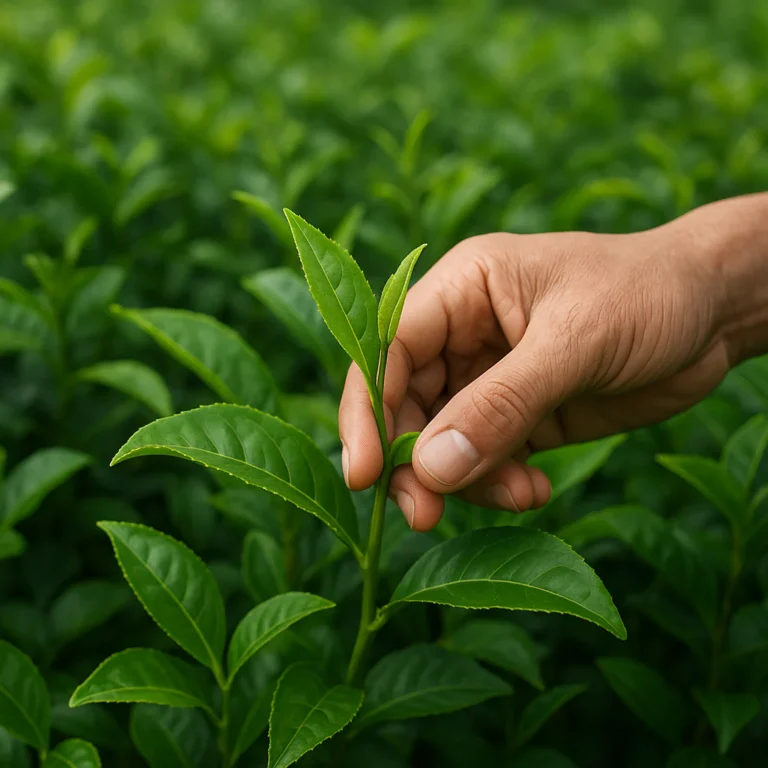
- Prune for Production: Regularly harvesting the “two leaves and a bud” stimulates new growth and increases your future yield.
Table of Contents
- ⚡️ Quick Tips and Facts
- 🌿 The Botanical Background of Camellia sinensis
- 🏡 Growing Tea Plants at Home: A Beginner’s Guide
- 🌱 Selecting the Perfect Tea Plant Variety for Your Space
- 🪴 Soil, Poting, and Root Health Essentials
- 💧 Mastering Watering and Humidity for Lush Foliage
- ☀️ Light Requirements and Temperature Control
- 🌸 Feding Your Tea Bush: Fertilization Strategies
- ✂️ Pruning, Shaping, and Harvesting Techniques
- 🐛 Common Pests, Diseases, and Tea Plant Care Solutions
- 🍵 From Garden to Cup: Processing Your Homegrown Leaves
- 🌳 Tea Plants in the Garden: Outdoor Cultivation Tips
- ❓ Frequently Asked Questions About Tea Plant Care
- 📚 Recommended Links and Resources
- 🔗 Reference Links
⚡️ Quick Tips and Facts
Before we dive into the nitty-gritty of turning your backyard into a tea plantation, let’s hit the fast-forward button on the most critical survival rules. We’ve seen too many eager gardeners turn their Camellia sinensis into a sad, yellowing stick because they missed these basics.
- It’s All One Plant: Yes, that’s right! Whether you want delicate White Tea, vibrant Green Tea, or bold Black Tea, it all comes from the same species: Camellia sinensis. The magic happens in the processing, not the seed. 🍵
- The “Wet Feet” Rule: Tea plants hate sitting in water. If your pot sits in a saucer of water, you’re essentially drowning your plant. Always ensure excellent drainage.
- Acid is Life: These plants are acid-lovers. If your soil pH is neutral (7.0) or alkaline, your tea plant will turn yellow (chlorosis) and refuse to grow. You need a pH between 4.5 and 6.5.
- Patience is a Virtue: You won’t be brewing a cup of Earl Grey next week. It takes 2 to 3 years for a plant to mature enough for a meaningful harvest. But trust us, the first sip of your own homegrown tea is worth the wait!
- Hardiness Hack: If you live in a cold climate (below Zone 7), don’t give up! Grow your tea in a container so you can move it indoors before the first frost.
Curious about how hard it really is to keep these beauties alive? We break down the difficulty level and common pitfalls in our deep dive: How hard is tea to grow?.
🌿 The Botanical Background of Camellia sinensis

Let’s get our botany hats on! 🧢 Understanding who you are growing is half the battle. The tea plant isn’t just a random shrub; it’s a sophisticated member of the Theaceae family, closely related to the ornamental Camellia flowers you see in gardens.
The Two Main Characters: Sinensis vs. Assamica
While there are countless cultivars, almost all tea you drink comes from one of two primary varieties. Knowing which one you have dictates your care strategy.
| Feature | Camellia sinensis var. sinensis (China Bush) | Camellia sinensis var. assamica (Assam Bush) |
|---|---|---|
| Origin | China (High Mountains) | India (Assam Region) |
| Leaf Size | Small, narrow, and leathery | Large, broad, and soft |
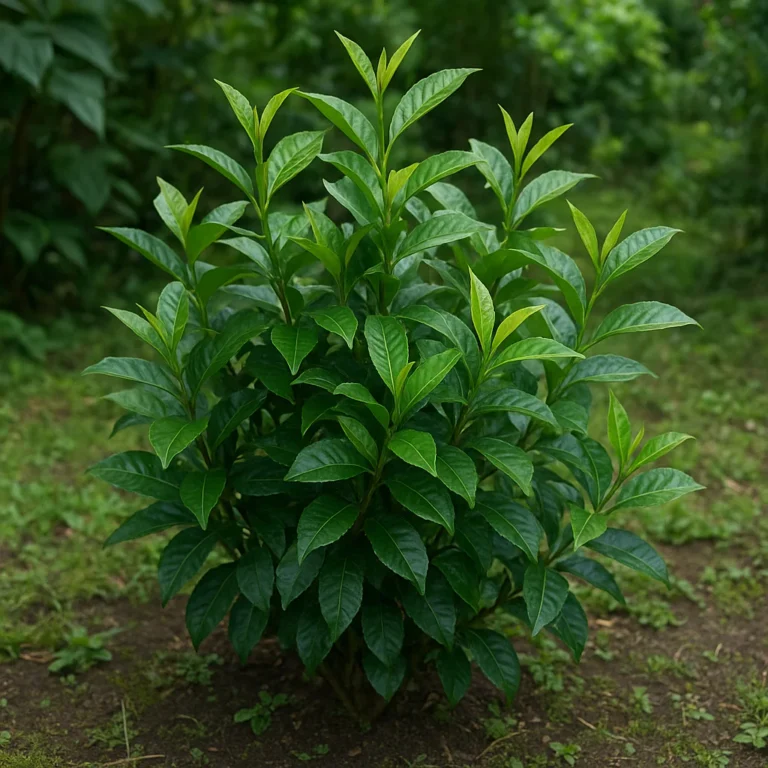
| Growth Habit | Bushy, compact, slow-growing | Tree-like, tall, fast-growing |
| Cold Tolerance | High (Hardy to Zone 6b) | Low (Needs Zone 10b+) |
| Best For | Green, White, Oolong teas | Black, Pu-erh teas |
| Flavor Profile | Delicate, floral, grassy | Robust, malty, bold |
Why does this matter? If you live in a place with freezing winters, the sinensis variety is your best friend. The assamica variety will turn into a crispy leaf-skeleton if exposed to frost. As noted by experts at Gardening Know How, “Tea plants placed in the sun are more robust,” but this is especially true for the tropical assamica which craves warmth.
The “Fukien Tea” Confusion
You might have heard of the “Fukien Tea” or Carmona microphylla. Stop right there! 🛑 This is a common trap. The Fukien Tea is a completely different species in the Boraginaceae family. It is often sold as a bonsai, but it does not make tea. It is toxic if consumed. Always check the scientific name. If it’s not Camellia sinensis, it’s not for your teapot.
🏡 Growing Tea Plants at Home: A Beginner’s Guide
So, you’ve decided to join the ranks of home tea growers. Welcome to the club! 🎉 But before you rush to the nursery, you need to know where your plant will live.
Indoor vs. Outdoor: The Great Debate
Can you grow tea indoors? Absolutely. In fact, for many of us in colder climates, it’s the only way.
- Outdoor Growing: Ideal if you live in USDA Zones 7–10. They love the fresh air and natural rain (which is usually soft and slightly acidic).
- Indoor Growing: Perfect for Zones 6 and below, or for those who want to control the environment. As the “first YouTube video” on this topic highlights, growing in containers allows you to bring the plant inside during winter, protecting it from frost while still enjoying its lush green foliage.
The Indoor Challenge: The biggest enemy of indoor tea plants is dry air. Our homes in winter are like deserts compared to the humid forests of Assam. We’ll cover how to fix that in the humidity section, but trust us, a humidifier or a pebble tray is your new best friend.
Step-by-Step: Getting Started
- Choose Your Variety: Decide between sinensis (cold-hardy) or assamica (tropical).
- Select the Right Pot: If starting small, use a 6-8 inch pot with drainage holes. No holes? No tea!
- Soil Prep: Grab a bag of acidic poting mix (look for “Azalea/Camellia” mix).
- Planting: Gently place the root ball in the center, fill with soil, and water thoroughly.
- Location: Find a spot with bright, indirect light or dappled sun.
Pro Tip: Don’t be afraid to start with a small plant. A 1-gallon nursery plant is often healthier and more adaptable than a struggling large specimen.
🌱 Selecting the Perfect Tea Plant Variety for Your Space
Not all tea plants are created equal. Just like choosing a dog breed, you need to match the plant to your lifestyle and environment.
The “Sinensis” Superstar
If you want a plant that fits on a windowsill, tolerates cooler nights, and produces those classic delicate leaves for green tea, the China Bush (sinensis) is the winner.
- Pros: Compact, cold-hardy, slow-growing (less pruning needed), perfect for bonsai styling.
- Cons: Slower growth rate means a longer wait for harvest.
The “Assamica” Giant
If you have a greenhouse or a very warm, sunny room, the Assam Bush is for you.
- Pros: Fast growth, large leaves (great for black tea), impressive size.
- Cons: Needs high heat, can get huge quickly, not frost-tolerant.
Other Cultivars to Consider
There are hundreds of cultivars! Some are bred for specific flavors, like the Yabukita (popular for Japanese green tea) or the Arka Meghana (known for high yield).
- Where to buy: Look for reputable nurseries like Growing Teas™ or specialized bonsai suppliers. Avoid generic big-box stores where the plant might have been mislabeled.
🪴 Soil, Poting, and Root Health Essentials
This is where most beginners fail. You can’t just throw a tea plant in regular garden soil and hope for the best. The soil is the foundation of your tea’s flavor and health.
The Acidic Imperative
Tea plants are acidophiles. They thrive in soil with a pH between 4.5 and 6.5.
- The Problem: Most poting mixes are neutral (pH 6.5–7.0).
- The Solution: Use a mix specifically formulated for Azaleas, Camellias, or Rhodendrons. These are pre-acidified.
- DIY Mix: If you want to make your own, mix:
- 2 parts peat moss or coco coir
- 1 part perlite or pumice (for drainage)
- 1 part pine bark fines
- A handful of sulfur (to lower pH)
Drainage is Non-Negotiable
As the saying goes, “Tea plants don’t appreciate wet feet.” 🦶❌
- The Science: Tea roots need oxygen. If the soil stays sogy, the roots rot (root rot), and the plant dies.
- The Fix: Ensure your pot has multiple drainage holes. If you’re using a decorative cache pot, always keep the plant in its plastic nursery pot inside the decorative one, and empty the saucer immediately after watering.
Repoting: When and How
- Frequency: Every 2–3 years for established plants. Young plants might need repoting annually.
- Timing: Early spring, just before new growth starts.
- Technique: Be gentle! Tea roots are sensitive. Don’t shake the soil off completely; just loosen the edges and move to a pot only 1-2 inches larger.
💧 Mastering Watering and Humidity for Lush Foliage
Watering is an art, not a science. There is no “every Tuesday at 2 PM” rule. You must learn to read the plant.
The Finger Test
Stick your finger about an inch into the soil.
- Dry? Time to water.
- Damp? Wait another day.
- Sogy? You’ve overwatered. Stop immediately.
Water Quality Matters
Tea plants are sensitive to chemicals.
- Tap Water: Often contains chlorine and fluoride, which can cause leaf tip burn.
- Best Choice: Rainwater is the gold standard. It’s naturally soft and slightly acidic.
- Alternative: If you must use tap water, let it sit out overnight to allow chlorine to evaporate, or use a filter.
Humidity: The Tropical Factor
Since Camellia sinensis is native to humid regions, dry indoor air is a nightmare.
- Signs of Low Humidity: Brown, crispy leaf tips and edges.
- Solutions:
Peble Tray: Place the pot on a tray filled with water and pebbles. As the water evaporates, it creates a micro-humid environment.
Misting: Lightly mist the leaves in the morning (never at night, as wet leaves overnight can invite fungus).
Humidifier: The ultimate solution for dry climates.
Did you know? According to Bonsai Empire, ignoring humidity levels is a primary cause of pest infestations like spider mites.
☀️ Light Requirements and Temperature Control
Light is the engine of photosynthesis. Without the right light, your tea plant will stretch, turn pale, and refuse to produce new leaves.
Finding the Sweet Spot
- Ideal: Bright, indirect light or dappled sunlight. A south or east-facing window is usually perfect.
- Too Much: Direct, scorching afternoon sun can burn the leaves, especially for sinensis varieties.
- Too Little: Too much shade leads to legy growth and fewer leaves.
Temperature Tolerance
- Optimal Range: 60°F to 85°F (15°C – 29°C).
- Winter Care:
Sinensis: Can tolerate brief dips to 20°F (-6°C) if aclimated, but keep it above freezing for safety.
Assamica: Must stay above 50°F (10°C). Anything lower causes stress. - Drafts: Keep your plant away from cold drafts (windows in winter) and hot drafts (heating vents).
🌸 Feding Your Tea Bush: Fertilization Strategies
Your tea plant is a hungry beast, but it eats delicately. Over-fertilizing is just as bad as under-fertilizing.
What to Feed
Use a fertilizer formulated for acid-loving plants (like Miracle-Gro® for Acid Loving Plants or Espoma Organic Camellia & Azalea Food).
- N-P-K Ratio: Look for a ratio like 10-10-10 or 12-4-8, but ensure it contains sulfur or amonium forms of nitrogen, which acidify the soil.
The Schedule
- Spring: Start feeding when new growth appears.
- Summer: Continue every 4-6 weeks.
- Fall: Stop fertilizing by late August/September to let the plant harden off for winter.
- Winter: No feeding! The plant is dormant.
Application Tips
- Always water first: Never apply dry fertilizer to dry soil; it can burn the roots.
- Rinse leaves: If fertilizer splashes on the leaves, rinse them off immediately.
✂️ Pruning, Shaping, and Harvesting Techniques
This is the fun part! Pruning isn’t just about keeping the plant tidy; it’s about stimulating growth and determining your harvest.
Why Prune?
- Shape: Encourages a bushy, compact form rather than a lanky tree.
- Yield: Pruning forces the plant to send out new shoots, which are the tender leaves we want for tea.
- Health: Removes dead or diseased branches.
How to Prune
- The “One-Inch” Rule: Always cut just above a leaf node (where a leaf meets the stem).
- Timing: Late winter or early spring is best for major shaping. You can do light pruning throughout the growing season.
- Tools: Use sharp, clean pruning shears. Dull tools crush the stem, inviting disease.
Harvesting: The Art of the “Two Leaves and a Bud”
To make high-quality tea, you don’t just pick random leaves. You want the apical bud (the very tip) and the two youngest leaves below it.
- Why? These are the most tender, flavorful, and nutrient-rich parts of the plant.
- Frequency: Once the plant is established (2-3 years old), you can harvest every 7-14 days during the growing season.
- Don’t Over-harvest: Never strip the plant bare. Leave at least 50% of the foliage so the plant can continue photosynthesizing.
🐛 Common Pests, Diseases, and Tea Plant Care Solutions
Even the best-grown tea plants can get sick. The good news? Most issues are preventable with good care.
The Usual Suspects
- Spider Mites: Tiny red or yellow dots on the underside of leaves. They thrive in dry, hot conditions.
Fix: Increase humidity, spray with water, or use Nem Oil (organic) or insecticidal soap. - Scale Insects: Look like small brown bumps on stems and leaves.
Fix: Scrape them off with a fingernail or soft brush, then apply horticultural oil. - Aphids: Soft-bodied green or black bugs clustering on new growth.
Fix: Blast them off with a strong stream of water or use insecticidal soap.
Diseases
- Root Rot: Caused by overwatering. Leaves turn yellow and drop.
Prevention: Better drainage, less water. - Leaf Spot: Fungal spots on leaves.
Prevention: Improve air circulation, avoid weting leaves at night.
Insider Tip: As noted in Bonsai Empire, “Constant wet soil is harmful.” Always check the soil moisture before watering to avoid these fungal nightmares.
🍵 From Garden to Cup: Processing Your Homegrown Leaves
You’ve grown it, you’ve pruned it, you’ve harvested it. Now, how do you turn those green leaves into a cup of tea?
The Basics of Processing
All tea types come from the same leaves; the difference is in oxidation.
- Withering: Spread leaves on a tray for 12-24 hours to remove moisture.
- Rolling: Gently roll the leaves to break cell walls and release enzymes.
- Oxidation:
Green Tea: Stop oxidation immediately by heating (pan-firing or steaming).
Black Tea: Let leaves oxidize fully (turn brown) for 2-4 hours.
Oolong: Partial oxidation (15-70%). - Drying: Bake the leaves to stop the process and preserve them.
Simple Home Method for Green Tea
- Harvest fresh leaves.
- Steam them for 1-2 minutes (like blanching veggies) to stop oxidation.
- Roll them gently between your hands.
- Dry them in a low oven (20°F) or a dehydrator until crisp.
- Store in an airtight container.
For more detailed blending ideas, check out our guide on DIY Tea Blending.
🌳 Tea Plants in the Garden: Outdoor Cultivation Tips
If you live in the right zone, growing tea outdoors is a joy. It becomes a permanent, beautiful part of your landscape.
Site Selection
- Sun: Morning sun, afternoon shade is ideal.
- Soil: Test your soil pH first. If it’s too high, amend with pine needles or sulfur.
- Mulch: Apply a thick layer of pine bark or pine needles to keep roots cool and acidic.
Companion Planting
Tea plants look great alongside other acid-loving plants like Azaleas, Rhodendrons, and Blueberries. They all share similar soil needs!
Winter Protection (Even in Warm Zones)
In Zone 7, a hard freeze can damage the plant.
- Mulch heavily: Cover the base with 4-6 inches of mulch.
- Cover: Use frost cloth if a hard freeze is predicted.
❓ Frequently Asked Questions About Tea Plant Care
Q: How long does it take to get my first harvest?
A: Typically 2 to 3 years. The first year is for establishing roots, the second for growth, and the third for a decent harvest.
Q: Can I grow tea from seeds?
A: Yes, but it takes longer and the results can be unpredictable. Cutings are more reliable for maintaining specific varieties.
Q: Why are my tea leaves turning yellow?
A: This is usually chlorosis caused by high soil pH (not acidic enough) or overwatering. Check your soil pH and drainage.
Q: Can I drink the leaves immediately after picking?
A: No! Fresh tea leaves are bitter and astringent. They must be processed (withered, oxidized, dried) to be palatable.
Q: Is the Fukien Tea (Carmona) safe to drink?
A: NO. It is toxic. Only Camellia sinensis is safe for tea.
📚 Recommended Links and Resources
Ready to dive deeper? Here are some fantastic resources to help you on your journey:
-
Growing Teas™ Categories:
-
External Guides:
🔗 Reference Links
- USDA Plant Hardiness Zone Map
- University of Florida IFAS Extension: Camellia sinensis
- Royal Horticultural Society: Growing Tea Plants
Conclusion

So, we’ve journeyed from the misty mountains of China to your living room windowsill, uncovering the secrets of the Camellia sinensis. Remember that question we posed at the very beginning: Is growing your own tea actually worth the effort?
The answer is a resounding YES. ✅
While it requires patience (2–3 years for a full harvest) and a bit of finese with soil pH and humidity, the reward is unparalleled. There is a profound satisfaction in sipping a cup of tea that you nurtured from a tiny seedling to a lush, leafy bush. You aren’t just drinking tea; you’re tasting the sunlight, the rain, and your own dedication.
Our Confident Recommendation:
If you are a beginner, start with the Camellia sinensis var. sinensis. It is the hardiest, most forgiving variety for home growers, especially those in cooler climates or growing indoors. Don’t be tempted by the “Fukien Tea” (Carmona) sold in many nurseries; it looks similar but is toxic and won’t make tea. Stick to the real deal!
Whether you choose to grow it as a compact bonsai or a sprawling garden shrub, the key to success lies in acidic soil, bright indirect light, and consistent moisture without waterlogging. With the right care, your tea plant will become a living legacy, producing leaves that you can process into green, white, or black tea for years to come.
Ready to start your tea journey? Grab a pot, some acidic soil, and let’s grow some tea! 🍵🌱
Recommended Links
Ready to get your hands dirty? Here are the essential tools, books, and plants we recommend to get your tea garden started.
🌱 Top Tea Plant Varieties
- Camellia sinensis var. sinensis (China Bush): The hardy, compact choice for beginners and cold climates.
👉 Shop on Amazon: Camellia sinensis Live Plant
👉 Shop on Etsy: Tea Plant Live Plant
Growing Teas™ Official: Shop Tea Plants
📚 Essential Books for Tea Growers
- “The Tea Garden: A Guide to Growing and Processing Your Own Tea” by Peter G. G. (Comprehensive guide on cultivation and processing).
Check Price on Amazon: The Tea Garden Book - “Tea: History, Teroirs, Varieties” by Steven A. (Deep dive into varieties and flavor profiles).
Check Price on Amazon: Tea History Teroirs Book
🛠️ Must-Have Tools & Supplies
- Acidic Poting Mix: Essential for pH control. Look for “Azalea & Camellia Mix.”
👉 Shop on Amazon: Espoma Organic Camellia & Azalea Poting Mix
Brand Official: Espoma Products - Soil pH Tester: Don’t guess; measure!
👉 Shop on Amazon: Soil pH Meter Tester - Pruning Shears: Sharp, clean cuts are vital for health.
👉 Shop on Amazon: Felco Pruning Shears
Brand Official: Felco Official Site - Humidifier: Crucial for indoor tea plants.
👉 Shop on Amazon: Levoit Humidifier for Plants
FAQ

What are the common pests and diseases that can affect tea plants, and how can I prevent or treat them organically?
Tea plants are generally hardy, but they can fall victim to a few common pests, especially when grown indoors where humidity is low.
🕷️ Spider Mites
These are the most frequent offenders. They thrive in dry, warm conditions and suck the sap from leaves, causing stipling (tiny yellow dots) and webing.
- Prevention: Maintain high humidity (40%+). Regularly mist leaves or use a pebble tray.
- Organic Treatment: Spray the plant thoroughly with Nem Oil or insecticidal soap. Focus on the undersides of leaves. Repeat every 5–7 days until the infestation is gone.
🐛 Scale Insects
These look like small, brown, immobile bumps on stems and leaves. They can weaken the plant and produce sticky honeydew, leading to soty mold.
- Prevention: Inspect new plants before bringing them home. Ensure good air circulation.
- Organic Treatment: Gently scrape them off with a soft toothbrush or fingernail. Follow up with a spray of horticultural oil to suffocate any remaining eggs.
🍄 Fungal Leaf Spot
Caused by poor air circulation and wet leaves.
- Prevention: Water at the base of the plant, not the leaves. Ensure the plant isn’t crowded.
- Organic Treatment: Remove affected leaves immediately. Apply a copper-based fungicide or a baking soda solution (1 tsp baking soda in 1 quart water) to prevent spread.
How do I prune my tea plant to encourage bushy growth, prevent pests, and increase tea yields?
Pruning is the secret weapon for a productive tea bush. Without it, your plant will grow tall and legy, producing fewer leaves.
The “Pinch and Cut” Method
- Pinch the Tips: As soon as new shoots appear, pinch off the very tip (the apical bud). This removes the plant’s “dominance” and signals it to send energy to the side buds, creating a bushier shape.
- Hard Pruning: Once a year (early spring), cut back the outer branches by about one-third. Always cut just above a leaf node (where a leaf joins the stem).
- Sanitation: Always use sterilized shears. Dirty tools can spread diseases like root rot or fungal infections.
Why This Increases Yield
By removing the apical dominance, you force the plant to produce multiple new shoots from the nodes below. More shoots mean more “two leaves and a bud” harvests. Plus, a dense, bushy canopy improves air circulation, making it harder for pests like spider mites to hide and thrive.
What type of soil and fertilizers are best suited for tea plants to promote healthy leaves and robust flavor?
The foundation of great tea is acidic soil. Tea plants (Camellia sinensis) are acidophiles, meaning they crave acidic conditions.
Soil Requirements
- pH Level: Between 4.5 and 6.5. If the pH is above 7.0, the plant cannot absorb iron, leading to chlorosis (yellow leaves).
- Texture: Must be well-draining but moisture-retentive. A mix of peat moss, pine bark fines, and perlite works wonders.
- Avoid: Heavy clay soils or standard all-purpose poting mixes (which are often too alkaline).
Fertilizer Strategy
- Type: Use fertilizers specifically labeled for Acid-Loving Plants (e.g., Azalea, Camellia, Rhodendron).
- N-P-K Ratio: Look for a balanced ratio like 10-10-10 or 12-4-8, but ensure the nitrogen source is amonium sulfate or sulfur-coated urea, which helps lower soil pH.
- Organic Options: Espoma Organic Camellia & Azalea Food or Miracle-Gro® for Acid Loving Plants are excellent choices.
- Frequency: Feed every 4–6 weeks during the growing season (spring to early fall). Stop feeding in late fall to let the plant prepare for dormancy.
How often should I water my indoor tea plant?
There is no fixed schedule like “every Tuesday.” Tea plants hate “wet feet” (sogy soil) but also hate drying out completely.
The Finger Test
Stick your finger about 1 inch into the soil.
- If it feels dry: Water thoroughly until water runs out of the drainage holes.
- If it feels damp: Wait another day.
- If it feels sogy: You are overwatering. Stop immediately and check drainage.
Seasonal Adjustments
- Spring/Summer: Water more frequently as the plant grows and temperatures rise.
- Fall/Winter: Reduce watering significantly as the plant slows down. The soil should stay slightly moist but never wet.
- Water Quality: Use rainwater or filtered water if possible. Tap water often contains chlorine and fluoride, which can cause leaf tip burn over time.
Read more about “🌿 How to Care for a Tea Tree Plant Indors: 7 Deadly Sins to Avoid (2026)”
What is the best fertilizer for growing tea plants?
The “best” fertilizer is one that maintains the plant’s acidic soil environment while providing balanced nutrients.
- Top Pick: Espoma Organic Camellia & Azalea Food. It is organic, slow-release, and specifically formulated to keep soil acidic.
- Runner Up: Miracle-Gro® for Acid Loving Plants. A reliable water-soluble option for quick nutrient boosts.
- DIY Option: You can make a weak tea from coffee grounds (used, not fresh) or pine needles to lightly acidify the soil, but this is not a complete fertilizer. Always supplement with a balanced fertilizer.
Pro Tip: Always water the soil thoroughly before applying fertilizer to prevent root burn.
Read more about “🌱 How Long Do Peas Grow From Seed? (2026 Timeline)”
Can tea plants survive winter outdoors?
This depends entirely on the variety and your USDA Hardiness Zone.
- Camellia sinensis var. sinensis (China Bush): Hardy to Zone 6b (down to -10°F / -23°C) if aclimated. In Zone 7 and above, they can stay outdoors year-round with heavy mulching. In Zone 6, they may need protection (burlap wrap or frost cloth) during extreme cold snaps.
- Camellia sinensis var. assamica (Assam Bush): Tropical. It is only hardy to Zone 10b. In any zone below 10, it must be brought indoors before the first frost. Even a light frost can kill it.
Strategy for Cold Climates: If you live in Zone 7 or below, grow your tea in a container. This allows you to move it to a garage, sunroom, or indoors when temperatures drop below freezing.
Read more about “🌿 Best Climate for Growing Tea: 10 Secrets to Thriving Plants (2026)”
How do I prune my tea plant for maximum leaf production?
To maximize your harvest, you need to encourage the growth of the apical bud and the two youngest leaves below it.
- Wait for Maturity: Do not prune heavily until the plant is at least 2 years old.
- The “Two-Inch” Rule: When pruning, cut back branches to about 2 inches above a leaf node. This stimulates the node to split into two new shoots.
- Harvesting as Pruning: The act of harvesting is pruning. By consistently picking the “two leaves and a bud,” you are naturally pruning the plant to encourage more growth.
- Avoid Over-Pruning: Never remove more than 30-40% of the foliage at once. The plant needs enough leaves to photosynthesize and recover.
Read more about “12 Best Tea Plants for Sale in 2026 🌱 Grow Your Own Brew!”
Reference Links
- Gardening Know How: Tea Plant Care in Gardens – Comprehensive guide on soil, light, and watering.
- Bonsai Empire: Care Guide for the Carmona Bonsai (Fukien Tea) – Important Note: This is a different species (Carmona microphylla) often confused with tea plants. It is toxic and not for drinking.
- University of Florida IFAS Extension: Camellia sinensis Cultivation – Scientific research on tea plant growth.
- Royal Horticultural Society (RHS): Growing Tea Plants – Expert advice from the UK’s leading gardening charity.
- USDA Plant Hardiness Zone Map: Find Your Zone – Determine if your climate is suitable for outdoor tea growing.
- Growing Teas™: How Hard is Tea to Grow? – Our in-depth analysis of the difficulty level for beginners.