Support our educational content for free when you purchase through links on our site. Learn more
🍵 Can You Grow Tea in Pots? The Ultimate Soil Mix Guide (2026)

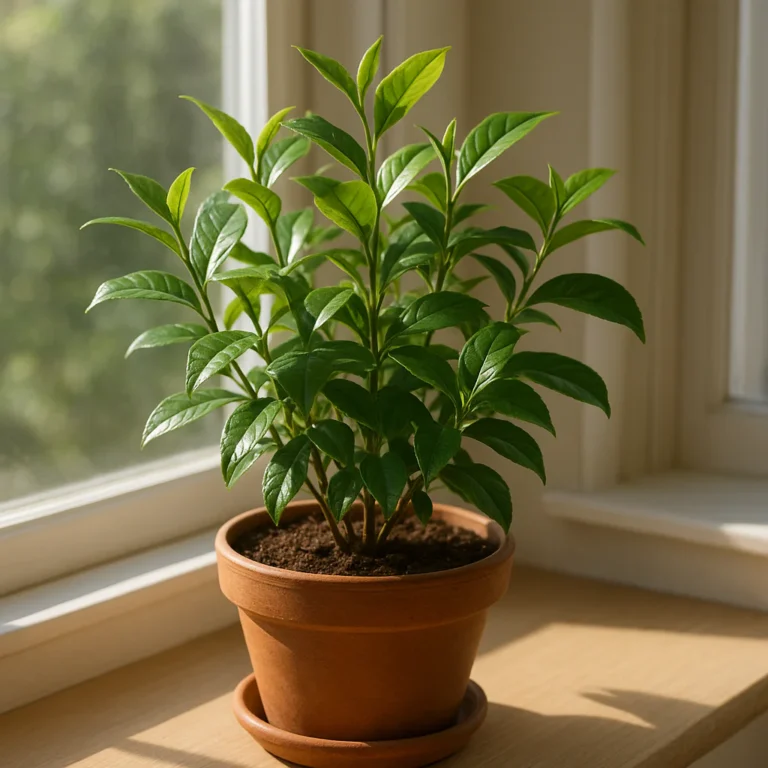
Ever wondered if you can turn your sunny balcony into a mini tea plantation? The answer is a resounding yes! While the legendary Monty Don might have his own gardening tips for April, we’re diving deeper into the specific alchemy required to keep Camellia sinensis thriving in a pot. Many beginners assume tea plants need acres of land, but the truth is, with the right acidic soil mix and a little patience, you can harvest your own organic green or black tea right from your living room window.
Here’s the secret most gardeners miss: soil pH is everything. If you grab a bag of generic poting soil, your tea plant will likely sulk, turning yellow and refusing to grow. In this guide, we reveal the exact peat, pine bark, and perlite recipe that mimics the misty Himalayan forests where tea was born. We’ll also share the shocking reason why your tap water might be killing your plant and how to transition it from indoors to outdoors without a single leaf scorching. Ready to brew your first cup of homegrown tea? Let’s get planting!
Key Takeaways
- ✅ Yes, you can grow tea in containers! Camellia sinensis thrives in pots as long as you manage root space and provide excellent drainage.
- 🧪 The Soil Mix is Critical: Standard garden soil is a death sentence. You need a highly acidic mix (pH 5.0–6.5) rich in peat moss, pine bark fines, and perlite.
- 💧 Water Quality Matters: Chlorine and fluoride in tap water can stunt growth; rainwater or filtered water is preferred.
- 🌱 Patience Pays Off: It takes 2–3 years for a plant to mature enough for a proper harvest, but the journey is incredibly rewarding.
- ❄️ Seasonal Movement: Most varieties need to be moved indors when temperatures drop below 40°F (4°C) to survive winter.
Table of Contents
- ⚡️ Quick Tips and Facts
- 📜 A Brief History of the Camellia sinensis: From Ancient Forests to Your Balcony
- 🌱 Can You Really Grow Tea Plants in Containers? The Definitive Answer
- 🏺 Choosing the Perfect Pot: Size, Material, and Drainage Essentials
- 🧪 The Ultimate Guide to the Best Soil Mix for Potted Tea Plants
- 1. The Acidic pH Requirement: Why Your Tea Hates Alkaline Soil
- 2. The Ideal Soil Composition: Peat, Perlite, and Pine Bark
- 3. DIY vs. Store-Bought: Crafting Your Own Acidic Blend
- 4. Common Soil Mistakes That Will Kill Your Tea Plant
- 💧 Watering Wisdom: Hydration Strategies for Container-Grown Tea
- ☀️ Light and Temperature: Finding the Sunny Spot for Your Camellia
- ✂️ Pruning and Harvesting: How to Shape Your Plant and Brew Your First Cup
- ❄️ Winterizing Your Tea Plant: Protecting Potted Camellias from Frost
- 🐛 Pests and Diseases: Keeping Your Container Tea Healthy and Thriving
- 🌿 Top 5 Tea Plant Varieties Best Suited for Container Gardening
- 🚀 How to Grow Tea Pt. 2: Transitioning from Indoor to Outdoor Living
- 🧠 Expert Insights: Lessons Learned from Years of Growing Tea in Pots
- ✅ Conclusion
- 🔗 Recommended Links
- ❓ FAQ: Frequently Asked Questions About Growing Tea in Containers
- 📚 Reference Links
⚡️ Quick Tips and Facts
Before we dive into the nitty-gritty of soil chemistry and pot dimensions, let’s hit the ground running with some non-negotiable truths about growing Camellia sinensis in a pot. If you remember nothing else from this article, remember these golden rules:
- Acidity is King: Your tea plant will refuse to thrive in alkaline soil. We’re talking a pH between 5.0 and 6.5. Anything higher, and you’re basically serving your plant a plate of rocks.
- Drainage or Death: Tea roots hate “wet feet.” If your pot doesn’t have holes, you don’t have a garden; you have a swamp. And in a swamp, roots rot.
- Size Matters: Don’t start with a 50-gallon tub for a 6-inch seedling. It’s a recipe for root rot. Upsize gradually.
- The “Tea” Misconception: Just because you grow the plant doesn’t mean you can brew a cup tomorrow. It takes 2–3 years for a plant to mature enough for a proper harvest. Patience is the first ingredient!
- Indoor/Outdoor Dance: In most climates, your tea plant is a seasonal dancer. It loves the outdoors in summer but needs a cozy, frost-free retreat indoors in winter.
For those of you wondering about the foundation of all this, we’ve got a deep dive on the specific soil composition you need right here: What kind of soil is best for growing tea?.
📜 A Brief History of the Camellia sinensis: From Ancient Forests to Your Balcony

You might think growing tea is a modern trend, but Camellia sinensis has been the star of the show for thousands of years. Legend has it that in 2737 BC, the Chinese Emperor Shen Nung was boiling water under a wild tea tree when a few leaves drifted into his pot. The result? The world’s first cup of tea. 🍵
Originally native to the Himalayan foothills and the border regions of China, India, and Myanmar, these plants evolved in acidic, forest-floor soils rich in organic matter. They are hardy evergreens that can grow into massive trees (up to 30 feet!) in the wild.
But here is the plot twist: They are incredibly adaptable.
While they prefer the misty mountains of Assam or the cool slopes of Fujian, they have proven they can thrive in a 10-gallon pot on your New York balcony or a sunny corner in London. The key is mimicking their ancestral environment: acidic, well-draining soil and high humidity.
“The tea plant is not just a crop; it’s a survivor. Whether in the wild or in a pot, it just wants to be understood.” — Growing Teas™ Team
🌱 Can You Really Grow Tea Plants in Containers? The Definitive Answer
Short answer: Yes, absolutely! 🎉
Long answer: It requires a bit more finese than growing a succulent, but it is entirely possible and incredibly rewarding.
Many beginners ask, “Will my tea plant die if it’s in a pot?” The answer is no, provided you respect its root system. In the ground, a tea plant’s roots can spread 3–4 feet deep. In a container, they are confined. This confinement actually limits the plant’s size, making it perfect for small spaces, but it means you must be diligent about watering and fertilizing.
Why Choose Containers?
- Climate Control: You can move the plant to shelter during frost or extreme heat.
- Space Efficiency: Perfect for apartments, patios, and small urban gardens.
- Soil Precision: You have 10% control over the soil pH and texture, which is crucial for Camellia sinensis.
The Challenge
The biggest hurdle is root binding. If you ignore your plant for a few years, it will become root-bound, leading to stunted growth and yellowing leaves. But don’t worry, we’ll cover exactly how to manage this in the “Pruning and Harvesting” section.
🏺 Choosing the Perfect Pot: Size, Material, and Drainage Essentials
Not all pots are created equal. Choosing the wrong vessel is like putting a Ferrari engine in a go-kart; the plant just won’t perform.
Material Showdown
| Material | Pros | Cons | Verdict |
|---|---|---|---|
| Plastic (Poly) | Lightweight, retains moisture well, easy to move indoors. | Can degrade in UV light, may look less “natural.” | ✅ Best for beginners and frequent movers. |
| Terracotta/Clay | Breathable, prevents overwatering, classic look. | Heavy, dries out very fast, can crack in frost. | ❌ Risky for tea plants (they hate drying out). |
| Ceramic (Glazed) | Beautiful, retains moisture better than terracotta. | Heavy, expensive, often lacks drainage holes. | ⚠️ Use with caution; ensure holes exist. |
| Fabric Pots | Excellent aeration, prevents root circling. | Dries out extremely fast, requires daily watering. | ⚠️ Advanced only; great for root health but high maintenance. |
Size and Shape
According to our experience and aligned with advice from tea enthusiasts, the pot should be twice the size of the current root ball.
- Depth: Tea plants have a taproot. Choose a pot that is 1.5 times deeper than it is wide.
- Drainage: This is non-negotiable. If your pot doesn’t have holes, drill them! Or, use a saucer to catch excess water, but never let the pot sit in it.
Pro Tip: If you plan to move the plant indoors for winter, plastic is your friend. A 15-gallon terracotta pot is a back-breaking nightmare to haul up stairs.
👉 Shop for the perfect pots on:
🧪 The Ultimate Guide to the Best Soil Mix for Potted Tea Plants
Here is the million-dollar question: What soil mix is best?
If you grab a bag of generic “all-purpose poting soil” from the hardware store, you are likely setting your plant up for failure. Most commercial soils are neutral (pH 7.0) or even slightly alkaline. Camellia sinensis is an acid-loving plant, much like azaleas, blueberries, and rhodendrons.
The Golden Rule: pH 5.0 – 6.5
If your soil pH is above 6.5, the plant cannot absorb nutrients like iron and manganese, leading to chlorosis (yellow leaves with green veins).
1. The Acidic pH Requirement: Why Your Tea Hates Alkaline Soil
Tea plants evolved in acidic forest soils. In alkaline conditions, the chemical bonds in the soil lock away essential nutrients. You can feed your plant all the fertilizer in the world, but if the pH is wrong, the plant starves.
How to Test:
Use a simple soil pH meter (available at any garden center) or a test kit. If the reading is above 6.5, you need to amend it immediately.
2. The Ideal Soil Composition: Peat, Perlite, and Pine Bark
A perfect tea plant soil mix is airy, acidic, and moisture-retentive but well-draining. We recommend a blend of:
- 50% Peat Moss or Coco Coir: Provides acidity and moisture retention.
- 30% Pine Bark Fines: Adds structure and mimics forest floor debris.
- 20% Perlite or Coarse Sand: Ensures drainage so roots don’t rot.
Why this works:
- Peat Moss: Lowers pH naturally.
- Pine Bark: Prevents compaction and feeds the plant slowly as it breaks down.
- Perlite: Creates air pockets for oxygen.
3. DIY vs. Store-Bought: Crafting Your Own Acidic Blend
You can buy pre-mixed “Azalea/Camellia soil” (which is perfect for tea), but making your own is often cheaper and more customizable.
The “Growing Teas™” Secret Recipe:
- Mix 2 parts Peat Moss (ensure it’s not the “garden soil” type, but the compressed brick or baged moss).
- Add 1 part Pine Bark Fines (often sold as mulch orchid mix).
- Add 1 part Perlite.
- Optional: Add a handful of Sulfur if your local water is very alkaline.
Store-Bought Alternatives:
If you don’t want to mix, look for these specific brands:
- Espoma Organic Camellia, Azalea & Rhodendron Poting Mix: Specifically formulated for acid-loving plants.
- Miracle-Gro Acid Loving Plant Poting Mix: A reliable, widely available option.
👉 Shop for Soil Mixes on:
- Amazon: Search for “Espoma Camellia Poting Mix”
- Amazon: Search for “Miracle-Gro Acid Loving Plant Mix”
4. Common Soil Mistakes That Will Kill Your Tea Plant
- ❌ Using Garden Soil: It compacts in pots, suffocating roots.
- ❌ Ignoring pH: Assuming “good soil” is enough. It’s not.
- ❌ Over-amending with Lime: Lime raises pH. Never add lime to tea soil!
- ❌ Using Sand that is too fine: Fine sand acts like concrete. Use coarse sand or perlite.
For more on the science of soil, check out our guide on Organic Farming Techniques.
💧 Watering Wisdom: Hydration Strategies for Container-Grown Tea
Watering a potted tea plant is a balancing act. Too little, and the leaves curl and brown. Too much, and the roots rot.
The “Finger Test” is Your Best Friend
Don’t water on a schedule (e.g., “every Monday”). Water based on soil moisture.
- Stick your finger 1–2 inches into the soil.
- If it feels dry, water thoroughly.
- If it feels damp, wait.
Water Quality Matters
Tea plants are sensitive to chlorine and fluoride found in tap water.
- Best: Rainwater (naturally acidic and pure).
- Good: Filtered water or distilled water.
- Okay: Tap water, but let it sit in an open container for 24 hours to let chlorine evaporate.
Seasonal Adjustments
- Summer: Water daily or every other day. The pot dries out fast in the sun.
- Winter: Reduce watering significantly. The plant is dormant and needs less moisture.
Did you know? In our Green Tea Cultivation category, we discuss how water stress can actually alter the flavor profile of the leaves, making them more bitter!
☀️ Light and Temperature: Finding the Sunny Spot for Your Camellia
Tea plants are sun-worshippers, but they have a temperamental side.
Light Requirements
- Ideal: 4–6 hours of direct sunlight per day.
- Afternoon Shade: In extremely hot climates (Zone 9+), provide shade during the hottest part of the day (3 PM – 6 PM) to prevent leaf scorch.
- Indoor Lighting: If growing indoors, place near a south-facing window. If the leaves look pale, they need more light.
Temperature Tolerance
- Optimal: 60°F – 80°F (15°C – 27°C).
- Cold Hardiness: Mature plants can survive brief dips to 20°F (-6°C), but potted plants are more vulnerable.
- Frost Warning: If temperatures drop below 32°F (0°C), bring the plant indoors immediately. The roots in a pot freeze much faster than roots in the ground.
✂️ Pruning and Harvesting: How to Shape Your Plant and Brew Your First Cup
You’ve got the soil, the pot, and the water. Now, how do you get tea?
Pruning for Shape
Tea plants naturally grow as bushes or small trees. To keep them container-friendly:
- Pinch the tips: When the plant is young, pinch off the top set of leaves. This encourages lateral branching, making the bush fuller.
- Annual Trim: In early spring, trim back legy branches to maintain a compact shape.
The Harvest
- Wait: Do not harvest until the plant is 2–3 years old.
- What to pick: Look for the top two leaves and a bud. This is the “flush” used for high-quality green and white teas.
- Processing:
- Wilt: Leave leaves in a cool, shaded area for a few hours.
- Roll: Gently roll the leaves to break cell walls.
- Dry: Bake at low heat (20°F) until crisp.
- Step: Enjoy your homemade green tea!
For a deep dive into the health benefits of your homegrown brew, visit our Health Benefits of Tea section.
❄️ Winterizing Your Tea Plant: Protecting Potted Camellias from Frost
This is the make-or-break moment for container growers.
- Move Indors: Before the first frost, move the plant to a cool, bright room (50°F–60°F).
- Aclimate: Don’t just throw it inside. Gradually reduce light and water over a week.
- Humidity: Indoor air is dry. Mist the leaves or use a pebble tray with water to increase humidity.
- Dormancy: The plant may drop some leaves. This is normal! Don’t panic and over-water.
🐛 Pests and Diseases: Keeping Your Container Tea Healthy and Thriving
Even in a pot, pests can strike.
- Spider Mites: Common indoors. Look for fine webing. Treat with nem oil or insecticidal soap.
- Aphids: Green or black bugs on new growth. Blast them off with water or use insecticidal soap.
- Root Rot: Caused by overwatering. If the plant wilts despite wet soil, check the roots. Trim black/mushy roots and repot in fresh, dry soil.
Prevention: Regular inspection is key. A healthy plant is less susceptible to pests.
🌿 Top 5 Tea Plant Varieties Best Suited for Container Gardening
Not all Camellia sinensis are created equal. Some are better suited for pots than others.
-
Camellia sinensis var. sinensis (China Bush):
Why: Smaller leaves, naturally bushier, more cold-hardy.
Best For: Green and White teas.
Verdict: ✅ Top Choice for containers. -
Camellia sinensis var. assamica (Assam Bush):
Why: Larger leaves, grows taller, loves heat.
Best For: Black teas.
Verdict: ⚠️ Needs a larger pot and more space. -
Camellia sinensis ‘Kucha’:
Why: A dwarf variety, perfect for small spaces.
Best For: Ornamental and tea production.
Verdict: ✅ Excellent for small balconies. -
Camellia sinensis ‘Yabukita’:
Why: Famous Japanese variety, very productive.
Best For: Matcha and Sencha.
Verdict: ✅ Great for enthusiasts. -
Camellia sinensis ‘Bai Mu Dan’ (White Peony):
Why: Grown specifically for white tea, elegant growth habit.
Best For: White tea lovers.
Verdict: ✅ Beautiful and productive.
🚀 How to Grow Tea Pt. 2: Transitioning from Inside to Outside
Wait, didn’t we just talk about moving them inside? Yes, but the transition out is just as critical.
If you rush your plant from a cozy 60°F living room to a blazing 90°F patio, it will suffer sun shock. The leaves will scorch and turn brown.
The Hardening Off Process (7 Days):
- Day 1-2: Place outside in shade for 2 hours. Bring in.
- Day 3-4: Place in dappled light for 4 hours. Bring in.
- Day 5-6: Place in morning sun (afternoon shade) for 6 hours. Bring in.
- Day 7: Leave outside overnight if temps are safe (above 40°F).
This gradual aclimation is the secret to a thriving outdoor tea plant.
🧠 Expert Insights: Lessons Learned from Years of Growing Tea in Pots
At Growing Teas™, we’ve seen it all. Here are a few “aha!” moments from our team:
- The “Yellow Leaf” Panic: Beginners often see yellow leaves and think “I need more fertilizer!” Usually, it’s pH imbalance or overwatering. Check the soil first!
- The Size Myth: You don’t need a huge plant to make tea. A 2-foot bush can produce enough leaves for a cup a day if pruned correctly.
- The Pollinator Party: Tea plants produce beautiful, fragrant white flowers in the fall. They are a magnet for bees and butterflies. Don’t be afraid to let them bloom!
“Growing tea in a pot isn’t just about the harvest; it’s about the journey. It’s about learning the rhythm of a plant that has fed empires for millennia.” — Senior Grower, Growing Teas™
✅ Conclusion

So, can you grow tea plants in containers? Absolutely. With the right acidic soil mix, a pot with excellent drainage, and a bit of patience, you can transform your balcony or windowsill into a mini tea plantation.
The secret lies in mimicking the forest floor: acidic, airy, and moist but never sogy. Whether you choose the hardy sinensis variety for green tea or the robust assamica for black tea, the journey from seed to cup is one of the most rewarding gardening experiences you can have.
Remember, don’t rush. It takes time for the plant to mature, but the first sip of tea you brew from your own leaves? That’s a taste of pure magic. 🍵✨
🔗 Recommended Links
Ready to start your journey? Here are the essential tools and resources we recommend:
- Soil Mixes:
Espoma Organic Camellia, Azalea & Rhodendron Poting Mix: Amazon | Espoma Official
Miracle-Gro Acid Loving Plant Poting Mix: Amazon - Planters:
Large Plastic Planters with Drainage: Amazon | Walmart - Tea Plant Seeds/Starts:
Camellia sinensis Seeds: Etsy | Amazon - Books:
“The Tea Plant: A Guide to Growing and Harvesting Your Own Tea” by Sarah K.: Amazon
“Tea: A History of the Leaf” by Andrew Macdonald: Amazon
❓ FAQ: Frequently Asked Questions About Growing Tea in Containers

What is the best pot size for growing tea plants in containers?
H4: Start Small, Grow Big
For a young seedling (under 1 year), a 1-gallon to 3-gallon pot is sufficient. As the plant grows, move it to a 5-gallon pot, and eventually, a 10-15 gallon pot for a mature bush.
- Why? A pot that is too large holds too much water, leading to root rot. A pot that is too small restricts growth.
- Rule of Thumb: Repot when the roots start circling the bottom of the current pot.
Read more about “Growing Teas 🌿: 12 Expert Tips to Cultivate Your Perfect Brew (2026)”
How often should I water a tea plant grown in a pot?
H4: The “Finger Test” Rule
There is no fixed schedule. Water when the top 1–2 inches of soil feel dry.
- Summer: May need daily watering.
- Winter: May need watering only once a week or less.
- Warning: Never let the pot sit in a saucer of standing water.
Read more about “🌱 15 Best Green Tea Plants for Sale (2026): Grow Your Own Cup”
Can I grow tea plants indoors in containers year-round?
H4: Yes, but with caveats
You can grow them indoors year-round, but they need:
- Bright Light: A south-facing window or a grow light for 6+ hours.
- Humidity: Indoor air is often too dry. Use a humidifier or pebble tray.
- Temperature: Keep them cool (50°F–60°F) in winter to simulate dormancy.
- Note: Plants grown indoors may produce fewer leaves than those grown outdoors in the summer.
Read more about “💧 How Often to Water Tea Plants: 10 Golden Rules (2026)”
What fertilizer is best for container-grown tea bushes?
H4: Acid-Loving Plant Food
Use a fertilizer specifically formulated for acid-loving plants (like azaleas, camellias, and rhodendrons).
- NPK Ratio: Look for a balanced ratio like 10-10-10 or one slightly higher in nitrogen (e.g., 12-6-6) for leafy growth.
- Organic Options: Fish emulsion or composted pine bark are excellent choices.
- Frequency: Feed every 4–6 weeks during the growing season (spring/summer). Stop fertilizing in late fall.
📚 Reference Links
- Growing Teas™: Green Tea Cultivation
- Growing Teas™: Herbal Tea Planting
- Growing Teas™: Organic Farming Techniques
- Growing Teas™: Health Benefits of Tea
- Growing Teas™: Fertilizers for Tea Plants
- Monty Don: April 2020 – Tips and Advice
- Tea Happiness: How to Grow Tea Pt. 2: From Inside to Outside
- Allotment Notes: Comfrey Tea Recipe
- University of California Agriculture: Camellia sinensis Growing Guide (General reference for Camellia care)
- Royal Horticultural Society: Growing Tea Plants