Support our educational content for free when you purchase through links on our site. Learn more
🌱 7 Best Fertilizers for Tea Plants (2026)

Ever wonder why your tea bush looks more like a sad shrub than a lush, harvest-ready giant? You might be feeding it the wrong meal! At Growing Teas™, we’ve seen it all: from vibrant, emerald-green flushes that yield the perfect cup to pale, stunted leaves that refuse to grow. The secret isn’t just water and sun; it’s the perfect fertilizer formula tailored specifically for the acid-loving Camellia sinensis.
In this comprehensive guide, we’re pulling back the curtain on exactly what type of fertilizer is recommended for tea plants to promote healthy growth. We’ll dive deep into the science of N-P-K ratios, debunk the myth that “more is better,” and reveal our top 7 tested-and-trusted products that have transformed our own gardens. Whether you’re a seasoned horticulturist or just planting your first potted tea bush, you’ll discover why organic, slow-release options often outshine synthetic quick-fixes, and how to avoid the dreaded “fertilizer burn” that can kill your plant in days.
Ready to unlock the secret to the most flavorful, abundant tea harvest of your life? Keep reading to find out which fertilizer reigns supreme and how to apply it like a pro!
Key Takeaways
- Acidity is Non-Negotiable: Tea plants demand acidic soil (pH 4.5–6.0); without it, even the best fertilizer won’t be absorbed.
- Nitrogen is the Leaf Engine: For lush, harvestable foliage, look for fertilizers with a high nitrogen (N) content, ideally in a 3-1-2 or 2-1-1 ratio.
- Organic Wins Long-Term: While synthetics offer a quick boost, organic fertilizers build soil health, prevent burn, and provide sustained nutrition.
- Timing Matters: Feed heavily in early spring for the first flush, taper off in summer, and stop nitrogen in fall to prepare for winter.
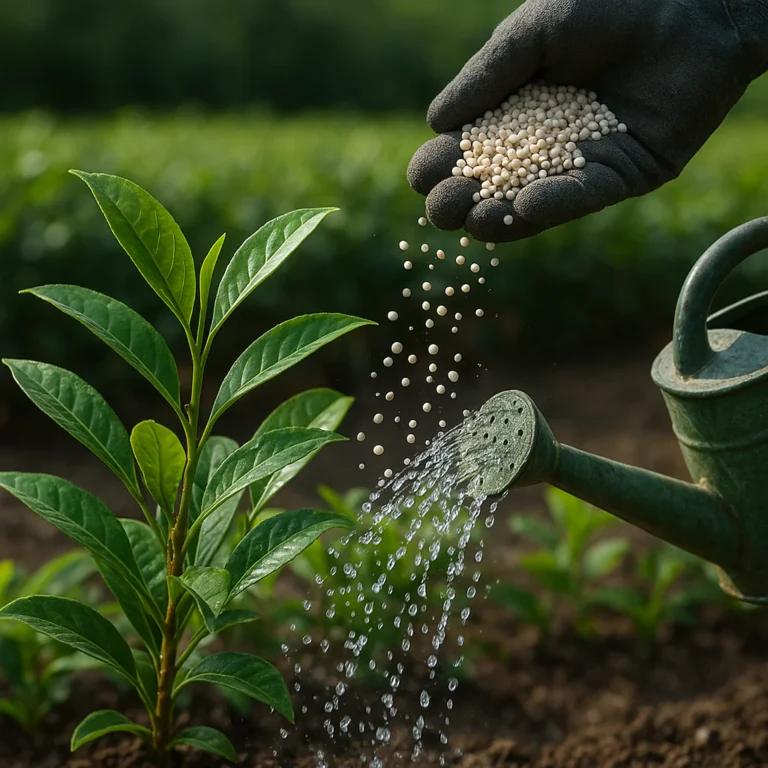
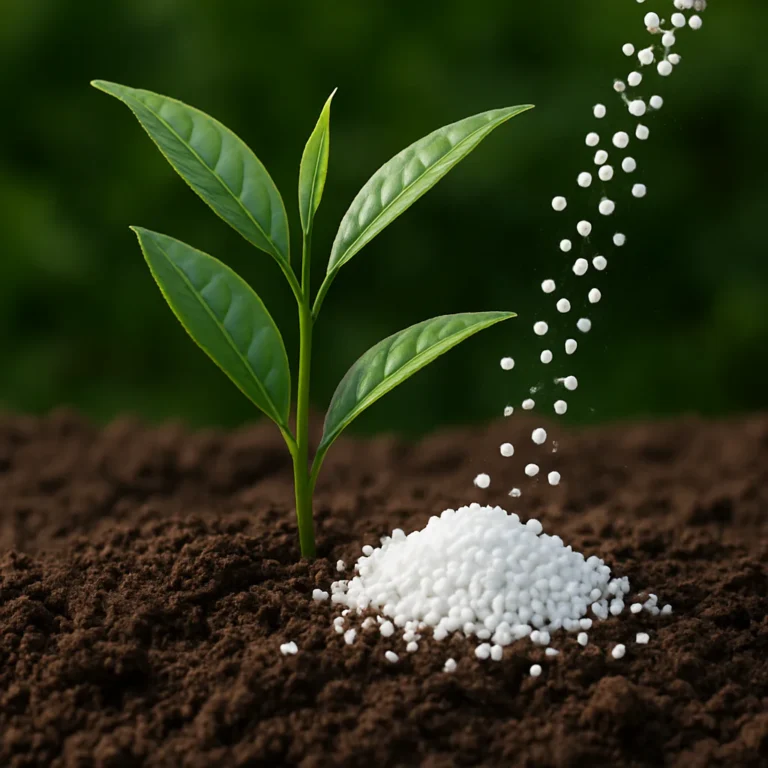
- Avoid the Burn: Always apply granular fertilizer around the drip line, never at the stem, and water thoroughly immediately after application.
Table of Contents
- ⚡️ Quick Tips and Facts
- 🌱 The Ancient Roots of Tea Cultivation: A Brief History
- 🧪 Decoding Soil Acidity: Why pH Matters More Than You Think
- 🍂 The Nitrogen Powerhouse: Selecting the Best Nitrogen-Rich Fertilizers for Lush Leaves
- 🔬 Understanding N-P-K Ratios: The Secret Formula for Camellia sinensis
- 🌿 Organic vs. Synthetic: Which Fertilizer Type Reigns Supreme for Tea Plants?
- 🏆 Top 7 Fertilizers We Swear By for Thriving Tea Bushes
- 📅 Seasonal Feding Schedule: When to Fertilize for Maximum Growth
- 💧 Application Techniques: How to Feed Your Tea Plants Without Burning Roots
- 🚫 Common Fertilizer Mistakes That Stunt Your Tea Harvest
- 🌍 Companion Planting and Soil Amendments for Natural Fertility
- 🔍 Troubleshooting: Diagnosing Nutrient Deficiencies in Tea Leaves
- 🌱 Growing Tea in Containers: Special Fertilizer Needs for Potted Plants
- 🌏 Global Tea Regions: How Local Soil Conditions Influence Fertilizer Choices
- 📊 Comparison Table: Organic vs. Synthetic Fertilizers for Tea
- 🎓 Expert Insights: Lessons from Decades of Tea Farming
- ✅ Conclusion
- 🔗 Recommended Links
- ❓ FAQ
- 📚 Reference Links
⚡️ Quick Tips and Facts
Welcome, fellow tea enthusiasts! Here at Growing Teas
™, we’ve spent decades coaxing the finest flavors from Camellia sinensis, and if there’s one secret we’ve learned, it’s this: happy soil equals happy tea plants. Just like us, your
tea bushes need a balanced diet to thrive, producing those lush, vibrant leaves we all adore. But what exactly does that diet look like? Stick with us, and we’ll unravel the mysteries of tea plant nutrition, ensuring your homegrown brew
is nothing short of spectacular!
Here are some rapid-fire facts to get you started:
- Acid-Loving Plants: Tea plants absolutely adore acidic soil, ideally with a pH between **4.5 and 6.0
**. This is crucial for nutrient uptake! - Nitrogen is King (for leaves): For that abundant, leafy growth perfect for plucking, nitrogen (N) is your best friend.
- Slow and
Steady Wins the Race: Opt for slow-release fertilizers to provide a consistent nutrient supply and prevent root burn. - Organic is Often Optimal: While synthetic options exist, we often lean towards organic fertilizers for their long-term soil
health benefits. - Don’t Overdo It: More isn’t always better! Over-fertilizing can harm your plants and even reduce yield.
🌱 The Ancient Roots of Tea Cultivation: A Brief History

Imagine ancient China, thousands of years ago, where the first tea leaves were steeped. Even then, early cultivators instinctively understood the connection between robust plants and rich soil. While they didn’t have N-P-K ratios or pH meters, they observed
which soils yielded the most vigorous tea bushes and which amendments, like ash or composted plant matter, seemed to invigorate growth. Tea cultivation, a tradition stretching back millennia, has always been intertwined with nurturing the earth. From the misty mountains of
Yunnan to the sprawling estates of Assam, the quest for optimal soil conditions and plant nutrition has been a continuous journey, evolving from ancient wisdom to modern science. We, at Growing Teas™, stand on the shoulders of these early pioneers, constantly
refining our approach to bring you the best practices.
🧪 Decoding Soil Acidity: Why pH Matters More Than You Think
If your tea plants could talk, their first request would probably be for a soil pH test! Seriously, the ac
idity of your soil is the single most critical factor determining how well your Camellia sinensis can absorb the nutrients you provide. Tea plants are notoriously acid-loving, thriving in a pH range of 4.5 to 6
.0. Venture outside this sweet spot, and even the most expensive fertilizer will be largely ineffective. Why? Because pH directly influences the availability of essential nutrients. In overly alkaline soil, vital micronutrients like iron and
manganese become “locked up,” inaccessible to your plant’s roots, leading to deficiencies and stunted growth.
We’ve seen countless growers scratch their heads over yellowing leaves, only to discover their soil was far too alkaline. It’s a common
pitfall! To understand more about the ideal growing medium, you might want to check out our article on What kind of soil is best for growing tea?.
How to Test Your Soil pH
Testing your soil’s pH is straightforward and a non-negotiable step in successful tea cultivation.
- Soil
Test Kit: You can purchase inexpensive pH test kits from garden centers or online. These often involve mixing a soil sample with water and comparing the color change to a chart. - Digital pH Meter: For more precise readings, a digital pH
meter is a worthwhile investment. We recommend brands like Apera Instruments or Hanna Instruments for reliable results. - Professional Soil Analysis: For a comprehensive understanding of your soil’s composition, including nutrient levels and
pH, consider sending a sample to a local agricultural extension office or a private lab. This provides the most detailed insights.
Adjusting Soil pH for Optimal Tea Growth
If your soil isn’t within the ideal acidic range, don
‘t despair! You can amend it.
- To Lower pH (Make it more acidic):
- Elemental Sulfur: This is a slow but effective method. Soil microbes convert sulfur into sulfuric acid, gradually lowering the
pH. Apply according to package directions, as too much can cause a rapid, harmful drop. - Sphagnum Peat Moss: Incorporating peat moss into your soil mix can help acidify it.
Aluminum Sulfate or Iron Sulfate:** These can provide a quicker pH drop but should be used cautiously to avoid aluminum toxicity.
-
Organic Amendments: Coffee grounds (in moderation), pine needles, and composted oak leaves can contribute to acidity
over time. -
To Raise pH (Make it less acidic – less common for tea plants):
-
Agricultural Lime: If your soil is too acidic (rare for tea, but possible), dolom
itic or calcitic lime can raise the pH.
Table: Ideal pH Range and Nutrient Availability for Tea Plants
| Nutrient | Optimal pH Range for Availability | Role in Tea Plant Growth
The nitrogen content in fertilizer is paramount for tea
plants, as it directly fuels the vigorous vegetative growth that produces the prized tea leaves. Nitrogen is a fundamental component of chlorophyll, the pigment responsible for photosynthesis, and is essential for protein synthesis and enzyme activity within the plant. Without sufficient nitrogen, tea leaves appear pale, small, and the overall yield diminishes significantly.
When selecting nitrogen-rich fertilizers, we at Growing Teas™ look for forms that are readily available to the plant yet offer sustained release.
Popular Nitrogen Sources for Tea Plants:
- Urea (46-0-0): A highly concentrated nitrogen source, urea is widely used in commercial tea cultivation. It’s quickly converted in the soil to ammonium
and then nitrate, both forms readily absorbed by tea plants. However, it requires careful application to avoid nitrogen burn and can be prone to volatilization losses if not incorporated into the soil or watered in promptly. - Pros: High
nitrogen content, cost-effective. - Cons: Can cause burn if over-applied, prone to loss through volatilization.
- Ammonium Sulfate (21-0-0): This nitrogen source has
the added benefit of being acidifying, which is excellent for maintaining the ideal soil pH for tea plants. The nitrogen is in the ammonium form, which is less prone to leaching than nitrate. - Pros: Acidifying effect,
less leaching than nitrate forms. - Cons: Lower nitrogen concentration than urea, can still cause burn.
- Composted Manure/Organic Matter: While lower in immediate nitrogen concentration, well-composted animal
manures (like cow or chicken) and other organic materials provide a slow-release source of nitrogen, along with a wealth of other micronutrients and beneficial microbes. They also significantly improve soil structure and water retention. - Pros: Slow-
release, improves soil health, provides micronutrients. - Cons: Lower immediate nitrogen, can be bulky, quality varies.
- Blood Meal (12-0-0): A fast-acting organic nitrogen source derived
from animal blood. It’s excellent for a quick boost of nitrogen and is also acidifying. - Pros: Organic, fast-acting nitrogen, acidifying.
- Cons: Can attract pests, strong
odor, more expensive per unit of nitrogen.
Our Anecdote: “I remember one season, early in my career, we were experimenting with a new, high-nitrogen synthetic fertilizer. We were so excited about the potential for massive
flushes. But we got a little too enthusiastic with the application rate. The leaves turned a sickly yellow-brown, and the plant looked utterly miserable. It was a harsh lesson in moderation and understanding that even good things,
in excess, can be detrimental. We quickly switched to a more balanced, slower-release approach, and the plants eventually recovered, but it set us back weeks!”
🔬 Understanding N-P-K Ratios: The Secret Formula for Cam
ellia sinensis
Ah, the mysterious N-P-K! You’ve probably seen these three letters prominently displayed on every fertilizer bag. They stand for Nitrogen (N), Phosphorus (P), and Potassium
(K) – the three macronutrients most vital for plant growth. Think of them as the primary food groups for your tea plants, each playing a distinct, crucial role.
-
Nitrogen (N): The Leafy Green
Machine 🌿 -
As we just discussed, nitrogen is the engine for vegetative growth. It’s what makes those tea leaves lush, green, and abundant. Without enough N, your tea plants will look pale,
stunted, and your harvest will be meager. -
Phosphorus (P): The Root and Bloom Builder 💪
-
While tea plants aren’t primarily grown for their flowers, phosphorus is essential for strong root development,
energy transfer, and overall plant vigor. A robust root system is the foundation for a healthy, productive tea bush. It also plays a role in disease resistance. -
Potassium (K): The All-Around Health Booster ✨
-
Potassium is the unsung hero, contributing to the plant’s overall health, stress tolerance, and disease resistance. It helps regulate water uptake, strengthens cell walls, and improves the plant’s ability to withstand environmental stresses like
drought or cold. It’s crucial for the quality and flavor of the tea leaves.
The Ideal N-P-K Ratio for Tea Plants
For Camellia sinensis, the emphasis is heavily on nitrogen, especially for young
, actively growing plants and during periods of flushing (new leaf growth). However, a balanced approach is key to long-term plant health and productivity.
For young tea plants and during periods of active growth, a higher nitrogen ratio
is beneficial. We often recommend a ratio like 3-1-2 or 2-1-1. As plants mature and establish, the balance can shift slightly.
For mature tea plants, particularly those in commercial production, the
N:K ratio becomes incredibly important. We’ve learned from global experts that a 2:1 to 3:2 Nitrogen to Potassium ratio is generally recommended for mature tea plants. This ensures continued vigorous leaf production while bolstering the plant’s
resilience.
Interestingly, the first YouTube video we’ve embedded for you (you can find it in the featured video section later in this article) discusses the specific fertilizer recommendations for mature tea plants in Sri Lanka.
It highlights popular blends like U 709, U 834, and T 1240, emphasizing their N, P, K, S, and Mg content. The video underscores the importance of a
balanced N:K ratio, aligning with our own findings.
Table: N-P-K Roles and Deficiency Symptoms in Tea Plants
| Nutrient | Primary Role | Deficiency Symptoms
We’ve all been there, staring at a bag of fertilizer, utterly bewildered by the cryptic numbers and claims. But fear not, fellow tea enthusiasts! At Growing Teas™, we’ve spent decades sifting through the
science and getting our hands dirty to bring you the definitive guide to nourishing your Camellia sinensis for optimal health and, most importantly, delicious tea. Forget the guesswork; we’re here to share our tried-and-true
secrets, balancing expert advice with a dash of wit and a sprinkle of personal anecdotes. So, grab a cuppa (preferably your own homegrown brew!), and let’s dive into the wonderful world of tea plant nutrition!
🌿 Organic vs.
Synthetic: Which Fertilizer Type Reigns Supreme for Tea Plants?
This is a debate as old as gardening itself, and for tea plants, it’s a particularly crucial one. Do you go for the quick, potent punch of synthetic fertilizers,
or the slow, steady embrace of organic options? At Growing Teas™, we’ve experimented extensively with both, and while there are merits to each, our hearts (and our tea plants!) lean heavily towards the organic approach for long-term
health and sustainable growth.
The Case for Organic Fertilizers 🌱
Organic fertilizers, derived from natural sources like compost, manure, bone meal, and plant extracts, work with your soil, not just on it. They feed the vast ecosystem of beneficial
microorganisms that, in turn, make nutrients available to your tea plants over time.
Benefits of Organic Fertilizers:
-
Slow-Release Nutrient Delivery: This is a huge win for tea plants! Organic fertilizers break down gradually
, providing a consistent, gentle supply of nutrients. This minimizes the risk of nutrient burn – a common issue with synthetic products. -
Improved Soil Structure and Health: Organic matter enhances soil aeration, water retention, and drainage
. It builds healthy, living soil, which is the foundation for resilient tea bushes. This aligns perfectly with our philosophy of Organic Farming Techniques. -
Reduced Leaching: Nutrients from organic sources are less likely to wash away with irrigation or rain, meaning more stays in the root zone where your tea plants can access it.
-
Micronutrient Richness: Beyond
N-P-K, organic fertilizers often contain a wide spectrum of essential micronutrients that synthetic fertilizers typically lack. -
Environmental Friendliness: Generally, organic fertilizers have a lower environmental impact, reducing chemical runoff and supporting biodiversity.
**
Drawbacks of Organic Fertilizers:**
- Slower Initial Response: If your tea plant has a severe deficiency, an organic fertilizer might take longer to show noticeable results compared to a synthetic one.
- Variable Nutrient Content
: The exact N-P-K ratio and micronutrient profile can vary between batches of organic fertilizers, making precise nutrient management a bit trickier. - Odor: Some organic fertilizers, especially fresh manures, can have a
strong odor, which might be a consideration for indoor or close-to-home outdoor growing.
The Case for Synthetic Fertilizers 🧪
Synthetic fertilizers are chemically manufactured and designed to deliver specific, precise amounts of N-P-K
and sometimes micronutrients. They are often fast-acting and highly concentrated.
Benefits of Synthetic Fertilizers:
- Rapid Nutrient Availability: When your tea plant needs a quick boost, synthetic fertilizers can deliver nutrients almost immediately, making
them useful for correcting acute deficiencies. - Precise N-P-K Ratios: You know exactly what you’re getting, allowing for very specific nutrient management.
- Clean and Odorless: They
are generally clean to handle and lack the strong smells associated with some organic options.
Drawbacks of Synthetic Fertilizers:
- High Risk of Nutrient Burn: Over-application is a common and serious mistake. Too much synthetic fertilizer can
“burn” the roots, severely damaging or even killing your tea plant. - Salt Buildup: Synthetic fertilizers are salts. Over time, they can lead to salt accumulation in the soil, which can harm beneficial soil microbes and inhibit
water uptake. - Leaching and Environmental Concerns: Their rapid solubility means nutrients can easily leach out of the soil, contaminating groundwater and waterways.
- Negligible Soil Health Benefits: Synthetic fertilizers do little to improve soil
structure or foster a healthy soil microbiome. They feed the plant directly but not the soil.
Our Expert Perspective: A Balanced View
While we lean organic, we acknowledge that in certain situations, a judicious application of a synthetic fertilizer might be warranted
for a quick fix, especially in commercial settings where rapid response is critical. However, for the home grower aiming for sustainable, healthy tea plants and delicious, chemical-free tea, organic is almost always the superior choice.
We’ve learned a
lot from other acid-loving plant enthusiasts, too. For instance, discussions around Japanese Maples, another acid-loving beauty, echo our sentiments. One expert, discussing Japanese Maples, strongly cautions against synthetic fertilizers, stating they can “fuel bacterial outbreaks
” and cause growth that is “not ‘true to form,’ destroying tree structure.” They advocate for all-organic, slow-release formulas that promote “sustainable growth” and improve soil health.
This perspective, though for maples, perfectly encapsulates our philosophy for tea plants: prioritize soil health and sustainable, resilient growth over quick, potentially damaging boosts.
Ultimately, the goal is to achieve sustainable, dense growth that
can harden off properly, making your tea plants robust and long-lived. This is best achieved by nurturing the soil, not just force-feeding the plant.
🏆 Top 7 Fertilizers We Swear By for Thriving Tea Bushes
After years of trial, error, and countless cups of tea, we’ve narrowed down our favorite fertilizers that truly make a difference for Camellia sinensis. These are the products that have consistently delivered healthy growth, vibrant leaves, and exceptional
flavor in our tea gardens. We prioritize options that support the acidic soil requirements of tea plants and promote long-term soil health.
1. Espoma Holly-tone (4-3-4)
This is a perennial
favorite among acid-loving plant growers, and for good reason! Espoma Holly-tone is an all-natural, organic fertilizer specifically formulated for plants like rhododendrons, azaleas, and, yes, tea plants! Its balanced N-P
-K ratio is gentle, and it contains 100% natural and organic ingredients, including feather meal, bone meal, alfalfa meal, and greensand. It also includes beneficial microbes to improve soil health.
| Aspect | Rating (1-10) |
|---|---|
| Formulation | 9 |
| Acidifying Effect | 8 |
| Ease of Application | 8 |
| Overall Effectiveness | |
| 9 |
Features & Benefits:
- Organic & Natural: Made from 100% natural ingredients, promoting a healthy soil ecosystem.
- Slow-Release: Provides a steady supply of nutrients,
reducing the risk of burn. - Acidifying: Helps maintain the ideal acidic pH for tea plants.
- Micronutrients: Contains a broad spectrum of micronutrients essential for overall plant health.
- My
co-tone®: Enriched with a blend of beneficial microbes to enhance nutrient uptake.
Drawbacks:
- Can have a slight odor upon application.
- Results might be slower than synthetic options, but more sustainable.
**
Our Take:** “Holly-tone is our go-to for a reliable, all-around feed. We’ve seen incredible results with it, especially in establishing young plants and maintaining the vigor of mature bushes. It’s like a
wholesome meal for your tea plants, ensuring they get everything they need without any harsh surprises.”
👉 CHECK PRICE on:
- Espoma Holly-tone: Amazon | Walmart
| Espoma Official Website
2. Down to Earth Acid Mix (4-3-6)
Another fantastic organic option, Down to Earth’s
Acid Mix is formulated with ingredients like cottonseed meal, fish bone meal, and kelp meal, all known for their acidifying properties and rich nutrient content. This blend is designed to promote lush foliage and strong root systems in acid-loving plants
.
| Aspect | Rating (1-10) |
|---|---|
| Formulation | 9 |
| Acidifying Effect | 9 |
| Ease of Application | |
| 8 | |
| Overall Effectiveness | 9 |
Features & Benefits:
- Specifically for Acid-Lovers: Tailored to the needs of plants like tea, blueberries, and rhododendrons.
Rich in Organic Matter: Improves soil fertility and structure.
- Balanced N-P-K with Micronutrients: Supports all aspects of plant growth.
- Granular Form: Easy to spread and incorporate into the soil
.
Drawbacks:
- Can be harder to find in some local garden centers.
- The smell of fish bone meal might be noticeable initially.
Our Take: “We’ve had great success with Down to Earth
‘s Acid Mix, particularly for plants that need that extra push towards acidity. It’s a robust blend that really nourishes the soil and, in turn, the tea plant. We’ve noticed particularly vibrant leaf color and strong,
healthy flushes when using this.”
👉 CHECK PRICE on:
- Down to Earth Acid Mix: Amazon | Walmart | Down to Earth Official Website
3. Jobe’s Organics Azalea, Camellia & Rhododendron Fertilizer Spikes (4-5-4)
For those who prefer a “set it and forget it” approach, Jobe’s Organics fertilizer spikes are a convenient option. These spikes slowly release nutrients directly into the root zone, minimizing runoff and providing a
consistent feed. While the N-P-K is slightly more balanced, the organic formulation is still beneficial for tea plants.
| Aspect | Rating (1-10) |
|---|---|
| Formulation | |
| 7 | |
| Acidifying Effect | 7 |
| Ease of Application | 9 |
| Overall Effectiveness | 7 |
Features & Benefits:
-
Convenient Spikes: Easy
to insert around the drip line of your tea bushes. -
Slow-Release: Provides continuous feeding for up to 6-8 weeks.
-
Organic Biozome®: Contains beneficial microorganisms to break down nutrients.
-
No Mess, No Odor: A clean application method.
Drawbacks:
- Less control over nutrient distribution compared to granular fertilizers.
- Might not be ideal for very young or small plants.
The NPK ratio is slightly less nitrogen-dominant than we typically prefer for maximum leaf growth.
Our Take: “We sometimes use Jobe’s spikes for established tea bushes in hard-to-reach areas or when we’
re looking for a low-maintenance feeding solution. They’re not our primary choice for intense cultivation, but they’re a good supplemental feed, especially if you’re a busy grower. Just make sure to place them far enough from the main
stem to avoid root damage.”
👉 CHECK PRICE on:
- Jobe’s Organics Fertilizer Spikes: Amazon | Walmart | Jobe’s Organics Official Website
4. Dr. Earth Acid Lovers Organic & Natural Fertilizer (3-4-3)
Dr. Earth is another reputable brand offering organic solutions. Their Acid Lovers fertilizer is a granular product containing a blend of fish
meal, alfalfa meal, feather meal, and kelp meal, along with beneficial microbes. It’s designed to promote strong root systems and vibrant foliage while maintaining soil acidity.
| Aspect | Rating (1-10) |
| :—————– | :———— |
| Formulation | 8 |
| Acidifying Effect | 8 |
| Ease of Application| 8 |
| Overall Effectiveness | 8 |
Features &
Benefits:
-
100% Organic & Natural: Safe for people, pets, and the planet.
-
Probiotic & Mycorrhizae: Contains beneficial soil microbes and mycorrhizal fungi for enhanced nutrient uptake.
-
Slow-Release: Feeds plants for several months.
-
Versatile: Suitable for a wide range of acid-loving plants.
Drawbacks:
- N-P-K ratio is fairly
balanced, which might require additional nitrogen supplementation for aggressive leaf production. - Can be a bit dusty during application.
Our Take: “Dr. Earth’s products are consistently high quality, and their Acid Lovers blend is no
exception. We appreciate the inclusion of mycorrhizae, which really helps the tea plants establish a strong relationship with the soil. It’s a solid choice for maintaining overall plant health and promoting a thriving soil environment.”
👉 CHECK PRICE on:
- Dr. Earth Acid Lovers Fertilizer: Amazon | Walmart | Dr. Earth Official Website
5. Alaska Fish Fertilizer (5-1-1)
While not a complete fertilizer in itself, Alaska Fish Fertilizer is an excellent organic liquid supplement, particularly for providing a quick,
natural nitrogen boost. It’s made from hydrolyzed fish, offering readily available nutrients and improving soil microbial activity.
| Aspect | Rating (1-10) |
|---|---|
| Formulation | 7 |
| Acidifying Effect | 6 |
| Ease of Application | 8 |
| Overall Effectiveness | 7 |
Features & Benefits:
- Fast-Acting Nitrogen: Great
for giving tea plants a rapid flush of growth. - Organic Liquid: Easy to dilute and apply as a foliar spray or soil drench.
- Improves Soil Biology: Feeds beneficial microorganisms.
Contains Micronutrients: Naturally present in fish.
Drawbacks:
- Strong, distinct fishy odor (can dissipate quickly).
- Lower in phosphorus and potassium, so it should be used in conjunction with a more
balanced fertilizer. - Requires more frequent application than granular options.
Our Take: “Alaska Fish Fertilizer is our secret weapon for when our tea plants look a little sluggish and need a quick pick-me-up, especially after
a heavy harvest. The smell is… memorable, shall we say, but the results are undeniable. We use it sparingly as a supplement, not a primary feed, often combined with a more balanced granular organic fertilizer.”
👉 CHECK PRICE on:
6. Ammonium Sulfate (21-0-0)
For growers who need a precise and
powerful nitrogen boost, and who are confident in managing pH, ammonium sulfate is a highly effective synthetic option. As mentioned earlier, it also has the benefit of being acidifying, which is a plus for tea plants. However, it requires careful application due
to its high concentration.
| Aspect | Rating (1-10) |
|---|---|
| Formulation | 6 |
| Acidifying Effect | 9 |
| Ease | |
| of Application | 6 |
| Overall Effectiveness | 8 |
Features & Benefits:
- High Nitrogen Content: Provides a significant boost for vegetative growth.
- Acidifying: Helps lower and
maintain soil pH. - Readily Available Nitrogen: Quickly absorbed by plants.
Drawbacks:
- High Risk of Burn: Easy to over-apply, leading to root damage.
- Synthetic
: Does not contribute to soil health like organic options. - Requires precise measurement and application.
Our Take: “We use ammonium sulfate very cautiously, primarily in specific situations where a rapid, controlled nitrogen input is needed, and we’re
closely monitoring soil pH. It’s a powerful tool, but definitely one that requires a skilled hand. For most home growers, we’d recommend sticking to the organic, slower-release options to minimize risk.”
👉 CHECK PRICE on:
7. Composted Coffee Grounds
While not a commercial fertilizer product, we couldn
‘t complete this list without mentioning a fantastic, readily available organic amendment: composted coffee grounds. They are a mild source of nitrogen and can help slightly acidify the soil as they break down.
| Aspect | Rating (1-10) |
|---|---|
| Formulation | N/A |
| Acidifying Effect | 5 |
| Ease of Application | 9 |
| Overall Effectiveness | |
| 6 |
Features & Benefits:
- Free & Readily Available: A great way to repurpose kitchen waste.
- Mild Nitrogen Source: Provides a gentle, slow release of nitrogen.
- Im
proves Soil Structure: Adds organic matter to the soil. - Attracts Earthworms: Beneficial for soil aeration and nutrient cycling.
Drawbacks:
- Very low nutrient concentration, so not a standalone fertilizer.
Must be composted or used sparingly; fresh coffee grounds can be too acidic and compact the soil.
- Can attract some pests if applied too thickly.
Our Take: “We love incorporating composted coffee grounds into our tea beds
. It’s a fantastic way to enrich the soil naturally and give a gentle, ongoing nitrogen boost. Just remember the keyword here is ‘composted’ – don’t just dump fresh grounds straight onto your plants! Mix them into your compost
pile first, or apply a very thin layer around the drip line.”
📅 Seasonal Feeding Schedule: When to Fertilize for Maximum Growth
Timing is everything when it comes to fertilizing your tea plants! Just like you wouldn’t eat
a huge meal right before bed, your tea bushes have specific times when they’re most receptive to nutrients. A well-planned seasonal feeding schedule ensures your plants get what they need, when they need it, leading to continuous flushes of tender
, flavorful leaves.
Our schedule at Growing Teas™ is designed to support the natural growth cycles of Camellia sinensis. Remember, this is a general guide, and you might need to adjust based on your specific climate, soil
conditions, and the age of your plants.
Early Spring (Late Winter/Early Spring Flush) 🌸
This is arguably the most critical feeding period. As the weather warms and new growth emerges (the “first flush”), your
tea plants are waking up and hungry for nutrients, especially nitrogen, to fuel that burst of tender leaves.
- What to apply: A balanced organic fertilizer with a slightly higher nitrogen content, like Espoma Holly-tone (4-3-4) or Down to Earth Acid Mix (4-3-6). If you’re using a liquid organic feed like Alaska Fish Fertilizer (5-1-1), this is a great time for a diluted
drench. - Why: To support the vigorous growth of the first flush, which often yields the highest quality tea.
- Frequency: A generous application at the very beginning of spring, as soon as new buds
start to swell.
Late Spring / Early Summer (Second Flush & Ongoing Growth) ☀️
As the first flush matures, your plants will continue to produce new leaves (the “second flush” and subsequent flushes). Consistent nutrition
is key to maintaining this productivity.
- What to apply: A lighter application of your chosen organic granular fertilizer or a regular feeding with a diluted liquid organic fertilizer.
- Why: To sustain continuous leaf production throughout the warmer
months and build plant reserves. - Frequency: Every 4-6 weeks for granular organic fertilizers, or every 2-4 weeks for diluted liquid feeds.
Mid-to-Late Summer (Maintaining Vigor & Preparing for Fall) 🍃
During the peak of summer, growth might slow slightly, especially in very hot climates. However, your plants still need nutrients to maintain health and prepare for the cooler months.
- What to apply:
Continue with a lighter organic granular feed or liquid fertilizer. Focus on maintaining overall plant health. - Why: To ensure the plant remains healthy and resilient, building up energy reserves.
- Frequency: Every 6-8 weeks
for granular, or every 3-4 weeks for liquid.
Early Fall (Winter Preparation) 🍂
As temperatures begin to drop, tea plants shift their energy from active leaf production to strengthening roots and preparing for dormancy. This is not
the time for heavy nitrogen feeding, which encourages tender new growth that could be damaged by frost.
- What to apply: Consider a fertilizer with a slightly higher potassium content, or simply a lighter, more balanced feed. Some growers opt
for a dose of compost or worm castings to gently enrich the soil without promoting excessive new growth. - Why: Potassium helps with cold hardiness and overall plant resilience. Avoid high nitrogen to prevent vulnerable new growth.
Frequency:** One final, light application in early fall, then cease fertilization as temperatures consistently drop.
Table: Simplified Seasonal Tea Plant Feeding Guide
| Season | Primary Focus | Recommended Fertilizer Type | Frequency (Approx.) |
|---|---|---|---|
| Early Spring | First Flush, Vigorous Leaf Growth | High N organic granular (e.g., Holly-tone, Acid Mix) | Once |
| Late Spring/Early Summer | Continuous Flushes, Overall Health | Balanced organic granular or diluted liquid organic | Every 4-6 weeks |
| ** | |||
| Mid-to-Late Summer** | Maintaining Vigor, Stress Tolerance | Lighter organic granular or diluted liquid organic | Every 6-8 weeks |
| Early Fall | Root Strengthening, Winter Hardiness | ||
| Balanced organic, higher K if available, or compost | Once | ||
| Winter | Dormancy | NO FERTILIZER | N/A |
Important Considerations:
New Plantings: For newly planted tea bushes, go easy on the fertilizer. Focus on good soil preparation and allow the roots to establish. A very dilute liquid feed after a month or two can be beneficial.
- Container
Grown Tea: Potted tea plants may require more frequent, lighter feedings as nutrients can leach out more quickly. See our section on Growing Tea in Containers for more details. - Observe Your Plants: The best indicator of your plant’s needs is the plant itself! Pay attention to leaf color, growth rate, and overall vigor.
💧 Application
Techniques: How to Feed Your Tea Plants Without Burning Roots
You’ve chosen the perfect fertilizer, and you know when to apply it. Now for the crucial part: how to apply it correctly. Incorrect application is one of the quickest
ways to damage your precious tea plants, leading to nutrient burn, stunted growth, or even plant death. Our mantra at Growing Teas™ is “less is more” when it comes to fertilizer, especially for new growers.
Granular Fertilizers (e.g., Espoma Holly-tone, Down to Earth Acid Mix)
These are dry, solid forms of fertilizer that release nutrients over time.
- Read the Label! ✅ This is non
-negotiable. Every fertilizer product will have specific application rates based on the size or age of your plant. Start with the lower end of the recommended dosage, especially if you’re unsure. - Prepare the Area: Gently
clear away any mulch or debris from around the base of your tea plant to expose the soil. - Spread Evenly: Broadcast the granular fertilizer evenly around the drip line of the plant. The drip line is the
imaginary circle on the ground directly beneath the outermost branches. This is where the feeder roots are most active.
- ❌ Avoid applying directly to the stem or crown of the plant. This can cause severe burn.
❌ Do not pile fertilizer in one spot. Spread it out!
4. Lightly Incorporate: Using a hand rake or your fingers, gently scratch the fertilizer into the top inch or two of soil. You don’t need
to dig deep and disturb the roots.
5. Water Thoroughly: This is a critical step! Immediately after applying granular fertilizer, water the area deeply. This helps dissolve the nutrients and move them into the root zone, preventing them from sitting
on the surface and potentially burning the plant. It also kickstarts the microbial activity that breaks down organic fertilizers.
Liquid Fertilizers (e.g., Alaska Fish Fertilizer)
Liquid fertilizers are concentrates that need to be diluted with water before application.
They offer fast nutrient uptake.
- Dilute Correctly: Always, always, always follow the dilution instructions on the product label. For tea plants, especially when starting out, we often recommend diluting to **half the strength
** recommended for general use.
- ❌ Never apply concentrated liquid fertilizer directly to your plants. This is a guaranteed way to cause severe burn.
- Mix Well: Ensure the fertilizer is thoroughly mixed with water in
your watering can or sprayer. - Apply to the Soil: Drench the soil around the base of your tea plant with the diluted solution. Aim for even coverage within the drip line.
- Foliar Feeding
(Optional): Some liquid fertilizers can be applied as a foliar spray (sprayed directly onto the leaves). If you choose this method, do it in the early morning or late evening to prevent leaf burn from the sun, and ensure the
leaves are clean. This is generally a supplemental method, not a primary feeding strategy for tea.
- Water (Optional but Recommended): If you’ve applied a soil drench, a light follow-up watering can
help move the nutrients further into the root zone.
Fertilizer Spikes (e.g., Jobe’s Organics Spikes)
Spikes are a convenient, slow-release option.
- Placement is
Key: Insert the spikes into the soil around the drip line of your tea plant, following the spacing recommendations on the package.
- ❌ Do not place spikes too close to the main stem. This concentrates nutrients in a small area and
can harm the plant.
- Push Deep: Ensure the spikes are fully buried in the soil.
- Water: Water the area after inserting the spikes to help activate the release of nutrients.
General Application
Tips from Growing Teas™:
- Gloves are Your Friends: Always wear gloves when handling fertilizers, especially synthetic ones, to protect your skin.
- Calibrate Your Spreader: If using a broadcast spreader for larger
areas, ensure it’s calibrated correctly to avoid uneven application. - Avoid Wet Foliage: When applying granular fertilizers, try to avoid getting granules stuck on wet leaves, as this can cause localized burn.
- Don
‘t Fertilize Stressed Plants: If your tea plant is already stressed from drought, disease, or pest infestation, hold off on fertilizing until it recovers. Fertilizer can add more stress. - Monitor Runoff: Especially
with liquid fertilizers, ensure you’re not applying so much that it runs off into non-target areas or waterways. This ties into our commitment to sustainable Organic Farming Techniques.
🚫 Common Fertilizer Mistakes That Stunt Your Tea Harvest
Even the most seasoned growers can make a fertilizer faux pas! At Growing Teas™, we’ve seen (and sometimes made!) every mistake
in the book. Learning from these common errors is crucial for cultivating healthy, productive tea plants. Avoid these pitfalls, and your tea harvest will thank you!
- Over-Fertilizing (The “More is Better” Fallacy) ❌
- The Mistake: This is by far the most common and damaging error. Believing that a little is good, so a lot must be great, leads to excessive application.
The Consequence: Nutrient burn (leaves turning brown and crispy, especially at the edges), root damage, stunted growth, and even plant death. Excess nutrients can also disrupt the soil’s microbial balance.
- Our
Tip: Always follow label directions, and when in doubt, start with half the recommended dose. You can always add more later, but you can’t easily remove it.
- Ignoring Soil pH (The Hidden Blocker) 🧪
- The Mistake: Applying the correct fertilizer but neglecting the soil’s pH.
- The Consequence: Even if the nutrients are present, your tea plant can’t absorb
them if the pH is outside its ideal acidic range (4.5-6.0). This leads to nutrient deficiencies despite fertilization. - Our Tip: Regularly test your soil pH and amend it as necessary
before applying fertilizer.
- Applying the Wrong Type of Fertilizer (Mismatched Meals) 🤷 ♀️
-
The Mistake: Using a general-purpose fertilizer or one designed for non-
acid-loving plants (e.g., high-alkaline fertilizers). -
The Consequence: Can raise soil pH, introduce inappropriate nutrient ratios, and ultimately harm your tea plant’s health and productivity.
-
Our Tip: Always choose fertilizers specifically formulated for acid-loving plants or those with an N-P-K ratio suitable for tea.
- Fertilizing at the Wrong Time (Bad Timing Blues) ⏰
- The Mistake: Applying high-nitrogen fertilizers late in the season (fall/winter) or fertilizing during periods of extreme stress (drought, heatwave).
- The Con
sequence: Late-season nitrogen encourages tender new growth that is highly susceptible to frost damage. Fertilizing stressed plants can exacerbate their problems. - Our Tip: Follow a seasonal feeding schedule (like the one we outlined above!). Stop nitrogen-heavy feeds in early fall to allow plants to harden off for winter.
- Not Watering After Granular Application (Dry & Dusty Disaster) 🏜️
- The Mistake: Sp
reading granular fertilizer and then forgetting to water it in. - The Consequence: The fertilizer sits on the soil surface, not reaching the roots, and can cause surface burn, especially in hot weather.
Our Tip:** Always water thoroughly immediately after applying granular fertilizers to dissolve the nutrients and move them into the root zone.
- Applying Fertilizer Directly to the Stem or Crown (The Bullseye Blunder) 🎯
- The Mistake: Concentrating fertilizer directly at the base of the plant.
- The Consequence: This is a direct path to severe chemical burn on the delicate stem and root collar, potentially girdling and
killing the plant. - Our Tip: Apply granular fertilizers evenly around the drip line of the plant, where the feeder roots are.
- Neglecting Soil Health (Short-Term Fix, Long-Term Problem) 🐛
- The Mistake: Relying solely on synthetic fertilizers without incorporating organic matter or considering overall soil biology.
- The Consequence: Over time, soil structure degrades, beneficial microbes diminish
, and the soil becomes less fertile and resilient, leading to a dependency on constant chemical inputs. - Our Tip: Prioritize organic fertilizers and soil amendments like compost and worm castings. They feed the soil, which in turn
feeds your plants sustainably. This is key to Organic Farming Techniques.
🌍 Companion Planting and Soil Amendments for Natural Fertility
Why rely solely on bags
of fertilizer when nature offers a helping hand? At Growing Teas™, we’re big believers in working with nature to enhance soil fertility and plant health. Companion planting and strategic soil amendments can create a thriving ecosystem around your tea bushes, reducing
the need for external inputs and fostering a more resilient garden. This is the heart of sustainable Organic Farming Techniques.
Companion Planting: Friends with
Benefits for Your Tea Plants
Companion planting involves growing different plants together for mutual benefit. For tea plants, this often means improving soil health, deterring pests, or attracting beneficial insects.
- Nitrogen Fixers: Certain plants have
a superpower: they can convert atmospheric nitrogen into a form usable by plants, enriching the soil. - Lupines, Clover, Alfalfa: Planting these legumes near your tea bushes can naturally boost nitrogen levels in the soil. As they
grow and eventually decompose, they release this stored nitrogen, providing a gentle, continuous feed for your tea. - Our Anecdote: “We once had a section of our tea garden that was struggling with nitrogen. Instead
of just adding more fertilizer, we interplanted with white clover. Within a season or two, the difference was remarkable! The tea plants looked healthier, and the soil felt richer. It’s a beautiful example of nature doing the heavy lifting.”
Deep-Rooted Plants (Dynamic Accumulators): Plants with deep taproots can draw up nutrients from deeper soil layers, making them available to shallower-rooted tea plants when their leaves decompose.
- Comfrey
, Dandelion: While dandelions are often considered weeds, their deep roots can be beneficial. Comfrey is a fantastic choice; its leaves can be cut and used as a nutrient-rich mulch. - Pest Deterrents
: Some companion plants can help keep common tea pests at bay. - Marigolds: Known for deterring nematodes and other soil-borne pests.
- Garlic/Onions: Can repel various
insects with their strong scent.
Soil Amendments: Building a Better Bed for Your Brew
Beyond fertilizers, enriching your soil with organic amendments is paramount. These materials improve soil structure, water retention, and nutrient availability over the long term.
-
Compost: The ultimate soil builder! Well-rotted compost (made from kitchen scraps, yard waste, etc.) adds a wealth of organic matter, macro, and micronutrients, and introduces beneficial microorganisms to your soil.
-
How to Use: Spread a 1-2 inch layer of compost around the drip line of your tea plants once or twice a year, gently scratching it into the topsoil.
-
Aged Manure:
Similar to compost, aged animal manure (from cows, chickens, horses) is a fantastic source of organic matter and nutrients. -
❌ Crucial Warning: Always use aged or well-composted manure. Fresh manure is
too strong, can burn plants, and may contain pathogens. -
How to Use: Incorporate aged manure into your soil before planting, or use it as a top dressing, similar to compost.
-
Worm Castings
: Often called “black gold,” worm castings (vermicompost) are the nutrient-rich excrement of earthworms. They are packed with beneficial microbes and readily available nutrients. -
How to Use: A small
amount goes a long way! Sprinkle worm castings around your tea plants or add them to your potting mix. -
Pine Bark Fines / Pine Needles: These acidic organic materials are perfect for tea plants. They break down slowly, releasing
mild acidity and improving soil structure. -
How to Use: Use as a mulch around your tea plants. As they decompose, they will contribute to soil acidity.
-
Biochar: A highly porous charcoal made from biomass,
biochar can significantly improve soil structure, water retention, and nutrient holding capacity over centuries. -
How to Use: Incorporate into your soil mix before planting or as a top dressing.
By integrating these natural approaches, you’re
not just feeding your tea plants; you’re cultivating a vibrant, self-sustaining ecosystem that will produce healthy, flavorful tea for years to come. It’s a truly rewarding aspect of Green Tea Cultivation and all tea growing!
🔍 Troubleshooting: Diagnosing Nutrient Deficiencies in Tea Leaves
Your tea plants are pretty good at telling you what they need, if
you know how to listen! Nutrient deficiencies often manifest as distinct visual symptoms on the leaves, stems, or overall plant structure. Learning to “read” these signs is a vital skill for any tea grower. At Growing Teas™, we’ve spent
countless hours observing our plants, and we can tell you, early diagnosis is key to a quick recovery.
Here’s a guide to some common nutrient deficiencies and what they look like:
1. Nitrogen (N) Deficiency
📉
- Symptoms:
- Overall yellowing (chlorosis) of older leaves, starting from the tips and moving inward.
- Stunted growth, smaller leaves.
- Pale green
appearance of the entire plant. - Reduced branching and fewer new flushes.
- Why it happens: Insufficient nitrogen in the soil, or soil pH is too high, making nitrogen unavailable. Nitrogen is mobile in
the plant, so the plant moves it from older leaves to new growth, hence older leaves show symptoms first. - Remedy: Apply a nitrogen-rich fertilizer like Espoma Holly-tone, Down to Earth Acid Mix, or
a diluted Alaska Fish Fertilizer. Ensure soil pH is within the ideal range.
2. Iron (Fe) Deficiency 💛
- Symptoms:
- Interveinal chlorosis (yellowing between the veins) on new, young leaves, while the veins remain green.
- In severe cases, entire new leaves may turn yellow or even white.
- Stunted new growth.
- Why it
happens: Most commonly caused by high soil pH, which locks up iron, making it inaccessible. Can also be due to poor drainage or excessive phosphorus. Iron is immobile, so new growth suffers first. - Remedy: **
Lower soil pH** using elemental sulfur or iron sulfate. Apply an iron chelate product designed for acid-loving plants. Ensure good drainage.
3. Magnesium (Mg) Deficiency 🧡
-
Symptoms:
-
Interveinal chlorosis on older leaves, often starting at the margins and moving inward, sometimes with reddish or purplish tints.
-
Leaves may become brittle or curl upwards.
-
Prem
ature leaf drop. -
Why it happens: Insufficient magnesium in the soil, or competition from other nutrients like potassium or calcium. Magnesium is mobile.
-
Remedy: Apply Epsom salts (magnesium sulfate) as a foliar spray (1 tablespoon per gallon of water) or soil drench. Incorporate dolomitic lime if your soil also needs a pH increase (though this is rare for tea).
4. Potassium (K) Deficiency
🍂
- Symptoms:
- Scorching or browning of leaf margins (edges), especially on older leaves.
- Yellowing between veins, often followed by necrosis (tissue death)
at the leaf tips and edges. - Weak stems, reduced disease resistance.
- Poor overall plant vigor.
- Why it happens: Low potassium in the soil. Potassium is mobile.
Remedy: Apply a fertilizer with a higher potassium content or supplement with potassium sulfate. Ensure balanced fertilization to avoid antagonism with other nutrients.
5. Phosphorus (P) Deficiency 💜
-
Symptoms:
-
Dark green or purplish coloration on older leaves, particularly on the undersides.
-
Stunted growth, reduced root development.
-
Delayed maturity.
-
Why it happens:
Low phosphorus in the soil, or cold, waterlogged soil conditions. Phosphorus is relatively immobile. -
Remedy: Apply a phosphorus-rich fertilizer like bone meal or a balanced organic fertilizer. Improve soil drainage and ensure
soil temperatures are adequate for root activity.
6. Manganese (Mn) Deficiency 💚
- Symptoms:
- Interveinal chlorosis on younger leaves, similar to iron deficiency but often with
a more mottled or speckled appearance. - Growth may be stunted.
- Why it happens: High soil pH, excessive liming, or imbalance with other micronutrients. Manganese is relatively immobile.
- Remedy
: Lower soil pH. Apply manganese sulfate or a chelated manganese product.
Our Troubleshooting Flowchart:
graph TD
 A[Observe Tea Plant Symptoms] --> B{Are symptoms on Older Leaves or Newer
 Leaves?};
 B -- Older Leaves --> C{Is it general yellowing?};
 C -- Yes --> D[Nitrogen Deficiency];
 C -- No, margins browning/scorching --> E[Potassium Deficiency];

 C -- No, interveinal yellowing with reddish/purplish tints --> F[Magnesium Deficiency];
 B -- Newer Leaves --> G{Is it interveinal yellowing (veins green)?};
 G
 -- Yes, distinct veins --> H[Iron Deficiency];
 G -- Yes, mottled/speckled --> I[Manganese Deficiency];
 A --> J{Is growth stunted, dark green/purplish leaves?};

J -- Yes --> K[Phosphorus Deficiency];
 D --> L[Check soil pH, apply N-rich fertilizer];
 E --> M[Check soil pH, apply K-rich fertilizer];
 F --> N[Apply Epsom salts, check pH];
 H --> O[Lower soil pH, apply iron chelate];
 I --> P[Lower soil pH, apply manganese supplement];
 K --> Q[Apply P-rich fertilizer, improve drainage];
Key Takeaway: Always start by checking your soil pH when you suspect a nutrient deficiency. An imbalanced pH is often the root cause, making nutrients unavailable even if they are present in the soil. Once pH
is corrected, then consider specific nutrient supplements.
🌱 Growing Tea in Containers: Special Fertilizer Needs for Potted Plants
Cultivating tea in containers is a fantastic way to enjoy your own fresh brew, especially if you have limited garden space or live in
a climate with harsh winters. However, container-grown tea plants have some unique fertilizer requirements compared to their in-ground counterparts. Here at Growing Teas™, we’ve perfected our container cultivation techniques, and we’re here to share
the secrets to keeping your potted tea plants happy and productive!
Why Container Tea Plants Are Different
- Limited Soil Volume: This is the biggest factor. The roots are confined, and the soil volume is finite, meaning nutrients are
depleted more quickly. - Increased Leaching: When you water container plants, especially thoroughly, nutrients can easily wash out of the drainage holes. This “leaching” means your plants need more frequent replenishment.
Rapid pH Shifts: The pH of potting mix can fluctuate more readily than garden soil, requiring closer monitoring.
4. Temperature Fluctuations: Potted roots are more exposed to temperature extremes, which can affect nutrient uptake.
Our
Top Tips for Fertilizing Potted Tea Plants
- Start with the Right Potting Mix: Begin with a high-quality, acidic potting mix specifically formulated for acid-loving plants (e.g., azalea, rhododendron, camellia mixes). Look for mixes containing peat moss, pine bark, and perlite. This is crucial for establishing the right environment from day one.
- Choose Slow-Release Organic Fertilizers: For consistent
feeding and to minimize leaching, slow-release granular organic fertilizers are your best friend. Products like Espoma Holly-tone (4-3-4) or Down to Earth Acid Mix (4-3-6)
are excellent choices.
- Application: Mix a small amount into the top few inches of potting mix when repotting, or sprinkle it on the surface and gently scratch it in, then water thoroughly.
Frequency:** Apply every 2-3 months during the growing season, adjusting based on the product’s recommended release time.
3. Supplement with Diluted Liquid Feeds: Because of leaching, supplementing with a **diluted liquid organic fertilizer
** can be very beneficial.
- Options: Alaska Fish Fertilizer (5-1-1) or a diluted compost tea are great for providing quick, gentle boosts.
- Dilution: Always dilute
to half or even quarter strength of what’s recommended for in-ground plants. - Frequency: Apply every 2-4 weeks during active growth, especially after heavy watering.
- Monitor
Soil pH Regularly: Container soil pH can drift. Use a digital pH meter or a simple test kit to check your potting mix every 1-2 months.
- Adjusting pH: If needed, use very small amounts of elemental sulfur
(for lowering) or a liquid acidifier specifically designed for potted plants. Be extremely cautious, as small changes can have a big impact in limited soil volume.
- Avoid Over-Fertilizing at All Costs: The
confined space of a pot makes over-fertilization even more dangerous. The risk of root burn is significantly higher.
- ❌ Never use full-strength synthetic fertilizers on potted tea plants.
- Our Ane
cdote: “I once had a beautiful potted tea plant that was thriving, and I thought, ‘A little extra boost won’t hurt!’ I gave it a slightly stronger dose of liquid feed, and within a week, the leaf
tips were browning. It took months for that plant to fully recover. It was a stark reminder that in containers, precision and restraint are paramount.”
- Repotting and Fresh Potting Mix: Every 1-2 years,
repot your tea plant into a slightly larger container with fresh, acidic potting mix. This replenishes nutrients, improves aeration, and prevents root bound issues. - Consider Controlled-Release Fertilizers (with caution): Some
growers use controlled-release granular fertilizers (like Osmocote Plus for Acid-Loving Plants) for convenience. If you choose this, select a formulation for acid-loving plants and use the lowest recommended dosage. These are synthetic, so they
won’t build soil health like organic options.
Table: Fertilizing Container Tea Plants vs. In-Ground Tea Plants
| Aspect | Container-Grown Tea Plants | In-Ground Tea Plants |
|---|---|---|
| : | ||
| Soil Volume | Limited, depletes nutrients faster | Extensive, more stable nutrient reserves |
| Leaching | High | |
| , frequent nutrient loss | Lower, nutrients retained better | |
| pH Stability | More prone to fluctuations, needs regular monitoring | Generally more stable, less frequent monitoring needed |
| **Fertilizer Type | ||
| ** | Primarily slow-release organic, diluted liquid supplements | Primarily slow-release organic, less frequent liquid |
| Application Rate | Lower doses, more frequent applications | Higher doses, less frequent applications |
| ** | ||
| Risk of Burn** | Higher | Lower, but still a concern with synthetics |
Growing tea in containers is incredibly rewarding, offering the flexibility to move your plants and protect them from harsh conditions. With a mindful approach to fertilization
, your potted tea plants will flourish, providing you with a personal supply of fresh, delicious tea!
🌏 Global Tea Regions: How Local Soil Conditions Influence Fertilizer Choices
The world of tea is incredibly diverse, with distinct flavors and characteristics
emerging from different regions. While cultivation practices play a huge role, the underlying local soil conditions are fundamental in shaping how tea growers approach fertilization. At Growing Teas™, we’ve studied tea cultivation across continents, and it’s fascinating
to see how nature’s bounty (or lack thereof) dictates the nutrient strategies.
The Common Thread: Acidity
One thing remains consistent across almost all major tea-growing regions: the preference for acidic soil. From
the volcanic soils of Indonesia to the granite-derived soils of Darjeeling, Camellia sinensis thrives in a pH range of 4.5 to 6.0. This inherent preference means that in regions where the native soil is naturally less
acidic, growers must actively work to acidify it.
Regional Variations and Fertilizer Adaptations:
- Assam, India:
- Soil: Often rich, alluvial soils, but can vary. Historically, these
soils were naturally acidic and fertile. - Fertilizer Approach: Due to intensive cultivation over centuries, nitrogen replenishment is paramount. Growers often use high-nitrogen fertilizers, including urea and ammonium sulfate, to support the rapid growth and
multiple flushes characteristic of Assam tea. Organic matter incorporation is also crucial to maintain soil structure and long-term fertility. - Darjeeling, India:
- Soil: Predominantly well-drained,
acidic, sandy loams derived from ancient metamorphic rocks. These soils are often rich in organic matter but can be prone to nutrient leaching due to heavy rainfall and sloped terrain. - Fertilizer Approach: A balanced approach is taken
, with a strong emphasis on nitrogen for leaf quality. Potassium is also vital for plant health and disease resistance, especially in the cooler, wetter conditions. Organic amendments are highly valued for improving water retention and reducing nutrient loss. - Sri Lanka
(Ceylon Tea): - Soil: Varies from red-yellow podzolic soils in the upcountry to more sandy loams in the low country, generally acidic.
- Fertilizer Approach:
Sri Lankan tea cultivation is highly sophisticated, with specific fertilizer blends tailored to different elevations and soil types. As highlighted in the featured video, popular blends like U 709, U 8
34, and T 1240 are used, with a strong focus on maintaining a precise Nitrogen to Potassium ratio (2:1 to 3:2) for mature tea plants. These blends also include sulfur
and magnesium, recognizing their importance in tea quality and plant health. - Kenya:
- Soil: Often deep, fertile, well-drained, and acidic volcanic soils.
Fertilizer Approach: Given the naturally fertile soils, the focus is on maintaining productivity. Nitrogen is a key input, but balanced fertilization with phosphorus and potassium is also important to sustain vigorous growth and high yields in their typically high-altitude,
high-rainfall environments.
- Japan:
- Soil: Volcanic soils, often naturally acidic and well-drained.
- Fertilizer Approach: Japanese tea cultivation, particularly for shaded
teas like Gyokuro and Matcha, emphasizes nitrogen to promote amino acid development (which contributes to umami flavor). Organic fertilizers, including fish meal and rapeseed meal, are widely used, alongside synthetic nitrogen applications, to achieve specific flavor profiles.
Soil health and sustainable practices are also highly valued. - China:
- Soil: Extremely diverse across its vast tea-growing regions, but generally acidic forest soils.
- Fertilizer Approach:
Traditional Chinese tea farming has long relied on organic matter, such as composted plant material and animal manures, to maintain soil fertility. Modern practices often integrate synthetic fertilizers, with a strong emphasis on nitrogen for leaf production, but regional variations are significant,
reflecting the local soil and climate.
Our Global Perspective: “What we’ve learned from studying these diverse regions is that while the fundamental needs of Camellia sinensis remain constant (acidic soil, nitrogen for leaves), the *
way* those needs are met is incredibly adaptive. It’s a testament to the ingenuity of tea growers worldwide, constantly tweaking their approach to harmonize with their unique environment. For us at Growing Teas™, it reinforces the idea that understanding your local soil is
the first step to becoming a truly expert tea grower.”
📊 Comparison Table: Organic vs. Synthetic Fertilizers for Tea
Let’s put it all together. When it comes to feeding your beloved tea plants, the choice between organic and
synthetic fertilizers is a significant one, impacting not just your plant’s immediate health but also the long-term vitality of your soil and the quality of your tea. Here’s a quick comparison to help you weigh your options:
| Feature
| Organic Fertilizers | Synthetic Fertilizers |
|---|---|
| Source | Natural materials (compost, manure, bone meal, etc.) |
| Chemically manufactured compounds | |
| Nutrient Release | Slow, gradual, dependent on microbial activity |
| Soil Health Impact | **✅ Improves soil structure, boosts |
| microbial life, adds organic matter** | ❌ Can degrade soil structure, may harm microbes over time, no organic matter |
| Risk of Nutrient Burn | Low (difficult to over-apply) |
| Nutrient Range | Broad spectrum (macro & micronutrients) |
| Environmental Impact | Generally lower (less runoff, sustainable) |
| Cost (per unit N) | Often higher |
| Odor | Can have |
| a natural odor | Generally odorless |
| Long-Term Effect | Sustainable, builds soil fertility |
| Best For | Long-term |
| soil building, home growers, organic certification | Quick fixes, commercial operations with precise control |
Our Recommendation: While synthetic fertilizers offer a quick fix, especially in large-scale commercial operations where speed and precise control are prioritized, for the dedicated
home tea grower and for anyone committed to sustainable practices, organic fertilizers are the clear winner. They nurture the entire soil ecosystem, leading to healthier, more resilient tea plants and, ultimately, a more flavorful and truly natural cup of tea. It
‘s an investment in the future of your tea garden!
🎓 Expert Insights: Lessons from Decades of Tea Farming
After years of muddy boots, countless tea tastings, and a few (okay, more than a few!)
learning experiences, we at Growing Teas™ have accumulated a wealth of knowledge about what truly makes tea plants tick. It’s more than just applying fertilizer; it’s about understanding the intricate dance between plant, soil, and environment.
**
- Patience is a Virtue (and a Necessity!) 🕰️**
“I remember when I first started, I was so eager for instant results,” recounts our head grower, Elena. “I’d apply fertilizer and expect a growth
spurt overnight. But tea plants, especially when you’re building soil health with organic methods, teach you patience. The real magic happens slowly, as the soil ecosystem comes alive. Don’t get discouraged if you don’t see dramatic
changes immediately. Sustainable growth is a marathon, not a sprint.“
2. Listen to Your Plants, They Speak Volumes 🗣️
“The most valuable lesson I’ve learned is to simply observe,” says our
resident plant whisperer, Marcus. “Your tea plants are constantly communicating their needs. Yellowing leaves, stunted growth, unusual leaf patterns – these are all signals. Don’t just blindly apply fertilizer; diagnose the problem first. Is
it pH? Is it a specific nutrient deficiency? Or is it something else entirely, like watering issues or pests? A keen eye is your best diagnostic tool.”
**3. The Soil is the Foundation, Not Just a Medium 🌍
**
“We often talk about feeding the plant, but we should really be talking about feeding the soil,” emphasizes our soil specialist, Dr. Anya Sharma. “Healthy soil, rich in organic matter and teeming with microbial life, is a
living entity. Organic fertilizers and amendments don’t just provide nutrients; they build this living foundation. When the soil is healthy, the plant naturally thrives. It’s a symbiotic relationship that synthetic fertilizers often overlook.” This insight is a cornerstone of our Organic Farming Techniques philosophy.
4. Water Wisely, Always 💧
“You can have the perfect fertilizer and the ideal soil
, but without proper watering, it’s all for naught,” notes our irrigation expert, David. “Overwatering can leach nutrients and lead to root rot, while underwatering stresses the plant and inhibits nutrient uptake. **Consistent, deep watering is crucial
** for fertilizer effectiveness and overall plant health. It’s often the missing link.”
5. Embrace the Learning Curve 📈
“Tea farming is a continuous journey of learning,” reflects Elena. “Every season brings new challenges
and new insights. Don’t be afraid to experiment (responsibly!), keep detailed notes, and learn from both your successes and your failures. The more you understand your specific microclimate and soil, the better grower you’ll become.”
So, as you embark on or continue your tea-growing adventure, remember these lessons. They are the distillation of decades of experience, guiding principles that transcend specific products or techniques. The question isn’t just “What fertilizer is recommended for
tea plants?”, but rather, “How can I foster a holistic environment where my tea plants can truly flourish?” We believe the answer lies in understanding, patience, and a deep respect for the living soil beneath our feet.