Support our educational content for free when you purchase through links on our site. Learn more
12 Expert Secrets to Growing Tea in a Greenhouse 🍃 (2026)


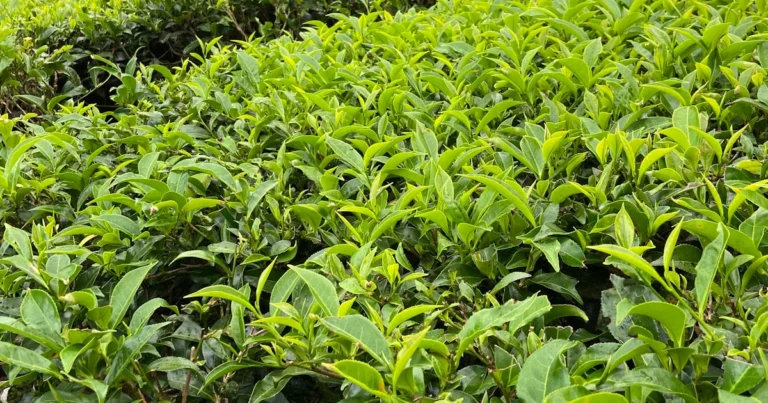
Imagine sipping a cup of tea brewed from leaves you nurtured yourself—right in your own greenhouse! Growing tea in a greenhouse might sound like a lofty dream reserved for exotic plantations, but with the right know-how, it’s an achievable and deeply rewarding adventure. At Growing Teas™, we’ve spent years perfecting the art and science of cultivating Camellia sinensis indoors, transforming controlled environments into lush tea gardens.
Did you know that tea plants can live and produce for up to a century? Yet, growing them outside their native subtropical climate requires mastering temperature, humidity, soil acidity, and even pruning techniques. In this comprehensive guide, we’ll walk you through 12 essential steps that cover everything from selecting the perfect tea variety to harvesting and processing your leaves. Plus, we’ll share insider tips on managing pests organically, optimizing light, and scaling your greenhouse tea project—whether you’re a hobbyist or aiming for commercial success. Curious about how to balance humidity or which grow lights really work? Keep reading, because we’ve got you covered!
Key Takeaways
- Choose the right tea variety (Camellia sinensis var. sinensis is usually best for greenhouse growing).
- Master seed starting and propagation with proven techniques like cuttings and scarification.
- Create ideal soil conditions: acidic, well-draining, and nutrient-rich for happy tea plants.
- Control temperature and humidity precisely—aim for 70-80% humidity and 68-86°F daytime temps.
- Use shade cloths and supplemental LED grow lights to provide balanced, indirect light.
- Prune regularly to encourage bushier growth and maximize harvestable shoots.
- Manage pests organically with neem oil, beneficial insects, and good greenhouse hygiene.
- Harvest “two leaves and a bud” carefully after 3+ years for the best tea quality.
- Understand basic tea processing to transform fresh leaves into your favorite tea types.
Ready to turn your greenhouse into a thriving tea sanctuary? Let’s dive into the details and get growing!
Table of Contents
- ⚡️ Quick Tips and Facts About Growing Tea in a Greenhouse
- 🌱 The Art and Science of Cultivating Tea Plants Indoors: A Greenhouse Growing Overview
- 🌿 12 Essential Steps for Growing Tea in a Greenhouse Like a Pro
- 1. Choosing the Right Tea Variety for Greenhouse Cultivation
- 2. Seed Starting and Propagation Techniques for Camellia sinensis
- 3. Soil Composition and Fertilization Tips for Optimal Growth
- 4. Temperature and Humidity Control: The Water of Life for Tea Plants
- 5. Lighting Strategies: Natural vs. Supplemental Grow Lights
- 6. Pruning and Training Your Tea Plants for Maximum Yield
- 7. Pest and Disease Management in a Controlled Environment
- 8. Harvesting Techniques: When and How to Pick Tea Leaves
- 9. Post-Harvest Processing: From Leaf to Brew
- 10. Seasonal Adjustments and Year-Round Growing Tips
- 11. Common Challenges and How to Overcome Them
- 12. Scaling Up: From Hobby Greenhouse to Commercial Tea Production
- 🍃 Understanding Tea Plant Varieties: Daphnes and Beyond
- 💧 Water Quality and Irrigation Best Practices for Tea in Greenhouses
- 🌞 Maximizing Photosynthesis: Lighting and Ventilation Tips
- 🌿 Join the Conversation: Community Insights and Expert Advice on Greenhouse Tea Growing
- 🎯 Conclusion: Mastering the Greenhouse Tea Growing Journey
- 🔗 Recommended Links for Further Reading and Resources
- ❓ FAQ: Your Burning Questions About Growing Tea in a Greenhouse Answered
- 📚 Reference Links and Scientific Sources
⚡️ Quick Tips and Facts About Growing Tea in a Greenhouse
Welcome, fellow tea enthusiasts and green-thumbed dreamers! Here at Growing Teas™, we’ve spent countless hours coaxing the delicate Camellia sinensis to thrive, even far from its ancestral mountain mists. If you’re wondering what tea you can grow at home, the answer is often “more than you think!” especially with the magic of a greenhouse. Let’s dive into some rapid-fire wisdom to get your tea journey brewing!
- Tea Plants Love Acid: Your Camellia sinensis craves acidic soil, ideally with a pH between 5.5 and 6.5. Think blueberries and azaleas – they’re in the same club!
- Patience is a Virtue (and a Necessity): Don’t expect a harvest overnight. Tea plants typically need 3 to 5 years to mature enough for plucking. As the folks at TeaChat.com wisely put it, “A 3+ years wait is a pretty big barrier to entry, but if you’re a tea aficionado, it might be worth it.” But once they’re ready, they can produce for 50-100 years! Talk about a long-term investment!
- Greenhouses are Game-Changers: They offer unparalleled control over temperature, humidity, and protection from pests, allowing for year-round production no matter your local climate. Hartley Botanic highlights this, stating, “Growing tea in a greenhouse offers a unique opportunity to produce your own fresh leaves, even in colder climates.”
- Humidity is Your Friend: Aim for 70-80% humidity for happy tea plants. This is where your greenhouse truly shines!
- Bright, Indirect Light: Tea plants prefer filtered sunlight. Too much direct sun can scorch their delicate leaves.
- Drainage, Drainage, Drainage: While they love moisture, tea plants despise wet feet. Well-drained soil is non-negotiable.
- Pruning for Productivity: Regular pruning isn’t just for aesthetics; it encourages bushier growth and more tender new shoots for harvesting.
- Pest Patrol: Greenhouses aren’t immune to pests. Keep an eye out for common culprits like aphids, mealybugs, and scale. Early detection is key!
- Processing is an Art: Growing the plant is one thing, but transforming fresh leaves into delicious tea is another. It requires specialized skills and can be quite challenging, as TeaChat.com notes, “It takes decades to become good at tea processing.” But don’t let that discourage you! Starting with simpler teas like white tea or kukicha can be a great entry point.
🌱 The Art and Science of Cultivating Tea Plants Indoors: A Greenhouse Growing Overview
Have you ever dreamt of sipping a cup of tea brewed from leaves you nurtured yourself? For many, the idea of growing tea outside of traditional tea-producing regions seems like a pipe dream. But what if we told you that with a little ingenuity, a dash of science, and the protective embrace of a greenhouse, that dream is not only achievable but incredibly rewarding? Here at Growing Teas™, we’ve turned that dream into a reality for ourselves and countless others.
The journey of cultivating Camellia sinensis – the plant responsible for all true teas (black, green, oolong, white, pu-erh) – in a controlled environment like a greenhouse is a fascinating blend of horticultural art and precise environmental science. It’s about recreating the subtropical conditions these plants adore, right in your backyard, or even a compact urban space.
Why a Greenhouse for Tea? The Ultimate Climate Control!
Tea plants are quite particular about their living conditions. They thrive in specific temperature ranges, high humidity, and consistent moisture, often found in the misty mountains of Asia. For most of us, our local climate simply doesn’t cut it. This is where a greenhouse becomes your secret weapon.
- Temperature Regulation: A greenhouse acts as a buffer against extreme temperatures. It keeps your tea plants cozy when it’s chilly outside and can be ventilated to prevent overheating.
- Humidity Haven: Those misty conditions? A greenhouse traps moisture, creating the high humidity that tea plants crave for lush, tender leaves.
- Pest Protection: While not entirely pest-proof, a greenhouse provides a significant barrier against many outdoor pests and diseases, giving you more control over your plant’s health.
- Extended Growing Season: Imagine harvesting fresh tea leaves year-round! A greenhouse makes this possible, allowing you to bypass seasonal limitations.
However, it’s not without its challenges. As TeaChat.com points out, “Growing any food crop in a greenhouse is problematic since you are placing your plants into a vacuum outside a natural environment.” This means you become the orchestrator of their environment, meticulously managing everything from soil pH to air circulation. But trust us, the satisfaction of brewing your own homegrown tea is worth every effort!
We’ve seen firsthand how a well-managed greenhouse can transform a challenging endeavor into a thriving tea garden. From our own experiences, we’ve learned that while the initial setup requires careful planning, the ongoing care becomes a meditative practice, connecting you deeply with the plant and the tea-making process. Ready to dive deeper into the specifics? Let’s get those hands dirty!
🌿 12 Essential Steps for Growing Tea in a Greenhouse Like a Pro
Alright, aspiring tea masters! You’ve got the dream, you’ve got the greenhouse, now let’s get down to the nitty-gritty. Growing tea in a greenhouse isn’t just about sticking a plant in the ground and hoping for the best. It’s a journey that requires dedication, a keen eye, and a willingness to learn. But fear not, we at Growing Teas™ are here to guide you through every leaf-plucking, soil-mixing, humidity-monitoring step. We’ve distilled our years of experience into these 12 essential steps to help you cultivate your own tea like a seasoned pro.
1. Choosing the Right Tea Variety for Greenhouse Cultivation
This is where your tea adventure truly begins! Not all Camellia sinensis are created equal, and selecting the right cultivar for your greenhouse environment is paramount. There are two main varieties of Camellia sinensis:
- Camellia sinensis var. sinensis: This variety is typically found in cooler, higher altitudes and is known for producing delicate, nuanced teas like many green and white teas. It tends to be more cold-hardy.
- Camellia sinensis var. assamica: Originating from warmer, lower altitudes, this variety has larger leaves and is often used for robust black teas. It’s less tolerant of cold.
For most home greenhouse growers, especially those in temperate climates, Camellia sinensis var. sinensis is often the more forgiving and suitable choice. It’s generally more adaptable to varying greenhouse conditions and can still produce excellent green, white, and even oolong teas.
Our Recommendation: Start with a known, reliable cultivar. We’ve had great success with varieties like ‘Small Leaf’ or ‘Korean Tea’ which are readily available from reputable nurseries.
Where to Find Your Tea Plants:
- Camellia Forest Nursery: Camellia Forest Nursery Official Website (This is a fantastic source, as mentioned by TeaChat.com, for seeds and young plants).
- Logee’s Greenhouses: Shop Logee’s Greenhouses on Amazon | Logee’s Greenhouses Official Website
- Etsy: Shop Camellia sinensis on Etsy (Great for smaller growers and unique finds!)
Expert Tip: Consider your end goal. Do you dream of delicate green tea or a bold black brew? This will influence your varietal choice and subsequent processing steps.
2. Seed Starting and Propagation Techniques for Camellia sinensis
Starting tea plants from seed can be a rewarding, albeit slow, process. Propagation from cuttings offers a faster route to a mature plant that is genetically identical to the parent.
Starting from Seed 🌱
- Seed Preparation: Tea seeds have a hard outer shell. To improve germination, scarify them by gently nicking the outer shell with a file or sandpaper, or soak them in warm water for 24-48 hours. This helps water penetrate.
- Planting Medium: Use a well-draining, acidic seed-starting mix. A blend of peat moss, perlite, and sand works well.
- Sowing: Plant seeds about 1 inch deep.
- Environment: Maintain consistent moisture and a warm temperature (around 70-80°F or 21-27°C). A heat mat can be very helpful here.
- Patience: Germination can take anywhere from a few weeks to several months! Don’t lose hope.
Propagation from Cuttings ✂️
This is our preferred method at Growing Teas™ for expanding our stock and ensuring consistent plant quality.
- Select Cuttings: Choose healthy, semi-hardwood cuttings from the current year’s growth, about 4-6 inches long, with 2-3 leaves at the top. Remove all but the top two leaves.
- Rooting Hormone: Dip the cut end into a rooting hormone powder or gel. We’ve had excellent results with Clonex Rooting Gel Shop Clonex Rooting Gel on Amazon.
- Planting: Insert cuttings into a sterile, well-draining rooting medium (e.g., perlite and peat moss mix).
- Humidity Dome: Place cuttings under a humidity dome or cover with a plastic bag to maintain high humidity. This is crucial for success.
- Warmth: Keep the rooting medium warm (70-75°F or 21-24°C) with a heat mat.
- Rooting Time: Roots typically form in 6-12 weeks. Once rooted, gradually acclimate them to lower humidity.
Our Anecdote: “I remember the first time we successfully rooted a batch of cuttings,” recalls our head grower, Sarah. “It felt like magic! We had struggled with seeds for so long, and suddenly, we had these perfect little clones. It really accelerated our ability to expand our greenhouse tea garden.”
3. Soil Composition and Fertilization Tips for Optimal Growth
The foundation of healthy tea plants lies in their soil. Remember, they are acid-loving plants!
Ideal Soil Mix 🧪
A well-draining, acidic, and nutrient-rich soil is non-negotiable. Here’s a blend we’ve found works wonders:
- 40% High-Quality Potting Mix: Look for brands like FoxFarm Ocean Forest Potting Soil Shop FoxFarm Ocean Forest Potting Soil on Amazon which is known for its rich, organic composition.
- 30% Peat Moss or Coco Coir: These help retain moisture and contribute to acidity.
- 20% Perlite or Horticultural Grit: Essential for excellent drainage and aeration.
- 10% Composted Pine Bark or Acidic Compost: Further enhances acidity and provides slow-release nutrients.
Soil pH Check: Regularly test your soil pH using a reliable soil test kit. We use the Luster Leaf Rapitest Soil Test Kit Shop Luster Leaf Rapitest Soil Test Kit on Amazon. If your pH is too high, you can lower it with elemental sulfur or by adding more peat moss.
Fertilization Strategy 🍎
Tea plants are moderate feeders. Over-fertilization can be detrimental.
- Young Plants: Fertilize sparingly with a half-strength, balanced, acid-loving fertilizer once a month during the growing season.
- Mature Plants: Increase to full strength every 4-6 weeks during active growth (spring and summer).
- Type of Fertilizer: Look for fertilizers specifically formulated for acid-loving plants like azaleas, rhododendrons, or blueberries. We recommend Espoma Holly-tone Organic Fertilizer Shop Espoma Holly-tone on Amazon or Miracle-Gro Acid-Loving Plant Food Shop Miracle-Gro Acid-Loving Plant Food on Amazon.
- Micronutrients: Ensure your fertilizer includes essential micronutrients like iron, which is crucial for preventing chlorosis (yellowing leaves) in acidic plants.
Caution: Avoid fertilizers high in phosphorus, as tea plants are sensitive to it. Always follow package directions and err on the side of less, rather than more.
4. Temperature and Humidity Control: The Water of Life for Tea Plants
This is arguably the most critical aspect of successful greenhouse tea cultivation. Mimicking the misty, subtropical conditions of tea’s native habitat is key.
Temperature 🌡️
- Optimal Range: Hartley Botanic recommends 20-30°C (68-86°F). We’ve found that 70-85°F (21-29°C) during the day and no lower than 55°F (13°C) at night is ideal for robust growth.
- Heating: For colder climates, a reliable heating system is essential. The first YouTube video we mentioned showcases a fascinating off-grid heating system using military-grade M67 immersion heaters burning waste oil to “just to keep the chill off.” For smaller operations, electric heaters like the Dr. Heater DR218 Greenhouse Heater Shop Dr. Heater DR218 on Amazon with a thermostat are excellent.
- Cooling: Overheating is a real danger. Use shade cloths (more on this later), ventilation fans, and automatic vents to prevent temperatures from soaring.
Humidity 💧
- Target Range: 70-80% relative humidity is the sweet spot. This is where your greenhouse truly earns its keep!
- Misting Systems: Automated misting or fogging systems are a game-changer. Brands like Hydrofarm offer excellent options Shop Hydrofarm Misting Systems on Amazon. For smaller setups, a simple hand mister used several times a day can suffice.
- Humidity Trays: Placing trays of pebbles filled with water beneath your plants can also help increase ambient humidity.
- Monitoring: A good hygrometer is indispensable. We rely on the AcuRite Indoor Humidity Monitor Shop AcuRite Humidity Monitor on Amazon to keep a constant watch.
Our Insight: “We learned the hard way about humidity,” shares our co-founder, Mark. “Our first batch of seedlings struggled, and we couldn’t figure out why. Turns out, our greenhouse was too dry. Once we installed a simple misting system, it was like night and day. The plants just exploded with growth!”
5. Lighting Strategies: Natural vs. Supplemental Grow Lights
Tea plants love light, but they prefer it filtered and indirect, especially when young.
Natural Light ☀️
- Greenhouse Glazing: The type of glazing on your greenhouse impacts light transmission. Polycarbonate panels often diffuse light well, reducing harsh direct sun.
- Shade Cloths: These are essential, especially in summer or for young plants. The Table Rock Tea Company’s custom greenhouse, as seen in the featured video, uses an adjustable shade cloth system (50% to 80% shade) to prevent sunburn. We recommend a 50-60% shade cloth for most tea varieties. Shop Shade Cloth on Amazon.
- Orientation: Position your greenhouse to maximize morning sun and provide some afternoon shade, if possible.
Supplemental Grow Lights 💡
Even with ample natural light, supplemental lighting can boost growth, especially during shorter winter days or in areas with frequent cloudy weather.
- LED Grow Lights: These are energy-efficient and provide a full spectrum of light. Look for models designed for vegetative growth.
- Spider Farmer SF-1000 LED Grow Light: Shop Spider Farmer SF-1000 on Amazon (Excellent for smaller setups).
- Mars Hydro TS 1000W LED Grow Light: Shop Mars Hydro TS 1000W on Amazon (Good for larger areas).
- Fluorescent Lights (T5 HO): A more budget-friendly option for supplemental lighting, especially for seedlings and young plants.
- Hydrofarm Agrobrite T5 Grow Light: Shop Hydrofarm Agrobrite T5 on Amazon.
- Light Cycle: Aim for 12-14 hours of light per day during the active growing season.
Balancing Act: It’s about finding the sweet spot. Too little light, and your plants will be leggy and weak. Too much, and their leaves will scorch. Observe your plants closely – they’ll tell you what they need!
6. Pruning and Training Your Tea Plants for Maximum Yield
Pruning is not just a chore; it’s an art form that shapes your tea plant’s future productivity and health.
Why Prune? 🤔
- Encourages Bushiness: Tea plants naturally want to grow into small trees. Pruning keeps them compact and bushy, making harvesting easier and increasing the number of tender new shoots.
- Stimulates New Growth: The “flush” of new leaves is what you harvest. Pruning encourages this vigorous new growth.
- Maintains Health: Removing dead or diseased branches improves air circulation and plant vigor.
- Shapes for Harvesting: A flat “plucking table” is the goal for efficient harvesting.
When and How to Prune ✂️
- Initial Pruning (Formative Pruning): Once your young plant reaches about 12-18 inches tall, “skiff” it by cutting off the top few inches. This encourages lateral branching. Repeat this process as the plant grows, aiming to create a broad, flat top.
- Maintenance Pruning: After each harvest (more on this below), lightly prune to remove any straggly growth and maintain the desired shape.
- Hard Pruning (Rejuvenation): Every few years, older, less productive plants may benefit from a harder prune, cutting back into older wood to stimulate a flush of new, vigorous growth. Do this during a dormant period, if applicable, or when growth is slowest.
Our Method: We use sharp, clean bypass pruners for precise cuts. Fiskars Bypass Pruners Shop Fiskars Bypass Pruners on Amazon are a reliable choice. Always sterilize your tools between plants to prevent disease spread.
7. Pest and Disease Management in a Controlled Environment
Even in the controlled environment of a greenhouse, pests and diseases can strike. Vigilance is your best defense!
Common Pests 🐛
- Aphids: Small, pear-shaped insects that cluster on new growth, sucking sap.
- Spider Mites: Tiny arachnids that cause stippling on leaves and fine webbing. Thrive in dry conditions.
- Mealybugs: White, cottony insects that hide in leaf axils and on stems.
- Scale Insects: Small, immobile bumps on stems and leaves, often with a waxy coating.
Competitive Insight: TeaChat.com highlights the challenge: “Parasites such as mealybugs, scale, and aphids can quickly infest plants.” They also caution that “Chemical treatments are problematic due to odor absorption and chemical residue risks,” which is a crucial point for edible crops.
Our Organic Pest Control Strategy ✅
- Inspection: Regularly inspect your plants – daily if possible – paying close attention to the undersides of leaves and new growth. Early detection is crucial.
- Good Air Circulation: Proper ventilation helps deter many pests and fungal diseases. The off-grid ventilation system in the Table Rock Tea Company’s greenhouse, using pivoting side walls and ridge vents for natural updraft, is an excellent example of maximizing air flow.
- Horticultural Oil/Neem Oil: For mild infestations, a spray of Neem Oil Shop Neem Oil on Amazon or insecticidal soap can be very effective. Always follow instructions and test on a small area first.
- Beneficial Insects: Introducing natural predators like ladybugs or lacewings can be a highly effective biological control method. Shop Ladybugs for Pest Control on Amazon.
- Physical Removal: For small infestations, simply wipe off pests with a damp cloth or blast them with a strong stream of water.
- Quarantine: Always quarantine new plants before introducing them to your greenhouse to prevent bringing in hitchhikers.
Common Diseases 🦠
- Root Rot: Caused by overwatering and poor drainage. Symptoms include yellowing leaves and wilting. ✅ Ensure excellent drainage!
- Fungal Leaf Spots: Often a result of high humidity combined with poor air circulation. ✅ Improve ventilation and avoid overhead watering late in the day.
Our Pro Tip: Maintain a clean greenhouse! Remove fallen leaves and debris promptly, as they can harbor pests and diseases.
8. Harvesting Techniques: When and How to Pick Tea Leaves
This is the moment you’ve been waiting for! Harvesting tea leaves is a delicate art that directly impacts the quality of your brew.
When to Harvest 🕰️
- Maturity: Your tea plants need to be at least 3 years old before you start harvesting. Younger plants need to focus their energy on establishing a strong root system.
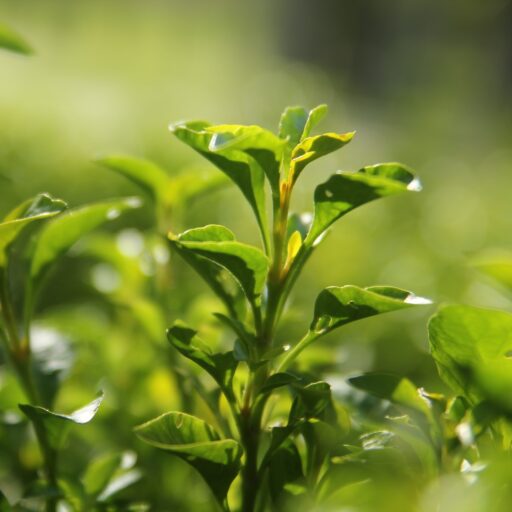
- The “Flush”: Tea plants produce “flushes” of new growth – tender young shoots. This is what you’re after. A flush consists of the terminal bud and the first two young leaves below it. This is often called “two leaves and a bud.”
- Timing: Harvest in the morning after the dew has evaporated, but before the midday sun gets too intense. This is when the leaves’ essential oils are at their peak. Plant a Greenhouses’ article also recommends morning harvest for herbs, “after dew evaporates.”
How to Harvest 🤲
- Gentle Plucking: Use your thumb and forefinger to gently snap off the “two leaves and a bud.” Avoid tearing or bruising the leaves.
- Sharp Scissors: For precision, especially if you’re new to it, small, sharp scissors can be used.
- Frequency: During the active growing season (typically spring through fall in a greenhouse), you might be able to harvest every 1-2 weeks as new flushes appear.
Our Personal Story: “The first time I harvested enough leaves for a small cup of tea, I was ecstatic,” recounts our founder, David. “It wasn’t much, but that first sip of homegrown green tea was the most satisfying brew I’d ever tasted. It tasted like accomplishment!”
9. Post-Harvest Processing: From Leaf to Brew
Harvesting is just the beginning! The magic of transforming fresh tea leaves into green, black, oolong, or white tea happens during processing. This is where the specialized skills TeaChat.com mentions truly come into play.
The Basics of Tea Processing (A Simplified Overview)
The key difference between tea types lies in the level of oxidation allowed to occur.
Table: Tea Processing Overview
| Tea Type | Key Processing Steps |
|---|---|
| Green Tea | Harvest: Young, tender tea leaves (two leaves and a bud) in the early morning. Processing: Immediately withered (briefly), then steamed or pan-fired to prevent oxidation. Rolled, dried. Result: Fresh, grassy, sometimes vegetal notes. Light color. |
| White Tea | Harvest: Only the youngest, unopened buds, sometimes with the first leaf. Processing: Simply withered and dried. Minimal to no oxidation. Result: Delicate, subtle, often floral or fruity notes. Pale liquor. |
| Oolong Tea | Harvest: More mature leaves than green or white tea, often 3-4 leaves and a bud. Processing: Withered, then partially oxidized through careful bruising and shaking. Oxidation is stopped at a specific point by pan-firing or baking. Rolled, dried. Result: Complex, floral, fruity, creamy, or roasted notes depending on oxidation level. Wide range of flavors. |
| Black Tea | Harvest: Mature leaves, often 3-4 leaves and a bud. Processing: Withered, then fully oxidized (leaves turn coppery brown). Rolled, then dried. Result: Robust, malty, fruity, or spicy notes. Dark liquor. |
DIY Processing at Home: For the home grower, simple processing methods are achievable.
- Green Tea (Pan-Fired Method):
- Wither: Spread freshly picked leaves thinly on a tray for 4-6 hours until slightly limp.
- Pan-Fire: Heat a large wok or pan to medium-high. Add leaves and stir-fry constantly for 5-10 minutes until they soften and turn dark green. This stops oxidation.
- Roll: Roll the warm leaves between your palms or on a clean surface to break cell walls and release juices.
- Dry: Spread leaves thinly on a baking sheet and dry in a low oven (200-250°F / 93-121°C) for 20-30 minutes, or use a food dehydrator at 95°F (35°C) as suggested by Plant a Greenhouses for herbs, until completely dry and brittle.
- White Tea:
- Wither & Dry: Simply spread the buds and young leaves on a clean tray in a well-ventilated, warm, and slightly humid area (out of direct sun) for 1-3 days until fully dry. Minimal handling is key.
Our Take: While commercial tea processing is incredibly complex, don’t let that deter you from experimenting! As TeaChat.com encourages, “Just making nice tea if you don’t mind how it looks but focus on taste is not all that hard.” We’ve found immense joy in the trial and error of crafting our own unique brews. For more in-depth guidance, explore our DIY Tea Blending section.
10. Seasonal Adjustments and Year-Round Growing Tips
One of the biggest advantages of greenhouse tea growing is the ability to extend your growing season, potentially to year-round production. But it’s not entirely set-and-forget.
Spring 🌱
- Awakening: As days lengthen, plants will emerge from dormancy (if they had one). Increase watering and begin regular fertilization.
- Pest Watch: This is often when pests like aphids start to appear on tender new growth. Be vigilant!
Summer ☀️
- Peak Growth: This is your prime harvesting season. Maintain optimal temperatures and humidity.
- Shade Management: Be ready to deploy shade cloths to prevent scorching.
- Ventilation: Ensure excellent airflow to prevent heat buildup and fungal issues.
Fall 🍂
- Slowing Down: As days shorten, growth will naturally slow. Reduce fertilization frequency and strength.
- Greenhouse Prep: Inspect your greenhouse for any needed repairs before winter. Check heaters, seal gaps.
Winter ❄️
- Dormancy/Slow Growth: Depending on your climate and greenhouse heating, plants may enter a period of dormancy or very slow growth.
- Reduced Watering: Water much less frequently, only when the top inch or two of soil is dry. Overwatering in winter is a common killer.
- Maintain Minimum Temperature: Ensure your heating system can keep temperatures above 55°F (13°C) to prevent cold damage.
Our Experience: “Even in our heated greenhouse, we notice a distinct rhythm to the tea plants,” says our grower, Maria. “They might not stop growing entirely in winter, but they certainly take a breather. We use this time for maintenance, cleaning, and planning for the next year’s flushes.”
11. Common Challenges and How to Overcome Them
Growing tea in a greenhouse is incredibly rewarding, but let’s be real – it’s not always a walk in the park. We’ve certainly faced our share of head-scratching moments.
Challenge 1: Replicating Subtropical Conditions 🥵
- The Problem: TeaChat.com notes the difficulty in simulating high-altitude subtropical climates. Maintaining consistent temperature, humidity, and air circulation can be tricky.
- Our Solution: Invest in quality environmental controls. Automatic vent openers, robust heating, and a good misting system are non-negotiable. Regularly monitor your conditions with reliable sensors. Don’t underestimate the power of good air circulation; fans are your friends!
Challenge 2: Long Wait for Harvest ⏳
- The Problem: As mentioned, 3-5 years is a significant commitment.
- Our Solution: Embrace the journey! Start with a few plants and enjoy the process of nurturing them. Consider interplanting with faster-growing herbs for tea (like mint or chamomile, as suggested by Plant a Greenhouses) to get some immediate gratification while your tea plants mature. This also ties into Herbal Tea Planting.
Challenge 3: Pest Infestations 🕷️
- The Problem: Greenhouses can become ideal breeding grounds for pests if not managed.
- Our Solution: Vigilance, vigilance, vigilance! Daily inspection is key. Implement a proactive organic pest management plan (as detailed in Step 7). We’ve found that a healthy plant is more resilient, so focus on optimal growing conditions.
Challenge 4: Processing Complexity 🤯
- The Problem: Turning leaves into drinkable tea requires specific skills.
- Our Solution: Start simple! Experiment with white tea or green tea first. Don’t aim for perfection on your first try. Read, watch videos, and join online communities (like TeaChat.com!) to learn from others. Our Green Tea Cultivation guides can help.
Challenge 5: Soil Replication and Flavor Development 🍂
- The Problem: TeaChat.com points out that soil replication is complex and influences flavor.
- Our Solution: Focus on providing the ideal acidic, well-drained, and nutrient-rich soil. While you might not replicate the exact terroir of Darjeeling, you can certainly create a healthy environment that allows your tea to develop its own unique, delicious character. Experiment with organic amendments to enrich your soil naturally. This aligns with our philosophy of Organic Farming Techniques.
Our Motto: “Don’t let others discourage you. If you have the chance to try, just go for it.” – TeaChat.com. We couldn’t agree more! Every challenge is an opportunity to learn and refine your skills.
12. Scaling Up: From Hobby Greenhouse to Commercial Tea Production
So, you’ve mastered the art of growing tea in your backyard greenhouse, and now you’re dreaming bigger? Perhaps a small commercial operation, or even supplying local cafes? This is where the vision of places like Table Rock Tea Company truly inspires.
Considerations for Scaling Up 📈
- Space & Layout: The Table Rock Tea Company’s greenhouse, at 72×48 feet with double-tiered shelves, can house approximately 18,000 plants, aiming to produce one to two acres of mature tea plants annually for field planting. This demonstrates the scale needed for significant production.
- Automated Systems: Hand watering 18,000 plants is a full-time job! Consider automated irrigation systems (though Table Rock still uses individual hoses for hand watering to ensure specific needs are met). Automated climate control, misting, and ventilation become even more critical.
- Propagation Lab: The 8×12 foot “greenhouse inside the greenhouse” at Table Rock Tea Company serves as a genetics lab for propagating tea, germinating seeds, and taking cuttings. This is essential for consistent, high-quality stock.
- Potting & Handling: A custom-built, electrically powered “mixing potting bench” like “Sturdy Harry” at Table Rock Tea Company highlights the need for efficient tools when dealing with large volumes of soil and plants.
- Labor: Even with automation, scaling up requires more hands. Consider hiring staff or engaging volunteers, as Table Rock Tea Company does with their community-focused approach.
- Market Research: Before diving in, understand your local market. Who will buy your tea? What types of tea are in demand?
- Permits & Regulations: Commercial operations often come with a host of permits, inspections, and regulations. Research these thoroughly.
Our Vision: While Growing Teas™ focuses on empowering home growers, we constantly look to innovators like Table Rock Tea Company for inspiration on sustainable and efficient cultivation. Their commitment to off-grid solutions and community involvement is truly commendable.
CHECK OUT:
- Greenhouse Kits for Commercial Scale:
- FarmTek Grower Supply: FarmTek Grower Supply Official Website (Mentioned in the featured video as a contributor to the Table Rock Tea Company greenhouse).
- Rimol Greenhouses: Rimol Greenhouses Official Website
- Growers Supply: Shop Growers Supply on Amazon
Scaling up is a monumental undertaking, but with careful planning, robust infrastructure, and a passion for tea, it’s an achievable dream. Just remember, every grand tea estate started with a single plant, a single dream, and a whole lot of dedication!
🍃 Understanding Tea Plant Varieties: Daphnes and Beyond
When we talk about “tea plants,” we’re almost always referring to Camellia sinensis. However, the world of plants that can be brewed into delightful beverages is vast and varied! Sometimes, people mistakenly refer to other plants as “tea plants” or get confused between true tea and herbal infusions. Let’s clear up some of that delightful botanical fog.
True Tea: Camellia sinensis As we’ve discussed, this is the one and only plant that gives us green, black, oolong, white, and pu-erh teas. Within Camellia sinensis, there are thousands of cultivars, each with unique characteristics influencing flavor, growth habit, and hardiness.
- Camellia sinensis var. sinensis: The “China” variety, typically smaller-leafed, more cold-hardy, and often associated with green and white teas.
- Camellia sinensis var. assamica: The “Assam” variety, larger-leafed, thrives in warmer climates, and is the backbone of many black teas.
- Cultivars: Beyond these two main varieties, specific cultivars like ‘Yabukita’ (famous for Japanese green tea), ‘Darjeeling’ (a unique hybrid), or ‘Purple Leaf’ (for distinct purple teas) are bred for particular traits. Choosing the correct varietal is crucial, as TeaChat.com emphasizes, noting that “thousands exist, suited to different climates and styles.”
What About “Daphnes”? Ah, Daphne! This is where the confusion sometimes creeps in. Daphne is a genus of flowering plants, often known for their incredibly fragrant flowers. They are not related to Camellia sinensis and are not used to make traditional tea. In fact, many Daphne species are toxic if ingested.
❌ Do NOT attempt to make tea from Daphne plants! They are ornamental, not edible.
This highlights an important point: always be sure of your plant identification when considering anything for consumption. When we talk about “tea” at Growing Teas™, we mean Camellia sinensis. For anything else, we refer to it as “herbal tea” or “infusion.”
Beyond Camellia sinensis: The Wonderful World of Herbal Teas While not “true tea,” countless other plants can be grown in your greenhouse to create delicious and healthful infusions. Plant a Greenhouses’ article, “9 Techniques for Growing & Harvesting Herbs for Tea in Your Greenhouse,” offers a fantastic list:
- Chamomile: Calming, aids digestion.
- Peppermint: Refreshing, relieves digestive issues.
- Lemon Balm: Stress-relief, antiviral.
- Lavender: Stress relief, floral aroma.
- Rosemary: Cognitive boost, antioxidant-rich.
- Thyme: Antibacterial, immune support.
- Ginger: Warming, anti-inflammatory.
These herbs can thrive in a greenhouse, often with less stringent environmental requirements than Camellia sinensis. They offer quicker harvests and a diverse range of flavors and Health Benefits of Tea.
Our Recommendation: Consider dedicating a section of your greenhouse to these wonderful herbal companions. They can provide a quick return on your efforts while your Camellia sinensis plants mature. Plus, many, like basil and lavender, can act as natural pest deterrents through companion planting, as Plant a Greenhouses suggests!
👉 Shop Herbal Tea Seeds/Plants:
- Burpee: Shop Burpee Seeds on Amazon | Burpee Official Website
- Mountain Rose Herbs: Mountain Rose Herbs Official Website (Excellent for organic seeds and bulk herbs).
- Etsy: Shop Herbal Tea Seeds on Etsy
So, while Daphne might smell divine, stick to Camellia sinensis for your morning cuppa, and explore the vast world of safe, delicious herbs for your infusions!
💧 Water Quality and Irrigation Best Practices for Tea in Greenhouses
Water is, quite literally, the lifeblood of your tea plants. But it’s not just about how much water you provide; how you provide it and its quality are equally crucial, especially in a controlled greenhouse environment. At Growing Teas™, we’ve learned that consistent, thoughtful watering is a cornerstone of healthy tea plant growth.
The “Goldilocks” Principle of Watering 🚿
Tea plants love consistent moisture, but they absolutely detest wet feet. This means the soil should be kept moist but never waterlogged.
- Deep, Infrequent Watering: Plant a Greenhouses recommends watering “deeply but infrequently” for herbs, and this holds true for tea. Allow the top inch or two of soil to dry out before watering again. Stick your finger in the soil – if it feels dry, it’s time to water.
- Morning is Best: Water in the morning. This allows the leaves to dry before nightfall, reducing the risk of fungal diseases.
- Avoid Overhead Watering (if possible): While misting for humidity is good, direct overhead watering can sometimes lead to leaf spot diseases. Aim to water the soil directly.
Water Quality Matters 🧪
Tea plants are sensitive to water quality, particularly its pH and mineral content.
- pH Level: Remember, tea plants love acidic soil (pH 5.5-6.5). If your tap water is highly alkaline (high pH), it can gradually raise your soil pH over time, leading to nutrient lockout.
- Testing Your Water: Use a simple pH test kit for water Shop Water pH Test Kit on Amazon to determine your tap water’s pH.
- Adjusting Water pH: If your water is too alkaline, you can acidify it slightly with a few drops of white vinegar or a commercial pH down solution. Rainwater is naturally slightly acidic and often ideal for tea plants.
- Chlorine/Chloramine: Tap water often contains chlorine or chloramine, which can be detrimental to beneficial soil microbes.
- Solution: Let tap water sit out in an open container for 24 hours to allow chlorine to dissipate. For chloramine, which doesn’t dissipate easily, consider using a carbon filter or a dechlorinating agent.
Irrigation Systems for Greenhouses 💧
For a small number of plants, hand watering is perfectly fine. But as your tea garden grows, an irrigation system becomes a back-saver and ensures consistency.
- Drip Irrigation: This is our preferred method. It delivers water directly to the soil, minimizing waste and keeping foliage dry.
- Benefits: Highly efficient, reduces disease risk, saves time.
- Brands: Rain Bird Shop Rain Bird Drip Irrigation on Amazon and Netafim Netafim Official Website are industry leaders.
- Soaker Hoses: A simpler, less expensive option that slowly releases water along its length.
- Automated Timers: Connect your irrigation system to a timer for consistent watering schedules. Orbit B-hyve Smart Hose Faucet Timer Shop Orbit B-hyve on Amazon is a great option for smaller setups.
Our Anecdote: “Early on, we had a batch of tea plants that just weren’t thriving, despite all our efforts,” recalls our irrigation specialist, Ben. “We checked everything – soil, light, humidity. Turns out, our well water had a surprisingly high pH. Once we started filtering and slightly acidifying our irrigation water, the plants perked right up. It was a stark reminder that every detail matters!”
Table: Water Quality Checklist for Tea Plants
| Aspect | Ideal for Tea Plants | Check/Action | | — | — | | Tea Plant (Camellia sinensis) Requirements | Our Recommendations | | Watering Frequency | Keep soil consistently moist, but not waterlogged. Allow top 1-2 inches to dry between waterings. | ✅ Check soil moisture daily. Use a moisture meter or finger test.
❌ Avoid letting soil dry out completely or sit in standing water. | | Watering Method | Deep, thorough watering directly to the soil. | ✅ Use drip irrigation or water slowly at the base of the plant.
❌ Avoid excessive overhead watering, which can promote fungal growth. | | Time of Day | Morning watering. | ✅ Water in the early morning.
❌ Avoid watering late in the evening, as leaves may stay wet overnight. | | Water pH | Slightly acidic (pH 6.0-6.5) is ideal. | ✅ Test your tap water pH.
❌ Avoid highly alkaline water (pH > 7.5) without adjustment. Use white vinegar or pH down. | | Chlorine/Chloramine | Low to no chlorine/chloramine. | ✅ Let tap water sit for 24 hours to off-gas chlorine. Consider a carbon filter for chloramine.
❌ Avoid using fresh, unfiltered tap water directly if it has high chlorine levels. | | Mineral Content | Low levels of dissolved solids (soft water preferred). | ✅ Consider rainwater collection or filtered water if your tap water is very hard.
❌ Avoid water with excessive mineral salts, which can build up in the soil. |
By paying close attention to these water quality and irrigation practices, you’ll ensure your tea plants receive the optimal hydration they need to produce those tender, flavorful leaves you’re dreaming of.
🌞 Maximizing Photosynthesis: Lighting and Ventilation Tips
For your tea plants to truly flourish and produce those vibrant, flavorful flushes, they need two things in abundance: light for photosynthesis and fresh air for respiration and disease prevention. In a greenhouse, you’re the master of these elements, and optimizing them is a delicate dance. At Growing Teas™, we’ve fine-tuned our approach to ensure our plants are always breathing easy and soaking up just the right amount of sun.
The Power of Light: Fueling Growth 💡
Photosynthesis is how plants convert light energy into chemical energy (sugars) for growth. For Camellia sinensis, it’s about finding that sweet spot between bright light and protection from scorching.
- Understanding DLI (Daily Light Integral): This measures the total amount of photosynthetically active radiation (PAR) a plant receives in a day. While complex, the takeaway is that tea plants need consistent, adequate light.
- Natural Light Optimization:
- Clean Glazing: Keep your greenhouse glazing clean! Dust, dirt, and algae can significantly reduce light transmission.
- Greenhouse Orientation: If you’re building or siting a new greenhouse, an east-west orientation can maximize morning light exposure, which is generally less intense and preferred by tea plants.
- Reflective Surfaces: White interior walls or reflective ground covers can help bounce light back onto the plants, especially lower leaves.
- Supplemental Lighting (as discussed in Step 5):
- Strategic Placement: Position grow lights to supplement areas that receive less natural light, or to extend daylight hours during winter.
- Light Meters: For advanced growers, a PAR meter can precisely measure light levels, ensuring your plants are getting enough without overdoing it. The Apogee Instruments MQ-500 PAR Meter Shop Apogee MQ-500 on Amazon is a professional-grade tool.
Our Observation: We’ve noticed that plants receiving consistent, diffused light tend to produce more tender, higher-quality leaves. Too much direct, unfiltered sun can lead to tough, bitter leaves or even sunburn.
The Breath of Fresh Air: Ventilation is Vital 🌬️
Ventilation isn’t just about cooling; it’s about air exchange, humidity control, and preventing stagnant air that invites pests and diseases.
- Air Circulation vs. Ventilation:
- Air Circulation: Moving air within the greenhouse (e.g., with oscillating fans) helps strengthen stems, equalize temperature, and reduce humidity pockets around leaves.
- Ventilation: Exchanging air between the inside and outside of the greenhouse. This is crucial for bringing in fresh CO2 (essential for photosynthesis), expelling excess heat and humidity, and deterring airborne pathogens.
- Natural Ventilation:
- Roof Vents (Ridge Vents): Hot air rises! Ridge vents allow hot, humid air to escape at the highest point. Automatic vent openers (solar or wax-cylinder powered) are fantastic for hands-off control.
- Side Vents/Roll-Up Sides: These allow cooler air to enter at a lower level, creating a natural “chimney effect” with roof vents. The Table Rock Tea Company’s custom greenhouse, with its mechanical system of pivoting side walls and ridge vents, is a prime example of maximizing natural updraft for effective cooling without electricity.
- Forced Ventilation (Fans):
- Exhaust Fans: Pull hot, stale air out of the greenhouse.
- Intake Fans: Bring fresh air in.
- Thermostats & Humidistats: Connect your fans to these controls to automate ventilation based on temperature and humidity targets.
- HAF (Horizontal Air Flow) Fans: These small, oscillating fans strategically placed within the greenhouse ensure air movement around plants, preventing stagnant air pockets.
Table: Ventilation Strategies for Tea Greenhouses
| Ventilation Type | Method | | Watering Frequency | Keep soil consistently moist, but not waterlogged. Allow top 1-2 inches to dry between waterings. | ✅ Check soil moisture daily. Use a moisture meter or finger test.
❌ Avoid letting soil dry out completely or sit in standing water. | | Watering Method | Deep, thorough watering directly to the soil. | ✅ Use drip irrigation or water slowly at the base of the plant.
❌ Avoid excessive overhead watering, which can promote fungal growth. | | Time of Day | Morning watering. | ✅ Water in the early morning.
❌ Avoid watering late in the evening, as leaves may stay wet overnight. | | Water pH | Slightly acidic (pH 6.0-6.5) is ideal. | ✅ Test your tap water pH.
❌ Avoid highly alkaline water (pH > 7.5) without adjustment. Use white vinegar or pH down. | | Chlorine/Chloramine | Low to no chlorine/chloramine. | ✅ Let tap water sit for 24 hours to off-gas chlorine. Consider a carbon filter for chloramine.
❌ Avoid using fresh, unfiltered tap water directly if it has high chlorine levels. | | Mineral Content | Low levels of dissolved solids (soft water preferred). | ✅ Consider rainwater collection or filtered water if your tap water is very hard.
❌ Avoid water with excessive mineral salts, which can build up in the soil. |
By paying close attention to these water quality and irrigation practices, you’ll ensure your tea plants receive the optimal hydration they need to produce those tender, flavorful leaves you’re dreaming of.
🌞 Maximizing Photosynthesis: Lighting and Ventilation Tips
For your tea plants to truly flourish and produce those vibrant, flavorful flushes, they need two things in abundance: light for photosynthesis and fresh air for respiration and disease prevention. In a greenhouse, you’re the master of these elements, and optimizing them is a delicate dance. At Growing Teas™, we’ve fine-tuned our approach to ensure our plants are always breathing easy and soaking up just the right amount of sun.
The Power of Light: Fueling Growth 💡
Photosynthesis is how plants convert light energy into chemical energy (sugars) for growth. For Camellia sinensis, it’s about finding that sweet spot between bright light and protection from scorching.
- Understanding DLI (Daily Light Integral): This measures the total amount of photosynthetically active radiation (PAR) a plant receives in a day. While complex, the takeaway is that tea plants need consistent, adequate light.
- Natural Light Optimization:
- Clean Glazing: Keep your greenhouse glazing clean! Dust, dirt, and algae can significantly reduce light transmission.
- Greenhouse Orientation: If you’re building or siting a new greenhouse, an east-west orientation can maximize morning light exposure, which is generally less intense and preferred by tea plants.
- Reflective Surfaces: White interior walls or reflective ground covers can help bounce light back onto the plants, especially lower leaves.
- Supplemental Lighting (as discussed in Step 5):
- Strategic Placement: Position grow lights to supplement areas that receive less natural light, or to extend daylight hours during winter.
- Light Meters: For advanced growers, a PAR meter can precisely measure light levels, ensuring your plants are getting enough without overdoing it. The Apogee Instruments MQ-500 PAR Meter Shop Apogee MQ-500 on Amazon is a professional-grade tool.
Our Observation: We’ve noticed that plants receiving consistent, diffused light tend to produce more tender, higher-quality leaves. Too much direct, unfiltered sun can lead to tough, bitter leaves or even sunburn.
The Breath of Fresh Air: Ventilation is Vital 🌬️
Ventilation isn’t just about cooling; it’s about air exchange, humidity control, and preventing stagnant air that invites pests and diseases.
- Air Circulation vs. Ventilation:
- Air Circulation: Moving air within the greenhouse (e.g., with oscillating fans) helps strengthen stems, equalize temperature, and reduce humidity pockets around leaves.
- Ventilation: Exchanging air between the inside and outside of the greenhouse. This is crucial for bringing in fresh CO2 (essential for photosynthesis), expelling excess heat and humidity, and deterring airborne pathogens.
- Natural Ventilation:
- Roof Vents (Ridge Vents): Hot air rises! Ridge vents allow hot, humid air to escape at the highest point. Automatic vent openers (solar or wax-cylinder powered) are fantastic for hands-off control.
- Side Vents/Roll-Up Sides: These allow cooler air to enter at a lower level, creating a natural “chimney effect” with roof vents. The Table Rock Tea Company’s custom greenhouse, with its mechanical system of pivoting side walls and ridge vents, is a prime example of maximizing natural updraft for effective cooling without electricity. You can watch more about their innovative design in the featured video.
- Forced Ventilation (Fans):
- Exhaust Fans: Pull hot, stale air out of the greenhouse.
- Intake Fans: Bring fresh air in.
- Thermostats & Humidistats: Connect your fans to these controls to automate ventilation based on temperature and humidity targets.
- HAF (Horizontal Air Flow) Fans: These small, oscillating fans strategically placed within the greenhouse ensure air movement around plants, preventing stagnant air pockets.
Table: Ventilation Strategies for Tea Greenhouses
| Strategy Type | Description
🎯 Conclusion: Mastering the Greenhouse Tea Growing Journey

Growing tea in a greenhouse is a thrilling blend of patience, science, and a touch of horticultural wizardry. From selecting the perfect Camellia sinensis variety to mastering the delicate balance of humidity, temperature, and light, this endeavor is as rewarding as it is challenging. As we shared, tea plants require a nurturing environment that mimics their native subtropical climate, and a greenhouse provides the perfect stage for this drama to unfold.
The journey is not without its hurdles—waiting years for your first harvest, managing pests organically, and learning the art of tea processing—but the payoff is a lifetime of fresh, homegrown tea leaves and the satisfaction of crafting your own brews. Whether you’re a hobbyist or dreaming of scaling up to commercial production, the key is to embrace the process, learn from each flush, and savor every sip.
Remember our early teaser about the long wait and complex processing? Now you know that with the right environment, tools, and a dash of perseverance, you can overcome these challenges. The tea you grow will carry your story, your care, and your passion in every leaf.
So, are you ready to turn your greenhouse into a tea sanctuary? We at Growing Teas™ are cheering you on every step of the way. Happy growing—and happier sipping! 🍵
🔗 Recommended Links for Further Reading and Resources
👉 CHECK PRICE on:
- Clonex Rooting Gel: Amazon
- FoxFarm Ocean Forest Potting Soil: Amazon
- Luster Leaf Rapitest Soil Test Kit: Amazon
- Espoma Holly-tone Organic Fertilizer: Amazon
- Miracle-Gro Acid-Loving Plant Food: Amazon
- Dr. Heater DR218 Greenhouse Heater: Amazon
- Hydrofarm Misting Systems: Amazon
- Neem Oil: Amazon
- Live Ladybugs for Pest Control: Amazon
- Fiskars Bypass Pruners: Amazon
- Orbit B-hyve Smart Hose Faucet Timer: Amazon
- Spider Farmer SF-1000 LED Grow Light: Amazon
- Mars Hydro TS 1000W LED Grow Light: Amazon
- Hydrofarm Agrobrite T5 Grow Light: Amazon
- Apogee Instruments MQ-500 PAR Meter: Amazon
- Books on Tea Cultivation and Processing:
❓ FAQ: Your Burning Questions About Growing Tea in a Greenhouse Answered

What are the best tea plant varieties for greenhouse cultivation?
The two main varieties of Camellia sinensis are var. sinensis and var. assamica. For greenhouse cultivation, especially in temperate climates, var. sinensis is generally preferred due to its greater cold tolerance and adaptability to controlled environments. Cultivars like ‘Small Leaf’ or ‘Korean Tea’ are excellent starter choices. These varieties produce delicate green and white teas and respond well to the filtered light and humidity levels typical of greenhouses. If you aim for robust black teas, var. assamica can be grown but requires warmer conditions and careful temperature management. Always source plants from reputable nurseries such as Camellia Forest Nursery to ensure quality and authenticity.
How do you control humidity and temperature for growing tea in a greenhouse?
Maintaining 70-80% humidity and temperatures between 68-86°F (20-30°C) during the day, with no lower than 55°F (13°C) at night, is ideal. Use automated misting systems or manual misting to boost humidity, and install reliable heaters for cold periods. Ventilation is equally important to prevent fungal diseases and overheating. Employ automatic vent openers, shade cloths (50-60% shade), and fans to regulate temperature and airflow. Monitoring tools like hygrometers and thermostats help maintain these conditions precisely. Remember, consistent moisture in the soil without waterlogging is critical, so combine environmental controls with proper irrigation.
Can you grow organic tea in a greenhouse environment?
✅ Absolutely! Growing organic tea in a greenhouse is feasible and often easier to control than outdoor organic farming. Use organic potting mixes (such as FoxFarm Ocean Forest), organic fertilizers like Espoma Holly-tone, and natural pest control methods including Neem oil, beneficial insects (ladybugs), and physical pest removal. Avoid synthetic pesticides and fertilizers to maintain organic integrity. The controlled environment reduces exposure to external contaminants, making it easier to comply with organic certification standards. For more on organic methods, check out our Organic Farming Techniques resources.
What are the common pests and diseases when growing tea in a greenhouse?
Common pests include aphids, mealybugs, scale insects, and spider mites. These sap-suckers thrive in humid, warm environments but can be managed with vigilant monitoring, organic sprays like Neem oil, and biological controls such as ladybugs. Diseases often involve root rot from overwatering and fungal leaf spots due to poor air circulation. Maintaining good ventilation, proper watering practices, and sanitation are key defenses. Chemical pesticides are generally discouraged due to residue concerns and potential impact on tea flavor.
How often should I prune my tea plants in a greenhouse?
Prune young plants early to encourage bushy growth and maintain a manageable size. After each harvest, perform light maintenance pruning to promote new flushes. Every few years, consider a hard prune to rejuvenate older plants. Pruning frequency depends on growth rate but typically ranges from every 1-2 months during the active growing season.
How long before I can harvest tea leaves from greenhouse-grown plants?
Expect to wait 3 to 5 years before your tea plants produce harvestable leaves. Patience is essential, but once mature, your plants can yield for decades. Meanwhile, consider growing faster-maturing herbs for tea blends to enjoy earlier rewards.
What lighting setup is best for tea plants in a greenhouse?
Tea plants prefer bright, indirect light. Use polycarbonate glazing for diffused sunlight and apply 50-60% shade cloth during intense summer months. Supplemental LED grow lights can extend daylight hours or boost light during cloudy seasons. Position lights to avoid leaf scorching and monitor plant response closely.
📚 Reference Links and Scientific Sources
- Hartley Botanic: Tea for You in the Greenhouse
- TeaChat.com: Growing Tea in a Greenhouse Discussion
- Plant a Greenhouses: 9 Techniques for Growing & Harvesting Herbs for Tea in Your Greenhouse
- Camellia Forest Nursery: Camellia sinensis Plants and Seeds
- FoxFarm: Ocean Forest Potting Soil
- Espoma: Holly-tone Organic Fertilizer
- Hydrofarm: Misting Systems
- Orbit: B-hyve Smart Hose Faucet Timer
- Dr. Heater: Greenhouse Heaters
- Logee’s Greenhouses: Camellia sinensis Tea Plant
For more expert insights and community discussions, visit our Green Tea Cultivation and Herbal Tea Planting sections.
Ready to start your own tea-growing adventure? Dive into our comprehensive guides and resources, and join the vibrant community of tea growers turning greenhouses into tea gardens worldwide! 🍃🍵