Support our educational content for free when you purchase through links on our site. Learn more
🌍 Growing Tea in Different Climates: The Ultimate 2026 Guide


Can you really brew a perfect cup of Earl Grey in the scorching heat of Arizona or a delicate Matcha in the freezing winds of Siberia? The answer is a resounding yes, but the secret lies not in defying nature, but in mastering the microclimate. At Growing Teas™, we’ve watched tea bushes thrive from the misty, high-altitude slopes of the Himalayas to the humid, tropical lowlands of Assam, proving that Camellia sinensis is far more adaptable than most gardeners realize.
In this comprehensive guide, we’re pulling back the curtain on the 10+ distinct climate zones where tea flourishes, revealing the specific strategies you need to replicate those conditions in your own backyard. Whether you’re battling drought, frost, or relentless humidity, we’ll show you exactly which varieties to choose, how to manipulate your soil pH, and why the “impossible” climates often produce the most complex flavors. By the end of this read, you’ll know precisely how to turn your local weather quirks into your tea garden’s greatest asset.
Key Takeaways
- Soil pH is Non-Negotiable: Regardless of your climate, tea plants must have acidic soil (pH 4.5–6.0) to survive; alkaline soil will cause fatal chlorosis.
- Climate Dictates Flavor: Cold stress creates sweter, more complex teas, while heat and humidity produce bold, robust, and malty profiles.
- Variety Matters: Success depends on selecting the right cultivar (e.g., cold-hardy sinensis for winters, heat-tolerant assamica for tropics).
- Microclimates are Key: You can grow tea in “wrong” zones by creating raised beds, using shade cloth, and managing air circulation.
- Patience Pays Off: Expect a 3–5 year wait for your first harvest, but the reward is a cup of tea grown entirely by your own hands.
Table of Contents
- ⚡️ Quick Tips and Facts
- 🌱 A Brief History of Tea: From Ancient Clouds to Global Gardens
- 🌍 The Ultimate Guide to Growing Tea in Different Climates
- 🗺️ Regional Deep Dives: How Geography Shapes Flavor Profiles
- 🛠️ Practical Gardening: Soil, Water, and Microclimate Management
- 🌿 Selecting the Right Varieties for Your Local Weather Patterns
- 🐛 Pests and Diseases: Climate-Specific Challenges and Organic Solutions
- 🍵 Harvesting and Processing: How Climate Influences the Final Cup
- 🏡 Growing Tea at Home: Container Gardening for Any Climate Zone
- 💡 Conclusion
- 🔗 Recommended Links
- ❓ FAQ: Your Burning Questions About Tea Cultivation Answered
- 📚 Reference Links
⚡️ Quick Tips and Facts
Before we dive into the deep end of the tea ocean, let’s hit the fast-forward button on the essentials. If you’re thinking, “Can I really grow tea in my backyard?” the answer is a resounding yes, but with a few caveats that depend entirely on where you live.
Here is the cheat sheet for growing Camellia sinensis in any climate:
- The Golden Rule: Tea plants hate waterlogged roots but love humidity. It’s a delicate dance between wet feet and dry air!
- Soil pH is King: Your soil must be acidic. We’re talking a pH between 4.5 and 6.0. If your soil is neutral or alkaline, your tea plant will throw a tantrum (chlorosis) and turn yellow.
- Sun vs. Shade: While they need light, direct scorching sun is a no-go for young plants. They thrive in dappled shade or morning sun with afternoon protection.
- The Frost Factor: Most tea varieties can handle a light frost, but hard freezes will kill the tender new growth. If you live in Zone 7 or below, you’ll need a plan B (hello, greenhouse!).
- Patience is a Virtue: It takes 3 to 5 years for a tea bush to produce a harvestable yield. Don’t expect a cup of Earl Grey next Tuesday!
For a deeper dive into the specific environmental variables, check out our guide on What climate conditions are needed to grow tea successfully?.
🌱 A Brief History of Tea: From Ancient Clouds to Global Gardens

Did you know that the journey of tea began not in a garden, but in a legend? The story goes that in 2737 BCE, the Chinese Emperor Shen Nung was boiling water under a wild tea tree. A few leaves drifted into his pot, turning the water a golden hue. He took a sip, felt refreshed, and thus, tea was born! 🍵✨
While the legend is charming, the reality is just as fascinating. Camellia sinensis is native to the Himalayan foothills, spanning the border regions of China, India, and Myanmar. For centuries, tea was a luxury item, transported along the Tea Horse Road on the backs of mules, traversing treacherous mountain passes.
As trade routes expanded, so did the tea plant’s footprint. The British, desperate to break the Chinese monopoly, smuggled tea seeds to India in the 180s (thanks, Robert Fortune!). This led to the explosion of tea cultivation in Assam and Darjeling, proving that tea could thrive in climates vastly different from its ancestral home.
Today, tea is grown on every continent except Antarctica. From the misty peaks of Taiwan to the humid lowlands of Kenya, the plant has proven to be an incredible adaptable survivor. But how does it manage to survive such diverse conditions? That’s the mystery we’re about to solve.
🌍 The Ultimate Guide to Growing Tea in Different Climates
Growing tea isn’t a “one size fits all” endeavor. It’s more like tailoring a suit; you need to fit the fabric to the wearer. Whether you are in the scorching heat of Arizona or the chilly damp of the Pacific Northwest, there is a strategy for you.
🌧️ Mastering the Monsoon: Cultivating Tea in Tropical Humid Climates
If you live in a region with high rainfall and humidity (think Assam or Sri Lanka), you are in luck! These conditions mimic the tea plant’s natural habitat. However, “too much of a good thing” can be a problem.
- The Challenge: In tropical climates, the risk of fungal diseases like Camellia leaf blight skyrockets. The constant moisture creates a breeding ground for pests.
- The Solution: Air circulation is your best friend. Plant your tea bushes with ample spacing (at least 3-4 feet apart) to allow wind to dry the leaves.
- Drainage is Critical: Even in a rainy climate, tea hates “wet feet.” Create raised beds or mounds to ensure water drains away from the root zone.
Pro Tip from the Team: We once tried growing tea in a low-lying area of our garden during a particularly wet summer. The leaves turned brown and fell off within weeks. We moved them to a raised bed, and suddenly, they were thriving! It’s all about elevation.
❄️ Conquering the Chill: High-Altitude and Cold-Hardy Tea Cultivation
Can you grow tea in a place where it snows? Absolutely! But you need to be strategic. The Darjeling region, for instance, sits at high altitudes where temperatures drop significantly at night.
- Cold-Hardy Varieties: Not all tea plants are created equal. Look for Assamica hybrids or specific cold-hardy cultivars like the Yabukita (common in Japan) or the Korean varieties.
- Winter Protection: In zones 6 and below, young plants need mulch (3-4 inches of pine straw or leaves) to insulate roots. For extreme cold, consider row covers or moving potted plants indoors.
- The Flavor Bonus: Here’s the secret sauce: Cold stress actually improves flavor! The slow growth in cold climates concentrates the amino acids (like L-theanine) and sugars, resulting in a sweter, more complex cup.
☀️ Surviving the Scorch: Drought-Resistant Strategies for Arid Regions
Living in a dry climate? Don’t give up! While tea loves humidity, it can survive in arid regions if you manage the microclimate.
- Shade Structures: Install shade cloth (30-50% density) to protect leaves from direct UV rays.
- Mulching Heavily: A thick layer of organic mulch keeps the soil cool and retains moisture.
- Drip Irrigation: Instead of overhead watering (which evaporates quickly), use a drip system to deliver water directly to the roots.
🌫️ Navigating the Fog: The Secret Role of Mist and Cloud Cover
Have you ever wondered why high-mountain teas taste so unique? It’s the fog. In regions like Yunnan or High Mountain Oolong areas, clouds often blanket the hills.
- Why it matters: Fog diffuses sunlight, preventing leaf scorch and slowing down photosynthesis. This slow growth allows the plant to develop more aromatic compounds.
- DIY Fog: If you don’t live in a fogy region, you can simulate it by misting your plants early in the morning or using a humidifier in a greenhouse.
🌡️ Temperature Tolerance: Finding the Sweet Spot for Camellia sinensis
According to agricultural data, the optimal annual temperature for tea is between 15°C and 23°C (59°F – 73°F). However, the plant is surprisingly resilient.
| Temperature Range | Effect on Tea Plant |
|---|---|
| < 10°C (50°F) | Growth slows significantly; dormancy begins. |
| 15°C – 23°C (59°F – 73°F) | Ideal growth zone. Maximum flavor development. |
| > 30°C (86°F) | Growth accelerates, but leaves become tough and bitter. |
| > 35°C (95°F) | Heat stress. Risk of leaf burn and reduced catechin levels. |
| < -5°C (23°F) | Freeze damage. Young shoots die; mature plants may survive with protection. |
Source: VHB Group – Ideal Climate Conditions for Tea Cultivation
🗺️ Regional Deep Dives: How Geography Shapes Flavor Profiles
Let’s take a virtual flight around the world to see how different climates shape the tea we drink. Each region offers a unique “teroir” (the environmental conditions) that defines the flavor.
1. 🇨🇳 China: The Ancient Heartland of Diverse Microclimates
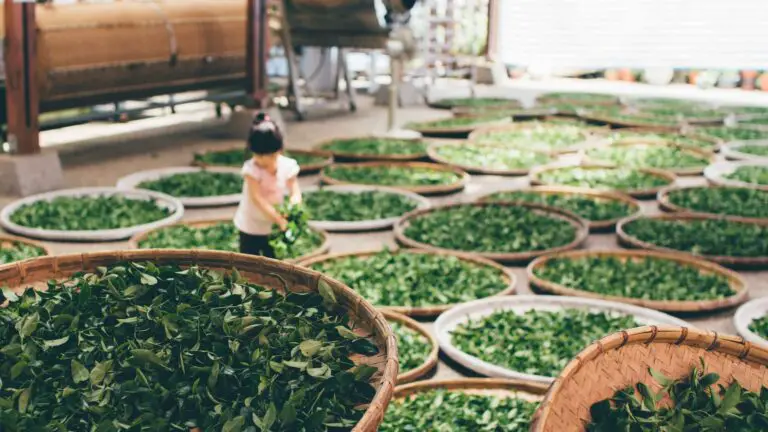
China is the birthplace of tea, and its climate diversity is staggering. From the humid subtropical south to the cool, mountainous west, China produces everything from delicate White Tea to robust Pu-erh.
- Climate Factor: The Fujian province enjoys a mild, humid climate perfect for Oolong. In contrast, the Yunnan plateau has distinct wet and dry seasons, ideal for Pu-erh fermentation.
- Growing Insight: Chinese farmers often use terraced farming to maximize sun exposure and drainage in mountainous areas.
2. 🇮🇳 India: From the Humid Plains of Assam to the Cool Hills of Darjeling
India is a tale of two climates.
- Assam: Located in the Brahmaputra valley, this region is hot and humid with heavy monsoon rains. The result? A bold, malty, and robust black tea. The high heat accelerates growth, producing large leaves.
- Darjeling: Nestled in the Himalayas, this region is cool and misty. The slower growth here creates the famous “Muscatel” flavor—a delicate, floral, and astringent profile.
3. 🇯🇵 Japan: Precision Cultivation in Temperate Maritime Zones
Japan’s climate is temperate maritime, with distinct seasons and high humidity.
- Shading Technique: To create Matcha and Gyokuro, Japanese farmers cover the tea bushes with straw or black cloth for weeks before harvest. This blocks sunlight, boosting chlorophyll and L-theanine, resulting in a vibrant green color and umami flavor.
- Winter Dormancy: The cold winters in Japan force the plants into dormancy, which concentrates flavors for the spring harvest.
4. 🇹🇼 Taiwan: The Art of High-Mountain Oolong in Subtropical Terrains
Taiwan’s high-altitude regions (above 1,0 meters) are famous for High Mountain Oolong.
- The Climate: Cool nights and warm days, combined with constant cloud cover, create a slow-growing environment.
- The Result: Teas with a creamy texture, floral notes, and a lingering sweetness. The Alishan and Lishan regions are prime examples.
5. 🇳🇵 Nepal: The Rising Star of Himalayan Teroir
Nepal is often called the “new Darjeling.” Its climate is similar, with high altitude and monsoon rains.
- Unique Factor: Nepal’s soil is rich in minerals, and the steep slopes provide excellent drainage. The tea here often has a floral and fruity profile, distinct from its Indian neighbor.
6. 🇱🇰 Sri Lanka: Adapting to Tropical Elevation Variations
Formerly Ceylon, Sri Lanka’s tea regions are defined by elevation.
- Low Grown: Hot and humid, producing strong, dark teas.
- High Grown: Cool and misty (Nuwara Eliya), producing light, aromatic teas.
- Mid Grown: A balance of both.
7. 🇰🇷 South Korea: Reviving Ancient Tea Traditions in a Four-Season Climate
South Korea has a continental climate with hot, humid summers and cold, dry winters.
- Challenge: The cold winters require snow protection for the bushes.
- Reward: The Jeju Island tea is famous for its unique flavor, influenced by the volcanic soil and sea breeze.
8. 🇹🇷 Turkey: Black Tea Success in the Humid Black Sea Region
Turkey is the world’s largest tea producer by area, yet it’s often overlooked. The Rize region on the Black Sea coast has a humid subtropical climate with heavy rainfall.
- Success Factor: The constant moisture and mild winters allow for year-round growth, though the primary harvest is in spring and summer.
9. 🇷🇺 Russia: Pushing the Northern Limits of Tea Cultivation
Yes, Russia grows tea! The Krasnodar region is the northernmost tea-growing area in the world.
- Climate: It has a humid subtropical microclimate due to the proximity to the Black Sea and the protection of the Caucasus Mountains.
- Hardiness: The plants here are incredibly cold-hardy, surviving temperatures that would kill tea elsewhere.
10. 🇦🇷 Argentina: The Southern Hemisphere’s Subtropical Tea Boom
Argentina’s tea regions (Misiones) have a subtropical climate with hot, humid summers and mild winters.
- Harvest Cycle: Being in the Southern Hemisphere, the harvest season is opposite to the Northern Hemisphere, providing fresh tea when the rest of the world is dormant.
1. 🌏 Beyond the Classics: Emerging Tea Regions in Africa and the Americas
- Kenya: High altitude and equatorial sun produce bright, brisk, and robust black teas.
- USA: From the Pacific Northwest (Washington, Oregon) to the Southeast (South Carolina), American tea is gaining traction. The Buddha’s Hand and Camellia sinensis varieties are being tested in various microclimates.
- Africa: Beyond Kenya, countries like Malawi and Zimbabwe are producing high-quality teas in their highland regions.
🛠️ Practical Gardening: Soil, Water, and Microclimate Management
Now that you know where to grow, let’s talk how.
Soil Preparation: The Foundation of Flavor
Tea plants are acidophiles. They crave acidic soil.
- Test Your Soil: Use a pH meter or a test kit. If your pH is above 6.5, you need to lower it.
- Amendments: Add peat moss, pine bark fines, or sulfur to lower pH. Avoid lime!
- Drainage: Mix in perlite or coarse sand to ensure water doesn’t pool.
Watering Wisdom
- Frequency: Water when the top inch of soil feels dry.
- Method: Use drip irrigation or water at the base to keep leaves dry and prevent fungal issues.
- Quality: Tea plants are sensitive to chlorine and fluoride. If your tap water is hard, consider using rainwater or filtered water.
Microclimate Creation
If your climate isn’t perfect, create your own!
- Windbreaks: Plant hedges or install fences to protect from strong winds.
- Shade: Use shade cloth or plant under taller trees (but not too close to compete for nutrients).
- Mulch: A 3-inch layer of organic mulch regulates soil temperature and moisture.
🌿 Selecting the Right Varieties for Your Local Weather Patterns
Choosing the right cultivar is half the battle.
- Cold Climates (Zone 6-7): Look for Assamica hybrids or Korean varieties. Brands like Growing Teas™ offer specific cold-hardy starter plants.
- Hot/Humid Climates: Assamica is your go-to. It thrives in heat and humidity.
- Arid Climates: Choose varieties with drought tolerance and ensure you have a robust irrigation plan.
👉 CHECK PRICE on:
- Camellia sinensis (Cold Hardy): Amazon | Growing Teas™
- Camellia sinensis (Assamica): Amazon | Etsy
🐛 Pests and Diseases: Climate-Specific Challenges and Organic Solutions
Every climate has its villains.
- Humid Climates: Watch out for fungal diseases (leaf spot, blight) and scale insects.
Solution: Improve air circulation, use nem oil, and apply copper fungicides (organic approved). - Dry Climates: Spider mites and aphids love dry heat.
Solution: Increase humidity, spray with insecticidal soap, and introduce ladybugs. - Cold Climates: Root rot from frozen, waterlogged soil.
Solution: Ensure excellent drainage and use mulch for insulation.
🍵 Harvesting and Processing: How Climate Influences the Final Cup
The climate doesn’t just affect the plant; it dictates the harvest timing and processing method.
- Spring Harvest: In cold climates, the first flush (spring) is the most prized. The leaves are tender and full of flavor.
- Summer Harvest: In hot climates, the leaves grow faster and can become bitter. They are often processed into black tea to mask the astringency.
- Autumn/Winter: In tropical regions, the “winter flush” can produce unique, floral teas.
Processing Tip: The oxidation level is adjusted based on the leaf’s condition. Hot, fast-grown leaves might need less oxidation to prevent bitterness, while slow-grown cold-climate leaves can handle more.
🏡 Growing Tea at Home: Container Gardening for Any Climate Zone
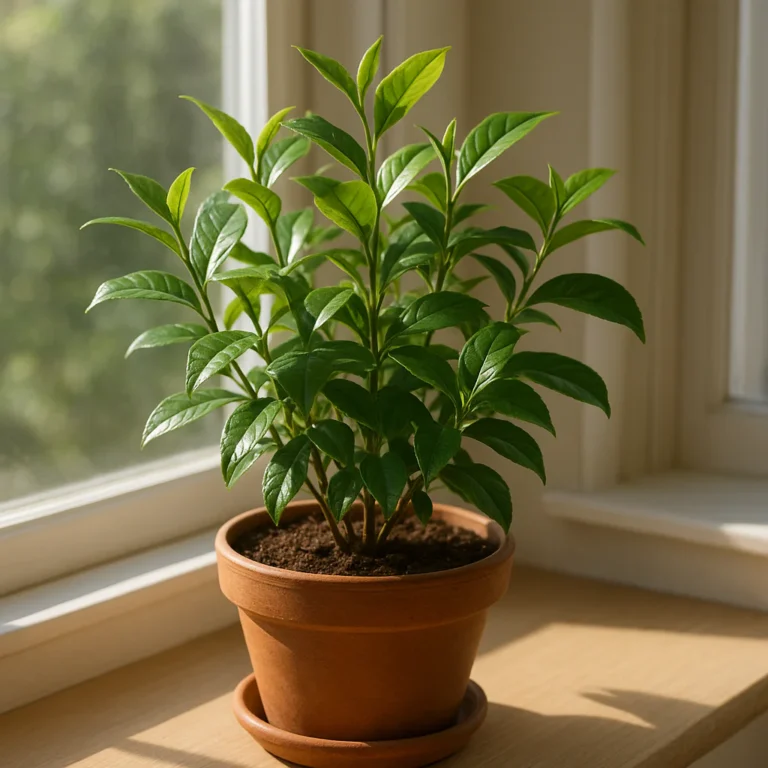
Don’t have a garden? No problem! Tea plants make excellent container plants.
- Pot Selection: Choose a pot with drainage holes. A 5-gallon pot is a good start.
- Soil Mix: Use a well-draining, acidic poting mix. A blend of peat moss, perlite, and pine bark works wonders.
- Winter Care: In cold zones, bring the pot indoors to a sunny window or a greenhouse.
- Pruning: Regular pruning keeps the plant bushy and manageable.
Personal Story: One of our team members, Sarah, grows her tea plant in a 5-gallon pot on her balcony in Seattle. She brings it inside when the temperature drops below 30°F. She says, “It’s like having a pet that drinks tea!”
👉 Shop Tea Planters on:
💡 Conclusion

Growing tea in different climates is a journey of adaptation, patience, and discovery. Whether you are nurturing a bush in the humid tropics or protecting one from a freezing winter, the reward is a cup of tea that is uniquely yours.
Key Takeaways:
- Soil pH is non-negotiable: Keep it acidic (4.5-6.0).
- Water is life, but drainage is survival.
- Climate shapes flavor: Cold = sweet/complex; Heat = bold/malty.
- Variety matters: Choose the right cultivar for your zone.
Remember, the best tea garden is the one you enjoy tending to. So, grab your trowel, test your soil, and start your tea-growing adventure today!
🔗 Recommended Links
Ready to start your tea garden? Here are our top picks for tools and plants:
- Cold-Hardy Tea Plants:
Growing Teas™ Cold Hardy Camellia sinensis: Growing Teas™ Official | Amazon - Soil pH Testers:
Luster Leaf Rapitest: Amazon | Walmart - Organic Fertilizers:
Espoma Organic Acidifier: Amazon | Brand Official - Shade Cloth:
30% Shade Cloth: Amazon | Home Depot - Books on Tea Cultivation:
“The Tea Tree: A Guide to Growing and Brewing Your Own Tea”: Amazon
❓ FAQ: Your Burning Questions About Tea Cultivation Answered

What are the best tea plants for cold climates?
H3: Best Cold-Hardy Tea Varieties
If you live in USDA Zone 6 or lower, you need a cold-hardy variety. The Assamica hybrid (specifically those bred for cold tolerance) and the Korean tea varieties (like Camellia sinensis var. sinensis ‘Korean’) are excellent choices. These plants can withstand temperatures down to -10°F (-23°C) with proper mulching.
H4: Why are they cold-hardy?
These varieties have evolved in regions with harsh winters. They develop a thicker cuticle and enter a deeper dormancy, protecting their cells from ice crystal formation.
Read more about “🌱 12 Secrets to Mastering Tea Growing Climate Requirements (2026)”
How do I grow tea in a hot and humid environment?
H3: Strategies for Tropical Success
Growing tea in a hot, humid climate (like Assam or Florida) requires managing fungal risks and heat stress.
- Airflow: Space plants 3-4 feet apart.
- Shade: Use 30-50% shade cloth during the hottest part of the day.
- Drainage: Plant on raised beds to prevent root rot.
- Pruning: Regular pruning improves airflow and removes diseased leaves.
H4: Can I use fungicides?
Yes, but opt for organic options like neem oil or copper-based fungicides to avoid harming beneficial insects.
Read more about “🌱 Best Soil for Tea Cultivation: 7 Secrets to Perfect Leaves (2026)”
Can tea bushes survive frost and freezing temperatures?
H3: Frost Survival Guide
Yes, but with conditions. Mature tea bushes can survive light frosts (down to 20°F/-6°C) if they are aclimated (hardened off) before the cold hits. However, new growth is very susceptible to frost damage.
- Protection: Use row covers, mulch, or move potted plants indoors.
- Avoid: Do not fertilize in late autumn, as this encourages new growth that will freeze.
H4: What happens if the plant freezes?
If the plant freezes, the leaves may turn brown and drop, but the roots often survive. Prune back the dead wood in spring, and the plant will likely regrow.
Read more about “What Climate Is Needed to Grow Tea? 🌱 The Ultimate Guide (2026)”
What soil conditions do tea plants need in tropical regions?
H3: Tropical Soil Requirements
In tropical regions, the soil is often lateritic (rich in iron and aluminum but low in organic matter).
- pH: Must be acidic (4.5-6.0).
- Texture: Loamy and well-draining.
- Organic Matter: Add plenty of compost or pine bark to improve structure and nutrient retention.
- Moisture: Keep the soil consistently moist but never waterlogged.
H4: How to test tropical soil?
Use a soil test kit to check pH and nutrient levels. In many tropical regions, sulfur is needed to lower pH, and phosphorus may be deficient.
Read more about “🌍 Can Tea Grow Anywhere? The Ultimate Climate Guide (2026)”
📚 Reference Links
- VHB Group: What is the ideal climate condition for tea cultivation?
- Growing Teas™: Green Tea Cultivation
- Growing Teas™: Herbal Tea Planting
- Growing Teas™: Organic Farming Techniques
- Growing Teas™: Health Benefits of Tea
- Growing Teas™: DIY Tea Blending
- USDA Plant Hardiness Zone Map: USDA
- International Tea Committee: Tea Statistics