Support our educational content for free when you purchase through links on our site. Learn more
🌧️ 7 Climate Factors Affecting Tea Quality (2026)

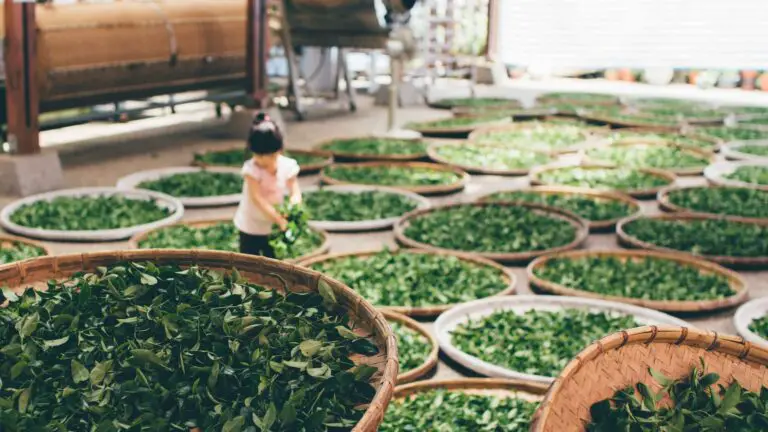
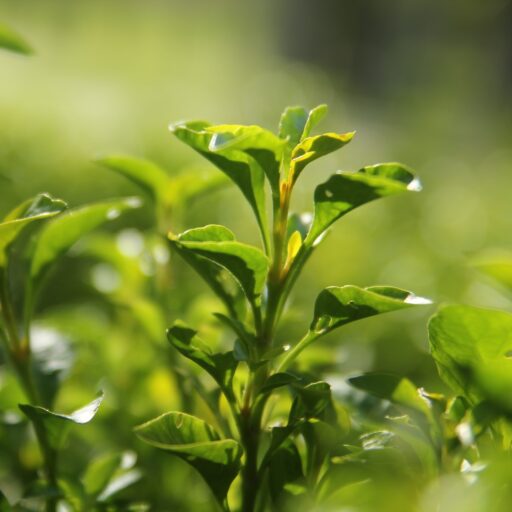
Have you ever wondered why a cup of tea from the spring harvest tastes like a floral dream, while the same bush harvested in the monsoon tastes like wet cardboard? It’s not magic; it’s meteorology. At Growing Teas™, we’ve spent years watching our tea bushes dance with the elements, and we’ve discovered that the difference between a “good” leaf and a “legendary” one often comes down to a few degrees of temperature or a single week of rain.
In this deep dive, we’re peling back the layers of Camellia sinensis to reveal the 7 critical climate factors that dictate flavor, aroma, and chemical composition. From the “dilution effect” of heavy rains to the secret power of cool nights, we’ll explore how temperature, precipitation, sunlight, altitude, wind, humidity, and soil synergy work together to create your perfect brew. We’ll even share the surprising statistic that shows why 81% of farmers are returning to seed-grown tea to survive our warming world.
Whether you are a seasoned tea conoisseur or a backyard gardener trying to grow your first bush, understanding these environmental levers is the key to unlocking superior quality. By the end of this article, you’ll know exactly how to manipulate your microclimate to coax out the sweetest umami and the most complex aromas, no matter where you live.
Key Takeaways
- The Dilution Effect: Heavy rainfall increases leaf size but drastically reduces the concentration of flavor compounds like catechins and caffeine, leading to a “watery” taste.
- Temperature is King: Cool nights are essential for preserving amino acids (theanine), while excessive heat triggers the production of bitter polyphenols.
- Altitude Matters: Higher elevations naturally provide the slow growth and temperature fluctuations needed for complex, high-quality tea profiles.
- Stress Creates Flavor: Mild environmental stress (drought or shade) forces the plant to produce defensive compounds that humans perceive as superior taste and aroma.
- Adaptation is Crucial: With climate change shifting weather patterns, seed-grown varieties and agroforestry are becoming the most effective strategies for maintaining quality.
Table of Contents
- ⚡️ Quick Tips and Facts
- 🌍 A Sip Through Time: The History of Tea and Climate Evolution
- 🌡️ Thermal Tightrope: How Temperature Shapes Tea Flavor Profiles
- 💧 Rain, Dew, and Drought: The Critical Role of Precipitation Patterns
- ☀️ Sunlight vs. Shade: Balancing UV Exposure for Optimal Polyphenol Levels
- 🌬️ Wind, Humidity, and Altitude: The Microclimates That Make or Break a Harvest
- 🌱 Soil Synergy: How Climate Dictates Nutrient Uptake and Teroir
- 📅 Seasonal Shifts: Understanding Spring, Summer, and Autumn Flush Variations
- 🌪️ Extreme Weather Events: Surviving Frost, Heatwaves, and Monsons
- 🔮 Future Brews: Climate Change Projections and Adaptation Strategies for Tea Growers
- 🧪 From Leaf to Cup: How Environmental Stressors Alter Catechins, Amino Acids, and Aroma
- 🏆 Top Tea Regions Under the Microscope: Darjeling, Uji, Yunnan, and Assam
- 🛠️ Farmer Knowledge, Sensory Preferences, and Pricing in a Warming World
- 📊 Statistical Insights: Corelating Weather Data with Cup Quality Scores
- ✅ Quick Tips and Facts
- Conclusion
- Recommended Links
- FAQ
- Reference Links
⚡️ Quick Tips and Facts
Before we dive into the deep end of the tea pot, let’s grab a quick cup of knowledge! Here are the non-negotiables every aspiring tea grower needs to know about the climate-leaf connection:
- The Dilution Effect is Real: 🌧️ More rain often equals bigger leaves, but lower concentration of those precious flavor compounds (catechins and caffeine). It’s nature’s dilution!
- Temperature is the Conductor: 🌡️ A shift of just a few degrees can change a tea from “floral and sweet” to “bitter and astringent.”
- Altitude is Your Friend: 🏔️ Higher elevations generally mean slower growth, which allows for a higher accumulation of amino acids (theumanine) and complex aromas.
- Stress Makes Flavor: 🌪️ Paradoxically, mild environmental stress (like a dry spell or cool nights) often triggers the plant to produce more defensive compounds, which we humans interpret as better flavor.
- The Monsoon Paradox: 🌧️ While the monsoon brings lush growth, it often results in a 50% drop in specific quality markers compared to the spring drought.
If you’re wondering exactly what climate conditions are needed to grow tea successfully, we’ve broken it all down in our dedicated guide: What climate conditions are needed to grow tea successfully?.
🌍 A Sip Through Time: The History of Tea and Climate Evolution

Tea isn’t just a beverage; it’s a living fossil of climate history. For thousands of years, the Camellia sinensis plant has danced to the rhythm of the seasons, evolving alongside the shifting tides of Earth’s weather.
The Ancient Roots
Originating in the misty mountains of Southwest China and Northern Myanmar, tea plants evolved in a subtropical monsoon climate. Early cultivators noticed that leaves harvested after a dry spring were vastly superior to those plucked during the heavy rains. This wasn’t just superstition; it was empirical science passed down through generations.
“The inverse relationship between tea growth and concentrations of individual secondary metabolites suggests a dilution effect of precipitation on tea quality.” — PLOS ONE Study
How Climate Shifts Changed the Cup
As the Little Ice Age and subsequent warming periods rolled through history, tea regions shifted.
- The Cold Snap: Cooler temperatures in the 17th and 18th centuries forced tea gardens to higher altitudes, inadvertently creating the high-mountain tea profiles we cherish today (think Darjeling and high-elevation Oolongs).
- The Industrial Era: The introduction of clonal propagation allowed farmers to standardize quality, but it also made crops more vulnerable to specific climate niches.
Today, as we face rapid climate change, we are seeing a return to ancient wisdom. Farmers in Yunnan are increasingly returning to seed-grown tea (as noted in recent studies showing 81% of farmers prefer seeds for resilience) because genetic diversity offers a better buffer against unpredictable weather than monoculture clones.
🌡️ Thermal Tightrope: How Temperature Shapes Tea Flavor Profiles
Temperature is the master chef in the kitchen of tea chemistry. It dictates the speed of growth and the type of compounds the plant synthesizes.
The Goldilocks Zone
Tea plants thrive in a specific thermal window.
- Optimal Range: Generally between 10°C and 30°C (50°F – 86°F).
- Too Cold: Below 10°C, growth halts. While this preserves amino acids (creating that sweet, umami taste), prolonged frost can kill the tender buds.
- Too Hot: Above 35°C (95°F), the plant goes into survival mode. It produces more polyphenols (bitterness) and fewer amino acids, leading to a harsh, astringent cup.
The Nightime Factor
Here is a secret many backyard growers miss: Nightime temperature is just as crucial as daytime heat.
- Cool Nights: When the temperature drops significantly at night, the plant’s respiration slows down. This means it burns fewer of the sugars and amino acids it produced during the day. The result? A sweter, more complex flavor profile.
- Warm Nights: If the temperature stays high, the plant “breathes” all night, burning up its reserves. The tea ends up flat and less aromatic.
The Science of Heat Stress
Recent studies on the Tieguanyin cultivar reveal that average daily temperature is the most significant factor influencing catechin synthesis.
- Hot & Rainy: Promotes Esterified Catechins (EGCG, ECG), which contribute to astringency and bitterness.
- Cool & Dry: Favors Non-Esterified Catechins (C, EGC), which are smoother and more delicate.
Pro Tip: If you live in a hot climate, consider shading your tea plants during the peak afternoon hours to mimic the cool canopy of a forest. This simple trick can lower leaf temperature by several degrees, preserving those delicate amino acids.
💧 Rain, Dew, and Drought: The Critical Role of Precipitation Patterns
Water is life, but in the world of tea, too much of a good thing can be a flavor killer.
The Dilution Effect Explained
Imagine a sponge. If you soak it in water, it gets heavy and big, but the concentration of whatever was inside it gets diluted. The same happens with tea leaves.
- Spring Drought: The plant grows slowly. It concentrates its energy into producing high levels of secondary metabolites (flavor compounds).
- Monsoon Surge: The plant explodes with growth. Leaf length and weight can increase by 50%, but the concentration of catechins and caffeine drops by a similar margin.
The “Spring Flush” Phenomenon
Why is spring tea (the first flush) so expensive and prized?
- Low Rainfall: The dry spring conditions force the plant to conserve resources, leading to high chemical density.
- Accumulated Energy: After a winter dormancy, the plant has stored up massive energy reserves.
- Result: A cup that is aromatic, sweet, and complex.
The Monsoon Dilemma
During the monsoon, the tea is often described as “watery” or “vegetal.”
- Total Phenolics: Interestingly, while specific catechins drop, total phenolic content and antioxidant activity (DPPH assay) can actually increase during heavy rains. However, the balance shifts, losing the delicate nuance of spring tea.
- Economic Impact: Farmers often see a 51% drop in farm-gate prices during the monsoon harvest compared to spring.
Managing Water in Your Garden
If you are cultivating your own tea, you don’t need a monsoon to ruin your crop, but you do need to manage irrigation carefully.
- Drip Irrigation: This is the gold standard. It delivers water directly to the roots, keeping the leaves dry (preventing fungal issues) and allowing you to control the “stress” level.
- Mulching: A thick layer of organic mulch helps retain soil moisture during dry spells and prevents the soil from baking in the sun.
☀️ Sunlight vs. Shade: Balancing UV Exposure for Optimal Polyphenol Levels
Light is the engine of photosynthesis, but the intensity and duration of that light determine the chemical makeup of your tea.
Full Sun vs. Shaded Tea
- Full Sun:
Pros: Maximizes growth speed and total yield.
Cons: Increases catechin production (bitterness) and decreases theanine (umami/sweetness). The leaves become tougher and darker. - Shade (The Matcha Method):
Pros: Shading tea plants (like in the production of Gyokuro or Matcha) for 2-3 weeks before harvest dramatically increases theanine and chlorophyll. It reduces bitterness and creates a vibrant green color.
Cons: Slower growth and lower yield.
The Gene Connection
Research indicates that average daily irradiance significantly influences the expression of genes like CsPAL, CsCHS1, and CsDFR.
- High Light: Triggers genes responsible for flavonoid synthesis (antioxidants and color).
- Low Light: Shifts the plant’s focus toward amino acid synthesis.
Practical Application for Home Growers
You don’t need a high-tech greenhouse to experiment with shade.
- Companion Planting: Plant taller trees or shrubs nearby to cast dappled shade during the hottest part of the day.
- Shade Cloth: If you are in a very hot region, a 30-50% shade cloth can make a world of difference in the flavor profile of your summer harvest.
Did you know? The video featured in our research highlights how Simple Sequence Repeats (SSRs) in tea genetics can help identify varieties that are naturally more resilient to high UV exposure. This is the future of breeding tea for a hotter world!
🌬️ Wind, Humidity, and Altitude: The Microclimates That Make or Break a Harvest
It’s not just the big picture climate; it’s the microclimate right around your tea bush that matters.
The Altitude Advantage
Why do the best teas come from the mountains?
- Cooler Temperatures: As altitude increases, temperature drops (roughly 0.6°C per 10 meters). This slows growth, allowing for flavor concentration.
- Cloud Cover: High-altitude regions often have more cloud cover, providing natural diffused light that boosts theanine.
- Temperature Fluctuation: Large swings between day and night temperatures are common in mountains, which is a flavor booster.
Humidity: The Double-Edged Sword
- High Humidity: Essential for keeping the leaves tender. If the air is too dry, the leaves become leathery and tough.
- Too High Humidity: Creates a breeding ground for fungal diseases like blister blight. Good airflow is non-negotiable.
The Role of Wind
- Gentle Breeze: Helps regulate temperature and reduces humidity around the leaf surface, preventing disease.
- Strong Winds: Can physically damage tender buds and increase transpiration, leading to water stress.
Creating Your Microclimate
If you are growing tea in a flat, hot area, you can simulate mountain conditions:
- Elevate your pots: Airflow underneath the plant mimics the breeze of a hillside.
- Group plants: Creating a “tea grove” increases local humidity and buffers against wind.
🌱 Soil Synergy: How Climate Dictates Nutrient Uptake and Teroir
Climate doesn’t just affect the leaf; it changes the soil, which in turn changes the tea. This is the concept of teroir in action.
The Acidification Cycle
Tea plants are acid-loving plants, preferring a pH between 4.5 and 5.5.
- Climate Impact: Heavy rainfall (monsons) leaches nutrients like calcium and magnesium from the soil, naturally acidifying it.
- The Danger: However, excessive acidification can lock up essential nutrients like phosphorus, leading to stunted growth.
Nutrient Uptake and Flavor
- Nitrogen (N): Crucial for amino acids (umami). High rainfall can wash nitrogen away, leading to a bland tea.
- Potassium (K): Helps with stress resistance and flavor balance.
- Organic Matter: In regions with high rainfall, maintaining organic matter is critical to prevent nutrient leaching.
Recent Research Insights
A comprehensive study on soil nutrients and acidification highlights that long-term tea planting drives soil acidification, which is heavily influenced by nitrogen deposition and climate factors.
- Intercropping: Planting fruit trees or other crops with tea can improve soil properties and buffer against acidification.
- Organic Amendments: Using manure or compost helps stabilize pH and improves nutrient availability.
Check out our guide on Organic Farming Techniques to learn how to manage your soil pH naturally!
📅 Seasonal Shifts: Understanding Spring, Summer, and Autumn Flush Variations
The “Flush” is the period when the tea plant produces new growth. Each season offers a distinct flavor profile driven by the climate.
| Season | Climate Characteristics | Flavor Profile | Best For |
|---|---|---|---|
| Spring (First Flush) | Cool nights, low rain, high sunlight | Sweet, floral, aromatic, high umami | Green Tea, White Tea, High-end Oolong |
| Summer (Second Flush) | Hot, humid, heavy rain | Robust, malty, astringent, bold | Black Tea, Assam-style blends |
| Autumn (Third/Fourth Flush) | Cooling down, moderate rain | Wody, earthy, smooth, less astringent | Oolong, Pu-erh, Herbal blends |
| Winter | Dormancy (no harvest) | N/A | Plant rest and recovery |
The Spring Rush
Spring tea is the crown jewel. The plant wakes up from winter dormancy with a burst of energy. The cool nights preserve the amino acids, while the increasing sunlight kickstarts the production of aromatic compounds.
The Summer Challenge
Summer tea is often overlooked, but it has its place. The heat and rain produce large, robust leaves perfect for fermentation. This is where you get the deep, malty notes of a classic Assam black tea.
The Autumn Calm
As the weather cols, the plant slows down again. Autumn teas are often smoother and less bitter than summer teas, with a lovely wody or nuty character.
🌪️ Extreme Weather Events: Surviving Frost, Heatwaves, and Monsons
Climate change is bringing extreme weather to tea regions worldwide. How do we protect our crops?
Frost: The Silent Killer
- Impact: A single night of frost can destroy the entire spring harvest.
- Defense:
Wind Machines: Used in large plantations to mix warm air from above with cold air near the ground.
Sprinklers: Water releases heat as it freezes, protecting the buds (counter-intuitive but effective!).
Row Covers: For home growers, floating row covers can provide a few degrees of protection.
Heatwaves: The Stress Test
- Impact: Temperatures above 35°C can scorch leaves and halt growth.
- Defense:
Shade Nets: Essential for mitigating extreme heat.
Mulching: Keeps roots cool and retains moisture.
Hydration: Ensure consistent watering, but avoid weting the leaves in the miday sun.
Unpredictable Monsons
- Impact: Heavy, erratic rains can cause root rot and fungal outbreaks.
- Defense:
Drainage: Ensure your soil has excellent drainage. Raised beds are a great solution.
Pruning: Regular pruning improves airflow and reduces humidity around the leaves.
Video Insight: As mentioned in the featured video, saltwater intrusion in coastal regions like Bangladesh is a growing threat due to rising sea levels. This is a stark reminder that climate resilience isn’t just about temperature; it’s about salinity tolerance and soil management.
🔮 Future Brews: Climate Change Projections and Adaptation Strategies for Tea Growers
What does the future hold for our favorite beverage?
The Projections
- Spring Harvest: Expected to see 4-6% less precipitation, potentially leading to even higher quality but lower yields.
- Monsoon Harvest: Expected to see 6-8% more precipitation, further diluting quality.
- Temperature: Winters are getting warmer, reducing the necessary chilling hours for some tea varieties.
Adaptation Strategies
- Genetic Diversity: Moving away from clones to seed-grown tea (as practiced by 81% of farmers in some regions) increases resilience.
- Agroforestry: Maintaining canopy coverage (81% of farmers) and forested buffer zones (72%) helps regulate microclimates.
- New Varieties: Breding programs are focusing on heat-tolerant and drought-resistant cultivars.
- Shifting Altitudes: As lowlands get too hot, tea cultivation is moving to higher elevations, though this is limited by geography.
“We need to optimize our plants to give ourselves the best chance.” — Featured Video
🧪 From Leaf to Cup: How Environmental Stressors Alter Catechins, Amino Acids, and Aroma
Let’s get scientific for a moment. How exactly does the weather change what’s in your cup?
The Chemical Dance
- Catechins (Polyphenols): These are the antioxidants and the source of bitterness/astringency.
High Heat/Light: Increases catechins.
Shade/Cool: Decreases catechins. - Theanine (Amino Acid): The source of umami and sweetness.
Shade/Cool: Increases theanine.
Heat/Light: Decreases theanine. - Caffeine: A natural pesticide.
Stress (Heat/Drought): Increases caffeine production.
The Balance
The quality of tea is determined by the ratio of these compounds.
- High Quality: High Theanine + Moderate Catechins = Sweet, smooth, complex.
- Low Quality: Low Theanine + High Catechins = Bitter, harsh, astringent.
The Monsoon Paradox Revisited
While total phenolics might increase in the monsoon, the specific profile of catechins shifts. The delicate balance is lost, resulting in a tea that is “heavy” but lacks the lingering sweetness (gaan) that defines high-quality spring tea.
🏆 Top Tea Regions Under the Microscope: Darjeling, Uji, Yunnan, and Assam
Let’s see how these principles play out in the world’s most famous tea regions.
Darjeling (India)
- Climate: High altitude, cool temperatures, distinct seasons.
- Impact: The First Flush is legendary for its floral aroma and muscatel flavor, driven by cool nights and low rainfall. The Second Flush (monsoon) is more robust and malty.
Uji (Japan)
- Climate: Coastal, humid, with heavy winter snow.
- Impact: Famous for shade-grown teas (Gyokuro, Matcha). The combination of cool temperatures and artificial shading creates the highest levels of theanine in the world.
Yunnan (China)
- Climate: Tropical highlands, distinct wet/dry seasons.
- Impact: Home to ancient Pu-erh trees. The diversity of microclimates allows for a vast range of flavors. Recent studies show that seed-grown trees here are more resilient to climate variability than clonal shrubs.
Assam (India)
- Climate: Low altitude, hot, heavy monsoon.
- Impact: The ideal region for black tea. The heat and humidity produce large, robust leaves with high caffeine and strong flavor, perfect for breakfast blends.
🛠️ Farmer Knowledge, Sensory Preferences, and Pricing in a Warming World
It’s not just about chemistry; it’s about people.
The Farmer’s Eye
Studies show a high degree of agreement among farmers regarding climate impacts.
- 78% have observed increased unpredictability in rains.
- 94% note earlier spring harvests.
- Sensory Preference: 81% of farmers prefer spring tea for its aroma and taste.
The Economic Reality
The shift in climate is hitting farmers hard.
- Price Drop: A 51% decrease in farm-gate prices during the monsoon compared to spring.
- Income Variability: Household income can drop by 50% during the monsoon season.
Adapting the Market
Traders and consumers are beginning to value resilience over just yield. There is a growing market for climate-smart teas that are grown using sustainable practices, even if the yield is lower.
📊 Statistical Insights: Corelating Weather Data with Cup Quality Scores
We love a good graph! (Well, we love the data behind it).
Key Corelations
- Rainfall vs. Catechins: Strong negative correlation. More rain = less catechins per gram of leaf.
- Temperature vs. Theanine: Strong negative correlation. Higher temps = less theanine.
- Altitude vs. Quality: Strong positive correlation. Higher altitude = higher quality scores.
The “Optimal” Window
Using LINGO software, researchers have determined optimal conditions for specific compounds:
- For High Esterified Catechins (TEC): ~9.78mm rainfall, 12.72°C avg temp, high light.
- For High Non-Esterified Catechins (TNEC): ~1.13mm rainfall, lower temps, lower light.
This data proves that one size does not fit all. The “perfect” climate depends on what you want your tea to taste like!
Conclusion

We’ve journeyed from the misty mountains of Yunnan to the hot plains of Assam, uncovering the intricate dance between climate and tea quality. The story is clear: temperature, rainfall, sunlight, and altitude are not just background variables; they are the architects of flavor.
The Good News:
We have the knowledge to adapt. By understanding the dilution effect, managing microclimates, and embracing genetic diversity, we can continue to produce exceptional tea even in a changing world.
The Bad News:
The monsoon will likely continue to dilute quality, and extreme weather will become more frequent. The price of a perfect cup of spring tea may only go up.
Our Recommendation:
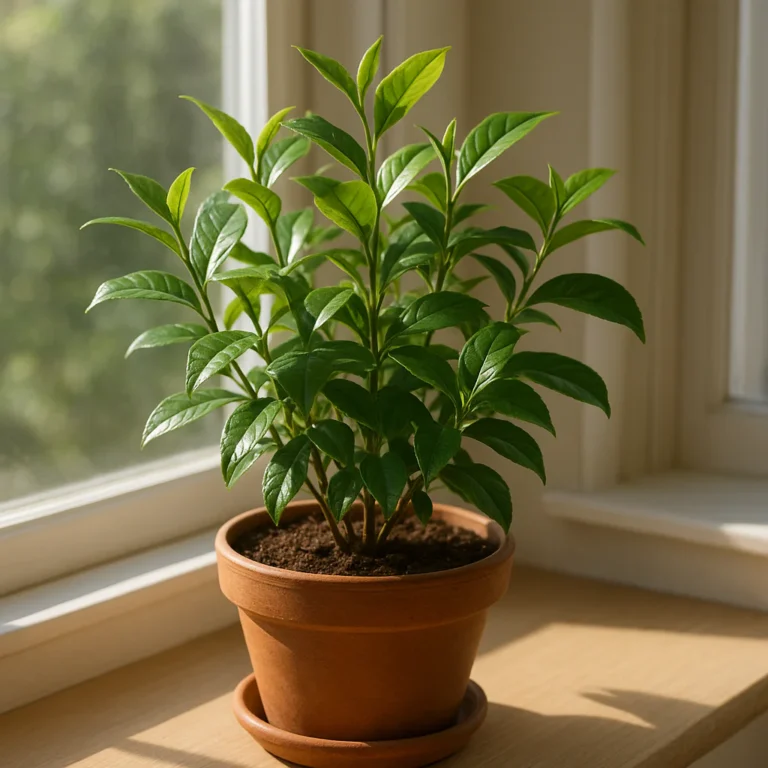
If you are a home grower, don’t fear the stress. A little bit of drought or shade can work wonders for your tea’s flavor. Focus on soil health, drainage, and companion planting. And remember, the best tea is the one you grow with care and patience.
As the video wisely stated, “There are lots of really smart people working on it.” But the most important work happens right in your backyard. Optimize your plants, respect the seasons, and enjoy the brew!
Recommended Links
Ready to start your tea growing journey? Here are some top-rated tools and resources to help you cultivate the perfect climate for your tea plants.
Essential Gardening Tools
- Soil pH Test Kit: Amazon | Walmart | Brand Official
- Shade Cloth (30-50%): Amazon | Etsy | Brand Official
- Drip Irrigation Kit: Amazon | Walmart | Brand Official
Books for the Aspiring Tea Grower
- “The Tea Garden: A Guide to Growing and Processing Tea” – Amazon
- “Tea: A History of the World’s Favorite Drink” – Amazon
Growing Teas™ Resources
- Green Tea Cultivation
- Herbal Tea Planting
- Organic Farming Techniques
- Health Benefits of Tea
- DIY Tea Blending
FAQ

How does rainfall affect the flavor of homegrown tea?
Rainfall has a profound impact on tea flavor through the “dilution effect.” While heavy rain promotes rapid leaf growth (increasing yield), it significantly dilutes the concentration of flavor compounds like catechins and caffeine.
- Low Rainfall (Spring): Results in smaller leaves with high concentrations of amino acids and catechins, leading to a sweet, complex, and aromatic cup.
- High Rainfall (Monsoon): Results in larger, water-logged leaves with lower concentrations of these compounds, often resulting in a “watery,” less flavorful, and more astringent cup.
Read more about “🌧️ Tea Plant Rainfall Requirements: The 10-Step Guide to Perfect Hydration (2026)”
What is the ideal temperature range for growing high-quality tea plants?
The ideal temperature range for high-quality tea is generally between 10°C and 30°C (50°F – 86°F).
- Cool Nights: Crucial for preserving amino acids (theanine) which provide sweetness and umami.
- Warm Days: Necessary for photosynthesis and growth, but temperatures above 35°C (95°F) can cause the plant to produce excessive bitterness (catechins) and stress.
- Altitude Factor: Higher altitudes naturally provide cooler temperatures, which is why high-mountain teas are often considered superior.
Read more about “🌸 7 Tea Plant Pollination Methods to Skyrocket Seed Yields (2026)”
Does altitude impact the taste of tea grown in a backyard garden?
Absolutely! Altitude is one of the most significant factors in tea quality.
- Slower Growth: Cooler temperatures at higher elevations slow down the plant’s growth, allowing more time for the accumulation of flavor compounds.
- Temperature Fluctuation: Greater differences between day and night temperatures at altitude enhance the aromatic complexity of the tea.
- Cloud Cover: High-altitude areas often have more cloud cover, providing natural diffused light that boosts theanine production.
- Backyard Tip: If you live at a low altitude, try to mimic these conditions by using shade cloth and ensuring good airflow to create a cooler microclimate.
Read more about “🌿 7 Deadly Tea Plant Nutrient Deficiencies (2026)”
How does sunlight exposure change the chemical composition of tea leaves?
Sunlight is a double-edged sword.
- Full Sun: Increases the production of catechins (polyphenols), which contribute to bitterness and astringency. It also speeds up growth, which can dilute flavor.
- Shade: Decreases catechin production and significantly increases theanine (amino acids), leading to a sweter, smoother, and more umami-rich flavor. This is why shaded teas like Gyokuro and Matcha are so prized.
- Gene Expression: Sunlight directly influences the expression of genes like CsPAL and CsCHS1, which control the synthesis of these compounds.
Read more about “🏔️ Does Altitude Affect Tea? The High-Altitude Truth (2026)”
Can I grow high-quality tea in a hot, humid climate?
Yes, but it requires strategic management.
- Shade: Use shade cloth or companion planting to reduce direct sunlight and lower leaf temperatures.
- Water Management: Ensure excellent drainage to prevent root rot during heavy rains, and use drip irrigation to maintain consistent moisture without waterlogging.
- Variety Selection: Choose heat-tolerant varieties (like some Assam cultivars) or experiment with seed-grown plants for better resilience.
- Harvest Timing: Harvest early in the morning when the leaves are cool and hydrated.
Read more about “🌍 Growing Tea in Different Climates: The Ultimate 2026 Guide”
Reference Links
- PLOS ONE Study: “Climate Factors Affecting Tea Quality” – Read the full study
- Frontiers in Plant Science: “Catechin Accumulation in Camellia sinensis” – Read the full article
- Soil Copernicus: “Status and influential factors of soil nutrients and acidification in tea plantations” – Read the reference list
- Tea Association of the USA: Tea Facts and History
- International Tea Committee: Global Tea Statistics
- FAO (Food and Agriculture Organization): Tea Production and Climate Change