Support our educational content for free when you purchase through links on our site. Learn more
🌱 How Long Until Your Tea Plant is Ready? (2026 Guide)


It takes 3 to 5 years for a tea plant to fully mature and produce a harvestable yield that rivals store-bought tea. If you are wondering how long does it take for tea plants to mature and be ready for harvesting, the honest answer is that patience is your most essential ingredient. While you can technically pluck a few leaves after 18 months, the flavor will be weak and the plant needs those extra years to build a robust root system.
Imagine the Emperor Shen Nung, who supposedly discovered tea in 2737 BC, waiting decades for his first perfect cup. Today, we have the advantage of knowing exactly what to do, but the biological clock hasn’t changed. A single Camellia sinensis bush can live for over 10 years, producing thousands of cups of tea once it hits its stride.
The journey from a tiny seed to a fragrant harvest is a test of endurance, but the reward is a cup of tea with a story you wrote yourself. Whether you are growing in a pot on your balcony or a dedicated garden bed, understanding this timeline prevents disappointment and ensures your plant thrives.
Key Takeaways
- The Golden Timeline: Expect to wait 3 to 5 years for a mature, high-yield harvest; anything sooner is a “first flush” with limited flavor.
- Soil is Non-Negotiable: Tea plants demand acidic soil (pH 4.5–6.0); without it, the plant will turn yellow and fail to mature.
- Variety Matters: Choose the cold-hardy Chinese variety (sinensis) for cooler climates or the fast-growing Assam variety (assamica) for tropical zones.
- Patience Pays Off: Resist the urge to harvest in year one; letting the plant establish deep roots now guarantees a bountiful harvest for decades.
Table of Contents
- ⚡️ Quick Tips and Facts
- 📜 A Brief History of the Tea Plant: From Ancient China to Your Backyard
- 🌱 Understanding the Tea Plant: Camellia sinensis Varieties Explained
- 🌡️ Ideal Growing Conditions for Tea Plants: Climate, Soil, and Light
- 🕰️ How Long Does It Take for Tea Plants to Mature? The Timeline Breakdown
- 🌰 Growing Tea from Seed: Germination, Patience, and First Sprouts
- 🌿 Propagating Tea Plants: Cutings, Layering, and Cloning Success
- 🏡 Cultivating Tea Plants in Pots vs. In-Ground Gardens
- ✂️ When to Harvest Tea Leaves: Signs of Maturity and Plucking Techniques
- 🍵 From Leaf to Cup: Processing Methods That Define Your Harvest
- 🛠️ Essential Tools and Supplies for the Home Tea Grower
- 🏆 Top 15 Fascinating Facts About Tea Cultivation and Growth
- ❓ Frequently Asked Questions About Tea Plant Maturation
- 🎯 Our Expert Guide to Growing Tea Successfully at Home
- ✅ Conclusion
- 🔗 Recommended Links
- 📚 Reference Links
⚡️ Quick Tips and Facts
Before we dive into the nitty-gritty of patience and soil pH, let’s get the big picture straight. If you’re wondering how hard is tea to grow?, the short answer is: it’s a marathon, not a sprint. You won’t be sipping your home-brewed Earl Grey next Tuesday. Here is the rapid-fire reality check:
- The Golden Rule: It takes 3 to 5 years for a Camellia sinensis plant to reach full maturity and produce a harvestable yield that tastes like “real” tea.
- The First Sip: You can technically pluck leaves after 18–24 months, but the flavor will be weak, and the plant needs that time to build a robust root system.
- The Secret to Growth: Acidic soil (pH 4.5–6.0) is non-negotiable. If your soil is alkaline, your tea plant will turn yellow and sulk.
- Harvest Frequency: Once mature, you can harvest 3 to 4 times a year (Spring, Summer, Autumn), depending on your climate.
- One Plant, Many Teas: That single bush produces Green, Black, Oolong, and White tea. The difference isn’t the plant; it’s how you process the leaves after picking.
For a deeper dive into the challenges you might face, check out our guide on How hard is tea to grow?.
📜 A Brief History of the Tea Plant: From Ancient China to Your Backyard

You might think growing tea is a modern hobby, but humans have been obsessed with Camellia sinensis for over 5,0 years. Legend has it that in 2737 BC, the Chinese Emperor Shen Nung was boiling water under a wild tea tree when a few leaves drifted into his pot. The result? The world’s first cup of tea.
While the Chinese were perfecting the art of tea cultivation, the British were busy trying to smuggle seeds out of China to break the monopoly. Fast forward today, and you can grow your own tea bush in a pot on your balcony or a dedicated corner of your garden.
The journey from ancient imperial gardens to your kitchen counter is a story of botanical resilience. Whether you are aiming for a lush Green Tea Cultivation setup or experimenting with Herbal Tea Planting (though true tea comes from Camellia sinensis), understanding this history helps you appreciate the patience required.
Did you know? The UK consumes 165 million cups of tea daily. If you grow your own, you’re joining a global club that dates back millennia!
🌱 Understanding the Tea Plant: Camellia sinensis Varieties Explained
Not all tea plants are created equal. When you start your journey, you’ll encounter two primary varieties. Choosing the right one is critical for your climate and your patience level.
1. Camellia sinensis var. sinensis (Chinese Variety)
- Characteristics: Smaller leaves, shrub-like growth habit, cold-hardy.
- Best For: Cooler climates (USDA zones 7–9). It handles frost better than its cousin.
- Growth Rate: Slower, but more compact. Perfect for growing tea plants at home in pots.
- Flavor Profile: Delicate, floral, and complex. Ideal for Green and Oolong teas.
2. Camellia sinensis var. assamica (Indian/Assam Variety)
- Characteristics: Large leaves, tree-like growth, tropical preference.
- Best For: Warm, humid climates (USDA zones 9–1). It struggles in freezing temps.
- Growth Rate: Fast and vigorous. Can grow into a small tree if left unpruned.
- Flavor Profile: Robust, malty, and strong. The backbone of most Black teas.
Pro Tip: If you live in a region with cold winters, stick to the Chinese variety. It’s the only one that will survive a typical English or American winter without a heated greenhouse.
🌡️ Ideal Growing Conditions for Tea Plants: Climate, Soil, and Light
You can’t just throw a seed in the dirt and hope for the best. Tea plants are picky eaters and fussy drinkers. To answer the burning question of how long does it take for tea plants to mature, you first need to ensure they aren’t stressed by bad conditions.
Soil: The Acid Test
Tea plants are ericaceous, meaning they crave acidic soil.
- Target pH: 4.5 to 6.0.
- The Danger: If your soil is neutral or alkaline (pH > 7.0), the plant cannot absorb iron, leading to chlorosis (yellow leaves with green veins).
- Solution: Use ericaceous compost or mix in peat moss, pine bark, and sulfur.
Light: The Goldilocks Zone
- Too Much Sun: Leaves scorch and turn brown.
- Too Much Shade: Growth slows down, and the plant becomes legy.
- Just Right: Dappled sunlight or morning sun with afternoon shade. In hotter climates, they need protection from the miday blaze.
Water and Humidity
Tea plants hate “wet feet” (waterlogged roots) but also hate drying out.
- Drainage: Essential. Use pots with holes or raised beds.
- Humidity: They love humidity. If you live in a dry climate, mist your plants regularly.
For more on keeping your soil happy, explore our resources on Fertilizers for Tea Plants and Organic Farming Techniques.
🕰️ How Long Does It Take for Tea Plants to Mature? The Timeline Breakdown
Here is the moment you’ve been waiting for. The timeline is the most critical factor in how long does it take for tea plants to mature and be ready for harvesting.
| Stage | Timeframe | What’s Happening? | Can You Harvest? |
|---|---|---|---|
| Germination | 6–8 weeks | Seed cracks, root emerges. | ❌ No |
| Seedling Stage | 6–12 months | First true leaves appear. Plant is fragile. | ❌ No |
| Juvenile Phase | 1–2 years | Rapid vegetative growth. Root system establishes. | ❌ No (Wait!) |
| First Flush | 2–3 years | Small yield of tender leaves. Flavor is mild. | ⚠️ Yes (Lightly) |
| Full Maturity | 3–5 years | Bush is established, yields are consistent. | ✅ Yes (Regularly) |
| Peak Production | 5–20+ years | The plant is a machine. Pruning keeps it bushy. | ✅ Yes (Abundantly) |
The “3-Year Rule” Explained:
Most sources, including experts at LoveTheGarden, state that it takes 3 years for a tea plant to reach full maturity. However, “maturity” is a spectrum.
- Year 1: Focus on survival. Do not harvest.
- Year 2: You might get a tiny handful of leaves, but it’s better to let the plant grow stronger.
- Year 3: The first real harvest. The flavor will be decent, but the yield is low.
- Year 5+: This is when your plant becomes a reliable tea factory.
Why the wait? If you harvest too early, you stunt the root development. A shallow root system means the plant will struggle to survive its first winter or produce flavorful leaves later. Patience is the secret ingredient.
🌰 Growing Tea from Seed: Germination, Patience, and First Sprouts
Starting from seed is the most rewarding (and frustrating) way to grow tea. It’s a test of character.
Step-by-Step Germination Guide
- Source Fresh Seeds: Tea seeds lose viability quickly. Buy from a reputable supplier or harvest from a healthy plant immediately.
- The Float Test: Soak seeds in water for 24 hours. Sinkers are good; floaters are usually dead.
- Soak Again: Soak the sinkers in warm water for another 24–48 hours to soften the shell.
- Planting: Plant seeds about 1 inch deep in acidic poting mix.
- Wait: Keep the soil moist and warm (70°F/21°C). Germination can take 6 to 8 weeks.
The Gamble: Not every seed will sprout. Some sources suggest a success rate of only 50%. This is why many growers prefer buying saplings to skip the seed stage.
If you decide to go the seed route, ensure you have the right Organic Farming Techniques to support those fragile sprouts.
🌿 Propagating Tea Plants: Cutings, Layering, and Cloning Success
If you want to skip the seed lottery, propagation is your best friend. This method ensures you get an exact clone of the parent plant with known characteristics.
Method 1: Stem Cutings (The Most Common)
- When: Late spring or early summer.
- How: Take a 4–6 inch cutting from a healthy, semi-hardwood branch. Remove lower leaves. Dip the end in rooting hormone. Plant in a mix of peat and perlite.
- Success Rate: High, if humidity is maintained.
Method 2: Air Layering
- When: Spring.
- How: Wound a branch, wrap it in moist sphagnum moss, and cover with plastic. Roots will form inside the moss while still attached to the parent.
- Benefit: You get a larger, more established plant faster than with cutings.
Why Propagate? It guarantees you get the specific flavor profile you want (e.g., a specific Oolong clone) and speeds up the time to harvest by 1–2 years compared to seeds.
🏡 Cultivating Tea Plants in Pots vs. In-Ground Gardens
Where you plant your tea determines how fast it grows and how long it takes to mature.
In-Ground Planting
- Pros: Roots can spread deep, leading to faster growth and larger yields. Better temperature regulation.
- Cons: Harder to move if the weather turns bad. Soil pH must be perfect.
- Best For: Gardeners in USDA zones 7–9 with acidic soil.
Container Planting
- Pros: Total control over soil pH. Easy to move indoors during frost. Great for small spaces.
- Cons: Roots dry out faster. Growth is slower due to restricted root space. Requires more frequent watering and fertilizing.
- Best For: Cold climates (move indoors in winter) or apartment dwellers.
Our Recommendation: If you are in a cold climate, start in a pot. Once the plant is 2 years old and the weather warms up, you can transplant it to the ground. If you stay in a pot, repot every 2 years to refresh the soil and prevent root binding.
✂️ When to Harvest Tea Leaves: Signs of Maturity and Plucking Techniques
So, your plant is 3 years old. It’s time to pick! But how do you know when it’s ready?
Signs of Readiness
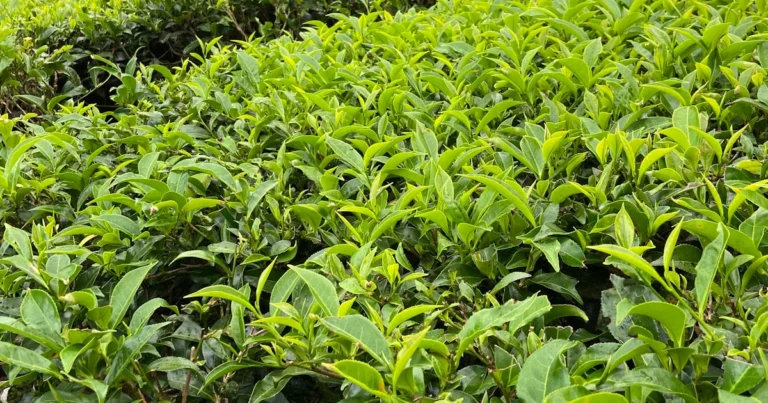
- The “Flush”: Look for new growth at the tips of the branches. This is the “flush.”
- Leaf Count: You want the top two leaves and the bud.
- Color: The leaves should be bright green and tender. Dark, thick, or yellow leaves are too old for high-quality tea.
The Plucking Technique
Watch the technique in the video below (referenced as #featured-video). The key is a clean break.
- Locate the bud and the two leaves below it.
- Pinch the stem just below the lowest leaf.
- Break it off cleanly. Do not tear or rip.
- Why? A clean break heals faster and prevents disease.
Note: If you pluck too low (taking old leaves), you damage the plant’s ability to produce new flushes. If you pluck too high (just the bud), you waste potential yield.
🍵 From Leaf to Cup: Processing Methods That Define Your Harvest
You have your leaves. Now, how long does it take for tea plants to mature is less important than how you process them. The same leaf can become Green, Black, or Oolong tea depending on the method.
| Tea Type | Processing Steps | Time to Process | Flavor Profile |
|---|---|---|---|
| Green Tea | Wither → Pan-Fire/Steam (Stop Oxidation) | 1–2 days | Grassy, fresh, vegetal |
| Black Tea | Wither → Roll → Oxidize (Full) → Dry | 2–3 days | Malty, bold, robust |
| Oolong Tea | Wither → Partial Oxidize → Pan-Fire | 2–4 days | Floral, complex, fruity |
| White Tea | Wither → Dry (Minimal processing) | 2–3 days | Delicate, sweet, subtle |
The Oxidation Secret:
- Green Tea: Oxidation is stopped immediately by heat.
- Black Tea: Leaves are bruised and left to turn dark (oxidize) completely.
- Oolong: A middle ground; leaves are bruised and oxidized partially.
You can learn more about the Health Benefits of Tea based on these processing methods on our site.
🛠️ Essential Tools and Supplies for the Home Tea Grower
You don’t need a factory, but you do need the right gear.
Must-Have Tools
- Sharp Pruners: For clean cuts.
- pH Meter: To test your soil acidity.
- Ericaceous Compost: Specifically formulated for acid-loving plants.
- Misting Bottle: To maintain humidity.
Recommended Products
- Soil: Look for Levington Peat-Free Ericaceous Compost (or similar brands like Miracle-Gro Azalea, Camellia & Rhodendron mix).
- Fertilizer: Use a liquid feed designed for acid-loving plants during the growing season.
- Kits: If you want to skip the seed hassle, search for Tea Growing Kits on Amazon that include pre-treated seeds and grow pellets.
👉 CHECK PRICE on:
- Ericaceous Compost: Amazon | Walmart | Brand Official
- Tea Plant Seeds: Amazon | Etsy
- Pruning Shears: Amazon | Brand Official
🏆 Top 15 Fascinating Facts About Tea Cultivation and Growth
Let’s spice things up with some trivia that will make you the star of your next tea party.
- One Plant, Four Teas: Green, Black, Oolong, and White all come from the same plant.
- The 3-Year Wait: It takes 3 years to mature, but 5 years for peak flavor.
- Frost Survival: Chinese varieties can survive down to -10°F (-23°C) with protection.
- Harvest Frequency: A mature plant can be harvested 3 to 4 times a year.
- Leaf Size Matters: Sinensis has small leaves; Assamica has huge leaves.
- Soil pH is King: If pH is wrong, the plant dies. No exceptions.
- Shade Grown: Some premium teas (like Gyokuro) are shaded before harvest to boost amino acids.
- Hand Picked: The finest teas are still picked by hand to select only the top two leaves.
- Root Depth: Mature tea roots can go 6 feet deep in the ground.
- Lifespan: A tea bush can live for 10 years or more!
- Caffeine Content: Younger leaves (buds) have more caffeine than older leaves.
- Climate Change: Scotland is becoming a viable tea-growing region due to warming temperatures.
- Antioxidants: Tea is one of the richest sources of antioxidants in the human diet.
- Self-Sowing: Unlike chamomile, tea plants do not self-sow easily; they need propagation.
- The “Flush”: The first spring harvest is called the “First Flush” and is the most prized.
❓ Frequently Asked Questions About Tea Plant Maturation
What care is needed to ensure healthy growth of tea plants before harvesting?
Before harvesting, focus on soil acidity and consistent watering. Apply a balanced, acidic fertilizer in early spring. Prune the plant lightly in the first two years to encourage a bushy shape, but avoid heavy harvesting until the plant is at least 2 years old.
How often can tea leaves be harvested from a mature plant?
Once mature (3+ years), you can harvest 3 to 4 times a year. The main flushes are in Spring, Summer, and Autumn. In tropical climates, you might get even more frequent harvests.
What are the best conditions for tea plants to grow quickly?
Warm temperatures (60–80°F), high humidity, acidic soil (pH 5.0–5.5), and dappled sunlight are the keys to rapid growth. Avoid frost and waterlogged soil at all costs.
How many years does it take for a tea plant to start producing leaves?
Technically, a tea plant starts producing leaves within the first year, but these are not harvestable for quality tea. You must wait until the plant is 2 to 3 years old for a meaningful harvest.
How many years does it take for a tea plant to produce its first harvestable leaves?
The first harvestable leaves usually appear around 18 to 24 months, but the yield is small. For a full, reliable harvest, wait until the plant is 3 years old.
What is the best time of year to harvest tea leaves for the best flavor?
The Spring flush (April/May in the Northern Hemisphere) produces the most delicate and flavorful leaves. Summer and Autumn flushes are stronger and more robust.
Do tea plants need special care before they are ready for the first picking?
Yes. In the first two years, do not harvest. Focus on building the root system. If you feed the plant with ericaceous food, wait 12–20 days after feeding before harvesting to avoid a chemical taste in the tea.
How often can you harvest tea leaves once the plant is fully mature?
Once fully mature, you can harvest every 4 to 6 weeks during the growing season, provided you leave some leaves on the plant to sustain it.
🎯 Our Expert Guide to Growing Tea Successfully at Home
We’ve covered the timeline, the soil, the varieties, and the processing. But what’s the one thing that separates a successful tea garden from a sad, yellowing bush?
It’s the soil.
You can have the perfect climate, the best seeds, and the sharpest shears, but if your pH is off, you’re done. Before you even think about how long does it take for tea plants to mature, test your soil. If it’s not acidic, amend it.
Also, remember that patience is a flavor enhancer. Rushing the harvest in year one will result in a weak, bitter cup that might make you give up. Wait for year three. The wait is worth it.
And don’t forget the processing. Even a perfect harvest can be ruined by over-oxidation or under-drying. Treat your leaves with the same care you’d give a fine wine.
Ready to start your journey? Grab some Camellia sinensis seeds, mix up some acidic soil, and get ready to wait. Your future self, sipping a cup of your own homegrown tea, will thank you.
✅ Conclusion

So, how long does it take for tea plants to mature and be ready for harvesting? The answer is a blend of biology and patience: 3 years for a decent harvest, and 5 years for a truly magnificent one.
Growing tea is not a quick fix; it’s a lifestyle. It teaches you about soil chemistry, the rhythm of the seasons, and the value of waiting. Whether you choose the hardy Chinese Sinensis or the tropical Assamica, the journey from seed to cup is one of the most rewarding gardening experiences you can have.
Our Final Recommendation:
If you are a beginner, start with a potted sapling rather than seeds to skip the germination gamble. Ensure your soil is acidic, protect it from frost, and do not harvest until the plant is at least 2 years old. By year 3, you’ll be sipping tea that you grew, picked, and processed yourself. That is a flavor no store-bought bag can ever match.
🔗 Recommended Links
👉 Shop Tea Growing Essentials:
- Camellia sinensis Seeds: Amazon | Etsy
- Ericaceous Compost: Amazon | Walmart
- Tea Growing Kits: Amazon
- Pruning Shears: Amazon
Books to Read:
📚 Reference Links
- LoveTheGarden: How to Grow Tea – Detailed guide on maturity and harvesting timelines.
- Getty Stewart: How and When to Harvest Chamomile – Insights on harvesting techniques (applicable to herbs).
- MasterClass: Growing Tea: 7 Tips for Growing Tea Plants at Home – Comprehensive guide to home cultivation.
- Growing Teas™: How hard is tea to grow? – Internal resource on cultivation difficulty.
- Growing Teas™: Green Tea Cultivation
- Growing Teas™: Herbal Tea Planting
- Growing Teas™: Fertilizers for Tea Plants
- Growing Teas™: Organic Farming Techniques
- Growing Teas™: Health Benefits of Tea