Support our educational content for free when you purchase through links on our site. Learn more
🌱 How Long Does It Take for Tea Plants to Mature? (2026 Guide)

The short answer? It takes about three years for a tea plant to mature and be ready for a meaningful harvest. If you are wondering how long does it take for tea plants to mature and be ready for harvest, the timeline is a test of patience, but the reward is a cup of tea unlike any you can buy in a store.
Most gardeners expect a quick turnaround, but Camellia sinensis is a slow-and-steady shrub that prioritizes deep roots over rapid leaves. We once watched a eager friend strip a two-year-old bush bare, only to watch it sicken and stop growing for a full season.
That mistake taught us that rushing nature is the fastest way to get no tea at all. By year three, your plant will finally have the energy reserves to support a harvest without compromising its future health.
Key Takeaways
- The Golden Timeline: Expect 3 years from planting to your first full, sustainable harvest.
- Seed vs. Cutting: Plants grown from cutings may mature slightly faster (2–2.5 years) than those from seds.
- The “Snack” Rule: You can taste a leaf or two in year two, but never strip the plant until it is fully established.
- Critical Factor: Maintaining acidic soil (pH 4.5–6.0) is non-negotiable for healthy growth and timely maturity.
- Long-Term Reward: A well-cared-for tea bush can produce quality leaves for 50+ years.
Table of Contents
- ⚡️ Quick Tips and Facts
- 🌱 Background: The Ancient Journey from Seed to Cup
- 🕰️ How Long Does It Take for Tea Plants to Mature? The Timeline Breakdown
- 🌿 Factors That Accelerate or Delay Tea Plant Growth
- ✂️ When Is Your Camellia sinensis Ready for the First Harvest?
- 🌍 Climate, Soil, and Altitude: The Trifecta of Tea Maturity
- 🏡 Growing Tea Plants Indors vs. Outdoors: A Reality Check
- 🍃 Pruning and Maintenance: Speeding Up the Maturation Process
- 🚫 Common Mistakes That Keep Your Tea Bushes Stunted
- 📊 Comparison: Seed-Grown vs. Cutting-Grown Tea Plants
- 🧪 Understanding Leaf Grades: What “Ready” Actually Looks Like
- 🌏 Global Variations: How Harvest Times Differ Around the World
- 🛠️ Essential Tools for the Home Tea Grower
- 📈 The Economics of Home-Grown Tea: Is It Worth the Wait?
- 🧐 Conclusion: Patience is the Secret Ingredient
- 🔗 Recommended Links
- ❓ FAQ: Your Burning Questions About Tea Plant Maturity
- 📚 Reference Links
⚡️ Quick Tips and Facts
Before we dive into the nitty-gritty of waiting years for your first cup of homegrown tea, let’s hit the high notes so you don’t get lost in the leafy weeds.
- The Golden Rule: It typically takes 3 years for a Camellia sinensis plant to mature enough for a meaningful harvest. 🕰️
- The “Snack” Exception: You can pluck a leaf or two after 18 months, but don’t expect a full pot of tea; think of it as a taste test, not a harvest. 🍃
- Growth Speed: Plants grown from cutings mature faster (often 2–2.5 years) than those grown from seds (3+ years), which have a genetic lottery to win. 🎲
- The Lifespan: If you treat your tea bush right, it can keep producing leaves for 50 to 10 years. That’s a legacy crop! 🌳
- Hardiness Check: Wondering how hard is tea to grow? It’s surprisingly resilient once established, but the first two years require the TLC of a newborn. Check out our deep dive on how hard is tea to grow? for the full scoop.
🌱 Background: The Ancient Journey from Seed to Cup

Tea isn’t just a beverage; it’s a living history lesson. The story of Camellia sinensis begins in the misty mountains of Yunnan, China, thousands of years ago. Legend has it that Emperor Shen Nung discovered tea in 2737 BC when leaves blew into his boiling water. But back then, they weren’t rushing to harvest. They were cultivating a perennial shrub that could outlive their grandchildren.
Unlike annual vegetables like lettuce or radishes that rush to the finish line in a single season, tea plants play the long game. They are wody shrubs that, if left unpruned, can grow into small trees reaching heights of 30 feet! However, in a garden setting, we keep them as manageable bushes.
The journey from a tiny seed to a harvestable bush is a test of patience. Many beginners get discouraged because they expect a “fast food” result. But tea is slow food in its purest form. The plant spends its first year establishing a massive root system, the second year building structural strength, and the third year finally saying, “Okay, I’m ready to share my leaves with you.”
“Patience is the secret ingredient in every cup of tea you brew.” — The Growing Teas™ Team
🕰️ How Long Does It Take for Tea Plants to Mature? The Timeline Breakdown
Let’s get specific, because “it depends” is the most frustrating answer in gardening. Here is the realistic timeline you can expect when growing Camellia sinensis.
Year 1: The Rooting Phase 🌱
In the first year, your plant is all about survival and root establishment. If you start from seed, you might see sprouts in 6–8 weeks. If you start from a cutting, it might root in 4–6 weeks.
- What to expect: The plant will focus energy underground. You might see a few leaves, but do not harvest.
- Goal: Build a root mass that can support future growth.
- Height: Usually 6–12 inches.
Year 2: The Structural Phase 🏗️
By year two, the plant is putting on height and branching out. It’s getting stronger, but it’s still a teenager.
- What to expect: You might see a few “test” leaves that look perfect.
- The Temptation: You can pluck 1 or 2 leaves here and there for curiosity, but do not strip the plant.
- Goal: Develop a sturdy framework of branches.
- Height: 1–2 feet.
Year 3: The First Harvest 🍵
This is the big one! By the third growing season, your plant has enough energy reserves to support a harvest without stunting its growth.
- What to expect: A flush of bright green leaves. You can now harvest a small amount (maybe a few cups of dried tea).
- Goal: Establish a sustainable harvest cycle.
- Height: 2–3 feet (the ideal “bush” height).
Year 4 and Beyond: The Prime Years 🏆
From year four onward, your tea plant is a mature, productive machine.
- What to expect: Multiple harvests per year (usually 2–4 flushes depending on climate).
- Goal: Maximize yield while maintaining plant health.
- Height: Maintained at 3–4 feet through pruning.
| Growth Stage | Duration | Primary Focus | Harvest Status |
|---|---|---|---|
| Seedling | Months 1–12 | Root Development | ❌ No Harvest |
| Juvenile | Year 2 | Branching & Strength | ⚠️ Tiny Taste Test Only |
| Mature | Year 3+ | Leaf Production | ✅ Full Harvest Ready |
| Prime | Year 4–50+ | High Yield | ✅ Multiple Flushes |
🌿 Factors That Accelerate or Delay Tea Plant Growth
Why does your neighbor’s tea bush look like a jungle while yours is still a twig? It’s not magic; it’s environmental variables.
Climate and Temperature ☀️
Tea plants love warmth but hate extreme heat.
- Optimal Range: 50°F to 90°F (10°C to 32°C).
- The Delay: If you live in a zone with short summers, your plant will grow slower. Cold snaps can halt growth entirely.
- The Accelerator: In tropical climates (like Assam, India), plants grow year-round, reaching harvest size in under 2 years.
Soil Acidity (pH) 🧪
This is the make-or-break factor. Tea plants are acid-loving plants.
- Ideal pH: 4.5 to 6.0.
- The Problem: If your soil is neutral (pH 7) or alkaline, the plant cannot absorb nutrients, leading to stunted growth and yellow leaves.
- The Fix: Use ericaceous fertilizer or sulfur to lower pH. You can test your soil with pH test strips.
Sunlight Exposure ☀️
- Sweet Spot: Partial sun to dappled shade.
- Too Much: Scorching afternoon sun can burn young leaves.
- Too Little: Lack of light slows photosynthesis, delaying maturity.
Watering Consistency 💧
Tea plants hate “wet feet” (sogy roots) but also hate drought.
- Strategy: Keep soil consistently moist but well-draining.
- Impact: Iregular watering stresses the plant, forcing it to pause growth to survive.
✂️ When Is Your Camellia sinensis Ready for the First Harvest?
So, you’ve waited three years. How do you know it’s time? It’s not just about the calendar; it’s about the visual cues.
The “Two Leaves and a Bud” Rule
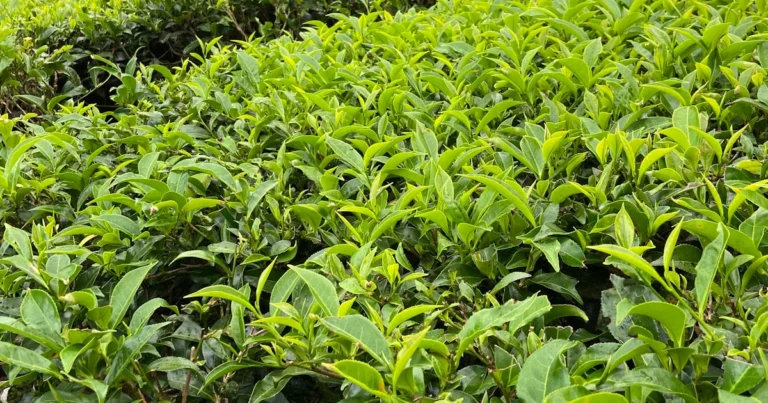
The gold standard for harvesting tea is the apical bud (the very tip) and the two youngest leaves below it.
- Visual Check: Look for bright, tender, light green leaves. Dark, tough, or leathery leaves are too old for high-quality tea.
- Height Check: The plant should be at least 3 feet tall and bushy. If you pluck from a plant that is only 1 foot tall, you will kill it.
The “Pinch” Test
Gently pinch a leaf between your thumb and forefinger.
- Ready: It snaps cleanly and feels tender.
- Not Ready: It bends or feels fibrous.
Seasonal Timing
- Spring Flush: The first harvest of the year usually yields the highest quality tea (think Darjeling First Flush).
- Summer/Autumn: Subsequent harvests are possible, but the flavor profile changes.
- Winter: The plant goes dormant. Do not harvest in winter; let it rest!
🌍 Climate, Soil, and Altitude: The Trifecta of Tea Maturity
The environment dictates the speed of maturity. Let’s break down the Trifecta.
Altitude 🏔️
- High Altitude (1,0m+): Slower growth, but more complex flavors. The cold nights slow down the plant’s metabolism, concentrating the oils.
- Low Altitude: Faster growth, larger leaves, but often less nuanced flavor.
- Impact on Maturity: High-altitude plants may take an extra 6–12 months to reach harvestable size compared to lowland plants.
Soil Composition 🏺
- Texture: Loamy, well-draining soil is best. Heavy clay causes root rot; sandy soil dries out too fast.
- Nutrients: Tea plants are not heavy feeders, but they need nitrogen for leaf growth.
- Organic Matter: Adding compost improves soil structure and water retention, speeding up growth. Check out our guide on Organic Farming Techniques for more tips.
Rainfall Patterns 🌧️
- Consistent Rain: Ideal for steady growth.
- Monsoon vs. Dry Season: In regions with distinct wet/dry seasons, growth pauses during the dry spell. This extends the time to maturity.
🏡 Growing Tea Plants Indors vs. Outdoors: A Reality Check
Can you grow tea on your windowsill? Yes. Will it mature faster? No.
Indoor Growing 🪴
- Pros: Controlled environment, protection from pests and frost.
- Cons: Limited light (even with grow lights), lower humidity, restricted root space.
- Maturity Impact: Indoor plants often grow slower and stay smaller. They may take 4+ years to reach a harvestable size because they are essentially in “survival mode” rather than “thriving mode.”
- Tip: Use a grow light for 12–14 hours a day to mimic summer.
Outdoor Growing 🌳
- Pros: Natural sunlight, rain, and temperature fluctuations stimulate robust growth.
- Cons: Exposure to pests, extreme weather, and soil variability.
- Maturity Impact: Outdoor plants in suitable climates (USDA Zones 7–9) will mature in the standard 3 years.
| Feature | Indoor Growing | Outdoor Growing |
|---|---|---|
| Time to Maturity | 4+ Years | 3 Years |
| Light Quality | Artificial (Grow Lights) | Natural Sunlight |
| Root Space | Limited (Pot) | Unlimited (Ground) |
| Pest Risk | Low | Moderate to High |
| Flavor Complexity | Lower | Higher |
🍃 Pruning and Maintenance: Speeding Up the Maturation Process
Pruning is the secret weapon of tea growers. It sounds counterintuitive—cuting the plant to make it grow faster? But here’s the science: Pruning stimulates lateral branching.
The “Tipping” Technique
Once your plant is about 12 inches tall, pinch off the very top tip.
- Why? This removes the apical dominance (the hormone that tells the plant to grow up) and forces it to grow outward.
- Result: A bushier plant with more leaves to harvest later.
Annual Pruning Schedule
- Late Winter/Early Spring: Before new growth starts, prune the plant back to about 18–24 inches.
- During the Season: Lightly trim any straggly branches to maintain the “bowl” shape.
- Avoid: Heavy pruning in late autumn, as it can expose the plant to frost damage.
Fertilization for Growth 🌱
While tea plants are low-maintenance, a little boost helps.
- Spring: Apply a balanced, organic fertilizer or one specifically for acid-loving plants.
- Summer: Light feeding if growth seems slow.
- Fall/Winter: Stop fertilizing to let the plant rest.
- Product Tip: Look for Miracle-Gro for Acid-Loving Plants organic alternatives like Espoma Organic Holly-Tone.
🚫 Common Mistakes That Keep Your Tea Bushes Stunted
Even the best intentions can lead to a sad, stunted tea plant. Here are the top killers of tea growth.
- Harvesting Too Early: Plucking leaves before the plant is 3 years old drains its energy reserves. Don’t do it!
- Wrong Soil pH: Planting in alkaline soil is a death sentence for tea. Always test your soil first.
- Overwatering: Tea roots need oxygen. Sogy soil leads to root rot.
- Underwatering: While they don’t like wet feet, they also don’t like to dry out completely.
- Ignoring Pests: Spider mites and aphids love tea leaves. Check your plants weekly.
- Wrong Variety: Trying to grow Camellia sinensis var. assamica in a cold climate. Stick to the hardy sinensis variety for most home gardens.
📊 Comparison: Seed-Grown vs. Cutting-Grown Tea Plants
Should you start from a seed or a cutting? It’s a classic debate.
Seed-Grown 🌰
- Pros: Genetic diversity (unique flavor profiles), cheaper, fun to watch germinate.
- Cons: Slower to mature (3+ years), unpredictable traits (might not taste like the parent plant).
- Best For: Gardeners who love the process of growing from scratch and don’t mind the wait.
Cutting-Grown 🌿
- Pros: Faster maturity (2–2.5 years), clones the parent plant (guaranteed flavor), established root system.
- Cons: More expensive, requires rooting hormone or specific conditions to root.
- Best For: Gardeners who want a guaranteed harvest sooner.
| Feature | Seed-Grown | Cutting-Grown |
|---|---|---|
| Time to Harvest | 3–4 Years | 2–2.5 Years |
| Flavor Consistency | Variable | Identical to Parent |
| Cost | Low | Moderate |
| Difficulty | Moderate (Germination) | Moderate (Rooting) |
| Root System | Taproot (Strong) | Fibrous (Shallow) |
🧪 Understanding Leaf Grades: What “Ready” Actually Looks Like
When we say “ready for harvest,” we aren’t just talking about the plant’s age; we are talking about the leaf grade.
The Flush
A “flush” is the new growth that appears after pruning or dormancy.
- First Flush: The earliest spring growth. Small, tender, high in antioxidants.
- Second Flush: Summer growth. Larger, more robust flavor.
- Autumn Flush: Cooler weather growth. Often darker, richer flavor.
Leaf Size and Texture
- Tippy: The bud and first two leaves. The highest grade.
- Standard: The first three or four leaves. Good for everyday tea.
- Coarse: Older, larger leaves. Better for compost or strong brews, not for delicate teas.
🌏 Global Variations: How Harvest Times Differ Around the World
Tea grows all over the world, and the “3-year rule” has exceptions based on geography.
- Japan (Green Tea): Cool springs mean a slower start, but the plants are often pruned heavily to encourage the specific leaf shape for matcha.
- India (Assam): Tropical climate allows for year-round growth. Plants mature faster, sometimes in 2 years, but the harvest season is longer.
- Kenya: High altitude and equatorial sun create a unique balance. Fast growth, but high quality.
- USA (South Carolina): Shorter growing season means slower maturation, but the flavor is distinctively “American.”
🛠️ Essential Tools for the Home Tea Grower
You don’t need a tractor to grow tea, but having the right tools makes the journey smoother.
- Pruning Shears: Sharp, clean shears are essential for harvesting and pruning. Felco F2 Pruning Shears are a favorite among pros.
- Soil pH Meter: Don’t guess; measure. Luster Leaf Rapitest is reliable.
- Acidic Fertilizer: As mentioned, Espoma Holly-Tone is a go-to.
- Grow Lights: For indoor growers, Spider Farmer Grow Lights are excellent.
📈 The Economics of Home-Grown Tea: Is It Worth the Wait?
Let’s be real: Is it cheaper to grow your own tea?
- Cost of a 3-year-old plant: ~$20–$40.
- Cost of 1 lb of premium tea: ~$20–$50.
- Yield: A mature plant might yield 1–2 lbs of dried tea per year.
The Verdict: Financialy, it’s a wash or even a slight loss if you buy premium organic tea. But the value lies in:
- Freshness: Nothing beats the aroma of tea picked 10 minutes ago.
- Customization: You control the harvest time, processing, and flavor.
- The Experience: The joy of watching a plant grow and the satisfaction of brewing your own cup.
- Sustainability: Zero plastic packaging, zero shipping emissions.
As the saying goes, “You can’t buy time, but you can grow it.”
🧐 Conclusion: Patience is the Secret Ingredient

So, we’ve answered the burning question: How long does it take for tea plants to mature? The answer is a patient 3 years for a standard harvest, with the possibility of a tiny taste test in year 2.
We started this journey wondering if we could rush the process. We explored the differences between seeds and cutings, the impact of soil pH, and the art of pruning. We learned that while you can grow tea indoors, the outdoors is where the magic happens. We even touched on the economics, realizing that the true value isn’t in the money saved, but in the connection to the plant.
Remember, the tea plant is a partner, not a product. It asks for patience, and in return, it gives you a lifetime of cups. As you wait for those first tender leaves, remember that every day of growth is a step toward a unique flavor that only you can create.
Ready to start your journey? Check out our Green Tea Cultivation and Herbal Tea Planting guides to get started. And if you’re curious about the health benefits of your future brew, dive into our Health Benefits of Tea section.
Happy growing! 🍵🌱
🔗 Recommended Links
If you’re ready to get your hands dirty, here are the tools and resources we recommend:
- Tea Seeds:
Amazon: Camellia Sinensis Tea Seeds
Etsy: Rare Tea Plant Seeds - Tea Plants (Cutings):
Amazon: Live Tea Plant Camellia Sinensis
Growing Teas™: Shop Tea Plants - Soil & Fertilizer:
Amazon: Espoma Organic Holly-Tone
Amazon: Soil pH Test Kit - Books:
Amazon: The Tea Book: A Complete Guide to the World’s Most Popular Drink
Amazon: Growing Tea: A Guide to Cultivating Camellia Sinensis
❓ FAQ: Your Burning Questions About Tea Plant Maturity

How do you care for tea plants during their growth period?
Caring for a tea plant is about consistency. Water them when the top inch of soil feels dry, but never let them sit in water. Ensure they get acidic soil (pH 4.5–6.0) and partial sun. Prune them annually in late winter to encourage bushiness. For more detailed care, check our Fertilizers for Tea Plants category.
What are the best soil conditions for tea cultivation?
Tea plants thrive in well-draining, acidic soil rich in organic matter. They hate heavy clay or alkaline soils. If your soil is too alkaline, amend it with sulfur or peat moss.
Read more about “🍃 Growing Tea Leaves Indors: Your 5-Step Guide to Homegrown Tea (2026)”
How often can tea leaves be harvested from mature plants?
Once mature (after 3 years), you can harvest 2 to 4 times a year, depending on your climate. Spring, early summer, late summer, and autumn are common harvest times. Always leave enough leaves on the plant to sustain it.
Read more about “🐞 12 Tea Plant Pests & Diseases: The Ultimate 2026 Guide”
How many years does it take for a tea plant to produce its first harvest?
Typically, it takes 3 years from planting for a tea plant to produce a full, sustainable harvest. You can take a few leaves in year 2 for testing, but a full harvest is best left for year 3.
What is the best time of year to harvest tea leaves for the first time?
The best time for the first harvest is late spring (usually May or June in the Northern Hemisphere), when the plant has produced a strong flush of new growth. Avoid harvesting in winter when the plant is dormant.
Read more about “Is Tea Easy to Grow? The Surprising Truth for 2026 🌱”
Can I speed up the growth of my tea plant to get leaves sooner?
You can’t drastically speed up the biological clock, but you can optimize conditions. Use cutings instead of seeds, provide optimal sunlight, maintain the correct pH, and prune regularly to encourage branching. However, rushing the plant can lead to a weaker, less productive bush.
How often can I harvest tea leaves once the plant is fully mature?
Once fully mature, you can harvest every 4 to 6 weeks during the growing season, provided the plant has recovered from the previous harvest. Always monitor the plant’s health; if it looks stressed, skip a harvest cycle.
Read more about “🌱 How Long Until Your Tea Plant is Ready? (2026 Guide)”
📚 Reference Links
- WikiHow: How to Grow a Tea Plant (with Pictures)
- USDA: Plant Hardiness Zone Map
- Royal Botanic Gardens, Kew: Camellia sinensis
- Tea Association of the USA: Tea Facts
- MasterClass: Growing Tea Guide (Note: Content may behind a paywall or verification)
- Quora: How long does it take to grow tea (Note: Content may behind a verification wall)