Support our educational content for free when you purchase through links on our site. Learn more
🐞 12 Tea Plant Pests & Diseases: The Ultimate 2026 Guide

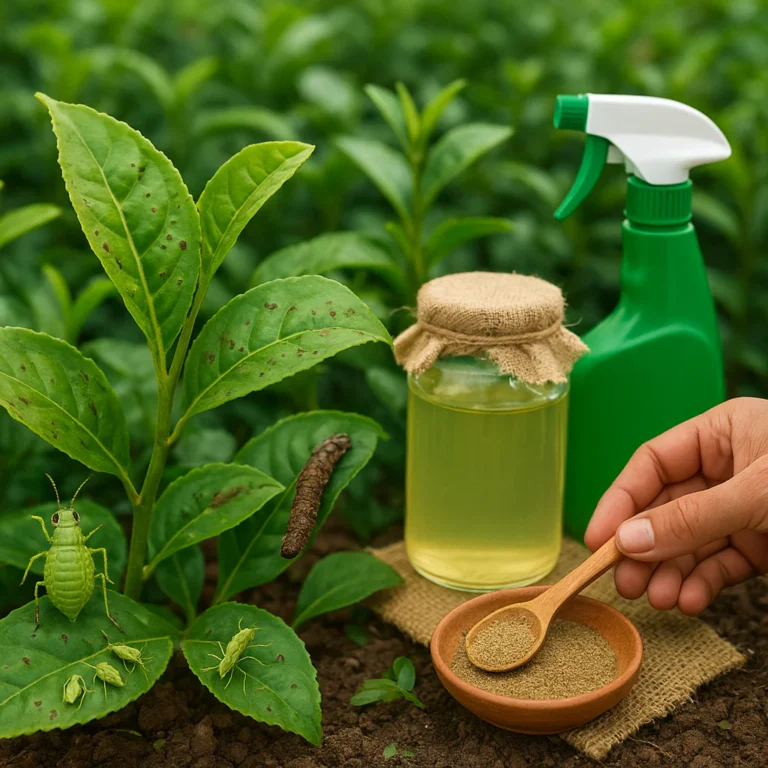
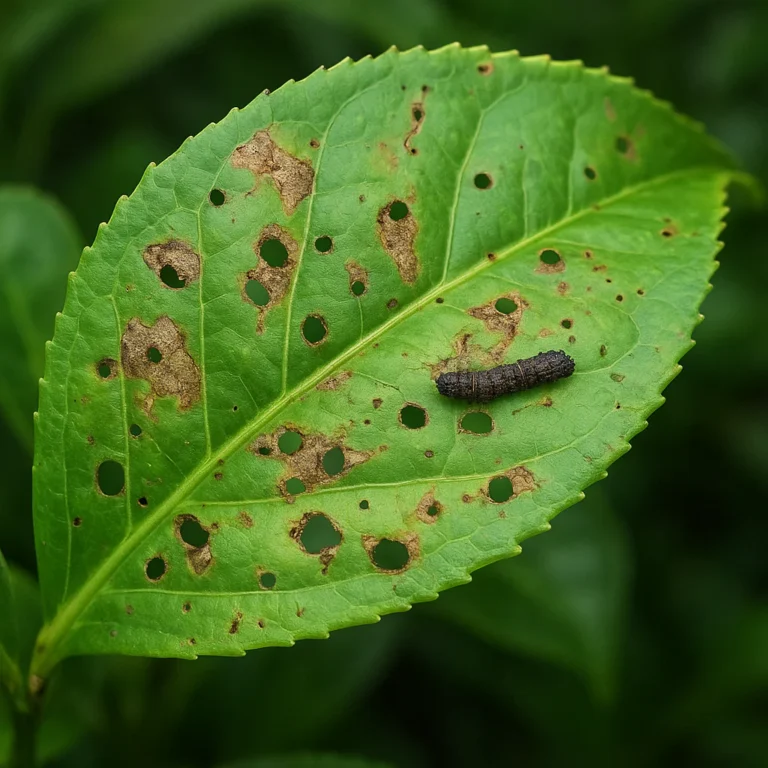
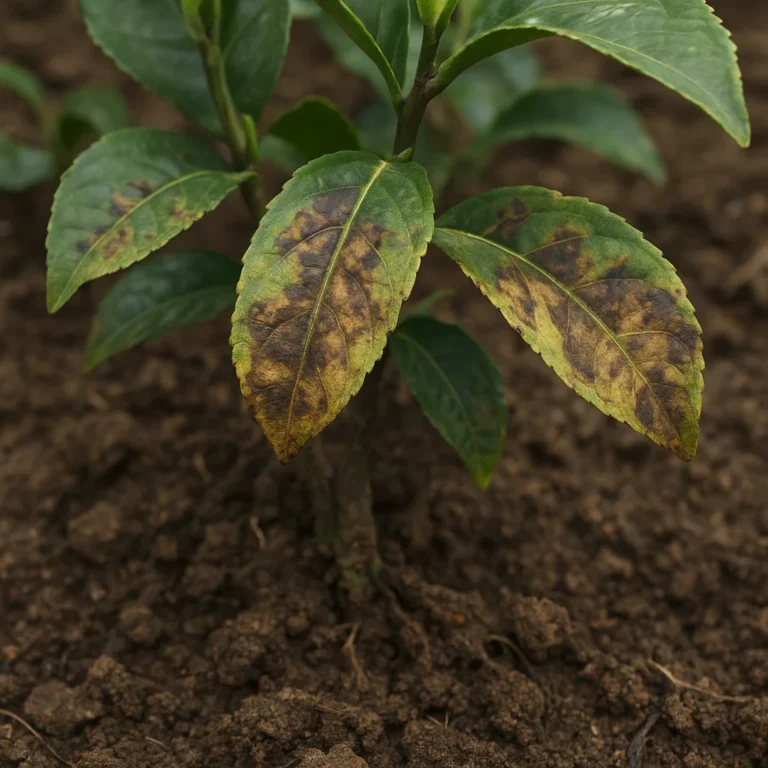
The most common pests and diseases that affect tea plants are the Tea Mosquito Bug, Red Spider Mites, and Blister Blight, which can devastate a harvest if left unchecked. When you ask, “What are the most common pests and diseases that affect tea plants?”, the answer lies in spotting these specific invaders before they turn your lush green bushes into brown, brittle skeletons.
We once watched a neighbor’s prized Camellia sinensis shrug off a harsh winter only to be wiped out in three days by a silent army of Tea Red Spider Mites. It wasn’t the cold that killed it; it was the microscopic arachnids that thrived in the sudden dry spell, stripping the leaves bare while the owner was still sipping his morning brew.
Did you know that a single female mite can lay up to 20 eggs a day? That means a tiny infestation can explode into a full-blown apocalypse in less than a week. Understanding these threats is the only way to keep your garden thriving and your tea cup full.
Key Takeaways
- Early Detection is Critical: The Tea Mosquito Bug and Red Spider Mites are the top culprits; look for bronzing, sticky honeydew, or webing immediately.
- Environment Matters: Most fungal diseases like Blister Blight thrive in stagnant, humid air, so pruning for airflow is your first line of defense.
- Organic First: Start with Nem oil, insecticidal soaps, and beneficial insects before considering chemical treatments.
- Prevention Wins: Regular sanitation, proper soil pH (4.5–5.5), and avoiding overhead watering prevent 80% of common issues.
Table of Contents
- ⚡️ Quick Tips and Facts
- 📜 A Brief History of Tea Plant Battles: From Ancient Gardens to Modern Farms
- 🌱 Understanding Your Camellia sinensis: Why Tea Plants Get Sick
- 🐞 The Top 12 Most Common Tea Plant Pests You Need to Know
- 1. The Tiny Terror: Tea Mosquito Bug (Helopeltis spp.)
- 2. The Leaf Lurker: Tea Red Spider Mite (Oligonychus coffeae)
- 3. The Sap Sucker: Tea Aphid (Toxoptera aurantii)
- 4. The Leaf Roller: Tea Tortrix Moth (Homona coffearia)
- 5. The Root Roter: Tea Wevil (Mylothodes spp.)
- 6. The Scale Invader: Tea Scale (Aspidiotus destructor)
- 7. The Thrip Troublemaker: Tea Thrips (Scirtothrips dorsalis)
- 8. The Caterpillar Chaos: Tea Loper (Biston suppressaria)
- 9. The Mealybug Menace: Tea Mealybug (Maconelicoccus hirsutus)
- 10. The Leaf Miner: Tea Leaf Miner (Ectoedemia theae)
- 1. The Whitefly Woe: Tea Whitefly (Aleurocanthus spiniferus)
- 12. The Nematode Nightmare: Root-Knot Nematode (Meloidogyne spp.)
- 🍄 The 7 Most Devastating Tea Plant Diseases and Fungal Infections
- 1. The Blight That Bites: Algal Leaf Spot (Cephaleuros virescens)
- 2. The Fungal Foe: Blister Blight (Exobasidium vexans)
- 3. The Root Killer: Brown Root Rot (Ganoderma spp.)
- 4. The Leaf Spoter: Gray Blight (Pestalotiopsis theae)
- 5. The Canopy Crasher: Dieback (Botrytis cinerea)
- 6. The Viral Vexation: Tea Green Leaf Curl Virus
- 7. The Bacterial Blight: Bacterial Leaf Spot (Xanthomonas campestris)
- 🔍 How to Diagnose Tea Plant Problems: Signs, Symptoms, and Scouting Tips
- 🛡️ Integrated Pest Management (IPM) Strategies for Organic Tea Growing
- 🌿 Natural and Chemical Control Methods for Tea Pests and Diseases
- 🌦️ Environmental Factors That Trigger Tea Plant Infestations
- 🧪 Best Practices for Preventing Tea Plant Diseases in Your Garden
- 🏆 Recommended Products and Tools for Tea Plant Health
- ❓ Frequently Asked Questions About Tea Plant Pests and Diseases
- 🔗 Recommended Links for Further Reading
- 📚 Reference Links and Scientific Sources
- 🏁 Conclusion: Keeping Your Tea Garden Thriving and Pest-Free
⚡️ Quick Tips and Facts
Before we dive into the nitty-gritty of bugs and blights, let’s get the tea on the table (pun intended). If you’re wondering how hard is tea to grow?, the short answer is: it’s surprisingly resilient, but it’s not invincible. 🌱
Here are the rapid-fire facts you need to know before your first harvest:
- The Golden Rule: Air circulation is your best friend. Most fungal diseases thrive in stagnant, humid air. If your tea bushes are hugging each other, they’re hugging a pathogen.
- The “Tea” Paradox: Some pests, like the Tea Mosquito Bug, are actually responsible for the unique flavor profiles in certain premium Oolongs (like Oriental Beauty). Yes, a little damage can mean a lot of flavor, but too much means no tea at all! 🍵
- Speed of Destruction: A single Tea Red Spider Mite can lay up to 20 eggs a day. In a warm week, a tiny infestation can become a full-blown apocalypse.
- The Ant Alliance: If you see a highway of ants marching up your tea bush, stop and look closer. They are likely farming aphids for their sugary honeydew. No ants? Maybe the aphids are gone, or maybe you have a different pest.
- Soil pH Matters: Tea plants love acid. If your soil pH creps above 6.0, your plant becomes stressed, and stressed plants are like open invitations for pests.
For a deeper dive into the general challenges of cultivation, check out our guide on How hard is tea to grow?.
📜 A Brief History of Tea Plant Battles: From Ancient Gardens to Modern Farms

Tea (Camellia sinensis) has been cultivated for over 5,0 years, originating in the misty mountains of Yunnan, China. While we often romanticize the ancient tea masters meditating over a perfect cup, they were also fighting a constant war against nature’s tiny invaders.
Historical records from the Song Dynasty (960–1279 AD) mention “leaf blights” that turned harvests into dust. However, it wasn’t until the British colonial expansion into India and Sri Lanka in the 19th century that the science of tea pathology truly began. As vast monocultures replaced diverse forests, pests that were once manageable in small gardens exploded into epidemics.
The Blister Blight (Exobasidium vexans), for instance, was first identified in Assam in 1870 and nearly wiped out the industry before fungicides were developed. Today, as we move toward Organic Farming Techniques, we are rediscovering ancient wisdom: biodiversity is the ultimate shield.
“Disease is difficult to manage once plants become infected so control methods should focus on protecting plants.” — Penn State Extension
This historical lesson remains our guiding star: Prevention is infinitely better than cure.
🌱 Understanding Your Camellia sinensis: Why Tea Plants Get Sick
You might think, “I water it, I prune it, why is it dying?” The answer often lies in the physiology of stress.
Tea plants are evergreen shrubs adapted to specific microclimates. When you push them outside their comfort zone, their natural defenses (like producing tannins and catechins) weaken.
The Stress Triangle
- Environmental Stress: Extreme heat, drought, or waterlogging.
- Nutritional Stress: Improper pH or lack of nitrogen/potassium.
- Physical Stress: Over-pruning or mechanical damage.
When a plant is stressed, it emits chemical signals that act like a dinner bell for pests. For example, Tea Aphids are attracted to the soft, nitrogen-rich new growth that results from over-fertilizing.
Pro Tip: Before you reach for the spray bottle, ask yourself: Is my soil acidic enough? Is the air moving? Often, fixing the environment solves 80% of the problem.
For more on keeping your soil happy, explore our guide on Fertilizers for Tea Plants.
🐞 The Top 12 Most Common Tea Plant Pests You Need to Know
Let’s meet the villains of our story. These aren’t just bugs; they are the architects of your tea garden’s nightmares. We’ve identified the top 12, ranked by their potential to ruin your harvest.
1. The Tiny Terror: Tea Mosquito Bug (Helopeltis spp.)
- The Villain: A slender, greenish-brown bug with a red thorax.
- The Damage: They pierce young shoots and inject toxic saliva. The result? Brownish-red spots, curled leaves, and “dried-up” shoots that look like they’ve been scorched by fire.
- Why it’s scary: They reproduce rapidly and can decimate a flush of new growth in days.
- Our Take: We’ve seen entire harvests lost to these tiny terrors. They are the #1 pest in many Asian tea regions.
2. The Leaf Lurker: Tea Red Spider Mite (Oligonychus coffeae)
- The Villain: Microscopic, red arachnids that spin fine webs.
- The Damage: They suck the chlorophyll out of leaves, causing a stipled, bronze appearance. Severe infestations lead total defoliation.
- Why it’s scary: You often don’t see them until the damage is visible. They thrive in hot, dry conditions.
- Our Take: If your leaves look like they’ve been dusted with rust, grab a magnifying glass.
3. The Sap Sucker: Tea Aphid (Toxoptera aurantii)
- The Villain: Small, soft-bodied insects (black, brown, or green) found on leaf undersides.
- The Damage: They suck sap, causing leaf distortion and stunted growth. Their sticky honeydew leads to soty mold, which blocks sunlight.
- Why it’s scary: They reproduce asexually, meaning one female can start an army overnight.
- Our Take: Ants are your early warning system. If ants are running up your bush, check for aphids immediately.
4. The Leaf Roller: Tea Tortrix Moth (Homona coffearia)
- The Villain: A small moth whose larvae (caterpillars) roll leaves into cones.
- The Damage: Larvae feed inside the rolled leaf, leaving only the veins. The leaves turn brown and drop.
- Why it’s scary: The rolled leaf protects them from sprays and predators.
- Our Take: You have to physically remove the rolled leaves to break the cycle.
5. The Root Roter: Tea Wevil (Mylothodes spp.)
- The Villain: Night-flying beetles that chew notches into leaves; their larvae attack roots.
- The Damage: Adults cause cosmetic leaf damage, but larvae kill the plant from the ground up.
- Why it’s scary: By the time you see the wilting, the roots are already gone.
- Our Take: Check the soil line for notched leaves at night with a flashlight.
6. The Scale Invader: Tea Scale (Aspidiotus destructor)
- The Villain: Armored insects that look like tiny, flat bumps on leaves.
- The Damage: They suck sap, causing yellow spots, leaf curling, and premature leaf drop.
- Why it’s scary: Their waxy coating makes them immune to most contact sprays.
- Our Take: You need to target the “crawler” stage (when they are mobile) or use systemic treatments.
7. The Thrip Troublemaker: Tea Thrips (Scirtothrips dorsalis)
- The Villain: Tiny, rice-shaped insects (1.3 mm) that prefer tender buds.
- The Damage: They cause brown, corky stripes on leaf undersides and severe distortion.
- Why it’s scary: They are incredibly hard to see and reproduce fast.
- Our Take: Blue sticky traps are your best friend for monitoring.
8. The Caterpillar Chaos: Tea Loper (Biston suppressaria)
- The Villain: Inchworms that move in a looping motion.
- The Damage: They strip leaves entirely, leaving bare branches.
- Why it’s scary: They can defoliate a whole bush in a single night.
- Our Take: Hand-picking is effective for small gardens; birds love them!
9. The Mealybug Menace: Tea Mealybug (Maconelicoccus hirsutus)
- The Villain: White, cottony insects that cluster in leaf axils.
- The Damage: They suck sap and excrete honeydew, leading to soty mold.
- Why it’s scary: They hide deep in the plant structure, making sprays ineffective.
- Our Take: Look for the white “cotton” and prune heavily.
10. The Leaf Miner: Tea Leaf Miner (Ectoedemia theae)
- The Villain: Tiny moth larvae that tunnel inside the leaf tissue.
- The Damage: Creates winding, white or brown trails (mines) that ruin the leaf’s appearance.
- Why it’s scary: The larvae are protected inside the leaf.
- Our Take: Squish the mines! It’s gross but effective.
1. The Whitefly Woe: Tea Whitefly (Aleurocanthus spiniferus)
- The Villain: Tiny, moth-like insects that fly up when disturbed.
- The Damage: They suck sap and cause yellowing and leaf drop.
- Why it’s scary: They produce massive amounts of honeydew.
- Our Take: Yellow sticky traps work wonders for monitoring and control.
12. The Nematode Nightmare: Root-Knot Nematode (Meloidogyne spp.)
- The Villain: Microscopic worms living in the soil.
- The Damage: They form galls (knots) on roots, blocking water and nutrient uptake.
- Why it’s scary: Symptoms look like drought stress, but watering doesn’t help.
- Our Take: Soil solarization or marigold intercropping can help reduce populations.
Comparison Table: Quick Pest ID Guide
| Pest | Primary Symptom | Location | Visibility |
|---|---|---|---|
| Tea Mosquito Bug | Brown spots, dried shoots | Young shoots | Visible |
| Red Spider Mite | Bronze stipling, webing | Leaf undersides | Microscopic |
| Aphid | Sticky honeydew, curling | New growth | Visible |
| Thrips | Corky stripes, distortion | Tender buds | Hard to see |
| Scale | Yellow spots, bumps | Leaf undersides | Visible (bumps) |
| Nematode | Wilting, stunted growth | Roots | Invisible |
🍄 The 7 Most Devastating Tea Plant Diseases and Fungal Infections
Pests aren’t the only enemies. Fungi and bacteria are the silent killers that can wipe out a crop overnight.
1. The Blight That Bites: Algal Leaf Spot (Cephaleuros virescens)
- The Culprit: An alga, not a fungus!
- Symptoms: Raised, gray-green or tan spots with fuzzy margins on leaves.
- The Fix: Improve air circulation. Prune 6 inches below symptoms. Avoid overhead watering.
2. The Fungal Foe: Blister Blight (Exobasidium vexans)
- The Culprit: A fungus that loves cool, wet weather.
- Symptoms: Small pinholes on young leaves that turn into white, velvety blisters on the underside. Leaves turn brown and curl.
- The Fix: This is the most serious disease in many regions. Fungicides are often necessary, but resistant varieties are the best long-term solution.
3. The Root Killer: Brown Root Rot (Ganoderma spp.)
- The Culprit: A wood-decay fungus.
- Symptoms: Sudden yellowing, wilting, and death of branches. White mycelium under the bark.
- The Fix: Remove the infected plant and surrounding soil. It’s often fatal.
4. The Leaf Spoter: Gray Blight (Pestalotiopsis theae)
- The Culprit: A fungus attacking older leaves.
- Symptoms: Large, grayish-brown spots with black dots (fruiting bodies) in the center.
- The Fix: Remove infected leaves. Avoid stressing the plant.
5. The Canopy Crasher: Dieback (Botrytis cinerea)
- The Culprit: Gray mold.
- Symptoms: Tips of branches turn brown and die back. Gray fuzzy mold in humid conditions.
- The Fix: Prune dead wood. Ensure good airflow.
6. The Viral Vexation: Tea Green Leaf Curl Virus
- The Culprit: A virus transmitted by leafhoppers.
- Symptoms: Leaves curl upward, turn yellow, and become brittle.
- The Fix: Control the leafhopper vector. There is no cure for the virus itself.
7. The Bacterial Blight: Bacterial Leaf Spot (Xanthomonas campestris)
- The Culprit: Bacteria.
- Symptoms: Water-soaked spots that turn brown and necrotic.
- The Fix: Copper-based sprays can help, but prevention via sanitation is key.
🔍 How to Diagnose Tea Plant Problems: Signs, Symptoms, and Scouting Tips
You see a yellow leaf. Is it a bug? A fungus? Or did you just forget to water? Here is our Growing Teas™ diagnostic protocol.
Step 1: The “Look” Test
- Yellowing: Is it the whole plant (nutrient/water) or just the tips (root rot)?
- Spots: Are they raised (algal), velvety (blister blight), or corky (thrips)?
- Webing: If you see silk, it’s almost certainly mites.
Step 2: The “Touch” Test
- Sticky? Run your finger under the leaf. If it’s sticky, you have honeydew producers (aphids, whiteflies, scales).
- Britle? If the leaf crumbles, it might be a virus or severe nutrient deficiency.
Step 3: The “Magnify” Test
- Grab a 10x hand lens.
- Look for tiny moving dots (mites), white cotton (mealybugs), or black bumps (scale).
- Pro Tip: Turn the leaf over. 90% of pests hide on the underside.
Step 4: The “History” Check
- Did it rain heavily? (Fungal risk up).
- Did you just fertilize? (Aphid risk up).
- Is it hot and dry? (Mite risk up).
🛡️ Integrated Pest Management (IPM) Strategies for Organic Tea Growing
At Growing Teas™, we believe in working with nature, not against it. Integrated Pest Management (IPM) is our bible. It’s a step-by-step approach that minimizes chemical use.
1. Cultural Controls (The Foundation)
- Sanitation: Remove fallen leaves and pruned debris immediately. This is where pests overwinter.
- Pruning: Keep the canopy open. Sunlight and wind are natural fungicides.
- Variety Selection: Choose disease-resistant cultivars if available in your region.
2. Biological Controls (The Good Guys)
- Lady Beetles & Lacewings: These are the aphid assassins. Plant nectar-rich flowers nearby to attract them.
- Predatory Mites: Phytoseiulus persimilis is a mite that eats the bad mites.
- Birds: A few birds in the garden can eat thousands of caterpillars.
3. Mechanical Controls (The Physical Barrier)
- Sticky Traps: Yellow for whiteflies, blue for thrips.
- Water Blasts: A strong jet of water can knock off aphids and mites.
- Hand Picking: For caterpillars and leaf rollers, just squish them.
4. Chemical Controls (The Last Resort)
- Only use when thresholds are exceeded.
- Prioritize organic options like Neem oil, insecticidal soaps, and horticultural oils.
- Rotate modes of action to prevent resistance.
🌿 Natural and Chemical Control Methods for Tea Pests and Diseases
When the “Good Guys” aren’t enough, you need to step in. Here is our breakdown of the tools in the shed.
Organic & Natural Solutions
- Nem Oil: The Swiss Army knife of organic gardening. It acts as a repellent, growth regulator, and stomach poison.
Best for: Aphids, mites, thrips, and fungal spots.
Brand Recommendation: Garden Safe Neem Oil Extract.
👉 CHECK PRICE on: Amazon | Walmart | Brand Official - Insecticidal Soaps: Effective against soft-bodied insects (aphids, mites) by dissolving their outer shell.
Best for: Immediate knockdown of aphids.
Brand Recommendation: Safer Brand Insect Killing Soap.
👉 CHECK PRICE on: Amazon | Walmart - Horticultural Oils: Smother eggs and crawlers.
Best for: Scale insects and mite eggs.
Brand Recommendation: Bonide All Seasons Horticultural & Dormant Spray Oil.
👉 CHECK PRICE on: Amazon | Walmart - Bacillus thuringiensis (Bt): A bacteria that targets caterpillars.
Best for: Tea Loper and Tortrix moth larvae.
Brand Recommendation: Monterey Bt.
👉 CHECK PRICE on: Amazon | Walmart
Chemical Solutions (Use with Caution)
- Spinosad: A fermentation product that is highly effective against thrips and leaf rollers. It is organic-approved but toxic to bees when wet.
Brand Recommendation: Bonide Spinosad Insect Control.
👉 CHECK PRICE on: Amazon | Walmart - Systemic Insecticides: (e.g., Imidacloprid) These are absorbed by the plant and kill pests that suck sap.
Warning: NEVER use systemic insecticides on plants you intend to harvest for tea. They persist in the leaves.
Alternative: Use only on non-harvested ornamental Camellias if absolutely necessary, but we strongly advise against it for tea gardens.
Important Note: Always read the label. Tea (Camellia sinensis) is often not listed on pesticide labels in the US. In such cases, products registered for vegetables ornamentals with similar active ingredients are often used, but always check local regulations.
🌦️ Environmental Factors That Trigger Tea Plant Infestations
Why did the pests attack now? The environment is the puppet master.
- Humidity: High humidity (>80%) is a party invitation for Blister Blight and Algal Leaf Spot.
- Temperature:
Hot & Dry: Favors Spider Mites and Thrips.
Cool & Wet: Favors Fungal Diseases and Mites. - Wind: Lack of wind creates stagnant air, allowing fungal spores to settle and germinate.
- Shade: Too much shade keeps leaves wet longer, promoting disease. Too little shade stresses the plant, making it susceptible to pests.
Our Strategy: We use shade cloth to regulate temperature but ensure it’s not so dense that air can’t circulate. We also use mulch to regulate soil moisture, preventing the drought stress that attracts mites.
🧪 Best Practices for Preventing Tea Plant Diseases in Your Garden
Prevention is the only way to win this war. Here is our Growing Teas™ checklist for a healthy garden:
- Site Selection: Choose a spot with excellent drainage. Tea hates “wet feet.”
- Soil Testing: Test your soil pH annually. Aim for 4.5–5.5.
- Pruning Regimen: Prune regularly to maintain an open canopy. Remove dead wood immediately.
- Watering Wisdom: Water at the base of the plant. Never wet the leaves in the evening.
- Sanitation: Rake up fallen leaves weekly. Burn or bag them; do not compost diseased material.
- Diversity: Plant companion plants like marigolds, basil, or chives to attract beneficial insects.
- Monitoring: Walk your garden every 3 days. Early detection is the difference between a minor nuisance and a disaster.
For more on creating a balanced ecosystem, read our article on Organic Farming Techniques.
🏆 Recommended Products and Tools for Tea Plant Health
You can’t fight a war without the right gear. Here are the tools we swear by at Growing Teas™.
Essential Tools
- 10x Hand Lens: You cannot see mites or thrips with the naked eye.
Brand: AmScope 10x-60x Pocket Microscope or a simple Carson MicroBrite.
👉 CHECK PRICE on: Amazon | Walmart - Pruning Shears: Sharp, clean shears prevent the spread of disease.
Brand: Felco F-2 (The gold standard).
👉 CHECK PRICE on: Amazon | Brand Official - Sticky Traps: For monitoring and trapping flying pests.
Brand: Trécé Blue and Yellow Sticky Cards.
👉 CHECK PRICE on: Amazon | Walmart
Treatment Products
- Nem Oil: The go-to organic spray.
Brand: Garden Safe Neem Oil.
👉 CHECK PRICE on: Amazon | Walmart - Insecticidal Soap: For quick knockdown.
Brand: Safer Brand Insect Killing Soap.
👉 CHECK PRICE on: Amazon | Walmart - Fungicide (Organic): For fungal prevention.
Brand: Monterey Liqui-Cop (Copper-based).
👉 CHECK PRICE on: Amazon | Walmart
❓ Frequently Asked Questions About Tea Plant Pests and Diseases
Which pests cause the most damage to tea crops?
The Tea Mosquito Bug (Helopeltis spp.) and the Tea Red Spider Mite (Oligonychus coffeae) are widely considered the most destructive. The Mosquito Bug attacks the tender shoots directly, ruining the harvest quality, while Spider Mites can defoliate entire bushes under hot, dry conditions. In some regions, the Tea Loper can also cause catastrophic defoliation if left unchecked.
What natural methods are effective against tea plant pests?
Biological control is the most effective natural method. This includes introducing or encouraging predators like lady beetles, lacewings, and predatory mites. Cultural controls such as proper pruning for airflow, sanitation (removing debris), and using nem oil or insecticidal soaps are also highly effective for home growers.
How can I prevent common diseases in my tea garden?
Prevention starts with environmental management. Ensure your tea plants have excellent air circulation and are not overcrowded. Avoid overhead watering to keep leaves dry, especially in the evening. Planting in well-draining, acidic soil and removing any infected plant material immediately are critical steps.
What are the signs of pest infestation in tea plants?
Signs vary by pest but generally include:
- Yellowing or bronzing of leaves (Mites, Aphids).
- Sticky residue (honeydew) on leaves (Aphids, Whiteflies, Scales).
- Curling or distortion of new shoots (Thrips, Aphids, Mosquito Bugs).
- Webing on the undersides of leaves (Spider Mites).
- Notched edges on leaves (Wevils).
How can I prevent fungal diseases in my homegrown tea plants?
Fungal diseases thrive in moisture and poor airflow. To prevent them:
- Prune regularly to open the canopy.
- Water at the base of the plant, not the leaves.
- Mulch to prevent soil splash onto leaves.
- Remove fallen leaves and debris promptly.
- Apply preventative organic fungicides (like copper or sulfur) during wet seasons if your area is prone to outbreaks.
What are the signs of aphid infestation on tea bushes?
Look for clusters of small, soft-bodied insects (black, brown, or green) on the undersides of young leaves and tender shoots. You will often see sticky honeydew on the leaves, which may lead to the growth of black soty mold. The leaves may appear curled, distorted, or stunted.
Are there organic treatments for tea plant leaf blight?
Yes. For Algal Leaf Spot, improving air circulation and pruning infected leaves is often sufficient. For Blister Blight, which is more severe, organic growers may use copper-based fungicides or sulfur sprays, though these are most effective as preventatives. Resistant varieties are the best long-term organic solution.
Which pests are most likely to damage young tea seedlings?
Young seedlings are most vulnerable to Tea Wevils (which attack roots and chew leaves), Cutworms (which cut stems at the soil line), and Aphids (which can stunt growth). Thrips can also severely damage the tender new growth of seedlings.
🏁 Conclusion: Keeping Your Tea Garden Thriving and Pest-Free

So, we’ve walked through the dark forest of pests and diseases, haven’t we? From the microscopic mites to the devastating blights, the challenges are real. But remember the question we started with: Is tea hard to grow?
The answer is a resounding no, provided you respect the plant’s needs. The secret isn’t in a magic spray; it’s in observation and balance. By creating a healthy environment with good airflow, acidic soil, and diverse companions, you build a fortress that pests struggle to breach.
If you do encounter an infestation, don’t panic. Identify the culprit, start with the gentlest organic method (like a water blast or neem oil), and escalate only if necessary. And remember, a little damage can sometimes mean a unique flavor, but a lot of damage means no tea at all.
Our Final Recommendation:
- For Beginners: Focus on prevention. Choose a sunny, airy spot, test your soil, and monitor weekly.
- For Organic Growers: Embrace IPM. Use beneficial insects, neem oil, and physical removal.
- For Commercial Growers: Invest in resistant varieties and strict sanitation protocols.
Your tea garden is a living ecosystem. Treat it with care, and it will reward you with endless cups of joy. Now, go check your bushes! 🍵🌿
🔗 Recommended Links for Further Reading
- Books:
Tea: History, Teroirs, Varieties by Paul Loup – Amazon
The Tea Garden: A Guide to Growing and Harvesting Your Own Tea – Amazon - Tools & Products:
Felco Pruning Shears: Amazon | Felco Official
Garden Safe Neem Oil: Amazon | Walmart
Trécé Sticky Traps: Amazon | Walmart
Monterey Bt: Amazon | Walmart
📚 Reference Links and Scientific Sources
- Penn State Extension: Common Pests and Diseases Affecting Tea Plants – PlantVillage
- CABI BioProtection Portal: Tea Pests Identification and Management – Bioprotection Portal
- LSU AgCenter: Insect and Disease Challenges for Growing the Tea Plant – LSU AgCenter
- Growing Teas™ Internal Resources:
- Green Tea Cultivation
- Herbal Tea Planting
- Fertilizers for Tea Plants
- Organic Farming Techniques
- Health Benefits of Tea
- How hard is tea to grow?