Support our educational content for free when you purchase through links on our site. Learn more
How Often Should You Water Tea Plants? 🍃


Water your tea plant when the soil begins to dry near the surface, then soak it thoroughly and let excess water drain. How often should I water my tea plants to promote healthy growth? There’s no fixed weekly schedule: heat, pot size, soil, and rainfall all change how quickly the roots need another drink.
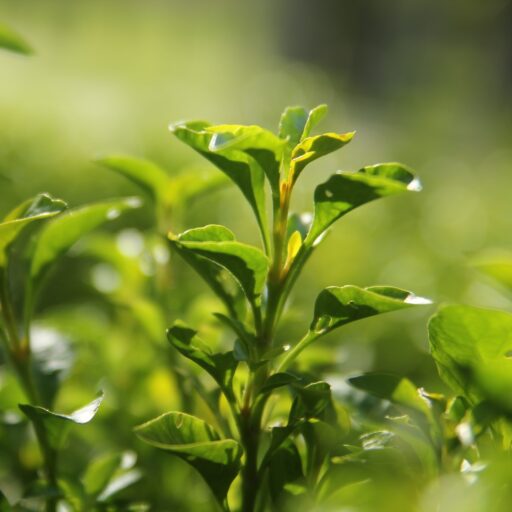
We’ve seen the same tea plant need frequent checks in a sunny summer pot, then go much longer between waterings when cool weather slows growth. That’s why we recommend checking the soil—not guessing from the calendar. Tea (Camellia sinensis) likes consistent moisture, but sogy roots can be just as troublesome as dry ones.
Key Takeaways
- Check soil moisture before watering. If the top inch or two is dry, it’s often time to water; adjust the check depth for larger pots and garden soil.
- Water deeply, then let the soil drain. Don’t leave containers standing in runoff.
- Check more often in hot, sunny, windy weather and less often when it’s cool or rainy.
- Container-grown and newly planted tea plants need closer monitoring than established shrubs in the ground.
- Wilting isn’t always thirst. Check the soil first, since overwatering and poor drainage can also cause droping leaves.
Table of Contents
- ⚡ Quick Tips and Facts: Watering Tea Plants
- 🌱 Tea Plant Watering Basics: What Healthy Roots Need
- How often should you water tea plants?
- Why consistent moisture matters for Camellia sinensis
- 🔍 How to Tell When Your Tea Plant Needs Water
- Check soil moisture below the surface
- Read the leaves and plant growth
- Use pot weight and drainage as clues
- 🗓️ Tea Plant Watering Schedules by Season and Growing Conditions
- Spring and active new growth
- Summer heat, sun, and dry spells
- Fall growth and cooler weather
- Winter dormancy and indoor heating
- 🪴 Watering Tea Plants in Pots vs. in the Ground
- Container-grown tea plants and drainage
- Outdoor tea plants and garden soil
- Newly planted tea shrubs and established plants
- 🌦️ What Changes How Often Tea Plants Need Water
- Temperature, humidity, wind, and sunlight
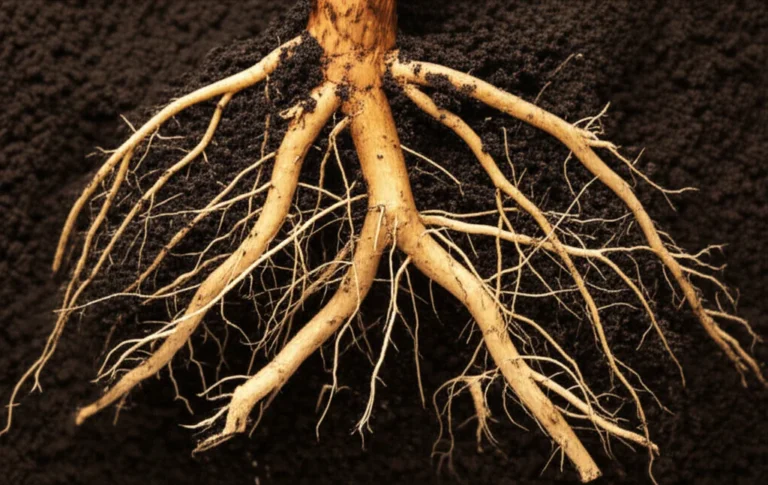
- Soil type, pot size, and root development
- Rainfall, mulch, and nearby plants
- 💧 The Right Way to Water Camellia sinensis
- How much water to apply and where to aim
- Best time of day to water
- Water quality, pH, and hard tap water
- 🚫 Overwatering vs. Underwatering: Signs and Fixes
- Yellow leaves, wilting, and root rot
- How to revive a thirsty tea plant
- How to correct sogy soil and poor drainage
- 🌿 Soil, Mulch, and Drainage for Steady Moisture
- Acidic soil and a suitable poting mix
- Mulching to reduce moisture swings
- Choosing pots with effective drainage
- 🏠 Watering Indoor Tea Plants
- Humidity, light, and indoor airflow
- Adjusting watering after moving a plant indoors
- 🌱 Watering Tea Seedlings and Propagated Plants
- Keeping seed-starting mix evenly moist
- Watering cutings as roots develop
- 🧰 Helpful Watering Tools and Simple Techniques
- Soil moisture meters, rain gauges, and watering cans
- Drip irrigation and watering during vacations
- 🧠 Common Tea Plant Watering Mistakes to Avoid
- 🍃 How Proper Watering Supports Tea Leaf Growth and Harvests
- Conclusion
- Recommended Links
- FAQ
- Reference Links
Quick Tips and Facts: Watering Tea Plants
- Check the soil, not the calendar. Water when the top inch or two of poting mix feels dry, then adjust for weather, pot size, and plant age. The University of California’s watering guidance likewise emphasizes checking soil moisture rather than relying on a fixed schedule.
- Aim for evenly moist, well-drained soil. Tea (Camellia sinensis) dislikes both prolonged drought and waterlogged roots. Give the soil a thorough drink, then let excess water drain away.
- Expect more frequent checks in heat. Small pots, strong sun, wind, and hot weather dry out faster; cool, cloudy conditions slow drying.
- Newly planted tea shrubs need closer attention while their roots establish. Mature plants in the ground are generally less quick to dry than container-grown ones.
- Don’t leave a pot sitting in a full saucer. Empty standing water after it drains; persistently sogy mix can deprive roots of oxygen and encourage root problems. See RHS guidance on watering.
- Use rainwater when practical, especially where tap water is very hard. Tea plants prefer acidic growing conditions, as described by the North Carolina State Extension Plant Toolbox.
- Water at the soil line, rather than routinely soaking foliage. Morning watering gives wet leaves time to dry and makes it easier to spot the plant’s condition.
- Healthy new shoots are the prize for steady care. When they’re ready, our guide explains when and how to harvest tea leaves. 🍃
| Quick fact | Practical takeaway |
|---|---|
| Tea plant | Camellia sinensis, an evergreen shrub |
| Preferred moisture | Consistently moist, not waterlogged |
| Best watering test | Feel the mix below the surface |
| Pot-grown plants | Usually need more frequent checking than established in-ground shrubs |
| Biggest warning sign | Wilting in wet soil can signal root trouble, not thirst |
Tea Plant Watering Basics: What Healthy Roots Need
Tea is a moisture-loving shrub, but “moist” does not mean “marsh.” The roots need both water and air, so the goal is a growing medium that stays moderately damp while draining freely. The NC State Extension Plant Toolbox describes Camellia sinensis as a plant for moist, well-drained soil and notes its preference for acidic conditions.
At Growing Teas™, we think of watering like making a good cup: the proportions matter. Too little leaves the plant stressed; too much turns the roots’ neighborhood into a sogy basement.
How often should you water tea plants?
There is no dependable one-size-fits-all interval. A tea plant in a small terracotta pot on a sunny patio may dry quickly, while a larger shrub in cool, shaded garden soil may need water far less often.
Use this as a starting point, not a rigid timetable:
| Growing situation | How often to check | When to water |
|---|---|---|
| Small container in warm, sunny weather | Daily | When the upper inch or two is dry |
| Larger container in mild weather | Every 2–3 days | When the surface has dried and the mix below is approaching dry |
| Established garden shrub in temperate weather | A few times a week during dry spells | When the root zone is drying; water deeply |
| Newly planted shrub | Daily during hot or windy spells | Keep the root ball from drying while avoiding waterlogged soil |
| Cool, rainy weather | Every few days | Only if rainfall has not kept the root zone moist |
| Indoor plant in winter | Weekly checks are a useful starting point | Water when the mix has dried to the appropriate depth |
Check more often than you water. A quick soil check helps you respond to the plant, instead of watering simply because Tuesday arrived. Container plants can dry at different speeds even when they sit side by side.
Why consistent moisture matters for Camellia sinensis
When moisture swings between bone-dry and saturated, tea plants can struggle to maintain healthy roots and fresh growth. Young plants are especially vulnerable because their root systems have not yet spread widely through the soil. The University of Maryland Extension recommends thorough watering during establishment and emphasizes that newly planted woody plants need closer care than established ones.
Steady moisture also supports tender shoots and leaves. If you’re growing tea for harvest, our Green Tea Cultivation articles cover the growing conditions behind a productive flush.
The balance to remember: moist soil holds water; well-drained soil lets surplus water escape. Your plant wants both.
How to Tell When Your Tea Plant Needs Water
A tea plant rarely sends a polite calendar invitation before it gets thirsty. Fortunately, the soil offers clues before the foliage has to stage a dramatic performance.
Check soil moisture below the surface
The surface can look dry while the root zone is still moist—or look damp after a quick sprinkle while deeper soil is dry. Check below the surface with a finger, a wooden skewer, or a moisture meter.
Step by step:
- Push your finger about an inch or two into the mix near the edge of the pot, away from the main stem.
- If the soil feels cool and moist, wait and check again later.
- If it feels dry at that depth, water thoroughly.
- For larger pots or garden beds, check a little deeper; the University of Minnesota Extension explains why checking moisture in the root zone is more useful than judging only the surface.
- After watering, confirm that excess water drains from the pot.
A wooden skewer works like a simple moisture detective: insert it for a minute, then pull it out. Damp soil clings; dry mix leaves it mostly clean.
Read the leaves and plant growth
Leaves help, but they are not a standalone watering meter. Wilting can mean thirst, heat stress, damaged roots, or soil that is too wet for roots to function normally.
| What you notice | Possible cause | What to check next |
|---|---|---|
| Soft, droping leaves and dry soil | Underwatering or rapid drying | Water slowly and thoroughly |
| Yellowing leaves with persistently wet soil | Overwatering or poor drainage | Check drainage holes and root-zone moisture |
| Crisp leaf edges in hot, dry weather | Drought stress, wind, or heat | Check the soil and reduce drying exposure |
| Wilting despite wet soil | Roots may be oxygen-starved or damaged | Stop watering until the mix drains and investigate |
| Slower growth in cool months | Seasonal slowdown may be normal | Reduce watering only as soil drying slows |
The RHS cautions that overwatering can be as damaging as underwatering. So, if your plant drops, don’t automatically add water. Check the soil first.
Use pot weight and drainage as clues
A container feels heavier after watering and lighter as it dries. Lift it after a thorough drink, then lift it again as the mix dries; this gives you a useful personal reference.
Also check:
- Does water emerge from drainage holes after a thorough watering?
- Is the pot standing in a saucer of water?
- Has the mix pulled away from the pot edge, making water run straight through?
- Is the container too large for the root system, staying wet for too long?
If water races through a dry, shrunken mix, apply it slowly in two or three passes. That gives the growing medium time to absorb moisture instead of sending it straight to the patio.
Tea Plant Watering Schedules by Season and Growing Conditions
A useful watering routine changes with the weather. Temperature, sunlight, wind, rainfall, and plant growth all affect how quickly water disappears from the root zone. The RHS watering guide recommends adapting watering to conditions rather than treating every plant and season alike.
Spring and active new growth
As temperatures rise and new shoots appear, check soil moisture more frequently. A plant that spent winter barely growing can begin using water faster once light and warmth return.
- Check containers every few days, more often during warm spells.
- Water when the upper layer dries, but avoid keeping the mix continuously saturated.
- If you move a plant outdoors, increase checks as sun and wind expose it to faster drying.
This is also when many growers begin thinking about feeding. Watering and fertilizing are related, but they are not interchangeable: avoid applying fertilizer to a drought-stressed plant. Our Fertilizers for Tea Plants category covers feeding with a light touch.
Summer heat, sun, and dry spells
Hot weather can turn a small pot into a tiny terracotta oven. Check plants daily during heat waves, especially if they are in containers, exposed to wind, or receiving direct afternoon sun.
- Water early in the day when possible.
- Apply water to the root zone until it drains freely.
- Recheck a few hours later if the plant is in a small pot or extreme heat.
- Use mulch around in-ground plants to slow moisture loss, keeping it away from the stems.
- Don’t assume a wilted plant needs water until you feel the soil.
The University of California’s watering resources recommend watering deeply enough to wet the root zone rather than giving frequent, shallow sprinkles. A shallow splash may wet the surface without helping deeper roots.
Fall growth and cooler weather
As days shorten and temperatures fall, soil generally dries more slowly. Keep checking rather than abruptly stopping irrigation: warm, dry autumn weather can still dehydrate container plants.
- Reduce frequency as the mix takes longer to dry.
- Continue watering during prolonged dry spells.
- Clear fallen leaves from the soil surface if they remain wet and compacted around the plant.
- Avoid late-season overwatering when growth has slowed.
The correct adjustment is less frequent watering when the soil stays wet longer, not an automatic cut-off date.
Winter dormancy and indoor heating
In winter, outdoor tea plants in suitable climates typically use less water as growth slows. Indoor plants can be tricky: cool light may reduce water use, while heating vents and dry indoor air may speed moisture loss.
- Check the soil before each watering.
- Keep pots away from direct blasts of hot air.
- Don’t leave the root ball dry for long periods.
- Make sure indoor pots have drainage and that saucers are emptied.
If your tea plant is overwintering in a cool space, use a slower watering rhythm than during summer. If it sits in a warm, bright room, check more often.
Watering Tea Plants in Pots vs. in the Ground
The same tea plant can have very different watering needs depending on where it grows. Containers expose roots to faster temperature and moisture swings; garden soil usually holds a larger reservoir of water.
Container-grown tea plants and drainage
Potted tea plants often need more frequent checks because their roots have limited access to moisture. The container itself matters, too: porous terracotta dries faster than glazed ceramic or plastic, while a very large pot may remain wet long after a small root ball has used its share.
Good container habits:
- Use a pot with unobstructed drainage holes.
- Water until the mix is evenly moistened and excess drains out.
- Empty the saucer after watering.
- Avoid letting a pot sit in a cachepot full of runoff.
- Check moisture in more than one spot if the pot is large.
For gardening tools and supplies, brands such as Fiskars and Dr.meter offer common watering and moisture-checking options. A meter can help with consistency, but it cannot replace observing your soil and plant.
Outdoor tea plants and garden soil
In-ground plants can draw from a broader root zone, so established shrubs may need less frequent watering than container plants. However, newly planted shrubs and plants growing in sandy or shallow soil can dry quickly.
- Apply water slowly around the root zone rather than at the trunk.
- Water deeply during dry spells, then allow the soil to begin drying before watering again.
- Use rainfall as part of your water supply, but check the soil; a brief shower may wet only the surface.
- Keep mulch a few inches from the stem to reduce the risk of persistent dampness against the plant.
The University of Maryland Extension’s tree and shrub guidance supports thorough watering during establishment. A young tea shrub is not yet an independent deep-rooting veteran; give it closer attention while it settles in.
Newly planted tea shrubs and established plants
Newly planted tea needs a little more supervision, particularly through warm or windy weather. Its root ball can dry out even when the surrounding garden soil still feels damp.
| Plant stage | Watering approach |
|---|---|
| Newly planted | Check frequently; keep the root ball evenly moist, not saturated |
| First growing season | Adjust to rainfall and soil, checking more during dry spells |
| Established shrub | Water deeply during extended dry weather; check the root zone before watering |
| Recently repotted plant | Monitor closely while roots adjust; confirm drainage and avoid excess water |
Don’t mistake “established” for “never needs watering.” Long dry spells can stress even mature plants, especially in exposed locations.
What Changes How Often Tea Plants Need Water
Two tea plants can follow the same care advice and still need different watering. The difference is usually hiding in the weather, container, soil, or root system.
Temperature, humidity, wind, and sunlight
Warmth and sun increase evaporation; wind pulls moisture from leaves and soil. Humid, cool, still conditions slow drying. The RHS watering guidance highlights the role of growing conditions in watering needs.
Watch for these fast-drying conditions:
- Hot afternoons and heat waves
- Direct sun on dark-colored pots
- Strong wind
- Low humidity
- A south- or west-facing patio
- Small containers with crowded roots
In contrast, a cool, shaded corner may keep soil moist much longer. That’s why the calendar is only a rough assistant. Your soil gets the final vote.
Soil type, pot size, and root development
Soil texture affects how water moves and remains available. Sandy mixes tend to drain quickly; dense or compacted soil can remain wet and restrict air movement. Tea plants need moisture, but roots also need oxygen. The NC State Extension Plant Toolbox lists well-drained, acidic soil among the plant’s growing preferences.
- Small pot: less soil volume, faster drying.
- Large pot with a small plant: mix may stay wet for too long.
- Terracotta pot: faster evaporation through the container walls.
- Compacted soil: slow drainage and limited air spaces.
- Healthy, established roots: usually access moisture from a wider area.
If the soil stays sogy for days, revisit drainage and mix structure before simply watering less often.
Rainfall, mulch, and nearby plants
Rain can replace irrigation, but rainfall totals don’t tell the whole story. A dense canopy may intercept showers, while sloping ground can send water away before it reaches the roots.
- Check below the mulch after rain.
- Water if the root zone remains dry.
- Avoid piling mulch against stems.
- Account for nearby trees or shrubs that compete for water.
- In containers, remember that a roof overhang can block rain entirely.
Our Organic Farming Techniques category explores soil care practices that help gardens hold moisture more evenly.
The Right Way to Water Camellia sinensis
Good watering is less about dramatic volume and more about reaching the roots thoroughly. A slow, even application beats a quick sprinkle that disappears before the soil can absorb it.
How much water to apply and where to aim
There is no universal number of gallons that suits every tea plant. Container size, soil, weather, and root spread all change the amount needed.
Water a container step by step:
- Check the soil at root depth.
- If it is dry, pour slowly over the surface around the plant—not directly against the stem.
- Pause if water runs off or pools.
- Continue until excess water drains from the holes.
- Empty the saucer.
- Check again later to learn how quickly that pot dries in its location.
Water an in-ground shrub step by step:
- Apply water around the root zone, extending beyond the stem.
- Use a slow flow or drip irrigation to reduce runoff.
- Allow water to soak in rather than flooding the surface.
- Check the soil after watering to confirm moisture reached below the surface.
- Wait until the root zone begins to dry before watering again.
The University of Minnesota Extension offers practical guidance on watering established woody plants; its key lesson applies here too: focus on root-zone moisture, not just the amount poured.
Best time of day to water
Morning is usually the easiest time. It gives water a chance to soak in before peak afternoon heat and lets incidental splashes on foliage dry during the day. If a plant is severely dry in the evening, water it rather than waiting for morning; preventing prolonged stress matters more than following a clock.
Aim at the soil. Routine overhead watering wastes moisture and can leave foliage wet longer than necessary.
Water quality, pH, and hard tap water
Tea plants prefer acidic growing conditions, but a single watering with tap water is not a crisis. The concern is repeated irrigation with very alkaline or mineral-rich water, which can gradually affect the growing medium.
- Use rainwater when it is clean and safely collected.
- If using tap water, learn whether your supply is notably hard or alkaline.
- Avoid adding vinegar or other acidifiers to water without testing and a measured plan.
- Use a soil test if you suspect the growing medium’s pH is drifting.
The NC State Extension Plant Toolbox identifies acidic soil as a preferred condition for Camellia sinensis. For soil testing and amendment advice, consult a local university extension service rather than guessing with kitchen chemistry.
Overwatering vs. Underwatering: Signs and Fixes
A droping tea plant can look like a thirsty tea plant. That’s the trick: both too little and too much water can cause stress, so diagnose the soil before reaching for the watering can.
Yellow leaves, wilting, and root rot
| Symptom | Soil condition | Likely issue | First response |
|---|---|---|---|
| Wilting, dry mix | Dry below the surface | Underwatering | Water slowly and thoroughly |
| Yellowing, damp mix | Wet for several days | Overwatering or poor drainage | Stop watering; inspect drainage |
| Wilting, wet mix | Saturated or sour-smelling soil | Root stress or possible rot | Improve drainage and assess roots |
| Brown, crispy edges | Dry mix or harsh exposure | Moisture stress, heat, or wind | Check soil and reduce exposure |
| Healthy leaves, slow drying | Moist mix, cool conditions | Seasonal slowdown may be normal | Extend time between watering checks |
The RHS notes that plants can be harmed by both overwatering and underwatering. If symptoms persist despite correcting moisture, check for pests, root damage, poor drainage, and unsuitable light or temperature.
How to revive a thirsty tea plant
- Confirm the soil is dry below the surface.
- Move a severely wilted container out of harsh afternoon sun temporarily.
- Water slowly until the mix is evenly moist and runoff appears.
- If water runs around a shrunken root ball, pause and water in several small rounds.
- Let excess water drain completely.
- Recheck the plant over the next day; avoid repeated watering while the soil is still moist.
Don’t compensate with fertilizer. A drought-stressed plant needs appropriate water and stable conditions first, not a concentrated nutrient dose.
How to correct sogy soil and poor drainage
If the mix remains wet and the plant is declining, stop watering until you understand why it isn’t draining.
- Confirm that drainage holes are open.
- Remove standing water from saucers and decorative outer pots.
- Check whether the pot is oversized for the root system.
- In garden soil, assess compaction and drainage rather than adding water by habit.
- If repoting is necessary, use an acidic, well-drained medium suitable for acid-loving plants.
The RHS guide to watering explains why excess water can impair plant health. If roots are black, mushy, or foul-smelling, seek advice from a local extension service or experienced nursery before making major cuts.
Soil, Mulch, and Drainage for Steady Moisture
A good watering routine starts with soil that can both hold moisture and release excess. If the mix behaves like a sponge with a blocked drain, even careful watering becomes a guessing game.
Acidic soil and a suitable poting mix
Camellia sinensis grows best in acidic, moisture-retentive but well-drained conditions. The NC State Extension Plant Toolbox provides a useful reference for the plant’s soil preferences.
For a container:
- Choose a poting medium formulated for acid-loving plants, such as a reputable azalea or camellia mix.
- Avoid dense garden soil in containers.
- Make sure the mix doesn’t collapse into a compacted, airless mass.
- Reassess the medium if it dries into a hard block or stays saturated for an unusually long time.
Growing tea is part of a broader gardening practice; explore our Herbal Tea Planting category for related plant-growing ideas. (Botanically, tea from Camellia sinensis differs from many herbal infusions, but the gardening skills overlap.)
Mulching to reduce moisture swings
Mulch slows evaporation and moderates soil temperature. Organic options such as leaf mold, pine bark, or clean wood chips can help keep an outdoor tea plant’s root zone more even.
- Apply a modest layer around the root zone.
- Keep mulch clear of the stem.
- Check moisture under the mulch; the surface may look dry while soil beneath remains moist.
- Refresh decomposed mulch as needed.
A mulch layer is a buffer, not a substitute for checking soil.
Choosing pots with effective drainage
Look for:
- At least one clear drainage opening, preferably several for larger pots.
- A stable base that does not seal the holes against a flat surface.
- A size appropriate for the plant’s root ball.
- A material that suits your climate and watering habits.
Don’t put a layer of stones at the bottom as a shortcut to drainage. The key is an open exit for water and a mix that drains well through the whole container. If you want an easy-to-manage watering setup, Fiskars watering cans and Dr.meter moisture meters are readily available, though neither replaces checking the soil.
Watering Indoor Tea Plants
Indoor tea plants face a different set of challenges: less direct rainfall, variable light, heating vents, and pots that may dry unevenly. The best approach is to check the root zone and respond to how quickly the mix dries in your home.
Humidity, light, and indoor airflow
Bright light, warm rooms, and airflow can speed drying. A cool room or lower light can slow it. Humidity affects moisture loss too, but raising humidity does not mean you should keep the roots wetter.
- Keep the plant in bright conditions appropriate to its needs.
- Avoid hot, dry air blowing directly from a vent.
- Use a drainage tray, but empty it after watering.
- Rotate the pot occasionally if one side dries more quickly.
For indoor plant-care guidance, the University of Minnesota Extension provides general advice on houseplant conditions and watering.
Adjusting watering after moving a plant indoors
A tea plant moved from an outdoor patio to a bright room may dry at a different rate, even if the pot and plant are unchanged.
- Check the soil daily for the first week after moving.
- Note how long the mix takes to dry at the root zone.
- Keep the plant away from abrupt temperature changes.
- Adjust watering only after observing the new pattern.
- Watch for leaf stress that may come from light or temperature changes rather than thirst.
That first week is your plant’s new baseline-building period. Don’t assume its summer patio routine still fits a winter windowsill.
Watering Tea Seedlings and Propagated Plants
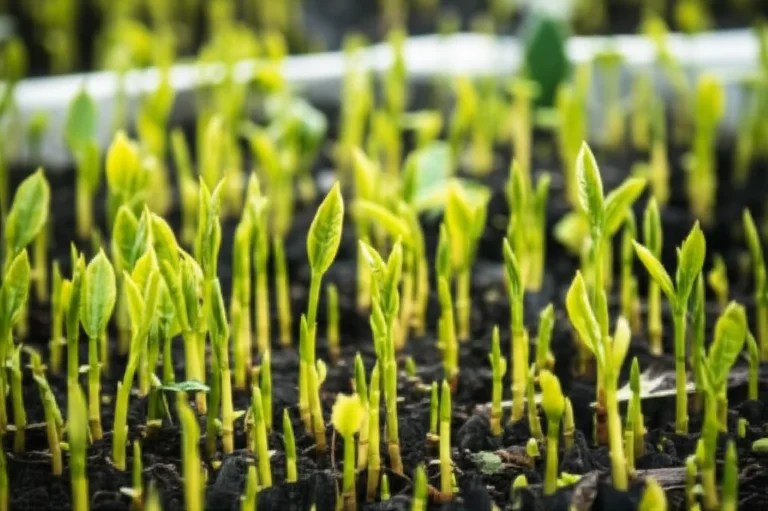
Seedlings and cutings have less root capacity than established shrubs. They can dry quickly, but persistent saturation is equally risky. The target is an evenly moist medium with enough air for developing roots.
Keeping seed-starting mix evenly moist
- Use a fine-textured, clean seed-starting medium.
- Water gently so seeds and young roots are not displaced.
- Check the surface and the layer just below it.
- Provide drainage; don’t leave trays standing in water.
- Once seedlings develop, adjust watering to their growing conditions rather than maintaining a permanently wet surface.
For general propagation and seed-starting practices, the University of Minnesota Extension’s gardening resources are a reliable starting point. Tea seed availability and germination can vary, so follow the seed supplier’s specific instructions as well.
Watering cutings as roots develop
Cutings need moisture while they establish, but a sealed, stagnant environment can encourage rot. Use a well-draining propagation medium and monitor both moisture and ventilation.
- Keep the medium lightly and evenly moist.
- Avoid pouring water over the cutting repeatedly.
- Provide gentle airflow without letting the cutting dry out.
- Reduce humidity gradually as roots develop.
- Pot up only when the cutting has enough roots to support itself.
The balance shifts as roots form: early on, the cutting has limited capacity to take up water; later, it can use more moisture. Keep observing rather than applying the same volume every time.
Helpful Watering Tools and Simple Techniques
You don’t need a greenhouse full of gadgets to water tea well. A finger, a little attention, and a pot that drains are a very respectable start. Tools can help you be more consistent, particularly with several containers.
Soil moisture meters, rain gauges, and watering cans
| Tool | What it helps with | Limitation |
|---|---|---|
| Finger or wooden skewer | Quick check of moisture near the surface | Less useful in very large pots |
| Soil moisture meter | Comparing moisture at different depths | Readings depend on soil contact and meter quality |
| Rain gauge | Estimating rainfall received | Doesn’t reveal how much reached the root zone |
| Narrow-spout watering can | Applying water gently and precisely | Small capacity can mean more refills |
| Hose with a gentle nozzle | Watering garden shrubs efficiently | Fast flow can cause runoff |
If you use a meter, compare its reading with how the soil actually feels. It is a guide, not a tiny horticulturist living in the probe. Fiskars offers garden watering tools, while Dr.meter is one of several brands selling moisture meters.
Drip irrigation and watering during vacations
For in-ground tea plants or several containers, drip irrigation can deliver water slowly at the root zone. It is useful during hot spells and absences, but test the system before trusting it.
- Run it and check that emiters reach each plant.
- Verify that the soil is moist beneath the surface afterward.
- Use a timer conservatively; irrigation schedules need seasonal adjustment.
- Ask someone to check the plants during extreme heat if possible.
- Don’t rely on an untested drip line to rescue a newly planted shrub.
The University of California’s irrigation resources discuss efficient watering practices. A system can save effort, but it cannot tell whether a blocked emitter or sudden heat wave has changed the plant’s needs.
Common Tea Plant Watering Mistakes to Avoid
A few habits cause most watering trouble. Avoid these, and your tea plant gets a much better shot at steady growth. ✅
- Watering by the day of the week: Check the soil instead.
- Giving frequent shallow sprinkles: Wet the root zone thoroughly when watering is needed.
- Assuming every wilted plant is thirsty: Wet soil can cause wilting too.
- Ignoring drainage holes: Water must be able to leave the pot.
- Leaving a full saucer under the container: Empty runoff after watering.
- Using a fixed summer schedule in winter: Seasonal conditions change how fast soil dries.
- Overeacting to one yellow leaf: Check the whole plant and growing conditions before making a big change.
- Adding fertilizer to a drought-stressed plant: Restore appropriate moisture first; our fertilizer guidance can help with feeding decisions later.
- Confusing compost tea with watering tea plants: Compost tea is a soil or plant treatment, not a substitute for irrigation. The Leaf & Limb article on compost tea for lawns discusses soil and turf, not a watering schedule for Camellia sinensis.
You may have heard that tea itself can be poured on plants for extra nutrients. The featured video recommends plain, unsweetened, cooled tea and warns against sweetened or flavored tea, which may attract pests or encourage mold. Treat that as an optional, lightly supported practice, not a replacement for proper watering or a complete fertilizer plan. Avoid milk, sugar, flavorings, and hot liquid.
How Proper Watering Supports Tea Leaf Growth and Harvests
Consistent root-zone moisture helps tea plants maintain healthy foliage and produce new shoots, but watering alone cannot guarantee a good harvest. Light, soil, climate, pruning, nutrition, and the plant’s maturity all matter.
For tea growers, the practical goal is to avoid prolonged drought and waterlogged soil while supporting steady growth. That creates better conditions for healthy leaves and new flushes. Our Green Tea Cultivation resources cover cultivation beyond irrigation, and this harvest guide explains how to pick leaves when shoots are ready.
A final distinction worth keeping clear: compost tea is not a watering schedule, and brewed tea is not a reliable irrigation solution. The Leaf & Limb lawn article says, “Porous and permeable soil retains much more rainfall, reducing runoff and the need for watering.” That observation concerns soil structure and turf management; it does not establish how often tea shrubs should be watered. The best frequency still comes from checking the soil around your own plant.