Support our educational content for free when you purchase through links on our site. Learn more
10 Tea Plant Types and What Makes Each Unique 🍃

What are the different types of tea plants and their unique characteristics? Most true tea comes from one species, Camellia sinensis, but its varieties, cultivars, and locally adapted populations differ in leaf size, growth habits, climate preferences, and chemistry. The two best-known types are small-leaf var. sinensis and large-leaf var. assamica; many other tea plants are cultivars, landraces, or closely related tea lineages.
Here’s the twist: plant type doesn’t determine whether a cup is green, black, or olong. Those styles are shaped largely by processing, along with growing conditions and harvest. One tea bush can offer far more than its botanical name suggests.
When we grow tea, we’re reminded that labels tell only part of the story. A young shoot’s tenderness, the weather before harvest, and the plant’s growing conditions all matter. Researchers studying 336 tea and related plant accessions identified 374 non-volatile metabolites in fresh shoots, a vivid reminder of just how much diversity can hide in a tea leaf.
Key Takeaways
- Most true tea comes from Camellia sinensis. Green, white, yellow, olong, black, and dark teas are different styles made from its leaves.
- The two main tea varieties are C. sinensis var. sinensis and var. assamica. They broadly differ in leaf size and climate associations, though cultivars and growing conditions add plenty of variation.
- Plant type and finished-tea type aren’t the same thing. Processing helps turn leaves into green, black, olong, and other tea styles.
- Place matters. Climate, elevation, soil, harvest timing, and cultivation all influence how a tea plant grows and how its leaves develop.
- Herbal infusions usually aren’t true tea. Chamomile, peppermint, and rooibos come from plants other than Camellia sinensis.
- For home growing, choose for climate first. A healthy, well-suited tea plant is a better bet than a fancy label with unclear provenance.
Table of Contents
- ⚡️ Quick Tips and Facts: Tea Plants at a Glance
- 🌱 Tea Plant Basics: What Counts as “Real” Tea?
- Camellia sinensis: The plant behind true tea
- Tea plant, tea leaf, and finished tea: What’s the difference?
- 🕰️ Tea Plant Origins, History, and Cultivation
- Where tea plants originated
- How tea spread and became a global crop
- How climate, elevation, and soil shape tea plants
- 🍃 10 Main Types of Tea Plants and Their Unique Characteristics
- 1. Camellia sinensis var. sinensis: The small-leaf Chinese tea plant
- 2. Camellia sinensis var. assamica: The large-leaf Assam tea plant
- 3. Camellia sinensis subsp. lasiocalyx: The Cambodian tea plant
- 4. Chinese tea landraces: Local plants, distinctive leaves
- 5. Assam tea landraces: Vigorous plants for warm, wet regions
- 6. Darjeling tea cultivars: Plants adapted to high elevations
- 7. Japanese tea cultivars: Plants bred for shade and steaming
- 8. Taiwanese tea cultivars: Plants prized for fragrant olongs
- 9. Purple tea plants: Anthocyanin-rich leaves
- 10. Wild and ancient tea trees: Tea plants beyond the garden
- 🌿 Tea Species, Varieties, Cultivars, and Clones Explained
- What botanical names tell you
- Seed-grown tea plants versus cloned cultivars
- Why tea plant classifications can differ
- 🧬 Tea Plant Characteristics: Leaves, Roots, Flowers, and Growth
- Leaf size, shape, color, and texture
- Tea flowers, seeds, and fruit
- Growth habit, lifespan, and pruning
- Caffeine, catechins, aroma compounds, and other leaf chemistry
- 🍵 How Tea Plant Types Shape Green, Black, Oolong, White, and Dark Tea
- Plant type versus tea-processing style
- How the same plant can produce different teas
- Which tea plants are used for matcha, chai, and breakfast blends?
- Why pu-erh and other dark teas often use large-leaf plants
- 🌼 True Tea Versus Herbal Tea: Camellia sinensis or Not?
- Herbal infusions made from other plants
- Common herbal tea ingredients and their plant origins
- 🌍 Famous Tea-Growing Regions and Their Signature Plants
- China, India, Sri Lanka, and Japan
- Taiwan, Nepal, Kenya, and beyond
- How terroir influences a tea plant’s character
- 🌱 Growing Tea Plants at Home
- Choosing the right tea plant for your climate
- Growing tea from seed or cutings
- Light, soil, water, temperature, and feeding
- Pruning, harvesting, and making tea from fresh leaves
- Common tea plant pests, diseases, and growing problems
- 🛒 How to Choose a Tea Plant or Tea Made from One
- Choosing a cultivar for flavor, climate, or garden use
- Reading tea labels: origin, cultivar, harvest, and processing
- Loose-leaf tea versus tea bags: Does the plant matter?
- ✅ Quick Tips for Identifying Tea Plant Types
- 🏁 Conclusion
- 🔗 Recommended Links
- ❓ FAQ
- Are all teas made from the same plant?
- What are the two main types of tea plants?
- Which tea plant has the largest leaves?
- Can different tea plant types make green and black tea?
- Is matcha made from a different tea plant?
- Are herbal teas made from tea plants?
- Can you grow a tea plant at home?
- Do different tea plants contain different amounts of caffeine?
- 📚 Reference Links
⚡️ Quick Tips and Facts: Tea Plants at a Glance
- Most true tea comes from one species: Camellia sinensis. Green, white, yellow, olong, black (often called red tea in China), and many dark teas are made from its leaves. The plant’s genetics matter, but processing and growing conditions help make each style distinct. TeaSource explains the processing differences.
- Two familiar botanical varieties are C. sinensis var. sinensis and var. assamica. The first is generally smaller-leaved and more cold-tolerant; the second is generally larger-leaved and suited to warmer, wetter conditions. Those are useful broad patterns, not ironclad rules.
- “Type of tea” can mean two different things. A tea plant type describes the plant’s genetics or cultivar; a tea type such as green or black describes how harvested leaves are made.
- Herbal “teas” usually aren’t tea-plant tea. Pepermint, chamomile, and rooibos are infusions from other plants. We grow and harvest those on a different page about herbal tea planting.
- Flavor can’t be predicted from species alone. Cultivar, altitude, soil, weather, harvest standard, and processing all contribute. Even leaves from the same bush can taste different between harvests.
- Caffeine varies with the leaf and the cup. Leaf age, plant genetics, leaf quantity, water temperature, and steeping time all play a role. Don’t assume black tea always has more caffeine than green tea; brewing makes a difference. TeaSource discusses why brewing matters.
- Tea plants are evergreen shrubs when cultivated. We keep ours low and bushy for easier harvesting, rather than letting them become tall trees. For picking advice, see our guide to when and how to harvest tea leaves.
- Research confirms that plant differences go deeper than appearance. A comparative study of 336 tea and related Camellia accessions detected 374 non-volatile metabolites in fresh shoots, demonstrating substantial chemical diversity among the plants. Read the study.
| If you’re asking… | The short answer |
|---|---|
| What plant makes green tea? | Camellia sinensis leaves, processed to limit oxidation |
| What plant makes black tea? | The same species; leaves are processed differently |
| Is matcha made from a special species? | Usually no. It’s a powdered green tea made from specially grown and processed leaves |
| Are chamomile and rooibos true teas? | No. They are herbal infusions from other plants |
| What should I grow? | A tea plant suited to your climate; cultivar choice follows from there |
🌱 Tea Plant Basics: What Counts as “Real” Tea?
Camellia sinensis: The plant behind true tea
The botanical name to remember is Camellia sinensis, an evergreen member of the tea family. Its young shoots are harvested and processed into the teas commonly called green, white, yellow, olong, black, and dark. The names describe finished-tea styles, not six separate tea species. Kew’s Plants of the World Online lists the accepted botanical name and plant classification.
Tea growers commonly discuss two major varieties:
- Camellia sinensis* var. *sinensis — often associated with smaller leaves, cooler-growing regions, and Chinese-style teas.
- Camellia sinensis* var. *assamica — often associated with larger leaves and warmer, wetter regions, including parts of Assam and Yunnan.
These are broad horticultural patterns. Modern tea production also relies on named cultivars and locally adapted populations, and botanical classifications can vary among sources. The comparative metabolite study we mentioned above distinguishes C. sinensis var. sinensis and var. assamica, while also examining other tea relatives. See its methods and results.
Tea plant, tea leaf, and finished tea: What’s the difference?
Think of the tea plant as the ingredient, the harvested shoot as the raw material, and processing as the recipe. A single plant can produce very different finished teas.
| Term | What it means | Example |
|---|---|---|
| Species | A botanical category | Camellia sinensis |
| Variety | A recognized botanical grouping within a species | var. sinensis |
| Cultivar | A selected or bred plant type with identifiable traits | ‘Yabukita’ |
| Landrace | A locally adapted population shaped by place and selection | Traditional regional tea populations |
| Tea style | A finished tea made using particular processing methods | Green, olong, or black tea |
That distinction explains a common tea-label puzzle: “Assam” can refer to a place, a tea style, or plants associated with Assam, depending on context. Always check whether the label names the origin, cultivar, or finished product.
🕰️ Tea Plant Origins, History, and Cultivation

Where tea plants originated
Tea plants and their close relatives are associated with parts of Asia, including regions of southwestern China and neighboring areas. The precise history of tea cultivation is complicated: people have moved plants, selected useful trees, and cultivated tea over many centuries. The modern crop also includes diverse cultivated lines and related wild species. Kew’s botanical database is a useful place to verify plant names, while the Maxapress study offers a research perspective on cultivated tea and related Camellia accessions.
We avoid saying that one modern country “owns” the tea plant’s whole origin story. Botanical distribution, early use, and later cultivation are related questions, but they are not interchangeable.
How tea spread and became a global crop
Tea cultivation expanded as people carried plants, seeds, knowledge, and processing methods into new regions. Today, tea is grown in a wide range of climates, from Japan and China to India, Sri Lanka, Kenya, and beyond. Local farmers then select plants and practices that suit their land and preferred styles.
The result is a crop with both shared ancestry and local personality. A tea plant grown in a cool mountain garden won’t behave exactly like one grown in a hot, humid lowland, even if their ancestry is similar.
How climate, elevation, and soil shape tea plants
Tea plants generally thrive in humid, well-drained growing conditions. The details depend on the plant material and local climate. Temperature, rainfall, sunlight, soil acidity, and elevation influence growth and can affect the chemistry and character of harvested shoots. The Royal Horticultural Society’s tea-plant profile provides practical cultivation information; the University of Hawai‘i’s tea crop profile offers a regional growing reference.
| Growing factor | What it can influence | Grower’s practical takeaway |
|---|---|---|
| Temperature | Growth rate, dormancy, and cold injury | Match the plant to your winter conditions |
| Rainfall and irrigation | Shoot growth and root health | Keep soil moist but never waterlogged |
| Elevation | Temperature, sunlight, and growth pace | Elevation is part of terroir, not a flavor guarantee |
| Soil drainage | Root health and plant vigor | Choose a free-draining site or poting mix |
| Sun and shade | Leaf development and shoot quality | Provide light, then adapt exposure to climate |
| Harvest timing | Tenderness, yield, and leaf chemistry | Pick suitable young growth consistently |
🍃 10 Main Types of Tea Plants and Their Unique Characteristics
There’s a small naming trap here: not every item below is a separate botanical species. Some are recognized varieties, some are cultivars or local populations, and some are closely related wild tea plants. We’ve grouped them as practical plant types and tea-growing lineages, not as ten equally ranked species.
1. Camellia sinensis var. sinensis: The small-leaf Chinese tea plant
This variety is commonly associated with smaller leaves and cooler tea-growing areas than typical Assam-type tea plants. It is widely used in Chinese tea traditions and is also important in Japan and other regions. The exact traits vary by cultivar and growing environment.
Potential strengths
- Often a useful choice for cooler conditions than typical Assam-type plants.
- Includes abundant genetic and cultivar diversity.
- Can be processed into many styles.
Watch-outs
- “Small-leaf” is a general description, not a dependable identification test on its own.
- Plants still need suitable warmth, moisture, drainage, and protection from severe winter conditions.
2. Camellia sinensis var. assamica: The large-leaf Assam tea plant
Var. assamica is often associated with larger leaves and warmer, wetter growing regions. It is important in Assam and parts of Yunnan and neighboring areas. “Assamica” points to a botanical variety; “Assam” can also refer to a tea-growing region and tea style, so labels deserve a second look.
Potential strengths
- Vigorous growth in climates that suit it.
- Large leaves can be an advantage for some harvest and processing traditions.
- Associated with strong-bodied teas in some regional contexts.
Watch-outs
- The classic warm-climate association makes it a less obvious choice for exposed, cold gardens.
- A variety name alone doesn’t dictate how the finished cup will taste.
3. Camellia sinensis subsp. lasiocalyx: The Cambodian tea plant
The name “Cambodian tea plant” appears in tea classifications, but its formal rank and relationship to other tea plants have been described differently across botanical and horticultural sources. It is often discussed alongside the major tea varieties as a distinct tea lineage or subspecies. We recommend treating it as a classification-sensitive name, not assuming every nursery uses it consistently.
If a seller offers a plant under this name, ask for its botanical identification, propagation source, and growing information. The broader diversity of cultivated tea and related species is covered in the comparative metabolite research.
4. Chinese tea landraces: Local plants, distinctive leaves
A landrace is a locally adapted population rather than a single standardized clone. Traditional tea-growing areas contain diverse plants shaped by generations of selection, local conditions, and preferred processing styles. That diversity helps explain why two teas from the same broad region can differ dramatically.
Grower’s view: a local landrace can be a compelling choice when it has a credible origin and matches your climate. But “heritage” on a plant label is not proof of a particular flavor or performance.
5. Assam tea landraces: Vigorous plants for warm, wet regions
Assam’s tea-growing history includes locally adapted plant material as well as selected cultivars. These plants are associated with a warm, humid region where vigorous growth is possible. That doesn’t mean every Assam-associated plant is interchangeable, or that the region’s characteristic tea flavor comes from genetics alone.
Best fit: gardeners seeking an Assam-associated plant for a warm, humid site, provided the source is reputable and the plant’s cold tolerance is suitable.
6. Darjeling tea cultivars: Plants adapted to high elevations
Darjeling tea is a regional identity, not a single botanical variety. Gardens there grow different tea plants and cultivars in a distinctive Himalayan environment. Elevation, local weather, harvest timing, and skilled processing all contribute to the region’s famous range of aromas.
Don’t overead the name: a plant sold as “Darjeling” should come with cultivar or provenance details. The region’s finished tea character cannot be bottled into a cultivar label alone.
7. Japanese tea cultivars: Plants bred for shade and steaming
Japan grows numerous selected cultivars, including ‘Yabukita’, one of the country’s most widely planted tea cultivars. Cultivar choice can affect shoot timing, plant form, and suitability for specific production methods. Some teas, such as gyokuro and tencha used for matcha, are grown under shade before harvest; the shading practice changes leaf development, but it does not create a separate tea species.
For Japanese green-tea growing and processing context, explore our Green Tea Cultivation resources.
8. Taiwanese tea cultivars: Plants prized for fragrant olongs
Taiwan grows several tea cultivars and local plant populations used for fragrant olong styles. Cultivar, elevation, weather, and processing interact: the same cultivar can produce a different cup in a different garden or season.
Useful buying clue: look for both cultivar and origin when available. “Taiwanese olong” tells you a lot about tradition and place, but it doesn’t identify the plant by itself.
9. Purple tea plants: Anthocyanin-rich leaves
Some tea plants produce purple or reddish young leaves because of anthocyanin pigments. Purple-leafed tea material is cultivated in several regions and may be marketed as purple tea. Leaf color is an eye-catching clue, but it doesn’t automatically indicate a particular flavor, caffeine level, or health effect.
The broader chemistry of tea shoots is complex. In a study of 336 accessions, researchers identified 374 non-volatile metabolites across 27 categories, including flavonoids and organic acids. Those findings show diversity, but they are not a shortcut for predicting the exact flavor or health impact of an individual cup. Read the study.
10. Wild and ancient tea trees: Tea plants beyond the garden
Wild tea relatives and old tea trees are not the same thing. A very old cultivated tea tree may have been tended or harvested for generations; a wild relative is a plant population outside the usual cultivated crop. Researchers study related Camellia species because they can help explain the plant’s diversity, chemistry, and evolution.
The Maxapress study examined cultivated tea alongside related species such as Camellia taliensis and C. tachangensis. It found distinct metabolite profiles across sampled accessions, while also showing that results can vary among samples and studies. Explore the full research article.
🌿 Tea Species, Varieties, Cultivars, and Clones Explained
What botanical names tell you
A scientific name helps identify a plant, but tea taxonomy has historical quirks and competing classifications. Some resources treat a name at the rank of variety; others may use a different rank or synonym. That’s why we check authoritative plant databases and research rather than treating a nursery label as the final word. Kew’s plant-name database is a useful verification tool.
| Label term | What it normally describes | What it does not promise |
|---|---|---|
| Species | A botanical grouping | A specific cup flavor |
| Variety | A botanical subdivision | Identical growth in every climate |
| Cultivar | A selected cultivated plant | The same quality in every harvest |
| Clone | Vegetative copies of a selected plant | Genetic diversity |
| Landrace | A locally adapted population | Uniform leaves or flavor |
| Origin | The place tea was grown or made | A single cultivar |
Seed-grown tea plants versus cloned cultivars
Seed-grown plants bring genetic variation. That can be rewarding for gardeners who enjoy watching plants develop, but seedlings may differ in leaf shape, growth, flowering, and harvest timing.
Cloned plants, usually propagated vegetatively, are more consistent with the selected parent. That predictability helps commercial growers, but a garden with only clones can have less genetic variety.
Choose based on your goal:
- For a predictable cultivar: buy a clearly labelled vegetatively propagated plant from a specialist nursery.
- For experimentation: seed-grown tea can be fun, especially if you can accept variation.
- For either option: ask about the plant’s age, propagation method, climate suitability, and disease status.
Why tea plant classifications can differ
Taxonomy changes as botanists compare plant form, genetics, and geography. A name used in one publication may appear under a different classification in another, while horticulture may preserve a familiar older name.
For everyday growing, the most practical questions are often:
- What plant is this seller actually offering?
- Is it a cultivated tea plant or a related Camellia?
- Is it suited to my climate?
- Was it grown from seed or cloned from a selected parent?
When scientific precision matters, check a plant database and the source’s full botanical name. When you’re trying to grow a healthy tea bush, good provenance and climate fit matter more than winning an argument over botanical rank.
🧬 Tea Plant Characteristics: Leaves, Roots, Flowers, and Growth
Leaf size, shape, color, and texture
Tea plants vary in leaf size, shape, thickness, surface texture, and new-growth color. These traits can help distinguish cultivars, but they are not foolproof: sunlight, age, pruning, and growing conditions also affect appearance.
| Feature | What to observe | Why it matters |
|---|---|---|
| Leaf size | Compare mature leaves from several shoots | Helpful for description, not a standalone identification |
| Leaf edge | Look for fine, regular serrations | A useful botanical feature |
| New shoots | Note bud color and leaf tenderness | Harvest stage affects quality |
| Growth habit | Upright, spreading, or bushy form | Influences pruning and harvesting |
| Leaf surface | Glossy or dull, smooth or textured | Can support cultivar identification |
Tea flowers, seeds, and fruit
Tea plants produce small, typically white flowers with yellow centers, followed by seed capsules. Flowering is useful for pollinators and for identifying a flowering plant, but flowers don’t tell you whether its leaves will make excellent tea. Many cultivated plants are maintained for regular leaf harvesting, so seed production is not always the grower’s priority.
Growth habit, lifespan, and pruning
Left unpruned, a tea plant can grow into a substantial woody shrub or small tree. Commercial and home growers commonly prune it to encourage branching and keep harvestable shoots within reach. Pruning is not merely cosmetic: it shapes the plant’s frame and supports repeated flushes of new growth.
Our practical approach:
- Start with a healthy framework rather than cutting a young plant hard.
- Prune lightly and deliberately once it’s established.
- Keep the harvest surface reachable so picking doesn’t turn into ladder-based gardening.
- Clean tools between plants to reduce the chance of spreading disease.
For general plant nutrition, see Growing Teas™’ fertilizers for tea plants category. For lower-impact methods, browse our organic farming techniques.
Caffeine, catechins, aroma compounds, and other leaf chemistry
Tea leaves contain a mix of compounds, including caffeine, catechins, amino acids, organic acids, and aroma precursors. Their amounts vary with genetics, plant age, growing conditions, harvest season, and processing. The Maxapress study detected 374 non-volatile metabolites in 336 accessions, including 32 flavonoid polymers, and concluded that cultivated tea and related plants have distinct chemical profiles. Read the research.
That’s a useful scientific insight, not a flavor vending machine. A higher level of one compound does not, by itself, tell you how a brewed cup will taste. Processing changes the chemistry, and aroma depends on volatile compounds too.
🍵 How Tea Plant Types Shape Green, Black, Oolong, White, and Dark Tea
Plant type versus tea-processing style
Tea drinkers often say “different tea types,” meaning green, black, or olong. Tea growers may mean different plant varieties or cultivars. Both uses are common; the distinction is what keeps the conversation tidy.
A useful way to summarize it:
The plant provides the leaves; growing conditions and processing help shape the finished tea.
TeaSource describes the traditional tea categories as leaves from Camellia sinensis transformed through different processing methods. See its overview. In the first YouTube video featured in the article, the presenter also surveys six major styles, including yellow tea, and shows how steps such as steaming, pan-firing, and wet-piling distinguish finished teas.
| Finished style | Broad processing idea | Common sensory range |
|---|---|---|
| White | Gentle handling and drying | Delicate, sweet, floral, fruity, or savory |
| Green | Heat applied early to limit oxidation | Fresh, vegetal, grassy, nuty, or toasty |
| Yellow | Green-tea-like processing plus a “sealed yellow” step | Mellow, rounded, sometimes sweet |
| Oolong | Withering, controlled oxidation, shaping, and firing | Floral and light to roasted and rich |
| Black/red | Extensive oxidation before final firing | Malty, brisk, fruity, or robust |
| Dark | Post-fermentation or aging in styles that use it | Earthy, smooth, woody, or complex |
These are broad descriptions, not guarantees. Tea makers and traditions differ, and dark tea is an umbrella term whose use can vary by region.
How the same plant can produce different teas
A tea shoot can follow different production paths after harvest. One batch may be heated quickly to make green tea; another may be withered and oxidized for black tea. Oolong producers manage a more involved sequence of withering, leaf movement, oxidation, heating, rolling, and drying.
That flexibility is why tea style is not a reliable way to identify the plant variety. A finished black tea could come from different cultivars and origins, just as a green tea could.
Which tea plants are used for matcha, chai, and breakfast blends?
- Matcha: A powdered Japanese green tea made from leaves grown and processed for that purpose. The base species is Camellia sinensis; careful shading and production help create the finished style. It is not a separate botanical species. In Pursuit of Tea explains tea categories and processing.
- Chai: The tea in masala chai is commonly black tea, combined with spices and often milk. Chai is a drink or preparation, not a tea-plant variety.
- Breakfast blends: Often blends of robust black teas chosen for a strong cup. Assam, Ceylon, and African teas may appear, but the blend formula varies by brand.
- Genmaicha and hojicha: These are Japanese tea styles, not separate species. Genmaicha includes roasted rice; hojicha is roasted tea.
Why pu-erh and other dark teas often use large-leaf plants
Pu-erh is strongly associated with Yunnan and local large-leaf tea plants. Its identity depends on place, plant material, and tradition, as well as whether the tea is raw (sheng) or ripe (shu) and how it is aged or processed. Other dark teas have their own regional production methods; “dark tea” does not always mean pu-erh.
TeaSource notes that pu-erh is tied to Yunnan and distinguishes raw and ripe styles in its tea-type guide. In Pursuit of Tea also describes pu-erh as a post-fermented tea associated with large-leaf material from Yunnan. Read its overview.
🌼 True Tea Versus Herbal Tea: Camellia sinensis or Not?
Herbal infusions made from other plants
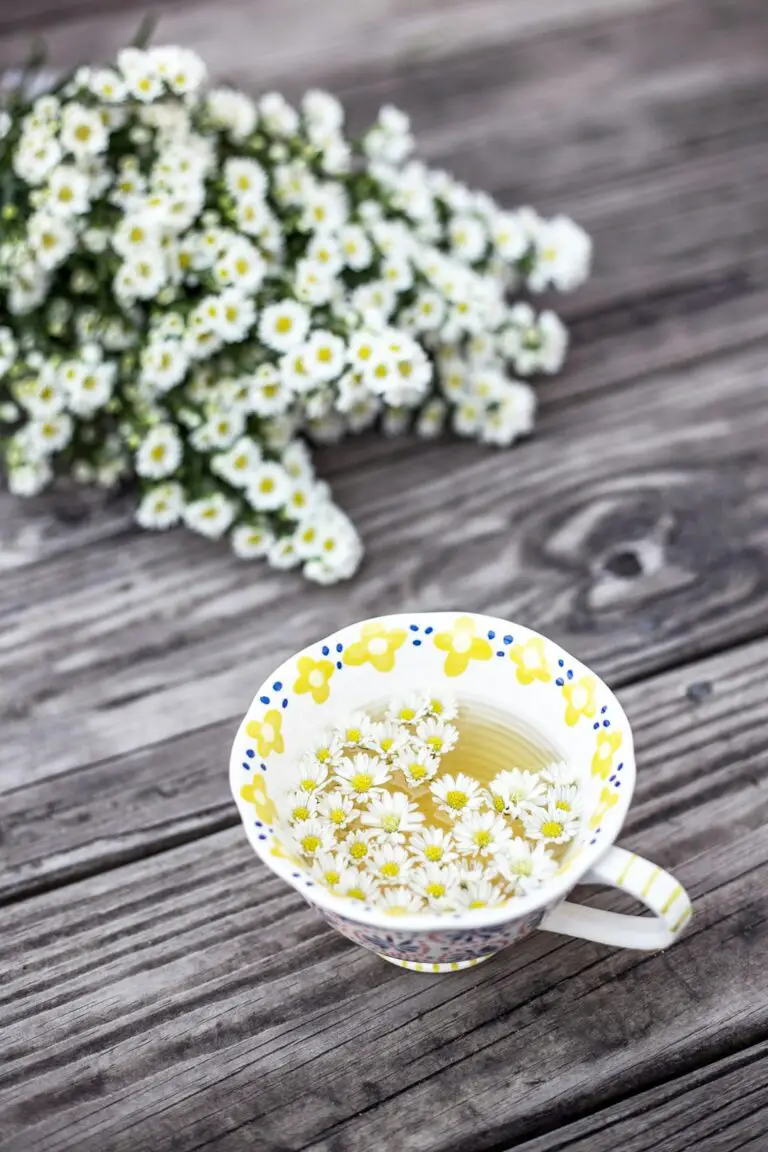
In everyday conversation, we call chamomile or peppermint “tea.” Botanically, they’re herbal infusions, often called tisanes, because they aren’t made from Camellia sinensis. Rooibos comes from a different plant too. Some herbal infusions contain caffeine, however: yerba mate and guayusa are examples, so “herbal” does not automatically mean caffeine-free. TeaSource distinguishes true tea from herbal infusions.
| Drink | Plant source | True tea? |
|---|---|---|
| Green tea | Camellia sinensis | Yes |
| Black tea | Camellia sinensis | Yes |
| Chamomile infusion | Matricaria species | No |
| Pepermint infusion | Mentha species | No |
| Rooibos infusion | Aspalathus linearis | No |
| Yerba mate | Ilex paraguariensis | No; naturally contains caffeine |
Common herbal tea ingredients and their plant origins
Herbal infusions may use leaves, flowers, roots, seeds, bark, or fruit. Familiar ingredients include peppermint, chamomile, ginger, hibiscus, rooibos, and lemon balm. Each has different growing needs, and some have different harvest or storage requirements.
If you’re planning an edible garden with both tea and infusion plants, our Herbal Tea Planting resources can help you plan the non-Camellia side of the garden. For growing tea specifically, keep reading; a tea bush is fussier about climate than a pot of mint, and mint will happily try to take over the neighborhood.
🌍 Famous Tea-Growing Regions and Their Signature Plants
China, India, Sri Lanka, and Japan
These major tea-growing nations produce numerous styles and use diverse plant material.
- China: A broad range of green, white, yellow, olong, black, and dark teas.
- India: Black teas from Assam and Darjeling are widely known, alongside other regional styles.
- Sri Lanka: Ceylon tea is often black tea, though the island’s production is not limited to a single style.
- Japan: Particularly known for green teas such as sencha, gyokuro, and matcha-related tencha.
These are regional associations, not exclusive rules. TeaSource’s overview shows how geography, processing, and tradition combine across tea styles. Explore the guide.
Taiwan, Nepal, Kenya, and beyond
Taiwan is renowned for olong styles; Nepal produces teas influenced by Himalayan growing conditions; and Kenya is a major producer of black tea. Many other countries grow tea too. Within each region, cultivars and gardens differ, so a country name is only the start of the story.
How terroir influences a tea plant’s character
Teroir is a convenient word for the combined influence of place: climate, elevation, soil, local plant material, farming, and human skill. It’s not a magical seasoning sprinkled over the leaves. It describes interacting conditions that can influence growth and the harvested shoot.
The research picture is nuanced. The Maxapress study found distinct chemical profiles among accessions, but it also discusses variation across samples and prior studies. That means plant genetics matter, but location, season, and methods matter too. Read the research findings.
🌱 Growing Tea Plants at Home
Choosing the right tea plant for your climate
Start with your local climate, not the most romantic cultivar name on the label. Tea plants need a suitable growing season, good drainage, and protection from conditions that exceed their tolerance. A container can make winter protection easier, while a garden bed can support a larger plant in a suitable climate. The RHS tea-plant profile provides basic growing guidance.
Before buying, ask the nursery:
- Is this Camellia sinensis or a related Camellia?
- What cultivar or variety is it?
- Was it seed-grown or propagated from a selected plant?
- What winter temperatures has it tolerated?
- Is it suited to container growing in my region?
Our recommendation: buy a healthy, correctly labelled plant from a specialist nursery that can answer those questions. A clear label beats a poetic one.
Growing tea from seed or cutings
Tea can be propagated from seed or vegetatively. Seed-grown plants may vary, while cutings generally preserve the selected parent’s traits more closely. Either route takes patience: a new plant needs time to establish before you harvest it heavily.
For seed-grown tea
- Start with fresh, viable seed from a trustworthy source.
- Follow the supplier’s germination instructions; seed freshness and handling matter.
- Keep the growing medium evenly moist, not saturated.
- Give seedlings bright, suitable light and protect them from harsh conditions.
- Expect variation among seedlings.
For cutings
- Choose a healthy, pest-free parent plant.
- Take cutings with clean tools.
- Use a suitable propagation medium and maintain humidity while roots form.
- Keep new plants sheltered as they establish.
- Label the cultivar and source; unlabeled cutings become a botanical guessing game.
Light, soil, water, temperature, and feeding
A tea plant needs balanced care rather than constant pampering. Choose an airy location with enough light for healthy growth, and adapt exposure to your local heat and sun intensity. Use an acidic, well-drained growing medium, and water consistently without letting roots sit in stagnant water. The RHS profile and University of Hawai‘i crop guide provide additional growing information.
| Need | Practical approach | Common mistake |
|---|---|---|
| Soil | Acidic and well-drained | Heavy, waterlogged soil |
| Water | Even moisture, adjusted for weather | Leting a container dry completely |
| Light | Bright conditions suited to your climate | Suden exposure to intense sun |
| Feeding | Follow a tea- or acid-loving-plant fertilizer label | Overfeeding a stressed plant |
| Winter | Protect young or exposed plants | Assuming every tea variety has equal cold tolerance |
For fertilizer guidance, see Fertilizers for Tea Plants. For soil-conscious practices and prevention-focused growing, visit Organic Farming Techniques.
Pruning, harvesting, and making tea from fresh leaves
Pruning keeps plants compact and encourages branching. Harvesting should be gentle enough to leave the plant with healthy foliage and enough growth to recover. We’ve learned the hard way that enthusiasm is not a pruning strategy: a young plant can’t replace every leaf you’d like to pluck.
A careful starting routine:
- Let a new plant establish before taking repeated harvests.
- Pick tender shoots selectively rather than stripping branches.
- Leave healthy growth behind so the plant can keep growing.
- Note harvest dates, weather, and shoot appearance.
- Process leaves promptly, because fresh shoots change after picking.
For the details of timing and picking standards, follow our guide on when and how to harvest tea leaves. If you’re growing plants for green tea, our Green Tea Cultivation category offers more related guidance.
Common tea plant pests, diseases, and growing problems
Watch for yellowing leaves, stunted shoots, pests, and soil that stays wet for too long. A symptom rarely has only one possible cause: yellow leaves can reflect watering, nutrition, roots, or seasonal change.
Troubleshooting checklist
- Check the underside of leaves for pests.
- Examine drainage before adding more water or fertilizer.
- Compare new growth with older leaves; the pattern can help narrow down the problem.
- Isolate a visibly infested potted plant where practical.
- Use products only according to their labels and local rules.
Prevention is easier than rescue. Clean tools, good airflow, appropriate watering, and a suitable site support healthier plants. Our organic farming techniques provide a useful starting point for lower-input gardening.
🛒 How to Choose a Tea Plant or Tea Made from One
Choosing a cultivar for flavor, climate, or garden use
Choose a plant for the conditions you can provide, then enjoy the cultivar’s potential. If your garden has cold winters, a warm-climate Assam-associated plant may need more protection than a suitable small-leaf selection. If you want a productive tea hedge, consider growth habit and pruning needs. If you want a plant for curiosity, a purple-leaf type or seed-grown plant might be more entertaining.
Buying checklist
- Confirm the botanical name.
- Ask for cultivar or variety details.
- Check local climate suitability.
- Look for a healthy root system and pest-free foliage.
- Confirm whether it is a seedling or a clone.
- Treat claims about guaranteed flavor, health effects, or extreme cold tolerance cautiously.
Reading tea labels: origin, cultivar, harvest, and processing
Useful labels separate several kinds of information:
| Label detail | What it tells you |
|---|---|
| Country or region | Where tea was grown or produced |
| Cultivar | The named plant selection, if supplied |
| Harvest season | When shoots were picked |
| Processing style | How the leaves were made into tea |
| Grade or leaf form | A commercial or production descriptor |
| Blend ingredients | Whether the product contains tea, herbs, or flavorings |
Look for specifics, not just lyrical language. “High-mountain” and “spring harvest” can be informative when backed by origin details; neither alone proves a particular cultivar.
Loose-leaf tea versus tea bags: Does the plant matter?
Both loose-leaf tea and tea bags can contain Camellia sinensis. Leaf size and bag design can affect how quickly water extracts flavor, but the package format doesn’t tell you the plant’s botanical variety. Some tea bags contain small particles chosen for fast infusion, while others contain larger leaves or whole-leaf sachets.
Choose based on freshness, ingredient transparency, taste, and convenience. A tea bag is not automatically low quality, and loose leaf is not automatically excellent. The source, harvest, storage, and processing still count.
✅ Quick Tips for Identifying Tea Plant Types
- Don’t identify a plant from one leaf. Compare mature leaves, new shoots, growth habit, and reliable provenance.
- Read the full botanical name. A common name such as “Assam tea” may describe origin or style rather than a confirmed variety.
- Ask whether a plant is seed-grown or cloned. The answer helps set expectations about uniformity.
- Separate plant identity from tea style. Green and black tea can come from the same species.
- Treat flavor notes as tendencies, not promises. Climate, season, processing, and brewing all influence the cup.
- For growers, prioritize climate fit and drainage. A healthy, well-matched plant is more useful than a prestigious label.
- For tea drinkers, check origin and processing details. These often tell you more than a vague botanical claim.
- For scientific claims, look for the evidence. The Maxapress metabolite study compares many accessions, but its findings describe chemical diversity, not guaranteed tasting notes or health outcomes. Read it here.