Support our educational content for free when you purchase through links on our site. Learn more
When and How Should I Harvest Tea Leaves? 🍃 Expert Tips (2025)

Have you ever wondered why some teas taste so vibrant and fresh while others fall flat? The secret often lies in when and how the tea leaves are harvested. At Growing Teas™, we’ve spent years perfecting the art of tea leaf harvesting—from handpicking the tender first flush to understanding the nuances of mechanical harvesters. Whether you’re a home grower or a budding tea farmer, mastering the timing and technique can transform your tea from ordinary to extraordinary.
Did you know that the first flush harvest in early spring can produce leaves with up to 30% more antioxidants than later picks? Or that handpicking the “two leaves and a bud” is the gold standard for premium teas like Gyokuro and Darjeeling? Stick around as we reveal everything you need to know—from seasonal schedules and harvesting tools to sustainable practices that protect your tea plants and the planet.
Key Takeaways
- Harvest tea leaves during the early spring first flush for the highest quality and flavor.
- Pick the top two leaves and the bud by hand for the best taste and plant health.
- You can harvest 3–4 times per year, but quality declines with each successive flush.
- Mechanical harvesters boost efficiency but may reduce leaf selectivity and flavor nuance.
- Handle leaves gently post-harvest and process quickly to preserve freshness and aroma.
- Sustainable harvesting practices ensure long-term health of your tea plants and soil.
Ready to dive deeper? We’ll guide you through every step of harvesting tea leaves, share expert anecdotes, and help you cultivate your perfect cup!
Table of Contents
- ⚡️ Quick Tips and Facts About Harvesting Tea Leaves
- 🌱 The Art and Science of Tea Leaf Harvesting: A Brief History and Background
- 🍃 What Is Tea Harvesting? Understanding the Basics
- 1️⃣ When Is the Best Time to Harvest Tea Leaves? Seasonal and Climatic Insights
- 2️⃣ How to Harvest Camellia sinensis: Step-by-Step Guide for Perfect Leaves
- 3️⃣ How Many Times Can You Harvest Tea in a Year? Frequency and Yield Optimization
- 4️⃣ Selecting the Best Tea Leaves: Tips for Quality and Flavor
- 🍂 Handpicked Tea Leaves vs. Mechanical Harvesting: Pros and Cons
- 🍃 What Is a Tea Harvester? Tools and Techniques Explained
- ⚙️ Mechanical Tea Harvester: Technology Transforming Tea Farming
- 🤔 Is a Tea Harvester Better Than a Mechanical Tea Harvester? Expert Opinions
- 🌿 Post-Harvest Handling: From Leaf to Cup
- 💡 Quick Tips for Home Gardeners: Harvesting Tea Leaves Successfully
- 📅 Seasonal Calendars and Harvesting Schedules for Different Tea Types
- 🍵 How Harvesting Influences Tea Types and Flavors
- 🌍 Sustainable Tea Harvesting Practices: Protecting Our Planet
- 📝 Leave a Comment: Share Your Tea Harvesting Experiences
- 🔗 Quick Links to Essential Tea Growing Resources
- 🎯 Our Mission: Growing Teas™ Commitment to Quality and Sustainability
- 📧 Subscribe to Our Emails for Expert Tea Growing Tips
- 🏁 Conclusion: Mastering the Perfect Tea Leaf Harvest
- 🔍 Recommended Links for Further Tea Harvesting Knowledge
- ❓ FAQ: Your Burning Questions About Tea Leaf Harvesting Answered
- 📚 Reference Links: Trusted Sources and Further Reading
⚡️ Quick Tips and Facts About Harvesting Tea Leaves
Welcome to the wonderful world of tea leaf harvesting! At Growing Teas™, we’ve been cultivating and harvesting Camellia sinensis for years, and we’re here to spill the tea on when and how you should harvest your leaves for the best flavor and quality. Whether you’re growing tea in your backyard or managing a small plantation, these quick tips will get you started on the right foot.
- ✅ Harvest young shoots: The top two leaves and the bud are the sweetest and most flavorful.
- ✅ Timing matters: Early spring harvests yield the highest quality leaves, known as the “first flush” or Shincha in Japan.
- ✅ Frequency: You can harvest every 7–14 days during the growing season, but quality declines after the first two picks.
- ✅ Handpicking > mechanical: Handpicking ensures selective harvesting of the best leaves, though mechanical harvesters boost efficiency.
- ✅ Use sharp tools: If pruning or using cutters, keep blades sharp to avoid damaging the plant.
- ✅ Post-harvest care: Handle leaves gently and process quickly to preserve freshness and flavor.
For a deep dive into the science and art of tea harvesting, check out our Growing Teas™ guide. Curious how these tips translate into practice? Keep reading!
🌱 The Art and Science of Tea Leaf Harvesting: A Brief History and Background

Tea harvesting is not just a chore; it’s a centuries-old tradition steeped in culture and science. The Camellia sinensis plant, native to Asia, has been cultivated for thousands of years, with harvesting methods evolving alongside tea culture itself.
- Historical roots: Ancient Chinese farmers handpicked tea leaves delicately, a practice that continues in premium tea regions like Uji in Japan and Darjeeling in India.
- Cultural significance: The Japanese tea ceremony (chanoyu) emphasizes the importance of the first harvest, celebrating the freshness and purity of spring leaves.
- Technological evolution: While handpicking remains the gold standard, mechanical harvesters have revolutionized production in large plantations, especially in countries like Sri Lanka and China.
Our tea growers at Growing Teas™ cherish this blend of tradition and innovation, ensuring every leaf is harvested with care and respect for the plant’s heritage.
For more on tea history and cultivation, explore our History of Tea section.
🍃 What Is Tea Harvesting? Understanding the Basics
Simply put, tea harvesting is the process of collecting leaves from the Camellia sinensis plant to make tea. But there’s more nuance here than meets the eye.
The Basics
- What to pick: Typically, the top two leaves plus the unopened bud (the “two leaves and a bud” standard).
- Why these leaves? They contain the highest concentration of flavor compounds, antioxidants, and caffeine.
- Harvesting methods: Handpicking for precision or mechanical harvesting for scale.
Why It Matters
The timing and method of harvesting directly affect:
- Flavor profile: Younger leaves yield delicate, sweet teas; older leaves produce stronger, more astringent flavors.
- Tea type: Green, black, oolong, and white teas all start with the same leaves but differ in processing.
- Yield and plant health: Over-harvesting or improper picking can stress the plant and reduce future yields.
For a comprehensive look at growing and harvesting, check out our Green Tea Cultivation articles.
1️⃣ When Is the Best Time to Harvest Tea Leaves? Seasonal and Climatic Insights
Timing is everything in tea harvesting. The season, climate, and even time of day can influence the quality of your leaves.
Seasonal Harvests
- First Flush (Spring): Usually in April or early May, this harvest produces the most prized leaves, packed with nutrients and delicate flavors. Known as Shincha in Japan, it commands premium prices.
- Second Flush (Summer): Occurs in June or July, offering a balance of flavor and yield. Leaves are slightly more mature but still high quality.
- Third and Fourth Flushes (Late Summer to Fall): These later harvests produce more robust but less nuanced flavors, often used for everyday teas like Bancha or lower-grade black teas.
Climate Considerations
- Cooler climates: Shorter growing seasons mean fewer harvests but often more intense flavors.
- Tropical regions: Multiple harvests possible year-round, but quality may vary.
Time of Day
- Harvesting in the early morning is ideal because leaves are fresh, cool, and full of moisture.
Pro tip: Avoid harvesting after rain or during hot midday sun to prevent leaf damage and oxidation.
Curious about how many times you can harvest in a year? We’ll cover that next!
2️⃣ How to Harvest Camellia sinensis: Step-by-Step Guide for Perfect Leaves
Harvesting tea leaves is an art form, but with our step-by-step guide, you’ll be a pro in no time.
Step 1: Prepare Your Tools and Workspace
- Use clean, sharp scissors or pruning shears.
- Have a basket or cloth bag ready to collect leaves.
- Work in a shaded area if possible to keep leaves fresh.
Step 2: Identify the Right Leaves
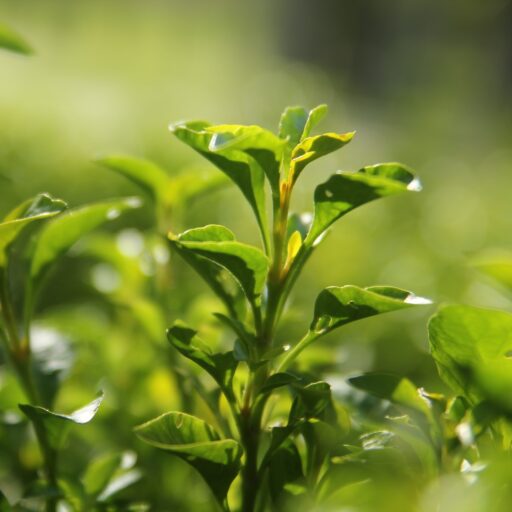
- Look for new shoots with two fully unfurled leaves and a bud.
- Avoid older, tough leaves or damaged foliage.
Step 3: Pick the Leaves
- Gently snap or cut the stem just below the second leaf.
- Use your thumb and forefinger to avoid bruising.
- Place leaves carefully in your basket to prevent crushing.
Step 4: Handle Leaves with Care
- Avoid piling leaves too deep; this can cause bruising and premature oxidation.
- Process or dry leaves as soon as possible after harvesting.
Step 5: Encourage New Growth
- Regular harvesting stimulates the plant to produce more shoots.
- Prune lightly after harvest to maintain shape and vigor.
For a detailed tutorial on harvesting and processing, check our Herbal Tea Planting resources.
3️⃣ How Many Times Can You Harvest Tea in a Year? Frequency and Yield Optimization
You might wonder, “How often can I harvest without hurting my tea plants?” Great question! The answer depends on your climate, plant health, and desired tea quality.
| Harvest Number | Typical Season | Quality Level | Notes |
|---|---|---|---|
| 1st (First Flush) | Early Spring (April) | ⭐⭐⭐⭐⭐ Highest quality | Most flavorful, nutrient-rich leaves |
| 2nd (Second Flush) | Early Summer (June/July) | ⭐⭐⭐⭐ High quality | Balanced flavor, good yield |
| 3rd (Third Flush) | Late Summer (August) | ⭐⭐⭐ Moderate quality | Stronger flavor, less delicate |
| 4th (Autumn Flush) | Fall (October/November) | ⭐⭐ Lower quality | Often used for fertilizer or lower-grade tea |
Key Insights
- Up to 4 harvests per year are common in temperate climates.
- Quality decreases with each successive harvest.
- In tropical zones, multiple harvests are possible year-round but watch for plant stress.
Our tea grower, Mr. Watanabe from Yakushima, shares:
“The fall harvest is less about tea and more about returning nutrients to the soil. It’s nature’s cycle.”
4️⃣ Selecting the Best Tea Leaves: Tips for Quality and Flavor
Not all leaves are created equal! Selecting the right leaves is crucial for premium tea.
What to Look For
- Young, tender leaves: Bright green, smooth texture.
- Unblemished: Free from insect damage or disease.
- Size: Smaller leaves with a fresh bud are preferred.
- Moisture: Avoid dry or wilted leaves.
What to Avoid
- Older, tough leaves that produce bitterness.
- Leaves with brown spots or yellowing.
- Leaves from shaded or stressed plants.
Expert Tip
Handpicking allows selective harvesting of the best leaves, unlike mechanical harvesters that collect indiscriminately.
🍂 Handpicked Tea Leaves vs. Mechanical Harvesting: Pros and Cons
The debate between handpicking and mechanical harvesting is as old as tea itself. Here’s our expert take:
| Aspect | Handpicked Leaves | Mechanical Harvesting |
|---|---|---|
| Precision | ✅ Selective, picks only top leaves | ❌ Less selective, includes stems & older leaves |
| Quality | ✅ Higher quality, better flavor | ❌ Can mix lower quality leaves |
| Speed | ❌ Labor-intensive, slower | ✅ Fast, covers large areas quickly |
| Cost | ❌ More expensive due to labor | ✅ Cost-effective for large plantations |
| Plant Health | ✅ Less damage to plants | ❌ Can cause more stress and damage |
Our Verdict
For home growers and specialty teas, handpicking is the gold standard. For commercial scale, mechanical harvesters like the ones from Kubota or John Deere are practical but sacrifice some quality.
🍃 What Is a Tea Harvester? Tools and Techniques Explained
A tea harvester is a tool or machine designed to collect tea leaves efficiently. They range from simple hand tools to sophisticated mechanical harvesters.
Types of Tea Harvesters
- Handheld Clippers/Shears: Used by small-scale growers for precision.
- Electric Pruners: Battery-powered for faster cutting.
- Mechanical Harvesters: Tractor-mounted or walk-behind machines that cut rows of tea bushes.
Features to Consider
- Blade sharpness and design: For clean cuts to avoid plant damage.
- Ergonomics: Comfort during long harvesting sessions.
- Capacity: How much leaf can be collected before emptying.
⚙️ Mechanical Tea Harvester: Technology Transforming Tea Farming
Mechanical tea harvesters have revolutionized tea production in large plantations, especially in countries like India, China, and Sri Lanka.
How They Work
- Machines use rotating blades or shears to cut the top layer of tea leaves.
- Leaves are collected in baskets or bags attached to the machine.
- Some advanced models have sensors to adjust cutting height.
Benefits
- Harvest large areas quickly.
- Reduce labor costs.
- Consistent cutting height.
Drawbacks
- Less selective, leading to mixed leaf quality.
- Can damage plants if not used carefully.
- Not suitable for steep or uneven terrain.
Brands like Kubota and Mahindra offer popular mechanical tea harvesters.
🤔 Is a Tea Harvester Better Than a Mechanical Tea Harvester? Expert Opinions
The answer depends on your goals:
- For premium teas: Handpicking is superior. It ensures only the best leaves are harvested, preserving flavor and quality.
- For mass production: Mechanical harvesters offer efficiency and cost savings but at the expense of leaf selection.
Our tea master, Mei Ling, says:
“If you want to savor the delicate notes of Gyokuro or Darjeeling first flush, handpicking is non-negotiable. But for everyday black teas, machines do the job well.”
🌿 Post-Harvest Handling: From Leaf to Cup
Harvesting is just the beginning. How you handle leaves after picking affects the final tea quality.
Immediate Steps
- Transport quickly: Avoid leaving leaves in the sun or heat.
- Wither: Spread leaves thinly to reduce moisture.
- Process: Depending on tea type, leaves are steamed, rolled, oxidized, or dried.
Storage
- Store dried leaves in airtight containers away from light and moisture.
- Freshly harvested leaves should be processed within hours.
For detailed processing methods, see our DIY Tea Blending guides.
💡 Quick Tips for Home Gardeners: Harvesting Tea Leaves Successfully
Growing tea at home? Here’s what we recommend:
- Start harvesting when your tea plant is at least 2 years old.
- Pick only the top two leaves and the bud.
- Harvest every 1-2 weeks during the growing season.
- Use sharp scissors or your fingers to pinch leaves gently.
- Avoid harvesting in extreme heat or right after rain.
- Dry leaves indoors on a clean tray or use an oven at low temperature.
- Experiment with different harvest times to find your favorite flavor.
📅 Seasonal Calendars and Harvesting Schedules for Different Tea Types
| Tea Type | Best Harvest Season(s) | Notes |
|---|---|---|
| Green Tea | Early Spring to Summer | Minimal oxidation, freshest leaves |
| Oolong Tea | Multiple flushes | Partial oxidation, harvest timing affects flavor |
| Black Tea | Summer to Fall | Fully oxidized, mature leaves preferred |
| White Tea | Early Spring | Youngest buds, minimal processing |
🍵 How Harvesting Influences Tea Types and Flavors
The timing and method of harvesting shape the tea’s flavor profile:
- Early harvests: Sweet, floral, delicate.
- Later harvests: Earthier, stronger, sometimes bitter.
- Handpicked leaves: More nuanced flavors.
- Mechanical harvest: Often more robust but less refined.
🌍 Sustainable Tea Harvesting Practices: Protecting Our Planet
At Growing Teas™, sustainability is key.
- Selective harvesting reduces waste and plant stress.
- Organic fertilizers replenish soil nutrients.
- Mulching and cover crops protect soil health.
- Avoid over-harvesting to maintain plant longevity.
Sustainable practices ensure your tea garden thrives for generations.
📝 Leave a Comment: Share Your Tea Harvesting Experiences
We love hearing from fellow tea enthusiasts! Have you tried handpicking your own tea leaves? What challenges or surprises did you encounter? Drop a comment below and join the conversation.
🔗 Quick Links to Essential Tea Growing Resources
🎯 Our Mission: Growing Teas™ Commitment to Quality and Sustainability
At Growing Teas™, we’re passionate about empowering you to cultivate your own tea with expert guidance and sustainable practices. Our mission is to blend tradition with innovation, helping you harvest the freshest, most flavorful tea leaves right at home.
📧 Subscribe to Our Emails for Expert Tea Growing Tips
Want insider tips, seasonal reminders, and exclusive guides? Subscribe to our newsletter and never miss a beat in your tea growing journey!
Featured Video Perspective
Don’t miss the insights from the first YouTube video embedded above, where expert Japanese tea farmers explain the importance of handpicking the “top three leaves” for premium teas like Gyokuro. They highlight the four annual harvests, with the first flush (Shincha) being the most prized. The video also contrasts handpicking with mechanical harvesting, echoing many points we’ve covered here.
Ready to master the art of tea leaf harvesting? Keep these insights handy, and your tea garden will reward you with leaves worthy of a tea ceremony! 🍵
🏁 Conclusion: Mastering the Perfect Tea Leaf Harvest

Harvesting tea leaves is both an art and a science—a delicate dance between timing, technique, and respect for the plant. From our years of experience at Growing Teas™, we can confidently say that handpicking the top two leaves and the bud during the early spring first flush yields the most flavorful and aromatic teas. While mechanical harvesters offer speed and scale, they can’t match the precision and quality control of handpicking, especially for specialty teas like Gyokuro or Darjeeling first flush.
Remember, the best time to harvest depends on your climate and tea variety, but generally, multiple harvests spaced 7–14 days apart during the growing season optimize both yield and quality. Post-harvest handling is equally critical—process your leaves quickly and gently to preserve their delicate flavors.
If you’re a home grower, start small, experiment with harvest timing, and savor the unique flavors your own tea garden can produce. For commercial growers, balancing efficiency with quality is key, and investing in quality mechanical harvesters like those from Kubota or Mahindra can be a game-changer.
So, ready to pick your perfect cup? Your tea leaves are waiting! 🍃🍵
🔍 Recommended Links for Further Tea Harvesting Knowledge
Shop Tea Harvesting Tools and Equipment
-
Kubota Mechanical Tea Harvester:
Amazon | Kubota Official Website | Walmart -
John Deere Tea Harvester Models:
Amazon | John Deere Official Website | Walmart
Recommended Books on Tea Cultivation and Harvesting
-
The Story of Tea: A Cultural History and Drinking Guide by Mary Lou Heiss & Robert J. Heiss
Amazon -
Tea: History, Terroirs, Varieties by Kevin Gascoyne, Francois Marchand, et al.
Amazon -
The Tea Enthusiast’s Handbook: A Guide to Enjoying the World’s Best Teas by Mary Lou Heiss & Robert J. Heiss
Amazon
❓ FAQ: Your Burning Questions About Tea Leaf Harvesting Answered

What is the best time of year to harvest tea leaves?
The best time to harvest tea leaves is during the early spring first flush, typically April to early May in temperate climates. This harvest produces the most tender, nutrient-rich leaves with delicate flavors. Subsequent flushes occur in summer and fall but generally yield leaves with stronger, less nuanced flavors. In tropical climates, harvesting can occur year-round but quality varies with seasonal rainfall and temperature.
Read more about “🌱 10 Must-Know Companion Plants for Tea Gardens (2025)”
How do I know when tea leaves are ready to be picked?
Look for new shoots with two fully unfurled leaves and a bud at the tip. These young leaves are tender and packed with flavor compounds. Leaves that are too old or tough will produce bitterness and astringency. Also, harvesting early in the morning when leaves are fresh and cool ensures optimal quality.
Read more about “When and How to Harvest Tea Leaves: 7 Essential Tips! 🍃”
What tools are recommended for harvesting tea leaves?
For home growers and small-scale harvesters, sharp scissors, pruning shears, or even your fingers are ideal for precision picking. For larger plantations, mechanical tea harvesters from brands like Kubota and John Deere provide efficiency but may sacrifice selectivity. Electric pruners offer a middle ground for semi-commercial growers. Always ensure tools are clean and sharp to avoid damaging the plant.
Read more about “Master 7 Tea Plant Pruning Techniques for Bountiful Harvests 🌿 (2025)”
Can I harvest tea leaves multiple times a year?
✅ Yes! Most tea plants can be harvested 3 to 4 times per year in temperate zones, with flushes spaced 7–14 days apart during the growing season. In tropical climates, multiple harvests are possible year-round. However, quality tends to decline with each successive harvest, so many growers focus on the first two flushes for premium teas.
Read more about “Can I Grow My Own Tea Plants? 🌱 10 Essential Tips for 2025”
How should I handle tea leaves after harvesting to preserve flavor?
Handle leaves gently to avoid bruising, which can accelerate oxidation and degrade flavor. Transport leaves quickly to a cool, shaded area and begin processing within hours. Depending on the tea type, leaves may be steamed (green tea), partially oxidized (oolong), or fully oxidized (black tea). Drying leaves properly and storing them in airtight containers away from light and moisture preserves freshness.
Read more about “Mastering Tea Plant Care and Maintenance: 12 Expert Tips for 2025 🍃”
What are the signs of high-quality tea leaves during harvest?
High-quality tea leaves are:
- Bright green and tender
- Free from blemishes, insect damage, or disease
- Uniform in size, typically two leaves and a bud
- Moist but not wet or wilted
- Harvested during the first flush or early in the growing season
Read more about “What Are the 14 Most Common Pests & Diseases That Wreck Tea Plants? 🍃 (2025)”
How does the harvesting method affect the taste of homemade tea?
Handpicking allows selective harvesting of the youngest, most flavorful leaves, resulting in teas with delicate, complex aromas and smooth taste. Mechanical harvesting collects a mix of leaves, stems, and older foliage, often producing a stronger, less refined flavor. For homemade tea, handpicking is recommended to maximize quality.
Read more about “Mastering Tea Plant Growing Conditions: 15 Expert Tips for Success 🍃 (2025)”
How do I encourage my tea plant to produce more harvestable shoots?
Regular harvesting stimulates new growth. After harvesting, light pruning encourages the plant to produce fresh shoots. Ensure your tea plant is well-watered and fertilized with acidic fertilizers (like those for camellias) during the growing season to support vigorous growth.
📚 Reference Links: Trusted Sources and Further Reading
- How to Harvest Your Own Tea | FastGrowingTrees.com — Comprehensive guide on tea harvesting and processing.
- Kubota Official Website — Manufacturer of mechanical tea harvesters.
- John Deere Official Website — Provider of agricultural machinery including tea harvesters.
- Tea Association of the USA — Industry insights and tea facts.
- Royal Botanic Gardens, Kew: Tea Plant — Botanical information on Camellia sinensis.
- National Geographic: The Science of Tea — Scientific overview of tea compounds and health benefits.
For more expert tea growing advice, visit our Growing Teas™ blog.