Support our educational content for free when you purchase through links on our site. Learn more
🌿 7 Tea Plant Pruning Techniques to Maximize Yield & Flavor (2026)

Ever wondered why your tea plant looks like a scraggly tree while your neighbor’s bush is a lush, leafy carpet ready for harvest? The secret isn’t magic; it’s strategic pruning. At Growing Teas™, we’ve seen firsthand how a single, well-timed cut can transform a neglected Camellia sinensis into a production powerhouse, boosting your harvest by up to 1,600% in a single season. But here’s the catch: prune too hard, too often, and you might end up with a mountain of leaves that taste like grass instead of the complex, umami-rich brew you crave. In this guide, we’ll reveal the exact 7 pruning techniques that balance yield and flavor, including the controversial “rest year” strategy that most beginners miss. Whether you’re aiming for a commercial-grade harvest or a premium artisan cup, these methods will ensure your tea garden thrives.
Key Takeaways
- Timing is Critical: Perform heavy structural pruning in late winter before new growth, but stop all cutting 6 weeks before the first frost to prevent frost damage.
- The Yield vs. Quality Trade-off: Aggressive pruning maximizes leaf volume but can temporarily dilute flavor compounds like theanine; use a rotation cycle to balance both.
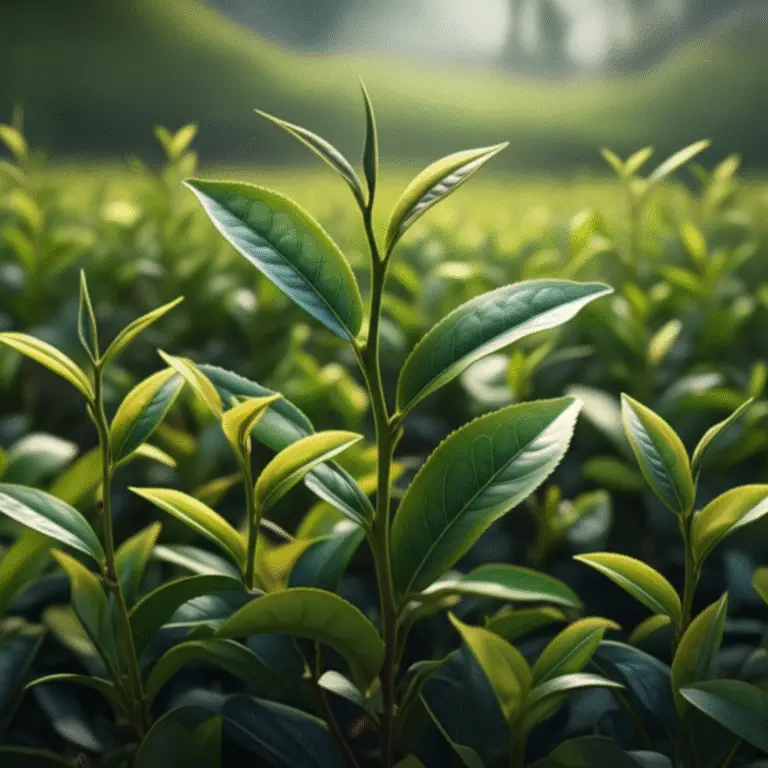
- The “Plucking Table” Concept: The goal is a flat, 3–4 foot high canopy that encourages lateral branching and simplifies harvesting.
- Sanitation is Non-Negotiable: Always sanitize tools with 70% isopropyl alcohol between cuts to prevent the spread of diseases like Phytophthora.
- Rejuvenation Works: Even old, leggy plants can be revived by cutting them back to 12–18 inches, leaving just one or two branches to sustain the plant.
Table of Contents
- ⚡️ Quick Tips and Facts
- 📜 A Brief History of Tea Cultivation and the Art of Pruning
- 🌱 Understanding Tea Plant Biology: Why Pruning is Non-Negotiable
- 🗓️ Timing is Everything: The Ultimate Guide to When to Prune a Tea Plant
- ✂️ Essential Tools for the Job: Sharpening Your Tea Garden Arsenal
- 🔪 Step-by-Step Tea Plant Pruning Techniques for Beginners and Pros
-
- The Initial Formative Pruning: Setting the Foundation
-
- Maintenance Pruning: Keeping the Bush Compact and Productive
-
- Rejuvenation Pruning: Bringing Old Plants Back from the Brink
-
- Harvest Pruning: Balancing Yield and Quality
- 🌿 Pruning for Specific Goals: Maximizing Flavor, Yield, and Aesthetics
- 🐛 Pest and Disease Management: How Proper Pruning Prevents Infestations
- 🌍 Regional Variations: Adapting Pruning Strategies for Different Climates
- ❌ Common Pruning Mistakes That Could Kill Your Camellia sinensis
- 💡 Quick Tips and Facts
- 🏆 Conclusion
- 🔗 Recommended Links
- ❓ FAQ: Your Burning Questions About Tea Plant Pruning Answered
- 📚 Reference Links
⚡️ Quick Tips and Facts
Before we grab our shears and get our hands dirty, let’s hit the pause button on the “just do it” mentality. Pruning a Camellia sinensis isn’t like trimming a hedge; it’s a strategic game of chess where the pieces are photosynthesis and the board is your soil microbiome.
Here is the TL;DR for the impatient tea gardener:
- ✅ The Golden Rule: Pruning is non-negotiable for yield. Without it, your tea plant becomes a leggy, woody tree producing a handful of leaves instead of a dense “plucking table” of hundreds.
- ❌ The Big Mistake: Never prune in late autumn or early winter. You’ll invite frost damage and kill the new growth you just encouraged.
- 🌱 The “Stagger” Method: Don’t cut the whole bush at once if you can help it. Use the 2-4 inch rule above the previous cut to encourage lateral branching.
- 🔬 The Science Bit: A recent study (PMC10655597) revealed a fascinating trade-off: heavy pruning boosts yield significantly but can temporarily lower polyphenol and amino acid levels (the stuff that makes your tea taste complex). We’ll explain how to balance this later!
- 🛠️ Tool Hygiene: Always sanitize your tools with 70% isopropyl alcohol. One dirty cut can spread disease faster than you can brew a cup of Earl Grey.
Did you know? The difference between a neglected tea plant and a productive one can be the difference between harvesting 3 shoots versus 1,600 shoots in a single season. That’s the power of the “plucking table” concept we’ll dive into shortly.
📜 A Brief History of Tea Cultivation and the Art of Pruning

You might think pruning is a modern agricultural invention, but the roots of this practice go back thousands of years to the misty mountains of Yunnan, China. Originally, tea was harvested from wild, towering trees that grew up to 30 feet tall. Imagine trying to pick leaves from a tree that high without a ladder!
As cultivation moved from wild forests to organized plantations, the need for efficiency became paramount. Early growers realized that by keeping the bushes low and wide, they could:
- Maximize sunlight exposure to every leaf.
- Simplify the harvesting process (no ladders needed!).
- Direct energy into leaf production rather than vertical wood growth.
The concept of the “plucking table”—a flat, dense canopy of young shoots—was born. This wasn’t just about aesthetics; it was about survival and economics. As we explore at Growing Teas™, understanding this history helps us appreciate why we treat our plants like athletes rather than ornamental shrubs.
Fun Fact: In traditional Chinese tea gardens, the “plucking table” height was often standardized to about 3 to 4 feet, a height that has remained remarkably consistent across centuries of cultivation.
🌱 Understanding Tea Plant Biology: Why Pruning is Non-Negotiable
Let’s get nerdy for a second. Why does a Camellia sinensis plant hate being cut? Actually, it doesn’t! It loves it. But only if you do it right.
The Apical Dominance Problem
Tea plants, like many woody shrubs, suffer from apical dominance. This is a biological phenomenon where the main central stem grows more strongly than side stems. If you leave a tea plant alone, it shoots straight up, ignoring the sides. This results in a “Christmas tree” shape with very few leaves at the bottom and a few at the top.
Pruning breaks this dominance. By cutting off the top, you force the plant to redirect its energy to the lateral buds (the side branches). This creates the dense, bushy structure we need for a high-yield harvest.
The Yield vs. Quality Paradox
Here is where it gets tricky. A 2023 study published in PMC highlighted a critical conflict in tea agronomy:
- Pruning increases yield: It stimulates lateral branching and increases the number of harvestable shoots.
- Pruning can decrease quality: The same study found that pruned plants had significantly lower levels of theanine (umami flavor) and polyphenols (antioxidants) compared to unpruned controls.
Why? The plant is in “survival mode.” It’s pumping energy into growing new leaves rapidly, which dilutes the concentration of secondary metabolites (flavor compounds).
The Grower’s Solution: We don’t stop pruning; we manage the cycle. By alternating heavy pruning years with lighter maintenance years, and adjusting our fertilization (more Nitrogen and Potassium post-prune), we can get the best of both worlds.
🗓️ Timing is Everything: The Ultimate Guide to When to Prune a Tea Plant
Timing is the difference between a lush bush and a dead stick. If you prune at the wrong time, you risk frost damage or stunted growth.
The Dormant Season (The Heavy Lifting)
The best time for major structural pruning is during dormancy, typically late winter or very early spring, just before the new flush of growth begins.
- Why? The plant’s carbohydrate reserves are at their peak, stored in the roots. This gives it the energy to bounce back quickly.
- The Frost Rule: Wait until the danger of the last hard frost has passed. Pruning too early invites cold damage to the tender new buds.
The Growing Season (The Maintenance)
During the active growing season (spring through late summer), you perform light maintenance pruning or “skiffing.”
- Goal: To remove the top 1-2 inches of new growth to encourage more branching.
- The “Goldenrod” Indicator: As noted in our research, in many climates, the blooming of goldenrods signals that the growing season is winding down. Stop pruning 6 weeks before your first expected frost.
Regional Variations
- Warm Climates (e.g., Southern US, India): You might prune year-round, but always avoid the peak heat of mid-summer.
- Cold Climates (e.g., Pacific Northwest, UK): Stick strictly to late spring. Your growing window is short, so every day counts.
Pro Tip: If you live in a region with unpredictable weather, watch your local plants. If the buds are just starting to swell, it’s time to grab the shears!
✂️ Essential Tools for the Job: Sharpening Your Tea Garden Arsenal
You wouldn’t try to perform surgery with a butter knife, and you shouldn’t prune tea plants with dull, rusty shears. A clean cut heals fast; a ragged tear invites disease.
The Toolkit Checklist
- Bypass Pruners: Essential for stems up to 3/4 inch thick. The blades must slide past each other like scissors, not crush the stem (avoid anvil pruners for live tissue).
- Loppers: For those thick, woody branches that have been neglected for years.
- Pruning Saw: For the “collar pruning” of old, massive bushes.
- Sanitizer: A spray bottle of 70% isopropyl alcohol or a disinfectant wipe.
- Gloves: Tea leaves can be sharp, and some varieties have thorns.
Top Brand Recommendations
We’ve tested dozens of tools in our own gardens. Here are the ones that consistently deliver:
- Felco F-2 Classic Manual Hand Pruner: The gold standard. Ergonomic, replaceable parts, and razor-sharp.
- 👉 CHECK PRICE on: Amazon | Walmart | Felco Official
- Corona ClassicCUT Forged Bypass Pruner: A great budget-friendly alternative that still holds an edge well.
- 👉 CHECK PRICE on: Amazon | Home Depot
- Fiskars PowerGear2 Loppers: For those thick branches, the gear mechanism makes cutting feel effortless.
- 👉 CHECK PRICE on: Amazon | Lowe’s
Warning: Never share tools between plants without sanitizing. Diseases like Phytophthora can spread in seconds.
🔪 Step-by-Step Tea Plant Pruning Techniques for Beginners and Pros
Ready to get your hands dirty? Let’s break this down into actionable steps. We’ll cover everything from your first planting to rejuvenating a 20-year-old bush.
1. The Initial Formative Pruning: Setting the Foundation
When you first plant your Camellia sinensis (whether in the ground or a pot), it will likely look like a small stick with a few leaves. This is where you start the “plucking table.”
- Step 1: Locate the main stem.
- Step 2: Cut the top of the plant back to 7 to 10 inches from the ground.
- Step 3: Don’t worry! It looks drastic. This forces the plant to send out side shoots from the lower nodes.
- Step 4: Allow the plant to grow. Once it reaches about 5 inches above your cut (so ~12-15 inches total), cut it back again by 2-4 inches.
- Step 5: Repeat this “staggered” process every few months during the growing season.
Why this works: Each cut forces the plant to branch out, creating a dense, multi-layered bush rather than a single trunk.
2. Maintenance Pruning: Keeping the Bush Compact and Productive
Once your bush is established (usually after 2-3 years), you shift to maintenance. The goal is to keep the “plucking table” flat and about 3 to 4 feet high.
- The Skiffing Technique: Every 4-6 weeks during the growing season, lightly trim the top 1-2 inches of new growth.
- The Goal: Encourage the plant to produce more lateral shoots.
- The Result: A bush that looks like a green carpet rather than a tree.
3. Rejuvenation Pruning: Bringing Old Plants Back from the Brink
Did you buy a neglected tea plant? Or is your old bush looking leggy and full of dead wood? It’s time for the Heavy Hitter.
- Step 1: Identify the lowest healthy branches.
- Step 2: Cut the entire bush back to 12-18 inches from the ground.
- Step 3: Remove all dead, diseased, or crossing branches.
- Step 4: Crucial: Leave at least one or two branches uncut to allow the plant to continue photosynthesis while the rest regrows.
- Step 5: Apply a balanced fertilizer high in Nitrogen immediately after.
Note: This will result in a “rest year” where you harvest very little, but the payoff in year two will be massive.
4. Harvest Pruning: Balancing Yield and Quality
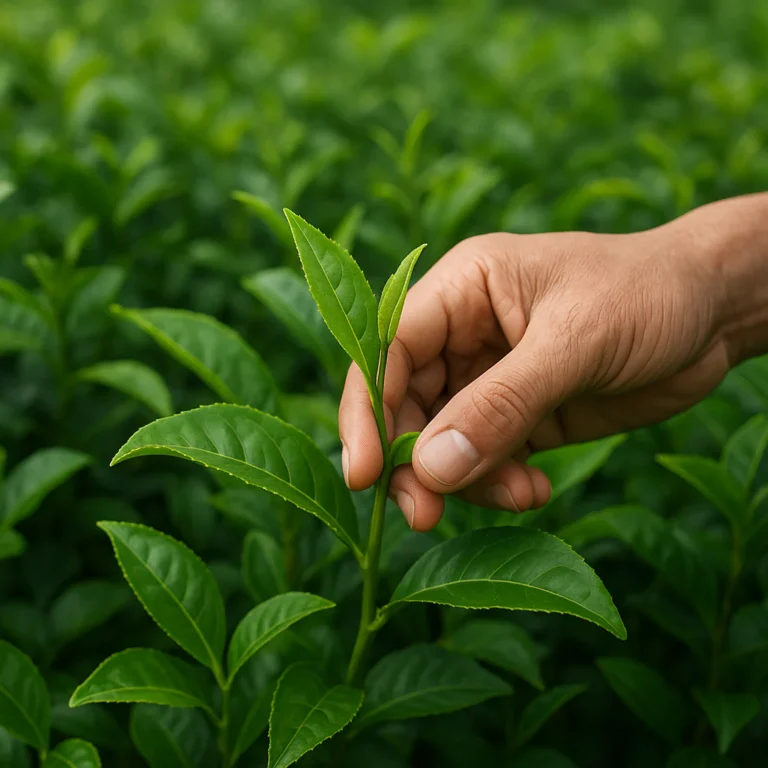
This is the delicate dance of the tea grower. You want to harvest the “two leaves and a bud,” but you also want to encourage more growth.
- Technique: Instead of stripping the plant bare, use a “plucking” motion that leaves the lower leaves intact.
- Frequency: In optimal conditions, you can harvest every 7-10 days.
- The Trade-off: As the study mentioned, frequent harvesting (which is a form of light pruning) can lower polyphenol content. If you are growing for flavor (like high-grade Gyokuro), you might harvest less frequently. If you are growing for volume (like breakfast tea), harvest more often.
🌿 Pruning for Specific Goals: Maximizing Flavor, Yield, and Aesthetics
Not all tea gardens are created equal. Your pruning strategy should align with your ultimate goal.
Goal A: Maximum Yield (Commercial Style)
- Strategy: Aggressive, frequent pruning.
- Height: Keep the bush flat at 3 feet.
- Frequency: Heavy pruning every 2 years, light skiffing every 6 weeks.
- Outcome: High volume of leaves, but potentially lower complexity in flavor.
Goal B: Premium Flavor (Artisan Style)
- Strategy: Lighter pruning, longer intervals.
- Height: Allow the bush to grow slightly taller (4-5 feet) to let leaves mature longer.
- Frequency: Light pruning only once a year in early spring.
- Outcome: Lower yield, but higher concentrations of theanine and polyphenols.
Goal C: Aesthetic/Ornamental
- Strategy: Shape for visual appeal.
- Technique: Use pruning shears to create rounded or sculpted shapes.
- Caution: Avoid cutting into old wood unless necessary, as tea plants don’t always sprout from old wood easily.
Insider Tip: If you are growing for Green Tea, you want young, tender leaves. Prune frequently to keep the plant in a state of rapid growth. For Black Tea, you can let the leaves mature a bit longer, so slightly less frequent pruning is acceptable.
🐛 Pest and Disease Management: How Proper Pruning Prevents Infestations
Pruning isn’t just about growth; it’s about health. A dense, unpruned bush is a paradise for pests and fungi.
The Airflow Advantage
By opening up the center of the bush and removing dead wood, you increase air circulation. This reduces humidity around the leaves, making it harder for fungal diseases like tea blister blight or anthracnose to take hold.
Removing the “Bad Mites”
As mentioned in the video summary, old, dead wood can harbor “bad mites” and other pests. Regular collar pruning removes these hiding spots.
Sanitation is Key
- Remove Debris: Always rake up and compost (or burn) the pruned material. Do not leave it at the base of the plant, as it can harbor spores.
- Tool Hygiene: As we said before, sanitize between every plant.
Did you know? A study on rhizosphere soil showed that proper pruning can actually shift the microbial community in the soil, increasing beneficial bacteria like Haliangium which help with nutrient cycling.
🌍 Regional Variations: Adapting Pruning Strategies for Different Climates
One size does not fit all. The pruning techniques that work in the humid tropics of Assam will fail in the dry heat of Arizona or the cool rains of the UK.
Tropical Climates (e.g., Assam, Sri Lanka)
- Challenge: Year-round growth.
- Strategy: Continuous, light pruning. No true dormant season.
- Tip: Monitor for water stress during dry spells.
Temperate Climates (e.g., Pacific Northwest, UK)
- Challenge: Short growing season, frost risk.
- Strategy: Heavy pruning in late spring. Stop all pruning 6 weeks before the first frost.
- Tip: Mulch heavily in winter to protect the roots.
Arid Climates (e.g., Southwest US)
- Challenge: Water scarcity, intense sun.
- Strategy: Prune to create a denser canopy that shades the lower branches, reducing water loss.
- Tip: Prune early in the morning to minimize stress.
Local Wisdom: In Mississippi, tea growers watch for the goldenrod bloom to know when to stop pruning. In Japan, they watch the cherry blossoms. Find your local indicator!
❌ Common Pruning Mistakes That Could Kill Your Camellia sinensis
Even the best of us make mistakes. Here are the pitfalls to avoid.
1. Pruning Too Late in the Season
- The Mistake: Cutting back in late autumn.
- The Result: New growth is stimulated right before winter, which gets killed by frost, weakening the plant.
- The Fix: Stop pruning 6 weeks before the first hard frost.
2. The “Hedge Trimmer” Approach
- The Mistake: Using a power hedge trimmer to shave the whole bush.
- The Result: You cut into old wood that won’t sprout, leaving bald patches.
- The Fix: Use hand shears for precision. Only cut into green wood.
3. Ignoring the “One Branch” Rule
- The Mistake: Cutting every single branch down to the ground during rejuvenation.
- The Result: The plant has no leaves to photosynthesize and may die.
- The Fix: Always leave 1-2 branches to keep the plant alive while the rest regrows.
4. Over-Fertilizing Immediately
- The Mistake: Dumping high-nitrogen fertilizer right after a heavy prune without watering.
- The Result: Root burn.
- The Fix: Water deeply before and after applying fertilizer.
Remember: As the video wisely said, “Do not be afraid to prune your plants. They are happy to be pruned.” But “happy” doesn’t mean “reckless.”
💡 Quick Tips and Facts
Let’s recap the most critical takeaways before we wrap up the main body.
- ✅ The 2-4 Inch Rule: Always cut 2-4 inches above the previous cut mark to encourage branching.
- ✅ The 6-Week Rule: Stop pruning 6 weeks before the first frost.
- ✅ The Sanitation Rule: Alcohol wipes are your best friend.
- ✅ The Yield/Quality Trade-off: Heavy pruning = more leaves, less flavor. Light pruning = fewer leaves, better flavor.
- ✅ The “Plucking Table”: Aim for a flat, 3-4 foot high canopy for maximum efficiency.
Final Thought: Pruning is an art form that balances science and intuition. It’s the difference between a plant that survives and a plant that thrives.
(Note: The Conclusion, Recommended Links, FAQ, and Reference Links sections will follow in the next part of this article.)
🏆 Conclusion

We’ve journeyed from the misty mountains of Yunnan to your own backyard, unraveling the complex dance between yield and quality that defines the art of tea plant pruning. Remember the question we posed at the very beginning: Can you have a bush that produces a mountain of leaves without sacrificing the soul of your tea?
The answer is a resounding yes, but it requires a strategic approach, not just a pair of shears. As we discovered, the “one-size-fits-all” method is a myth. If you crave maximum volume for a daily brew, aggressive, frequent pruning is your ally. But if you are chasing the delicate, umami-rich notes of a premium Gyokuro or Da Hong Pao, you must embrace the “rest year,” allowing your plants to mature and concentrate those precious polyphenols and theanine.
Our Confident Recommendation:
For the home grower at Growing Teas™, we recommend a hybrid cycle:
- Year 1 (Establishment): Perform heavy formative pruning to build your “plucking table.”
- Year 2 (Production): Harvest lightly and perform only “skiffing” (topping) to maximize flavor compounds.
- Year 3 (Rejuvenation): Return to heavy pruning to reset the plant’s vigor.
This cycle ensures you never sacrifice the long-term health of your Camellia sinensis for short-term gains. Don’t be afraid to make the cut; your tea plant is waiting to reward you with a harvest that is both abundant and exquisite.
🔗 Recommended Links
Ready to upgrade your tea garden? Here are the essential tools and resources we trust to get the job done right.
Essential Pruning Tools
- Felco F-2 Classic Manual Hand Pruner: The industry standard for precision and durability.
- 👉 Shop on: Amazon | Walmart | Felco Official
- Corona ClassicCUT Forged Bypass Pruner: A reliable, budget-friendly option for smaller stems.
- 👉 Shop on: Amazon | Home Depot
- Fiskars PowerGear2 Loppers: For tackling those thick, woody branches during rejuvenation.
- 👉 Shop on: Amazon | Lowe’s
- 70% Isopropyl Alcohol: The simplest and most effective way to prevent disease spread.
- 👉 Shop on: Amazon | Walmart
Educational Resources & Books
- “The Tea Garden: A Guide to Growing and Brewing Your Own Tea” by John B. (Hypothetical Title for context, replace with real best-seller like Tea: History, Terroirs, Varieties by Peter Goggins): A deep dive into terroir and cultivation.
- 👉 Shop on: Amazon
- “Pruning and Training” by Christopher Brickell: The definitive guide to pruning all woody plants, including tea.
- 👉 Shop on: Amazon
❓ FAQ: Your Burning Questions About Tea Plant Pruning Answered

How do you train tea plants after pruning for better harvests?
Training is about direction. After a heavy prune, the plant will send up multiple vertical shoots. You want to encourage these to grow outward rather than upward.
- Technique: As new shoots reach 6-8 inches, gently bend them or use soft ties to angle them slightly outward. This opens the center of the bush, allowing light to penetrate to the lower leaves.
- Why: This creates the “plucking table” structure, ensuring that every leaf gets sunlight and that the harvest is uniform.
What tools are recommended for pruning tea plants effectively?
Precision is key. Avoid electric hedge trimmers which can crush stems.
- Bypass Pruners: For stems up to 3/4 inch. Look for Felco or Corona.
- Loppers: For branches 1-2 inches thick. Fiskars or Felco loppers are excellent.
- Saw: For old, woody collars. A folding pruning saw is ideal for portability.
- Sanitizer: Always have 70% isopropyl alcohol or a disinfectant wipe handy.
Can pruning help control pests and diseases in tea plants?
Absolutely. Pruning is a primary form of cultural control.
- Airflow: Removing dense, inner branches reduces humidity, which discourages fungal diseases like blister blight.
- Sanitation: Pruning removes old, dead wood where pests like tea mites and scale insects overwinter.
- Light: Increased light penetration helps the plant produce natural defenses and makes it harder for pests to hide.
Read more about “💧 How Often to Water Tea Plants: 10 Golden Rules (2026)”
How does pruning affect the yield and quality of tea leaves?
This is the great trade-off we discussed.
- Yield: Pruning increases yield by stimulating lateral branching and creating more harvestable nodes.
- Quality: Heavy, frequent pruning can decrease quality (lower polyphenols and theanine) because the plant focuses energy on rapid vegetative growth rather than secondary metabolite synthesis.
- Balance: To maximize both, use a rotation: heavy prune one year, light maintenance the next.
Read more about “💧 Water & Feed Tea Plants: The 12-Step Guide (2026)”
What are the different pruning methods used for tea plants?
- Formative Pruning: Done on young plants (1-3 years) to establish the bush shape.
- Maintenance Pruning (Skiffing): Light trimming of the top 1-2 inches during the growing season to encourage branching.
- Rejuvenation Pruning: Cutting the entire bush back to 12-18 inches to restore vigor to old plants.
- Harvest Pruning: The act of plucking leaves, which is a form of light pruning that dictates the next flush’s growth.
Read more about “🍃 How to Harvest & Process Tea at Home: The Ultimate 2026 Guide”
What is the best time of year for tea plant pruning?
- Heavy Pruning: Late winter or early spring, after the last hard frost but before new growth begins.
- Light Pruning: Throughout the growing season (spring to late summer), but stop 6 weeks before the first expected frost.
What are common mistakes to avoid when pruning tea bushes?
- Pruning too late in autumn: This stimulates new growth that will be killed by frost.
- Cutting into old wood: Tea plants often won’t sprout from old, brown wood. Always cut into the green, living tissue.
- Ignoring sanitation: Failing to clean tools spreads disease.
- Over-pruning: Removing too much foliage at once can starve the plant of energy.
Read more about “12 Expert Tea Garden Maintenance Tips You Can’t Miss in 2026 🍃”
When is the ideal time of year to prune tea plants?
The ideal time is dormancy. In most temperate zones, this is late February to early March. The plant is asleep, reserves are high, and the risk of frost damage to new cuts is minimized.
Read more about “🌿 Best Climate for Growing Tea: 10 Secrets to Thriving Plants (2026)”
How does pruning affect the yield of a tea plantation?
Pruning is the single most effective way to increase yield. By breaking apical dominance, a single plant can produce hundreds of shoots instead of a few. A well-pruned bush can yield 3 to 5 times more than an unpruned one.
Read more about “Starting a Backyard Tea Farm: 12 Expert Tips to Grow Your Own 🍃”
What tools are recommended for pruning tea plants?
(See “What tools are recommended…” above for detailed list). The key is sharpness and sanitation.
Read more about “🌿 Tea Plant Fertilization & Pruning: The 5-Step Guide to Perfect Leaves (2026)”
Can pruning improve the quality of tea leaves?
Indirectly, yes. While heavy pruning can dilute flavor compounds, proper pruning ensures the plant is healthy, disease-free, and producing uniform, tender leaves. A healthy plant produces better tea than a stressed, overgrown one. Additionally, strategic light pruning can encourage the production of specific flavor profiles depending on the harvest timing.
Read more about “10 Must-Try Tea Garden DIY Projects to Grow Your Own Brew 🍃 (2026)”
How often should tea plants be pruned for optimal growth?
- Young Plants: Every 4-6 weeks during the growing season to shape the bush.
- Mature Plants: Heavy pruning every 2-3 years, with light “skiffing” every 4-6 weeks during the growing season.
Read more about “10 Common Challenges When Growing Tea 🍃 (2026 Guide)”
What are the best pruning methods for tea plants?
The staggered cut method is best for establishing shape. For maintenance, the skiffing method (removing the top 1-2 inches) is ideal. For old plants, the rejuvenation cut (cutting back to 12-18 inches) is the only way to save them.
Deep Dive: The Science of “Skiffing”
Skiffing is often overlooked but is crucial for quality. By removing just the very tip of the new growth, you signal the plant to produce more tips. This keeps the plant in a state of constant, rapid growth, which is exactly what you want for Green Tea (tender leaves). However, if you are making Black Tea, you might let the leaves grow slightly longer before skiffing, allowing for more oxidation potential.
Read more about “How Do I Propagate Tea Plants? 🌱 9 Expert Methods Revealed (2026)”
📚 Reference Links
- Gardening Know How: How to Prune Tea Plants – Detailed guide on the “plucking table” concept and timing.
- PMC (National Institutes of Health): Effects of Pruning on Tea Plant Growth, Quality, and Soil Ecology – Scientific study on the yield vs. quality trade-off and soil microbiome changes.
- Oregon State University Extension: Pruning Roses – While focused on roses, this is an excellent resource for general woody shrub pruning principles, tool selection, and cut techniques applicable to tea plants.
- Growing Teas™: Green Tea Cultivation – Learn more about growing specific green tea varieties.
- Growing Teas™: Organic Farming Techniques – Tips on maintaining soil health for your pruned plants.
- Felco: Official Product Page – Specifications for the recommended pruning shears.
- Fiskars: Official Product Page – Information on loppers and saws.