Support our educational content for free when you purchase through links on our site. Learn more
🍃 When to Pick Tea Leaves for Best Flavor: Timing Tips

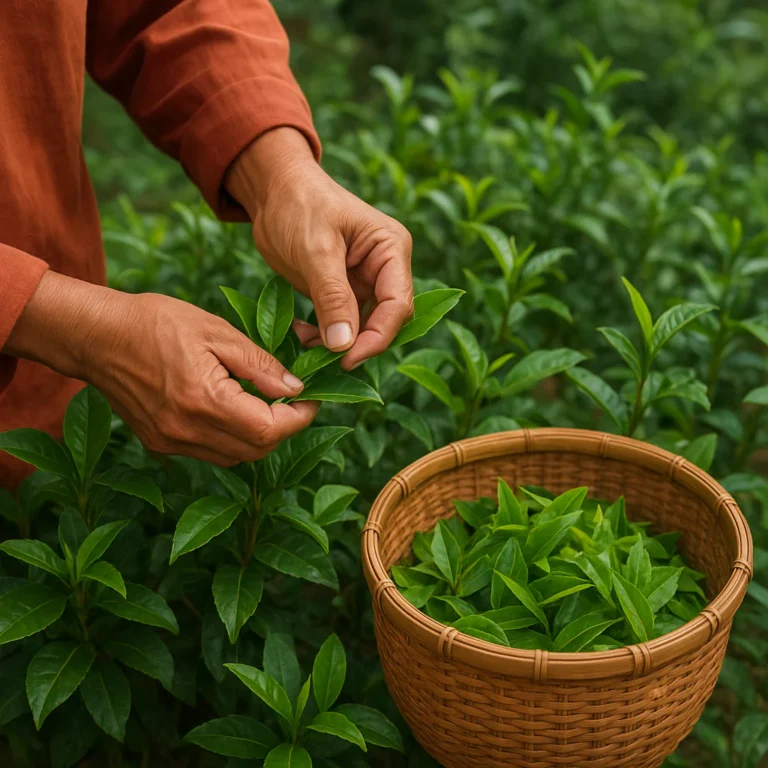
When to pick tea leaves for best flavor? Harvest when the new shoot has a small bud and two tender leaves, ideally after the morning dew dries and before the day turns hot. For most home growers, the first spring flush is a lovely place to start—but the plant’s growth stage matters more than the date on your calendar.
We’ve learned not to judge a harvest by basket size. A handful of soft, healthy shoots can make a brighter, more delicate tea than a heap of older leaves, and leaving plenty of foliage helps your tea plant bounce back for another flush. The trick is picking at just the right moment—and we’ll show you what to look for.
Key Takeaways
- Choose tender shoots: The bud-and-two-leaves pluck is a reliable starting point for a balanced, quality-focused harvest.
- Follow the plant, not the calendar: Flush timing varies with climate, cultivar, weather, and growing conditions.
- Pick dry leaves when practical: After dew dries and before intense afternoon heat is a useful harvesting window.
- Harvest gently and selectively: Leave enough healthy foliage for the plant to recover and keep growing.
- Process promptly: Keep fresh leaves shaded and loosely arranged, then handle them according to the tea style you want to make.
Table of Contents
- ⚡️ Quick Tips and Facts: When to Pick Tea Leaves for Best Flavor
- 🍃 Tea Harvesting Basics: How Timing Shapes Flavor
- 🌱 The “Two Leaves and a Bud” Rule: Picking Tender Tea for Quality
- 📅 When to Harvest Tea Leaves: Flush Seasons and Picking Calendar
- First flush: spring’s fresh, delicate growth
- Second flush: fuller flavor and body
- Summer and autumn flushes: growth, climate, and cultivar differences
- How local weather changes harvest timing
- 🔍 How to Tell Tea Leaves Are Ready to Pick
- Bud size, leaf softness, and color
- How to spot leaves that are too young or too mature
- Morning, midday, or afternoon: the best time of day
- ✋ How to Harvest Tea Leaves: Gentle Picking Step by Step
- Hand-picking tools and clean baskets
- Where to pinch or cut each shoot
- Harvesting without damaging the tea plant
- 🌿 Harvesting Tea for Different Styles and Flavor Profiles
- Green tea: tender shoots and fresh character
- Black tea: leaf maturity, strength, and body
- White tea: buds and young leaves
- Oolong tea: balancing leaf maturity and complexity
- Tea leaves for matcha and other powdered teas
- 🌦️ How Climate, Cultivar, and Growing Conditions Affect Picking Time
- Tea harvest timing in warm, cool, and high-elevation gardens
- Rain, drought, and temperature effects on flavor
- Camellia sinensis varieties and their flush patterns
- 🪴 Picking Tea Leaves from Garden and Container Plants
- When a young tea plant is ready for its first harvest
- Harvesting from potted tea plants
- How pruning and plant health influence future harvests
- 🧺 How Much Tea Can One Plant Produce?
- Fresh-leaf weight versus finished tea
- How often to harvest without exhausting the plant
- ❌ Common Tea-Picking Mistakes That Reduce Flavor
- Picking coarse, damaged, or wet leaves
- Overharvesting new growth
- Leaving picked leaves in the sun or a sealed bag
- 🍵 After Picking: Handling and Processing Fresh Tea Leaves
- Sorting and storing leaves before processing
- Withering, heating, rolling, oxidation, and drying
- Why harvest timing matters for the finished cup
- ✅ Quick Tea Harvest Checklist
- 🏁 Conclusion
- 🔗 Recommended Links
- ❓ FAQ
- 📚 Reference Links
⚡️ Quick Tips and Facts: When to Pick Tea Leaves for Best Flavor
The most reliable answer to when to pick tea leaves for best flavor is: when the new shoot is tender, the bud is just opening, and the weather is suitable—not simply when a calendar says “spring.” For a closer look at the practical basics, see our guide to when and how to harvest tea leaves.
| What to check | Best general cue | Why it matters |
|---|---|---|
| Shoot | A fresh terminal bud with the two youngest leaves | Tender shoots generally make a more delicate, less coarse cup |
| Season | The first spring flush is a great starting point | Cool-season growth often develops slowly and tastes fresh and aromatic |
| Time of day | After dew dries, before strong afternoon heat | Dry leaves are easier to handle and less likely to wilt unevenly |
| Plant age | Let young plants establish before substantial picking | The plant needs healthy foliage to build roots and regrow |
| Weather | Pick dry, healthy shoots; avoid heavy rain and heat stress | Wet or stressed leaves can be harder to handle and process consistently |
| Processing | Have a plan before you start picking | Fresh leaves begin changing as soon as they’re detached |
Our default pick for a home tea garden: the terminal bud plus its two youngest leaves, often called “two leaves and a bud.” It’s a useful quality-first rule, not a sacred law of tea. Older leaves can still be used, especially when you want a stronger, more robust style.
A quick word of caution: fresh-leaf flavor depends on more than picking. Cultivar, growing conditions, harvest maturity, and processing all shape the final cup. The University of Florida’s guidance on tea cultivation and processing is a good horticultural reference; our own green tea cultivation resources cover the home-garden side.
🍃 Tea Harvesting Basics: How Timing Shapes Flavor
Tea comes from the leaves and buds of Camellia sinensis. That familiar plant can become green, black, white, or olong tea through different harvest choices and processing methods. Picking determines what raw material you have; processing determines much of what it becomes.
The tenderest shoots are popular for fine plucking because they’re young and pliable. More mature leaves offer more material per shoot, but they can produce a stronger, more astringent cup. Neither is automatically “good” or “bad.” The right choice depends on the tea style and the flavor you enjoy.
| Picking choice | Typical result | Best suited to |
|---|---|---|
| Bud only or bud plus one leaf | Delicate, selective harvest; low yield | Fine white-style tea experiments |
| Bud plus two leaves | Balanced tenderness and usable leaf | General-purpose quality picking |
| Bud plus three or more leaves | Larger harvest, more mature leaf | Robust, experimental home processing |
Research on tea chemistry shows that compounds such as catechins and amino acids vary with growing and processing conditions; a shoot’s age is only one part of the story. See the review of tea composition from the U.S. National Library of Medicine.
At Growing Teas™, we’ve found that the biggest beginner surprise is how small a “good” harvest can look. A handful of tender shoots may feel underwhelming in the basket, but it’s often a better starting point than stripping a plant for volume. The mystery isn’t whether you can pick more—it’s whether you can turn those leaves into the cup you want.
🌱 The “Two Leaves and a Bud” Rule: Picking Tender Tea for Quality
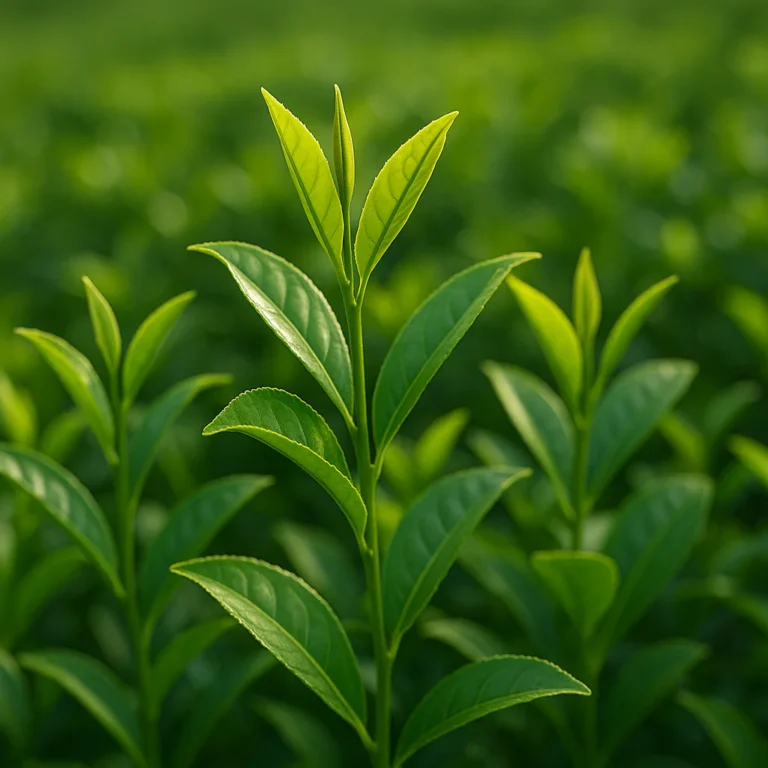
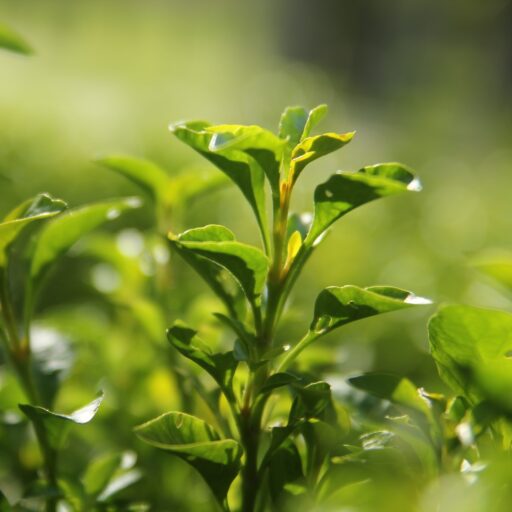
The phrase “two leaves and a bud” describes a pluck: the terminal bud at the shoot tip and the two youngest leaves below it. It’s a widely used quality benchmark because these parts are tender and easy to process consistently.
How to find the right shoot
Look for:
- A fresh, upright shoot with a small terminal bud
- Two young leaves that are lighter in color than older foliage
- Leaves that feel pliable, not leathery
- A shoot that looks healthy, with no signs of disease or insect damage
Some guidance recommends the “first two leaves and terminal bud” for spring harvesting; the Garden and Plants harvesting guide makes the same quality-first recommendation. Other growers choose a coarser pluck with more leaves when they want more yield or a stronger style.
When to choose a finer or coarser pluck
| Pluck | Advantages | Trade-offs |
|---|---|---|
| Bud only | Very selective; suitable for delicate experiments | Tiny yield; requires many shoots |
| Bud + one leaf | Tender, refined material | Still low-yield and slower to pick |
| Bud + two leaves | Good balance for home harvesting | Requires patience compared with coarse picking |
| Bud + three or four leaves | More leaf per shoot; can suit robust processing | Older leaves may taste less delicate |
Use the rule as a starting point, then taste your own results. Tender plucking is a sensible default for green or white-style tea, while more mature shoots may work for black tea or olong experiments. For information about the finished tea categories and growing fresh leaves for green tea, browse Green Tea Cultivation.
📅 When to Harvest Tea Leaves: Flush Seasons and Picking Calendar
A flush is a period of fresh shoot growth. Flush timing depends on climate, cultivar, plant age, and care, so the dates below are broad tendencies rather than appointments with your tea bush. As tea-harvesting guidance from A.Voury explains, weather and region strongly influence the harvest season; warmer tea-growing regions may harvest for much longer than cooler ones.
First flush: spring’s fresh, delicate growth
The first spring flush is a popular time to pick because new shoots emerge after a cooler or dormant period. In many temperate gardens, spring growth offers a chance to harvest tender leaves before summer heat speeds growth.
Rather than relying on a universal April or May date, look for:
- Consistent new shoot growth
- Mild conditions and no damaging frost forecast
- Buds that are just beginning to open
- A healthy, established plant with enough foliage left to recover
The first flush is often prized for freshness, but “spring” does not guarantee a superior cup. A stressed plant or poorly handled leaf can disappoint in any season.
Second flush: fuller flavor and body
After a plant has rested and pushed out new growth, a second flush may appear in warmer months. Faster growth and more mature leaves can give the harvest a fuller, more robust character, which some home processors may prefer for black tea or olong experiments.
Don’t force a second harvest on a plant that’s still recovering. A flush is an opportunity, not an order from the tea gods. The plant’s health comes first.
Summer and autumn flushes: growth, climate, and cultivar differences
In mild climates, tea plants may produce additional growth later in the season. In hotter or drier conditions, growth can slow or become stressed instead. An autumn pick can be worthwhile if fresh shoots remain healthy and there’s enough growing season left for the plant to recover.
| Season | What you may see | Harvest approach |
|---|---|---|
| Spring | Fresh, tender shoots after winter or a cool period | Quality-first pluck; leave plenty of foliage |
| Summer | Faster growth in warm, adequately watered conditions | Pick selectively; monitor heat and moisture stress |
| Autumn | Variable new growth in mild climates | Keep it modest and stop before cold or dormancy |
| Winter | Little or no fresh shoot growth in many temperate gardens | Don’t harvest dormant plants |
How local weather changes harvest timing
Temperature, rainfall, sunlight, elevation, and wind all influence how quickly shoots develop. A cool site may extend the time between flushes; warm conditions can speed growth, while drought or extreme heat can suppress it. A.Voury discusses how climate and moisture influence tea-growing regions in its tea harvest overview.
Follow the plant, not the calendar. In our gardens, we check shoot development and plant vigor before reaching for the basket. That small habit helps avoid the classic mistake: picking a shoot that looked ready last week but is now a tough, fully expanded leaf.
🔍 How to Tell Tea Leaves Are Ready to Pick
A tea shoot is ready when it has reached the maturity you want for your intended style. For a tender general-purpose harvest, look for a small bud and two young leaves that are open enough to identify but not yet fully mature.
Bud size, leaf softness, and color
Use these visual and tactile clues:
- Bud: compact or just beginning to unfurl
- Young leaves: light green, soft, and pliable
- Shoot: upright and actively growing
- Plant: vigorous, without widespread yellowing or wilting
Some buds have fine hairs that give them a silvery appearance, but not every cultivar looks the same. Don’t reject a healthy shoot just because it lacks a dramatic “silver tip.”
How to spot leaves that are too young or too mature
| Stage | What it looks like | What to do |
|---|---|---|
| Too early | Bud is tightly closed; leaves are barely visible | Wait if you’re aiming for a bud-and-two-leaves pluck |
| Ready for a tender pick | Bud is opening; first leaves are light-colored and supple | Harvest selectively |
| More mature | Leaves are darker, larger, and firmer; shoot has extended | Pick only if that maturity suits your style |
| Overmature or stressed | Leaves are tough, damaged, yellowing, or wilted | Leave them or remove only as needed for plant care |
Morning, midday, or afternoon: the best time of day
A practical default is to pick after dew has dried and before the afternoon becomes hot. This reduces the chance of handling wet leaves and helps keep fresh material from overheating. The Garden and Plants guide suggests a morning window after dew evaporates, while also noting research it interprets as showing afternoon differences in theanine and caffeine. Those claims don’t establish one universally superior harvest hour for every garden or tea style, so treat the time-of-day choice as a useful trial—not a fixed flavor law.
Our recommendation: harvest when the leaves are dry, the plant is not heat-stressed, and you can process the crop promptly. Keep a simple note of harvest time and taste the results side by side. Your own palate gets the final vote. For more on how leaf compounds and preparation influence the cup, see the National Library of Medicine’s review of tea composition.
✋ How to Harvest Tea Leaves: Gentle Picking Step by Step
Harvesting should remove fresh shoots without turning the plant into a plucked chicken. Here’s a careful, repeatable method.
Hand-picking tools and clean baskets
For a small home harvest, you can use your fingers or clean, sharp snips. Keep a shallow, breathable basket or tray nearby so the leaves aren’t crushed beneath a heap.
Useful options include:
- Clean hands for tender shoots that snap easily
- Sharp bypass snips, such as Felco hand pruners, for shoots that resist pinching
- A shallow, breathable harvesting basket rather than a sealed plastic bag
Clean tools between plants if you’re working across a garden with known pest or disease issues. The University of Minnesota Extension’s tool-cleaning guidance explains why good tool hygiene matters.
Where to pinch or cut each shoot
- Choose healthy new growth. Avoid damaged, yellow, or diseased shoots.
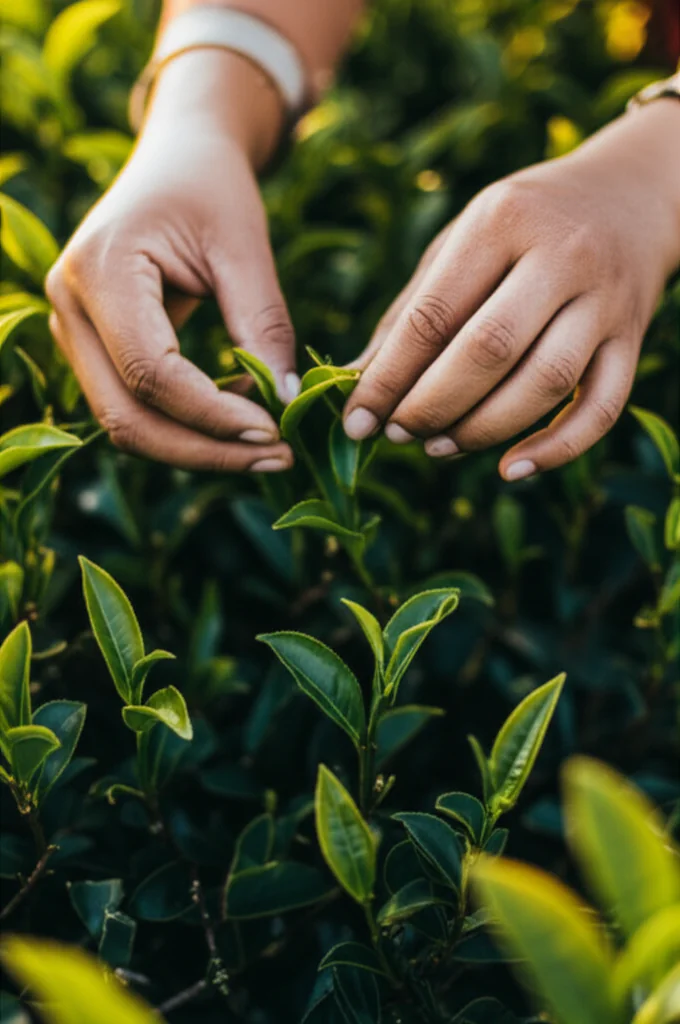
- Identify your pluck. For the standard tender harvest, locate the terminal bud and two youngest leaves.
- Support the shoot gently. Don’t yank the branch down or tear nearby mature foliage.
- Pinch or snip cleanly. Remove the selected tender shoot without crushing the remaining stem.
- Leave healthy foliage behind. Keep enough mature leaves and growth points for the plant to continue photosynthesis and regrow.
- Place shoots loosely in a shallow container. Don’t compress them into a warm, airtight pile.
- Move the harvest to shade. Process promptly, or spread the leaves in a cool, airy place while you prepare.
Harvesting without damaging the tea plant
Never strip a young plant to chase a larger basket. The leaves are the plant’s solar panels. A healthy canopy supports roots, regrowth, and future harvests. Pick lightly from established plants, and reduce harvesting if you see weak growth, wilting, or extensive leaf discoloration.
If you’re managing soil fertility, use a cautious, plant-specific approach rather than feeding heavily just before harvest. Our Fertilizers for Tea Plants and Organic Farming Techniques resources cover supportive care.
🌿 Harvesting Tea for Different Styles and Flavor Profiles
The same species can produce very different teas. Harvest maturity influences the raw leaf; processing creates much of the style. Don’t expect a particular tea category from picking alone.
| Tea style | Common harvest choice | Main consideration |
|---|---|---|
| Green | Tender buds and young leaves | Prompt heating helps limit oxidation and preserve a fresh character |
| White | Buds or very young leaves | Gentle handling and careful drying |
| Black | Young to moderately mature leaves | Rolling and oxidation are central to the style |
| Oolong | Often selected shoots, with processing tailored to the maker | Partial oxidation requires control and experimentation |
| Powdered tea | Purpose-grown leaves and specialized processing | Traditional products may use shade-grown leaves and fine grinding |
Green tea: tender shoots and fresh character
For home green-tea experiments, tender shoots are a sensible choice. The key processing step is heating soon after picking to limit enzymatic oxidation. Methods and outcomes vary by tradition and equipment; see the University of Florida’s tea growing and processing guidance before trying a batch.
If you enjoy learning how harvest and processing connect, explore our Green Tea Cultivation category.
Black tea: leaf maturity, strength, and body
Black tea production involves rolling and oxidation. A slightly more mature pluck may be practical for a home trial, but coarse leaves won’t magically become excellent black tea. Uniformity, leaf health, and careful processing still matter.
White tea: buds and young leaves
White tea is generally made with young buds and leaves and relatively minimal processing. Handle them gently; bruising changes the material and can complicate a delicate batch. Because the pluck is selective, expect a small harvest.
Oolong tea: balancing leaf maturity and complexity
Oolong covers a broad range of oxidation levels and processing traditions. Choose healthy shoots that are easy to handle consistently, then experiment with maturity and processing in small batches. This is one place where keeping notes pays off: record the shoot stage, processing steps, and tasting results.
Tea leaves for matcha and other powdered teas
Traditional matcha production uses specially cultivated tea leaves, with shade-growing and processing practices that differ from a casual home harvest. Picking a tea shoot and grinding it does not automatically produce matcha. For an introduction to green tea types and cultivation, see Growing Teas™’ green tea resources.
🌦️ How Climate, Cultivar, and Growing Conditions Affect Picking Time
Two tea plants can reach harvest readiness on different dates even when they’re only a few gardens apart. That’s normal. Temperature, water availability, sunlight, elevation, soil, cultivar, and plant health all influence shoot growth.
Tea harvest timing in warm, cool, and high-elevation gardens
Warm regions may support a longer growing and harvest season; cool locations generally have a shorter window. High-elevation gardens can experience slower growth, which may affect the timing and development of shoots. A.Voury’s tea harvest overview describes how growing-region climate shapes harvest availability.
Use your own garden as the calendar:
- Note when buds start swelling in spring.
- Record the first visible new shoots.
- Track how long shoots take to reach your preferred stage.
- Repeat across seasons and years.
Rain, drought, and temperature effects on flavor
Tea plants need consistent moisture during active growth, but sogy soil and poor drainage can stress roots. Drought and heat may slow or disrupt fresh growth; prolonged wetness can also make harvest handling difficult. Pick leaves when dry where practical, and don’t harvest from a visibly stressed plant just because new growth is present.
Camellia sinensis varieties and their flush patterns
Tea cultivars and varieties differ in growth habit, leaf characteristics, and adaptation to climate. A vigorous plant may produce shoots more readily than a slow-growing one, but vigour alone doesn’t guarantee the flavor you prefer. The University of Florida’s tea cultivation publication provides further background on growing Camellia sinensis.
🪴 Picking Tea Leaves from Garden and Container Plants
A tea plant in a pot can produce harvestable shoots, but its limited root space makes steady watering and conservative picking especially important. Garden plants have more room to establish, though they still need time to mature.
When a young tea plant is ready for its first harvest
Give a newly planted tea plant time to build roots and a stable canopy. A small test pick may be reasonable once the plant is vigorous, but avoid substantial harvesting from a young or recently stressed plant.
Plant age alone is not a reliable green light. Check that it has healthy growth, enough foliage, and no signs of transplant shock or disease. The University of Florida’s tea cultivation guide is useful for understanding establishment and growing requirements.
Harvesting from potted tea plants
For container-grown tea:
- Water consistently without leaving roots waterlogged.
- Pick only a small portion of fresh growth at a time.
- Leave the plant with plenty of healthy foliage.
- Watch for drying soil, root congestion, and heat buildup around the pot.
- Let the plant recover before another harvest.
A pot can warm and dry more quickly than garden soil, so a sunny afternoon may be much harder on a container plant than on an established in-ground shrub.
How pruning and plant health influence future harvests
Harvesting and pruning are related but not identical. Harvesting collects selected shoots; pruning manages plant shape and growth. Repeatedly removing tender shoots can reduce the plant’s ability to recover if you leave too little leaf area.
If your plant’s growth seems weak, pause harvesting and review watering, drainage, light, pests, and nutrition. Our tea plant fertilizer resources and organic growing techniques can help you troubleshoot its care.
🧺 How Much Tea Can One Plant Produce?
The honest answer is: it depends on plant size, cultivar, climate, growing conditions, and how much you harvest without harming the shrub. A young plant may provide only a tasting-sized pick, while a healthy mature plant can offer more—but fresh leaves shrink considerably during processing.
Fresh-leaf weight versus finished tea
Fresh tea leaves lose moisture during processing, so a generous-looking basket becomes a much smaller amount of finished tea. The exact conversion varies by leaf moisture and processing method; don’t assume every batch will yield the same weight.
| Harvest stage | What you have | What happens next |
|---|---|---|
| Fresh pluck | Tender or mature shoots, depending on your selection | Sort and process promptly |
| Withered or heated leaf | Reduced moisture and altered leaf structure | Continue with the chosen tea style |
| Finished dry tea | Much less weight and volume than the original harvest | Store airtight, dry, and away from strong odors |
How often to harvest without exhausting the plant
Harvest when new shoots have grown to your chosen stage and the plant has recovered. There is no safe universal interval for every garden. If the plant looks tired, wait. A smaller harvest that leaves the shrub vigorous is better than a large pick followed by months of weak growth.
❌ Common Tea-Picking Mistakes That Reduce Flavor
Picking coarse, damaged, or wet leaves
Overmature, bruised, insect-damaged, or diseased leaves can make processing inconsistent. Heavy rain leaves may also be harder to handle and dry evenly. Select clean, healthy shoots and leave damaged material behind.
Overharvesting new growth
Taking too much fresh growth can slow a young or stressed plant’s recovery. Leave healthy foliage and avoid stripping every accessible shoot. Your next harvest depends on the plant you leave standing today.
Leaving picked leaves in the sun or a sealed bag
Fresh shoots can heat, bruise, and wilt in a compressed pile. Keep the harvest shaded and loosely spread in a breathable container while you prepare to process it. If you can’t process the leaves soon, use a cool, airy place rather than leaving them in direct sun.
🍵 After Picking: Handling and Processing Fresh Tea Leaves
Picking is only the start. Once shoots are detached, their condition and handling begin to influence the result. Prepare tools and processing space before you harvest, especially if you want to make green tea, which is typically heated early in processing.
Sorting and storing leaves before processing
- Remove damaged, diseased, or unwanted leaves.
- Keep the selected shoots loosely arranged, not compressed.
- Protect them from direct sun and hot surfaces.
- Avoid washing unless needed; wet leaves require extra care before processing.
- Process promptly, using a method suited to your intended style.
Withering, heating, rolling, oxidation, and drying
Tea processing varies by style, but common steps include:
| Step | Purpose | Used in |
|---|---|---|
| Withering | Reduces moisture and softens leaves | Many tea styles |
| Heating or “fixing” | Slows enzymatic oxidation | Green tea styles |
| Rolling | Shapes leaves and helps release juices | Black, olong, and other styles |
| Oxidation | Develops color and flavor through controlled enzymatic change | Black tea and some olongs |
| Drying | Reduces moisture for storage | All finished dry teas |
For detailed growing and processing background, consult the University of Florida tea guide. For a broader look at tea’s chemical and sensory characteristics, see the National Library of Medicine review.
Why harvest timing matters for the finished cup
Tender shoots are often easier to process into a delicate tea; more mature leaves can suit a fuller style. But timing is not a flavor shortcut. Leaf condition, processing temperature, oxidation, drying, storage, and brewing all matter.
The featured video’s perspective is useful here: it emphasizes that tea flavor varies with where the tea was produced, how it was grown, picked, and processed, then connects the finished cup to brewing choices such as leaf quantity, water temperature, and infusion time. See the featured video. Even a perfectly picked leaf can taste bitter if it’s brewed too hot or too long—especially a delicate green tea.
✅ Quick Tea Harvest Checklist
Before you pick:
- ✅ Confirm the plant is healthy and established.
- ✅ Choose dry, fresh shoots suited to your tea style.
- ✅ Use the bud-and-two-leaves pluck as a quality-first starting point.
- ✅ Harvest after dew dries and before intense afternoon heat when practical.
- ✅ Use clean hands or sharp, clean snips.
- ✅ Leave enough healthy foliage for recovery.
- ✅ Place leaves loosely in a shaded, breathable container.
- ✅ Have a processing plan ready before harvesting.
- ❌ Don’t pick from a stressed plant just to meet a calendar date.
- ❌ Don’t crush fresh shoots in a sealed bag or leave them in direct sun.