Support our educational content for free when you purchase through links on our site. Learn more
🍃 8 Signs Your Tea Leaves Are Ready to Harvest


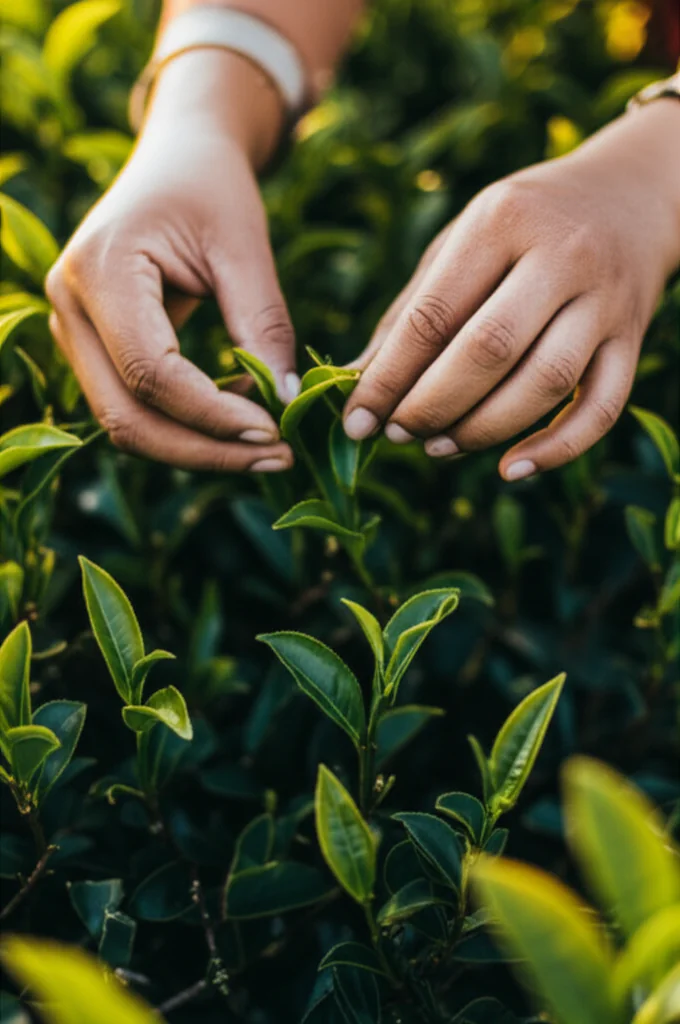
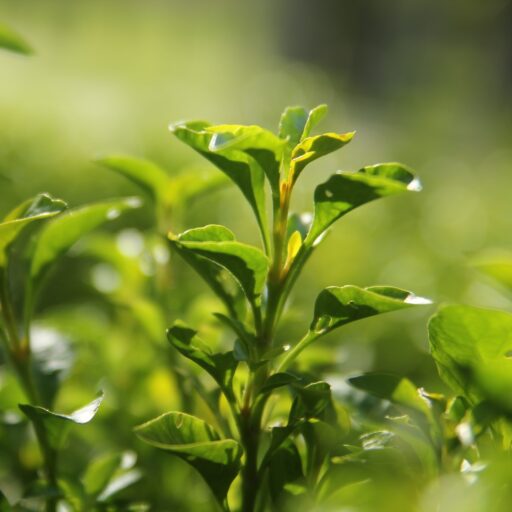
What are the signs that my tea leaves are ready to be harvested, and how can I tell if they’re ripe? Look for healthy new shoots with a plump bud and a few tender, recently opened leaves. Tea leaves are ready when the shoot is developed enough to pick, but still young and supple—not when the oldest leaves on the bush simply look big and dark.
We’ve learned to judge a tea shoot by its whole little family: bud, leaf count, texture, and the plant’s overall health. Once, an eager first-time grower picked a handful of the largest leaves, expecting a generous brew; they were tough and less fragrant than the smaller shoots nearby. With tea, the freshest growth—not the biggest leaf—is usually the better harvest.
Key Takeaways
- Check the new shoot, not just leaf size: A plump bud with tender young leaves is a more useful readiness cue than large, mature foliage.
- Harvest healthy, actively growing shoots: Avoid leaves that are damaged, diseased, or wilted, and let a recently plucked plant recover before picking again.
- Match the harvest to your goal: Bud-and-leaf shoots are commonly favored for tender, delicate teas; more developed leaves can suit other styles and processing methods.
- Pick gently: Snap or pinch suitable shoots without stripping the bush, and leave enough healthy growth for the plant to keep growing.
- Timing depends on your plant and conditions: Climate, season, flush, and plant vigor all affect when new shoots are ready.
Table of Contents
- ⚡️ Quick Tips and Facts: When Tea Leaves Are Ready to Harvest
- 🌿 Tea Plant Background: How Camellia sinensis Grows
- 🍃 What “Ready to Harvest” Means for Tea Leaves
- 🔎 8 Signs Your Tea Leaves Are Ripe for Picking
- 1. The new shoot has the right number of leaves
- 2. The top bud is plump and healthy
- 3. The leaves are tender, not fully mature
- 4. The shoot has reached a useful size
- 5. The leaves look vibrant and undamaged
- 6. The plant has recovered from its last plucking
- 7. Weather and growing conditions support picking
- 8. The harvest matches the tea style you want
- 📅 When to Harvest Tea Leaves: Seasons, Flushes, and Picking Intervals
- How climate and location affect harvest timing
- What first flush, second flush, and autumn flush mean
- How often to pick from a home tea plant
- ✂️ How to Harvest Tea Leaves Without Harming the Plant
- Which shoots and leaves to pick
- Hand-picking versus pruning
- How much to harvest from a young or established tea bush
- 🍵 How Leaf Maturity Changes Tea Flavor and Quality
- Bud-and-leaf grades explained
- Tender shoots versus mature leaves
- Choosing leaves for green, black, white, and olong tea
- 🌦️ Best Conditions for Picking: Rain, Dew, Heat, and Time of Day
- 🧺 What to Do After Harvesting Fresh Tea Leaves
- Sorting and handling leaves
- Withering, oxidation, and processing basics
- Storing freshly picked leaves
- 🚫 Common Tea Harvesting Mistakes and How to Avoid Them
- 🪴 Harvesting Tea from a Potted Plant
- 🐛 How Pests, Plant Stress, and Disease Affect Harvest Readiness
- 🧪 A Simple Tea Leaf Readiness Check You Can Use in the Garden
- ❓ FAQ: Tea Leaf Harvesting and Ripeness
- Can you harvest tea leaves before the bud opens?
- Can you pick tea leaves that are large and dark green?
- How many leaves should you take from each shoot?
- Can you harvest tea leaves more than once a year?
- Are tea leaves ready after rain?
- How can you tell if a tea plant is too young to harvest?
- ✅ Conclusion: Pick the Right Shoot at the Right Time
- 🔗 Recommended Links
- ❓ FAQ
- 📚 Reference Links
Table of Contents
- ⚡️ Quick Tips and Facts: When Tea Leaves Are Ready to Harvest
- 🌿 Tea Plant Background: How Camellia sinensis Grows
- 🍃 What “Ready to Harvest” Means for Tea Leaves
- 🔎 8 Signs Your Tea Leaves Are Ripe for Picking
- 1. The new shoot has the right number of leaves
- 2. The top bud is plump and healthy
- 3. The leaves are tender, not fully mature
- 4. The shoot has reached a useful size
- 5. The leaves look vibrant and undamaged
- 6. The plant has recovered from its last plucking
- 7. Weather and growing conditions support picking
- 8. The harvest matches the tea style you want
- 📅 When to Harvest Tea Leaves: Seasons, Flushes, and Picking Intervals
- How climate and location affect harvest timing
- What first flush, second flush, and autumn flush mean
- How often to pick from a home tea plant
- ✂️ How to Harvest Tea Leaves Without Harming the Plant
- Which shoots and leaves to pick
- Hand-picking versus pruning
- How much to harvest from a young or established tea bush
- 🍵 How Leaf Maturity Changes Tea Flavor and Quality
- Bud-and-leaf grades explained
- Tender shoots versus mature leaves
- Choosing leaves for green, black, white, and olong tea
- 🌦️ Best Conditions for Picking: Rain, Dew, Heat, and Time of Day
- 🧺 What to Do After Harvesting Fresh Tea Leaves
- Sorting and handling leaves
- Withering, oxidation, and processing basics
- Storing freshly picked leaves
- 🚫 Common Tea Harvesting Mistakes and How to Avoid Them
- 🪴 Harvesting Tea from a Potted Plant
- 🐛 How Pests, Plant Stress, and Disease Affect Harvest Readiness
- 🧪 A Simple Tea Leaf Readiness Check You Can Use in the Garden
- ❓ FAQ: Tea Leaf Harvesting and Ripeness
- Can you harvest tea leaves before the bud opens?
- Can you pick tea leaves that are large and dark green?
- How many leaves should you take from each shoot?
- Can you harvest tea leaves more than once a year?
- Are tea leaves ready after rain?
- How can you tell if a tea plant is too young to harvest?