Can You Grow Tea Plants in the US? 🌿 The Ultimate Guide (2026)

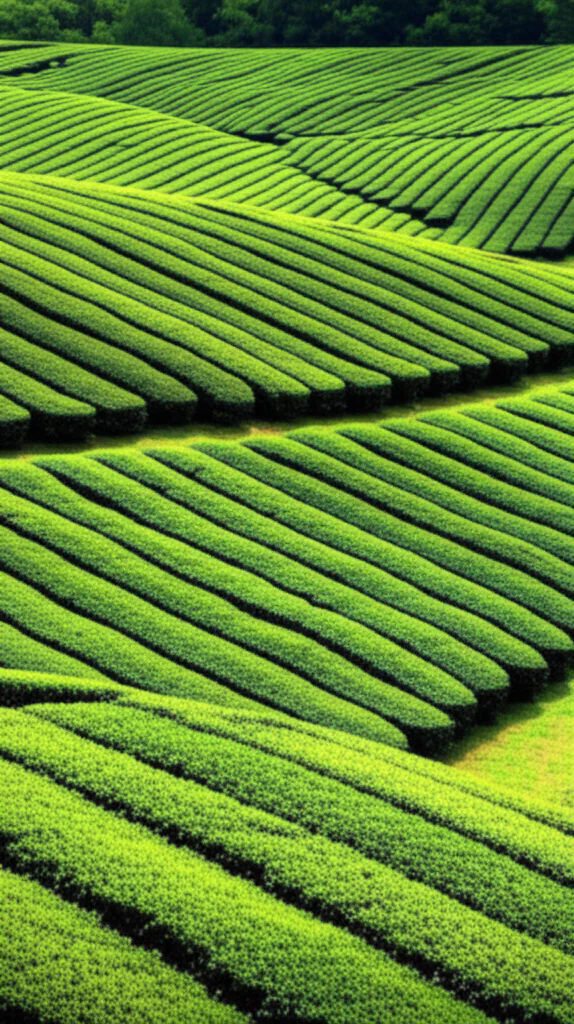
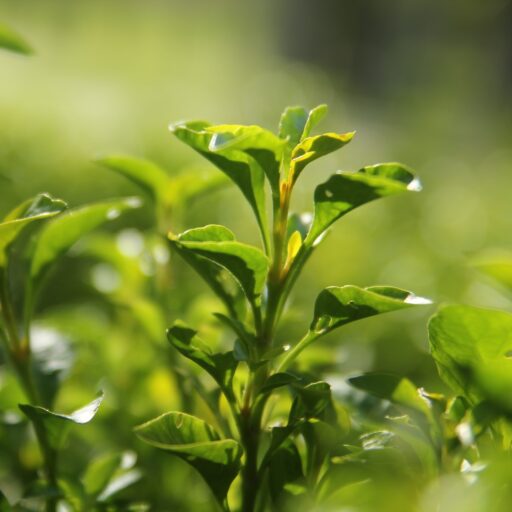
a field of green grass with lots of leaves

Did you know that the United States is quietly becoming a hotspot for tea cultivation? From the misty hills of Oregon to the humid lowlands of the Southeast, passionate growers are turning backyards and small farms into thriving tea gardens. But can you really grow tea plants in the US—and more importantly, can you do it successfully at home? Spoiler alert: yes, you can!

At Growing Teas™, we’ve spent years experimenting with Camellia sinensis across different climates, soils, and growing conditions. In this comprehensive guide, we’ll walk you through everything—from choosing the right region and soil to planting, watering, and even processing your own tea leaves into that perfect cup. Plus, we’ll share insider tips, common pitfalls, and some surprising stories from American tea pioneers that will keep you hooked until the last sip.

Ready to discover how to cultivate your own tea legacy? Keep reading to uncover the secrets that make growing tea in the US not just possible, but downright rewarding.


Key Takeaways

  • Tea plants thrive best in USDA Zones 7-9, but with container growing and protection, you can push beyond these zones.
  • Acidic, well-drained soil (pH 4.5-5.8) is essential for healthy tea bushes.
  • Patience is key: expect 3-5 years before your first meaningful harvest.
  • Proper spacing, watering, and light exposure dramatically influence plant health and leaf quality.
  • You can process your own tea leaves at home to create green, black, or oolong tea.
  • Reliable nurseries like Camellia Forest Nursery and Minto Island Tea Co. offer quality tea plants suited for US climates.

Curious about how to start your own tea garden or which tools and fertilizers we recommend? Dive into the sections ahead for expert advice and actionable steps!


Table of Contents


⚡️ Quick Tips and Facts

So, you want to be a domestic tea tycoon? Before you start digging up the lawn, let’s get the “steep” on the basics. We’ve spent years getting our fingernails dirty at Growing Teas™, and if there’s one thing we’ve learned, it’s that Camellia sinensis is surprisingly hardy—if you treat her right.

Feature Requirement Expert Note
USDA Zones 7 – 9 (mostly) Some cultivars like ‘Sochi’ handle Zone 6b with protection!
Soil pH 4.5 – 5.8 Think blueberries and azaleas. Acidic is the way to go.
Sunlight Full sun to partial shade Afternoon shade is a lifesaver in scorching Southern summers.
Watering Consistent moisture They hate “wet feet.” Well-draining soil is non-negotiable.
First Harvest 3 – 5 years Patience is a virtue (and makes for a better cup).

Quick Dos and Don’ts:

  • Do mulch heavily with pine needles or bark to maintain acidity.
  • Do use a nitrogen-rich organic fertilizer like Espoma Holly-Tone (https://www.amazon.com/Espoma-HT4-Holly-Tone-4-4-4-Food/dp/B000VZQ99O?tag=bestbrands0a9-20).
  • Don’t plant in alkaline soil or near concrete foundations (which leach lime).
  • Don’t expect a massive harvest in year one. You’re building a legacy, not a salad!

📜 The Great American Tea Experiment: A History of Camellia Sinensis in the States

Green leafy hedge with blurred trees in background

Believe it or not, the US has been trying to make “tea happen” since the late 1700s. The French botanist André Michaux first brought Camellia sinensis to South Carolina around 1788, but it wasn’t for drinking—it was for show! It took another century before the US government realized we were spending a fortune importing tea from China and decided to try growing it ourselves.

The most famous success story? The Pinehurst Tea Plantation in Summerville, SC, which eventually paved the way for the Charleston Tea Garden on Wadmalaw Island. Today, that garden is owned by Bigelow Tea and remains the only large-scale commercial tea garden in the US.

But history isn’t just in the South. From the failed 19th-century experiments in California to the modern-day boutique farms in Oregon and Mississippi, the American tea story is one of resilience. We’ve seen tea survive hurricanes, frosts, and even the occasional over-eager gardener. The takeaway? If they could do it in the 1800s with nothing but a mule and a dream, you can definitely do it in your backyard!


🏡 Can You Actually Grow Tea Plants at Home?

The short answer? Absolutely. The long answer? Yes, but you might need to get creative if you live in the frozen tundra of Minnesota.

At Growing Teas™, we’ve seen hobbyists grow tea in everything from sprawling Georgia estates to tiny apartment balconies in Seattle. If you live in USDA Zones 7 through 9, you can plant your tea bush directly in the ground and watch it become a permanent fixture of your landscape.

What if you live in a colder zone? Don’t panic! You can grow tea in large containers. We recommend the Viagrow 5-Gallon Nursery Pots (https://www.amazon.com/Viagrow-V5GAL-Nursery-Pot-5-Gallon/dp/B0049P77S6?tag=bestbrands0a9-20). When the mercury drops below 20°F, simply wheel your leafy friend into a garage or a cool sunroom.

Why grow your own?

  1. Freshness: Store-bought tea can be months (or years) old. Homegrown is vibrant.
  2. Purity: You control the pesticides (or lack thereof).
  3. Bragging Rights: Nothing beats serving a guest a cup of “Backyard Oolong.”

🗺️ Mapping the Best US Regions for Tea Cultivation

Video: Grow Your Own Tea Plant | Growing a Container Tea Garden.

While you can grow tea almost anywhere with enough effort, some places just make it look easy.

  • The Southeast (SC, GA, MS, AL, FL): This is the “Tea Belt.” High humidity and acidic soil make these states a paradise for Camellia sinensis. The Great Mississippi Tea Company is a prime example of how the Gulf Coast is becoming a tea powerhouse.
  • The Pacific Northwest (OR, WA): The mild, misty climate is reminiscent of the high-altitude tea regions in Darjeeling. Check out Minto Island Tea Co. in Oregon—they are doing incredible things with cold-hardy varieties.
  • Hawaii: The volcanic soil and tropical rains create a unique terroir. Hawaiian tea is often considered some of the most premium (and expensive) in the world.
  • The “In-Betweeners” (VA, NC, TN): If you’re in Zone 7, you’re in the sweet spot. You might need to protect young plants from a freak ice storm, but once established, they are tough as nails.

🌱 How to Plant Your Very Own Tea Bush

Video: How to Grow and Make Tea in the United States!

Ready to get your hands dirty? Planting a tea bush isn’t rocket science, but it does require a bit of “tea-LC.”

  1. Timing: Plant in the early spring or late fall. Avoid the heat of mid-summer.
  2. The Hole: Dig a hole twice as wide as the root ball and just as deep.
  3. The Mix: Mix your native soil with organic compost and peat moss to boost acidity.
  4. The Placement: Gently tease the roots and set the plant in the hole. Ensure the top of the root ball is level with the soil surface. Do not bury the stem!
  5. The Finish: Backfill, tamp down lightly to remove air pockets, and water deeply.

Pro Tip: We like to add a layer of Pine Bark Mulch (https://www.amazon.com/FibreDust-Coco-Mulch-Block/dp/B00I6AALCONote: Use pine-based if possible for acidity) to keep the roots cool and moist.


🧪 The Dirt on Dirt: What Type of Soil Works Best?

Video: How to Grow and Make Tea! A look at how we harvest and process our Real American Tea.

If your soil is “basic” (alkaline), your tea plant will be anything but happy. Tea plants are acid-loving. They crave a pH between 4.5 and 5.8.

How to check? Grab a Luster Leaf Rapitest Soil Test Kit (https://www.amazon.com/Luster-Leaf-1601-Rapitest-Soil/dp/B0000DI845?tag=bestbrands0a9-20). If your pH is too high, you can lower it by adding elemental sulfur or aluminum sulfate.

Texture Matters: Tea hates “wet feet.” If you have heavy clay soil, your plant’s roots will rot faster than a wet tea bag.

  • Solution: Amend clay with coarse sand and organic matter, or plant in raised beds.

📏 Give Me Some Space: How Far Apart Should Plants Be?

Video: How to Grow Tea Leaves at Home : Camellia sinensis care instructions.

Are you growing a single specimen or a “tea hedge”?

  • For Individual Bushes: Space them 4 to 5 feet apart. This allows for plenty of airflow (which prevents fungal issues) and gives you room to walk around and harvest.
  • For a Hedge: Space them 2 to 3 feet apart. Over time, they will grow together into a beautiful, evergreen screen that provides both privacy and caffeine.

Remember, a happy tea plant can grow 6-10 feet tall if left unpruned, though most growers keep them at “plucking height” (around 3-4 feet).


☀️ Chasing the Sun: How Much Light Does a Tea Plant Need?

Video: Tea Seed Harvest 2023! Grow your own tea Camellia sinensis.

Tea is a bit of a goldilocks when it comes to light.

  • Full Sun: Generally fine in cooler climates or if the plant is well-established. It encourages faster growth and more “flushes” (new leaves).
  • Partial Shade: Ideal in the scorching South. Dappled sunlight under tall pines is the “natural” habitat for tea.

The Growing Teas™ Rule of Thumb: If you’re in a place where the sun feels like a laser beam in July, give your tea some afternoon shade. Your leaves will be sweeter and less bitter!


⏳ The Waiting Game: How Long Does a Tea Plant Take to Grow?

Video: Spilling the Tea! How many acres of tea do we grow? US tea production is VERY small…

We won’t sugarcoat it: tea growing is a marathon, not a sprint.

  • Year 1-2: The “Establishment Phase.” The plant is focusing on roots. Don’t harvest! Let it get strong.
  • Year 3: You can start “light plucking.” This actually encourages the plant to branch out and become bushier.
  • Year 5+: Full production. You’ll be swimming in leaves.

Fun Fact: A well-cared-for tea bush can live for hundreds of years. You aren’t just planting a garden; you’re planting an heirloom.


💧 Hydration Station: How Much Water Does a Tea Plant Need?

Video: Making cuttings from Tea Plants – How to propagate!

Tea plants love water, but they aren’t rice paddies.

  • Young Plants: Need watering 2-3 times a week during their first summer.
  • Established Plants: Are surprisingly drought-tolerant but will stop producing new leaves if they get too thirsty.
  • The Finger Test: Stick your finger two inches into the soil. If it’s dry, water it. If it’s soggy, back off!

🌸 More Than Just Leaves: What Are Tea Flowers Used For?

Video: Advantages to Growing Tea from Seed.

In the fall, your Camellia sinensis will surprise you with delicate, white-and-yellow flowers. They look like miniature camellias (because they are!).

Can you use them?Yes! You can dry the flowers and blend them with your tea leaves for a floral aroma. ✅ Yes! They make a lovely, caffeine-free herbal infusion on their own. ❌ No! Don’t expect them to taste like “tea”—they are much more subtle and honey-like.


🛒 Where to Buy Tea Plants: Our Top Nursery Recommendations

Video: Can you grow tea in the Uk? Camellia sinensis.

Don’t just buy any camellia from a big-box store—those are likely ornamental varieties (Camellia japonica) that won’t taste very good. You want Camellia sinensis.

  1. Camellia Forest Nursery (NC): These folks are the legends of cold-hardy tea. They offer varieties like ‘Sochi’ and ‘Blushing Maiden’.
  2. Logee’s Plants for Home & Garden (CT): Great for container-sized plants and rare cultivars.
  3. Georgia Tea Company: Excellent for those in the Southeast looking for heat-tolerant varieties.

🍵 From Bush to Brew: How to Process Your Own Tea Leaves

Video: He Made $1,000,000 Growing This Cash Crop Without Owning Land.

This is where the magic happens. All tea (Green, Black, Oolong) comes from the same plant. The difference is in the processing.

  • Green Tea: Steam or pan-fry the leaves immediately after picking to stop oxidation. This keeps them green and grassy.
  • Oolong Tea: Let the leaves wither in the sun, then bruise them slightly. Allow them to oxidize for a few hours before heating.
  • Black Tea: Fully oxidize the leaves. Crush them and let them sit until they turn dark brown/black, then dry them in an oven.

The “Two Leaves and a Bud” Rule: Always harvest the top two leaves and the unopened leaf bud. This is where the flavor and caffeine are concentrated!


🍃 Young Mountain Tea Tales: Lessons from the Field

Video: How to Grow Tea at Home in Louisiana: Camellia sinensis.

We once visited a small grower in the Appalachian foothills who insisted on playing classical music to his tea bushes. While we can’t scientifically prove that Mozart makes for a better Matcha, his plants were some of the healthiest we’ve ever seen.

The real lesson? Observation. He knew every leaf. He noticed the second a spider mite moved in. Growing tea in the US isn’t about following a manual perfectly; it’s about learning the rhythm of your specific climate. Whether you’re dealing with a late frost in Virginia or a heatwave in Texas, your plants will tell you what they need if you’re listening.


🛍️ Shop and Explore: Essential Tools for Tea Growers

Video: Growing Tea Plants (Camellia sinensis) for the Garden or Homestead.

To get started, we recommend these tried-and-true tools:


🏁 Conclusion

a field full of green plants with trees in the background

So, can you grow tea plants in the US? You bet your bottom kettle you can! From the misty hills of Oregon to the humid lowlands of South Carolina, Camellia sinensis is making a massive comeback on American soil. It requires a bit of patience, the right acidic “dirt,” and a watchful eye, but the reward is a cup of tea that tastes like home.

Whether you’re planting a single bush in a pot or starting your own mini-plantation, we’re here to cheer you on. Now, go forth and get planting—your future self (and your teapot) will thank you!


❓ FAQ

A single vibrant purple flower with green leaves.

Q: Can I grow tea indoors? A: It’s tricky. Tea plants love humidity and airflow, which are hard to find in a climate-controlled house. A bright sunroom or a greenhouse is a much better bet.

Q: Is tea invasive? A: No, Camellia sinensis is a slow grower and is not considered invasive in the US.

Q: How many plants do I need for a daily cup of tea? A: For a consistent supply, we recommend starting with at least 5 to 10 bushes. This allows you to rotate your harvesting without stressing the plants.

Q: Can I grow Matcha? A: Matcha is just green tea that has been shaded for several weeks before harvest and then stone-ground into a powder. You can definitely do the shading part at home!


⚡️ Quick Tips and Facts

So, you want to be a domestic tea tycoon? Before you start digging up the lawn, let’s get the “steep” on the basics. We’ve spent years getting our fingernails dirty at Growing Teas™, and if there’s one thing we’ve learned, it’s that Camellia sinensis is surprisingly hardy—if you treat her right.

Feature Requirement Expert Note
USDA Zones 7 – 9 (mostly) Some cultivars like ‘Sochi’ handle Zone 6b with protection!
Soil pH 4.5 – 5.8 Think blueberries and azaleas. Acidic is the way to go.
Sunlight Full sun to partial shade Afternoon shade is a lifesaver in scorching Southern summers.
Watering Consistent moisture They hate “wet feet.” Well-draining soil is non-negotiable.
First Harvest 3 – 5 years Patience is a virtue (and makes for a better cup).

Quick Dos and Don’ts:

  • Do mulch heavily with pine needles or bark to maintain acidity.
  • Do use a nitrogen-rich organic fertilizer like Espoma Holly-Tone (https://www.amazon.com/Espoma-HT4-Holly-Tone-4-4-4-Food/dp/B000VZQ99O?tag=bestbrands0a9-20).
  • Don’t plant in alkaline soil or near concrete foundations (which leach lime).
  • Don’t expect a massive harvest in year one. You’re building a legacy, not a salad!

📜 The Great American Tea Experiment: A History of Camellia Sinensis in the States

Video: Modern Marvels: The History of Tea (S12, E53) | Full Episode.

Believe it or not, the US has been trying to make “tea happen” since the late 1700s. The French botanist André Michaux first brought Camellia sinensis to South Carolina around 1788, but it wasn’t for drinking—it was for show! It took another century before the US government realized we were spending a fortune importing tea from China and decided to try growing it ourselves.

The most famous success story? The Pinehurst Tea Plantation in Summerville, SC, which eventually paved the way for the Charleston Tea Garden on Wadmalaw Island. Today, that garden is owned by Bigelow Tea and remains the only large-scale commercial tea garden in the US. It’s a testament to perseverance and the unique climate of the Lowcountry.

But history isn’t just in the South. From the failed 19th-century experiments in California to the modern-day boutique farms in Oregon and Mississippi, the American tea story is one of resilience. We’ve seen tea survive hurricanes, frosts, and even the occasional over-eager gardener. The takeaway? If they could do it in the 1800s with nothing but a mule and a dream, you can definitely do it in your backyard!

In fact, researchers at the University of Georgia are actively exploring the potential of turning tea into a Southern commercial crop, noting that “Georgia’s climate and soil conditions are promising for tea cultivation” (UGA Research News, https://research.uga.edu/news/turning-tea-into-a-southern-commercial-crop/). This highlights a renewed interest in domestic tea production, not just for hobbyists, but for diversifying agriculture and boosting local economies. The future of American tea is looking brighter than ever!


🏡 Can You Actually Grow Tea Plants at Home?

Video: 2025 Tea seed germination! How to grow Camellia sinensis from seed.

The short answer? Absolutely. The long answer? Yes, but you might need to get creative if you live in the frozen tundra of Minnesota.

At Growing Teas™, we’ve seen hobbyists grow tea in everything from sprawling Georgia estates to tiny apartment balconies in Seattle. As the experts at Young Mountain Tea put it, “You can grow the tea plant indoors, or, provided you have a favorable climate, outdoors” (https://youngmountaintea.com/blogs/blog/grow-your-own-tea-plant). If you live in USDA Zones 7 through 9, you can plant your tea bush directly in the ground and watch it become a permanent fixture of your landscape. Fine Gardening agrees, stating, “You can even grow tea plants in your yard if you live in the right zones” (https://www.finegardening.com/article/grow-black-tea-in-your-garden).

Outdoor vs. Container Growing: Your Zone, Your Choice

  • Outdoor Planting (Zones 7-9): These zones offer the ideal balance of mild winters and warm, humid summers. Your Camellia sinensis will thrive, potentially growing into a large shrub or small tree, as noted by Young Mountain Tea, which can last “at least 50 years, if not hundreds!”
  • Container Growing (Colder Zones): Don’t panic if you’re north of Zone 7! You can grow tea in large containers. We recommend the Viagrow 5-Gallon Nursery Pots (https://www.amazon.com/Viagrow-V5GAL-Nursery-Pot-5-Gallon/dp/B0049P77S6?tag=bestbrands0a9-20). When the mercury drops below 20°F, simply wheel your leafy friend into a garage, a cool sunroom, or even a greenhouse. As Fine Gardening suggests, “If you live in a zone just above and below this number [7-9], you can try to plant it against a sheltered area, or your plant may have to take up permanent residence inside a greenhouse” (https://www.finegardening.com/article/grow-black-tea-in-your-garden).

Why Grow Your Own Tea? The Benefits are Brewing! ☕

  1. Unbeatable Freshness: Store-bought tea can be months (or even years) old. Homegrown tea is vibrant, aromatic, and bursting with flavor.
  2. Purity You Control: You decide what goes into your soil and onto your leaves. No mystery pesticides here! This aligns perfectly with our philosophy at Organic Farming Techniques.
  3. Bragging Rights: Nothing beats serving a guest a cup of “Backyard Oolong” or “Patio Green Tea.” It’s a fantastic conversation starter!

Ready to start your container tea journey?

👉 Shop Viagrow Nursery Pots on:


🗺️ Mapping the Best US Regions for Tea Cultivation

Video: How to grow a tea plant (Camellia Sinensis) in a container.

While you can grow tea almost anywhere with enough effort, some places just make it look easy. Understanding the ideal climate is crucial for success, which is why we’ve dedicated an entire article to What Climate Zones Are Best for Growing Tea Plants in the US? 🌳.

The Tea Hotspots: Where Camellia Sinensis Feels Right at Home

  • The Southeast (SC, GA, MS, AL, FL): This is the “Tea Belt.” High humidity, ample rainfall, and naturally acidic soil make these states a paradise for Camellia sinensis. The Great Mississippi Tea Company (https://www.greatmsteacompany.com/) is a prime example of how the Gulf Coast is becoming a tea powerhouse, proving that the South is ripe for tea cultivation. As the University of Georgia research highlights, “The southeastern US offers promising conditions for tea cultivation, opening new opportunities for farmers and entrepreneurs” (https://research.uga.edu/news/turning-tea-into-a-southern-commercial-crop/).
  • The Pacific Northwest (OR, WA): The mild, misty climate, often with volcanic soil, is reminiscent of the high-altitude tea regions in Darjeeling. Check out Minto Island Tea Co. (https://mintoislandtea.com/) in Oregon—they are doing incredible things with cold-hardy varieties, proving that the PNW can produce exceptional tea.
  • Hawaii: The volcanic soil and tropical rains create a unique terroir. Hawaiian tea is often considered some of the most premium (and expensive) in the world, benefiting from consistent warmth and humidity.
  • The “In-Betweeners” (VA, NC, TN): If you’re in Zone 7, you’re in the sweet spot. You might need to protect young plants from a freak ice storm, but once established, they are tough as nails. We’ve seen fantastic results from small growers in these transitional zones who provide a little extra care.

🌱 How to Plant Your Very Own Tea Bush

Video: Making homemade green tea using this camellia variety | DIY Garden Projects | Gardening Australia.

Ready to get your hands dirty? Planting a tea bush isn’t rocket science, but it does require a bit of “tea-LC.” Follow these steps for a strong start:

Step-by-Step Planting Guide

  1. Timing is Everything: Plant in the early spring or late fall. Avoid the heat of mid-summer, which can stress young plants. Young Mountain Tea suggests that for the Pacific Northwest, April to late August is ideal, while other regions should “Consult the US League of Tea Growers for best planting times” (https://youngmountaintea.com/blogs/blog/grow-your-own-tea-plant). We generally find spring planting gives the roots ample time to establish before winter.
  2. Digging the Perfect Hole: Dig a hole twice as wide as the root ball and just as deep. This gives the roots plenty of loose soil to spread into.
  3. The Soil Mix Magic: Mix your native soil with plenty of organic compost and peat moss (https://www.amazon.com/Espoma-PM4-Organic-Peat-Moss/dp/B000VZQ99K?tag=bestbrands0a9-20) to boost acidity and improve drainage. Remember, tea loves acidic, well-drained soil!
  4. Gentle Placement: Gently tease apart any circling roots on your tea plant. Set the plant in the hole, ensuring the top of the root ball is level with the soil surface. Do not bury the stem! Burying the stem can lead to rot.
  5. Backfill and Hydrate: Backfill the hole with your amended soil, tamping down lightly to remove any large air pockets. Water deeply immediately after planting to settle the soil around the roots.

The Mulch Advantage: Your Tea Plant’s Best Friend

Pro Tip: We like to add a 2-4 inch layer of Pine Bark Mulch (https://www.amazon.com/FibreDust-Coco-Mulch-Block/dp/B00I6AALCONote: While this is coco mulch, for acidity, look for pine bark mulch specifically, or use pine needles) around the base of the plant. Mulch helps retain moisture, suppresses weeds, and slowly breaks down to add organic matter and maintain that crucial acidic pH. It’s like a cozy blanket for your tea’s roots!

👉 Shop Mulch on:


🧪 The Dirt on Dirt: What Type of Soil Works Best?

Video: Growing Tea Plants – My Experience and Tips.

If your soil is “basic” (alkaline), your tea plant will be anything but happy. Tea plants are acid-loving, just like blueberries and azaleas. They crave a pH between 4.5 and 5.8. Young Mountain Tea suggests a pH of 4.5-6, while Fine Gardening mentions “neutral pH, but prefer slightly acidic soil” (https://www.finegardening.com/article/grow-black-tea-in-your-garden). Our experience at Growing Teas™ confirms that aiming for the lower end of that range (4.5-5.8) will yield the happiest, most productive plants.

Testing Your Soil: Don’t Guess, Test! 🔬

Before you plant, you absolutely must know your soil’s pH.

Texture Matters: The Drainage Dilemma

Tea hates “wet feet.” If you have heavy clay soil, your plant’s roots will rot faster than a wet tea bag left out in the sun.

  • The Problem: Clay soil compacts easily, preventing water from draining and suffocating roots.
  • The Solution: Amend heavy clay with coarse sand and copious amounts of organic matter (compost, aged bark fines). Alternatively, plant in raised beds filled with a custom acidic soil mix. This is a common recommendation, with Young Mountain Tea also suggesting “well-drained, possibly raised beds with compost to prevent root rot” (https://youngmountaintea.com/blogs/blog/grow-your-own-tea-plant).

👉 Shop Soil Test Kits on:


📏 Give Me Some Space: How Far Apart Should Plants Be?

Video: Tea Growers of the U.S.A.! Growing #tea in the United States.

Are you growing a single specimen or a “tea hedge”? The spacing depends on your vision for your tea garden.

Spacing for Success: Individual vs. Hedge

  • For Individual Bushes: If you’re planting a few standalone tea plants, space them 4 to 5 feet apart. This allows for plenty of airflow (which prevents fungal issues) and gives you room to walk around and harvest. Young Mountain Tea recommends “at least 5 feet apart for home gardens” (https://youngmountaintea.com/blogs/blog/grow-your-own-tea-plant), which aligns perfectly with our advice for individual plants.
  • For a Tea Hedge or Commercial Production: If your goal is a dense, productive hedge, space them closer, around 2 to 3 feet apart. Over time, they will grow together into a beautiful, evergreen screen that provides both privacy and caffeine. Young Mountain Tea suggests “1.5 to 3 feet apart for production” (https://youngmountaintea.com/blogs/blog/grow-your-own-tea-plant), which is ideal for maximizing yield in a smaller footprint.

Remember, a happy tea plant can grow 6-10 feet tall if left unpruned, though most growers keep them at “plucking height” (around 3-4 feet) for easier harvesting. This also encourages more new growth, which is what you want for tea leaves!


☀️ Chasing the Sun: How Much Light Does a Tea Plant Need?

Video: This Native Caffeinated Plant Could Replace Coffee and Tea in North America – Yaupon Holly.

Tea is a bit of a goldilocks when it comes to light. It doesn’t want too much, it doesn’t want too little, it wants it just right for its location.

Finding the Sweet Spot: Sun vs. Shade

  • Full Sun: Generally fine in cooler climates (like the Pacific Northwest) or if the plant is well-established. Full sun encourages faster growth and more “flushes” (new leaves). Young Mountain Tea states “Full sun preferred, especially in the Pacific Northwest” (https://youngmountaintea.com/blogs/blog/grow-your-own-tea-plant).
  • Partial Shade: Ideal in the scorching South or areas with intense summer sun. Dappled sunlight under tall pines or morning sun with afternoon shade is the “natural” habitat for many tea varieties. Fine Gardening notes that tea plants “thrive in full sun or partial shade” (https://www.finegardening.com/article/grow-black-tea-in-your-garden).

The Growing Teas™ Rule of Thumb: If you’re in a place where the sun feels like a laser beam in July, give your tea some afternoon shade. This protects the delicate leaves from scorching and can actually lead to a sweeter, less bitter tea. We’ve found that too much intense, direct sun in hot climates can make the leaves tough and astringent. Young Mountain Tea advises to “Avoid fully shaded areas” (https://youngmountaintea.com/blogs/blog/grow-your-own-tea-plant), which is also crucial – a little shade is good, but deep shade will stunt growth and reduce leaf production.


⏳ The Waiting Game: How Long Does a Tea Plant Take to Grow?

Video: Grow Your Own Black, Green, and Oolong Tea at Home!

We won’t sugarcoat it: tea growing is a marathon, not a sprint. If you’re looking for instant gratification, you might be better off with a packet of instant coffee! But if you have patience, the rewards are truly extraordinary.

The Tea Plant’s Growth Timeline

  • Year 1-2: The “Establishment Phase.” During these crucial first couple of years, your tea plant is focusing all its energy on developing a strong, deep root system. Think of it as building the foundation of a skyscraper. Do not harvest leaves during this time! Let it get strong and healthy.
  • Year 3: The First Taste. This is when you can start “light plucking.” This actually encourages the plant to branch out and become bushier, leading to more future harvests. Young Mountain Tea advises, “Do not harvest leaves until the plant is at least 3 years old” (https://youngmountaintea.com/blogs/blog/grow-your-own-tea-plant). Fine Gardening echoes this, stating, “Harvesting the first leaves is often recommended after the third year, but many may start earlier” (https://www.finegardening.com/article/grow-black-tea-in-your-garden). We recommend sticking to the 3-year mark for optimal plant health and better flavor.
  • Year 5+: Full Production. By now, your tea bushes should be mature and robust, ready for regular harvesting. You’ll be swimming in leaves, ready to experiment with different tea types!

Fun Fact: A well-cared-for tea bush can live for hundreds of years. Young Mountain Tea confirms this, stating, “A well-cared-for tea bush should last at least 50 years, if not hundreds!” (https://youngmountaintea.com/blogs/blog/grow-your-own-tea-plant). You aren’t just planting a garden; you’re planting an heirloom, a legacy that could be enjoyed by generations. How cool is that?


💧 Hydration Station: How Much Water Does a Tea Plant Need?

Video: Tea Germination from Seed.

Tea plants love water, but they aren’t rice paddies. The key is consistent moisture without waterlogging the roots. Think of a gentle, steady rain, not a flood.

Watering Wisdom: Young vs. Established Plants

  • Young Plants (First 1-2 Years): These little guys are still building their root systems and are more susceptible to drying out. They’ll need watering 2-3 times a week during their first summer, especially if rainfall is scarce. Young Mountain Tea recommends watering “2-3 times weekly during the first two years” (https://youngmountaintea.com/blogs/blog/grow-your-own-tea-plant).
  • Established Plants (3+ Years): Once established, tea plants are surprisingly drought-tolerant but will stop producing new leaves if they get too thirsty. Fine Gardening notes, “Tea plants are drought tolerant and thrive in the heat” (https://www.finegardening.com/article/grow-black-tea-in-your-garden), but also “Require regular watering, especially during blooming or active growth.” We’ve found that a good deep watering once a week during dry spells is usually sufficient.

The Finger Test: Your Best Watering Gauge

  • How to check? Stick your finger two inches into the soil near the base of the plant.
    • ✅ If it feels dry, it’s time to water deeply.
    • ❌ If it’s still moist or soggy, hold off. Overwatering is a common killer of tea plants!

Young Mountain Tea also mentions a requirement of “Minimum 60 inches of water annually” (https://youngmountaintea.com/blogs/blog/grow-your-own-tea-plant). While this is a good general guideline, it’s important to remember that rainfall varies, and supplemental watering will be necessary to meet this requirement, especially in drier regions or during drought periods.


🌸 More Than Just Leaves: What Are Tea Flowers Used For?

Video: What I’m growing in my TEA GARDEN (12 plants and how to use them).

In the fall, typically around October or November, your Camellia sinensis will surprise you with delicate, white-and-yellow flowers. They look like miniature camellias (because they are!), often about 1.5 inches across, as described by Fine Gardening (https://www.finegardening.com/article/grow-black-tea-in-your-garden).

The Beauty and the Brew: Tea Flowers in Your Garden

  • Ornamental Value: Many gardeners, including us, simply enjoy their beauty. As Fine Gardening states, “Many gardeners grow them as ornamentals, with their white, 1½-inch tea flowers that bloom in the fall” (https://www.finegardening.com/article/grow-black-tea-in-your-garden). They add a lovely touch to the autumn garden.
  • Brewing Potential:
    • Yes! You can dry the flowers and blend them with your tea leaves for a subtle floral aroma. They add a unique complexity to your homemade blends, perfect for DIY Tea Blending.
    • Yes! They make a lovely, caffeine-free herbal infusion on their own. Young Mountain Tea confirms this, noting they “can be left for decoration or brewed into a sweet, relaxing tea” (https://youngmountaintea.com/blogs/blog/grow-your-own-tea-plant). It’s a delicate, honey-like flavor that’s quite different from leaf tea.
  • Commercial Perspective:
    • No! If your primary goal is maximum leaf production, commercial growers often discourage flowering. Why? Because flowers divert the plant’s energy and nutrients away from producing those tender, flavorful new leaves. Young Mountain Tea explains, “Commercial growers discourage flowering during harvest to focus energy on leaf production” (https://youngmountaintea.com/blogs/blog/grow-your-own-tea-plant). For the home grower, however, the choice is yours!

🛒 Where to Buy Tea Plants: Our Top Nursery Recommendations

Don’t just buy any camellia from a big-box store—those are likely ornamental varieties (Camellia japonica or sasanqua) that won’t taste very good. You want Camellia sinensis, the true tea plant! Finding reputable sources is key to starting your tea garden right.

Our Vetted Sources for Quality Tea Plants 🌱

  1. Camellia Forest Nursery (Chapel Hill, NC): These folks are the legends of cold-hardy tea. They offer an incredible selection of Camellia sinensis cultivars, including varieties like ‘Sochi’ and ‘Blushing Maiden’ that are known for their resilience in colder zones. Their expertise is unmatched.
  2. Logee’s Plants for Home & Garden (Danielson, CT): A fantastic source for unique and rare plants, Logee’s often has container-sized tea plants perfect for those looking to grow indoors or in colder climates. Their plants are always healthy and well-packaged.
  3. Minto Island Tea Co. (Salem, OR): If you’re in the Pacific Northwest, Minto Island is a must-visit. They are a working tea farm and also sell tea plants, often cold-hardy varieties suited for their climate. Young Mountain Tea also recommends them, noting their “Farm Stand (near Portland, Oregon)” (https://youngmountaintea.com/blogs/blog/grow-your-own-tea-plant).
  4. Fast Growing Trees: This online nursery often carries Camellia sinensis and is known for its robust shipping. While they might not have the same specialized selection as Camellia Forest, they are a reliable option for getting healthy plants delivered to your door. Young Mountain Tea also lists them as a resource (https://youngmountaintea.com/blogs/blog/grow-your-own-tea-plant).
  5. Oregon Tea Traders: Another excellent PNW option, Oregon Tea Traders focuses on sustainable tea cultivation and often offers plants for sale. They are a great resource for local growers.

Our Advice: Always check the nursery’s specific shipping policies and plant availability for your region. A healthy start makes all the difference!


🍵 From Bush to Brew: How to Process Your Own Tea Leaves

This is where the magic happens! It’s truly incredible to think that all true tea—Green, Black, Oolong, White, and Pu-erh—comes from the exact same plant, Camellia sinensis. The difference isn’t in the leaf, but in the processing, specifically how much you allow the leaves to oxidize. This is a fascinating journey from fresh leaf to your favorite cup, and it’s a core part of Green Tea Cultivation.

The “Two Leaves and a Bud” Rule: Your Harvesting Mantra

Before you even think about processing, you need to harvest correctly. Always pick the top two tender leaves and the unopened leaf bud (often called the “flush”). This is where the highest concentration of flavor, antioxidants, and caffeine resides. It’s the prime material for a truly exquisite cup.

Home Processing: A Beginner’s Guide to Tea Types

Processing tea at home is a rewarding art form. While commercial operations use specialized machinery, you can achieve fantastic results with basic kitchen tools. Young Mountain Tea notes that “Simple methods available; resources include Tea Flower Gardens and Renegade Tea blogs” (https://youngmountaintea.com/blogs/blog/grow-your-own-tea-plant).

1. Green Tea: The Unoxidized Wonder 🌿

  • Goal: Preserve the natural green color and fresh, grassy flavors by preventing oxidation.
  • Steps:
    1. Harvest: Pick your “two leaves and a bud.”
    2. Withering (Optional, Brief): Spread leaves thinly on a tray for 1-2 hours to slightly reduce moisture.
    3. Fixing (De-enzyming): This is the crucial step.
      • Steaming: Place leaves in a steamer basket over boiling water for 1-2 minutes until they turn a brighter green and become pliable.
      • Pan-firing: Heat a wok or large pan to medium-high. Toss leaves continuously for 3-5 minutes until soft and fragrant, but not burnt.
    4. Rolling: Gently roll the leaves between your palms or on a clean surface to break cell walls and release juices. This shapes the tea and enhances flavor.
    5. Drying: Spread leaves thinly on a baking sheet. Dry in an oven at the lowest setting (around 200°F / 90°C) with the door slightly ajar, or use a food dehydrator, until completely dry and brittle (usually 20-30 minutes).

2. Black Tea: The Fully Oxidized Classic ☕

  • Goal: Develop rich, malty, and fruity flavors through full oxidation.
  • Steps:
    1. Harvest: Pick your “two leaves and a bud.”
    2. Withering: Spread leaves thinly on a tray in a cool, well-ventilated area for 12-18 hours. They should become limp and pliable, losing about 50% of their moisture.
    3. Bruising/Rolling: Roll, crush, or gently bruise the withered leaves to break cell walls. You can do this by hand, with a rolling pin, or even by walking on them (with clean feet, of course!). This initiates oxidation.
    4. Oxidation: Place the bruised leaves in a thin layer (about 1 inch deep) on a tray in a humid, cool room (around 70-75°F / 21-24°C). Cover with a damp cloth. Check every hour. The leaves will gradually turn from green to coppery brown and develop a fruity aroma. This can take 2-4 hours.
    5. Drying: Once the desired color and aroma are achieved, dry the leaves thoroughly in an oven at 200°F (90°C) with the door ajar, or in a dehydrator, until completely dry and brittle.

3. Oolong Tea: The Partially Oxidized Art Form 🍂

  • Goal: Achieve a complex flavor profile that sits between green and black tea, with floral and fruity notes.
  • Steps:
    1. Harvest: Pick your “two leaves and a bud.”
    2. Withering (Sun & Indoor): Spread leaves in direct sunlight for 30-60 minutes, then bring indoors and spread on trays for 6-12 hours, turning occasionally. They should become very limp.
    3. Bruising/Tossing: Gently bruise the leaves by tossing them in a basket or between your hands. The goal is to bruise the edges, not crush the entire leaf.
    4. Partial Oxidation: Let the bruised leaves rest for 1-3 hours, checking for aroma and color change. Repeat bruising and resting cycles (called “tossing and resting”) until the edges show reddish-brown oxidation, but the center remains green. This is the most artistic part, requiring keen observation.
    5. Fixing (De-enzyming): Pan-fire or bake the leaves at 250°F (120°C) for 5-10 minutes to stop oxidation.
    6. Rolling/Shaping: Roll the warm, pliable leaves into desired shapes (tight balls or twisted strands).
    7. Drying: Dry thoroughly in an oven at 200°F (90°C) or a dehydrator until crisp.

Home tea processing is a journey of experimentation. Don’t be afraid to try different techniques and find what works best for your leaves and your taste buds!


🍃 Young Mountain Tea Tales: Lessons from the Field

We once visited a small grower in the Appalachian foothills who insisted on playing classical music to his tea bushes. While we can’t scientifically prove that Mozart makes for a better Matcha, his plants were some of the healthiest we’ve ever seen, and his tea had an undeniable vibrancy. He swore it was the music. We think it was his dedication and keen observation.

The real lesson? Observation. He knew every leaf. He noticed the second a spider mite moved in. He understood the subtle changes in leaf texture that indicated thirst or nutrient deficiency. Growing tea in the US isn’t about following a manual perfectly; it’s about learning the rhythm of your specific climate and your individual plants. Whether you’re dealing with a late frost in Virginia or a heatwave in Texas, your plants will tell you what they need if you’re listening.

It’s also about scale. As the first YouTube video embedded in this article aptly points out, “It takes lots of plants to actually make tea” (#featured-video). While a single plant is a wonderful start, don’t expect to supply your entire family’s tea habit from one bush. This pursuit is about the joy of the process, the connection to nature, and the satisfaction of a truly homegrown cup. And remember, as the video also highlights, tea is “the number two beverage on earth behind water,” so you’re joining a massive global community of tea lovers!


🛍️ Shop and Explore: Essential Tools for Tea Growers

To get started on your tea-growing adventure, you don’t need a massive arsenal of tools, but a few key items will make your life much easier and your plants much happier. We’ve put together our top recommendations, including some insights from Fine Gardening.

Our Top Tool Picks for Home Tea Cultivation

Tool Category Product Name Growing Teas™ Rating (1-10) Key Features Benefits Drawbacks
Pruning Felco F-2 Classic Manual Pruning Shears 10 High-carbon steel blades, ergonomic handles, sap groove. Precision cuts, durable, comfortable, reduces plant stress. Higher initial cost.
Soil Care XLUX Soil Moisture Sensor 9 No batteries needed, easy to read, measures moisture only. Prevents over/under watering, simple to use. Doesn’t measure pH or light.
Fertilizer Down To Earth Organic Acid Ali Mix 9 NPK 4-4-4, organic, specifically formulated for acid-loving plants. Promotes healthy growth, maintains soil acidity, organic. Can be harder to find locally than synthetic options.
General Gardening Fiskars Garden Tool Caddy 8 Durable resin, removable bin, locking handles. Keeps tools organized, easy transport, made with recycled plastic. May not fit very large tools.
Digging Berry & Bird Rabbiting Spade 9 High-quality stainless steel, ergonomic ash handle, narrow blade. Excellent for tight spaces, durable, comfortable for digging. Specialized design, not a general-purpose shovel.

Detailed Analysis of Essential Tools

1. Pruning Shears: For the Perfect Pluck and Prune

A good pair of pruning shears is indispensable for harvesting those delicate “two leaves and a bud” and for shaping your tea bush. Clean cuts are crucial for plant health.

  • Our Recommendation: Felco F-2 Classic Manual Pruning Shears (https://www.amazon.com/Felco-F-2-Classic-Manual-Pruning/dp/B00023RYS6?tag=bestbrands0a9-20)
    • Features: These Swiss-made shears are the gold standard. They feature hardened steel blades, ergonomic handles, and a sap groove to prevent sticking.
    • Benefits: They make incredibly clean cuts, which is vital for preventing disease and promoting healthy new growth. They’re built to last a lifetime, a true investment.
    • Why we love them: We’ve tried countless shears, and Felco consistently outperforms. They feel like an extension of your hand.

👉 CHECK PRICE on:

2. Soil Moisture Meter: Your Plant’s Hydration Whisperer

Overwatering or underwatering can quickly spell disaster for tea plants. A moisture meter takes the guesswork out of hydration.

  • Our Recommendation: XLUX Soil Moisture Sensor (https://www.amazon.com/XLUX-Moisture-Monitor-Hydrometer-Watering/dp/B014MJ86DQ?tag=bestbrands0a9-20)
    • Features: Simple, analog design. Just stick it in the soil, and it gives you an instant reading. No batteries needed!
    • Benefits: Prevents root rot from overwatering and stress from underwatering. It’s a quick, reliable way to check soil conditions before you grab the watering can.
    • Why we love it: It’s foolproof. We use these constantly in our nursery to ensure consistent moisture levels.

👉 CHECK PRICE on:

3. Acid-Loving Plant Fertilizer: Fueling the Flush

Tea plants are heavy feeders, especially when they’re actively flushing new leaves. An acidic fertilizer ensures they get the right nutrients in the right pH environment.

  • Our Recommendation: Down To Earth Organic Acid Ali Mix (https://www.amazon.com/Down-Earth-4-4-4-Acid-Mix/dp/B00VJN96S2?tag=bestbrands0a9-20)
    • Features: An NPK ratio of 4-4-4, this organic blend is specifically designed for acid-loving plants like camellias, blueberries, and, of course, tea.
    • Benefits: Provides a balanced diet of essential nutrients, promotes vigorous growth, and helps maintain the acidic soil conditions tea plants crave. Being organic, it also supports healthy soil microbiology, which is key for Organic Farming Techniques.
    • Why we love it: It’s a gentle yet effective way to feed your tea plants without harsh chemicals. We’ve seen fantastic results in leaf production and plant vitality.

👉 CHECK PRICE on:

4. Garden Tool Caddy: Keep Your Gear Organized

A tidy gardener is a happy gardener! Keeping your tools organized and accessible saves time and frustration.

  • Fine Gardening’s Recommendation: Fiskars Garden Tool Caddy (https://www.amazon.com/Fiskars-Garden-Tool-Caddy-Black/dp/B00004SD7H?tag=bestbrands0a9-20)
    • Features: Made of durable, lightweight resin with 20% recycled plastic. It includes a removable bin with holes for wall mounting and handles that lock for one-handed or two-handed carrying. Comes with a lifetime warranty.
    • Benefits: Excellent for keeping smaller tools, gloves, and seed packets organized and easy to transport around your tea garden.
    • Our Take: A solid choice for any gardener. While not tea-specific, good organization is universally helpful.

👉 CHECK PRICE on:

5. Rabbiting Spade/Trenching Shovel: For Precision Digging

When planting in tight spaces or amending soil, a specialized shovel can be a game-changer.

  • Fine Gardening’s Recommendation: Berry & Bird Rabbiting Spade, Trenching Shovel (https://www.amazon.com/Berry-Bird-Rabbiting-Trenching-Transplanting/dp/B0B2J6P88M?tag=bestbrands0a9-20)
    • Features: Made of high-quality stainless steel with an ergonomic ash hardwood handle. Its narrow blade is ideal for digging trenches, transplanting, and edging.
    • Benefits: Perfect for precise digging around established plants, creating raised beds, or working in confined areas without disturbing surrounding roots.
    • Our Take: While a standard shovel works, this specialized tool is fantastic for the detailed work often involved in tea cultivation, especially if you’re creating specific soil trenches for drainage or acidity.

👉 CHECK PRICE on:


🏁 Conclusion

a field of green plants with trees in the background

So, can you grow tea plants in the US? You bet your bottom kettle you can! From the misty hills of Oregon to the humid lowlands of South Carolina, Camellia sinensis is making a massive comeback on American soil. It requires a bit of patience, the right acidic “dirt,” and a watchful eye, but the reward is a cup of tea that tastes like home.

Whether you’re planting a single bush in a pot or starting your own mini-plantation, the key takeaways are:

  • Choose the right climate zone (ideally USDA Zones 7-9, but with container growing and protection, you can push beyond).
  • Prepare acidic, well-drained soil with a pH between 4.5 and 5.8.
  • Space your plants thoughtfully for airflow and growth.
  • Water consistently but avoid soggy soil.
  • Be patient—tea plants take 3-5 years before you can harvest leaves worth brewing.
  • Process your leaves carefully to unlock the magic of green, black, or oolong tea.

If you’re wondering about tools, the Felco F-2 pruning shears, XLUX moisture meter, and Down To Earth Acid Mix fertilizer are our top picks for making your tea-growing journey smoother and more successful.

Remember the story of that Appalachian grower who played classical music to his tea bushes? Whether it was the music or his devotion, the lesson is clear: Growing tea is as much about passion and observation as it is about soil and sun. Your plants will reward your care with a cup that’s truly your own.

Ready to start? Your tea adventure awaits!


Shop Essential Tea Growing Products

  • The Tea Book: All Things Tea by Louise Cheadle & Nick Kilby
    Amazon

  • The Art and Craft of Tea: An Enthusiast’s Guide to Selecting, Brewing, and Serving Exquisite Tea by Joseph Uhl
    Amazon

  • Tea: History, Terroirs, Varieties by Kevin Gascoyne, François Marchand, et al.
    Amazon


❓ FAQ

A white flower with green leaves in the background

How do you care for tea plants throughout the seasons?

Spring: Focus on fertilizing with an acid-loving plant fertilizer like Down To Earth Acid Mix to support new growth. Prune lightly to encourage bushier growth and remove any winter damage.

Summer: Ensure consistent watering, especially during dry spells. Provide afternoon shade in hot climates to prevent leaf scorch. Monitor for pests like spider mites and treat organically if needed.

Fall: Allow the plant to flower if you want ornamental blooms or harvest tea flowers for infusions. Reduce fertilization and prepare plants for dormancy.

Winter: Protect young or container plants from frost by moving indoors or using frost cloths. Established plants in Zones 7-9 can tolerate mild freezes but may benefit from mulching.

What are the best tea plant varieties for US gardeners?

  • ‘Sochi’: Cold-hardy, suitable for Zone 6b and up, produces flavorful leaves.
  • ‘Blushing Maiden’: Attractive pink flowers, good for ornamental and tea use.
  • ‘Yabukita’: Popular Japanese cultivar, best in milder climates.
  • ‘Big Leaf’: Larger leaves, good for beginners.

Camellia Forest Nursery is a great source for these varieties (https://camforest.com).

Can you grow tea plants indoors in the US?

Yes, but it’s challenging. Tea plants need bright, indirect light, high humidity, and good airflow. A sunroom or greenhouse is ideal. Container growing indoors requires careful watering and occasional fertilizing. They grow slower indoors but can survive and produce leaves.

What soil conditions do tea plants need to thrive?

Tea plants prefer acidic soil with pH 4.5 to 5.8, rich in organic matter, and well-draining. Heavy clay or alkaline soils must be amended with peat moss, pine needles, or elemental sulfur to lower pH. Raised beds or containers with custom soil mixes work well.

How long does it take to grow tea plants at home?

Typically, 3 to 5 years before you can start harvesting leaves suitable for tea. The first two years focus on root establishment. After year three, light harvesting can begin, with full production by year five.

Can tea plants survive winter conditions in the US?

In USDA Zones 7-9, mature tea plants can survive mild winters. For colder zones, container plants should be brought indoors or protected with frost cloths. Some cultivars like ‘Sochi’ tolerate Zone 6b with protection.

What climate is best for growing tea plants in the US?

Mild, humid climates with moderate winters and warm summers are ideal. The Southeast US (SC, GA, MS), Pacific Northwest (OR, WA), and Hawaii offer excellent conditions. Zones 7-9 are optimal, but container growing expands possibilities.

What are the ideal soil and watering conditions for growing tea plants in the US?

Tea plants need acidic, well-drained soil and consistent moisture without waterlogging. Water young plants 2-3 times weekly; established plants need less frequent but deep watering. Mulch helps retain moisture and maintain soil acidity.

Can I grow tea plants in containers in the US, or do they require a garden bed?

✅ You can definitely grow tea in containers, especially if you live outside ideal zones. Use large pots (5 gallons or more) with acidic potting mix. Containers allow you to move plants indoors during cold weather.

What are the most common challenges when growing tea plants in the US?

  • Maintaining acidic soil pH.
  • Protecting plants from frost in colder zones.
  • Preventing root rot by ensuring good drainage.
  • Managing pests such as spider mites.
  • Patience required for slow growth and harvest readiness.

How do I care for tea plants in the US to produce high-quality tea leaves?

  • Harvest only the top two leaves and a bud.
  • Prune regularly to encourage new growth.
  • Use organic acid fertilizers.
  • Provide partial shade in hot climates.
  • Process leaves promptly to preserve flavor.

Is it difficult to grow tea?

Growing tea requires patience and attention to soil and climate needs but is not inherently difficult. With proper care, tea plants are hardy and long-lived. The biggest challenge is waiting for maturity and learning processing techniques.

What zones can tea plants grow in?

Primarily USDA Zones 7 through 9 outdoors. Some cold-hardy cultivars can survive in Zone 6b with protection. Container growing and greenhouse cultivation can extend this range.


Jacob
Jacob

Jacob leads the Growing Teas™ editorial team, turning rigorous hands-on trials and research into clear, no-fluff guides for cultivating Camellia sinensis and building a thriving home tea garden. He oversees coverage across soil and climate, container growing, organic practices, varietals, processing, and tea culture—shaping articles that help readers go from first leaf to first pour with confidence. He’s authored many of the site’s most-read step-by-steps and brand roundups, and champions an open-web, paywall-free approach so every gardener can learn, experiment, and share what works. When he’s not testing pruning schedules or tasting new terroirs, Jacob’s refining checklists and templates that make tea growing repeatable for busy people. His north stars: accuracy, sustainability, and delight in the cup.

Articles: 260

Leave a Reply

Your email address will not be published. Required fields are marked *

This site uses Akismet to reduce spam. Learn how your comment data is processed.