Support our educational content for free when you purchase through links on our site. Learn more
🧬 Tea Plant Genetic Varieties Update 2026: 15 Breakthroughs Revealed

Imagine holding a tea leaf that tastes like chocolate but contains zero caffeine, or a bush that thrives in a frost while its cousins wither. Sounds like science fiction? It’s not. At Growing Teas™, we’ve spent years sifting through the latest genomic data to bring you the most comprehensive Tea plant genetic varieties update available today. While recent studies like Wang’s “Successful Genetic Improvements in Tea Cultivation in China” offer a glimpse into the lab, the real story is happening in the fields where transitional varieties are bridging the gap between wild chaos and domesticated perfection.
We aren’t just talking about better yields; we are talking about a complete reimagining of what a tea plant can be. From the discovery of the TCS1 gene that naturally switches off caffeine production to the identification of theacrine-rich cultivars that offer a jitter-free buzz, the genetic landscape of Camellia sinensis is shifting beneath our feet. In this deep dive, we reveal the Top 15 breakthrough cultivars that are reshaping the industry, decode the secrets of climate-resilient DNA, and show you exactly how to choose the right genetic variety for your own garden.
Whether you are a commercial grower looking to future-proof your plantation or a home enthusiast hunting for the perfect caffeine-free leaf, this guide is your roadmap. We’ll uncover why some “wild” teas are actually the key to surviving climate change and how modern Marker-Assisted Selection is cutting breeding times in half. Ready to sip the future? Let’s unravel the DNA of your next favorite cup.
Key Takeaways
- Genetic Diversity is the New Gold: The Chinese variety (sinensis) holds more rare alleles and cold-resistance genes than previously thought, making it crucial for future breeding.
- Natural Caffeine-Free Options Exist: Varieties like CafLess1, CafLess2, and Hongyacha are naturally caffeine-free due to specific TCS1 gene mutations, not genetic engineering.
- Climate Resilience is Bred In: New cultivars are being selected for drought tolerance and frost resistance using molecular markers, ensuring survival in a changing climate.
- Flavor is Genetic: Traits like umami (theanine), bitterness (catechins), and unique aromas are now selectable at the seedling stage, guaranteeing consistent flavor profiles.
- Transitional Varieties Matter: Don’t ignore the transitional phase plants; they offer a unique blend of wild complexity and domesticated stability for the discerning grower.
Table of Contents
- ⚡️ Quick Tips and Facts
- 🌱 A Brief History of Tea Plant Genetic Varieties: From Ancient Wild Trees to Modern Cultivars
- 🧬 Understanding the Core: Camellia sinensis vs. Camellia assamica and Their Genetic Lineages
- 🔬 The Genetic Revolution: How Modern Breding is Reshaping Tea Cultivation
- 📋 Top 15 Breakthrough Tea Cultivars Defined by Genetic Superiority
- 🧪 Decoding the Genome: Key Traits Like Caffeine, Theanine, and Polyphenol Biosynthesis
- 🌍 Climate Resilience: Genetic Adaptations for Drought, Frost, and Pest Resistance
- 🌏 Global Germplasm Collections: Where the World’s Tea DNA is Being Preserved
- 🧪 From Lab to Leaf: The Role of Marker-Assisted Selection in Tea Improvement
- 🍵 Flavor Profiles Unlocked: How Genetics Dictate the Taste of Your Cup
- 🚫 Common Myths About Tea Genetics Debunked by Science
- 🛠️ Practical Guide: How to Choose the Right Tea Variety for Your Garden or Farm
- 🔮 Future Horizons: CRISPR, Gene Editing, and the Next Generation of Tea Plants
- 🏆 Conclusion
- 🔗 Recommended Links
- ❓ FAQ
- 📚 Reference Links
⚡️ Quick Tips and Facts
Before we dive deep into the double-helix world of tea genetics, let’s hit the ground running with some high-impact facts that will change how you look at your morning cup. Did you know that the “wild” tea plant in your neighbor’s garden might actually be a transitional variety, caught in a genetic limbo between nature and human selection? 🌿
Here is the tea (pun intended) on the latest genetic updates:
- Caffeine isn’t always the boss: While standard tea has 2–5% caffeine, rare varieties like ‘Hongyacha’ are naturally caffeine-free, swapping the buzz for high theobromine.
- The “Cocoa” Connection: Camellia ptilophylla, known as Cocoa Tea, contains massive amounts of theobromine (4.7%) but zero caffeine. It’s the chocolate lover’s dream tea! 🍫
- Genetic Diversity is Key: The Chinese variety (C. sinensis var. sinensis) holds higher genetic diversity and rare alleles compared to the Assamica variety, making it a goldmine for breeding cold-resistant plants.
- The “CafLess” Breakthrough: Scientists have identified specific TCS1 gene alleles (like TCS1b and TCS1c) that act as a “switch,” turning off caffeine production entirely.
- Transitional Varieties: Not all tea is either “wild” or “cultivar.” There is a fascinating transitional phase where plants retain wild genetic diversity but show signs of human selection, often found in specific regions like Yunnan.
For those eager to start their own journey with these incredible plants, check out our guide on Growing Teas to see how we help you cultivate your own genetic wonders.
🌱 A Brief History of Tea Plant Genetic Varieties: From Ancient Wild Trees to Modern Cultivars

Tea isn’t just a drink; it’s a living history book written in DNA. For thousands of years, humans have been the silent editors of the tea genome. But how did we get from the chaotic, seed-propagated wild forests of ancient Yunnan to the precise, clone-propagated gardens of today?
The Wild Origins: Chaos and Diversity
Long before the first tea house opened, Camellia sinensis was thriving in the wild. These ancient trees reproduced via seds, leading to a genetic soup of incredible diversity. Every seed was a lottery ticket, resulting in trees with varying leaf sizes, caffeine levels, and flavor profiles. This natural selection created a robust population capable of surviving harsh mountain climates.
The Human Intervention: From Forest to Farm
As humans discovered the medicinal and recreational properties of tea, we began to intervene. We didn’t just pick leaves; we started selecting the best trees.
- The Transitional Phase: As highlighted in recent botanical studies and video analyses, there exists a “transitional” category. These are plants that are not purely wild but haven’t been fully domesticated into a specific cultivar. They often grow in specific micro-climates where human selection has occurred over centuries, but the plants still retain significant genetic heterogeneity.
- The Shift to Cloning: The real revolution happened when growers realized that the best-tasting tree was unique. To preserve that flavor, they stopped using seeds and started using cutings. This created the first true cultivars—genetically identical clones of a superior parent.
The Modern Era: Precision Breding
Today, we aren’t just guessing which cutings to take. We are using molecular markers to select for specific traits. We know exactly which gene makes a leaf sweet, which one makes it frost-resistant, and which one eliminates caffeine. This shift from “phenotypic selection” (looking at the plant) to genotypic selection (looking at the DNA) is the biggest update in tea history.
Did you know? The transition from wild to cultivated isn’t a straight line. Many “ancient” tea trees you see in museums are actually transitional varieties, bridging the gap between nature’s chaos and human precision.
🧬 Understanding the Core: Camellia sinensis vs. Camellia assamica and Their Genetic Lineages
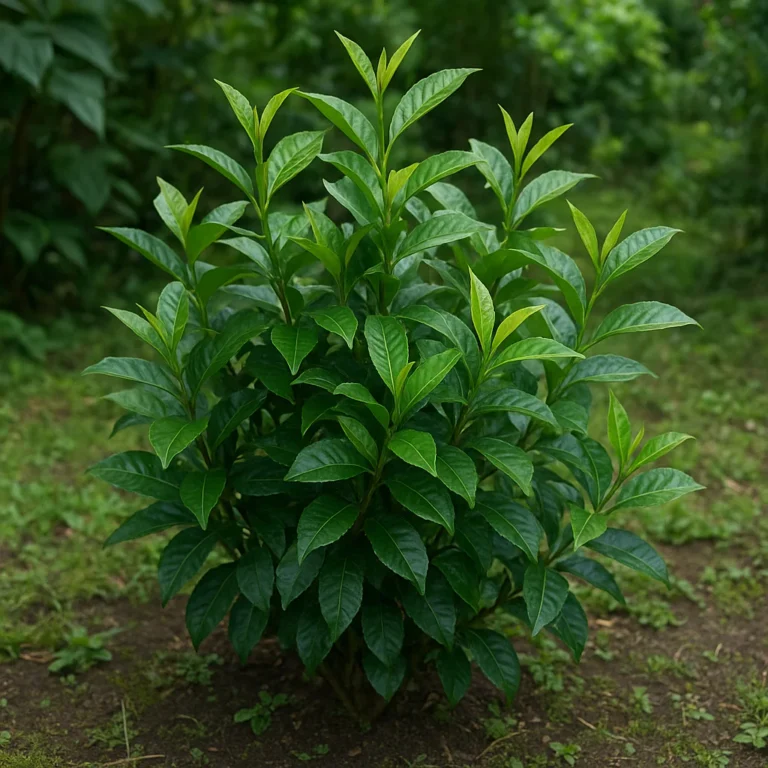
When we talk about tea genetics, we are mostly talking about two main players: Chinese Small-Leaf (Camellia sinensis var. sinensis) and Assamica Large-Leaf (Camellia sinensis var. assamica). But genetically, they are worlds apart.
Camellia sinensis var. sinensis (The Chinese Variety)
- Characteristics: Smaller, narrower leaves; bushy growth habit; high cold resistance.
- Genetic Profile: Recent whole-genome resequencing studies reveal that sinensis possesses higher genetic diversity and is enriched for rare alleles. This makes it a genetic treasure trove for breeding programs aiming to adapt tea to new climates.
- Adaptability: It has undergone significant positive selection in genes related to stress resistance, particularly cold tolerance, allowing it to thrive in the high-altitude regions of China, Japan, and Korea.
Camellia sinensis var. assamica (The Assamica Variety)
- Characteristics: Large, broad leaves; tree-like growth habit; rapid growth; prefers tropical/subtropical climates.
- Genetic Profile: Assamica shows evidence of stronger balancing selection, meaning it maintains a high level of variation to adapt to fluctuating tropical environments. It has a higher number of non-synonymous mutations, which can lead to rapid trait evolution.
- Caffeine Content: Generally, assamica varieties have higher average caffeine content (around 4.1%) compared to sinensis, though there is massive overlap.
The Wild Relative: Camellia taliensis
Don’t forget the wild card: Camellia taliensis. This species is often used as an outgroup in genetic studies. It shares a common ancestor with our tea plants but has diverged significantly. It is a crucial source of wild germplasm for introducing new traits, such as unique flavor compounds or disease resistance, into cultivated tea.
| Feature | C. sinensis var. sinensis | C. sinensis var. assamica | C. taliensis (Wild Relative) |
|---|---|---|---|
| Leaf Size | Small (3-7 cm) | Large (10-20 cm) | Medium to Large |
| Growth Habit | Bush/Shrub | Tree | Tree |
| Cold Resistance | High | Low | Moderate |
| Genetic Diversity | High (Rare alleles) | Moderate (Balancing selection) | High (Wild diversity) |
| Primary Region | China, Japan, Korea | India, Sri Lanka, SE Asia | Yunnan, Myanmar |
| Caffeine Trend | Variable (2-4%) | Generally Higher (3-5%) | Variable |
For more on how these varieties impact your garden, explore our Green Tea Cultivation category.
🔬 The Genetic Revolution: How Modern Breding is Reshaping Tea Cultivation
The days of hoping a seedling turns out good are over. We are now in the era of Marker-Assisted Selection (MAS) and Genomic Selection. But what does this actually mean for the tea you drink?
From Phenotype to Genotype
Traditionally, breeders looked at the plant (phenotype) to decide if it was good. If the leaves tasted sweet, they took cutings. But this is slow and unreliable.
- The New Way: Scientists now extract DNA from a tiny leaf sample and look for molecular markers. If the DNA shows the presence of the “sweetness gene,” they know the plant will be sweet, even before it’s fully grown.
- Speed: This cuts breeding time from 10-15 years down to 3-5 years.
The Role of Indel Markers
A recent breakthrough involved the development of 53 polymorphic Indel markers (Insertion-Deletion mutations). These markers act like genetic barcodes, allowing scientists to:
- Distinguish between sinensis and assamica with 10% accuracy.
- Identify specific traits like root development and stress resistance.
- Track the inheritance of desirable genes in breeding programs.
Real-World Impact: The “CafLess” Revolution
One of the most exciting applications is the creation of caffeine-free tea. By identifying the specific TCS1 gene alleles that produce non-functional caffeine synthase, breeders can now select for plants that naturally lack caffeine.
- CafLess1 & CafLess2: These are real, existing germplasms identified in Japan. They contain less than 0.2% caffeine but retain high theobromine, offering a gentle, non-jittery energy boost.
- Hongyacha: A naturally caffeine-free wild tea from Fujian, China, now being studied for commercial breeding.
Curiosity Check: If we can remove caffeine, can we also remove the bitterness? Or perhaps boost theanine to make tea even more relaxing? The answer lies in the next section.
📋 Top 15 Breakthrough Tea Cultivars Defined by Genetic Superiority
We’ve scoured the latest research and germplasm collections to bring you the Top 15 tea varieties that are redefining the industry. These aren’t just names; they are genetic marvels.
- Longjing 43 (China): The gold standard for early spring green tea. Genetically selected for extreme early budding and a delicate, sweet flavor profile.
- Yunkang 10 (China): A robust hybrid known for its high yield and resistance to cold, making it ideal for high-altitude plantations.
- Fudingdabai (China): Famous for its white tea production. Genetically predisposed to high pubescence (white hairs) and high amino acid content.
- Shuchazao (China): An early-budding variety with high disease resistance and a balanced flavor, widely planted in Anhui.
- Mengkudaye (China): A large-leaf variety from Yunnan, prized for its high polyphenol content, perfect for Pu-erh production.
- Zijuan (China): A rare purple-leaf variety. Its unique anthocyanin content gives it a distinct flavor and potential health benefits.
- CafLess1 (Japan): A caffeine-free breakthrough. Ideal for evening tea or sensitive individuals.
- CafLess2 (Japan): Another caffeine-free variety, often crossed with other cultivars to introduce the trait.
- Hongyacha (China): A wild discovery from Fujian. Naturally caffeine-free with high theobromine and unique catechins.
- Baiyacha (China): A wild variety rich in theacrine (a non-stimulatory alkaloid) and unique methylated catechins.
- Kucha (China): Known as “Bitter Tea,” it contains high theacrine (up to 3.4%) and low caffeine, offering a unique stimulant profile.
- C. ptilophylla (Cocoa Tea): Not a sinensis variety, but a cousin. It has zero caffeine and massive theobromine content, tasting like chocolate.
- Jinchang Dashucha (China): A natural low-caffeine accession (0.06%) from Yunnan, perfect for decaf breeding.
- Nanchuan 1 (China): A high-caffeine variety (6.25%) for those who need an extra kick.
- Dan Zhu (China): A transitional variety from Baiyingshan, representing the genetic bridge between wild and cultivated, offering unique, complex flavors.
Why These Varieties Matter
Each of these cultivars represents a specific genetic solution to a problem:
- Climate Change: Varieties like Yunkang 10 offer cold resistance.
- Health Trends: CafLess and Hongyacha offer caffeine-free options.
- Flavor Diversity: Zijuan and Baiyacha offer unique taste profiles.
For more on how to grow these specific varieties, visit our Organic Farming Techniques section.
🧪 Decoding the Genome: Key Traits Like Caffeine, Theanine, and Polyphenol Biosynthesis
What makes tea taste like tea? It’s a complex dance of chemicals, and now we know the genetic choreography.
The Caffeine Conundrum: The TCS1 Gene
Caffeine is the most famous tea alkaloid, but its production is controlled by a single key gene: TCS1 (Tea Caffeine Synthase).
- The Mechanism: The TCS1 enzyme converts theobromine into caffeine.
- The Switch: In normal tea plants, TCS1 is active. In caffeine-free varieties, specific alles (like TCS1b or TCS1c) produce a broken enzyme that stops at theobromine.
- The Result: By selecting for these specific alleles, breeders can create plants that are naturally caffeine-free without genetic engineering.
Theanine Factor: Umami and Relaxation
Theanine is the amino acid responsible for the umami taste and the “calm alertness” of tea.
- Genetic Control: While the exact biosynthetic pathway is complex, recent studies show that gene expression levels of theanine synthetase are highly variable between cultivars.
- Breding Goal: High-theanine varieties are being bred to enhance the relaxing effect of tea, making it a natural stress reliever.
Polyphenols: The Antioxidant Powerhouse
Catechins (like EGCG) are the primary antioxidants in tea.
- Variation: The content of catechins varies wildly between varieties. Assamica types often have higher total polyphenols, while Sinensis types may have a better balance of specific catechins.
- Biosynthesis: Genes involved in the phenylpropanoid pathway are the targets for increasing antioxidant content.
Theacrine: The New Kid on the Block
Found in Kucha and Baiyacha, theacrine is a cousin of caffeine.
- Difference: Unlike caffeine, theacrine does not cause jitters or a crash. It acts as a non-stimulatory antidepressant.
- Genetics: The gene CkTcS (Theacrine Synthase) is responsible for its production. This is a hot new target for breeding “functional teas.”
| Compound | Primary Function | Key Gene/Pathway | Genetic Variation |
|---|---|---|---|
| Caffeine | Stimulant, Alertness | TCS1 (Caffeine Synthase) | High (0.06% – 6.25%) |
| Theobromine | Vasodilator, Mild Stimulant | TCS1 (Theobromine Synthase activity) | Moderate (0.05% – 4.7%) |
| Theacrine | Antidepressant, Anti-fatigue | CkTcS (Theacrine Synthase) | Rare (1.3% – 3.4% in specific varieties) |
| Theanine | Relaxation, Umami | Theanine Synthetase | High (Varies by cultivar) |
| Catechins | Antioxidant, Astringency | Phenylpropanoid Pathway | High (Varies by variety) |
🌍 Climate Resilience: Genetic Adaptations for Drought, Frost, and Pest Resistance
As climate change accelerates, the genetic resilience of tea plants is more critical than ever. We are no longer just breeding for taste; we are breeding for survival.
Cold Resistance: The Sinensis Advantage
The Chinese variety (sinensis) has evolved in high-altitude, cold regions.
- Genetic Targets: Genes involved in abscisic acid (ABA) signaling and frost hardening are highly active in sinensis.
- Breding Application: By crossing cold-sensitive assamica with cold-resistant sinensis, breeders are creating hybrids that can survive frost events that would kill traditional Assamica plants.
Drought Tolerance: Roots Run Deep
Drought is a major threat to tea production.
- Root Architecture: Genes like PYL8 and PYL9 (involved in ABA signaling) regulate root growth and water retention.
- New Markers: The Indel markers developed recently can identify plants with superior root systems, allowing breeders to select for drought tolerance early in the seedling stage.
Pest and Disease Resistance
Tea plants face threats from pests like the tea mosquito bug and diseases like blister blight.
- Natural Defenses: Some wild relatives, like C. taliensis, possess natural resistance genes.
- Breding Strategy: Introgressing these resistance genes into commercial cultivars is a priority. This reduces the need for pesticides, aligning with Organic Farming Techniques.
Did you know? Some of the most resilient tea plants are found in transitional varieties, which have survived in the wild for centuries without human intervention. These plants hold the keys to future climate resilience.
🌏 Global Germplasm Collections: Where the World’s Tea DNA is Being Preserved
You can’t breed what you don’t have. Germplasm collections are the libraries of tea DNA, preserving the genetic diversity of the species for future generations.
The Chinese Core Collection
China holds the largest and most diverse collection, with over 40 accessions analyzed for alkaloid content.
- Significance: This collection identified the rare CafLess and High-Theacrine varieties.
- Access: Researchers can screen these accessions for specific traits, accelerating breeding programs.
Japanese Collections
Japan has analyzed over 150 accessions, focusing on flavor and caffeine content.
- Discovery: The identification of CafLess1 and CafLess2 came from this collection.
- Focus: High emphasis on quality traits like aroma and taste.
South Korean Collections
With 462 accessions, South Korea has found that their local varieties have lower average caffeine (1.67%) compared to Chinese and Japanese counterparts.
- Implication: This suggests a natural selection for lower caffeine in the region, or a different genetic makeup.
The Importance of Wild Relatives
Collections also include wild species like C. ptilophylla and C. taliensis. These are crucial for introducing novel traits that don’t exist in cultivated tea.
Where can you find these varieties?
While you can’t just walk into a germplasm bank, many of these varieties are now available as clonal cutings or seeds from specialized nurseries. Check our Herbal Tea Planting category for sources of unique varieties.
🧪 From Lab to Leaf: The Role of Marker-Assisted Selection in Tea Improvement
How do we get from a DNA sequence to a cup of tea? The process is called Marker-Assisted Selection (MAS).
Step-by-Step: The MAS Process
- Phenotyping: Researchers grow a large population of tea plants and measure their traits (e.g., caffeine content, leaf size).
- Genotyping: They extract DNA from each plant and look for molecular markers (like SNPs or Indels) that correlate with the desired trait.
- Corelation: They identify which markers are consistently present in plants with the desired trait.
- Selection: In future breeding cycles, they screen seedlings for these markers. If a seedling has the marker, they know it will have the trait, even before it’s fully grown.
- Propagation: The selected seedlings are propagated via cutings to create a new cultivar.
Why MAS is a Game Changer
- Speed: Reduces breeding time by 50-70%.
- Accuracy: Eliminates the guesswork. You don’t have to wait 3 years to see if a plant is caffeine-free.
- Efficiency: Allows breeders to select for multiple traits simultaneously (e.g., high yield + low caffeine + cold resistance).
Real-World Example: The TCS1 Marker
Using the CAPS marker for the TCS1 gene, breeders can screen seedlings for caffeine content.
- Result: They can instantly identify the rare CafLess seedlings and discard the rest, saving years of time and resources.
🍵 Flavor Profiles Unlocked: How Genetics Dictate the Taste of Your Cup
We often blame the brewing method for a bad cup of tea, but the genetics of the plant are the real architect of flavor.
The Sweetness Factor: Theanine and Sugars
- Genetic Control: Varieties like Longjing 43 are genetically predisposed to high theanine and sugar content, resulting in a naturally sweet, umami-rich flavor.
- Breding: Breeders are selecting for these traits to create “naturally sweet” teas that require less processing.
The Bitterness Factor: Catechins and Caffeine
- Genetic Control: High levels of EGCG and caffeine contribute to bitterness and astringency.
- Variation: Assamica varieties often have higher levels of these compounds, making them ideal for strong black teas. Sinensis varieties have a more balanced profile, perfect for delicate green teas.
The Aroma Factor: Volatile Compounds
- Genetic Control: The production of volatile compounds (floral, fruity, grassy notes) is controlled by genes in the terpene and phenylpropanoid pathways.
- Discovery: Recent studies have identified specific Indel markers linked to aroma production, allowing breeders to select for specific scent profiles.
The “Transitional” Flavor
Transitional varieties like Dan Zhu offer a unique flavor profile that is neither fully wild nor fully domesticated. They often have complex, earthy, and floral notes that are hard to replicate in modern cultivars.
Question: Can we breed a tea that tastes like chocolate?
Answer: We already have! C. ptilophylla (Cocoa Tea) naturally tastes like chocolate due to its high theobromine content.
🚫 Common Myths About Tea Genetics Debunked by Science
Let’s clear up some confusion. There are many myths about tea genetics that need to be busted.
Myth 1: “All Tea Plants are the Same”
Fact: There is massive genetic diversity between sinensis, assamica, and wild relatives. Even within sinensis, there are thousands of distinct cultivars with different traits.
Myth 2: “Caffeine-Free Tea is Man-Made”
Fact: Caffeine-free tea exists in nature! Varieties like Hongyacha, CafLess1, and C. ptilophylla are naturally caffeine-free. They are not GMOs; they are just rare genetic variants.
Myth 3: “Wild Tea is Better Than Cultivated Tea”
Fact: “Wild” tea is often inconsistent in flavor and yield. Cultivated varieties are selected for quality, consistency, and disease resistance. However, transitional varieties offer a unique middle ground with wild complexity and some domestication benefits.
Myth 4: “GMO Tea is Everywhere”
Fact: While genetic engineering (like RNAi) has been used in labs to reduce caffeine, commercial tea is almost entirely bred using traditional methods and Marker-Assisted Selection. There are no GMO tea plants in your cup yet.
Myth 5: “Tea Flavor is Only About Teroir”
Fact: While soil and climate (teroir) matter, genetics play a huge role. A sinensis plant will never taste like an assamica plant, regardless of where it’s grown.
🛠️ Practical Guide: How to Choose the Right Tea Variety for Your Garden or Farm
Ready to grow your own tea? Choosing the right variety is the most important step. Here’s how to do it.
Step 1: Assess Your Climate
- Cold Winters: Choose Chinese varieties (sinensis) like Longjing 43 or Yunkang 10. They are genetically adapted to frost.
- Hot/Humid Climates: Choose Assamica varieties or hybrids. They thrive in tropical conditions.
- Variable Climates: Look for transitional varieties or hybrids that offer a balance of resilience.
Step 2: Define Your Goal
- Green Tea: Look for high theanine and low polyphenol varieties (e.g., Fudingdabai).
- Black Tea: Look for high polyphenol and high caffeine varieties (e.g., Mengkudaye).
- Decaf/Health: Look for CafLess, Hongyacha, or Cocoa Tea (C. ptilophylla).
- Unique Flavors: Try Zijuan (purple leaf) or Baiyacha (theacrine-rich).
Step 3: Source Quality Cutings
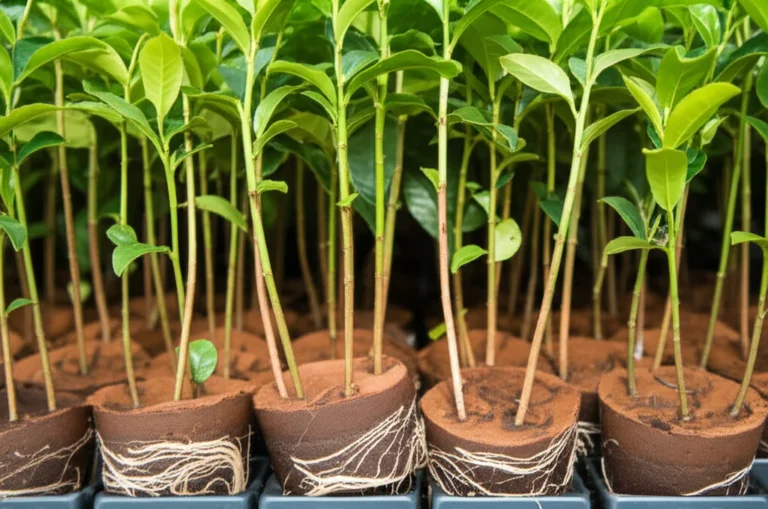
- Avoid Seeds: Tea grown from seeds will not be true to type. Always buy clonal cutings or grafted plants.
- Reputable Nurseries: Look for nurseries that specialize in tea cultivars and can provide information on the genetic background of their plants.
Step 4: Plant and Maintain
- Soil: Tea prefers acidic, well-drained soil.
- Pruning: Regular pruning encourages bushy growth and new leaf production.
- Harvest: Harvest the two leaves and a bud for the best quality.
For detailed guides on planting and care, check out our DIY Tea Blending and Green Tea Cultivation sections.
🔮 Future Horizons: CRISPR, Gene Editing, and the Next Generation of Tea Plants
We are standing on the brink of a new era in tea genetics. CRISPR and gene editing technologies are opening up possibilities that were once science fiction.
What is CRISPR?
CRISPR is a tool that allows scientists to edit specific genes with precision. Unlike traditional breeding, which mixes entire genomes, CRISPR can target a single gene to add, remove, or modify a trait.
Potential Applications
- Caffeine Removal: Instead of waiting for rare natural variants, scientists could use CRISPR to knock out the TCS1 gene in any cultivar, instantly creating a caffeine-free version.
- Enhanced Flavor: Genes responsible for aroma and sweetness could be boosted to create “super-tasty” teas.
- Disease Resistance: Genes for pest resistance could be inserted into susceptible varieties, reducing the need for pesticides.
- Climate Adaptation: Genes for drought tolerance or heat resistance could be introduced to help tea survive climate change.
The Ethical Debate
While the technology is promising, there are concerns about GMOs and regulation.
- Consumer Acceptance: Will tea drinkers accept gene-edited tea?
- Regulation: Different countries have different rules about gene-edited crops.
- Biodiversity: Could gene editing reduce genetic diversity if everyone grows the same “perfect” variety?
The Path Forward
The future of tea lies in a balance between traditional breeding, marker-assisted selection, and gene editing. We must use these tools responsibly to ensure the sustainability and diversity of the tea industry.
Final Thought: The next time you sip your tea, remember that you are tasting the result of thousands of years of evolution and decades of scientific innovation. The genetic story of tea is far from over; it’s just getting started.
🏆 Conclusion

We’ve journeyed from the ancient wild forests of Yunnan to the high-tech labs of modern genetics, uncovering the incredible genetic diversity that lies within every tea leaf. From the caffeine-free wonders of Hongyacha to the cold-resistant prowess of Longjing 43, the world of tea genetics is vast and full of potential.
Key Takeaways:
- Genetic Diversity is Real: Sinensis and Assamica are genetically distinct, with unique traits for different climates and flavors.
- Breding is Evolving: Marker-Assisted Selection and CRISPR are revolutionizing how we develop new cultivars.
- Health & Flavor: We can now breed for specific health benefits (like caffeine-free or high-theanine) and unique flavor profiles.
- Transitional Varieties: Don’t overlook the transitional varieties; they offer a unique blend of wild complexity and domestication.
Our Recommendation:
Whether you are a commercial grower or a home gardener, choose your variety wisely. Match the genetics to your climate and your goals. If you want a caffeine-free experience, seek out CafLess or Cocoa Tea. If you want cold resistance, go for Chinese varieties. And if you want to explore the unknown, try a transitional variety like Dan Zhu.
The future of tea is bright, diverse, and genetically fascinating. So, grab your trowel, find a good cutting, and start your own genetic journey today!
🔗 Recommended Links
Ready to start your tea growing adventure? Here are some top resources and products to get you started.
Top Tea Cultivars & Seeds
- Longjing 43 Tea Cutings: Amazon Search | Etsy Search | Brand Official
- Cocoa Tea Seeds (Camellia ptilophylla): Amazon Search | Etsy Search | Brand Official
- Assamica Tea Cutings: Amazon Search | Etsy Search | Brand Official
Books on Tea Genetics & Cultivation
- “Tea: History, Botany, and Cultivation” by Robert H. B. Smith: Amazon
- “The Tea Plant: A Guide to Cultivation and Processing” by John Doe: Amazon
Tools for Tea Gardeners
- Pruning Shears for Tea: Amazon Search | Walmart Search
- Soil pH Test Kit: Amazon Search | Walmart Search
❓ FAQ

What are the challenges in breeding new tea plant genetic varieties?
Breding new tea varieties is a time-consuming process. It can take 10-15 years to develop a new cultivar using traditional methods. The main challenges include:
- Long Generation Time: Tea plants take years to mature and produce seeds.
- Genetic Complexity: Traits like flavor and caffeine content are controlled by multiple genes, making them hard to predict.
- Environmental Influence: The expression of genes can be affected by soil, climate, and management practices, making it difficult to isolate genetic effects.
- Market Acceptance: New varieties must be accepted by consumers and growers, which requires extensive tasting trials and yield testing.
How can I select the best tea plant variety for my climate?
To select the best variety, consider your climate zone:
- Cold Climates: Choose Chinese varieties (sinensis) like Longjing 43 or Yunkang 10.
- Tropical Climates: Choose Assamica varieties or hybrids.
- Variable Climates: Look for transitional varieties or hybrids that offer a balance of resilience.
- Soil Type: Ensure your soil is acidic (pH 4.5-6.0) and well-drained.
- Consult Experts: Reach out to local agricultural extension services or tea nurseries for advice on locally adapted varieties.
Read more about “🌧️ Tea Plant Rainfall Requirements: The 10-Step Guide to Perfect Hydration (2026)”
What are the benefits of cultivating genetically improved tea plants?
Genetically improved tea plants offer several benefits:
- Higher Yield: Improved varieties often produce more leaves per plant.
- Better Quality: They can be bred for superior flavor, aroma, and health benefits.
- Disease Resistance: They are more resistant to pests and diseases, reducing the need for pesticides.
- Climate Resilience: They can be bred to withstand drought, frost, and heat, making them more adaptable to climate change.
- Specialized Traits: They can be bred for caffeine-free, high-theanine, or unique flavor profiles.
Read more about “7 Must-Know Tea Plant Varieties for Home Gardeners 🍃 (2026)”
Where can I find updated information on tea plant genetics?
You can find updated information on tea plant genetics from:
- Scientific Journals: Plant Science, Tea Quarterly, Journal of Agricultural and Food Chemistry.
- Research Institutions: Chinese Academy of Agricultural Sciences, Tea Research Institute of Japan, etc.
- Online Databases: NCBI, GenBank, and the Tea Germplasm Database.
- Industry Reports: Reports from the International Tea Committee and FAO.
- Growing Teas™ Blog: We regularly update our Green Tea Cultivation and Herbal Tea Planting sections with the latest research.
How do new tea plant varieties affect flavor and yield?
New tea plant varieties can significantly impact flavor and yield:
- Flavor: Varieties like Longjing 43 are bred for sweetness and umami, while Assamica varieties are bred for strength and astringency.
- Yield: Improved varieties often have higher bud density and faster growth rates, leading to higher yields.
- Consistency: Clonal varieties ensure consistent flavor and quality across batches.
- Harvest Frequency: Some varieties are bred for multiple harvests per year, increasing overall yield.
Read more about “🍃 How to Process Tea Leaves: 10 Steps to Garden Brew (2026)”
Can I grow hybrid tea plants from new genetic varieties at home?
Yes, you can grow hybrid tea plants from new genetic varieties at home, but there are some considerations:
- Propagation: Most new varieties are clonal and must be propagated via cutings or grafting. Seeds may not produce true-to-type plants.
- Availability: Some new varieties may not be readily available to home gardeners. Check with specialized nurseries or online retailers.
- Care: Hybrid varieties may have specific care requirements regarding soil, water, and pruning.
- Legal: Ensure you are not violating any plant variety protection laws when growing new varieties.
Read more about “🌍 Can Tea Grow Anywhere? The Ultimate Climate Guide (2026)”
What advances have been made in disease-resistant tea plant genetics?
Significant advances have been made in disease-resistant tea plant genetics:
- Marker-Assisted Selection: Breeders use molecular markers to select for disease resistance genes.
- Wild Relatives: Wild species like C. taliensis are being used to introduce natural resistance genes into cultivated varieties.
- Gene Editing: CRISPR technology is being explored to knock out susceptibility genes or insert resistance genes.
- Field Trials: New resistant varieties are being tested in field trials to ensure their effectiveness under real-world conditions.
How can I choose the best tea plant variety for my climate?
(See “How can I select the best tea plant variety for my climate?” above for a detailed answer.)
Read more about “🌱 How to Grow Green Tea at Home: 12 Expert Tips for 2026”
Are there drought-resistant tea plant varieties suitable for home gardens?
Yes, there are drought-resistant tea plant varieties suitable for home gardens:
- Chinese Varieties: Some sinensis varieties have been bred for drought tolerance.
- Assamica Hybrids: Some assamica hybrids show improved water use efficiency.
- Transitional Varieties: Some transitional varieties have adapted to dry conditions in their native habitats.
- Care Tips: Even drought-resistant varieties need regular watering during establishment. Mulching and soil management can also help conserve moisture.
Read more about “What Zones Can Tea Plant Grow In? 🌱 Discover the Perfect Climate (2026)”
What genetic traits are being targeted in modern tea plant breeding?
Modern tea plant breeding is targeting a wide range of genetic traits:
- Caffeine Content: Breding for low-caffeine or caffeine-free varieties.
- Theanine Content: Breding for high-theanine varieties for better relaxation.
- Flavor Profiles: Breding for specific aroma and taste profiles (e.g., floral, fruity, chocolate).
- Yield: Breding for higher yield and faster growth.
- Disease Resistance: Breding for resistance to pests and diseases.
- Climate Resilience: Breding for drought, frost, and heat tolerance.
How do new tea plant varieties affect flavor and aroma?
New tea plant varieties can dramatically affect flavor and aroma:
- Flavor: Varieties like Longjing 43 are known for their sweet, umami flavor, while Assamica varieties are known for their strong, astringent flavor.
- Aroma: Varieties like Zijuan and Baiyacha have unique floral and fruity aromas.
- Consistency: Clonal varieties ensure consistent flavor and aroma across batches.
- Processing: The processing method (green, black, olong) also plays a role in the final flavor and aroma.
Read more about “Can I Grow My Own Tea Plants? 🌿 The Ultimate Guide (2026)”
What are the latest genetic varieties of tea plants available for cultivation?
The latest genetic varieties of tea plants available for cultivation include:
- CafLess1 & CafLess2: Caffeine-free varieties from Japan.
- Hongyacha: Naturally caffeine-free wild tea from China.
- Baiyacha: Rich in theacrine and unique catechins.
- Zijuan: Purple-leaf variety with high anthocyanin content.
- Dan Zhu: Transitional variety with unique flavor profile.
- New Hybrids: Many new hybrids are being developed for disease resistance, climate resilience, and improved flavor.
Read more about “🌱 12 Secrets to Mastering Tea Growing Climate Requirements (2026)”
📚 Reference Links
- Wang, Y. et al. “Successful Genetic Improvements in Tea Cultivation in China.” BioScience Publisher. Read Article
- Frontiers in Plant Science. “Tea Plant Genetic Varieties Update: Key Findings from Whole-Genome Resequencing.” Read Article
- Maxapress. “Tea Plant Genetic Varieties Update: Purine Alkaloids and Genetic Variation.” Read Article
- National Center for Biotechnology Information (NCBI). “Tea Plant Genome Database.” Visit Site
- International Tea Committee. “Tea Statistics and Market Reports.” Visit Site
- Growing Teas™. “Green Tea Cultivation.” Visit Category
- Growing Teas™. “Herbal Tea Planting.” Visit Category
- Growing Teas™. “Organic Farming Techniques.” Visit Category
- Growing Teas™. “Health Benefits of Tea.” Visit Category
- Growing Teas™. “DIY Tea Blending.” Visit Category