Support our educational content for free when you purchase through links on our site. Learn more
Growing Tea in a Community Garden: Your Ultimate 12-Step Guide 🍃 (2026)

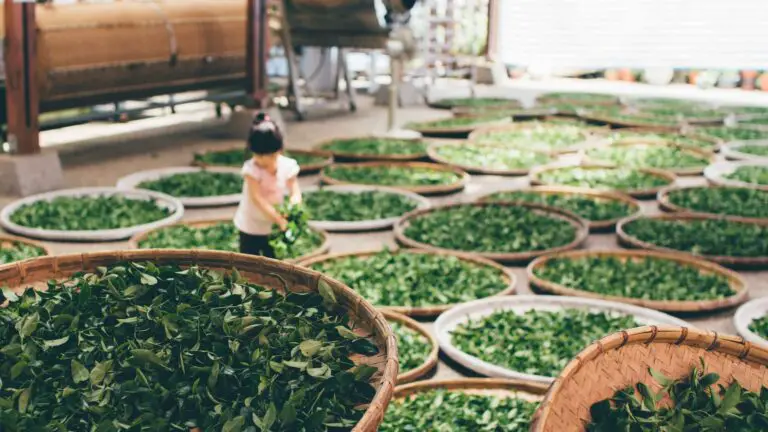
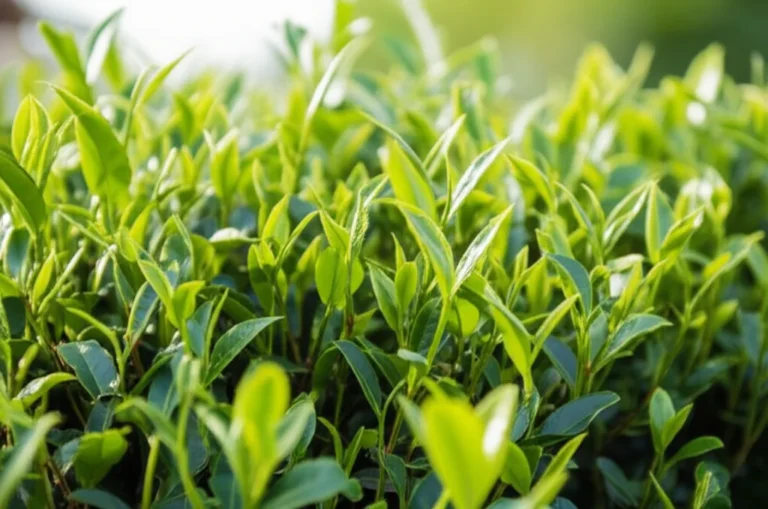
Imagine plucking fresh tea leaves from a lush bush right in your neighborhood garden, then brewing a cup that tastes like sunshine and community spirit. Sounds like a dream? At Growing Teas™, we’ve turned that dream into reality—and we’re here to show you how to do the same! Whether you’re a seasoned gardener or a curious newbie, growing tea in a community garden is a rewarding journey that blends history, horticulture, and heartfelt connection.
Did you know that tea plants can take up to five years to mature, but once established, they can produce leaves for decades? Plus, growing tea alongside herbs like mint and chamomile not only diversifies your harvest but also creates a vibrant ecosystem that supports pollinators and deters pests naturally. Stick around as we walk you through everything—from soil prep and planting to harvesting and brewing your very own community-grown tea. Spoiler alert: we’ll also share inspiring success stories and tips for building a thriving tea-growing community!
Key Takeaways
- Tea plants thrive in acidic, well-drained soil with partial to full sun, making soil prep and site selection crucial.
- Patience pays off: expect 3-5 years before your tea bushes mature enough for harvest.
- Companion planting with herbs like mint and lavender boosts garden health and flavor variety.
- Community engagement through workshops and garden talks enhances knowledge sharing and social bonds.
- Organic care and regular pruning keep tea plants healthy and productive.
- Processing your own tea leaves at home transforms gardening efforts into delicious, personalized brews.
Ready to cultivate your own tea oasis? Let’s get growing!
Table of Contents
- ⚡️ Quick Tips and Facts About Growing Tea in a Community Garden
- 🌱 The Roots of Tea Cultivation: A Brief History and Background
- 🌿 Understanding Tea Plants: Varieties and Growing Conditions
- 🛠️ Preparing Your Community Garden for Tea Planting: Soil, Space, and Sunlight
- 1️⃣ Step-by-Step Guide to Planting Tea in a Community Garden
- 2️⃣ Essential Tea Plant Care: Watering, Pruning, and Pest Management
- 3️⃣ Harvesting Tea Leaves: When and How to Pick for the Best Flavor
- 4️⃣ Processing Your Homegrown Tea: From Leaf to Cup
- 🌍 Community Engagement: Educational Programs and Workshops on Tea Growing
- 💬 Garden Talk Series: Sharing Tips, Stories, and Tea Growing Experiences
- 🌿 Companion Planting and Biodiversity: Enhancing Your Tea Garden’s Health
- 🌦️ Climate Challenges and Solutions: Growing Tea in Different Regions
- 🛒 Sourcing Tea Seeds and Seedlings: Trusted Suppliers and Brands
- 🍵 Brewing Your Community Garden Tea: Tips for the Perfect Cup
- 🔧 Troubleshooting Common Problems in Community Tea Gardens
- 📈 Benefits of Growing Tea in a Community Garden: Health, Social, and Environmental
- 🌟 Inspiring Success Stories from Community Tea Gardeners
- 🧰 Tools and Resources Every Community Tea Gardener Should Have
- 🧑 🤝 🧑 Building a Tea Growing Community: Collaboration and Support Networks
- 🎯 Conclusion: Your Journey to Thriving Tea Plants in Community Gardens
- 🔗 Recommended Links for Tea Growing Enthusiasts
- ❓ Frequently Asked Questions About Growing Tea in Community Gardens
- 📚 Reference Links and Further Reading
⚡️ Quick Tips and Facts About Growing Tea in a Community Garden
Welcome to the wonderful world of cultivating tea right in your community garden! Whether you’re dreaming of sipping your own fresh brew or fostering a green oasis with neighbors, growing tea is a rewarding adventure. At Growing Teas™, we’ve nurtured countless tea plants and learned some golden nuggets to share with you.
Quick Tea Growing Facts
- Tea plants (Camellia sinensis) thrive best in USDA zones 7-9 but can be grown in containers elsewhere.
- Tea bushes prefer acidic, well-draining soil with a pH between 5.0 and 6.5.
- They need partial shade to full sun, depending on your climate.
- Water consistently but avoid waterlogging.
- Tea plants take 3-5 years to mature before you can harvest leaves.
- You can grow herbal teas (like chamomile, mint, lemon balm) alongside true tea for variety and easy harvests.
- Growing tea in a community garden fosters social bonds, sustainability, and local food sovereignty.
Pro Tips from Growing Teas™
✅ Start with healthy seedlings or cuttings from reputable suppliers (see our Sourcing Tea Seeds and Seedlings section).
✅ Use organic compost and mulch to enrich soil and retain moisture.
✅ Prune regularly to encourage bushy growth and better leaf quality.
✅ Join or start tea-focused workshops in your community garden to share knowledge and enthusiasm.
For a deeper dive into what tea you can grow at home, check out our detailed guide here: What tea can you grow at home?.
🌱 The Roots of Tea Cultivation: A Brief History and Background

Tea’s story is a long, winding journey from wild shrubs in ancient China to the global beverage powerhouse it is today. But how did this humble leaf become a community garden favorite?
Origins of Tea
- Camellia sinensis was first cultivated over 5,000 years ago in China, with legends crediting Emperor Shen Nong for discovering its energizing effects.
- Tea spread through Asia and eventually Europe, becoming a cultural staple and economic commodity.
- The British popularized tea gardens in the 18th century, planting tea in India and Sri Lanka to meet demand.
Tea Meets Community Gardens
Community gardens are modern-day “tea gardens” in a social sense: places where people come together to grow, learn, and share. Growing tea in these spaces taps into centuries of tradition while promoting sustainability and local empowerment.
Why Grow Tea in a Community Garden?
- Accessibility: Not everyone has space or climate for tea at home; community gardens offer shared resources.
- Education: Workshops and garden talks (like those at ACUA Environmental Park) teach tea cultivation basics.
- Health & Wellness: Freshly harvested tea leaves and herbs support wellness and reduce reliance on store-bought products.
For more on tea’s cultural journey and its role in community gardening, explore Bigelow Tea’s community garden initiative.
🌿 Understanding Tea Plants: Varieties and Growing Conditions
Before planting, let’s get to know your leafy friends better. Not all tea plants are created equal, and understanding varieties and their needs is key to success.
Tea Plant Varieties
| Variety Name | Flavor Profile | Climate Preference | Growth Habit | Best For Community Gardens? |
|---|---|---|---|---|
| Camellia sinensis var. sinensis | Delicate, floral, classic green/white teas | Cooler, higher altitudes | Upright, bushy | ✅ Yes, adaptable |
| Camellia sinensis var. assamica | Robust, malty black teas | Warm, humid lowlands | Larger leaves, vigorous | ✅ Yes, if climate permits |
| Camellia sinensis var. cambodiensis | Wild type, ornamental | Tropical | Shrubby, less leaf production | ❌ Less common for tea production |
Growing Conditions
- Soil: Acidic (pH 5.0-6.5), rich in organic matter, well-drained.
- Light: Partial shade in hot climates; full sun in cooler zones.
- Water: Consistent moisture, avoid soggy soil.
- Temperature: Ideal range 60-85°F (15-29°C). Frost-sensitive!
- Spacing: 3-5 feet between plants to allow airflow and growth.
Herbal Tea Plants to Complement Your Tea Bushes
- Mint (Mentha spp.)
- Chamomile (Matricaria chamomilla)
- Lemon balm (Melissa officinalis)
- Lavender (Lavandula angustifolia)
These herbs are easier to grow and harvest, perfect for beginners and great for community garden diversity. Learn more about herbal tea planting at Growing Teas™ Herbal Tea Planting.
🛠️ Preparing Your Community Garden for Tea Planting: Soil, Space, and Sunlight
Ready to get your hands dirty? Preparation is everything! Here’s how to set your community garden up for tea-growing success.
Soil Preparation
- Test your soil pH with a kit or local extension service; adjust with sulfur to lower pH if needed.
- Amend soil with compost or well-rotted manure to boost nutrients and organic matter.
- Ensure drainage by creating raised beds or adding sand if soil is heavy clay.
Space Planning
- Allocate 3-5 feet per tea plant to allow mature growth and airflow.
- Consider companion planting with herbs to maximize space and pest control (see Companion Planting and Biodiversity).
- Plan for paths and access so community members can tend plants easily.
Sunlight Considerations
- Tea plants love morning sun and afternoon shade in hot climates.
- Use shade cloth or plant taller companion plants as natural sun filters.
- Observe your garden’s sunlight patterns for at least a week before planting.
Personal Anecdote from Growing Teas™
When we first started growing tea in our community plot, we underestimated the importance of soil acidity. Our first batch struggled until we amended the soil with elemental sulfur and pine needle mulch, after which the plants thrived beautifully. Lesson learned: soil prep is non-negotiable!
1️⃣ Step-by-Step Guide to Planting Tea in a Community Garden
Planting tea is a labor of love, but with our stepwise approach, you’ll be brewing your own leaves sooner than you think.
Step 1: Choose Your Plant Material
- Opt for healthy seedlings or cuttings from trusted nurseries like Four Seasons Tea or Mountain Valley Growers.
- Avoid wild-harvested plants to reduce disease risk.
Step 2: Timing Your Planting
- Best planted in spring after last frost or early fall in mild climates.
- Avoid extreme heat or drought periods.
Step 3: Digging and Planting
- Dig holes twice the size of the root ball, spaced 3-5 feet apart.
- Mix native soil with compost for filling.
- Place the plant at the same depth as in its pot, firm soil gently around roots.
- Water thoroughly after planting.
Step 4: Mulching and Initial Care
- Apply 2-3 inches of organic mulch (pine needles, bark) to retain moisture and suppress weeds.
- Keep soil moist but not soggy for the first few weeks.
Step 5: Label and Map Your Plants
- In a community garden, labeling helps everyone identify the tea plants and care instructions.
- Create a simple map for volunteers and gardeners.
2️⃣ Essential Tea Plant Care: Watering, Pruning, and Pest Management
Growing tea is a marathon, not a sprint. Consistent care ensures your plants stay healthy and productive.
Watering
- Tea plants prefer even moisture; water deeply once or twice a week depending on rainfall.
- Avoid waterlogging, which invites root rot.
- Use drip irrigation or soaker hoses for efficiency.
Pruning
- Prune annually in late winter or early spring before new growth.
- Remove dead or weak branches and shape bushes to encourage dense leaf growth.
- Regular pruning improves air circulation and sunlight penetration.
Pest and Disease Management
- Common pests: aphids, spider mites, tea scale.
- Use organic controls like neem oil, insecticidal soaps, or introduce beneficial insects (ladybugs).
- Practice crop rotation and companion planting to reduce pest buildup.
- Monitor plants weekly for early signs of trouble.
Pro Tip: Community Pest Patrol
Organize “pest patrol” days where gardeners inspect tea plants together, share tips, and apply treatments. This builds engagement and keeps problems manageable.
3️⃣ Harvesting Tea Leaves: When and How to Pick for the Best Flavor
Harvesting is the moment of truth! The quality of your tea depends heavily on when and how you pick those precious leaves.
When to Harvest
- Tea leaves are typically harvested 3-5 years after planting when bushes mature.
- The best leaves are the top two leaves and a bud on each shoot.
- Harvest in spring and early summer for the freshest, most flavorful leaves.
How to Harvest
- Use sharp scissors or pruning shears to snip leaves gently.
- Avoid damaging the plant’s main stems.
- Harvest in the morning after dew has dried but before midday heat.
Harvesting Frequency
- You can harvest every 7-14 days during the growing season.
- Stop harvesting in late summer to allow plants to rest.
Anecdote from Our Garden
We once rushed a harvest during a heatwave and ended up with bitter, tough leaves. Since then, we swear by cool morning harvests and careful leaf selection for the best cup.
4️⃣ Processing Your Homegrown Tea: From Leaf to Cup
Harvesting is just the start. Processing transforms fresh leaves into the tea you’ll savor.
Basic Processing Steps
| Tea Type | Withering | Rolling | Oxidation | Drying | Notes |
|---|---|---|---|---|---|
| Green Tea | Short | Yes | Minimal | Yes | Preserves green color |
| Black Tea | Longer | Yes | Full | Yes | Leaves darken, robust taste |
| Oolong Tea | Medium | Yes | Partial | Yes | Floral and fruity flavors |
Step-by-Step Green Tea Processing (Simplest for Beginners)
- Wither: Spread freshly picked leaves on a tray for 2-3 hours to reduce moisture.
- Roll: Gently roll leaves by hand or in a rolling machine to bruise them and release juices.
- Heat: Quickly pan-fry or steam leaves to stop oxidation.
- Dry: Spread leaves thinly on a baking sheet and dry in a low oven (~200°F) for 15-20 minutes.
Tools You Might Need
- Bamboo trays or mesh screens
- Rolling mats or a small rolling machine
- Baking sheets and an oven or dehydrator
Want to dive deeper? Check out our DIY Tea Blending section for creative recipes and techniques.
🌍 Community Engagement: Educational Programs and Workshops on Tea Growing
Growing tea in a community garden isn’t just about plants—it’s about people. Educational programs bring everyone together to learn, share, and grow.
Examples of Successful Programs
- ACUA Environmental Park’s Garden Talks (source) offers monthly workshops including “Plants for Teas,” covering growing, harvesting, and brewing herbal teas.
- Grow Pittsburgh hosts workshops on planning herbal tea gardens, emphasizing health and community empowerment (source).
- Local extension services often provide free or low-cost classes on tea cultivation basics.
Benefits of Educational Programs
- Builds gardening skills and confidence.
- Encourages sustainable, organic practices.
- Fosters social connections and community pride.
- Inspires new gardeners to try tea cultivation.
How to Start Your Own Workshop
- Partner with local experts or master gardeners.
- Use community garden spaces for hands-on demos.
- Include tea tastings and processing demonstrations.
- Advertise through social media, community boards, and newsletters.
💬 Garden Talk Series: Sharing Tips, Stories, and Tea Growing Experiences
Nothing beats swapping stories and tips over a cup of fresh-brewed tea! Garden talk series in community gardens create a vibrant space for knowledge exchange.
What Happens in a Garden Talk?
- Presentations on tea growing topics (soil prep, pruning, pest control).
- Q&A sessions where experienced growers share insights.
- Show-and-tell of tea processing tools and harvests.
- Social time with tea tastings and recipe sharing.
Why Join or Organize a Garden Talk?
- Learn from seasoned tea growers and novices alike.
- Troubleshoot common problems with community support.
- Celebrate successes and inspire new projects.
- Build lasting friendships around a shared passion.
Pro Tip from Growing Teas™
We host quarterly garden talks in our community plot and have found that rotating topics—from “Harvesting Techniques” to “Organic Pest Control”—keeps everyone engaged and eager to learn more.
🌿 Companion Planting and Biodiversity: Enhancing Your Tea Garden’s Health
Tea plants love good company! Companion planting boosts garden health and productivity by mimicking natural ecosystems.
Best Companion Plants for Tea
| Companion Plant | Benefits | Notes |
|---|---|---|
| Mint | Repels pests, attracts pollinators | Can be invasive—contain roots |
| Lavender | Deters pests, fragrant | Prefers similar soil acidity |
| Marigold | Pest repellent | Adds color and biodiversity |
| Comfrey | Accumulates nutrients, mulch source | Great for composting |
Biodiversity Benefits
- Reduces pest outbreaks naturally.
- Improves soil structure and fertility.
- Enhances pollinator presence, boosting overall garden health.
How to Implement Companion Planting
- Plant herbs and flowers around tea bushes in clusters.
- Rotate companion plants yearly to maintain soil balance.
- Use organic mulches and avoid synthetic chemicals.
Explore more about organic growing methods in our Organic Farming Techniques section.
🌦️ Climate Challenges and Solutions: Growing Tea in Different Regions
Tea is a tropical plant with some temperate tolerance, but community gardeners face climate hurdles. Let’s tackle them head-on.
Common Climate Challenges
- Cold winters and frost can kill tea plants.
- Hot, dry summers stress plants and reduce leaf quality.
- High humidity can promote fungal diseases.
Solutions and Adaptations
- Container growing: Move plants indoors or to sheltered spots during frost.
- Shade cloths: Protect from intense sun and heat.
- Windbreaks: Use fences or shrubs to reduce wind damage.
- Microclimates: Plant tea near warm walls or in protected garden corners.
Regional Tips
- In northern zones, grow tea as a houseplant or greenhouse specimen.
- In warmer zones, plant directly in the ground with proper mulch and irrigation.
- Use cold-hardy tea cultivars if available, or focus on herbal teas for colder climates.
🛒 Sourcing Tea Seeds and Seedlings: Trusted Suppliers and Brands
Your tea garden’s success starts with quality plant material. Here’s where to find reliable seeds and seedlings.
Recommended Suppliers
| Supplier Name | Product Type | Shipping Regions | Specialty | Website |
|---|---|---|---|---|
| Four Seasons Tea | Seedlings, cuttings | USA | Organic, heirloom varieties | https://www.fourseasonstea.com/ |
| Mountain Valley Growers | Seeds, seedlings | USA | Rare tea cultivars, organic | https://mountainvalleygrowers.com/ |
| Eden Brothers | Seeds | USA, Canada | Wide seed selection, including tea | https://www.edenbrothers.com/ |
What to Look For
- Disease-free, vigorous plants.
- Varieties suited to your climate zone.
- Organic or sustainably grown stock preferred.
Buying Tips
- Order early in the season to ensure availability.
- Read user reviews on Amazon or gardening forums.
- Ask suppliers about germination rates and care instructions.
👉 CHECK PRICE on:
🍵 Brewing Your Community Garden Tea: Tips for the Perfect Cup
After all that hard work, brewing your own tea is the ultimate reward. Here’s how to get the most flavor from your homegrown leaves.
Brewing Basics
- Use freshly picked or properly stored dried leaves.
- Water temperature varies by tea type:
- Green tea: 160-180°F (70-80°C)
- Black tea: 200-212°F (93-100°C)
- Steep time: 2-3 minutes for green, 3-5 minutes for black.
Brewing Tips
- Use filtered water for best taste.
- Rinse leaves quickly before brewing to remove dust.
- Experiment with leaf quantity and steep time to suit your palate.
Fun Brewing Variations
- Blend your tea leaves with herbs like mint or lemon balm for unique flavors.
- Try cold brewing for a refreshing summer drink.
For creative recipes and blending ideas, visit our DIY Tea Blending category.
🔧 Troubleshooting Common Problems in Community Tea Gardens
Every gardener hits bumps on the road. Here’s how to tackle common tea-growing issues.
| Problem | Symptoms | Possible Causes | Solutions |
|---|---|---|---|
| Yellowing leaves | Pale, yellow leaves | Nutrient deficiency, overwatering | Test soil, adjust watering, add compost |
| Leaf spots | Brown or black spots | Fungal infection | Remove affected leaves, apply organic fungicides |
| Pest infestation | Holes, sticky residue | Aphids, mites | Introduce ladybugs, neem oil spray |
| Poor growth | Stunted, sparse foliage | Poor soil, insufficient light | Amend soil, relocate plants if possible |
When to Seek Expert Help
If problems persist despite your best efforts, consult local extension services or experienced tea growers in your community.
📈 Benefits of Growing Tea in a Community Garden: Health, Social, and Environmental
Why go through all this effort? Because growing tea in a community garden offers a bouquet of benefits.
Health Benefits
- Access to fresh, chemical-free tea leaves rich in antioxidants.
- Opportunity to grow herbal teas with medicinal properties.
- Encourages physical activity and mental well-being through gardening.
Social Benefits
- Builds community ties and shared purpose.
- Provides educational opportunities for all ages.
- Creates a sense of pride and ownership in local food production.
Environmental Benefits
- Promotes organic and sustainable agriculture practices.
- Enhances biodiversity and pollinator habitats.
- Reduces carbon footprint by cutting down on store-bought tea packaging and transport.
🌟 Inspiring Success Stories from Community Tea Gardeners
Nothing inspires like real stories from fellow tea growers!
Story 1: The Neighborhood Tea Revival
In a small town in Oregon, a community garden group transformed a neglected plot into a thriving tea garden. They started with just five tea bushes and now harvest enough leaves to host monthly tea tastings, strengthening neighborhood bonds and inspiring local schools to start their own tea projects.
Story 2: Urban Tea Oasis in Pittsburgh
Grow Pittsburgh’s herbal tea garden workshops (source) helped urban gardeners cultivate chamomile, mint, and lemon balm alongside tea plants. Participants report improved health and a newfound passion for sustainable gardening.
Story 3: ACUA’s Environmental Park Tea Workshops
The ACUA community garden’s “Plants for Teas” workshop (source) has empowered gardeners to grow and process their own herbal teas, fostering a vibrant learning community and reducing reliance on commercial products.
🧰 Tools and Resources Every Community Tea Gardener Should Have
Equip your tea garden with the right tools for smooth sailing.
| Tool | Purpose | Recommended Brands/Products |
|---|---|---|
| Soil pH Test Kit | Monitor soil acidity | Luster Leaf Rapitest, Apera Instruments |
| Pruning Shears | Trim and shape tea bushes | Fiskars, Felco |
| Watering System | Efficient irrigation | Drip irrigation kits by Rain Bird |
| Mulch Materials | Moisture retention and weed control | Pine needles, bark mulch |
| Rolling Mat or Machine | Tea leaf processing | Bamboo mats or small hand rollers |
| Drying Rack or Dehydrator | Dry tea leaves | Excalibur Dehydrator, mesh drying racks |
Helpful Resources
- Local cooperative extension offices for soil testing and pest advice.
- Online forums like TeaChat for community support.
- Books such as The Tea Grower’s Handbook by Growing Teas™ experts.
🧑 🤝 🧑 Building a Tea Growing Community: Collaboration and Support Networks
Growing tea is sweeter when shared. Building a supportive community multiplies success.
How to Build Your Network
- Host regular meetups and garden talks.
- Create social media groups or forums for sharing photos, questions, and tips.
- Partner with local schools, libraries, and health centers for outreach.
- Organize seed and plant swaps to diversify your garden.
Benefits of Collaboration
- Shared labor and resources reduce individual burden.
- Diverse expertise improves problem-solving.
- Collective advocacy can secure funding or garden space.
Final Thought
As Bigelow Tea puts it, “Growing your own tea in a community garden can be a fulfilling way to connect with nature and your neighbors.” Let’s grow together!
Next up: The conclusion and final thoughts on your tea-growing journey!
🎯 Conclusion: Your Journey to Thriving Tea Plants in Community Gardens

Well, fellow tea enthusiasts, we’ve brewed quite the pot of knowledge together! From the rich history of tea cultivation to the nitty-gritty of soil prep, planting, harvesting, and community engagement, growing tea in a community garden is both an art and a joyful social experience.
Remember our early question: Can you really grow tea in a community garden and enjoy fresh, homegrown brews? The answer is a resounding YES! With patience, proper care, and community spirit, your tea plants will flourish, rewarding you with leaves that tell stories of collaboration, sustainability, and wellness.
While tea plants require some specific conditions—acidic soil, consistent moisture, and frost protection—these challenges are surmountable with the right preparation and support. Don’t forget the power of companion planting and organic practices to keep your garden healthy and vibrant.
If you’re just starting out, sourcing quality seedlings from trusted suppliers like Four Seasons Tea or Mountain Valley Growers will set you on the right path. And as you harvest and process your leaves, you’ll discover the magic of turning garden labor into a comforting cup of tea that’s uniquely yours.
Finally, the heart of community tea gardening lies in connection—sharing stories, tips, and that first cup of freshly brewed tea with your neighbors. So get involved in local workshops, start a garden talk series, or simply invite a friend to help prune those bushes.
At Growing Teas™, we wholeheartedly recommend embracing tea cultivation in your community garden as a fulfilling, sustainable, and delicious endeavor. Ready to get growing? Let’s raise our cups to your tea garden’s success! 🍵🌱
🔗 Recommended Links for Tea Growing Enthusiasts
Ready to gear up and dive deeper? Here are some trusted products and resources to help you grow, harvest, and brew your own tea:
-
Four Seasons Tea Seedlings:
Amazon | Four Seasons Tea Official Website -
Mountain Valley Growers Tea Seeds:
Amazon | Mountain Valley Growers Official Website -
Luster Leaf Rapitest Soil pH Test Kit:
Amazon -
Fiskars Pruning Shears:
Amazon -
Excalibur Food Dehydrator (for drying tea leaves):
Amazon -
Books:
❓ Frequently Asked Questions About Growing Tea in Community Gardens
What are the best tea plant varieties for community gardens?
The two main varieties of Camellia sinensis are var. sinensis and var. assamica. For most community gardens, especially in temperate zones, Camellia sinensis var. sinensis is preferred due to its adaptability to cooler climates and smaller, bushier growth habit. It produces delicate green and white teas.
If you live in warmer, humid regions, var. assamica is a robust choice, yielding bold black teas but requiring more space and warmth. Wild or ornamental varieties like cambodiensis are less suitable for tea production but can add diversity.
Herbal tea plants such as mint, chamomile, lemon balm, and lavender are excellent companions and easier to grow in a variety of climates, making them perfect for community gardens that want a mix of tea types.
How much sunlight and water does tea need to grow successfully?
Tea plants thrive in partial shade to full sun, depending on your climate. In hotter regions, afternoon shade helps prevent leaf scorch, while cooler climates allow for more direct sunlight.
Watering should be consistent and deep, keeping soil moist but never waterlogged. Tea plants dislike drought stress but are also vulnerable to root rot if overwatered. Drip irrigation or soaker hoses work best for maintaining steady moisture levels. Mulching helps retain soil moisture and regulate temperature.
Can tea plants thrive in small urban garden spaces?
Absolutely! Tea plants can be grown in containers or raised beds, making them ideal for urban community gardens with limited space. Container-grown tea plants can be moved indoors or to sheltered areas during cold weather, extending their lifespan in cooler climates.
Pruning is essential to keep plants compact and productive. Pairing tea with smaller companion herbs maximizes space and yields a diverse harvest.
What are the common challenges of growing tea in a community garden?
Growing tea in a community garden comes with challenges such as:
- Soil acidity: Tea requires acidic soil (pH 5.0-6.5), which may need amendment.
- Climate sensitivity: Frost and extreme temperatures can damage plants.
- Pests and diseases: Aphids, mites, and fungal infections require vigilant organic management.
- Time investment: Tea plants take 3-5 years to mature before harvest.
Overcoming these challenges involves proper soil testing, climate adaptations (shade cloths, container growing), organic pest control, and patient, consistent care. Community collaboration and education programs can help gardeners troubleshoot and share solutions.
📚 Reference Links and Further Reading
- ACUA Community Garden and Gardening Programs – Monthly garden talks including tea growing workshops.
- Bigelow Tea Community Garden Initiative – Insights on community tea growing and sustainability.
- Grow Pittsburgh – Growing Tea and Herbal Gardens – Workshops and resources for urban tea and herbal gardening.
- Four Seasons Tea Official Website – Trusted supplier of tea seedlings and cuttings.
- Mountain Valley Growers Official Website – Organic tea seeds and rare cultivars.
- TeaChat Forum – Community forum for tea growers and enthusiasts.
With these resources and your newfound knowledge, you’re well-equipped to cultivate a thriving tea garden that benefits both your community and your cup. Happy growing! 🌿🍵