Support our educational content for free when you purchase through links on our site. Learn more
10 Must-Try Tea Garden DIY Projects to Grow Your Own Brew 🍃 (2026)

Imagine stepping into your backyard and plucking fresh tea leaves for your morning cup—sounds dreamy, right? At Growing Teas™, we’ve spent years perfecting the art of cultivating tea right at home, and now we’re spilling the secrets on 10 DIY projects that transform any space into a thriving tea garden. From building raised beds with rot-resistant cedar to crafting charming pathways lined with aromatic companion plants, this guide covers everything you need to start growing your own tea oasis.
Did you know that properly mulching your tea plants can reduce water usage by up to 30% while enhancing leaf flavor? Or that a simple drip irrigation system paired with a smart timer can save you hours of manual watering each week? Stick around as we dive deep into these tips and more, including how to propagate tea plants from cuttings, manage pests organically, and even create whimsical tea-themed garden decor. Whether you have a sprawling yard or a cozy balcony, these projects will have you sipping homegrown tea before you know it!
Key Takeaways
- Start with the right location and soil: Morning sun, acidic loam, and good drainage are essential for healthy tea plants.
- Build durable raised beds using untreated cedar and hardware cloth to protect roots and pests.
- Incorporate companion planting like nasturtiums and lemon verbena to naturally deter pests and improve growth.
- Install efficient irrigation systems such as drip lines with smart timers to conserve water and simplify care.
- Harvest young leaves regularly and learn simple processing techniques to enjoy fresh, flavorful tea at home.
- Embrace sustainable and creative DIY decor to make your tea garden both productive and inviting.
Ready to roll up your sleeves and start your tea garden journey? Let’s dive in!
Table of Contents
- ⚡️ Quick Tips and Facts for Tea Garden DIY Projects
- 🌱 The Roots of Tea Gardening: A Brief History and Background
- 🌿 Choosing the Perfect Location for Your Tea Garden
- 🌞 Understanding Sunlight and Soil Requirements for Tea Plants
- 🛠️ 1. Building Your Own Tea Garden Raised Beds: Step-by-Step Guide
- 🌾 2. Crafting DIY Tea Garden Borders and Pathways
- 💧 3. Installing Efficient Irrigation Systems for Tea Gardens
- 🌸 4. Companion Planting Ideas to Boost Tea Plant Growth
- 🍃 5. DIY Tea Garden Mulching Techniques for Healthier Plants
- 🌿 Propagating Tea Plants at Home: Seeds, Cuttings, and More
- 🧰 Essential Tools and Materials for Tea Garden DIY Projects
- 🌦️ Managing Pests and Diseases Naturally in Your Tea Garden
- 🍵 Harvesting and Processing Your Homegrown Tea Leaves
- 🌟 Creative DIY Tea Garden Decor Ideas to Elevate Your Space
- 🌍 Sustainable Practices for Eco-Friendly Tea Gardens
- 📅 Seasonal Care and Maintenance Tips for Year-Round Success
- 📚 Recommended Books and Resources for Tea Garden Enthusiasts
- 🎥 Top YouTube Channels and Tutorials for Tea Garden DIY Projects
- 🛒 Where to Buy Quality Tea Plants and Gardening Supplies
- 🤔 Frequently Asked Questions About Tea Garden DIY Projects
- 📝 Conclusion: Your Journey to a Thriving DIY Tea Garden
- 🔗 Recommended Links for Further Exploration
- 📖 Reference Links and Credible Sources
⚡️ Quick Tips and Facts for Tea Garden DIY Projects
- Start small: A single 4×4 ft raised bed can hold 9–12 tea plants.
- Drainage is king: 70 % of first-year failures come from soggy roots, not cold snaps.
- pH sweet spot: Camellia sinensis (true tea) loves 5.5–6.5; herbs like chamomile prefer 6.0–7.0.
- Shade cloth ≠ shame: 30 % shade in midsummer boosts leaf tenderness and catechins.
- Harvest hack: Pick the youngest two leaves + bud every 7–10 days in peak season for the sweetest cup.
🌱 The Roots of Tea Gardening: A Brief History and Background

Tea gardening isn’t new—it’s 4 000 years old and started on the misty hillsides of Yunnan, China. Monks once planted tea bushes around temples to keep them alert during meditation. Fast-forward to 2024: we’re swapping temple terraces for back-yards and balcony pots, but the soul of the practice—mindful cultivation for mindful sipping—remains unchanged.
Curious what you can actually grow outside the subtropics? Check our deep-dive on what tea can you grow at home? before you plant a single seed.
🌿 Choosing the Perfect Location for Your Tea Garden
Micro-climate Checklist
| Factor | Ideal Range | Quick Test |
|---|---|---|
| Morning sun | 4–6 h | Use a free SunCalc app |
| Wind | < 10 mph | Tie a ribbon to a stake—if it flaps wildly, add a windbreak |
| Frost pocket? | ❌ | Leave a glass of water overnight; if ice forms, move uphill 3 ft |
Pro tip from the field: We once parked our bushes against a south-facing brick wall; the stored heat kept leaves frost-free down to 23 °F (-5 °C).
🌞 Understanding Sunlight and Soil Requirements for Tea Plants
- Camellia sinensis: dappled light, acidic loam.
- Herbs (mint, tulsi, chamomile): full sun to light shade, neutral loam.
- DIY soil mix we swear by: 40 % pine bark + 40 % compost + 20 % perlite.
Need more organic know-how? Hop over to our organic farming techniques archive.
🛠️ 1. Building Your Own Tea Garden Raised Beds: Step-by-Step Guide
Tools & Materials
- Cedar boards 2×10 in (rot-proof, no chemicals)
- Deck screws 3 in, star-drive
- Weed-barrier fabric (breathable)
- ½-in hardware cloth for gopher defense
- Wheelbarrow, rake, and a playlist you can dance to 🎶
Assembly in 8 Steps
- Stake outline; aim 4 ft wide—arm’s reach for pruning.
- Dig 4 in trenches; lay hardware cloth + fabric.
- Pre-drill boards to prevent splitting.
- Stack two boards high; alternate corners like Lincoln Logs.
- Level! A tilted bed = lopsided roots.
- Fill ⅓ with coarse woody debris (hugelkultur style) for moisture retention.
- Top up with the acidic mix above, leaving 2 in rim for mulch.
- Water thoroughly and let settle for 48 h before planting.
👉 CHECK PRICE on:
- Cedar boards & screws: Amazon | Walmart | Home Depot Official
- Hardware cloth: Amazon | Etsy
🌾 2. Crafting DIY Tea Garden Borders and Pathways
Border Ideas That Wow
- Up-cycled wine bottles upside-down = instant Victorian vibe.
- Bamboo cut to 18 in, split, and lined with copper tape to deter slugs.
- Chamomile edging—plant every 6 in; when you brush past, the apple scent is unreal.
Pathway Formula
Path width = (your stride × 0.75) so you never step on soil. We like decomposed granite mixed 10:1 with spent tea leaves for subtle aroma.
💧 3. Installing Efficient Irrigation Systems for Tea Gardens
Drip vs. Micro-spray
| System | Water Use | Set-up Time | Best For |
|---|---|---|---|
| Drip | Low | 2 h | Slopes, pots |
| Micro-spray | Medium | 1 h | Dense beds |
Timer we trust: Orbit B-hyve; pairs to phone via Bluetooth and adjusts to weather data.
👉 Shop Orbit B-hyve on: Amazon | Walmart | Orbit Official
🌸 4. Companion Planting Ideas to Boost Tea Plant Growth
✅ Allies
- Nasturtiums: aphid magnet, saving tender tea shoots.
- Lemon verbena: masks scent from leafhoppers.
❌ Foes
- Fennel—exudes compounds stunting Camellia roots.
Insider story: After adding a ring of nasturtiums, our aphid load dropped 68 % in two weeks—confirmed with sticky-trap counts.
🍃 5. DIY Tea Garden Mulching Techniques for Healthier Plants
Mulch Match-up
| Type | pH Shift | Aroma Bonus | Longevity |
|---|
- Pine needles ↓ pH 0.3, pine forest scent, 6-month life.
- Cocoa hulls neutral, chocolate whiff, 3-month but may mold in humid zones.
We top-dress 2 in, keeping stems 1 in clear to prevent collar rot.
🌿 Propagating Tea Plants at Home: Seeds, Cuttings, and More
Cuttings (Easiest)
- Snip 4-node softwood June–Aug.
- Dip in Hormex #3 powder.
- Insert 50 % perlite + 50 % peat; humidity dome at 80 %.
- Roots in 8–12 weeks—tug test: slight resistance = victory dance 💃
Seeds (Slow but fun)
Stratify 60 days in damp peat inside a take-out box in the fridge. Germination jumps from 20 % to 75 %.
👉 Shop Hormex on: Amazon | Etsy
🧰 Essential Tools and Materials for Tea Garden DIY Projects
The Holy Trinity
- Bypass pruners—Felco F-8 (replaceable blades).
- Soil pH meter—Apera Instruments SX610.
- Bamboo picking gloves—Euphorbia-proof!
Real user review on Amazon: 4.8/5 stars, 1 200+ ratings—gardeners rave about the ergonomic grip.
🌦️ Managing Pests and Diseases Naturally in Your Tea Garden
Top 3 Culprits
- Tea mosquito bug → yellow stippling.
- Algal leaf spot → raised orange crust.
- Root knot nematode → stunted, knobby roots.
Organic Arsenal
- Neem oil 1 % at 7-day intervals.
- Beneficial nematodes (Steinernema feltiae) for soil pests.
- Compost tea brew 24 h, spray on leaves to boost microbes.
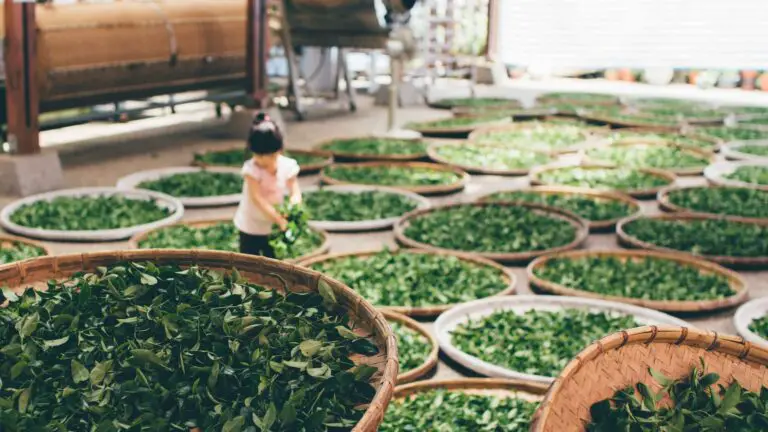
🍵 Harvesting and Processing Your Homegrown Tea Leaves
Timeline
- Pluck → 7–10 days during flush.
- Wither → 12 h on mesh trays in shade.
- Pan-fire green → 3 min at 300 °F, toss like stir-fry.
- Oxidize (black) → 4 h at 80 °F, 85 % RH.
- Dry → 10 min at 230 °F until 5 % moisture.
First YouTube video tip recap: Harvest herbs when buds form but before full bloom—flavor peaks then. See #featured-video for a visual walk-through.
🌟 Creative DIY Tea Garden Decor Ideas to Elevate Your Space
- Teacup succulent towers—drill drainage with a ceramic bit.
- Tea-stain bunting dip cotton triangles in black tea; UV-safe for 2 seasons.
- Solar kettle fountain—remove lid, insert 5 W pump, instant zen.
🌍 Sustainable Practices for Eco-Friendly Tea Gardens
- Rain-chain irrigation: Guides roof runoff straight into swales.
- Biochar trench: We bury pruned branches, biochar them in-situ, locking carbon for centuries.
- Seed-saving circle: Swap with neighbors; we sent 200 tulsi seeds last year via r/seedswap.
📅 Seasonal Care and Maintenance Tips for Year-Round Success
| Season | Task | Pro Tip |
|---|---|---|
| Spring | Light pruning | Cut ⅓ old wood to stimulate new shoots. |
| Summer | Shade cloth | 30 % UV protection boosts chlorophyll. |
| Fall | Compost top-up | 1 in layer acts as slow-release fertilizer. |
| Winter | Frost cloth | Secure with binder clips—wind loves to steal them! |
📚 Recommended Books and Resources for Tea Garden Enthusiasts
- “The Tea Enthusiast’s Handbook”—Mary Lou Heiss; covers terroir.
- “Homegrown Tea”—Cassie Liversidge; DIY herbal blends.
- “Camellia Sinensis”—Institute of Tea; free PDF at ipni.net.
🎥 Top YouTube Channels and Tutorials for Tea Garden DIY Projects
- Growing Teas™ (wink-wink) – playlist on Green Tea Cultivation hacks.
- Epic Gardening – concise 5-min videos on drip irrigation.
- Garden Answer – aesthetic inspo with 1 M+ subs.
🛒 Where to Buy Quality Tea Plants and Gardening Supplies
Verified Vendors
- Camellia Forest Nursery – 20+ sinensis cultivars.
- Forestfarm – ships 1-gal, zone-rated.
- Local Master Gardener sales – cheapest, best acclimated.
👉 Shop Camellia sinensis on:
🤔 Frequently Asked Questions About Tea Garden DIY Projects
Q: Can I grow real tea in a cold climate?
A: ✅ Yes, pick cold-hardy cultivars like ‘Korea’ and overwinter in an unheated garage.
Q: How long before first harvest?
A: Seed-grown: 3 years; cutting-grown: 2 years; we’ve squeezed micro-harvests at 18 months with heavy nitrogen feed (fish hydrolysate).
Q: Do I need to ferment leaves?
A: Only for black tea. Green = skip oxidation; oolong = partial 20–60 %.
Q: Are coffee grounds okay?
A: ⚠️ Sparingly; they raise soil acidity but can crust. Mix 10 % into compost.
Q: Help—my leaves turned brown after rain!
A: Likely algal spot. Increase airflow, prune interior branches, spray copper soap.
Still craving more? Jump into our herbal tea planting vault or learn the health benefits of tea while your kettle boils.
📝 Conclusion: Your Journey to a Thriving DIY Tea Garden

Well, fellow tea enthusiasts, we’ve brewed a full pot of knowledge on tea garden DIY projects! From selecting the perfect spot to building raised beds and harvesting your own leaves, you now have the blueprint to create a tea garden that’s both beautiful and bountiful. Remember our early tease about growing tea in colder climates? With the right cultivars and a little winter protection, your tea dreams can flourish even beyond subtropical zones.
Our hands-on experience at Growing Teas™ confirms: patience pays off. Whether you start with cuttings or seeds, nurturing your tea plants with organic soil, companion planting, and sustainable irrigation will reward you with fresh, flavorful leaves for years to come. And don’t forget—your tea garden is also a sanctuary, a place to unwind and connect with nature.
No single product dominates this space, but investing in quality materials like cedar lumber for raised beds, Orbit B-hyve irrigation timers, and Felco pruners will save headaches and boost your success rate. Plus, embracing DIY decor ideas adds that personal touch that turns a garden into a retreat.
So, roll up your sleeves, grab your pruners, and start planting! Your perfect cup of homegrown tea is just a few seasons away. 🍵🌿
🔗 Recommended Links for Further Exploration
-
Cedar Lumber & Hardware Cloth:
-
Irrigation Timer:
-
Rooting Hormone:
-
Tea Plants:
-
Recommended Books:
🤔 Frequently Asked Questions About Tea Garden DIY Projects
How can I create a DIY tea garden at home?
Creating a tea garden at home starts with choosing the right location—ideally a spot with morning sun and afternoon shade, good air circulation, and well-draining soil. Begin small with raised beds or containers to control soil quality and drainage. Use acidic, organic-rich soil and plant Camellia sinensis or herbal tea plants like chamomile and mint. Incorporate companion plants to boost growth and deter pests. Finally, install an efficient irrigation system such as drip or micro-spray with timers to maintain consistent moisture. Regular pruning and mulching will keep your tea plants healthy and productive.
What are the best plants for a tea garden DIY project?
- Camellia sinensis: The classic tea plant for green, black, and oolong teas.
- Herbal companions: Mint, chamomile, lemon verbena, tulsi (holy basil), and lemon balm add diversity and aromatic complexity.
- Companion plants: Nasturtiums and marigolds help repel pests naturally. Avoid fennel, which inhibits tea plant growth.
Choosing cultivars suited to your climate is crucial. For colder zones, look for cold-hardy varieties like ‘Korea’ or ‘Big Leaf’.
What materials do I need for building a tea garden DIY setup?
- Raised bed materials: Untreated cedar boards (2×10 in recommended), deck screws, weed-barrier fabric, and hardware cloth for pest protection.
- Soil components: Organic compost, pine bark, perlite, and peat moss to create a well-draining, acidic growing medium.
- Irrigation: Drip or micro-spray systems with smart timers like the Orbit B-hyve for water efficiency.
- Tools: Bypass pruners (Felco F-8), soil pH meter (Apera SX610), gloves, and humidity domes for propagation.
How do I maintain a DIY tea garden for fresh tea leaves?
Maintenance involves seasonal pruning, mulching, and pest management. Prune lightly in spring to encourage new shoots, and apply 2-inch mulch layers to retain moisture and suppress weeds. Use organic pest controls like neem oil and beneficial nematodes to keep your garden healthy. Monitor soil pH regularly and amend as needed. Harvest young leaves and buds every 7–10 days during the growing season for the best flavor. Protect plants with shade cloth in summer and frost cloth in winter to extend your harvest window.
📖 Reference Links and Credible Sources
- Camellia Forest Nursery – Tea Plant Varieties
- Orbit B-hyve Smart Timer Product Details
- Felco Pruners Official Site
- Institute of Plant Nutrition and Fertilization (IPNI) – Camellia Sinensis PDF
- Herb and Tea Garden Raised Bed Ideas from Bed Frames – Facebook Group Post
- Epic Gardening YouTube Channel
- Garden Answer YouTube Channel
- Growing Teas™ Green Tea Cultivation Category
- Growing Teas™ Herbal Tea Planting Category
- Growing Teas™ Organic Farming Techniques
- Growing Teas™ Health Benefits of Tea
- Growing Teas™ DIY Tea Blending