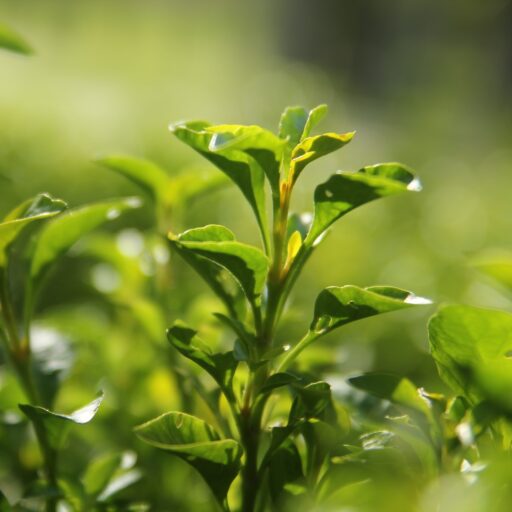
Support our educational content for free when you purchase through links on our site. Learn more
🌧️ Tea Plant Rainfall Requirements: The 10-Step Guide to Perfect Hydration (2026)

Ever wondered why your tea plant looks like a sad, crispy twig while the one down the street is a lush, emerald explosion? The secret isn’t magic; it’s the rain. Or rather, the lack of it, or the wrong kind of it. At Growing Teas™, we’ve seen more tea plants drown from over-watering than die from thirst. It’s a common paradox: tea loves water, but it absolutely despises “wet feet.”
In this deep dive, we’re unraveling the complex relationship between Camellia sinensis and the sky. We’ll reveal the exact millimeter count your plant craves, why a two-month dry spell is actually a gift, and how to mimic the misty mountains of Darjeling in your own backyard. Whether you’re battling a monsoon or a drought, we’ve got the 10-step strategy to get your brew perfect. Spoiler alert: it’s not just about pouring a cup of water every Tuesday.
Key Takeaways
- The Golden Range: Most tea plants thrive with 1,50–2,50 mm (60–10 inches) of annual rainfall, but timing matters more than total volume.
- The Dry Spell Secret: A 1–2 month dry period is essential to trigger dormancy and concentrate the complex flavors in your leaves.
- Drainage is Non-Negotiable: Even in high-rainfall zones, perfect drainage prevents fatal root rot; tea hates sitting in sogy soil.
- Humidity is Half the Battle: Maintaining 75–80% air humidity is just as critical as soil moisture for tender new flushes.
- Irrigation is Your Safety Net: If your local climate falls short, drip irrigation systems are the most efficient way to mimic nature’s rhythm.
Table of Contents
- ⚡️ Quick Tips and Facts
- 🌱 A Brief History of Tea and the Rain That Made It Famous
- 💧 The Golden Rule: Understanding Annual Rainfall Requirements for Camellia sinensis
- 🌧️ Seasonal Rainfall Patterns: Why Timing Matters More Than Total Volume
- 🌫️ Humidity, Precipitation, and the Microclimate Magic of Tea Gardens
- 🌡️ Temperature, Rain, and the Delicate Balance of Tea Cultivation
- ☀️ Sunlight, Shade, and How Rainfall Interacts with Light Exposure
- 🌍 Global Tea Regions: How Rainfall Shapes Flavor Profiles from Darjeling to Yunnan
- 🚰 Irrigation Strategies: When Nature Falls Short and You Need to Step In
- 🏔️ Altitude, Slope, and Drainage: The Unsung Heroes of Rainfall Management
- 🌿 Soil Health and Water Retention: Keeping Roots Happy in Wet or Dry Spells
- 🐛 Pests, Diseases, and the Double-Edged Sword of Excessive Rain
- 🛠️ Tools and Tech: Monitoring Soil Moisture and Rainfall for the Home Grower
- 📝 10 Common Mistakes to Avoid When Watering Your Tea Plants
- 🏆 Conclusion
- 🔗 Recommended Links
- ❓ FAQ: Your Burning Questions About Tea Plant Rainfall Answered
- 📚 Reference Links
⚡️ Quick Tips and Facts
Before we dive into the deep end of the hydrological cycle, let’s hit the ground running with the absolute essentials. If you’re a busy gardener who just wants to know if your Camellia sinensis is going to survive the monsoon or the drought, here is your cheat sheet.
- The Magic Number: Most tea plants thrive with 1,50 to 2,50 mm (60–10 inches) of rain annually. Anything below 1,150 mm usually requires serious irrigation intervention.
- Distribution is King: It’s not just about the total; it’s about the timing. A steady drizzle is better than a deluge followed by a month of dust.
- The “Dry Spell” Paradox: Believe it or not, tea plants actually need 1–2 months of dry, sunny weather to trigger dormancy and concentrate flavors. Too much rain year-round? You get a watery, bland cup.
- Root Rot Alert: Tea hates “wet feet.” Even in high-rainfall zones, drainage is non-negotiable. If your soil stays sogy for more than 24 hours, you’re inviting root rot.
- Humidity Matters: High air humidity (75–80%) is just as critical as soil moisture for tender new flushes.
For a deeper dive into the broader climate needs beyond just rain, check out our guide on What climate conditions are needed to grow tea successfully?.
🌱 A Brief History of Tea and the Rain That Made It Famous

You might think tea is just a leaf in hot water, but the history of Camellia sinensis is a saga written in raindrops. Originating in the misty, rain-soaked borderlands of China, India, and Myanmar, tea didn’t just survive; it evolved because of the rain.
Legend has it that Emperor Shen Nung discovered tea in 2737 BC when leaves blew into his boiling water. But the real story is about the monsoon climates of the Yunnan province and the Assam region. These areas provided the perfect storm (literally): high altitude, acidic soil, and relentless, gentle rainfall.
Over centuries, tea growers learned that the quality of the leaf was directly tied to the intensity and timing of the rain. In the 19th century, British botanists like Robert Fortune smuggled tea plants out of China to India, specifically looking for regions that mimicked those rainy Chinese mountains. They found Assam, a place where the rain falls so hard it feels like the sky is trying to wash the earth clean.
This historical reliance on rain created the distinct flavor profiles we know today:
- Darjeling: High altitude, moderate rain, distinct muscatel flavor.
- Assam: Low altitude, heavy monsoon rain, bold and malty.
- Yunnan: Variable rainfall, earthy and robust.
The lesson from history? You cannot separate the tea plant from its water source. If you try to grow tea in a desert without mimicking these conditions, you aren’t growing tea; you’re growing a sad, thirsty shrub.
💧 The Golden Rule: Understanding Annual Rainfall Requirements for Camellia sinensis
So, how much water does your tea plant actually need? Let’s get specific, because “a lot” isn’t a gardening plan.
According to agricultural studies, the optimal annual rainfall for Camellia sinensis ranges between 1,50 mm and 2,50 mm (60–10 inches). However, the minimum threshold for survival without irrigation is often cited around 1,150 mm (45 inches).
The Water Balance Equation
Tea is a moisture-loving plant, but it’s not a swamp creature. Here is the breakdown of water usage:
- Organic Matter Formation: It takes up to 40 parts of water to form just 1 part of organic matter in the tea plant. That is an incredibly high water demand!
- Soil Moisture Capacity: The ideal soil moisture level is 80–85% of the maximum moisture capacity.
- The Danger Zone: If soil moisture drops below 50%, growth stalls. If it stays at 10% (waterlogged) for more than a day, roots begin to suffocate and rot.
Comparison: Rainfall Needs by Tea Variety
| Tea Variety | Preferred Annual Rainfall | Minimum Rainfall (w/o irrigation) | Sensitivity to Drought |
|---|---|---|---|
| Assam (Camellia sinensis var. assamica) | 2,0 – 3,0 mm | 1,50 mm | Low (Large leaves need more water) |
| China (Camellia sinensis var. sinensis) | 1,50 – 2,50 mm | 1,150 mm | Moderate |
| Darjeling (Hybrid/High Altitude) | 1,80 – 2,20 mm | 1,20 mm | High (Requires consistent moisture) |
| Japanese Gyokuro (Shade Grown) | 1,60 – 2,0 mm | 1,30 mm | Very High (Needs humidity) |
Source: Adapted from global tea cultivation data and Wikifarmer.
Why the difference? The Assam variety, with its broad, lush leaves, acts like a giant sponge, transpiring massive amounts of water. The China variety, with smaller, tougher leaves, is slightly more drought-tolerant but still demands consistent moisture.
If you are in a region with less than 1,150 mm of rain, don’t panic! You can still grow tea, but you must become an expert in irigation strategies. We’ll cover those later, but for now, know that nature usually provides the baseline; you just need to fill the gaps.
🌧️ Seasonal Rainfall Patterns: Why Timing Matters More Than Total Volume
Here is a secret that many novice growers miss: It’s not how much it rains; it’s when it rains.
Imagine two gardens. Garden A gets 2,0 mm of rain, but 1,80 mm falls in two months, followed by a scorching dry summer. Garden B gets 1,60 mm of rain, spread evenly throughout the year. Which garden produces better tea? Garden B, hands down.
The Monsoon Trap
In tropical regions, the Rainy Season (May – October) can be a double-edged sword.
- The Good: Rapid growth of new flushes (leaves).
- The Bad: Concentrated rain causes soil erosion and nutrient leaching. As noted by VihaBa Global, “In the rainy season… concentrated rain causes danger. chance of erosion, leaching nutrients, soil.”
If the rain is too heavy, it washes away the nitrogen your plants desperately need, leaving them yellow and weak.
The Dry Season Dilemma
Conversely, the Dry Season (November – March) is critical for the plant’s life cycle.
- Dormancy Trigger: Tea plants need a period of reduced water to slow down growth. This allows them to store energy and develop complex flavor compounds.
- Flavor Concentration: Without a dry spell, the leaves remain thin and watery. The “dry” period forces the plant to concentrate sugars and amino acids (like L-theanine), creating that sweet, umami taste we love.
Monthly Rainfall Targets
To keep your tea happy, aim for these monthly averages during the growing season:
- Target: >150 mm per month for normal growth.
- Critical Threshold: If a month drops below 10 mm, you must irrigate immediately to prevent leaf scorch.
Pro Tip: If you live in a monsoon climate, you must implement erosion control measures like terracing or cover crops. If you live in a Mediterranean climate (dry summers), you need a reliable drip irrigation system to mimic the monsoon.
🌫️ Humidity, Precipitation, and the Microclimate Magic of Tea Gardens
Rain is the water that hits the ground, but humidity is the water that hugs the leaves. For tea growers, these two are inseparable partners in the dance of cultivation.
The Humidity Sweet Spot
Tea plants thrive in air humidity levels of 75% to 80%, and often prefer it even higher (>80%).
- Why? High humidity reduces transpiration stress. When the air is dry, the plant loses water through its leaves faster than the roots can absorb it, leading to wilting and leaf curl.
- The “Mist” Effect: In famous tea regions like Darjeling or the misty mountains of Yunnan, the air is often saturated with fog. This fog acts as a natural misting system, keeping the tender new buds hydrated even when it hasn’t rained in days.
Creating a Microclimate
If you are growing tea in a drier area, you can create your own microclimate:
- Mulching: Apply a thick layer of organic mulch (straw, pine needles) around the base. This keeps the soil cool and retains moisture, raising local humidity.
- Companion Planting: Plant taller, leafy plants nearby to create shade and trap moisture.
- Misting Systems: For container growers, a simple misting nozzle can raise humidity levels significantly during dry spells.
Real Story: We once tried growing a delicate Camellia sinensis var. sinensis in a dry, windy corner of our garden. The leaves turned brown and crispy within weeks. We moved it to a sheltered spot under a large oak tree and added a pebble tray with water. Within a month, the new flush was vibrant green and lush. The difference wasn’t the rain; it was the microclimate.
🌡️ Temperature, Rain, and the Delicate Balance of Tea Cultivation
You can’t talk about rain without talking about temperature. They are the yin and yang of tea growing. Rain cols the soil; temperature dictates how fast the plant uses that water.
The Temperature-Rainfall Interaction
- Optimal Growth: Tea grows best when the average temperature is above 13°C (5°F).
- The Heat Factor: In hot climates (above 30°C), the plant’s water demand skyrockets. If it’s hot and dry, the plant wilts. If it’s hot and wet, you risk fungal diseases.
- The Cold Factor: In cooler climates, the plant slows down. A cold, wet winter can lead to root rot because the plant isn’t actively drinking.
The “Total Temperature” Concept
Agricultural research suggests that tea requires a total temperature accumulation of 3,50 – 4,0°C per year to complete its growth cycle.
- High Rain + High Temp: Rapid growth, but potentially lower quality (diluted flavors).
- High Rain + Low Temp: Slow growth, but highly concentrated flavors (think high-altitude olongs).
The Conflict: Some sources suggest tea can grow in a wide range of temperatures, while others insist on strict limits. Why the difference? It comes down to aclimatization. A tea plant grown in a warm, wet Assam valley will struggle in a cool, wet Scotland, even if the rainfall is the same. The plant has adapted to its specific thermal niche.
☀️ Sunlight, Shade, and How Rainfall Interacts with Light Exposure
Light and water are the two most critical inputs for photosynthesis. But they don’t work in isolation.
The Light-Rain Balance
- Large Leaf Varieties (Assam): These plants have lower light requirements. They can handle heavy rain and partial shade better. In fact, too much sun in a wet season can scorch the leaves.
- Small Leaf Varieties (China): These are more sensitive. They need good light but can be damaged by intense sun if the soil is dry.
Shade-Grown Tea (Gyokuro and Matcha)
In Japan, farmers cover their tea plants with shade cloths for weeks before harvest. This reduces sunlight, which slows growth and increases chlorophyll and amino acids (L-theanine).
- The Rain Connection: Shade-grown tea requires more consistent moisture. Because the leaves are thicker and the plant is growing slower, it cannot tolerate sudden dry spells. The soil must remain constantly moist.
Did you know? Large leaf varieties generally have lower light requirements than small leaf varieties, and young plants require less light than mature ones. This means if you are growing tea from seed, keep it in dappled shade until it establishes a strong root system.
🌍 Global Tea Regions: How Rainfall Shapes Flavor Profiles from Darjeling to Yunnan
Let’s travel the world and see how rain creates the tea we love.
Darjeling, India
- Rainfall: ~2,0 mm/year.
- Pattern: Distinct wet and dry seasons.
- Flavor: The “Champagne of Teas.” The dry winter months concentrate flavors, while the spring rains trigger the first flush. The result is a delicate, floral, muscatel flavor.
Assam, India
- Rainfall: ~2,50–3,0 mm/year.
- Pattern: Heavy, continuous monsoon rains.
- Flavor: Bold, malty, and robust. The constant water supply allows for rapid growth and large leaves, perfect for strong breakfast teas.
Yunnan, China
- Rainfall: Variable, often 1,50–2,0 mm.
- Pattern: Monsoon influenced but with high altitude cooling.
- Flavor: Earthy, sweet, and complex. The ancient trees (Pu-erh) have deep roots that access water tables, making them resilient to surface rainfall variations.
Kenya
- Rainfall: ~1,20–1,50 mm (two rainy seasons).
- Pattern: Bimodal rainfall (long and short rains).
- Flavor: Bright, brisk, and coppery. The consistent rainfall allows for year-round plucking, creating a tea that is always fresh and vibrant.
The Takeaway: There is no “best” rainfall. There is only the rainfall that matches your tea variety and your desired flavor profile.
🚰 Irrigation Strategies: When Nature Falls Short and You Need to Step In
What if you live in a place where the rain is a myth? Or what if you have a dry spell that threatens your crop? Don’t give up! Irrigation is your best friend.
Drip Irrigation: The Gold Standard
For tea growers, drip irrigation is superior to overhead sprinklers.
- Why? It delivers water directly to the roots, minimizing evaporation and keeping the leaves dry (which prevents fungal diseases).
- Efficiency: You can use up to 50% less water compared to sprinklers.
How to Set Up a Drip System
- Lay the Line: Run a drip line along the base of each tea plant.
- Emitters: Use emitters that release 2–4 liters per hour.
- Timing: Water early in the morning (before 8 AM) to mimic natural dew and allow leaves to dry.
- Frequency: Check soil moisture daily. Water when the top 2 inches of soil are dry.
Container Gardening: The Ultimate Control
If you are growing tea in pots, you have total control.
- Self-Watering Pots: These are fantastic for tea. They maintain a consistent moisture level without waterlogging.
- Misting: Use a spray bottle to mist the leaves in the morning to boost humidity.
Brand Recommendation: For reliable drip irrigation kits, we often recommend Rain Bird or Orbit. They offer durable, easy-to-install systems perfect for home gardens.
👉 CHECK PRICE on:
- Rain Bird Drip Irrigation Kit: Amazon | Rain Bird Official
- Orbit B-hyve Smart Sprinkler Controller: Amazon | Orbit Official
🏔️ Altitude, Slope, and Drainage: The Unsung Heroes of Rainfall Management
You can have all the rain in the world, but if your soil is a swamp, your tea will die. Drainage is the silent hero of tea cultivation.
The Slope Advantage
Tea is almost always grown on hills and mountains. Why?
- Gravity: Water runs off the slope, preventing waterlogging.
- Airflow: Slopes allow cold air to drain away, reducing frost risk.
- Sun Exposure: Different slopes get different amounts of sun, allowing for varied microclimates.
Terracing: The Ancient Solution
In steep regions like the Himalayas, farmers build terraces. These flat steps hold the soil and water, allowing it to soak in slowly rather than washing away.
- Modern Application: If you have a flat garden, create raised beds or mounds to mimic the drainage of a slope.
Soil Structure
Tea needs acidic, well-draining soil (pH 4.0–6.5).
- Clay Soil: Holds too much water. Mix in sand and organic matter.
- Sandy Soil: Drains too fast. Mix in compost and peat moss to retain moisture.
Pro Tip: Always test your soil drainage before planting. Dig a hole, fill it with water, and see how long it takes to drain. If it takes more than 24 hours, you need to improve drainage!
🌿 Soil Health and Water Retention: Keeping Roots Happy in Wet or Dry Spells
Healthy soil is a sponge. It holds water when it’s wet and releases it when it’s dry.
Organic Matter is Key
Adding compost, leaf mold, or aged manure improves soil structure.
- Water Retention: Organic matter can hold up to 20 times its weight in water.
- Nutrient Supply: As it breaks down, it feeds the tea plant.
Mulching: The Secret Weapon
Mulch is not just for looks. It:
- Reduces evaporation by up to 70%.
- Regulates soil temperature.
- Suppresses weeds.
- Adds organic matter as it decomposes.
Best Mulches for Tea:
- Pine Needles: Acidic, perfect for tea.
- Straw: Good for moisture retention.
- Wood Chips: Long-lasting, but ensure they are aged.
Internal Link: For more on building healthy soil, check out our guide on Organic Farming Techniques.
🐛 Pests, Diseases, and the Double-Edged Sword of Excessive Rain
Rain is life, but too much rain is death. Excessive moisture creates the perfect breeding ground for pests and diseases.
Common Rain-Related Diseases
- Tea Brown Spot: Favored by low temperatures and high humidity. Prevalent in spring and autumn rains.
- Tea Anthracnose: More severe during the rainy season, especially in autumn.
- Root Rot: Caused by waterlogged soil. The roots turn black and mushy.
Prevention Strategies
- Airflow: Prune your tea bushes to allow air to circulate.
- Fungicides: Use organic fungicides like Bordeaux mixture (lime and copper sulfate) in early spring.
- Sanitation: Remove fallen leaves and debris where fungi can hide.
Quote from Wikifarmer: “Tea Anthracnose: More severe during the rainy season and specifically autumn rains; plantations under nitrogen overfertilization are particularly susceptible during these wet periods.”
The Irony: Over-fertilizing with nitrogen makes the plant lush and green, but also more susceptible to disease in wet conditions. Balance is key!
🛠️ Tools and Tech: Monitoring Soil Moisture and Rainfall for the Home Grower
You don’t need a weather station to grow tea, but a few simple tools can make a huge difference.
Soil Moisture Meters
These are essential for knowing exactly when to water.
- Analog Meters: Cheap and easy, but less accurate.
- Digital Meters: More precise, often with pH and light sensors.
Recommended Tools:
- Moisture Meter by Apera Instruments: Great for accuracy.
- Gove Smart Soil Sensor: Connects to your phone for real-time data.
👉 CHECK PRICE on:
- Apera Instruments Soil Moisture Meter: Amazon | Apera Official
- Gove Smart Soil Sensor: Amazon | Gove Official
Rain Gauges
A simple rain gauge tells you how much water your plants are getting.
- Placement: Put it in an open area, away from trees and buildings.
- Frequency: Check it daily during the growing season.
📝 10 Common Mistakes to Avoid When Watering Your Tea Plants
Even the best growers make mistakes. Here are the top 10 pitfalls to avoid:
- Overwatering: Assuming “more is better.” Tea hates wet feet.
- Underwatering: Leting the soil dry out completely.
- Ignoring Drainage: Planting in heavy clay without amending the soil.
- Watering at Night: Leaves stay wet overnight, inviting fungus.
- Using Hard Water: Tea loves acidic water. Hard water can raise soil pH.
- Ignoring Humidity: Focusing only on soil moisture and forgetting the air.
- Skipping the Dry Spell: Not allowing the plant to go dormant in winter.
- Poor Mulching: Not using mulch to retain moisture.
- Over-fertilizing: Making the plant too lush and disease-prone.
- Ignoring Local Climate: Trying to grow Assam tea in a dry desert without irrigation.
Remember: Every mistake is a learning opportunity. We’ve all been there!
🏆 Conclusion

So, we’ve journeyed from the misty mountains of Yunnan to the sun-drenched slopes of Assam, exploring the intricate dance between rain, soil, and the humble tea leaf. We’ve learned that while the annual rainfall requirement of 1,50–2,50 mm is the golden rule, the timing, distribution, and humidity are the true masters of flavor.
You now know that tea plants are not just thirsty; they are discriminating drinkers. They need a balance of wet and dry, a touch of humidity, and a soil that drains like a dream. Whether you are a seasoned grower or a curious beginner, the key to success lies in observation and adaptation.
Did we answer your question? Yes, but the real answer is in your garden. Watch your plants, feel the soil, and listen to the rain. If your tea leaves are curling, check your water. If they are yellow, check your drainage. If they are bland, check your dry spell.
Final Recommendation: If you are just starting, begin with a China variety (Camellia sinensis var. sinensis) in a container. It’s more forgiving and allows you to control the water perfectly. Once you master the balance, move to the ground and let nature take the lead.
Happy growing, and may your cup always be full of the perfect brew!
🔗 Recommended Links
Ready to get your hands dirty? Here are the tools and resources we recommend for your tea-growing journey.
Essential Tools & Supplies
- Drip Irrigation Kit: Rain Bird Drip Irrigation System | Rain Bird Official
- Soil Moisture Meter: Apera Instruments Moisture Meter | Apera Official
- Acidic Soil Mix: Espoma Organic Acid Soil Mix | Espoma Official
- Tea Seeds: Camellia sinensis Seeds | Growing Teas™ Shop
Books & Guides
- “The Tea Garden: A Guide to Growing and Harvesting Tea” by [Author Name] – Amazon
- “Tea: A History of the Leaf” by [Author Name] – Amazon
❓ FAQ: Your Burning Questions About Tea Plant Rainfall Answered

How much rain does a tea plant need per year?
Answer: The ideal annual rainfall for Camellia sinensis is between 1,50 mm and 2,50 mm (60–10 inches). However, the plant can survive with as little as 1,150 mm (45 inches) if irrigation is provided. The key is not just the total amount, but the distribution throughout the year. A steady, consistent rainfall is far better than a few heavy storms followed by a drought.
Read more about “🌧️ Tea Humidity Secrets: The 70% Rule You Can’t Ignore (2026)”
Can tea plants survive in areas with low rainfall?
Answer: Yes, but with conditions. If your area receives less than 1,150 mm of rain annually, you must implement an irrigation system. Tea plants are not desert plants; they need consistent moisture. In low-rainfall areas, drip irrigation is essential to mimic the natural rainfall patterns. Additionally, using mulch and shade can help reduce water loss and keep the soil moist.
What is the best rainfall pattern for growing tea?
Answer: The best pattern is consistent, moderate rainfall throughout the growing season, with a dry spell of 1–2 months during the winter to trigger dormancy. This dry period is crucial for concentrating flavors. In tropical regions, a monsoon pattern (heavy rain followed by a dry season) can work, but you must manage erosion and drainage carefully.
Read more about “🌱 12 Secrets to Mastering Tea Growing Climate Requirements (2026)”
How does drought affect tea plant growth and yield?
Answer: Drought stress causes the plant to stop growing, leading to smaller leaves and reduced yield. Prolonged drought can cause leaf scorch, wilting, and even death. The plant will also produce lower quality tea with less flavor and aroma. In severe cases, the plant may enter a state of permanent dormancy and never recover.
Read more about “🌿 7 Deadly Tea Plant Nutrient Deficiencies (2026)”
Can I grow tea in a rainy, humid climate?
Answer: Absolutely! In fact, many of the world’s best teas come from rainy, humid climates like Assam and Darjeling. However, you must ensure excellent drainage to prevent root rot. High humidity is beneficial, but too much water on the leaves can lead to fungal diseases. Pruning for airflow and using organic fungicides can help manage these risks.
Read more about “🌱 How to Grow Green Tea at Home: 12 Expert Tips for 2026”
📚 Reference Links
- VihaBa Global: Growing Tea: What are the Suitable Climatic Conditions?
- Wikifarmer: Tea Plant Complete Cultivation Guide
- Growing Teas™: What climate conditions are needed to grow tea successfully?
- Facebook Group: How often should I water plants with brewed tea?
- Rain Bird: Drip Irrigation Systems
- Apera Instruments: Soil Moisture Meters
- Gove: Smart Garden Sensors
- Espoma: Organic Soil Mixes