Support our educational content for free when you purchase through links on our site. Learn more
🐞 12 Ways to Stop Tea Garden Pests

Preventing pest infestations in your tea garden starts with healthy plants, weekly scouting, clean growing practices, and targeted control—not routine blanket spraying. If you’re asking, “How can I prevent pest infestations in my tea garden to ensure a healthy harvest?”, the practical answer is to use integrated pest management (IPM) from the moment you bring home a Camellia sinensis plant.
We’ve seen a tiny aphid colony become a sticky, ant-protected mess in less than a week. We’ve also watched a hand lens, a quick water spray, and a little pruning stop a problem before it reached the harvestable flush. That early check can make the difference between plucking beautiful young shoots and sorting damaged leaves into the compost.
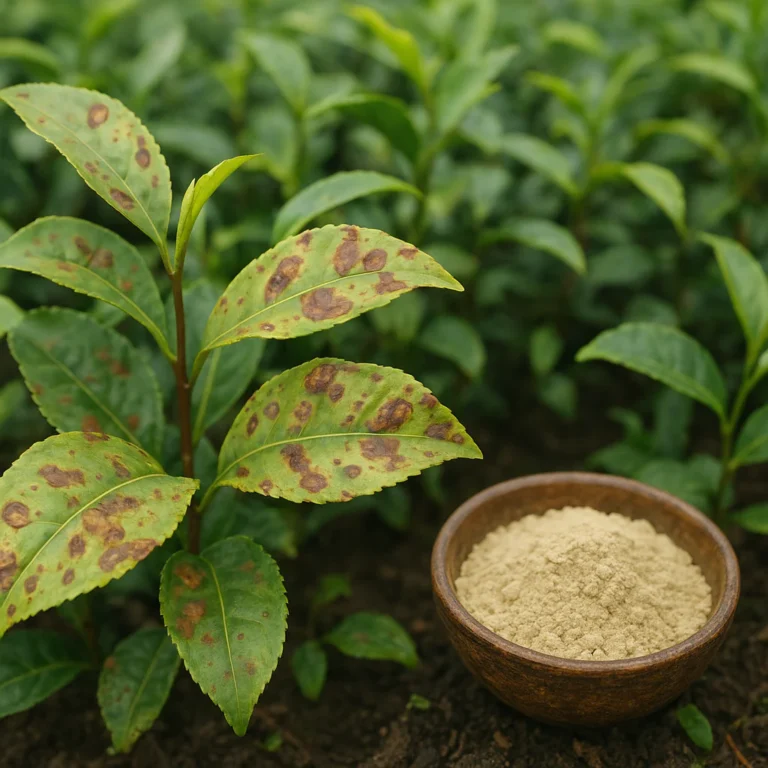
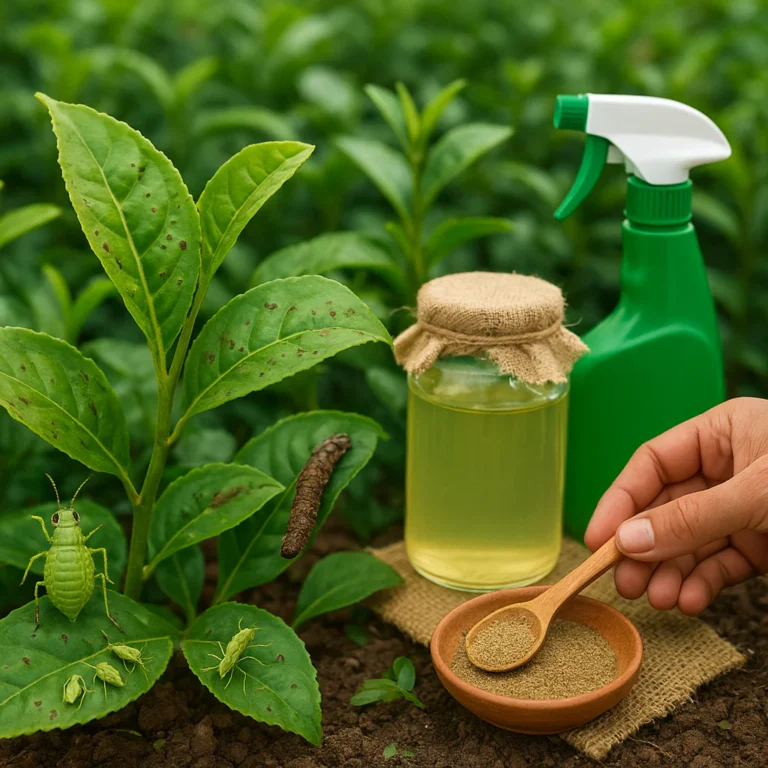
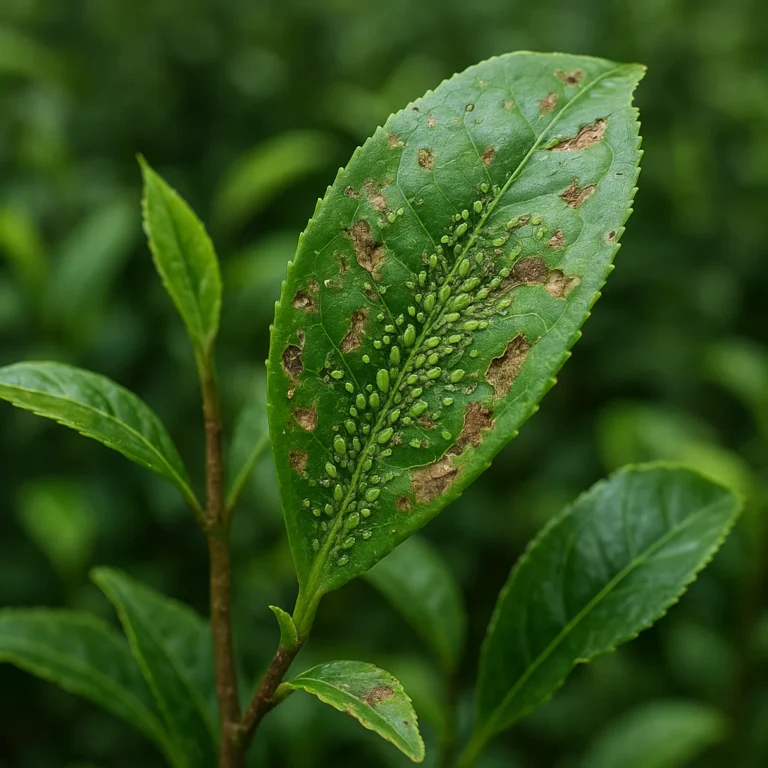
Tea pests hide where hurried gardeners rarely look: under leaves, inside rolled shoots, around stem joints, and beneath mulch. Aphids, thrips, spider mites, caterpillars, scale, slugs, tea mosquito bugs, and shot-hole borers each leave different clues, so accurate identification comes before treatment.
A healthy harvest depends on more than eliminating insects. Your tea plants need acidic, well-drained soil, consistent moisture, balanced nutrition, good airflow, beneficial insects, and careful sanitation. That combination makes the garden less inviting to pests while helping plants recover from minor damage.
Key Takeaways
- Inspect tea plants weekly, focusing on new shoots, leaf undersides, stems, mulch, and sticky traps.
- Identify the pest before treating it; aphids, mites, caterpillars, borers, slugs, and tea mosquito bugs require different controls.
- Quarantine new plants for at least two weeks to prevent introducing scale, mites, thrips, or disease.
- Build resilient plants with acidic, well-drained soil, balanced fertilizer, consistent watering, and suitable light.
- Improve airflow through careful pruning and remove heavily infested leaves, shoots, and garden debris.
- Use physical and biological controls first, including hand removal, insect neting, beneficial insects, and targeted traps.
- Apply insecticidal soap, horticultural oil, neem products, Bt, or spinosad only when the label allows use on tea or edible crops.
- Protect pollinators and your harvest by avoiding open flowers, preventing spray drift, and following every pre-harvest interval.
- Keep a pest-control log so you can spot seasonal patterns and avoid repeating treatments that failed.
- Treat prevention as a system, not a single product: healthy roots, clean tools, early detection, and selective action work together.
Table of Contents
- ⚡ Quick Tips and Facts
- 🌿 Tea Garden Pest Prevention: Why Healthy Plants Harvest Better
- How Integrated Pest Management (IPM) Protects Tea Plants
- The Pest Triangle: Plant, Pest, and Environment
- 🔍 Identify Tea Garden Pests Before Reaching for Sprays
- Common Tea Plant Insect Pests
- Tea Mosquito Bug and Other Sap-Sucking Insects
- Tea Shot-Hole Borer, Caterpillars, and Leaf Rollers
- Spider Mites, Thrips, Aphids, Scale, and Whiteflies
- Signs of Slugs, Snails, Ants, and Chewing Pests
- Distinguishing Pest Damage from Tea Plant Diseases
- 🪴 Choose Pest-Resistant Tea Plants and the Right Growing Site
- Selecting Camellia sinensis Varieties for Your Climate
- Sunlight, Airflow, Drainage, and Humidity Requirements
- Quarantine Rules for New Tea Plants
- 1. Build Healthy Soil for Naturally Resilient Tea Plants
- Soil Testing, pH, Compost, and Organic Matter
- Mulching Without Creating a Pest Shelter
- Fertilizing Tea Plants Without Encouraging Insect Outbreaks
- 2. Water Tea Plants Correctly to Prevent Stress and Infestations
- Drip Irrigation Versus Overhead Watering
- Preventing Drought Stress, Root Rot, and Excess Humidity
- 3. Prune and Train Tea Bushes for Better Airflow
- When to Prune Camellia sinensis
- Sanitizing Pruning Tools and Removing Infested Growth
- Tipping, Plucking, and Maintaining a Productive Tea Canopy
- 4. Inspect Tea Plants With a Weekly Scouting Routine
- A Practical Leaf-by-Leaf Inspection Checklist
- Using a Hand Lens, Sticky Traps, and Pest Logs
- How to Set Action Thresholds Before Treating
- 5. Use Physical Bariers and Traps Before Pesticides
- Insect Neting, Row Covers, and Garden Fleece
- Yellow Sticky Traps, Beer Traps, and Hand Removal
- Copper Tape, Diatomaceous Earth, and Their Limitations
- 6. Atract Beneficial Insects and Wildlife
- Best Companion Plants for a Tea Garden
- Predatory Beetles, Lacewings, Hoverflies, and Parasitic Wasps
- Birds, Bats, Frogs, and Other Natural Pest Controllers
- Plants and Practices That Harm Beneficial Insects
- 7. Control Ants and Weds That Help Pests Spread
- Why Ants Protect Aphids, Scale, and Mealybugs
- Wed Management Around Tea Bushes
- Cleaning Fallen Leaves and Garden Debris
- 8. Apply Organic and Low-Toxicity Pest Treatments Safely
- Insecticidal Soap for Aphids, Whiteflies, and Mites
- Horticultural Oil and Neem Oil: Benefits and Risks
- Bacillus thuringiensis (Bt) for Tea Caterpillars
- Horticultural Oils, Spinosad, and Other Reduced-Risk Options
- How to Read Labels for Edible Tea Crops
- 9. Avoid Common Tea Garden Pest-Control Mistakes
- Why Broad-Spectrum Sprays Can Make Infestations Worse
- Spraying in Heat, Wind, or During Bloom
- Mixing Products and Ignoring Harvest Intervals
- ✅ Helpful Practices and ❌ Risky Shortcuts
- 10. Manage Tea Pests Through the Seasons
- Winter Cleanup and Dormant-Season Prevention
- Spring Pest Monitoring and New Growth Protection
- Summer Heat, Mites, and Water Stress
- Autumn Sanitation and Overwintering Pest Control
- 11. Protect Tea Harvests During Plucking and Processing
- When to Harvest Pest-Damaged Leaves
- Sorting, Washing, and Handling Fresh Tea Leaves
- Food-Safety Rules for Homegrown Tea
- 12. Create a Tea Garden Pest-Prevention Calendar
- Daily, Weekly, and Monthly Tasks
- A Simple Pest Scouting and Treatment Record
- When to Call a Certified Arborist or Pest Professional
- 🧪 Diagnosing a Tea Plant Infestation: A Step-by-Step Decision Guide
- Leaves Are Curling, Sticky, or Covered in Sooty Mold
- Leaves Have Holes, Notches, or Skeletonized Tissue
- Leaves Are Speckled, Bronzed, or Webed
- Young Shots Are Wilted, Scared, or Distorted
- 🌱 Integrated Pest Management for Organic Tea Gardens
- Organic Certification and Approved Pest-Control Inputs
- Balancing Natural Remedies With Effective Control
- How to Protect Pollinators, Soil Life, and Waterways
- 🌍 Climate, Region, and Local Pest Pressure
- Pest Prevention in Tropical, Subtropical, and Temperate Gardens
- Using Local Extension Services and Pest Forecasts
- 🧰 Essential Tools and Supplies for a Pest-Free Tea Garden
- Hand Lens, Pruners, Gloves, and Sanitizing Supplies
- Neting, Traps, Sprayers, and Protective Equipment
- Choosing Reliable Products From Brands Such as Bonide, Monterey, and Safer Brand
- 💬 Lessons From Our Tea Gardens: What Actually Works
- The Early-Detection Habit That Saves a Harvest
- Anecdotes From Managing Tea Mosquito Bug and Mite Pressure
- Why Prevention Beats Emergency Spraying
- ❓ Frequently Asked Questions About Tea Plant Pest Control
- What Is the Best Natural Pest Control for Tea Plants?
- How Often Should Inspect My Tea Garden?
- Can I Use Neem Oil on Tea Leaves?
- How Do I Get Rid of Aphids Without Harming Beneficial Insects?
- What Is Eating Holes in My Tea Plant Leaves?
- Should I Remove Infested Tea Leaves?
- How Can I Prevent Pests on Newly Purchased Tea Plants?
- Are Companion Plants Effective in a Tea Garden?
- Conclusion
- Recommended Links
- FAQ
- Reference Links
⚡️ Quick Tips and Facts
The shortest useful answer: prevent tea garden pest infestations by combining healthy soil, clean planting material, airflow, regular scouting, physical barriers, beneficial insects, and precisely targeted treatments. Spraying everything “just in case” is not a prevention plan; it is an expensive invitation to pest rebound.
For a species-specific overview, start with our guide to common pests and diseases that affect tea plants. We grow Camellia sinensis for tender harvests, so every treatment must be judged twice: does it control the pest, and is it appropriate for leaves you intend to drink? 🍵
The 10-minute prevention routine
- Inspect new shoots and leaf undersides once or twice weekly.
- Check for sticky honeydew, webing, stipling, holes, curled leaves, wilted shoots, and egg clusters.
- Look at the soil surface for slugs, ants, fallen leaves, and damp debris.
- Remove a few pests by hand if the population is small.
- Improve airflow by removing crossing or overcrowded growth.
- Water the root zone rather than repeatedly weting foliage.
- Record what you find, including date, location, and weather.
- Use yellow sticky cards for monitoring, not as a complete solution.
- Treat only after identifying the pest and checking the product label.
- Respect the product’s pre-harvest interval, even when the product is marketed as organic.
| Prevention habit | Why it helps | Common mistake |
|---|---|---|
| Weekly scouting | Finds colonies before they explode | Inspecting only the top of leaves |
| Clean pruning | Removes hiding places and improves airflow | Leaving infested cutings nearby |
| Moderate fertilization | Supports vigorous growth | Overfeeding with nitrogen |
| Drip or root-zone watering | Reduces splash and leaf wetness | Frequent shallow watering |
| Beneficial insect habitat | Supports natural predators | Spraying broad-spectrum insecticide |
| Insect neting | Blocks some flying pests | Installing it over already-infested plants |
| Targeted treatment | Limits collateral damage | Using one product for every symptom |
Our Growing Teas™ rule: if you cannot name the pest, do not reach for the sprayer yet. A leaf hole, a fungal spot, and mite stipling may look vaguely “unhappy,” but they need entirely different responses.
🌿 Tea Garden Pest Prevention: Why Healthy Plants Harvest Better
A vigorous tea plant is not pest-proof, but it is usually better able tolerate feeding damage and recover from pruning. Healthy roots, adequate light, suitable moisture, and balanced nutrition produce strong flushes—the tender shoots harvested for tea.
A widely repeated gardening principle says, “A healthier tree is more resistant and resilient to pests.” That advice comes from fruit-tree experience rather than tea-specific trials, so we treat it as a sound foundation, not a magic shield. The same logic applies to tea: stressed plants often produce weaker growth, while dense, humid canopies create ideal hiding places.
Research and extension guidance from the University of California Statewide Integrated Pest Management Program supports the broader principle of combining monitoring, cultural controls, biological controls, and selective pesticides rather than depending on routine calendar spraying.
How Integrated Pest Management (IPM) Protects Tea Plants
Integrated Pest Management, or IPM, is the backbone of responsible tea pest control. It does not mean tolerating a ruined crop. It means using the least disruptive effective method first, then escalating when monitoring shows the need.
The IPM sequence
- Prevent
- Buy healthy, pest-free plants.
- Give tea suitable soil, drainage, shade, and airflow.
- Remove weeds and plant debris that shelter pests.
- Monitor
- Inspect plants on a schedule.
- Use traps and a hand lens.
- Track weather and recurring pest locations.
- Identify
- Confirm whether the problem is an insect, mite, mollusk, disease, nutrient issue, or environmental stress.
- Set a threshold
- Decide how much damage the plant can tolerate before treatment.
- A single aphid is not an infestation; a spreading colony covering new shoots may be.
- Choose the least disruptive control
- Hand removal, pruning, water spray, neting, or biological control may be enough.
- Evaluate
- Recheck treated plants.
- If the pest remains, reassess the diagnosis before repeating the product.
The U.S. Environmental Protection Agency explains IPM as a practical approach that emphasizes prevention and uses pesticides only when monitoring shows they are needed.
The Pest Triangle: Plant, Pest, and Environment
We like to picture every infestation as a three-legged stool:
| Leg | Examples | Prevention lever |
|---|---|---|
| Host plant | Tender flush, stressed roots, dense canopy | Choose suitable plants and maintain vigor |
| Pest | Aphids, thrips, mites, caterpillars, scale | Scout and identify early |
| Environment | Heat, drought, excess humidity, weeds | Adjust irrigation, airflow, shade, and sanitation |
Remove one leg and the stool wobbles. Remove all three and the pest population usually struggles to establish.
🔍 Identify Tea Garden Pests Before Reaching for Sprays
Misidentification is one of the costliest tea-growing mistakes. Insecticidal soap will not cure root rot. Neem oil will not repair hail damage. Bt will not control aphids. The label can be perfectly followed and the treatment can still fail if the diagnosis is wrong.
Common Tea Plant Insect Pests
| Pest group | What you may see | Where to look | First response |
|---|---|---|---|
| Aphids | Curling leaves, sticky honeydew, ants | New shoots and leaf undersides | Water spray, hand removal, beneficial insects |
| Thrips | Silvery scars, distorted young leaves | Folded leaves and flowers | Sticky traps, sanitation, targeted treatment |
| Spider mites | Fine stipling, bronzing, webing | Dry, hot leaf undersides | Improve moisture balance, wash foliage, reassess |
| Scale | Bumps, yellowing, honeydew | Stems, veins, leaf undersides | Prune heavily infested growth; use labeled oil |
| Caterpillars | Chewed edges, holes, droppings | New growth and canopy interior | Hand-pick or use Bt for labeled caterpillars |
| Tea mosquito bug | Dark lesions, wilted shoots, dieback | Tender shoots | Remove affected growth and seek local guidance |
| Shot-hole borers | Tiny holes, frass, weakening stems | Woody stems and branches | Prune and destroy infested material |
| Slugs and snails | Raged holes, slime trails | Soil surface and shaded mulch | Traps, hand removal, habitat reduction |
Tea Mosquito Bug and Other Sap-Sucking Insects
Tea mosquito bug is a serious concern in some tea-growing regions. The insect feeds on tender shoots and can cause dark feeding lesions, wilting, dieback, and reduced flush quality. Local species and names vary, so identification should be verified through a regional agricultural extension service or crop protection authority.
The visible CABI tea pest resource highlights the wider concern that pests threaten tea production globally, although the Facebook page itself does not provide accessible technical recommendations. We therefore treat it as a signpost to the issue, not as a treatment guide.
Sap-sucking pests such as aphids, scale, whiteflies, and thrips may cause:
- Curling or distorted young leaves
- Yellow flecking or silver scarring
- Sticky honeydew
- Black soty mold growing on honeydew
- Stunted shoots
- Ant activity around colonies
Turn over the leaf. Many pests behave like tiny unpaid tenants: they hide underneath, feed quietly, and leave you the bill.
Tea Shot-Hole Borer, Caterpillars, and Leaf Rollers
Borers are more difficult than surface-feding insects because they spend part of their life inside stems or branches. Look for:
- Small round exit holes
- Sawdust-like frass
- Wilting beyond a particular branch
- Cracks, galleries, or dead twigs
- Repeated dieback in the same area
Caterpillars and leaf rollers are easier to spot when young. Inspect rolled leaves and search for dark droppings, called frass. Bacillus thuringiensis var. kurstaki, or Bt, works when susceptible caterpillars eat treated foliage. It does not work as a general insecticide against mites or aphids.
Spider Mites, Thrips, Aphids, Scale, and Whiteflies
Spider mites thrive under hot, dry, dusty conditions. Their damage often begins as tiny pale speckles called stipling. Heavy feeding can bronze leaves and produce fine webing.
Thrips scrape plant tissue, leaving:
- Silvery or bronze scars
- Distorted young growth
- Black fecal specks
- Poorly expanding leaves
Aphids cluster around tender shoots. Scale may look like stationary brown, white, or gray bumps, while whiteflies flutter when a branch is disturbed.
A hand lens is worth its place in every tea grower’s kit. We have found that a 10× lens often turns “mysterious leaf damage” into a clear diagnosis within seconds.
👉 CHECK PRICE on:
- SE 10X Illuminated Jeweler’s Loupe: Amazon
- Safer Brand Insect Killing Soap: Amazon | Safer Brand Official Website
Signs of Slugs, Snails, Ants, and Chewing Pests
Chewed leaves require detective work:
- Smooth, irregular holes at night: slugs or snails
- Notched leaf margins: beetles or wevils
- Clean round holes: sometimes leaf-chewing insects, sometimes mechanical damage
- Skeletonized leaves: caterpillars or beetles
- Ant trails: often associated with aphids or scale producing honeydew
Go outside after sunset with a flashlight. This is not glamorous, but neither is discovering that your “healthy” tea bush has been hosting a midnight slug banquet.
Distinguishing Pest Damage from Tea Plant Diseases
| Symptom | More likely pest-related | More likely disease or stress |
|---|---|---|
| Sticky leaves | Aphids, scale, whiteflies | Rarely a primary disease symptom |
| Fine webing | Spider mites | Some fungal growth, but inspect closely |
| Circular expanding spots | Sometimes chewing damage | Leaf spot disease |
| Whole shoot wilt | Borer or severe sap feeding | Root damage, drought, vascular disease |
| Uniform yellowing | Root stress or severe feeding | Nutrient imbalance, poor drainage |
| Silver scars | Thrips | Wind or chemical injury can mimic it |
| Raged holes | Caterpillars, slugs, beetles | Hail or mechanical damage |
If symptoms affect many plants in a uniform pattern, inspect water, roots, soil pH, fertilizer, and recent weather before blaming insects.
🪴 Choose Pest-Resistant Tea Plants and the Right Growing Site
There is no universally pest-proof tea cultivar. However, matching the plant to the climate is one of the most powerful forms of pest prevention.
Selecting Camellia sinensis Varieties for Your Climate
The two broad tea types are:
- Camellia sinensis var. sinensis: generally associated with smaller leaves and greater tolerance of cooler conditions.
- Camellia sinensis var. assamica: generally associated with larger leaves and warmer, humid growing regions.
Actual performance depends on provenance, cultivar, root conditions, exposure, and local weather. Ask a reputable nursery for:
- Verified botanical identity
- Local adaptation
- Disease history
- Root health
- A clean propagation record
Avoid plants with:
- Sticky leaves
- Webing
- Scale bumps
- Wilting despite moist soil
- Blackened stems
- Crowded, circling roots
- Visible insects around new growth
Our broader Green Tea Cultivation category covers site selection, pruning, and harvesting practices that support resilient bushes.
Sunlight, Airflow, Drainage, and Humidity Requirements
Tea likes moisture, but waterlogged roots and stagnant air are not the same as a healthy humid environment.
Aim for:
- Bright filtered light or appropriate partial shade
- Protection from harsh afternoon heat in hot climates
- Well-drained, acidic soil
- Consistent root-zone moisture
- Enough spacing for air movement
- Shelter from drying winds and severe frost
| Site factor | Too little | Too much | Better target |
|---|---|---|---|
| Light | Weak, stretched growth | Leaf scorch and drought stress | Bright filtered light |
| Water | Wilting and mite pressure | Root disease and fungus gnats | Even moisture, good drainage |
| Airflow | Damp canopy and fungal risk | Wind scorch and broken shoots | Gentle circulation |
| Humidity | Dry leaves and mites | Persistent wetness and disease | Humid air with dry leaf surfaces between rain events |
| Soil drainage | Root stress | Saturated roots | Moist but freely draining |
Quarantine Rules for New Tea Plants
Keep new plants apart from established tea bushes for at least two weeks, and longer if symptoms appear. Inspect them several times during quarantine.
- Place the new plant away from the main crop.
- Examine both leaf surfaces and stems.
- Check the pot rim, drainage holes, and soil surface.
- Wash or wipe visible pests where appropriate.
- Do not share pruners without sanitizing them.
- Move the plant only after it remains symptom-free.
A single infested nursery plant can spread scale or mites throughout a collection faster than a group chat spreads garden gossip.
1. Build Healthy Soil for Naturally Resilient Tea Plants
Tea prefers acidic conditions, but “acid-loving” does not mean “feed it random fertilizer until it turns green.” Test first. Excess nitrogen can produce lush, soft growth that is attractive to sap-feding pests and more vulnerable to stress.
Soil Testing, pH, Compost, and Organic Matter
A soil test should measure:
- pH
- Organic matter
- Nitrogen, phosphorus, and potassium
- Calcium and magnesium
- Salinity or soluble salts where relevant
Use a reputable laboratory or local extension service. Tea commonly performs best in acidic soil, but the exact target depends on the cultivar, substrate, and regional recommendations.
Add compost only when it is mature and free of weed seeds, pests, and contaminated plant material. Avoid burying thick layers of fresh green debris around the crown.
Mulching Without Creating a Pest Shelter
Organic mulch can conserve moisture and moderate soil temperature, but it can also shelter slugs and snails if piled against stems.
Use these practices:
- Keep mulch away from the main stem.
- Maintain a thin, even layer rather than a wet mound.
- Check underneath during damp weather.
- Replace moldy or pest-filled mulch.
- Avoid importing mulch from an infested garden.
Fertilizing Tea Plants Without Encouraging Insect Outbreaks
Healthy nutrition supports new flushes, but more fertilizer is not always more tea. Follow soil-test recommendations and use products intended for acid-loving plants.
Our Fertilizers for Tea Plants category explains how to think about feeding without turning your tea garden into an all-you-can-eat buffet for aphids.
What about molasses sprays?
The competing fruit-tree article recommends dissolving 2 tablespoons of molasses in warm water, mixing it into 1 gallon of water, and spraying weekly. Some gardeners report greener foliage, but we do not treat this as a proven tea-pest control method. Spraying sugary material can leave residue and potentially attract ants or other insects.
Our recommendation: prioritize soil testing, compost quality, correct pH, and balanced fertilizer. If experimenting with any foliar treatment, test on a small area first and avoid applying sweet residues to harvestable leaves.
2. Water Tea Plants Correctly to Prevent Stress and Infestations
Watering is pest prevention because drought-stressed tea plants are more vulnerable to mites, while persistently wet foliage can encourage disease and weak growth.
Drip Irrigation Versus Overhead Watering
| Method | Advantages | Drawbacks | Best use |
|---|---|---|---|
| Drip irrigation | Efficient, keeps foliage drier | Requires setup and maintenance | Established beds |
| Soaker hose | Gentle root-zone watering | Can clog or distribute unevenly | Small rows |
| Hand watering at soil level | Precise and inexpensive | Time-consuming | Containers and small gardens |
| Overhead sprinkler | Useful for cooling or washing some pests | Wet foliage, splash, evaporation | Occasional, carefully timed use |
Water slowly enough to penetrate the root zone. Frequent shallow watering encourages shallow roots and creates a plant that panics dramatically after one hot afternoon.
Preventing Drought Stress, Root Rot, and Excess Humidity
- Check moisture several inches below the surface.
- Water deeply when the root zone begins to dry, according to soil and weather.
- Improve drainage before increasing irrigation.
- Avoid weting leaves late in the day.
- Use mulch to moderate evaporation.
- Provide shade during extreme heat where appropriate.
- Inspect containers for blocked drainage holes.
3. Prune and Train Tea Bushes for Better Airflow
A dense tea canopy can be productive, but excessive crowding creates cool, shaded pockets where pests and diseases hide. One competitor’s memorable phrase is, “The best fungicide and bacteriacide is air.” We would not use that sentence literally—air does not replace diagnosis or treatment—but the airflow principle is excellent.
When to Prune Camellia sinensis
Pruning timing depends on climate and harvest goals. Major shaping is best done during an active growing period that allows recovery, while severe pruning should be avoided immediately before frost, extreme heat, or a major flush you intend to harvest.
Prune to:
- Remove dead, damaged, or diseased wood
- Open congested areas
- Maintain a reachable plucking surface
- Remove branches with persistent borer damage
- Encourage balanced new growth
Sanitizing Pruning Tools and Removing Infested Growth
Clean tools between visibly diseased plants and after cutting suspicious material. Use a suitable disinfectant according to label directions, allow tools to dry, and keep blades sharp.
Infested cutings should be:
- Sealed and disposed of according to local rules
- Removed from the garden
- Kept out of home compost unless the compost reaches reliable pathogen-killing temperatures and the material is appropriate to compost
Never leave piles of pruned tea branches beside the hedge. That is not sanitation; it is pest accommodation.
Tipping, Plucking, and Maintaining a Productive Tea Canopy
Regular plucking can remove some pests from tender growth, but it is not a substitute for inspection. Harvest clean shoots separately from damaged material and avoid stripping the plant so aggressively that it cannot maintain healthy leaves for photosynthesis.
4. Inspect Tea Plants With a Weekly Scouting Routine
Scouting turns pest control from a guessing game into a decision system. Walk the same route each time so you can compare changes.
A Practical Leaf-by-Leaf Inspection Checklist
Inspect:
- The newest shoot tips
- Leaf undersides
- Main veins and petioles
- Stems and branch junctions
- The soil surface
- Mulch beneath the canopy
- Nearby weeds
- Plants at the edge of the bed
Look for:
- Live insects or mites
- Eggs and larvae
- Honeydew
- Sooty mold
- Webing
- Frass
- Lesions
- Holes and notches
- Wilted tips
- Ant trails
Using a Hand Lens, Sticky Traps, and Pest Logs
Sticky cards are useful for detecting flying insects and identifying activity trends. They do not reliably control every pest, and they may capture beneficial insects if placed carelessly.
Record:
| Date | Plant/location | Symptom | Pest found? | Weather | Action | Result |
|---|---|---|---|---|---|---|
| May 10 | North row, plant 4 | Silver scars | Thrips suspected | Hot, dry | Added trap | Recheck in 3 days |
| May 14 | Same plant | More scars | Thrips confirmed | Warm | Targeted treatment | Monitor |
| May 21 | Same plant | New growth clean | Few adults | Mild | No repeat spray | Continue scouting |
How to Set Action Thresholds Before Treating
A threshold depends on:
- Plant age and vigor
- Pest species
- Growth stage
- Value of the harvest
- Weather forecast
- Presence of beneficial insects
- Whether damage is increasing
For a small home tea garden, discovering a small aphid colony may justify hand removal because the task takes two minutes. For a commercial planting, treatment decisions may rely on formal regional thresholds and sampling methods.
Do not confuse presence with economic injury. A ladybug on a tea plant is not a pest emergency; it may be the unpaid employee you needed.
5. Use Physical Bariers and Traps Before Pesticides
Physical controls reduce exposure to sprays and work especially well on young plants and container-grown tea.
Insect Neting, Row Covers, and Garden Fleece
Neting can block some flying pests, but it must be installed correctly:
- Place it over pest-free plants.
- Anchor edges tightly.
- Avoid gaps around the base.
- Check whether pollination is relevant for nearby flowering plants.
- Remove or adjust it during extreme heat.
- Inspect underneath regularly.
Fine mesh offers more exclusion but can reduce airflow and light. Heavy fleece can overheat plants or retain moisture, so use it according to the season.
Yellow Sticky Traps, Beer Traps, and Hand Removal
- Yellow sticky traps: monitor aphids, whiteflies, fungus gnats, and some flying insects.
- Blue sticky traps: often used for thrips monitoring.
- Beer traps: can reduce slugs locally, but they require frequent emptying and do not solve a large population.
- Hand removal: excellent for caterpillars, scale colonies on accessible stems, and nighttime slugs.
- Water spray: can dislodge aphids and mites if the plant and soil can tolerate it.
Copper Tape, Diatomaceous Earth, and Their Limitations
Diatomaceous earth works best when dry and undisturbed. Rain, irrigation, and humidity reduce its effectiveness. It can also harm beneficial crawling insects, so apply sparingly and avoid dusting flowers or areas with heavy beneficial activity.
Copper barriers may deter slugs and snails, but they require clean, continuous contact. Wet soil, leaves, and debris can create bridges over the barrier.
6. Atract Beneficial Insects and Wildlife
A tea garden does not need to be a sterile green laboratory. Predators, parasitoids, birds, and amphibians can provide valuable background control when the habitat supports them.
Best Companion Plants for a Tea Garden
Choose plants suited to your climate and avoid aggressive species that compete with tea. Useful companion plant categories include:
- Nectar-rich flowers for adult hoverflies and parasitoid wasps
- Dill, fennel, cilantro, and parsley allowed to flower
- Yarrow and native flowering plants
- Buckwheat as a short-season flowering cover crop
- Native shrubs that provide shelter without crowding tea
Companion planting is not a force field. Its strongest benefits often come from habitat diversification and predator support, not from a magical scent that makes every pest flee.
Our Organic Farming Techniques category explores habitat, soil, and low-impact approaches in greater detail.
Predatory Beetles, Lacewings, Hoverflies, and Parasitic Wasps
Beneficial organisms include:
- Lady beetles that consume aphids
- Lacewing larvae that attack soft-bodied pests
- Hoverfly larvae that eat aphids
- Parasitic wasps that develop in caterpillars or other insects
- Ground beetles that hunt soil-surface pests
- Predatory mites that attack spider mites
Avoid buying beneficial insects without first improving habitat and confirming that the species fits your local conditions. Released predators may disperse quickly if there is no food or shelter.
Birds, Bats, Frogs, and Other Natural Pest Controllers
Provide:
- Shallow water cleaned regularly
- Dense but tidy shelter
- Native plants
- Safe perches
- Avoidance of toxic bait accessible to wildlife
Do not assume every bird, wasp, or beetle is helpful—or harmful. Identification matters.
Plants and Practices That Harm Beneficial Insects
Broad-spectrum insecticides can kill predators along with pests. Even some organic products can harm bees, parasitoids, and aquatic organisms if misaplied.
Before spraying:
- Identify the target pest.
- Check pollinator warnings.
- Avoid open flowers.
- Spray during low-activity periods.
- Prevent drift.
- Never exceed the label rate.
7. Control Ants and Weds That Help Pests Spread
Why Ants Protect Aphids, Scale, and Mealybugs
Ants may “farm” honeydew-producing insects, moving them to fresh growth and defending them from predators. If you see ants marching up the tea bush, inspect the leaves and stems for aphids or scale.
Control the system, not just the ants:
- Locate the honeydew-producing pest.
- Wash or remove the colony where practical.
- Prune heavily infested shoots.
- Reduce ant access with appropriate barriers.
- Use bait only according to its label and away from children, pets, and non-target wildlife.
Weed Management Around Tea Bushes
Weds compete for water and nutrients and may host pests. Keep a clear zone around tea while preserving beneficial habitat elsewhere.
Better practices include:
- Hand weding near stems
- Shallow cultivation
- Mulching correctly
- Mowing flowering areas after beneficial insects have used them
- Removing weeds known to harbor local tea pests
Cleaning Fallen Leaves and Garden Debris
Remove:
- Severely infested leaves
- Dead shoots
- Diseased plant material
- Fallen debris harboring slugs or larvae
- Fruit or plant waste from nearby crops that can sustain pests
The first video referenced in this article takes a firm “no mercy in the garden” approach and emphasizes removing damaged material, checking eggs, and using neting on vulnerable plants. We agree with the hands-on monitoring and sanitation, but “no mercy” should still mean no unnecessary harm to beneficial insects.
8. Apply Organic and Low-Toxicity Pest Treatments Safely
“Organic” does not mean harmless. A product can be organically approved and still injure pollinators, burn leaves, contaminate waterways, or be unsuitable for a harvested tea crop.
Always read the label for:
- Approved crop
- Target pest
- Mixing instructions
- Application interval
- Protective equipment
- Re-entry interval
- Pre-harvest interval
- Storage and disposal
Insecticidal Soap for Aphids, Whiteflies, and Mites
Insecticidal soap works by contacting susceptible soft-bodied insects. It is not a long-lasting protective film.
Apply effectively:
- Test a small area first.
- Spray when temperatures are moderate.
- Cover leaf undersides and shoot tips.
- Avoid drought-stressed or newly transplanted plants.
- Recheck after several days.
- Repeat only as the label permits.
The University of Minnesota Extension discusses insecticidal soaps and warns that household detergents can injure plants. Use a product formulated and labeled as insecticidal soap rather than improvising with dish detergent.
Horticultural Oil and Neem Oil: Benefits and Risks
Horticultural oils may smother exposed pests and eggs, but they can burn foliage when applied during heat, drought, freezing conditions, or certain disease-control schedules.
Neem products vary considerably. Some contain azadirachtin; others are primarily clarified hydrophobic neem oil. Their effects, labels, and crop approvals differ.
Never assume a neem product is automatically approved for tea leaves. Check the exact label in your country.
👉 CHECK PRICE on:
- Bonide Neem Oil: Amazon | Bonide Official Website
- Monterey Horticultural Oil: Amazon | Monterey Lawn and Garden Official Website
- Safer Brand Horticultural Oil: Amazon | Safer Brand Official Website
Bacillus thuringiensis (Bt) for Tea Caterpillars
Bt is highly specific compared with broad-spectrum insecticides, but it must be:
- The correct Bt strain for the target caterpillar
- Eaten by the larva
- Applied to foliage before larvae become too large
- Reaplied according to the label after rain or new growth
It does not control aphids, mites, scale, or beetles. The first video’s explanation that Bt must be ingested is a useful distinction and helps explain why it can be more compatible with beneficial insects when used correctly.
👉 CHECK PRICE on:
- Bonide Thuricide BT: Amazon | Bonide Official Website
- Monterey Bt: Amazon | Monterey Lawn and Garden Official Website
Horticultural Oils, Spinosad, and Other Reduced-Risk Options
Spinosad can control several chewing and some thrips pests, but it is not selective enough to spray casually. Wet spray can harm bees; avoid open blooms and apply according to the label, often during low bee activity.
The National Pesticide Information Center explains spinosad, including its toxicity considerations and environmental behavior.
A treatment hierarchy might look like this:
| Situation | Lower-impact first choice | Escalation |
|---|---|---|
| Small aphid colony | Water spray or hand removal | Labeled insecticidal soap |
| Caterpillars | Hand-pick or Bt | Labeled selective product |
| Spider mites | Reduce stress, wash leaves | Labeled miticide or oil |
| Scale | Prune or manually remove | Labeled horticultural oil |
| Thrips | Traps, sanitation, weed control | Labeled selective treatment |
| Slugs | Hand removal, habitat reduction | Labeled bait used carefully |
How to Read Labels for Edible Tea Crops
The label is the legal use document. Look for the crop name tea, Camellia sinensis, edible leaves, or an applicable crop category permitted in your jurisdiction.
If tea is not listed:
- Contact the manufacturer.
- Contact your local extension service.
- Do not assume “safe for vegetables” means safe for tea.
- Do not harvest based on a social-media recommendation alone.
9. Avoid Common Tea Garden Pest-Control Mistakes
Why Broad-Spectrum Sprays Can Make Infestations Worse
A broad-spectrum product may reduce pests quickly, but it can also kill predators. With natural enemies gone, surviving aphids or mites may rebound rapidly.
This is one reason we recommend spot treatment over blanket spraying whenever practical.
Spraying in Heat, Wind, or During Bloom
Avoid application during:
- High heat
- Drought stress
- Strong wind
- Rain
- Freezing conditions
- Active bee visitation
- Periods when foliage cannot dry appropriately
Always follow the product label over generic advice.
Mixing Products and Ignoring Harvest Intervals
Do not mix neem, soap, oil, copper, sulfur, Bt, or spinosad unless the label permits the combination. Tank mixing can increase leaf burn or create unexpected residues.
A product’s organic certification, natural origin, or pleasant smell does not erase the pre-harvest interval.
✅ Helpful Practices and ❌ Risky Shortcuts
| ✅ Do this | ❌ Avoid this |
|---|---|
| Identify the pest first | Spraying every symptom |
| Inspect leaf undersides | Looking only at the canopy top |
| Use labeled tea-crop products | Assuming vegetable labels cover tea |
| Protect beneficial insects | Spraying open flowers |
| Test a small area | Treating the entire garden immediately |
| Keep records | Repeating a failed treatment blindly |
| Improve airflow and irrigation | Treating stress as an insect problem |
| Dispose of infested cutings | Leaving them beside the plants |
10. Manage Tea Pests Through the Seasons
Winter Cleanup and Dormant-Season Prevention
In mild climates, inspect stems, scale, and sheltered areas during winter. Remove dead wood and debris. Dormant oils may be appropriate for some plants and pests, but tea is not automatically covered by fruit-tree directions.
In colder areas, protect roots and stems from freeze injury. A frost-damaged tea plant is more vulnerable when growth resumes.
Spring Pest Monitoring and New Growth Protection
Spring flush is precious—and tender. Begin inspections before the first major burst of new growth.
- Check nursery plants before planting.
- Place monitoring cards.
- Inspect shoots twice weekly during rapid growth.
- Watch for aphids, thrips, caterpillars, and tea mosquito bug where relevant.
- Keep nitrogen applications measured.
Summer Heat, Mites, and Water Stress
Summer prevention focuses on:
- Consistent irrigation
- Shade during dangerous heat
- Dust reduction
- Mite scouting
- Avoiding oil applications in unsafe temperatures
- Maintaining mulch without creating a slug hotel
Autumn Sanitation and Overwintering Pest Control
Remove heavily infested leaves and dead shoots. Inspect the canopy before cold weather drives pests into protected crevices. Clean tools, containers, and nearby weeds.
11. Protect Tea Harvests During Plucking and Processing
When to Harvest Pest-Damaged Leaves
Do not harvest visibly contaminated or heavily damaged leaves for drinking. Separate questionable material from clean shoots.
Reject leaves with:
- Active insect colonies
- Heavy honeydew or soty mold
- Unknown spray residue
- Severe disease lesions
- Mold
- Decomposition
- Frass or eggs
Sorting, Washing, and Handling Fresh Tea Leaves
Harvest with clean hands and containers. Keep leaves cool, dry, and protected from insects. Washing may remove surface dirt but does not guarantee removal of pesticide residues or internal contamination.
Do not rely on washing to make an unapproved treatment acceptable.
Food-Safety Rules for Homegrown Tea
Maintain records of:
- Product name
- Active ingredient
- Application date
- Rate
- Weather
- Harvest date
- Label interval
For food-safety guidance, consult your national regulator and the U.S. Food and Drug Administration’s produce safety resources.
12. Create a Tea Garden Pest-Prevention Calendar
Daily, Weekly, and Monthly Tasks
| Frequency | Task |
|---|---|
| Daily during outbreaks | Check treated plants, weather, and harvest restrictions |
| Weekly | Inspect new growth, leaf undersides, stems, mulch, and traps |
| Every 2–4 weeks | Review records, prune minor damage, inspect irrigation |
| Seasonally | Test soil, clean tools, refresh mulch, assess spacing |
| Before harvest | Confirm clean foliage and treatment intervals |
| After harvest | Remove damaged material and evaluate pest trends |
A Simple Pest Scouting and Treatment Record
Use one row per observation:
- Date and time
- Plant number or bed
- Weather
- Pest or symptom
- Pest life stage
- Beneficial insects seen
- Action taken
- Product and active ingredient, if any
- Reinspection date
- Harvest restriction
When to Call a Certified Arborist or Pest Professional
Seek expert help when:
- Multiple plants decline rapidly.
- Borers affect the main framework.
- You cannot identify the pest.
- Treatment failures continue.
- A regulated pest is suspected.
- The garden is near sensitive waterways.
- You plan to use a restricted-use pesticide.
- A commercial harvest could be affected.
🧪 Diagnosing a Tea Plant Infestation: A Step-by-Step Decision Guide
Start with the question that saves the most time: what changed first—leaf appearance, plant vigor, or soil moisture?
- Photograph the whole plant.
- Photograph the damaged area close up.
- Inspect both leaf surfaces with a hand lens.
- Check stems and the soil line.
- Look for live pests, eggs, webing, frass, and honeydew.
- Review recent watering, fertilizing, pruning, weather, and sprays.
- Compare affected and unaffected plants.
- Identify the most likely cause.
- Start with the least disruptive control.
- Reinspect before repeating treatment.
Leaves Are Curling, Sticky, or Covered in Sooty Mold
Most likely suspects include aphids, scale, mealybugs, or whiteflies. Find the honeydew-producing insect. Ants may be present.
Start with:
- Water spray
- Pruning of badly infested tips
- Ant management
- Beneficial insect protection
- Labeled insecticidal soap if necessary
Leaves Have Holes, Notches, or Skeletonized Tissue
Inspect at dusk and dawn. Search leaf undersides and mulch for slugs, snails, caterpillars, beetles, and larvae.
Use:
- Hand removal
- Neting
- Habitat reduction
- Bt for identified susceptible caterpillars
- Carefully selected, labeled products only if needed
Leaves Are Speckled, Bronzed, or Webed
Spider mites are likely, particularly in hot, dry conditions. Confirm with a hand lens or the white-paper tap test.
- Improve plant moisture management.
- Wash foliage if appropriate.
- Reduce dust.
- Avoid indiscriminate insecticides that kill predatory mites.
- Treat only with a product labeled for the pest and tea crop.
Young Shots Are Wilted, Scared, or Distorted
Possible causes include tea mosquito bug, thrips, aphids, borers, frost, drought, or disease.
Compare:
- Damage pattern
- Presence of insects
- Stem condition
- Soil moisture
- Weather history
- Nearby plant symptoms
This is the point where a local expert can save weeks of guessing.
🌱 Integrated Pest Management for Organic Tea Gardens
Organic tea growing works best when prevention carries most of the load. Approved inputs still require accurate identification, timing, and restraint.
Organic Certification and Approved Pest-Control Inputs
Certification standards vary by country. In the United States, consult the USDA National Organic Program and verify products through approved listings where required.
For a home garden, “organic” may mean a personal production choice. For certified production, it means following formal rules for inputs, records, land management, and handling.
Balancing Natural Remedies With Effective Control
Natural remedies can be useful, but they are not automatically superior:
| Approach | Strength | Limitation |
|---|---|---|
| Hand removal | No residue, immediate | Labor-intensive |
| Neting | Prevents arrival | Must be installed correctly |
| Beneficial insects | Sustainable background control | Slow and habitat-dependent |
| Insecticidal soap | Useful on soft-bodied pests | Contact-only, can burn plants |
| Neem | May affect feeding and development | Product and label variation |
| Bt | Selective for target caterpillars | Must be eaten |
| Spinosad | Broad usefulness | Can harm bees when misaplied |
| Synthetic pesticide | Often fast and potent | Greater non-target and resistance concerns |
How to Protect Pollinators, Soil Life, and Waterways
- Spray only targeted plants.
- Avoid blooms and flowering weeds.
- Use low drift.
- Keep products away from drains and ponds.
- Never clean sprayers near waterways.
- Store products securely.
- Dispose of containers according to local rules.
- Preserve untreated refuge areas for beneficial insects.
🌍 Climate, Region, and Local Pest Pressure
Pest Prevention in Tropical, Subtropical, and Temperate Gardens
| Climate | Common pressure | Main prevention emphasis |
|---|---|---|
| Tropical | Tea mosquito bug, thrips, fungal disease, caterpillars | Airflow, sanitation, frequent scouting |
| Subtropical | Scale, mites, aphids, heat stress | Water balance, shade, pruning |
| Temperate | Aphids, caterpillars, slugs, overwintering pests | Quarantine, seasonal cleanup, frost protection |
| Dry climates | Spider mites, thrips, drought stress | Irrigation, dust control, shade |
| Wet climates | Slugs, fungal disease, dense-canopy problems | Drainage, spacing, airflow |
Using Local Extension Services and Pest Forecasts
Local advice beats generic internet lists because pest life cycles depend on climate. Contact:
- County or regional extension offices
- Agricultural universities
- Tea research stations
- Plant diagnostic laboratories
- National plant protection organizations
- Certified crop advisers
🧰 Essential Tools and Supplies for a Pest-Free Tea Garden
Hand Lens, Pruners, Gloves, and Sanitizing Supplies
A practical kit includes:
- 10× hand lens
- Sharp bypass pruners
- Nitrile or garden gloves
- Alcohol wipes or labeled disinfectant
- Small flashlight
- White inspection paper
- Plant tags
- Waterproof notebook
- Sealable disposal bags
Neting, Traps, Sprayers, and Protective Equipment
Choose:
- Fine insect neting
- Yellow and blue sticky cards
- Hand pump sprayer with adjustable nozzle
- Protective eyewear
- Chemical-resistant gloves where the label requires them
- Long sleeves and closed footwear
- Measuring tools dedicated to garden products
Clean sprayers after use, but never rinse chemical residue into a storm drain.
Choosing Reliable Products From Brands Such as Bonide, Monterey, and Safer Brand
These brands offer recognizable garden products, but brand reputation does not replace label verification. Product formulations differ by country and product line.
Before buying:
- Identify the pest.
- Confirm the active ingredient.
- Confirm tea or edible-crop approval.
- Read the harvest interval.
- Check pollinator warnings.
- Purchase only what you can store and use responsibly.
💬 Lessons From Our Tea Gardens: What Actually Works
The Early-Detection Habit That Saves a Harvest
Our most reliable habit is not a particular spray. It is the weekly walk with a hand lens. We once found what looked like ordinary leaf dust on a young flush. Under magnification, it was early mite damage. Because the colony was small, a moisture correction and focused washing solved the problem without turning the entire bed into a chemical theater.
Anecdotes From Managing Tea Mosquito Bug and Mite Pressure
In warm, humid weather, tender shoots can deteriorate quickly. We learned to inspect the newest flush first rather than wandering randomly through the hedge. Damaged shoots were removed, the canopy was opened slightly, and scouting frequency increased. The result was not a pest-free garden—such a place probably exists only in seed catalogs—but it was a harvestable one.
Why Prevention Beats Emergency Spraying
The first video’s gardener describes moving from a fully natural approach to a more hands-on organic spray program and seeing a larger harvest after reducing pest damage. We find that perspective useful because it avoids two extremes:
- Doing nothing while pests multiply
- Spraying everything before identifying a problem
The answer is a measured middle path: prevention first, targeted intervention second, reassessment always.
❓ Frequently Asked Questions About Tea Plant Pest Control
What are the most common pests that affect tea plants and how can I identify them?
Common pests include aphids, thrips, spider mites, scale, caterpillars, slugs, snails, borers, and region-specific pests such as tea mosquito bug.
Identify them by matching damage with location:
- Aphids: colonies on new shoots, curling, honeydew
- Thrips: silver scars and distorted growth
- Spider mites: stipling, bronzing, webing
- Scale: fixed bumps on stems and leaves
- Caterpillars: holes, frass, rolled leaves
- Slugs: raged holes and slime
- Borers: holes and frass in stems
- Tea mosquito bug: damaged, wilted tender shoots
Use a hand lens and consult a local diagnostic service before treatment.
How often should I inspect my tea garden for signs of pest infestations?
Inspect at least weekly during normal growth and two or three times per week during rapid flush, hot weather, or a known local pest outbreak.
Check more frequently after:
- Bringing home new plants
- Heavy rain
- Drought
- Heat waves
- Pruning
- A nearby crop pest outbreak
- Applying a treatment
Consistency matters more than marathon inspections once a month.
What natural pest control methods are safe for tea plants?
Safer first-line methods include:
- Hand removal
- Root-zone watering
- Pruning infested shoots
- Insect neting
- Sticky traps for monitoring
- Beneficial insect habitat
- Bt for correctly identified caterpillars
- Labeled insecticidal soap
- Labeled horticultural oil
“Natural” products still require a tea-crop label, correct timing, protective equipment, and harvest-interval compliance.
How can companion planting help protect tea plants from pests?
Companion planting can support predatory insects and parasitoids by providing nectar, shelter, and alternative food. Flowering dill, cilantro, yarrow, buckwheat, and native plants may help diversify habitat.
It does not guarantee pest exclusion. Plant companions far enough from tea to preserve airflow and avoid creating dense, damp hiding places.
Can I use neem oil on tea plants?
Only if the specific neem product is labeled for tea or an applicable edible crop in your jurisdiction. Neem formulations vary, and some are intended for ornamental plants rather than harvested leaves.
Never assume that cold-pressed, organic, or natural means approved for tea. Follow the label and observe the pre-harvest interval.
Are insecticidal soaps safe to use before harvesting tea leaves?
They may be appropriate when the product label permits use on the crop and the required interval is followed. Insecticidal soap works by contact, so thorough coverage is essential.
Do not substitute household dish detergent. Test for leaf burn, avoid heat-stressed plants, and wash harvested leaves according to safe handling practices.
How do I control aphids without killing beneficial insects?
Start with:
- A strong but gentle water spray.
- Hand removal of colonies.
- Pruning heavily infested tips.
- Ant control.
- Protection of lady beetles, lacewings, and hoverflies.
- Spot application of labeled insecticidal soap if needed.
Avoid broad-spectrum sprays across the whole tea garden.
What should I do if tea leaves have holes but I cannot find insects?
Inspect after dark, beneath mulch, inside rolled leaves, and around stems. Use a flashlight and look for slugs, snails, caterpillars, beetles, and larvae.
If no pest appears, consider hail, wind, mechanical damage, or older damage that has already ended. Mark the plant and monitor new growth before treating.
Can healthy soil alone prevent tea plant infestations?
No. Healthy soil improves vigor and resilience, but pests can still arrive on wind, nursery plants, wildlife, tools, or neighboring crops.
Think of soil health as strong armor, not invisibility. Combine it with quarantine, scouting, sanitation, airflow, and targeted control.
Should I remove infested tea leaves?
Remove leaves when they are heavily infested, diseased, badly damaged, or unlikely to recover. Bag and dispose of them if they may contain active pests or pathogens.
Do not strip a plant bare. Tea needs healthy leaves for photosynthesis and recovery.
Is diatomaceous earth effective against tea garden pests?
It can injure some crawling insects when dry and undisturbed, but it loses effectiveness when wet and may harm beneficial insects. Use it selectively, avoid flowers, and do not inhale the dust.
It is not a reliable treatment for aphids, mites, or pests protected on leaf undersides.
When should I call a professional?
Contact a professional or plant diagnostic laboratory when:
- Plants decline rapidly.
- A borer is attacking main stems.
- A regulated pest may be present.
- You cannot identify the cause.
- Treatments fail repeatedly.
- You grow tea commercially.
- The proposed product has significant environmental or food-safety implications.
Conclusion

The healthiest tea garden is not the one with the most products on the shelf. It is the one where pests are noticed early, plants are grown under suitable conditions, and every treatment has a clear target.
Our confident recommendation is to build your prevention system in this order:
- Start with clean, climate-appropriate Camellia sinensis.
- Improve soil drainage, acidity, and balanced nutrition.
- Maintain airflow through thoughtful pruning.
- Inspect new growth and leaf undersides weekly.
- Use neting, hand removal, traps, and sanitation first.
- Encourage beneficial insects and control ants and weeds.
- Apply soap, oil, Bt, spinosad, or other products only when the pest and label match.
- Record every treatment and honor harvest restrictions.
The unresolved mystery from the beginning—whether you need to spray at the first suspicious leaf—is now solved: usually not. Confirm the pest, assess the scale, and choose the narrowest effective response. That approach protects your harvest, your beneficial insects, and the quality of the tea in your cup. 🍵
Recommended Links
Continue learning with Growing Teas™
- Green Tea Cultivation
- Organic Farming Techniques
- Fertilizers for Tea Plants
- Herbal Tea Planting
- Health Benefits of Tea
- What are common pests and diseases that affect tea plants?
Helpful pest-control products
- Safer Brand Insect Killing Soap: Amazon | Safer Brand Official Website
- Bonide Neem Oil: Amazon | Bonide Official Website
- Bonide Thuricide BT: Amazon | Bonide Official Website
- Monterey Bt: Amazon | Monterey Lawn and Garden Official Website
- Yellow Sticky Traps: Amazon
- Blue Thrips Sticky Traps: Amazon
- 10× Illuminated Jeweler’s Loupe: Amazon
- Horticultural Oil: Amazon | Monterey Lawn and Garden Official Website
Recommended books
- The Organic Gardener’s Handbook of Natural Pest and Disease Control
- Teaming with Insects: The Organic Gardener’s Guide to Atracting and Preserving Beneficial Insects
- The Tea Enthusiast’s Handbook
- Tea: History, Teroirs, Varieties
FAQ

What is the best overall way to prevent pest infestations in a tea garden?
Use an IPM program combining clean plants, suitable growing conditions, weekly scouting, sanitation, airflow, beneficial insects, physical barriers, and targeted treatments. No single spray replaces this system.
Read more about “12 Best Tea Plant Varieties for US Gardens 🍃”
How can I prevent pests from arriving on new tea plants?
Quarantine every new plant, inspect leaf undersides and stems, isolate it for at least two weeks, and sanitize tools before it joins the established garden.
Read more about “How Long Does It Take to Grow a Tea Plant? ⏳ (2026 Guide)”
Can overfertilizing cause more tea plant pests?
Yes. Excess nitrogen can encourage lush, tender growth that attracts sap-feding insects and may be more vulnerable to stress. Base fertilizer decisions on soil tests and plant performance.
What is the safest spray for tea plants?
There is no universal safest spray. The safest choice is the properly labeled product matched to the confirmed pest, applied at the correct rate and time, with pollinator and harvest precautions followed.
Read more about “🌿 Tea Plant Growing Conditions: Grow Better Tea”
How do I protect bees while treating tea plants?
Avoid spraying flowers, treat when bees are inactive, prevent drift, choose targeted products, and preserve untreated flowering habitat. Always follow the product label’s pollinator warnings.
Read more about “🐞 12 Tea Plant Pests & Diseases: The Ultimate 2026 Guide”
Why do pests keep returning after treatment?
Possible reasons include incomplete coverage, untreated eggs, reinfestation from nearby plants, resistance, incorrect diagnosis, or loss of beneficial predators. Reinspect before applying the same treatment again.
Reference Links
- EPA: Integrated Pest Management Principles
- UC Statewide Integrated Pest Management Program
- University of Minnesota Extension: Insect Control With Soaps and Detergents
- National Pesticide Information Center: Spinosad General Fact Sheet
- USDA National Organic Program
- U.S. Food and Drug Administration: Produce Safety
- Bonide Official Website
- Monterey Lawn and Garden Official Website
- Safer Brand Official Website
- CABI Development: Tea Pests and Threats to Tea Production
- CABI Invasive Species Compendium
- Growing Teas™: Common Pests and Diseases Affecting Tea Plants